Every step along a woodland path tells a story. But what happens when artists pick up those stories and translate them into paint, sculpture, and other creative forms? The answer reveals something profound about our relationship with nature and the universal human need to find meaning in the spaces between trees.
Imagine walking down a moss-covered trail, the dappled sunlight creating dancing shadows on the forest floor. Now picture that same path transformed into a painting, a photograph, or even a poem. Forest pathways have been more than mere routes through nature – they’ve served as powerful symbols in art for millennia. From ancient cave paintings to contemporary digital installations, these natural corridors have captured the imagination of creators worldwide. What makes these paths so compelling? Why do they resonate so deeply with artists across different cultures and eras?
Ancient Roots: Paths as Sacred Journeys
Long before modern art existed, ancient peoples understood that forest trails carried spiritual weight. In many cultures, these pathways were seen as thresholds between worlds. Think of the sacred groves of ancient Greece, where the paths between trees weren’t just physical routes but gateways to divine wisdom. Native American traditions often viewed forest trails as connections to ancestral spirits, with each step carrying the weight of generations. The Hopi people believed their ceremonial paths held special power, while Celtic traditions saw forest ways as bridges between the physical and supernatural realms. These early artistic expressions show us how forest pathways became metaphors for life’s journey itself.
Symbolism in Movement: The Visual Language of Trails
Artists have long used forest pathways to communicate complex emotions and ideas. The winding nature of many forest trails mirrors the unpredictable twists of human experience. When painters like Caspar David Friedrich depicted solitary figures walking through dense woodlands, they weren’t just showing landscapes – they were expressing feelings of isolation, contemplation, and the search for inner truth. The path becomes a visual metaphor for the journey of life. Artists often use the direction of the trail to convey different meanings: straight paths suggest clarity and purpose, while winding routes indicate uncertainty and discovery. Even the materials of the path – whether muddy, smooth stone, or soft earth – speak volumes about the traveler’s experience.
Cultural Variations: How Different Societies See Forest Ways
Not every culture interprets forest pathways the same way. In Japanese art, particularly in traditional ink paintings and garden design, forest trails represent harmony and balance. The concept of ‘ma’ – the space between things – is central to understanding how these paths function artistically. Japanese artists often show minimal trails leading to mysterious destinations, suggesting that the journey itself is more important than the destination. Meanwhile, European romantic painters used forest paths to express longing and melancholy, often depicting figures lost in thought or searching for something beyond sight. African traditions sometimes view forest pathways as connections to community memory, where each trail holds stories of ancestors and shared experiences. These diverse interpretations reveal how deeply personal and culturally specific our relationship with nature can be.
Modern Interpretations: Contemporary Artists and Natural Corridors
Today’s artists continue to draw inspiration from forest pathways, but they approach them with new techniques and perspectives. Contemporary sculptors like Andy Goldsworthy create temporary installations that become part of the landscape itself, using fallen branches and stones to suggest natural paths. Digital artists explore virtual reality experiences that let viewers walk through imagined forest corridors, combining technology with timeless symbolism. Photography has given new life to forest pathway art, with photographers capturing the essence of solitude and wonder that these spaces provide. Some modern artists focus specifically on the contrast between natural and constructed paths, questioning how urban development affects our connection to these sacred spaces. The challenge for today’s creators lies in maintaining the spiritual quality of these paths while addressing current environmental concerns.
The Psychology Behind Pathway Art: Why We Connect
What is it about forest paths that triggers such strong emotional responses in both artists and viewers? Research suggests that our brains are wired to respond to linear elements in nature. The brain finds comfort in patterns, and forest trails provide a natural rhythm that feels familiar and safe. When we see a path leading into a forest, our minds automatically begin to imagine what might lie ahead. This creates anticipation and curiosity, which artists exploit in their work. Studies show that viewing artwork featuring forest pathways can reduce stress levels and increase feelings of well-being. The psychological impact extends beyond aesthetics – these images tap into our primal memories of exploration and discovery. It’s no wonder that artists keep returning to this theme, as it speaks to fundamental human needs for adventure, reflection, and connection with the natural world.
Preserving the Path: Environmental Art and Conservation Messages
In recent decades, forest pathway art has taken on new significance as environmental awareness has grown. Many contemporary artists now use their work to highlight threats to natural spaces, showing how development and climate change affect these vital corridors. Some create installations that physically recreate forest paths in urban environments, reminding city dwellers of what they’re missing. Others document disappearing trails through photography projects, turning the act of preservation into artistic expression. The movement toward eco-art has made forest pathway themes more urgent and meaningful. Artists like Maya Lin have created memorial works that incorporate natural elements, including pathways that guide visitors through landscapes that tell stories of loss and hope. These works remind us that protecting these spaces isn’t just about preserving beauty – it’s about maintaining essential human connections to the natural world.
Forest pathways in art reveal more than just pretty pictures – they show us how deeply connected we are to the natural world around us. Whether carved by ancient footsteps or created by modern brushstrokes, these routes carry stories, emotions, and meanings that transcend time and culture. As we face environmental challenges today, these artistic representations remind us of what we stand to lose if we don’t protect these precious spaces. Every time we walk a forest path, we’re participating in a tradition that spans thousands of years. And every time we encounter artwork that captures that experience, we’re reminded of the enduring power of nature to inspire, heal, and transform us. The next time you’re walking through a woodland, pause and consider how the path beneath your feet might one day become part of someone else’s artistic vision – and how that vision might help preserve the magic of these natural corridors for future generations.
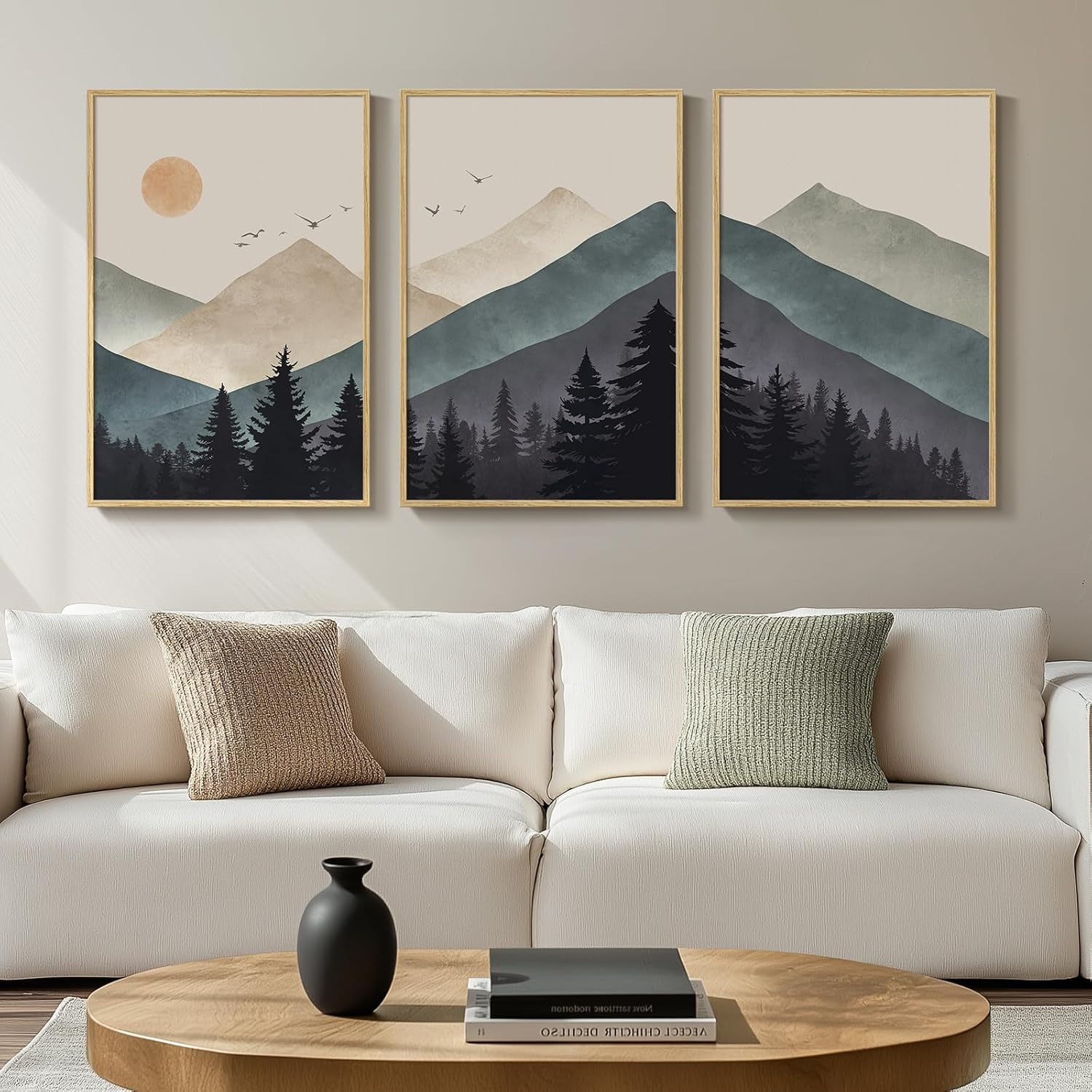
[sps_html tag=”img” src=”https://cdn.theartssection.com/wp-content/uploads/2025/12/mountain-print-watercolor-forest-landscape-wall-art-set-of-3-green-inside-retro-style-misty-path-in-forest-landscape-photo-wall-art-4-panels-scaled.jpg” alt=”Mountain Print Watercolor Forest Landscape Wall Art Set Of 3 Green … inside "Retro Style Misty Path In Forest" Landscape Photo Wall Art, 4 Panels” style=”width: 100%; height: auto;”]
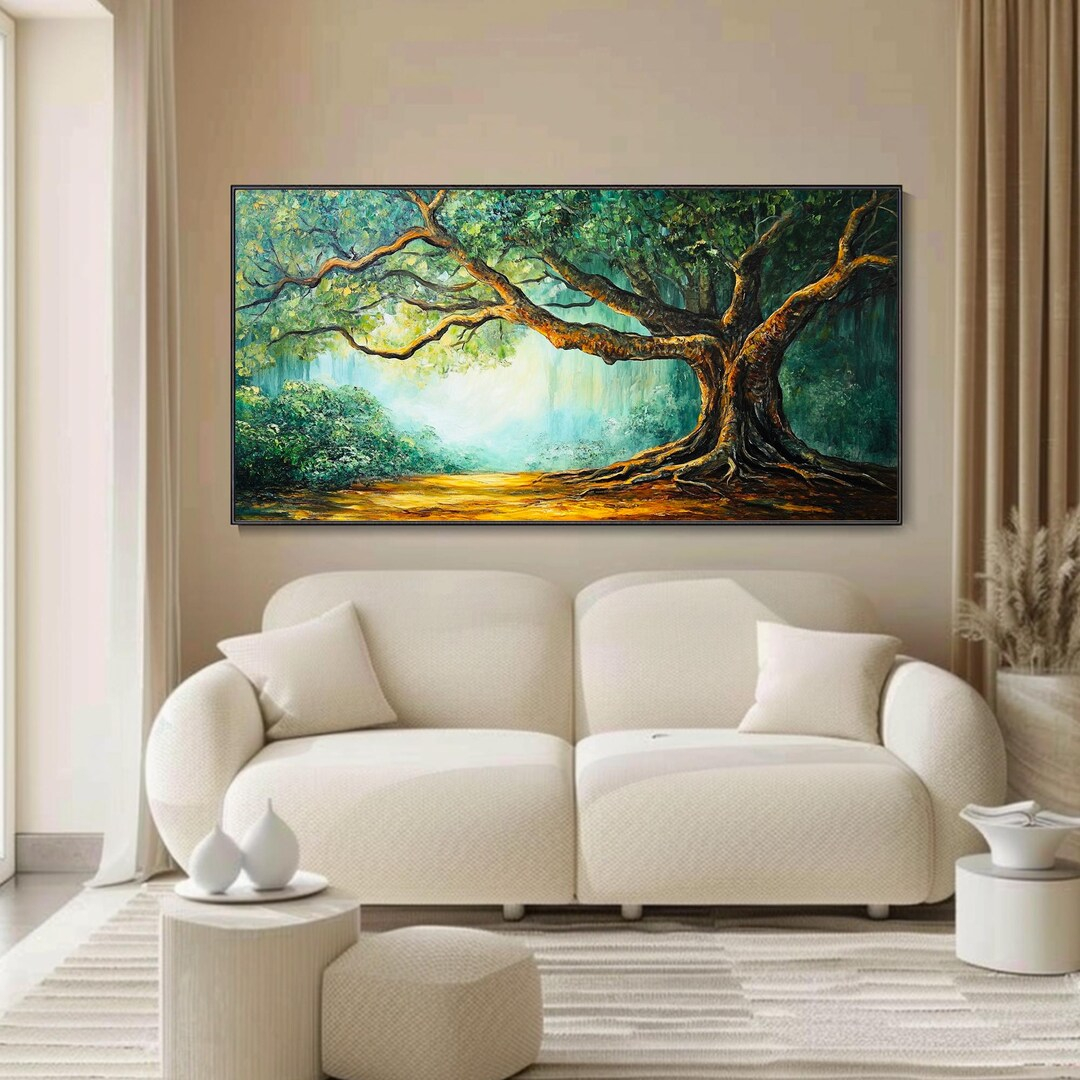
[sps_html tag=”img” src=”https://cdn.theartssection.com/wp-content/uploads/2025/12/3d-summer-forest-landscape-wall-art-green-tree-texture-wall-art-lush-with-retro-style-misty-path-in-forest-landscape-photo-wall-art-4-panels.jpg” alt=”3D Summer Forest Landscape Wall Art Green Tree Texture Wall Art Lush … with "Retro Style Misty Path In Forest" Landscape Photo Wall Art, 4 Panels” style=”width: 100%; height: auto;”]
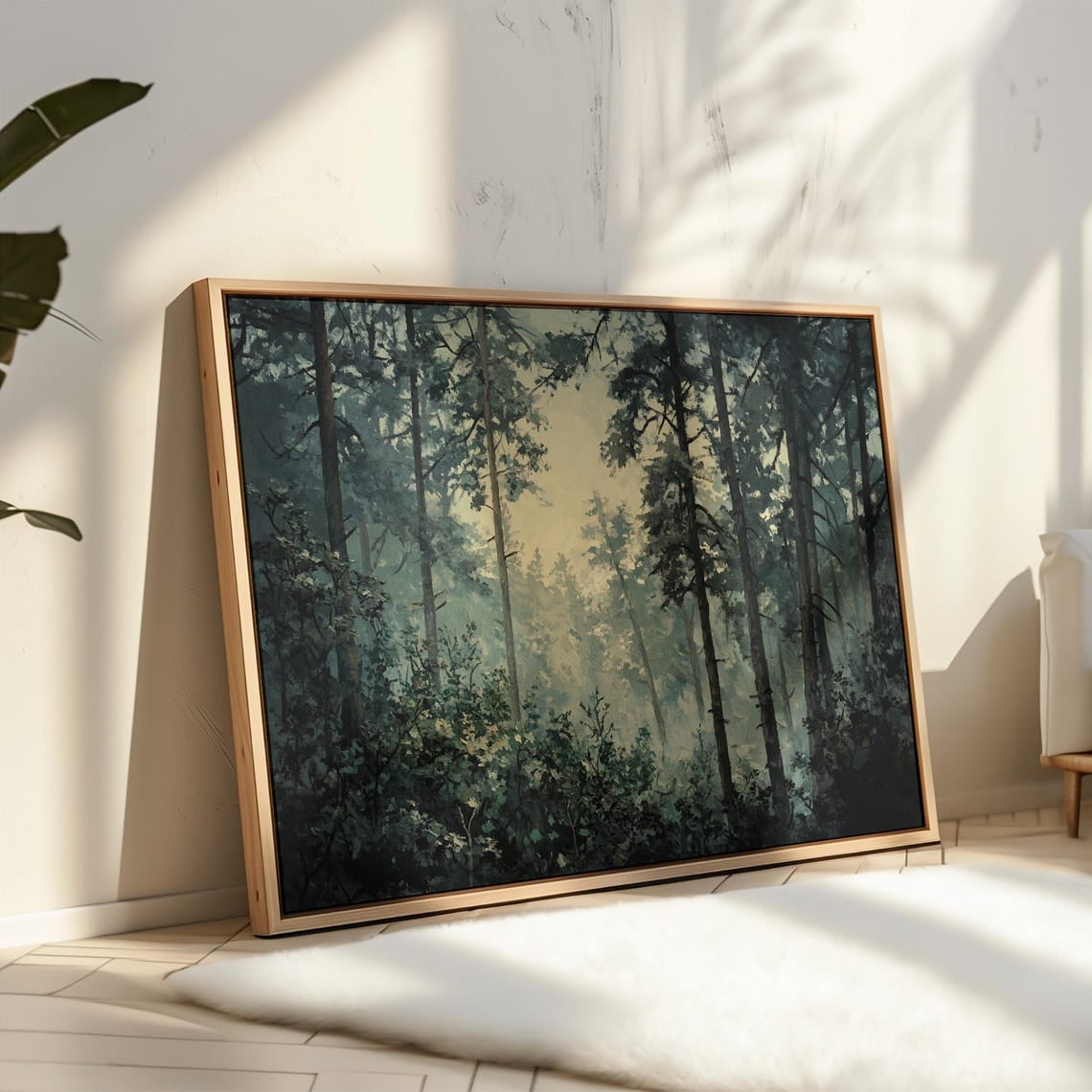
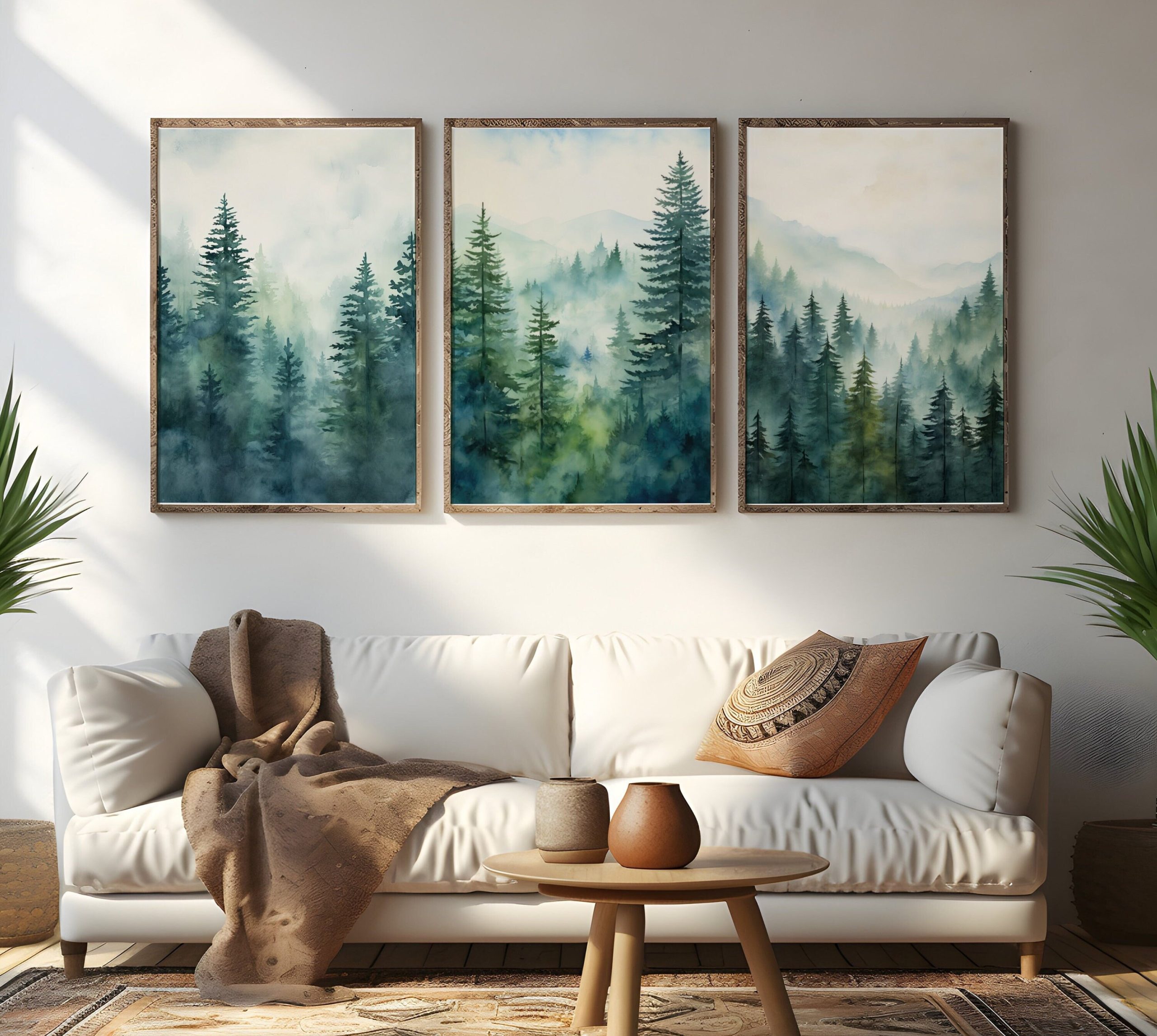
[sps_html tag=”img” src=”https://cdn.theartssection.com/wp-content/uploads/2025/12/foggy-forest-landscape-wall-art-moody-woodland-misty-pine-trees-inside-how-to-choose-the-right-forest-landscape-wall-art-for-your-space.jpeg” alt=”Foggy Forest Landscape Wall Art - Moody Woodland, Misty Pine Trees … inside How to Choose the Right Forest Landscape Wall Art for Your Space” style=”width: 100%; height: auto;”]
[sps_html tag=”img” src=”https://cdn.theartssection.com/wp-content/uploads/2025/12/amazon-com-cuspin-boho-framed-mountain-forest-landscape-wall-art-3-with-retro-style-misty-path-in-forest-landscape-photo-wall-art-4-panels.jpg” alt=”Amazon.com: Cuspin Boho Framed Mountain Forest Landscape Wall Art, 3 … with "Retro Style Misty Path In Forest" Landscape Photo Wall Art, 4 Panels” style=”width: 100%; height: auto;”]
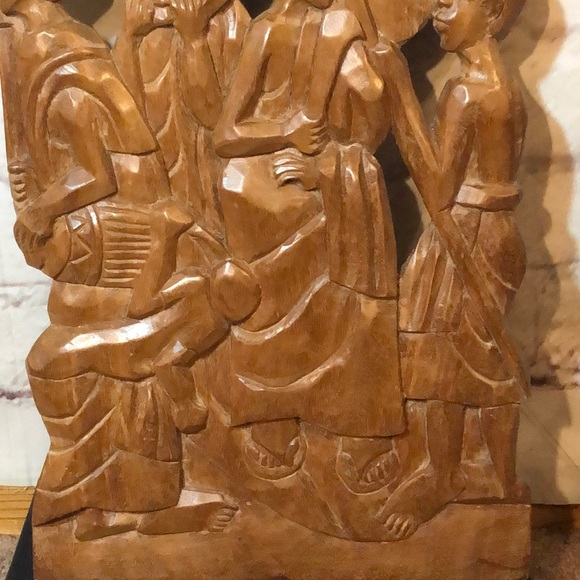
[sps_html tag=”img” src=”https://cdn.theartssection.com/wp-content/uploads/2025/12/the-ultimate-guide-to-choosing-the-best-wall-murals-within-how-to-choose-the-right-forest-landscape-wall-art-for-your-space.jpg” alt=”The Ultimate Guide To Choosing The Best Wall Murals within How to Choose the Right Forest Landscape Wall Art for Your Space” style=”width: 100%; height: auto;”]