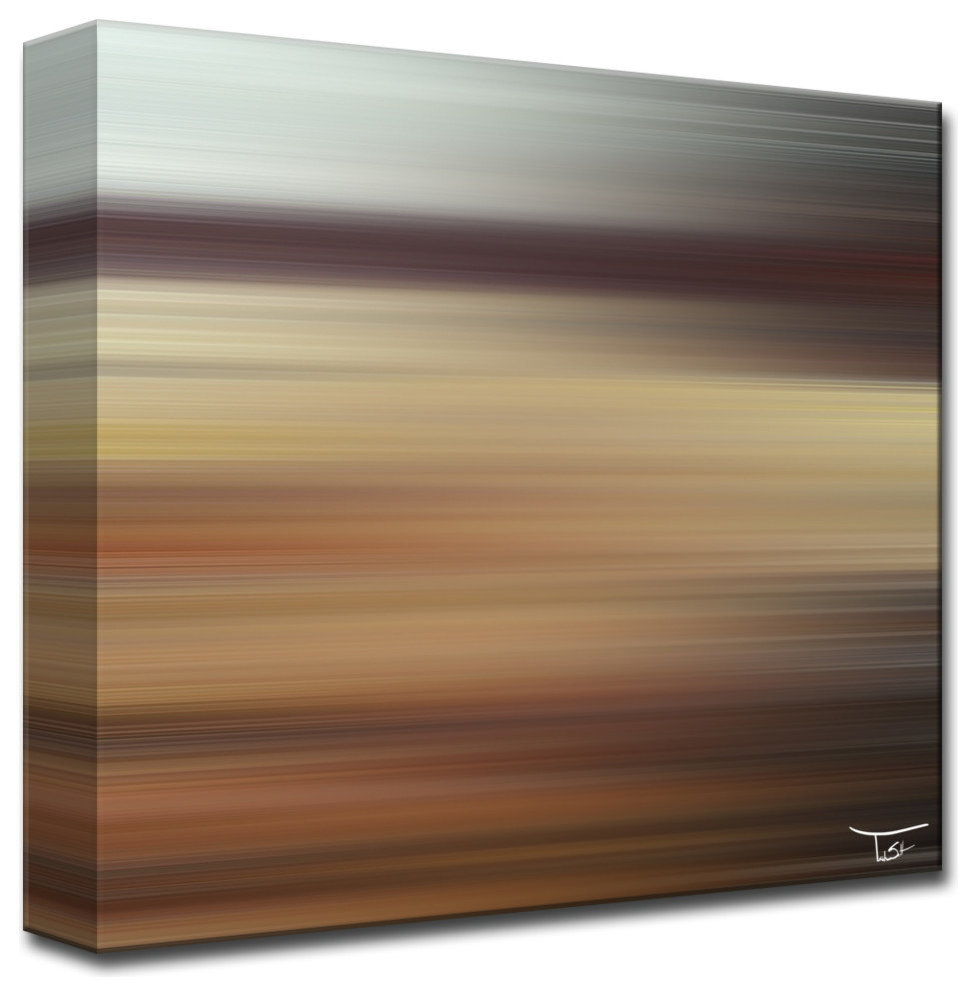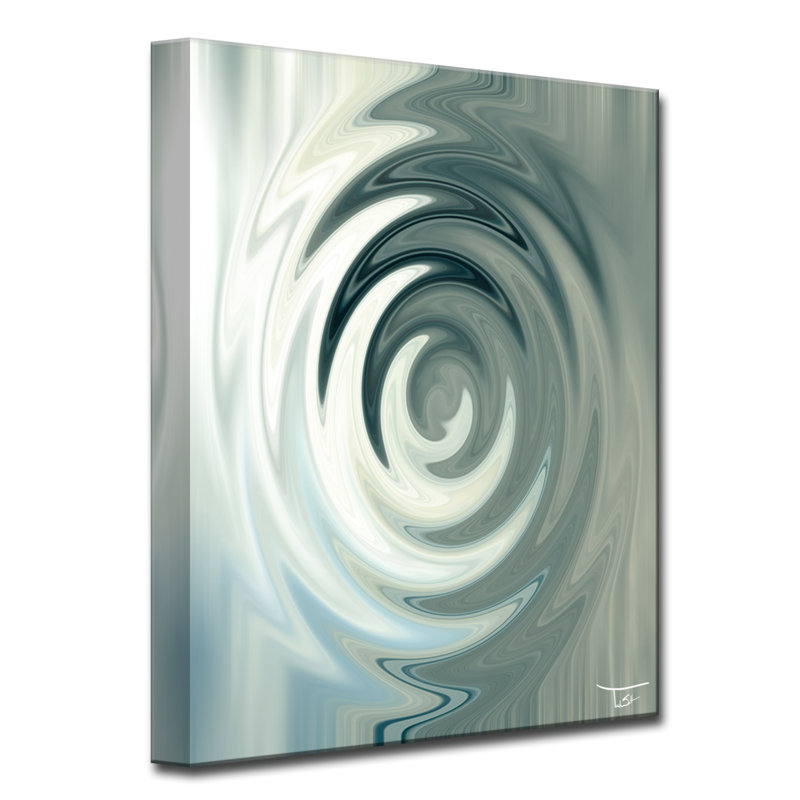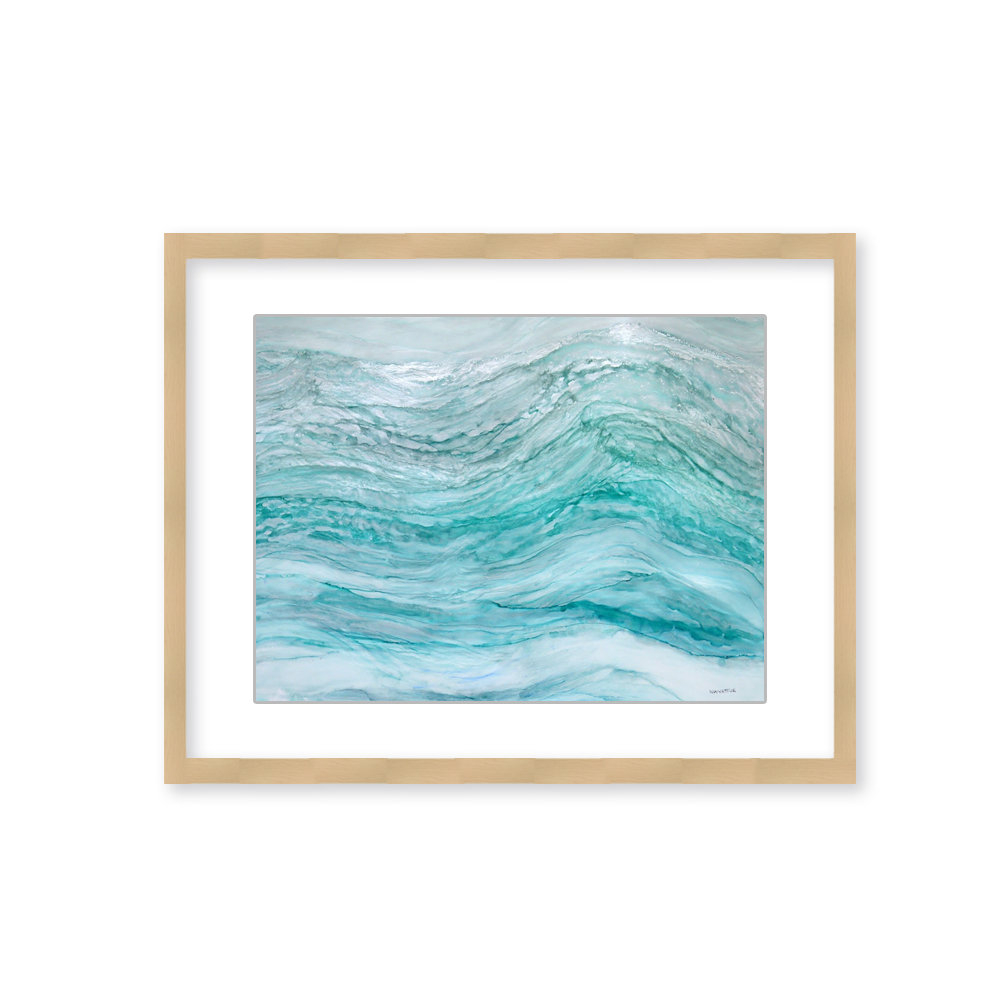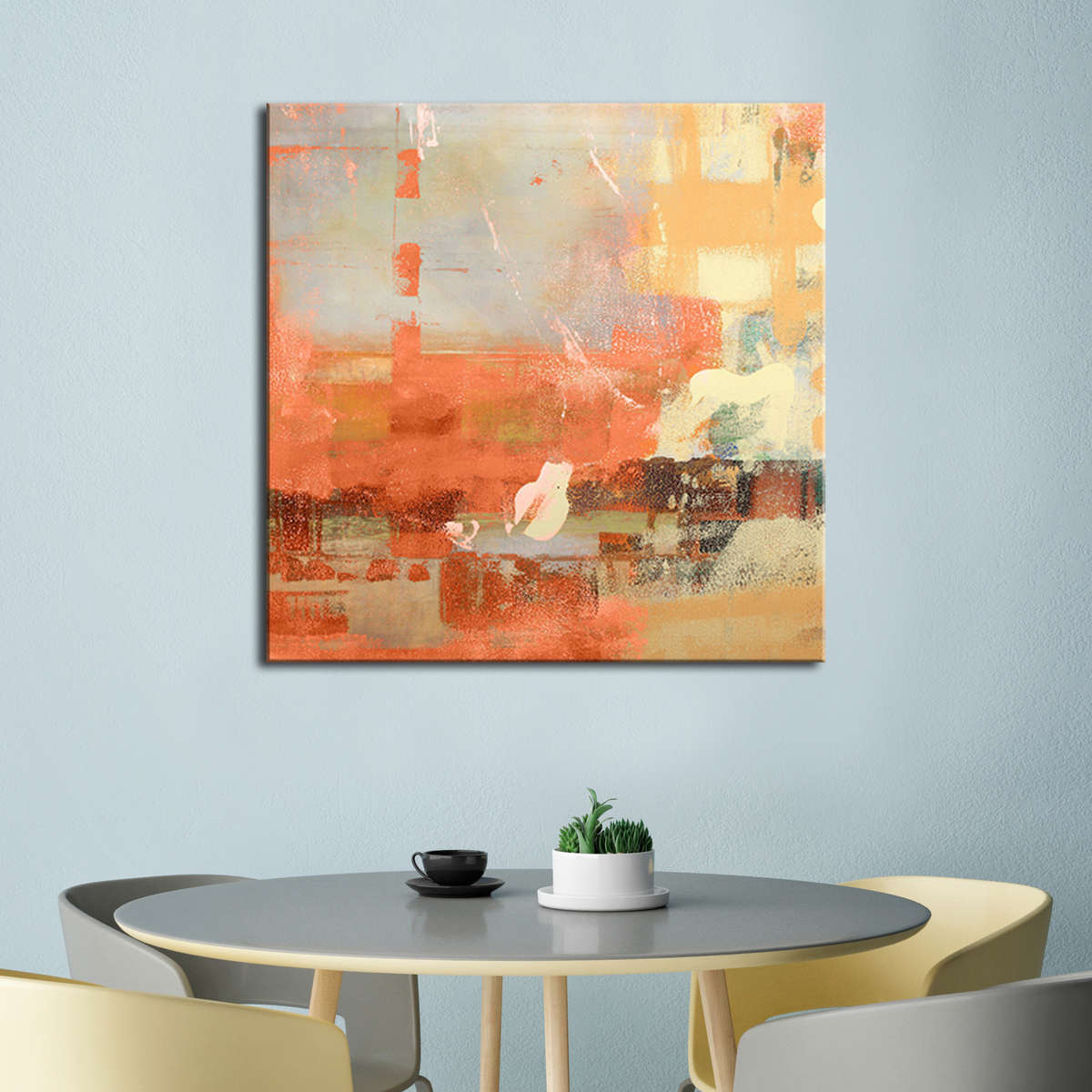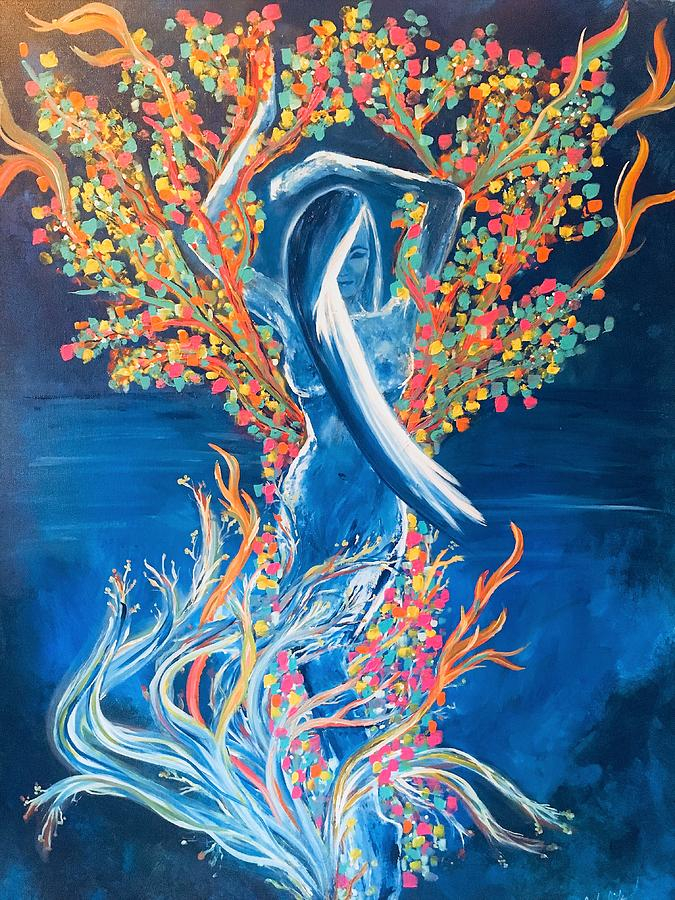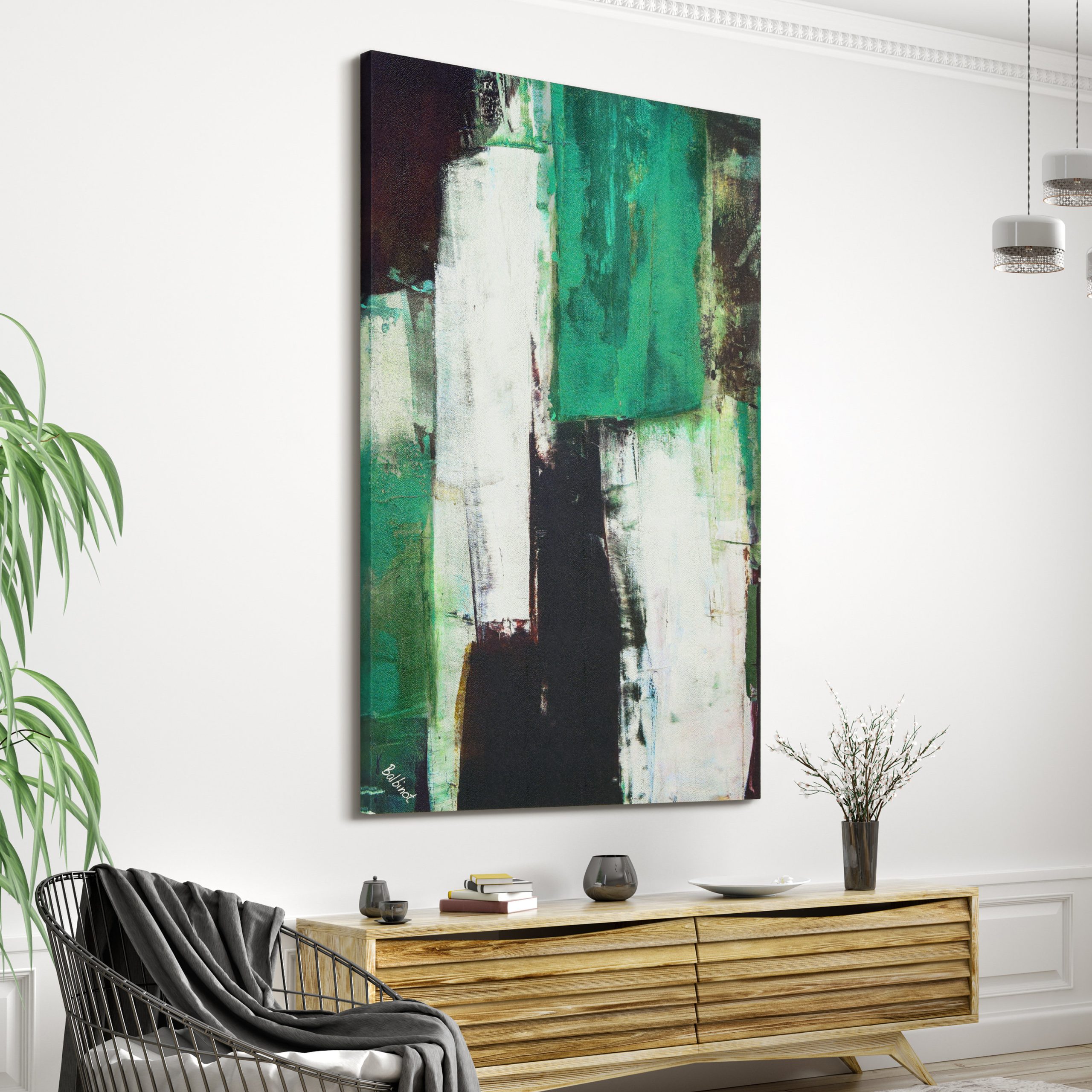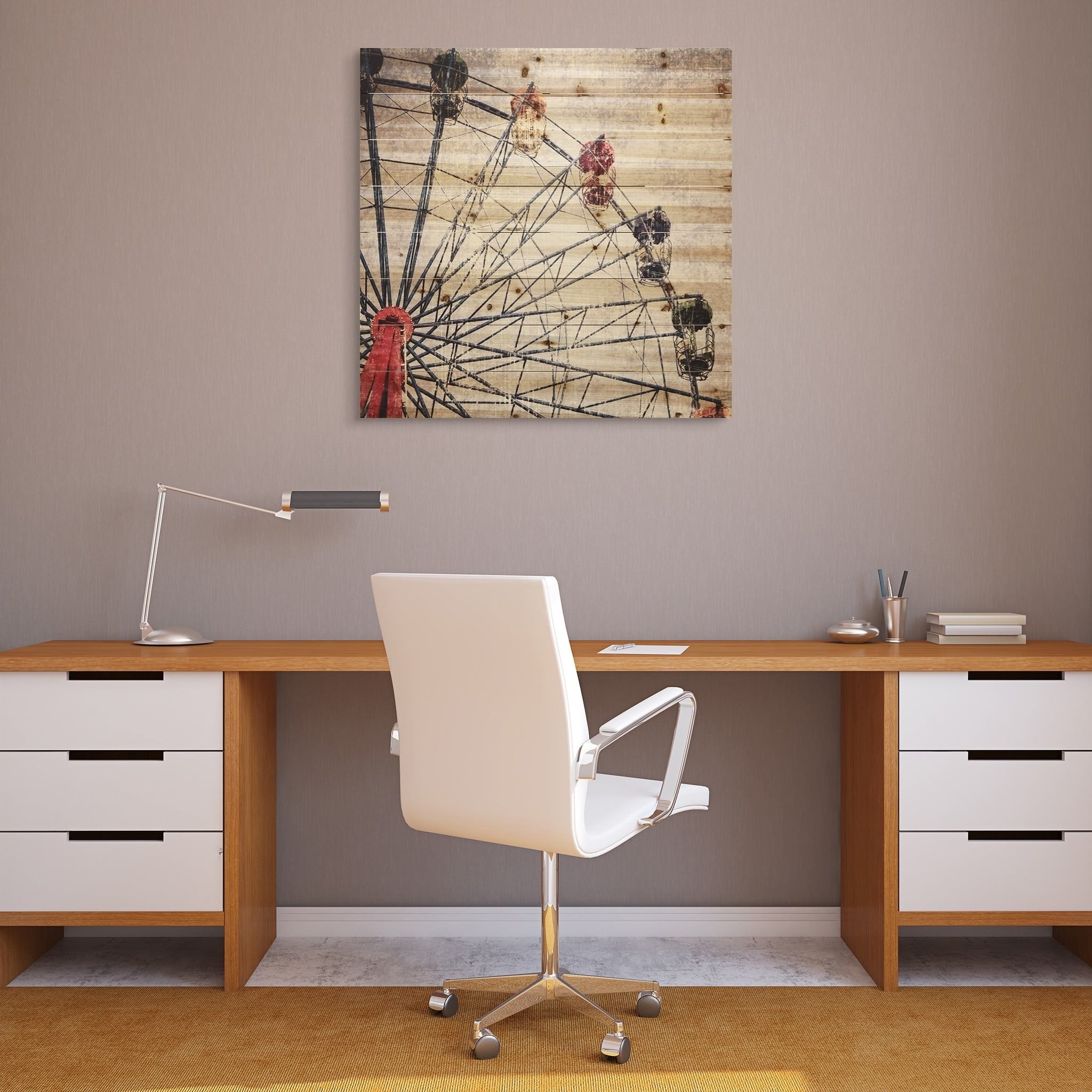
When you first encounter Tristan Scott’s three-panel artwork, something happens that goes beyond just seeing images. There’s a rhythm, a flow, a story being told across those three distinct canvases. It’s not just about what’s painted – it’s about how the eye moves, how thoughts connect, and how meaning emerges from the spaces between.
Tristan Scott’s three-panel artworks have been capturing attention in galleries and art circles around the world. These pieces aren’t just collections of paintings – they’re carefully constructed narratives that unfold across three separate canvases. What makes them particularly fascinating is how Scott uses visual elements to guide viewers through a complete story or concept. The work challenges traditional single-image art by creating a conversation between panels that demands active participation from the audience. Each panel serves its own purpose while contributing to a larger whole. This approach opens up new possibilities for how we think about visual storytelling and artistic communication.
The Foundation of Three-Panel Composition
Scott’s approach to three-panel composition isn’t arbitrary. He builds his work on fundamental principles that artists have used for centuries, but he brings a modern twist to classical concepts. The first panel often establishes the scene or introduces the main character. The second panel typically creates tension or conflict, while the third panel resolves or provides insight. This structure mirrors the classic dramatic arc that audiences recognize instinctively. Think about how many movies follow this pattern – beginning, middle, end. Scott applies this same logic to visual space. His panels don’t exist in isolation; they’re part of a continuous experience. The viewer moves from one canvas to another, experiencing a complete emotional journey. The transition between panels becomes just as important as what’s depicted within each individual frame.
Color Theory and Emotional Resonance
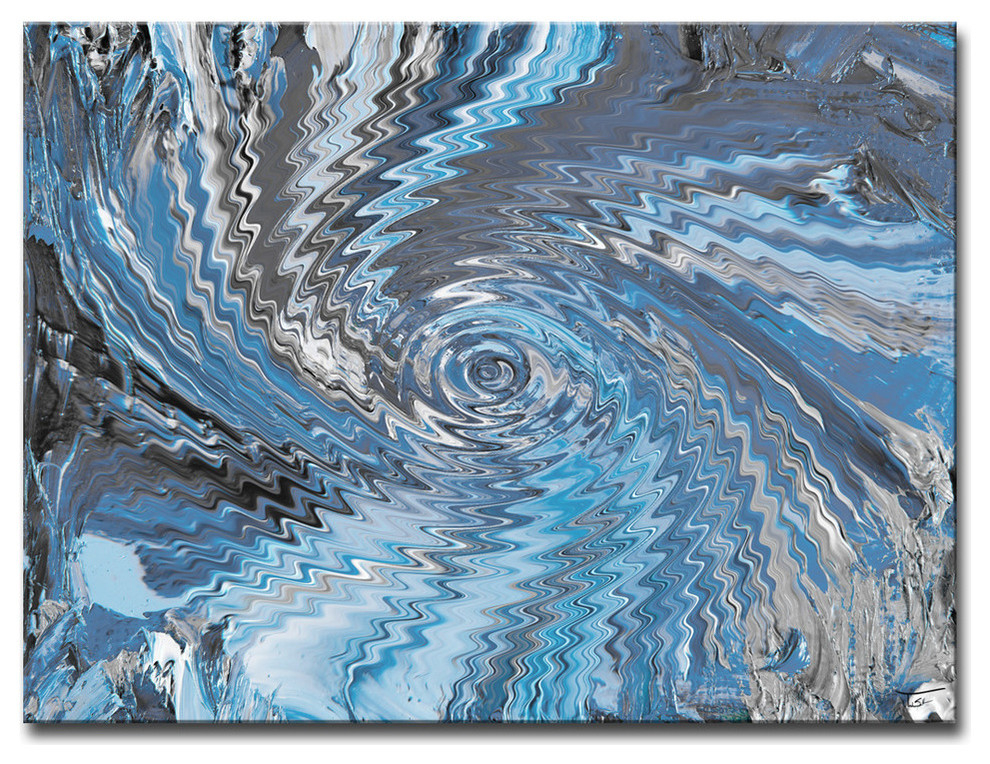
Color plays a crucial role in Scott’s visual storytelling. He doesn’t choose hues randomly – each color selection serves a specific purpose in guiding the viewer’s emotional response. The first panel might feature warm tones like reds and oranges, suggesting comfort or energy. The middle panel often shifts to cooler blues and grays, creating a sense of uncertainty or tension. Finally, the last panel might reintroduce warmth or introduce entirely new color palettes that suggest resolution or transformation. This careful orchestration of color creates what art experts call ‘visual harmony’ – a sense of balance that feels both intentional and natural. When you look at Scott’s work, you might not consciously notice the color changes, but your emotions respond to them anyway. It’s the difference between a painting that simply looks good and one that makes you feel something specific.
Symbolism and Hidden Meanings
What makes Scott’s work particularly rich is the layering of symbolic elements throughout each panel. Objects, gestures, and even brushstroke choices carry deeper meanings that enhance the overall narrative. In one panel, a broken mirror might represent shattered identity, while in another, the same mirror could show reflection and self-awareness. These symbols don’t appear out of nowhere – they’re carefully placed within the composition to support the story being told. Scott often includes recurring motifs that tie all three panels together. For instance, a particular tree might appear in different seasons across the panels, symbolizing time, growth, or change. The viewer discovers these connections through repeated observation, making each viewing experience unique and rewarding. It’s the kind of artwork that reveals itself gradually rather than all at once.
Movement and Visual Flow
One of the most striking aspects of Scott’s three-panel work is how he guides the viewer’s eye through deliberate movement patterns. He understands that our gaze naturally follows certain paths – from left to right, top to bottom, or following lines created by objects within the image. Scott uses these natural tendencies to create a visual journey that matches his intended narrative flow. Sometimes he leads the eye from the left panel to the center and then to the right, creating a path of progression. Other times, he might create circular movement that draws the viewer back to the beginning, suggesting cycles or repetition. The placement of focal points within each panel becomes crucial for maintaining this flow. A figure’s position, the direction of light sources, or even the angle of a road or river can all direct attention in ways that support the overall story being told.
Narrative Structure and Viewer Engagement
Scott’s three-panel approach fundamentally changes how viewers interact with art. Instead of passively observing a single image, audiences become active participants in constructing meaning. They must mentally connect the panels, considering how events unfold across time and space. This engagement creates a more personal relationship with the artwork. Viewers might find themselves moving between panels multiple times, discovering new details each visit. The structure also allows Scott to explore complex themes that wouldn’t fit comfortably in a single image. He can show a character’s internal struggle, external conflicts, and eventual resolution across the three panels. This technique reminds us that great art doesn’t always need to tell a complete story immediately – sometimes it needs to invite the viewer to complete the narrative themselves.
Contemporary Relevance and Cultural Impact
Scott’s three-panel work reflects current trends in contemporary art while also addressing timeless human experiences. His approach speaks to our digital age, where stories are often consumed in fragments across multiple platforms. Yet he grounds his work in traditional artistic principles that connect us to centuries of visual storytelling. The triptych format itself has historical significance, dating back to medieval religious paintings and Renaissance altarpieces. Scott updates this ancient form for modern audiences, proving that classic structures can still resonate today. His work has sparked conversations about how art can communicate complex ideas efficiently. Galleries report increased visitor engagement with his three-panel pieces compared to traditional single works. People spend more time examining his art, discussing what they see, and sharing their interpretations online. This social aspect of viewing adds another dimension to the artistic experience.
Tristan Scott’s three-panel artwork represents more than just creative technique – it’s a thoughtful exploration of how visual elements can work together to create meaningful experiences. Through careful consideration of composition, color, symbolism, movement, and narrative structure, Scott crafts works that invite viewers to participate in the storytelling process. His approach shows us that great art doesn’t need to be overwhelming to be powerful. Sometimes, the most impactful statements come from simple, well-constructed visual elements working in harmony. Whether you’re an art enthusiast or someone who’s never considered themselves artistic, Scott’s work offers a gateway to understanding how visual language communicates complex human experiences. The three-panel format might seem straightforward, but beneath its apparent simplicity lies a sophisticated understanding of how we see, feel, and interpret the world around us.
[sps_html tag=”img” src=”https://cdn.theartssection.com/wp-content/uploads/2025/12/ready2hangart-blur-stripes-lviii-by-tristan-scott-canvas-art-12-with-regard-to-ready2hangart-glitzy-mist-xxxii-by-tristan-scott-canvas-art-set-3-panels.jpg” alt=”Ready2Hangart 'Blur Stripes Lviii' By Tristan Scott Canvas Art, 12 … with regard to Ready2Hangart 'Glitzy Mist Xxxii' By Tristan Scott Canvas Art Set 3-Panels” style=”width: 100%; height: auto;”]
[sps_html tag=”img” src=”https://cdn.theartssection.com/wp-content/uploads/2025/12/ready2hangart-aqueous-trance-iv-by-tristan-scott-canvas-art-30×20-with-ready2hangart-glitzy-mist-xxxii-by-tristan-scott-canvas-art-set-3-panels.jpg” alt=”Ready2Hangart 'Aqueous Trance Iv' By Tristan Scott Canvas Art", 30"X20 … with Ready2Hangart 'Glitzy Mist Xxxii' By Tristan Scott Canvas Art Set 3-Panels” style=”width: 100%; height: auto;”]
[sps_html tag=”img” src=”https://cdn.theartssection.com/wp-content/uploads/2025/12/ivy-bronx-abstract-by-tristan-scott-2-piece-wrapped-canvas-print-set-throughout-ready2hangart-glitzy-mist-xxxii-by-tristan-scott-canvas-art-set-3-panels.jpg” alt=”Ivy Bronx Abstract By Tristan Scott - 2 Piece Wrapped Canvas Print Set … throughout Ready2Hangart 'Glitzy Mist Xxxii' By Tristan Scott Canvas Art Set 3-Panels” style=”width: 100%; height: auto;”]
[sps_html tag=”img” src=”https://cdn.theartssection.com/wp-content/uploads/2025/12/wrought-studio-aqueous-trance-xxvii-by-tristan-scott-print-on-intended-for-ready2hangart-glitzy-mist-xxxii-by-tristan-scott-canvas-art-set-3-panels.jpg” alt=”Wrought Studio " Aqueous Trance Xxvii " By Tristan Scott Print On … intended for Ready2Hangart 'Glitzy Mist Xxxii' By Tristan Scott Canvas Art Set 3-Panels” style=”width: 100%; height: auto;”]
[sps_html tag=”img” src=”https://cdn.theartssection.com/wp-content/uploads/2025/12/tristan-scott-ready2hangart-pertaining-to-artistic-techniques-that-define-tristan-scotts-signature-style.jpg” alt=”Tristan Scott – Ready2Hangart pertaining to Artistic Techniques That Define Tristan Scott's Signature Style” style=”width: 100%; height: auto;”]