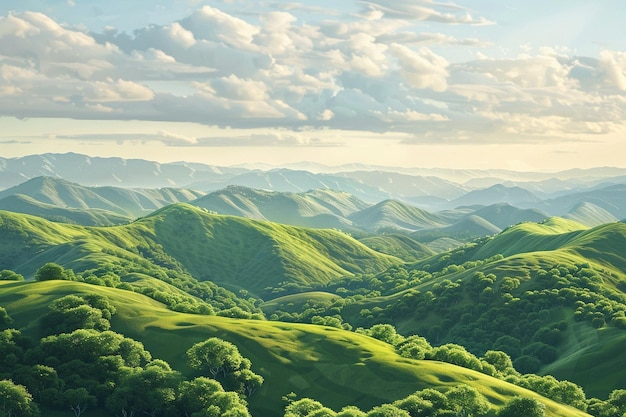
In a world full of sharp angles and digital distractions, there’s something deeply comforting about the gentle curves of rolling hills. These undulating landscapes have been captivating artists for centuries, but today’s printmakers are finding new ways to express their timeless appeal. What makes these soft, flowing forms so compelling? How do modern artists translate the essence of rolling terrain into printed art?
When we think of landscapes, our minds often jump to dramatic mountain ranges or vast, flat plains. But there’s a quiet revolution happening in the world of contemporary landscape prints – one that celebrates the subtle beauty of rolling hills. These gentle, wave-like formations aren’t just geographical features; they’re visual metaphors for life itself. They represent continuity, calm, and the natural rhythm of the earth. Today’s artists are discovering that these seemingly simple forms offer profound opportunities for artistic expression. Whether you’re a seasoned collector or someone who simply appreciates beautiful art, understanding how rolling hills speak through contemporary prints can transform your appreciation of landscape art.
The Foundation of Flow
Rolling hills create a sense of movement that’s both soothing and dynamic. Unlike rigid architectural lines, these natural curves invite the eye to travel across the canvas in a gentle journey. Consider how water flows around rocks – it follows the path of least resistance, creating meandering patterns that feel organic and alive. Contemporary artists have learned to mimic this natural flow in their work. The way a hill seems to breathe or pulse under different lighting conditions tells viewers something deeper about the relationship between land and light.
Think about it: when you walk through rolling countryside, you don’t see sudden changes. Instead, you experience a gradual shift in perspective. This continuous motion translates beautifully into visual art. Artists often use flowing brushstrokes or soft edges to capture this sensation. Some create layered compositions where hills seem to recede into infinity, while others focus on how shadows dance across the slopes. The key isn’t just depicting the hills themselves, but conveying the feeling of being surrounded by them.
Color Storytelling on Slopes
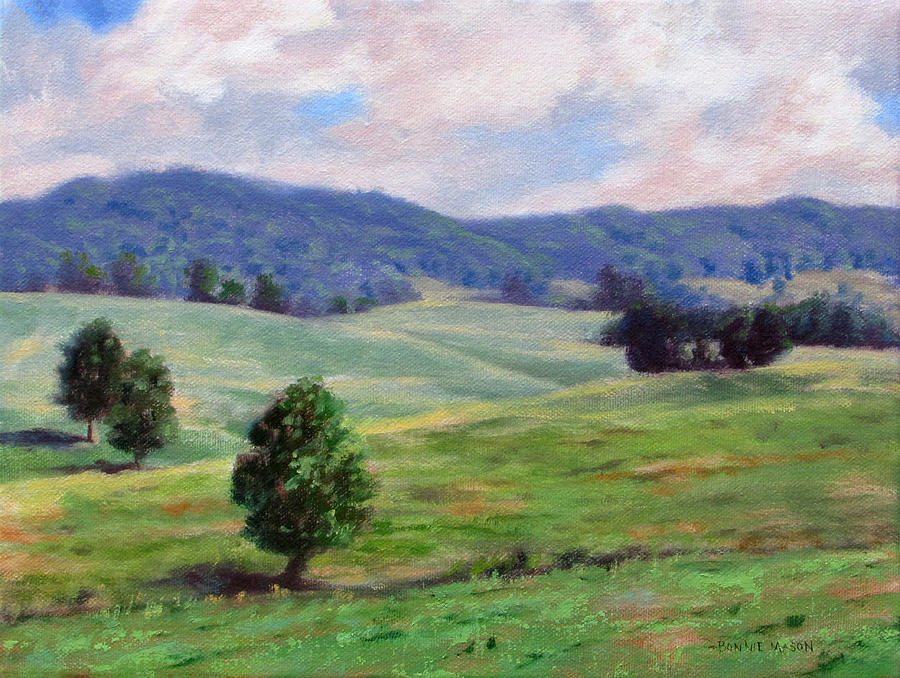
The palette choices in rolling hill prints often reflect seasonal changes and atmospheric conditions. Spring brings fresh greens that seem to glow from the gentle sunlight filtering through early clouds. Summer hues are richer and more saturated, with deep emerald tones that suggest abundance and growth. Autumn transforms these slopes into warm amber and rust colors, creating a sense of transition and maturity. Winter landscapes might show these hills draped in white, emphasizing their graceful curves against stark skies.
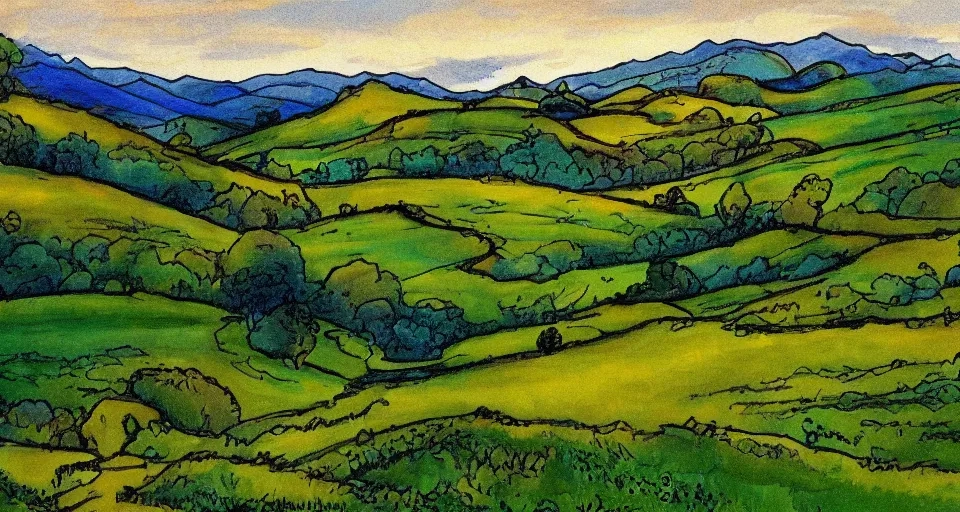
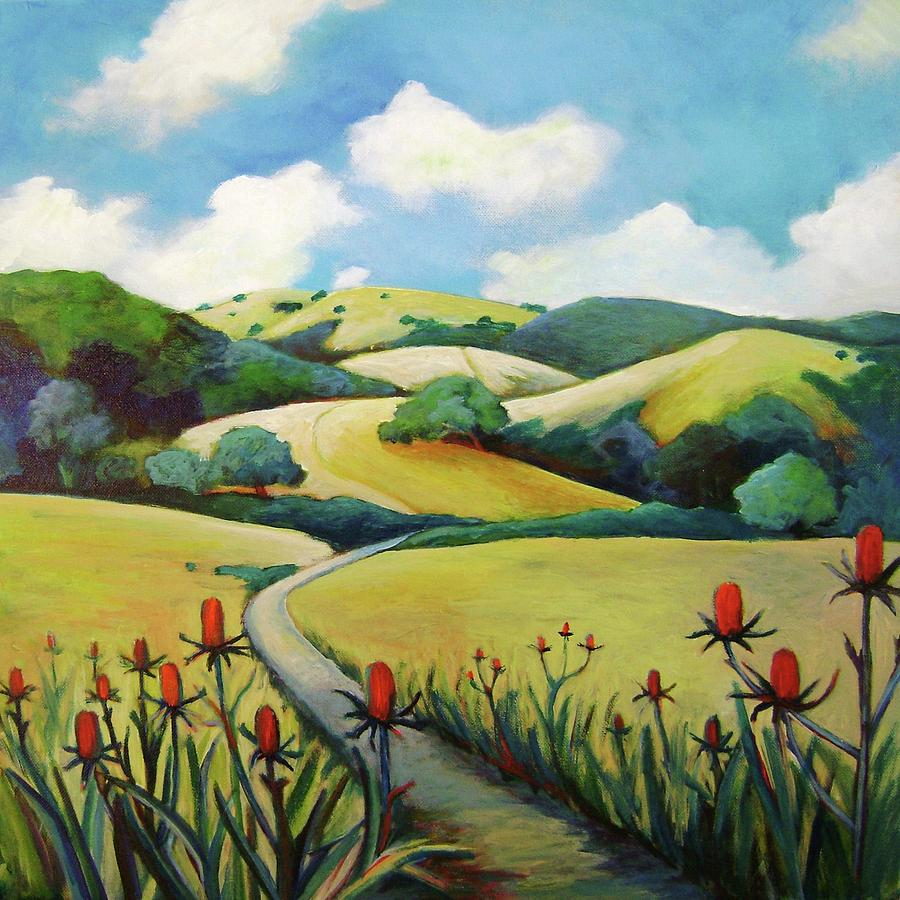
Modern artists experiment with unexpected color combinations too. A cool blue might dominate a hillside in summer, suggesting a different kind of calm. Or perhaps a warm gold creates an almost ethereal quality that makes viewers pause and wonder about the time of day. These choices aren’t arbitrary – they tell stories about weather, season, and even mood. The interplay between light and color on sloped surfaces creates depth that’s difficult to achieve with flat terrain.
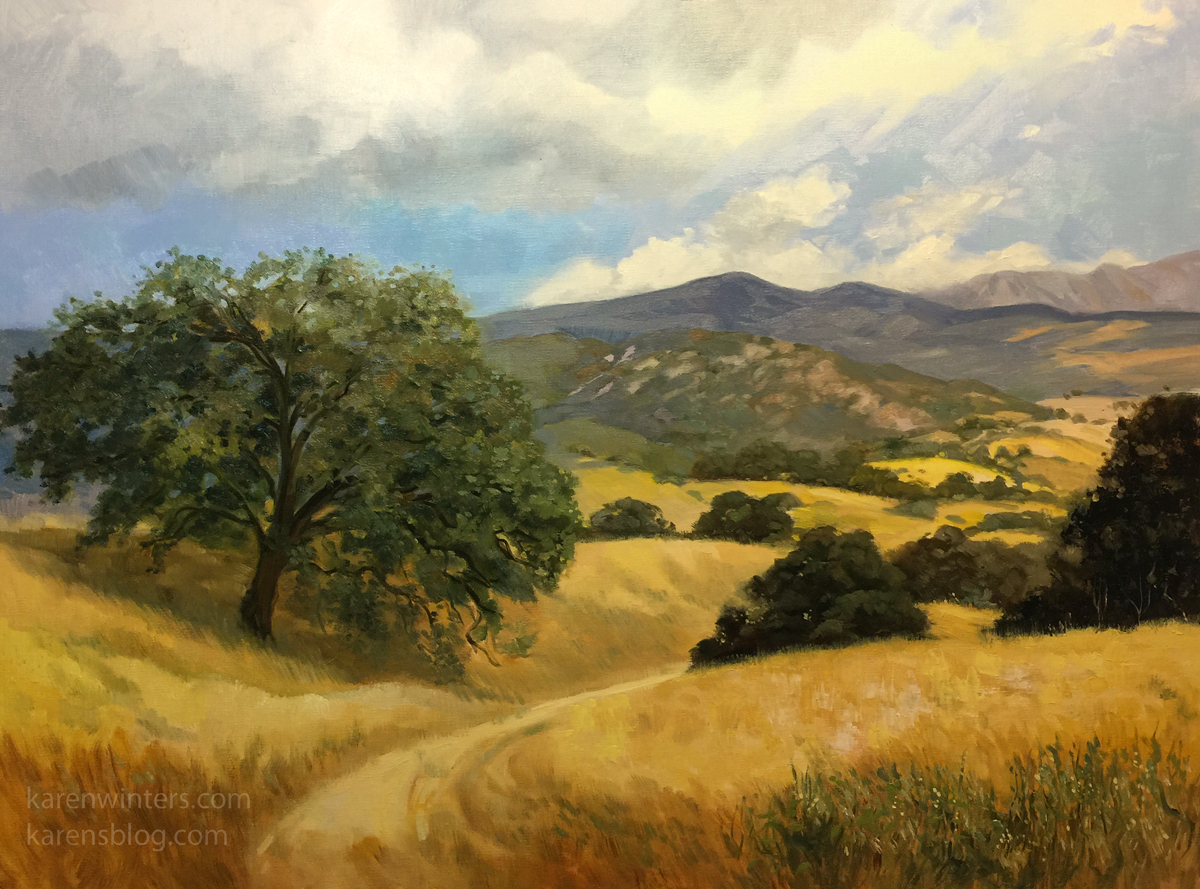
Consider how a single hill might appear differently depending on whether it’s morning or evening light. The way shadows fall across the slope, how highlights catch on the ridges, all contribute to the overall emotional impact of the piece.
Depth Through Layering
One of the most fascinating aspects of rolling hill prints is how artists create depth using multiple layers. This technique mimics the way our eyes naturally perceive landscapes – distant hills appear smaller and softer, while closer ones stand out more clearly. The trick lies in understanding how atmospheric perspective works in practice.
Contemporary artists often begin with the foreground elements, building up the composition gradually toward the horizon. Each layer adds complexity and dimension. The artist might paint the nearest hill with bold, defined edges and rich detail. Then, moving backward, they soften the colors and reduce the level of detail. Finally, the most distant hills become mere suggestions, sometimes barely visible against the sky.
This approach creates a sense of space that feels authentic and lived-in. It’s not just about making things look further away – it’s about creating a feeling of being inside the landscape. The viewer becomes part of the scene rather than just observing it. Many artists spend considerable time studying how light behaves across different distances, learning to predict exactly how colors and details should change as they move from foreground to background.
Emotional Resonance in Natural Forms
There’s something inherently emotional about rolling hills that resonates with human psychology. These gentle forms remind us of our own physicality – the curves of our bodies, the gentle arc of a smile, the slow, steady rhythm of breathing. When artists capture these qualities in their work, they tap into universal feelings of comfort and belonging.
In many contemporary prints, the hills seem to hold stories. Perhaps they’re ancient witnesses to generations of life, or maybe they represent the endless cycle of seasons. The way a hill appears to cradle the sky suggests protection and shelter. Artists often use this symbolism consciously, knowing that viewers will respond to these unconscious associations. A well-crafted rolling hill print can make someone feel grounded, peaceful, or even nostalgic without any explicit narrative.
The psychological effect extends beyond simple aesthetics. Studies have shown that viewing natural landscapes, particularly those with gentle curves, can reduce stress levels and improve mental clarity. This scientific evidence supports why these types of prints remain popular among collectors seeking art that contributes positively to their environment and wellbeing.
Techniques That Bring Hills to Life
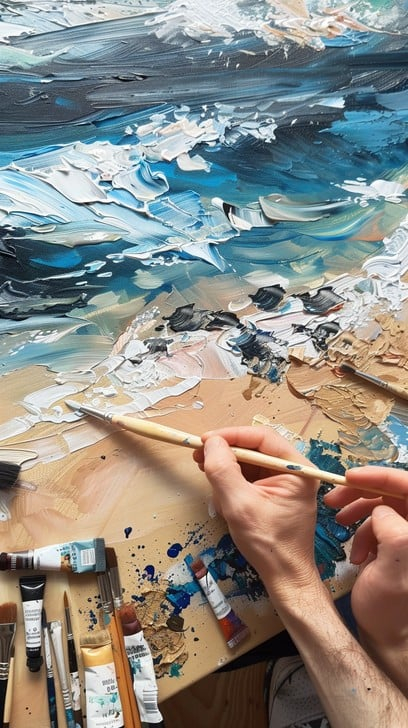
Modern artists employ various techniques to capture the essence of rolling hills effectively. Some prefer traditional oil paints, allowing for rich textures and subtle color gradations that mirror how hills actually appear under different lighting conditions. Others experiment with digital media, creating prints that can be easily reproduced while maintaining their artistic integrity.
Watercolor artists often find rolling hills particularly challenging because they must balance softness with definition. The wet-on-wet technique helps create those seamless transitions between light and shadow that characterize natural slopes. Acrylic painters might use palette knives to build up texture, creating the impression of soil or grass on the hillside.
Some artists incorporate mixed media approaches, combining photography with painted elements to create hybrid works that feel both realistic and dreamlike. Others focus on abstraction, simplifying the hills to their essential forms while preserving the emotional resonance. The common thread is attention to how natural elements interact with each other – wind, sun, rain, and time all leave their marks on these landscapes.
Collecting Contemporary Hill Prints
For collectors interested in rolling hill prints, several factors should guide their choices. First, consider the artist’s reputation and body of work. Are they known for landscape art specifically, or does this represent a particular series? Understanding an artist’s process and philosophy can add significant value to a purchase.
Quality matters enormously. Look for prints that demonstrate good craftsmanship – sharp details, consistent color reproduction, and appropriate sizing for your space. Some collectors prefer limited editions, while others enjoy the accessibility of open editions. The condition of the print is crucial, especially if you plan to display it prominently.
Price ranges vary widely depending on the artist’s recognition, the complexity of the work, and the printing method used. Budget-conscious collectors might start with emerging artists whose work shows promise but remains affordable. More established artists command higher prices, but their work often appreciates over time. Consider also the longevity of the materials used – archival-quality papers and inks ensure that your investment will last for decades.
The visual language of rolling hills in contemporary landscape prints offers a rich tapestry of artistic expression that speaks to both our aesthetic senses and emotional needs. These gentle forms continue to captivate artists and collectors alike because they embody fundamental truths about nature and human experience. Whether you’re drawn to the technical mastery required to capture these landscapes or simply enjoy the peace they bring to your space, there’s something profoundly satisfying about owning a print that celebrates the quiet beauty of rolling terrain.
As we move forward, these hills will likely continue evolving in artistic interpretation, reflecting changing cultural values and environmental awareness. But their core appeal remains constant – they remind us that beauty often lies in simplicity, and that the most powerful art frequently comes from the most familiar places. The next time you encounter a rolling hill, whether in person or through a print, take a moment to appreciate how artists have captured its essence and shared that magic with the world.
[sps_html tag=”img” src=”https://cdn.theartssection.com/wp-content/uploads/2025/12/premium-photo-timeless-landscape-paintings-of-rolling-hills-within-green-rural-rolling-hills-tuscany-landscape-wall-art-print-1-panel.jpg” alt=”Premium Photo | Timeless Landscape Paintings Of Rolling Hills within "Green Rural Rolling Hills Tuscany" Landscape Wall Art Print, 1 Panel” style=”width: 100%; height: auto;”]
[sps_html tag=”img” src=”https://cdn.theartssection.com/wp-content/uploads/2025/12/rolling-hills-landscape-painting-inside-green-rural-rolling-hills-tuscany-landscape-wall-art-print-1-panel.jpg” alt=”Rolling Hills Landscape Painting inside "Green Rural Rolling Hills Tuscany" Landscape Wall Art Print, 1 Panel” style=”width: 100%; height: auto;”]
[sps_html tag=”img” src=”https://cdn.theartssection.com/wp-content/uploads/2025/12/masterfully-drawn-mspaint-art-piece-of-rolling-hills-stable-diffusion-pertaining-to-the-timeless-beauty-of-rolling-hills-in-artistic-expression.webp” alt=”Masterfully Drawn Mspaint Art Piece Of Rolling Hills | Stable Diffusion … pertaining to The Timeless Beauty of Rolling Hills in Artistic Expression” style=”width: 100%; height: auto;”]
[sps_html tag=”img” src=”https://cdn.theartssection.com/wp-content/uploads/2025/12/rolling-hills-painting-by-bonnie-mason-with-regard-to-green-rural-rolling-hills-tuscany-landscape-wall-art-print-1-panel.jpg” alt=”Rolling Hills Painting By Bonnie Mason with regard to "Green Rural Rolling Hills Tuscany" Landscape Wall Art Print, 1 Panel” style=”width: 100%; height: auto;”]
[sps_html tag=”img” src=”https://cdn.theartssection.com/wp-content/uploads/2025/12/rolling-hills-landscape-painting-throughout-the-timeless-beauty-of-rolling-hills-in-artistic-expression.jpg” alt=”Rolling Hills Landscape Painting throughout The Timeless Beauty of Rolling Hills in Artistic Expression” style=”width: 100%; height: auto;”]