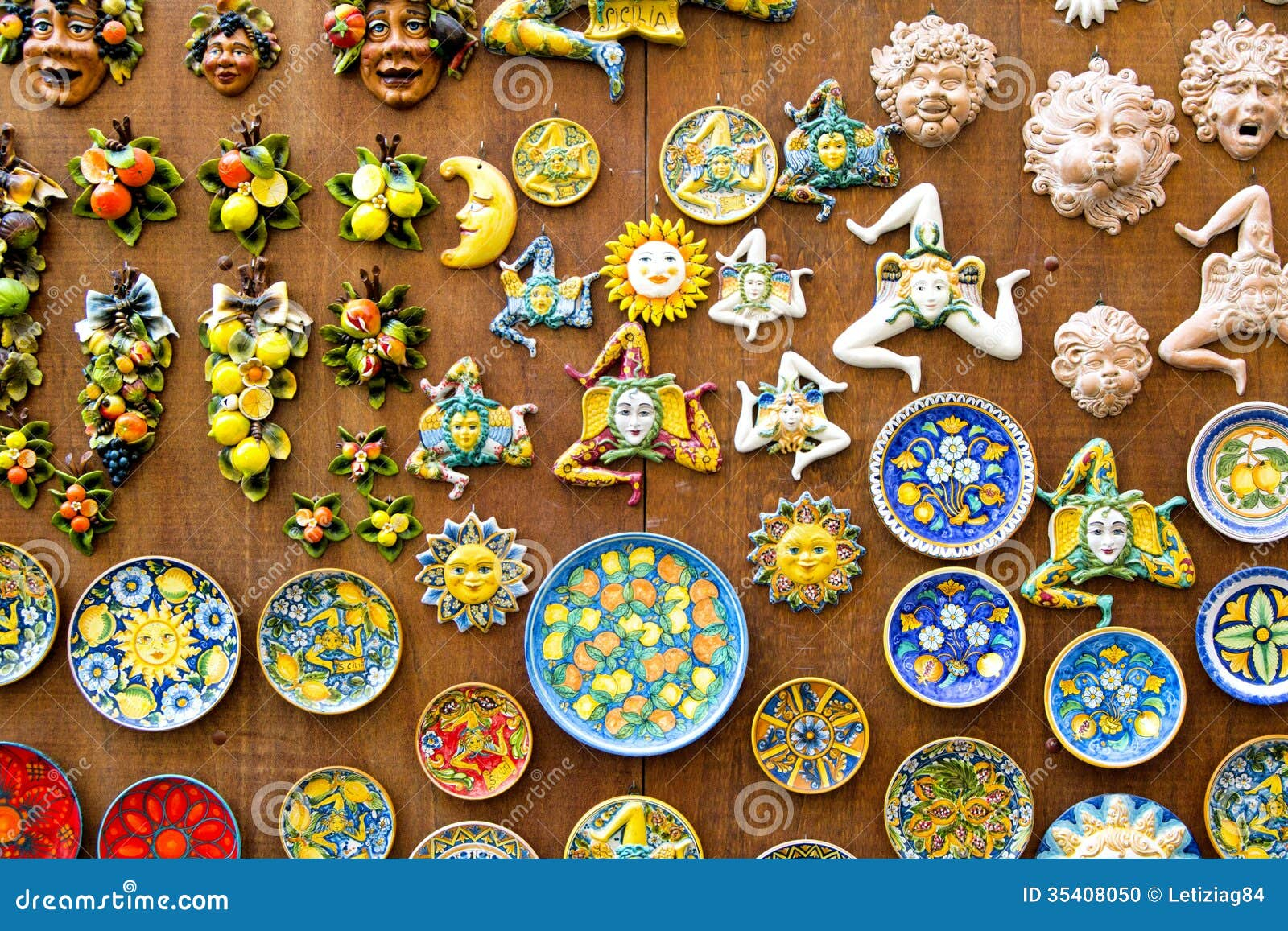
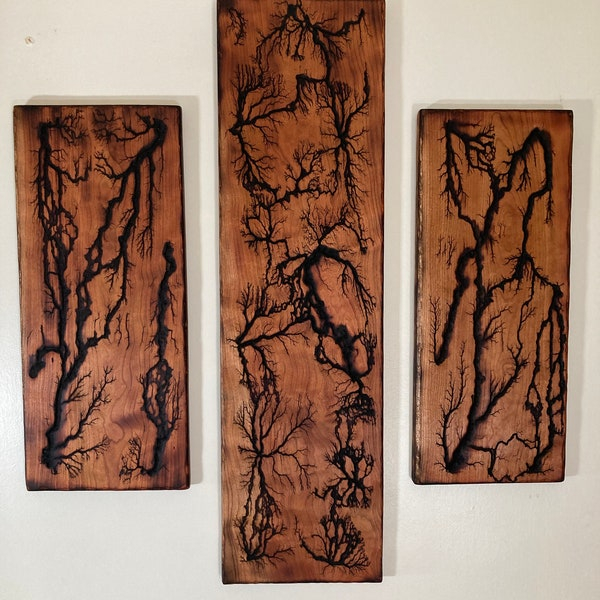
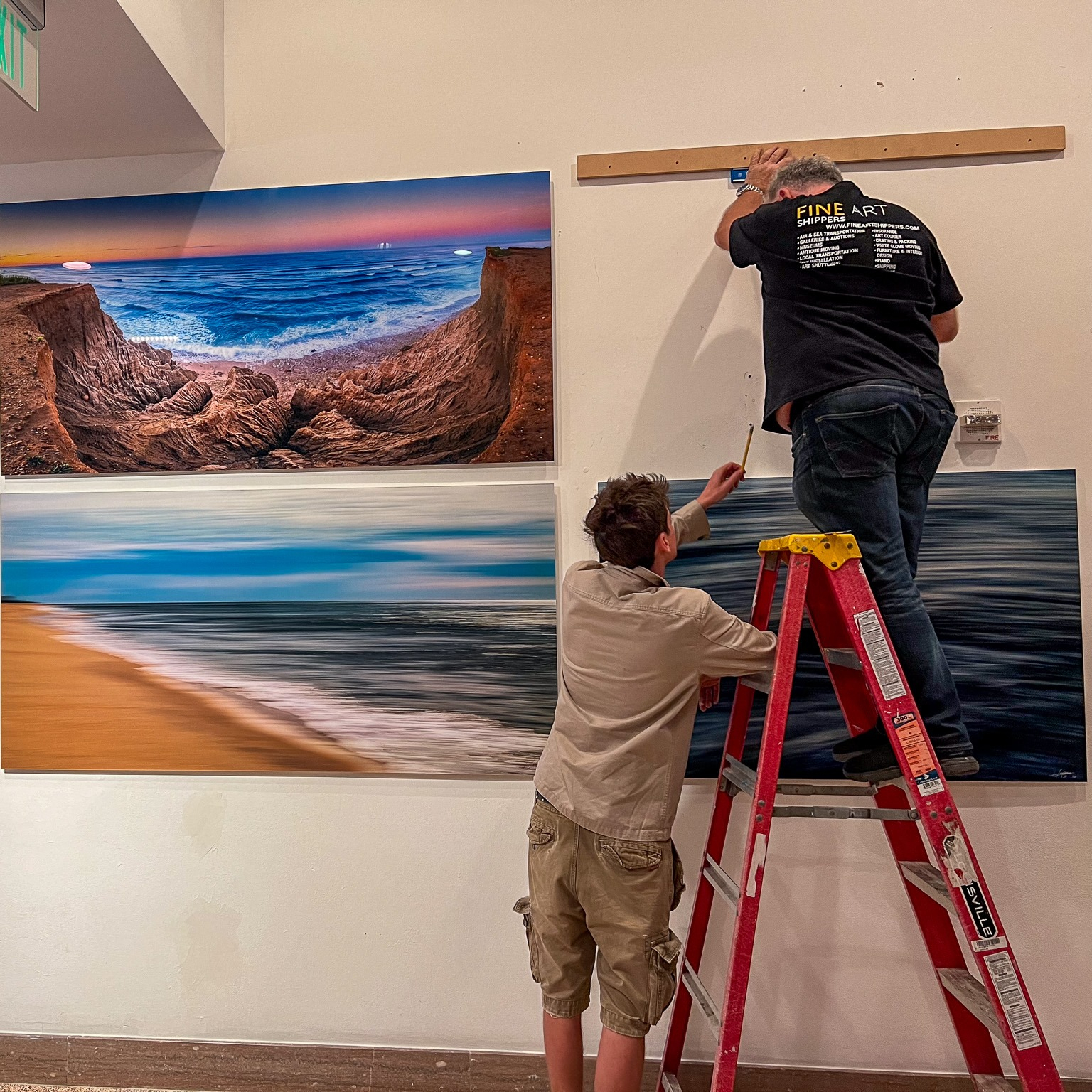
Imagine walking into a room where several canvas artworks seem to breathe together as one unified statement. That’s the magic of creating visual harmony with multi-piece canvas wall art installations. It’s not just about hanging pictures side by side – it’s about crafting a visual conversation between pieces that feels intentional and beautiful.
When it comes to decorating with canvas wall art, many people fall into the trap of simply hanging pieces next to each other without much thought. But what if I told you that there’s a science to making multiple canvases work together? The secret lies in understanding how our eyes perceive visual elements and how we can guide that perception through thoughtful arrangement. Whether you have three small pieces or a sprawling gallery wall, creating visual harmony isn’t just about matching colors – it’s about creating rhythm, balance, and purpose.
Understanding Visual Weight and Balance
Think of visual weight like physical weight, but for art. Some pieces naturally draw more attention than others. A large, bold painting will have more visual weight than a small, subtle piece. When arranging multiple canvases, you want to distribute this weight evenly across your wall space. If you have a large, dramatic piece, pair it with smaller, lighter-weight items on either side. This creates a sense of equilibrium that makes the entire installation feel grounded and stable.
Consider the concept of the golden ratio. It’s not just for mathematics – artists have used it for centuries because it naturally feels pleasing to the eye. Try arranging your pieces so that the overall composition follows this mathematical principle, even if you don’t realize it. The result will feel intentional rather than random.
Color Psychology and Harmonious Palettes
Colors speak to us on a subconscious level. When creating multi-piece installations, consider how colors interact with each other. Choose a base palette that works for your space – maybe earth tones, cool blues, or warm oranges – and then add accents that complement rather than compete. You don’t need all pieces to match perfectly, but they should belong to the same family.
A great example is using different shades of blue across several canvases. One might be a deep navy, another a soft sky blue, and a third a turquoise. They’re distinct, but they share enough common ground that they feel like they belong together. Sometimes a single accent color can tie everything together, even when the rest of the pieces are completely different.
Size Variation and Visual Flow
Variation in size keeps your eye moving across the wall, preventing the installation from feeling static or boring. Mix large and small pieces, wide and tall formats, and odd-numbered arrangements. Three pieces work particularly well because they create natural focal points and allow for easy balance.
Here’s something that many people miss: spacing matters. Leave consistent gaps between pieces – whether it’s two inches or four inches, keep it uniform. This creates a rhythm that guides the viewer’s eye from one piece to the next. When you break this rhythm with inconsistent spacing, the whole installation loses its sense of control and purpose.
A common mistake is having all pieces the same size. While this can work in some cases, it often results in a less dynamic display. The contrast between sizes creates energy and makes the arrangement feel more alive.
Framing Consistency and Style
Framing choices can make or break your multi-piece installation. When selecting frames, look for consistency in style, material, or finish. You don’t need identical frames, but they should complement each other. If you have one frame with a dark wood tone, try to avoid frames that are too starkly contrasting, like chrome or white metal.
Sometimes, mixing frame styles can actually work beautifully, but it requires intentionality. For instance, pairing vintage wooden frames with modern metal frames can create a contemporary feel. However, you’ll want to ensure there’s a unifying element – perhaps a similar width or shape – that ties them together.
The key is to think about the story you want to tell with your wall art. Are you going for classic elegance, modern minimalism, or rustic charm? Your framing choices should support that narrative.
Vertical vs Horizontal Arrangement Strategies
The way you arrange your canvases vertically versus horizontally can dramatically change how they’re perceived. Vertical arrangements tend to draw the eye upward, making a wall feel taller and more dramatic. Horizontal layouts spread the eye across the wall, creating a sense of width and stability.
A popular approach is the "golden triangle" – placing three pieces in a triangular formation. This creates a natural focal point and makes the arrangement feel secure. You can place the largest piece at the bottom with two smaller pieces above it, or arrange them in a more balanced horizontal line.
Some people prefer to create a "wall of art" with multiple rows. This works best when you have several pieces of similar size and can be arranged in neat rows. The key is ensuring that the top row aligns with the bottom row, creating a clean visual grid. If you’re working with pieces of varying sizes, consider creating a staggered effect that still maintains visual connection between the rows.
Practical Tips for Installation Success
Before you start hanging anything, take measurements. Measure both your individual pieces and the wall space where they’ll go. This helps prevent the common mistake of buying art that won’t fit properly. Consider the height at which you’ll hang the pieces – typically, the center of the artwork should be at eye level, around 57 inches from the floor.
Use a level and measuring tape religiously. Even a quarter-inch difference can make a huge impact on how your installation looks. It’s better to measure twice and hang once than to make adjustments later.
Test your arrangement on the floor first. Lay out your pieces in their intended pattern before hanging anything. This allows you to see how they work together and make adjustments before committing to nails or screws.
Don’t forget about lighting. Natural light changes throughout the day, and artificial light can affect how colors appear. Test your pieces under different lighting conditions to ensure they look good in your actual space.
Common Mistakes to Avoid
• Hanging pieces too high or too low. The center of the artwork should generally be at eye level.
• Inconsistent spacing between pieces. Uniform gaps create a cleaner look.
• Ignoring the wall’s existing elements. Consider how the art interacts with doors, windows, and furniture.
• Choosing pieces that don’t complement each other in any way. There should be at least some visual connection.
• Overcrowding the wall space. Less can often be more when it comes to visual impact.
Remember, creating visual harmony isn’t about following rigid rules. It’s about developing an eye for what feels right. Trust your instincts, but also be willing to step back and evaluate your work from a distance.
Creating visual harmony with multi-piece canvas wall art is both an art and a science. It combines our understanding of design principles with our personal aesthetic preferences. The most important thing is to approach it with intentionality and care. Whether you’re working with a few carefully chosen pieces or a full gallery wall, the goal remains the same: to create a space that feels cohesive, inviting, and uniquely yours.
Don’t be afraid to experiment. Try different arrangements, play with color combinations, and trust your eye. The beauty of wall art is that it’s deeply personal – it should reflect your taste and enhance your living space. When you get it right, a collection of canvases becomes more than just decoration; it becomes a conversation starter, a mood setter, and a true reflection of your personality.
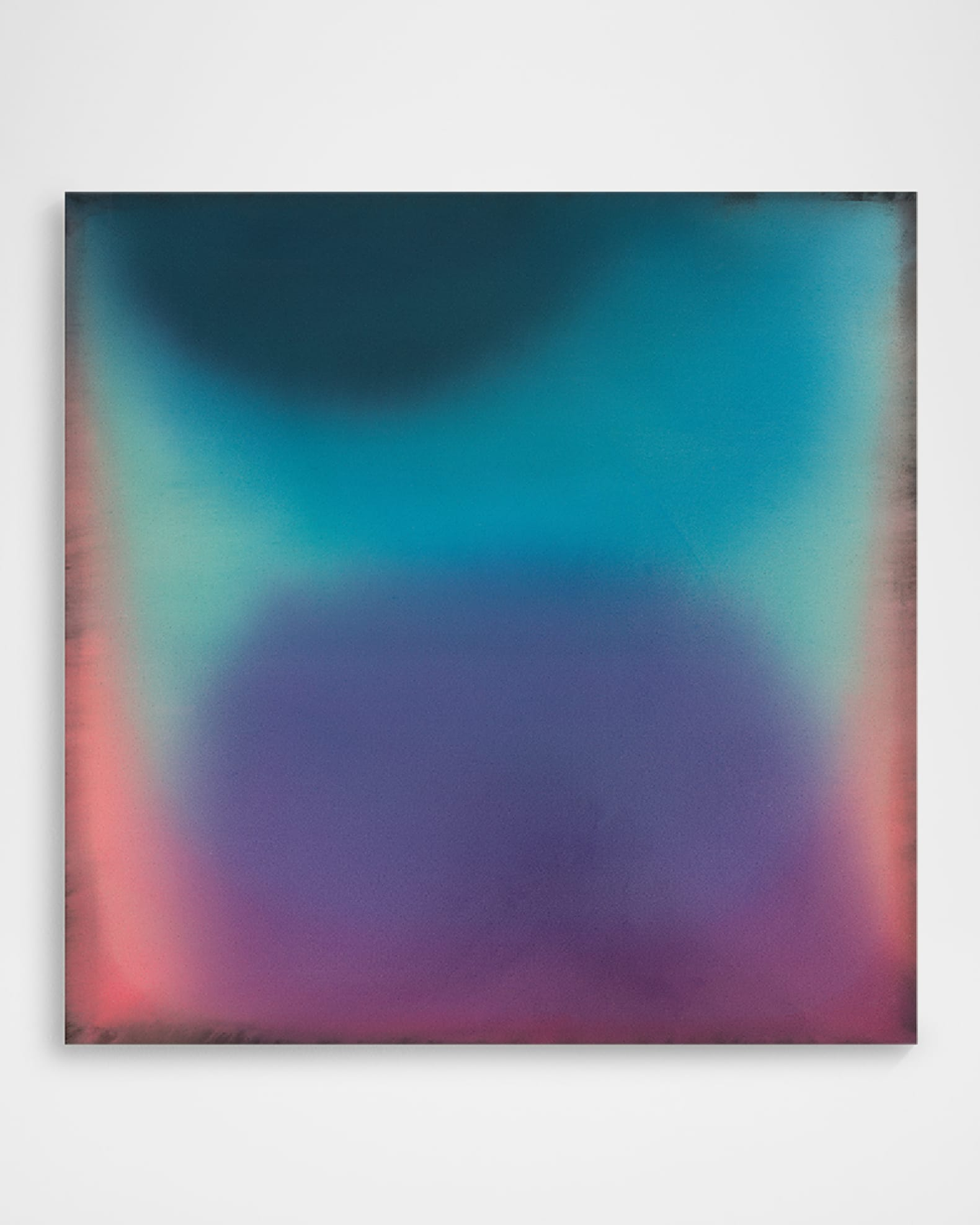
[sps_html tag=”img” src=”https://cdn.theartssection.com/wp-content/uploads/2025/12/lava-lamp-iii-wall-art-collectiom-by-david-erickson-neiman-marcus-regarding-artistic-techniques-that-define-chris-dohertys-niue-sunset-iii-wall-art.jpg” alt=”"Lava Lamp Iii" Wall Art Collectiom By David Erickson | Neiman Marcus regarding Artistic Techniques That Define Chris Doherty's Niue Sunset III Wall Art” style=”width: 100%; height: auto;”]
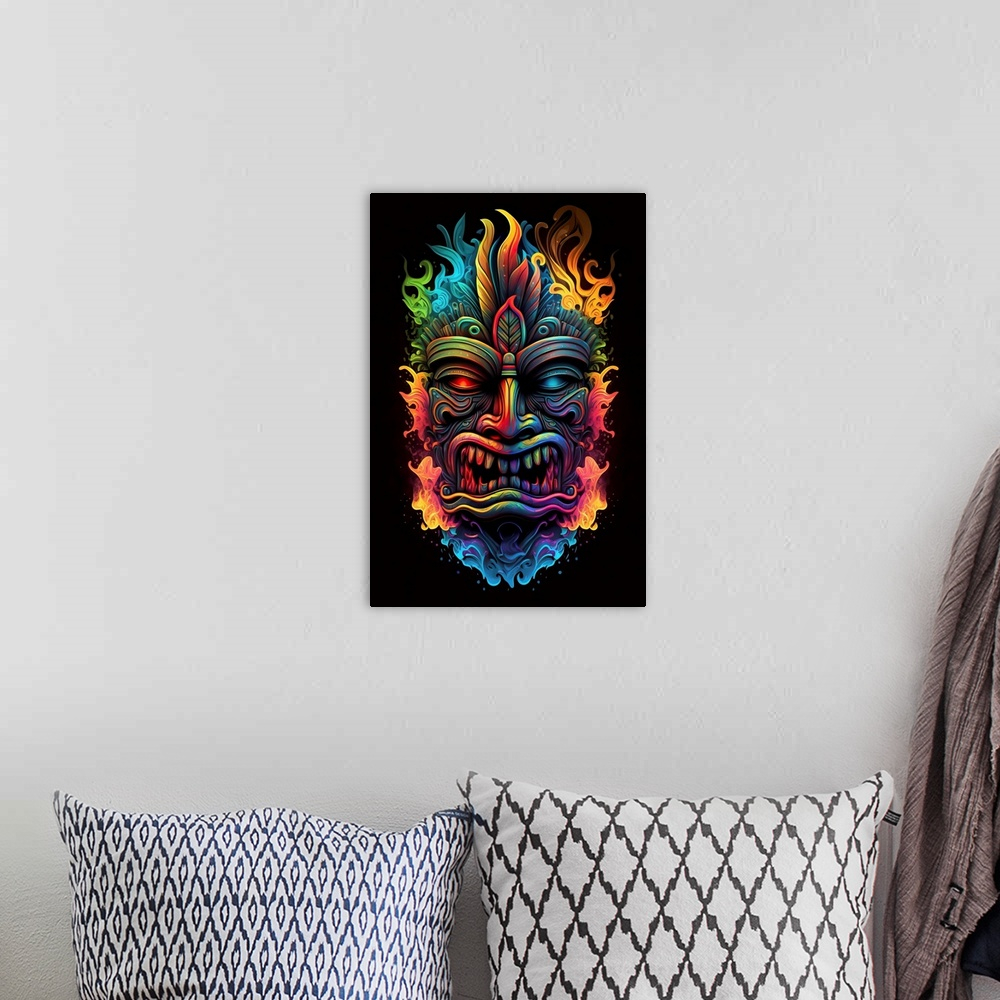
[sps_html tag=”img” src=”https://cdn.theartssection.com/wp-content/uploads/2025/12/tiki-iii-wall-art-canvas-prints-framed-prints-wall-peels-great-big-pertaining-to-ready2hangart-chris-doherty-niue-sunset-iii-4-piece-canvas-wall-art.jpg” alt=”Tiki Iii Wall Art, Canvas Prints, Framed Prints, Wall Peels | Great Big … pertaining to Ready2Hangart Chris Doherty 'Niue Sunset Iii' 4-Piece Canvas Wall Art” style=”width: 100%; height: auto;”]
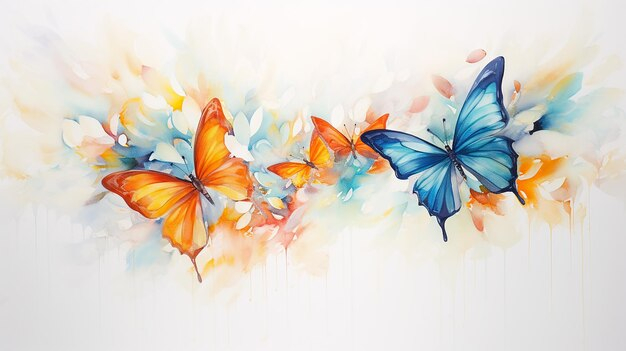
[sps_html tag=”img” src=”https://cdn.theartssection.com/wp-content/uploads/2025/12/ready2hangart-chris-doherty-niue-sunset-5-piece-canvas-wall-art-30-pertaining-to-ready2hangart-chris-doherty-niue-sunset-iii-4-piece-canvas-wall-art.jpg” alt=”Ready2Hangart Chris Doherty 'Niue Sunset' 5-Piece Canvas Wall Art, 30 … pertaining to Ready2Hangart Chris Doherty 'Niue Sunset Iii' 4-Piece Canvas Wall Art” style=”width: 100%; height: auto;”]