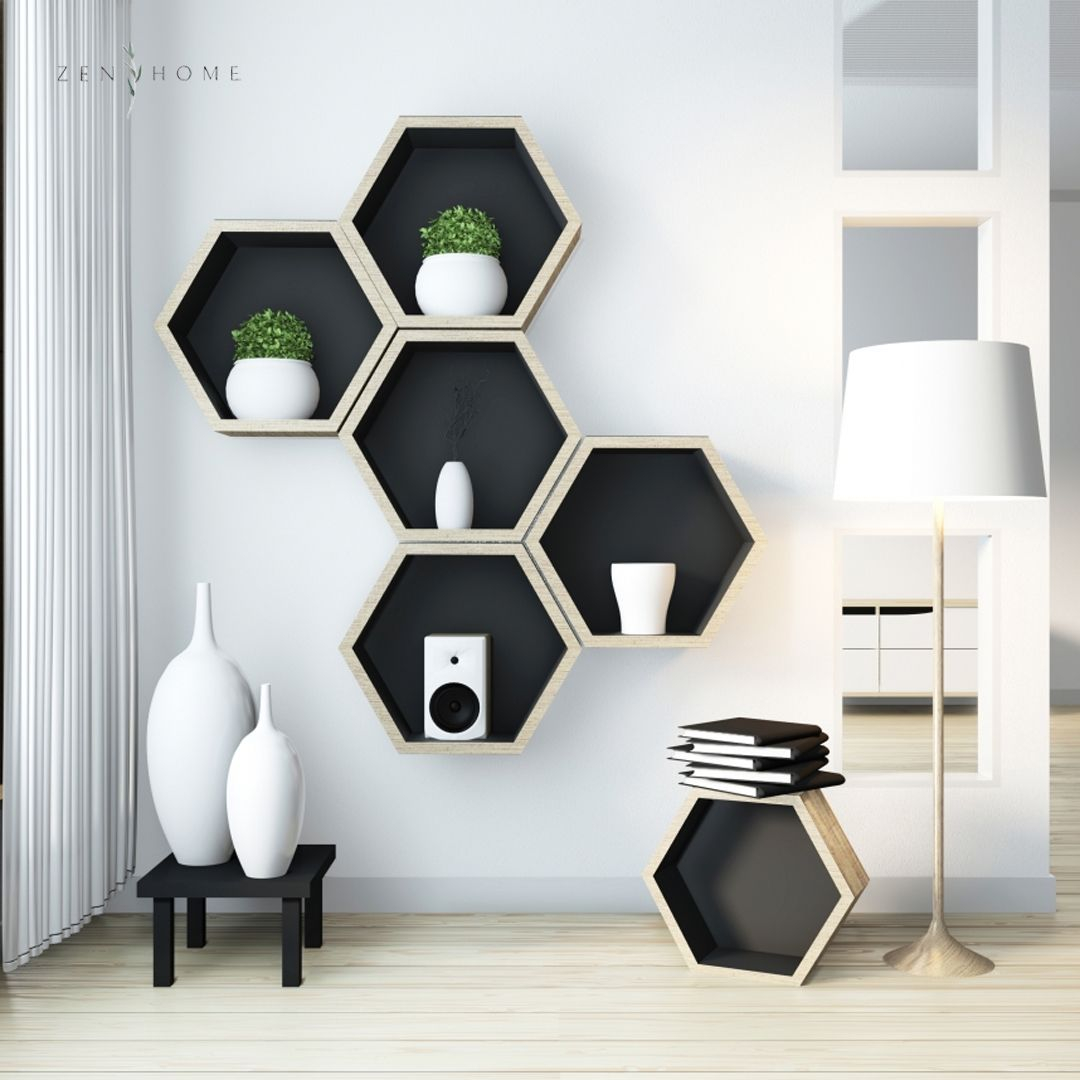
There’s something deeply satisfying about looking at a piece of art that was made with care, patience, and skill passed down through generations. When it comes to wall art, few materials capture that spirit quite like ash wood. But what makes hand-finished ash wood wall art so special? It’s not just the wood itself, but the meticulous process that transforms raw timber into a stunning work of art.
Imagine walking into a room where the walls seem to breathe with life. Not because of color or design, but because they hold stories – stories of the forest, the craftsman’s hands, and countless hours of dedication. That’s what hand-finished ash wood wall art brings to any space. This isn’t mass-produced furniture or cheap decor that gets discarded after a season. These are pieces that tell tales of tradition, craftsmanship, and the quiet beauty found in natural materials. Ash wood, with its distinctive grain patterns and remarkable strength, offers artists and makers an exceptional canvas for their creativity. Yet it’s the finishing touches that truly elevate these pieces from mere wood to true art. The careful attention to detail, the traditional techniques, and the love put into each stroke of the brush or sanding block creates a finished product that speaks to both the eye and the soul.
Understanding Ash Wood’s Natural Characteristics
Ash wood stands out in the world of woodworking not just for its aesthetic appeal, but for its unique properties that make it ideal for wall art. This hardwood comes from the ash tree, which grows across much of North America and Europe. What makes ash special isn’t just its appearance, but how it behaves when worked with. The grain runs straight and even, creating a clean, elegant look that’s perfect for artistic expression. It’s also incredibly strong yet flexible, meaning it can be shaped and carved without breaking easily. The wood’s natural resistance to splitting makes it perfect for wall-mounted pieces that will endure daily life. Additionally, ash wood has excellent shock resistance, which means it won’t splinter or crack under normal conditions. When you see the natural variations in color and grain, you’re looking at the wood’s inherent character – no two pieces are exactly alike. Some have rich brown tones while others display lighter, almost cream-colored backgrounds. The grain often shows swirls and waves that add visual interest and depth to any artwork.
Traditional Techniques Passed Down Through Generations
The magic of hand-finished ash wood wall art lies in the time-honored methods used to create it. These aren’t modern shortcuts or factory processes. Instead, they’re techniques refined over centuries by master craftsmen who understood wood’s behavior and the importance of working with nature rather than against it. Sanding begins with coarse grits and gradually moves to finer ones, ensuring every surface feels smooth to the touch. This process removes imperfections and prepares the wood to accept finish properly. Many artisans still use hand planes, which allow them to control the thickness and smoothness of each piece precisely. The traditional approach involves multiple layers of finish, each carefully applied and allowed to dry completely before the next step. This method ensures durability and protects the wood’s natural beauty. Some craftspeople even use natural oils like linseed oil or tung oil, which penetrate deep into the wood fibers and provide protection while maintaining the material’s natural feel. These old-school techniques might take longer, but they produce results that last for decades.
The Role of Finishing in Enhancing Natural Beauty
What happens between the wood being cut and the final piece hanging on a wall can make all the difference. The finishing process is where raw material becomes a masterpiece. Professional finishes protect the wood from moisture, UV damage, and general wear while enhancing its natural characteristics. Oil-based finishes tend to bring out the wood’s warmth and richness, creating a subtle sheen that highlights grain patterns. Water-based finishes offer clarity and protection without adding too much color, allowing the wood’s natural beauty to shine through. Some artists prefer to leave certain areas unfinished, letting the wood’s natural texture show through. This technique, called ‘natural finish,’ creates contrast and adds dimension to the artwork. The choice of finish also affects how the piece ages. Certain finishes may yellow over time, while others remain neutral. Understanding these effects helps artists make informed decisions about their work. For example, a rustic wall art piece might benefit from a matte finish that mimics aged wood, while a contemporary piece could showcase a glossy surface that reflects light beautifully.
Artistic Expression Through Grain Patterns and Texture
One of the most captivating aspects of ash wood wall art is how each piece tells its own story through grain patterns and textures. The natural variation in wood grain creates unique visual elements that no two pieces share. Some artists deliberately highlight these characteristics by choosing specific boards with interesting patterns. Others embrace the randomness and let the wood guide their creative process. The interplay between light and shadow on textured surfaces adds another layer of visual interest. When sunlight hits a piece at different angles throughout the day, the artwork changes subtly, creating a dynamic experience. Artists often work with the wood’s natural flaws and knots, turning what might be seen as imperfections into focal points. A large knot can become the centerpiece of a design, while smaller variations might suggest movement or flow. The texture itself provides tactile pleasure – running fingers along the surface reveals the wood’s natural roughness and smoothness in alternating patterns. This sensory element adds to the emotional connection people feel with these pieces.
Quality Considerations and Longevity Factors
When investing in hand-finished ash wood wall art, several factors contribute to its lasting value. First, consider the quality of the wood itself. Premium ash wood is typically kiln-dried to reduce moisture content, preventing warping or cracking over time. The wood should be free from major defects like splits, holes, or severe knots that could compromise structural integrity. The finishing process also plays a crucial role in longevity. Multiple coats of quality finish provide better protection than thin applications. Proper ventilation during the finishing process is essential for safety and optimal results. The environment where the artwork will hang matters too. Avoid direct sunlight or high humidity areas that could cause fading or swelling. Regular maintenance, such as gentle dusting and occasional re-finishing, keeps pieces looking fresh. Quality pieces often come with warranties or guarantees, reflecting the maker’s confidence in their work. A well-made ash wood wall art piece can last generations if cared for properly, making it a worthwhile investment for any home or business.
Choosing the Right Piece for Your Space
Not every ash wood wall art piece suits every space. Understanding how to match a piece with your environment enhances its impact and longevity. Consider the room’s lighting and how it will affect the artwork’s appearance throughout the day. Darker woods might dominate a small space, while lighter tones can make rooms feel more open. Think about the overall style of your decor – traditional, modern, rustic, or eclectic. Some ash pieces work best with contemporary settings, while others complement farmhouse or vintage aesthetics perfectly. The size of the wall space matters too. Large pieces make bold statements, while smaller artworks can create intimate focal points. Pattern complexity also affects how a piece integrates into a room. Simple designs tend to blend seamlessly, while intricate patterns might overwhelm simpler surroundings. Budget considerations play a role, but remember that quality craftsmanship often costs more upfront but delivers greater satisfaction over time. Look for signs of proper construction, including tight joints, even surfaces, and consistent finish application. The weight of the piece is important for installation – heavier works require secure mounting hardware.
Hand-finished ash wood wall art represents more than just decorative items – they embody a connection to craftsmanship, natural beauty, and timeless traditions. Every piece tells a story of the wood’s journey from forest to wall, and the skilled hands that shaped it along the way. Whether you’re drawn to the rich textures, the natural grain patterns, or simply appreciate the artistry involved, these works offer something special that mass-produced alternatives cannot match. The dedication required to create such pieces, from selecting the right wood to applying multiple protective coats, ensures that each artwork is built to last. As we continue to seek authenticity and meaning in our living spaces, hand-finished ash wood wall art reminds us of the enduring value of traditional skills and natural materials. These aren’t just decorations – they’re investments in beauty, quality, and the appreciation of genuine craftsmanship that deserves recognition and care.
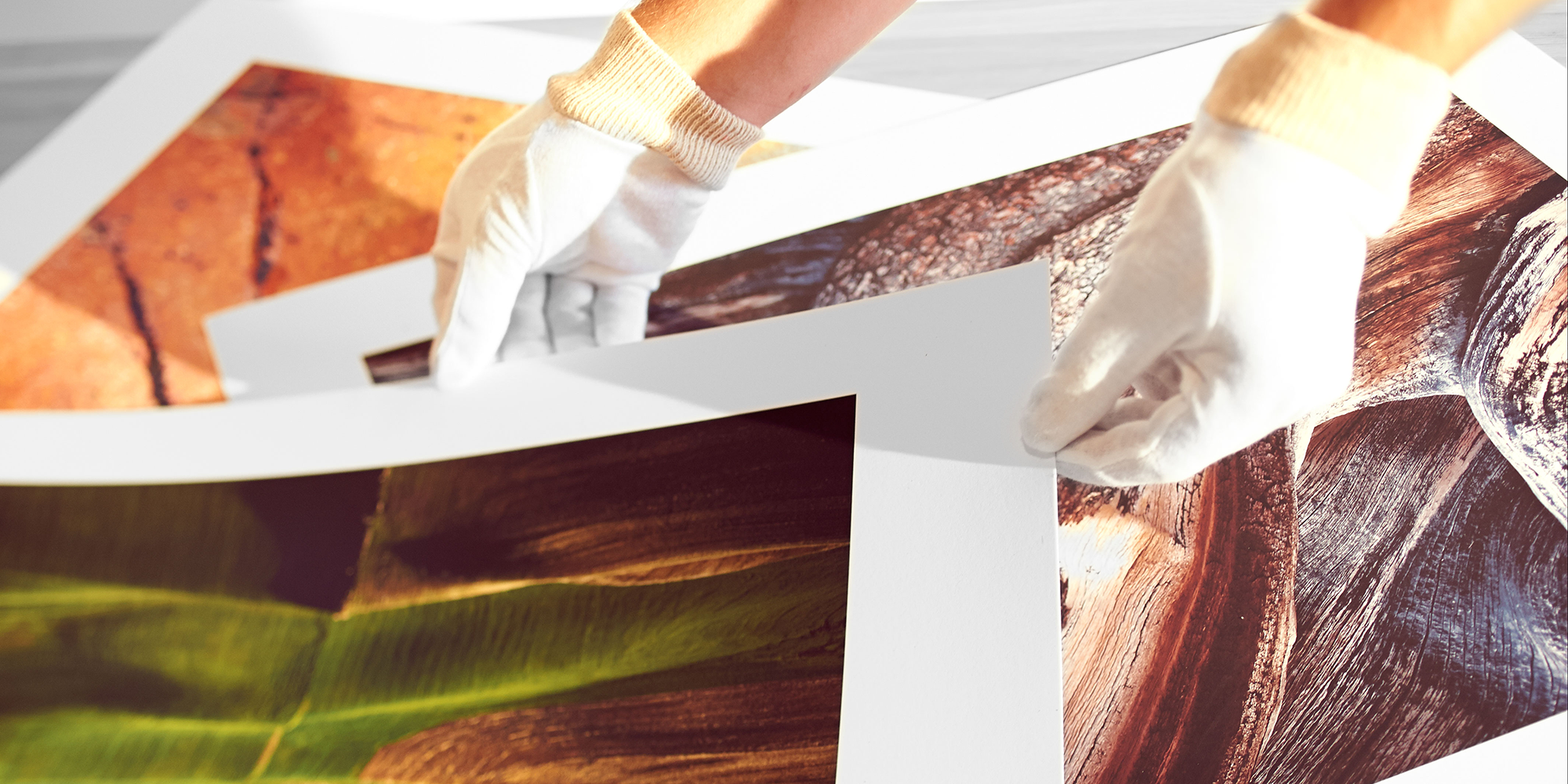
[sps_html tag=”img” src=”https://cdn.theartssection.com/wp-content/uploads/2025/12/giclee-printing-genta-art-prints-inside-coastal-serenity-i-wall-art-x-ray-photo-giclee-printed-on-hand-finished-ash-wood.jpg” alt=”Giclée Printing — Genta Art Prints inside Coastal Serenity I Wall Art X-Ray Photo Giclee Printed On Hand Finished Ash Wood” style=”width: 100%; height: auto;”]
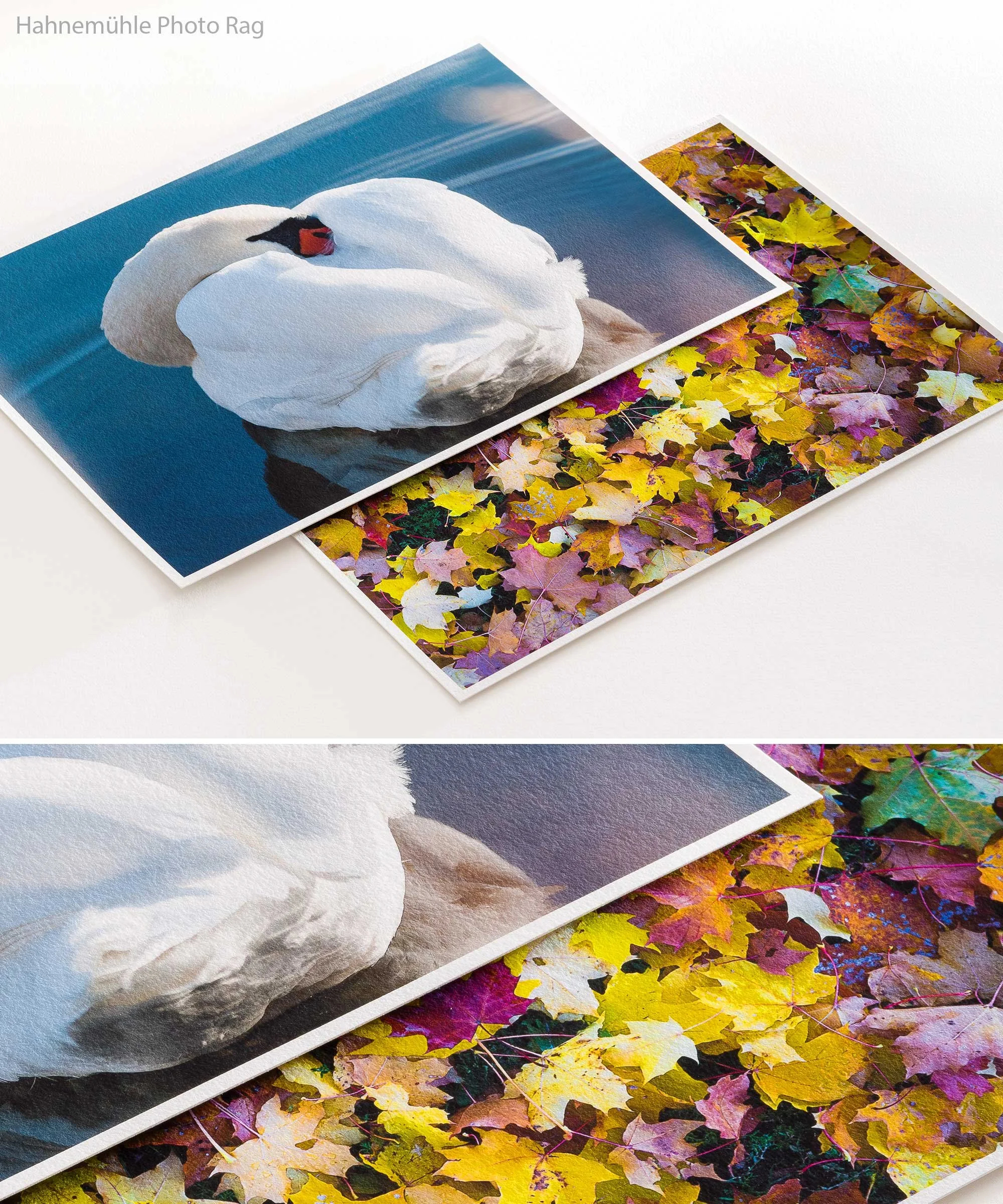
[sps_html tag=”img” src=”https://cdn.theartssection.com/wp-content/uploads/2025/12/guide-to-giclee-prints-fine-art-printique-an-adorama-company-inside-artistic-heritage-through-x-ray-photo-giclee-printing-methods.jpg” alt=”Guide To Giclee Prints (Fine Art) - Printique, An Adorama Company inside Artistic Heritage Through X-Ray Photo Giclee Printing Methods” style=”width: 100%; height: auto;”]
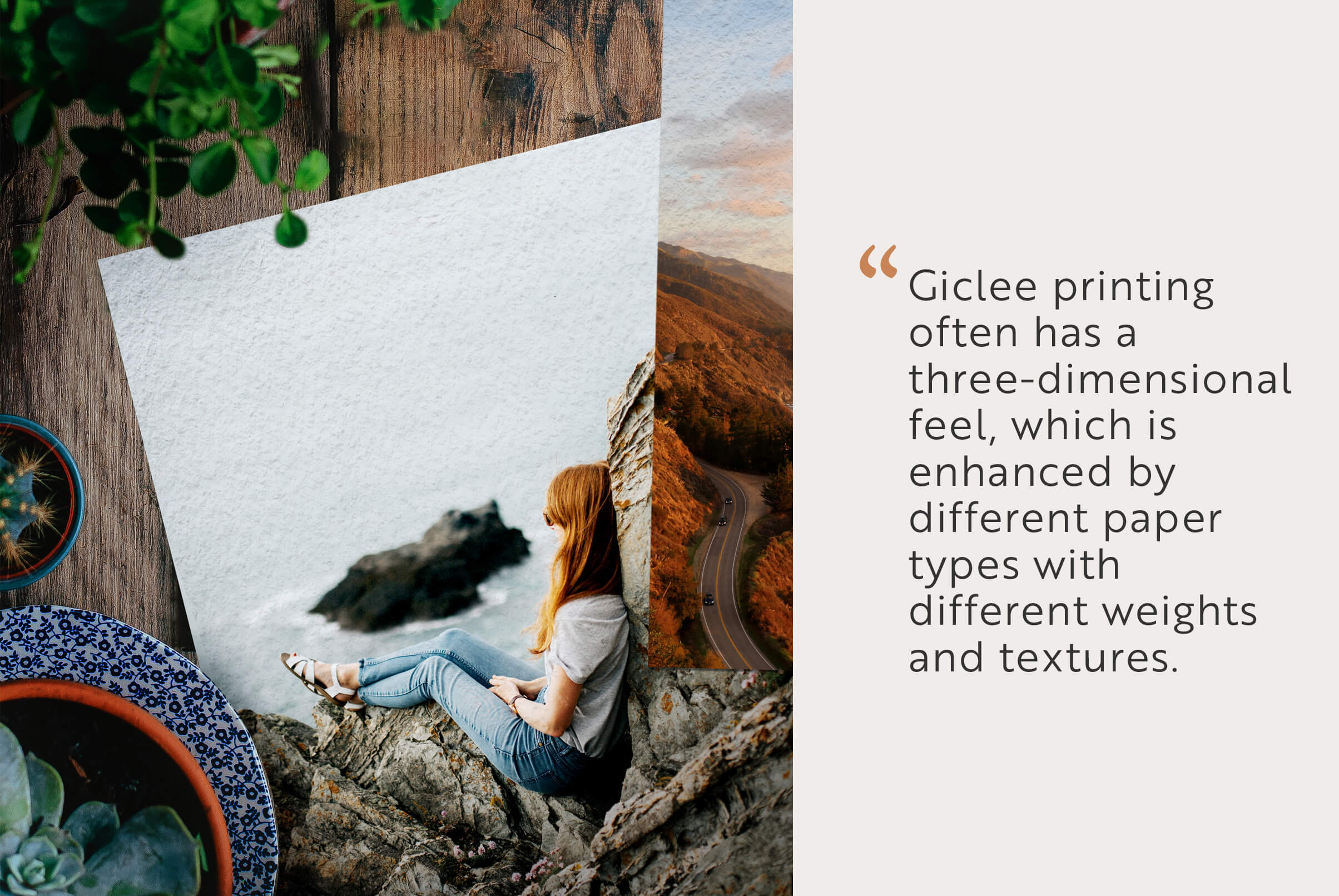
[sps_html tag=”img” src=”https://cdn.theartssection.com/wp-content/uploads/2025/12/what-is-the-giclee-method-of-printing-within-artistic-heritage-through-x-ray-photo-giclee-printing-methods.jpg” alt=”What Is The Giclee Method Of Printing? within Artistic Heritage Through X-Ray Photo Giclee Printing Methods” style=”width: 100%; height: auto;”]
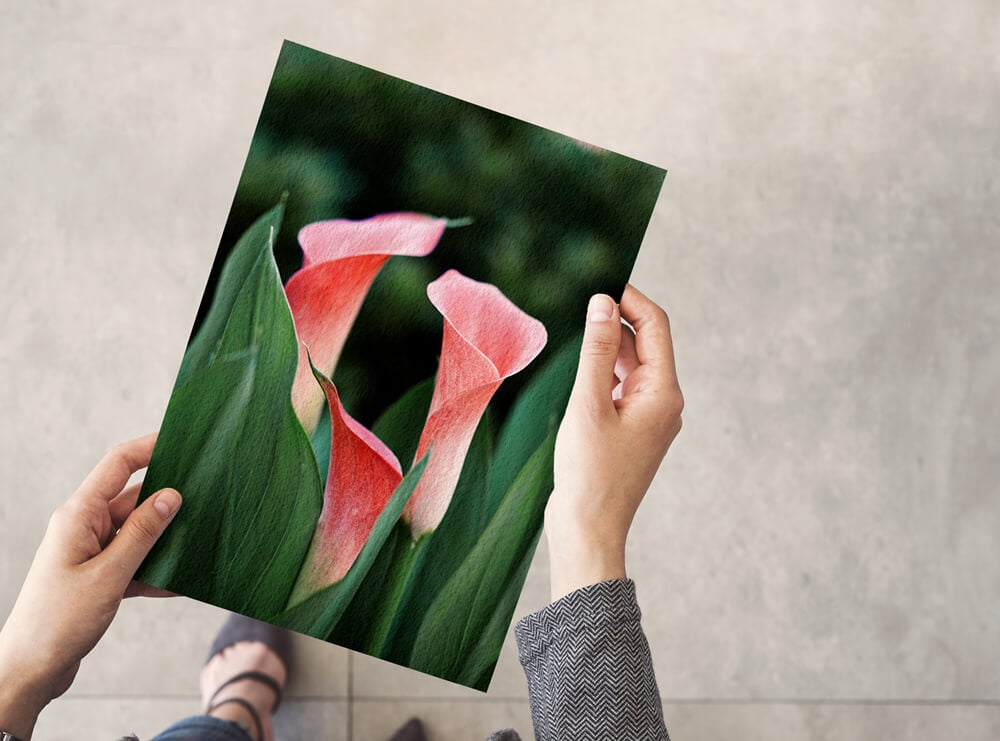
[sps_html tag=”img” src=”https://cdn.theartssection.com/wp-content/uploads/2025/12/printing-photos-a-complete-guide-printique-an-adorama-company-inside-coastal-serenity-i-wall-art-x-ray-photo-giclee-printed-on-hand-finished-ash-wood.jpg” alt=”Printing Photos: A Complete Guide - Printique, An Adorama Company inside Coastal Serenity I Wall Art X-Ray Photo Giclee Printed On Hand Finished Ash Wood” style=”width: 100%; height: auto;”]
[sps_html tag=”img” src=”https://cdn.theartssection.com/wp-content/uploads/2025/12/fine-art-prints-giclee-printing-36×12-inch-snapmad-with-regard-to-artistic-heritage-through-x-ray-photo-giclee-printing-methods.png” alt=”Fine Art Prints | Giclee Printing 36X12 Inch | Snapmad with regard to Artistic Heritage Through X-Ray Photo Giclee Printing Methods” style=”width: 100%; height: auto;”]