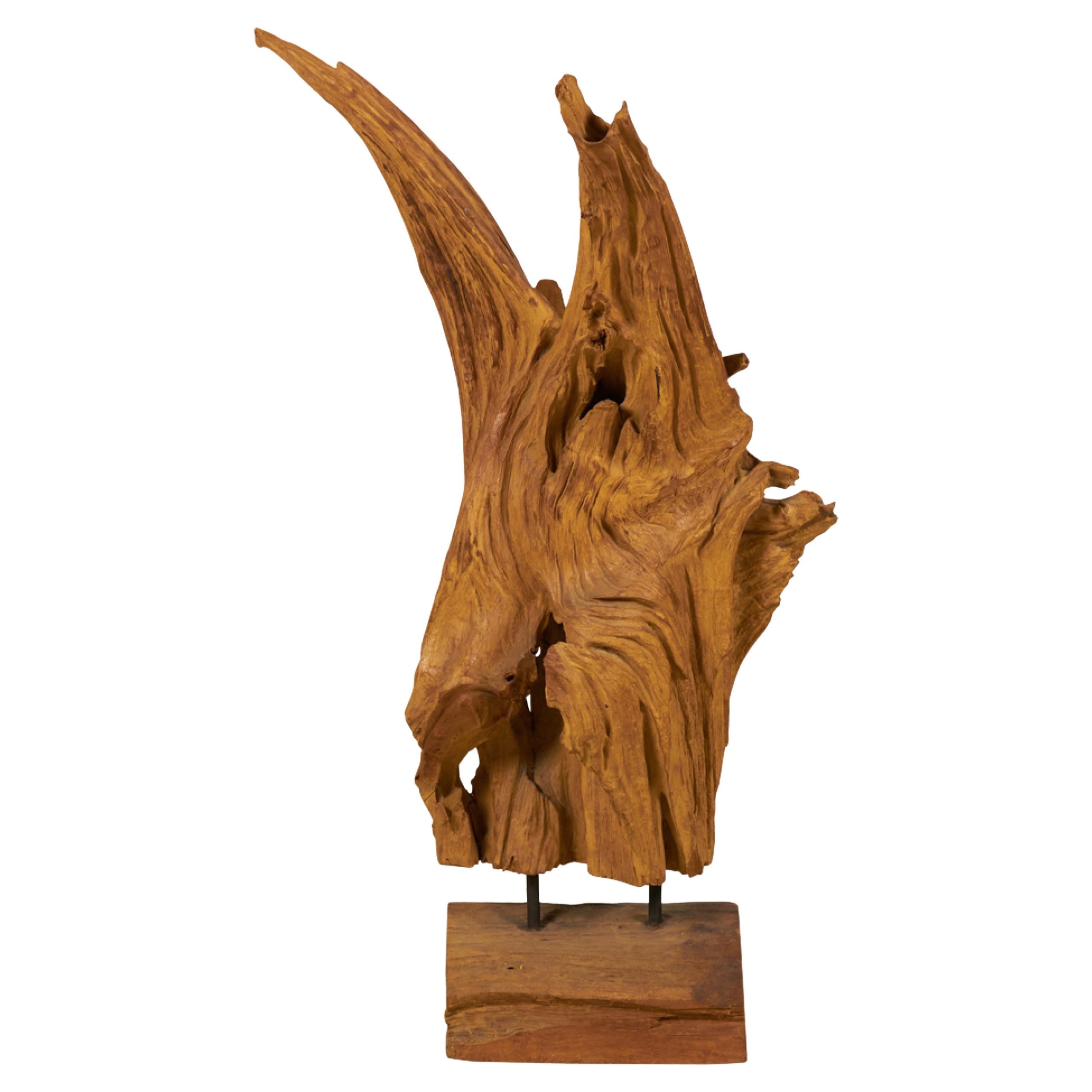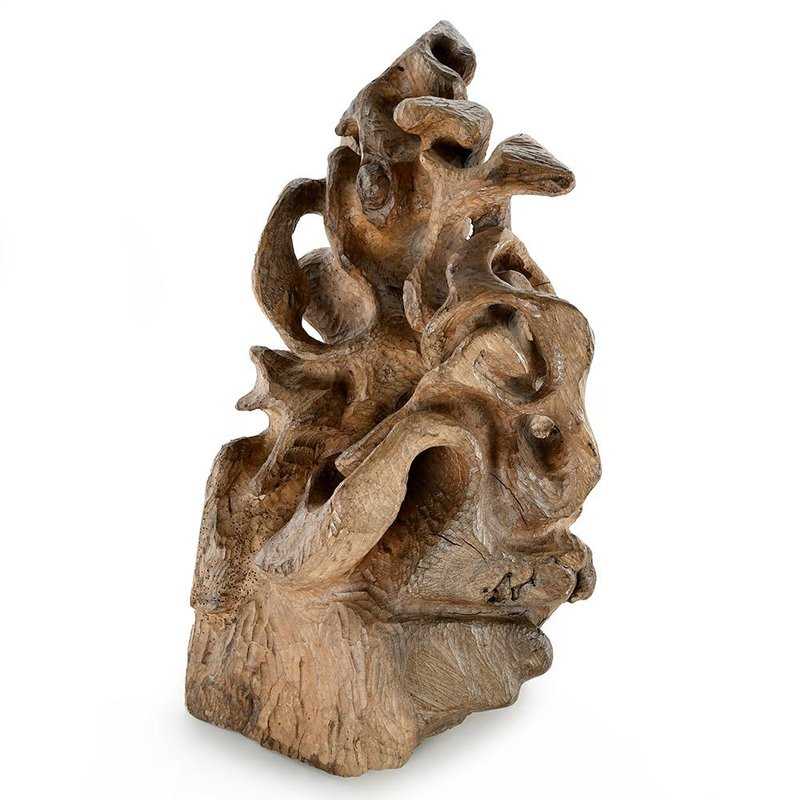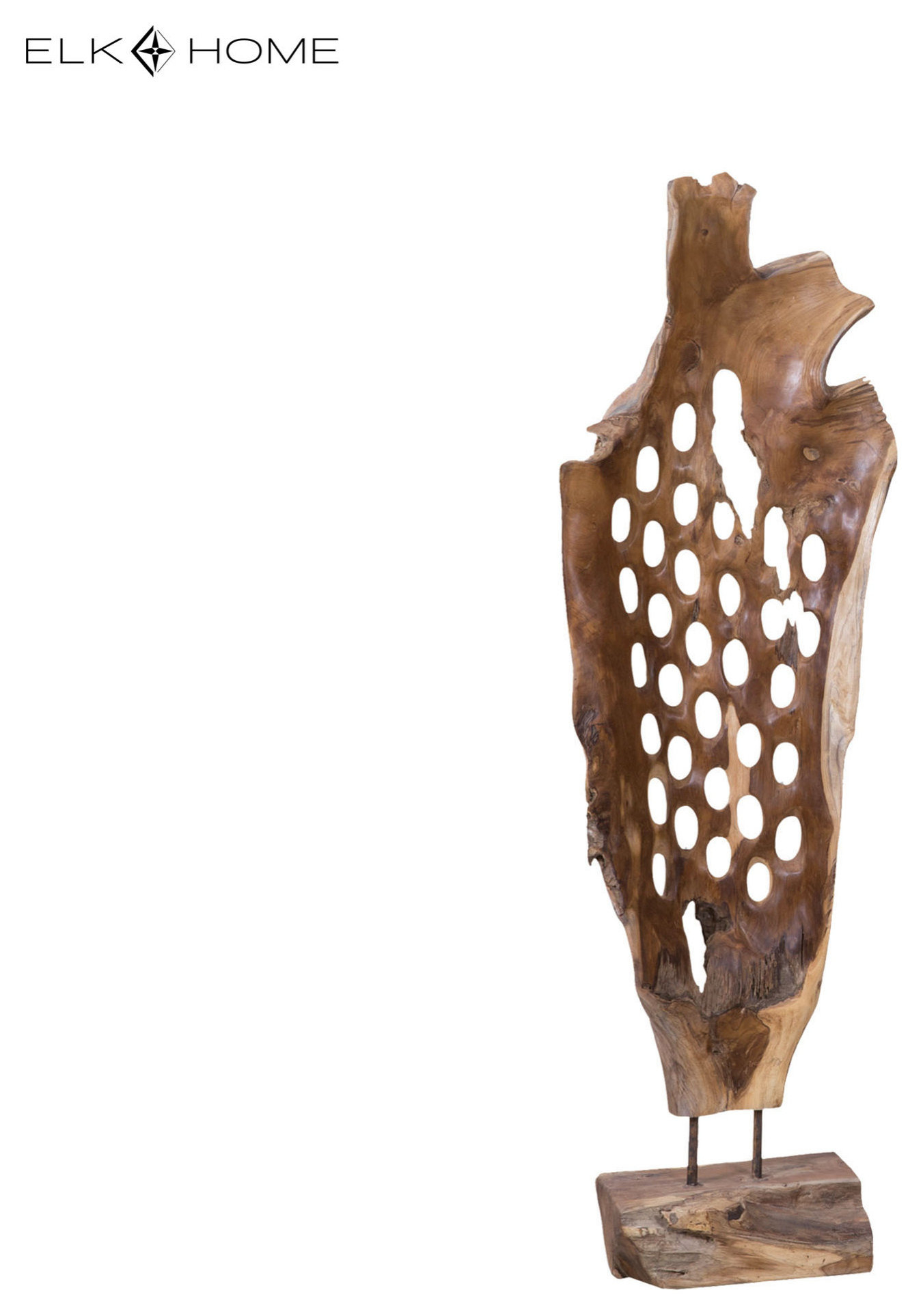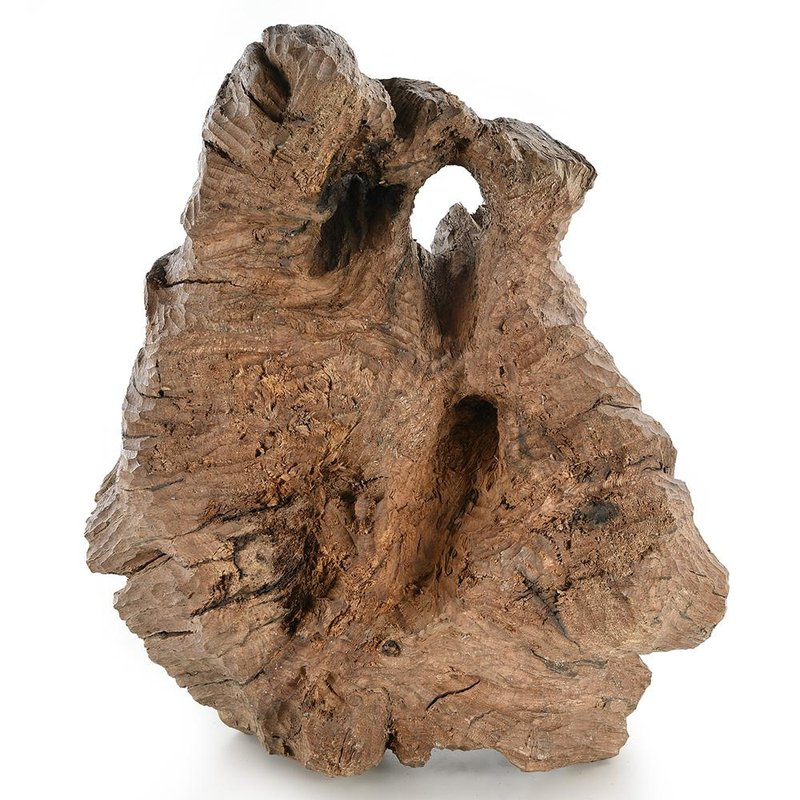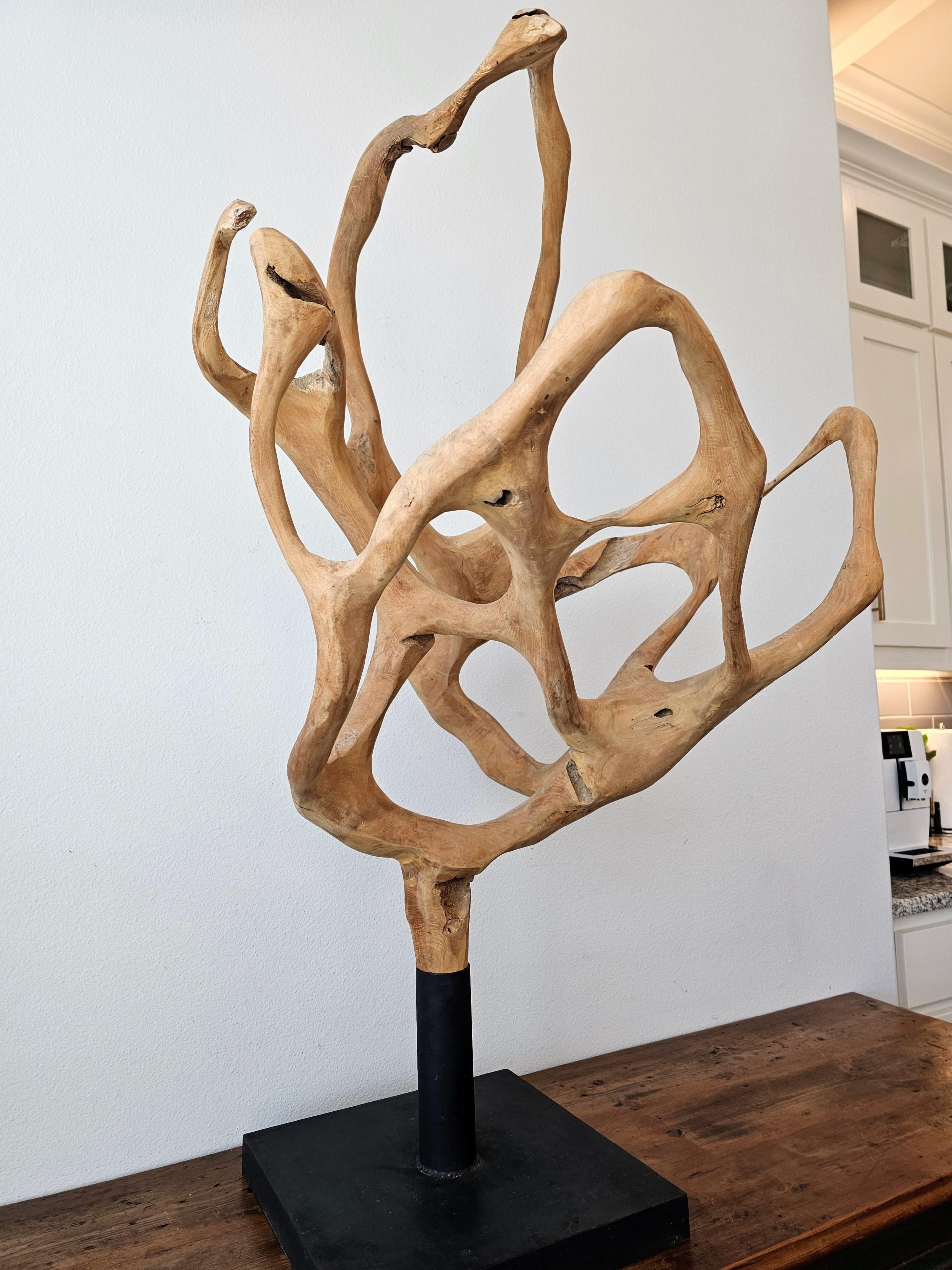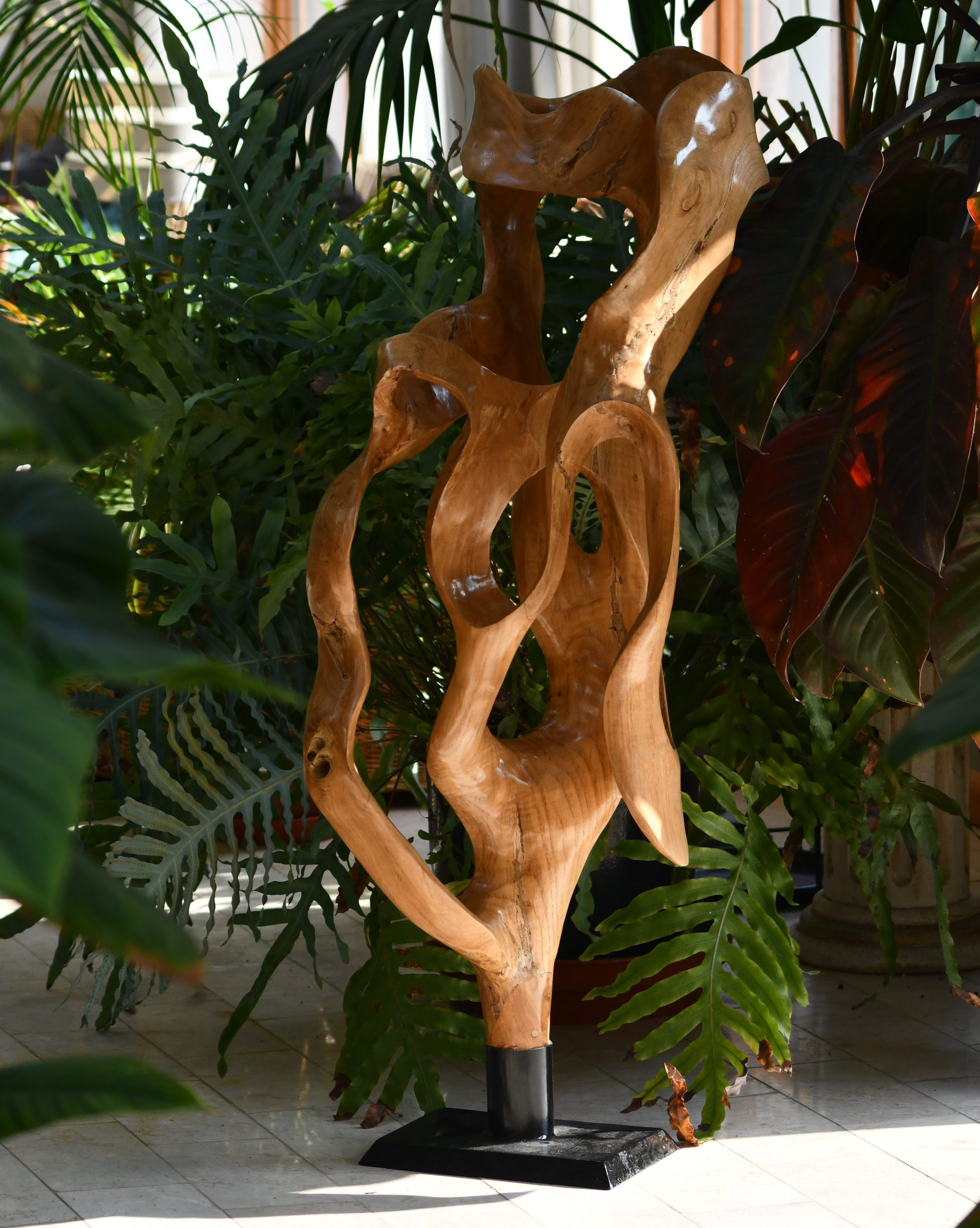
Have you ever looked at a piece of old wood and seen a face, a wave, or an entire landscape hidden in its lines. For centuries, artisans in Southeast Asia, particularly in places like Java and Bali, haven’t just seen these shapes—they have pulled them into the light. Traditional teak root wall carvings are not just gorgeous pieces of home decor. They are living, breathing history books carved into the stubborn, twisted foundations of one of the strongest trees on earth.
As we move through 2026, there is a massive shift happening in how we think about our living spaces. People are tired of mass-produced, plastic furniture that has no soul. We want things that tell a story, pieces that connect us back to the earth and to human hands. That is exactly why these incredible root carvings are seeing a huge revival right now. They stand at the perfect crossroads of environmental upcycling and ancient cultural heritage.
The Secret Life of Teak Roots
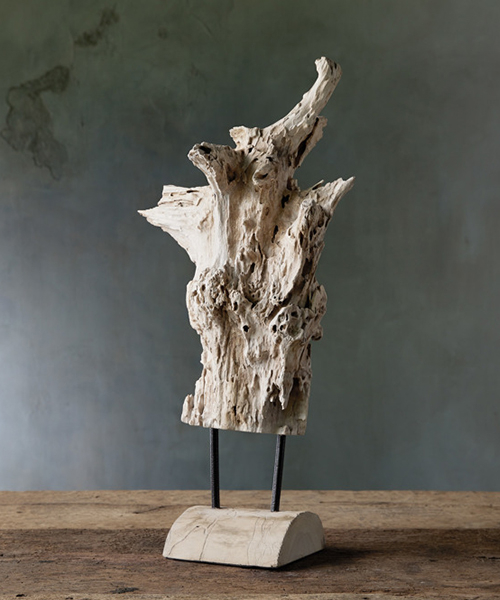
To truly appreciate these wall masterpieces, you have to understand the material itself. Teak wood, or Tectona grandis, is famous for its incredible durability and beautiful golden-brown hues. But while the straight trunk of the tree is usually used for building ships or luxury furniture, the roots were historically left underground. They were seen as too difficult to dig up and too chaotic to work with.
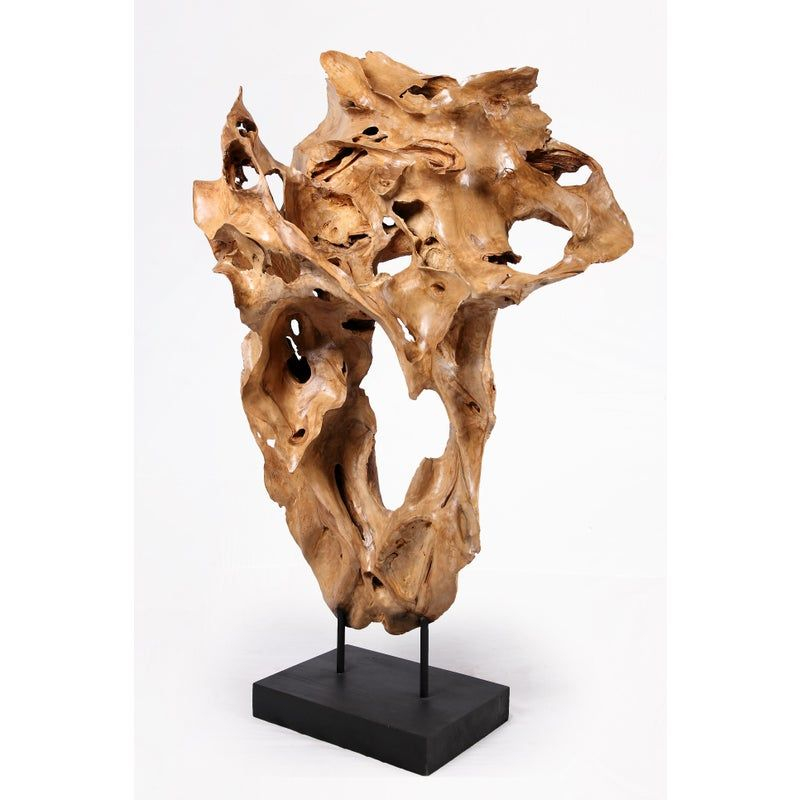
But here is the magic: those subterranean networks are where the tree stores its oils, making the root section incredibly dense and resistant to moisture and bugs. When a teak tree is harvested for timber, the underground root system remains. Instead of letting it rot or burning it, local artisans reclaim these massive, gnarled lumps. It takes days of intense physical labor just to clean the mud and rocks out of the crevices before any carving can even begin.
A Canvas Shaped by Nature First
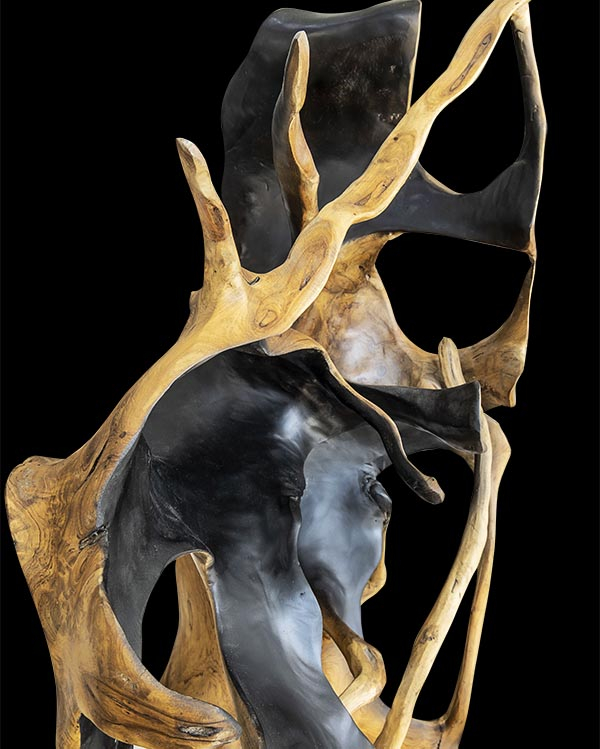
What makes wall carvings from roots so unique compared to flat wooden panels is that the artist cannot just force their will onto the medium. The root dictates the design. An artisan might stare at a massive, tangled root for weeks, studying the natural flows, bumps, and hollows before making a single cut.
It is a true collaboration between human imagination and Mother Nature. A sudden curve in the wood might become the flowing tail of a mythical dragon, while a deep knothole might serve as the perfect shadow beneath a carved monk’s robe. This means that no two wall carvings can ever be identical. When you hang one on your wall, you are owning a completely unique snapshot of time, nature, and human patience.
Stories Etched in Deep Relief
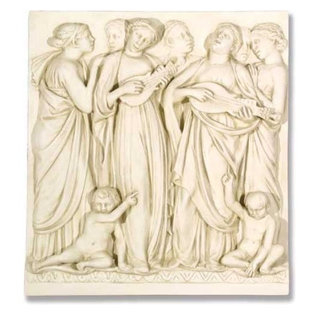
The themes captured in these carvings are deeply rooted in spiritual folklore and daily historical life. In Indonesian traditions, you will often see breathtaking depictions of the Ramayana or Mahabharata epics. These aren’t just decorative scenes; they are moral maps and spiritual guides that have been passed down through generations.
Common Motifs and Their Meanings
- The Tree of Life (Gunungan): Represents the universe, balance, and the connection between heaven and earth.
- Forest Flora and Fauna: Birds, deer, and lush leaves that celebrate the sacred bond between humans and the natural ecosystem.
- Deities and Protectors: Figures meant to bring good energy, peace, and protection to the household where the carving hangs.
The Modern Revival and Global Impact
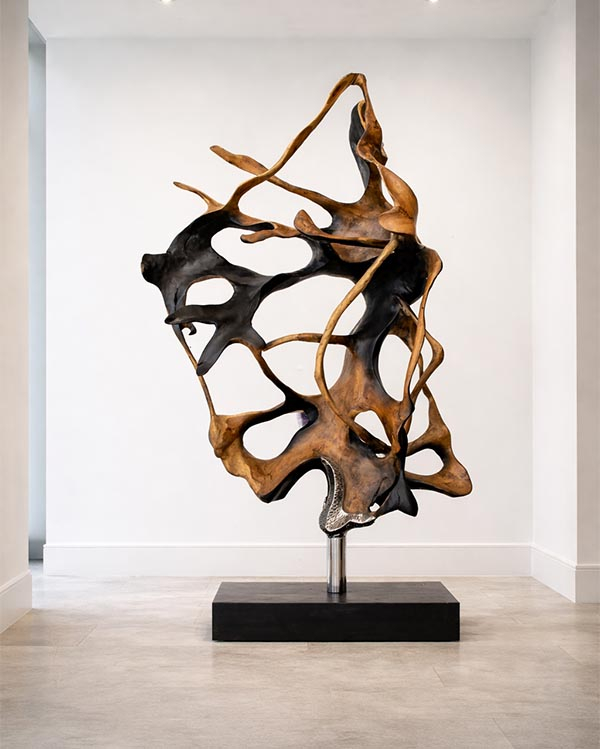
In recent years, leading up to 2026, the global design world has fallen in love with these pieces all over again. Interior designers are using giant teak root carvings as dramatic statement pieces in minimalist, modern homes. The contrast between sleek, clean architectural lines and the raw, wild texture of a carved root creates an unbelievable visual energy.
Furthermore, this art form provides vital economic support for rural crafting communities. Master carvers often pass their secrets down to their children, keeping ancient techniques alive while bringing sustainable income into their villages. By valuing the root, the community turns what used to be logging waste into high-value cultural art.
How to Spot True Artisan Craftsmanship
Because of their popularity, the market has seen an influx of cheap imitations made from pressed sawdust or chemical molds. If you are looking to bring an authentic piece of this heritage into your home, you need to know what to look for. Real teak root is heavy—surprisingly heavy—due to its dense grain and natural oil content.
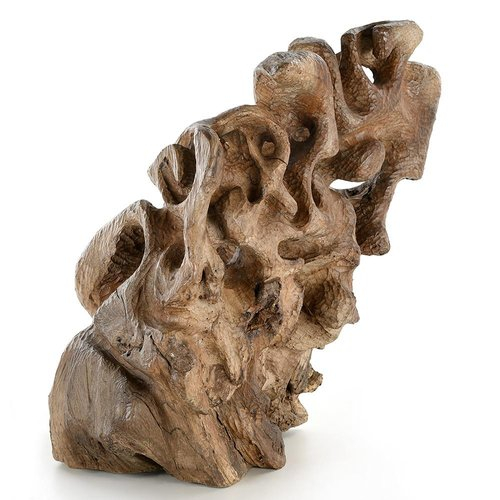
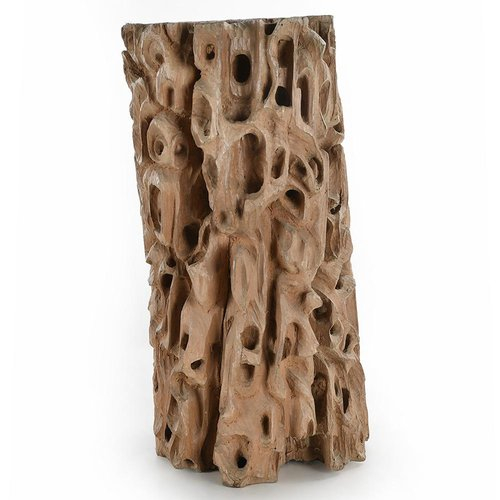
Look closely at the deep crevices. Authentic hand-carved pieces will show tiny variations in tool marks and a depth of relief that machines simply cannot replicate. Machine-carved pieces often look too symmetrical and lack the soulful, organic imperfections that tell you a human hand guided the chisel. Don’t be afraid of minor cracks or color variations; those are proofs of the wood’s genuine journey through life.
Owning a traditional teak root carving is a bit like adopting a pet; it requires just a little bit of mindful love to thrive. Because teak is naturally oily, it doesn’t need heavy chemical varnishes. In fact, harsh cleaners can ruin the natural patina that develops over decades.
To keep your wall carving looking spectacular, a regular dusting with a soft brush is usually all it takes to clear out the intricate grooves. Every year or so, you can rub a tiny amount of natural beeswax or teak oil into the wood. This nourishes the grain and keeps that warm, golden glow alive, ensuring the carving can be passed down to your children and grandchildren.
Bringing a traditional teak root wall carving into your life is more than just a styling choice. It is a way to honor the incredible patience of artisans who spend weeks chipping away at stubborn wood, and a way to celebrate a tree that lived for decades before that.
In a world that often feels fast and disposable, these carvings remind us of the beauty of slowing down. They bring texture, history, and a quiet, grounded energy into our modern spaces. They are, quite literally, stories carved into the very roots of the earth.