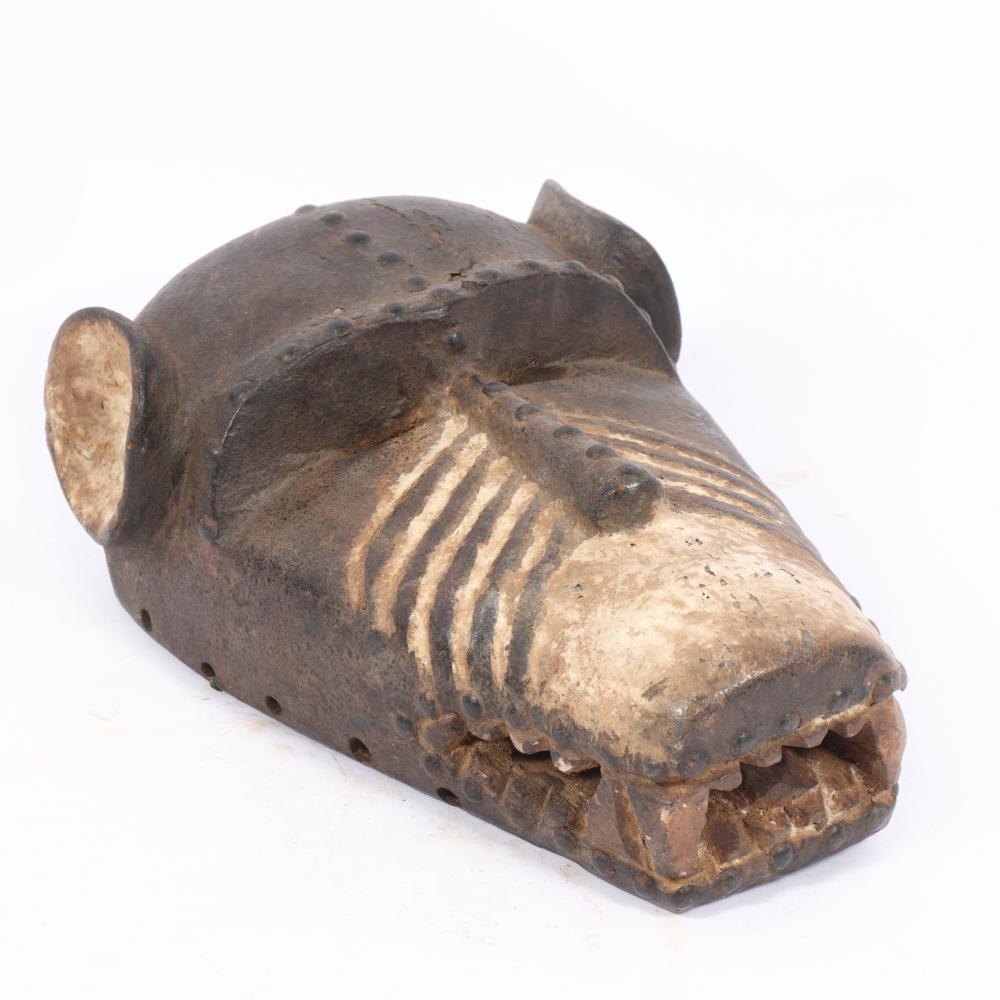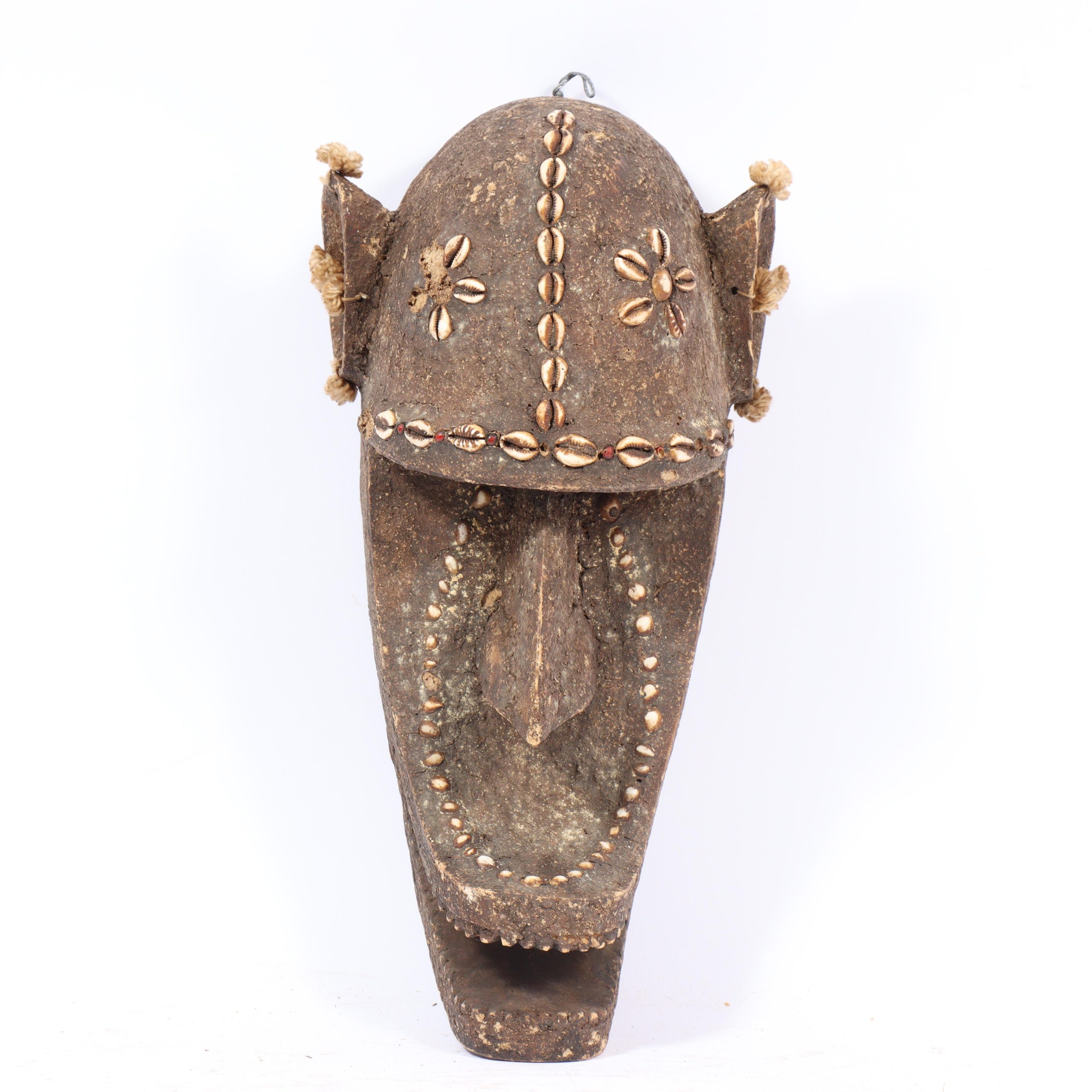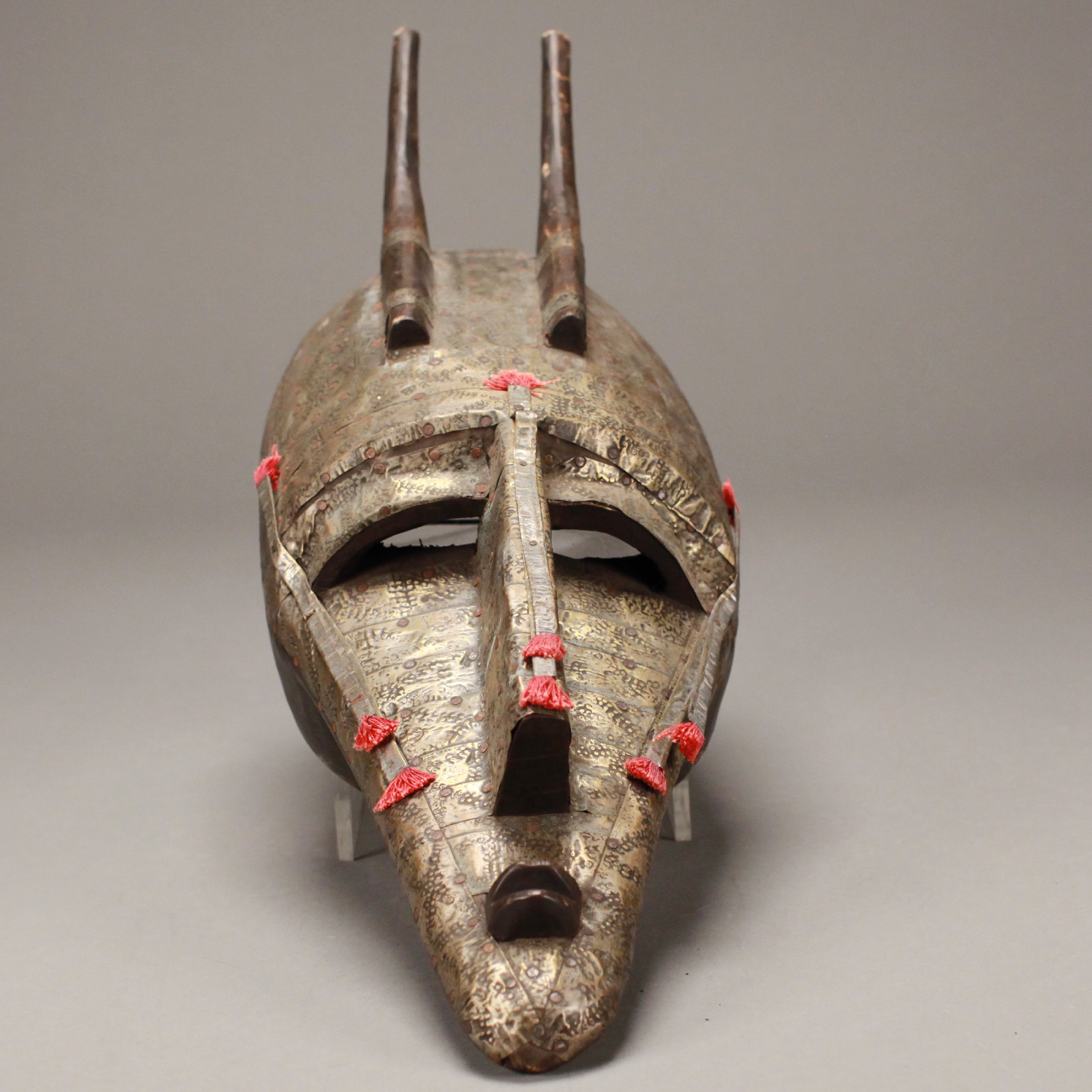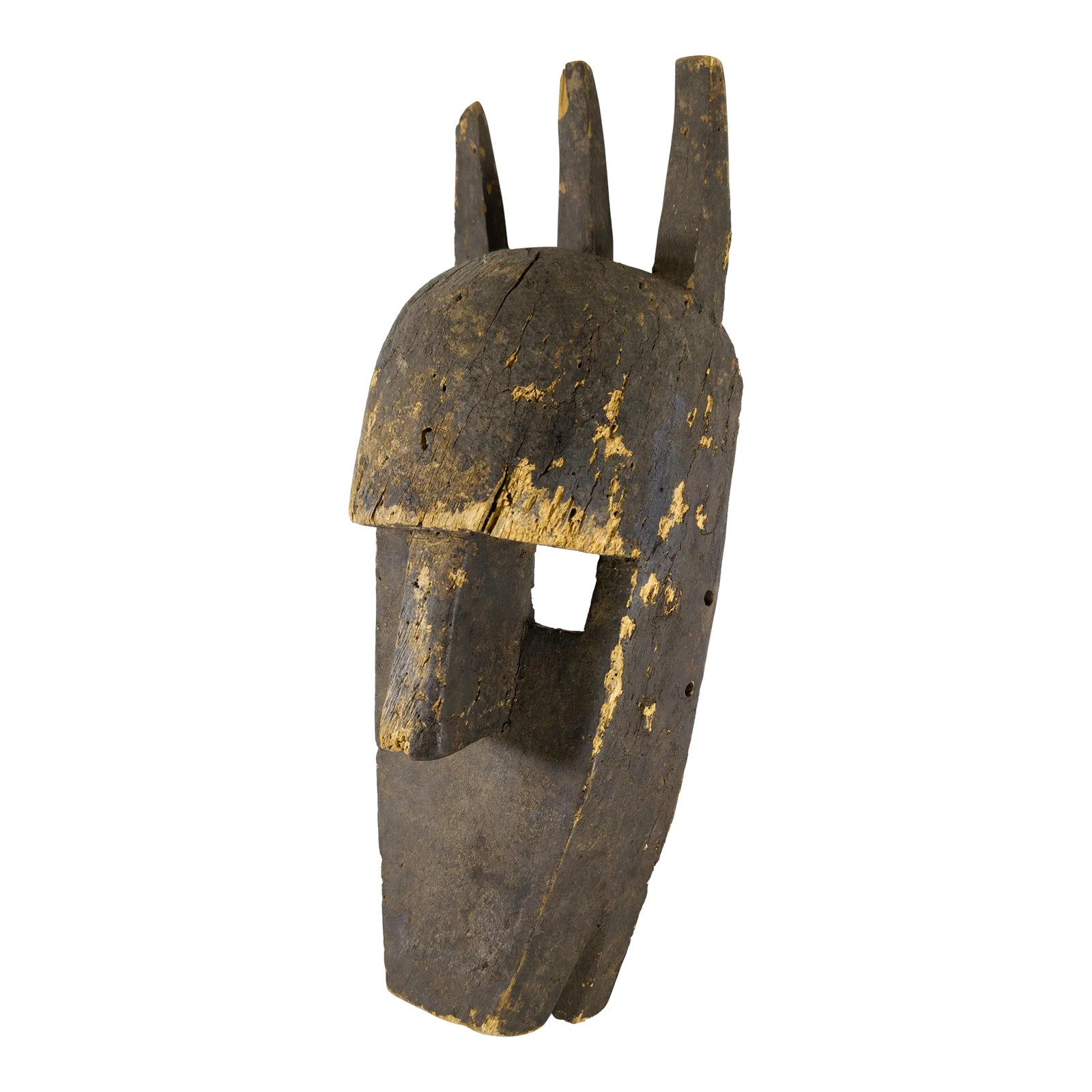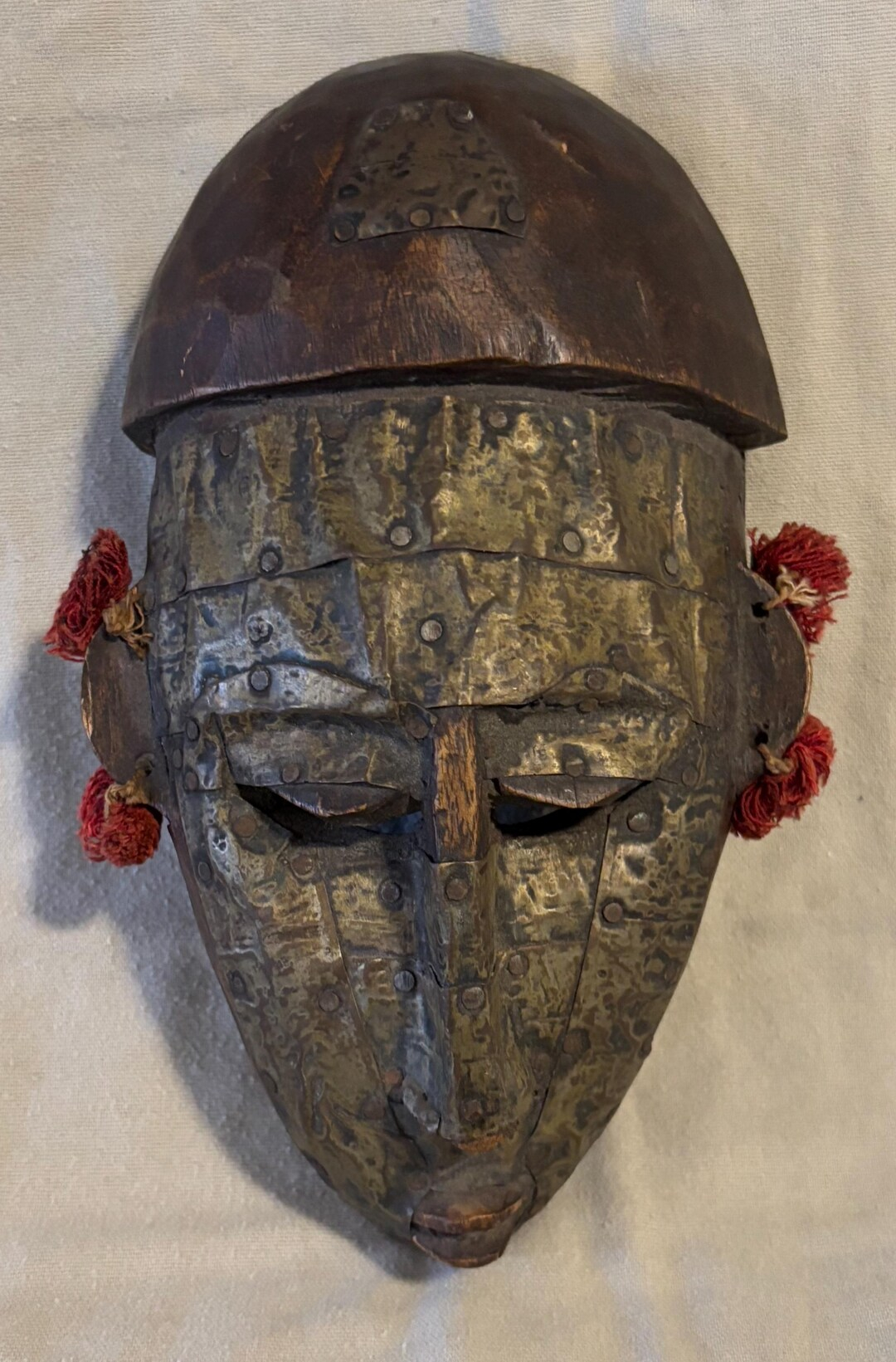
Holding a vintage piece of West African tribal art requires a shift in how we perceive objects. Stripped of museum glass and sterile white walls, the tactile weight of a carved wooden armature clad in hammered sheet metal speaks volumes before a single historical text is opened. The dull, oxidation-softened gleam of brass juxtaposed against dark, desiccation-cracked hardwood pulls the eye across geometric planes. This is not mere decoration; it is an architectural language written in alloy.
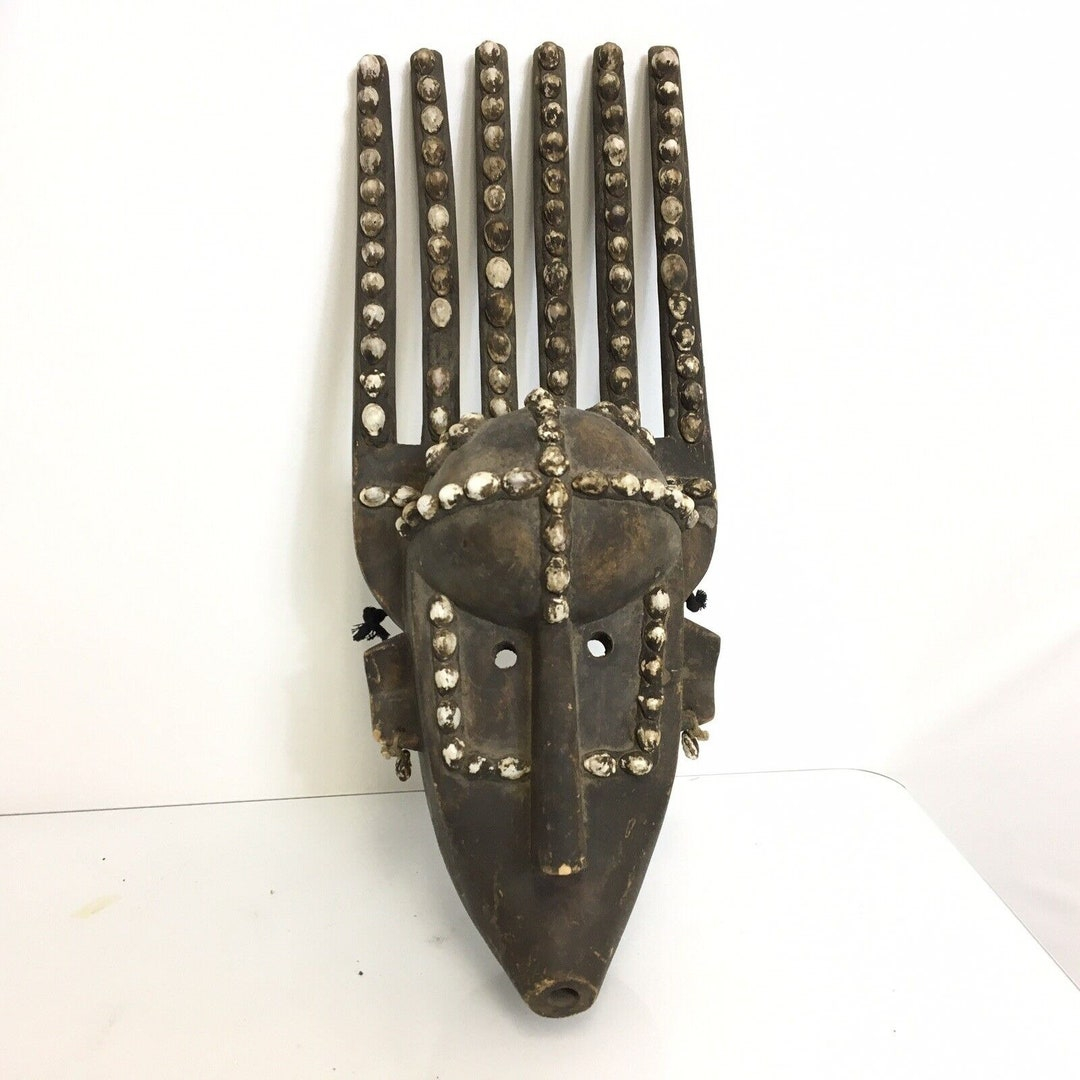
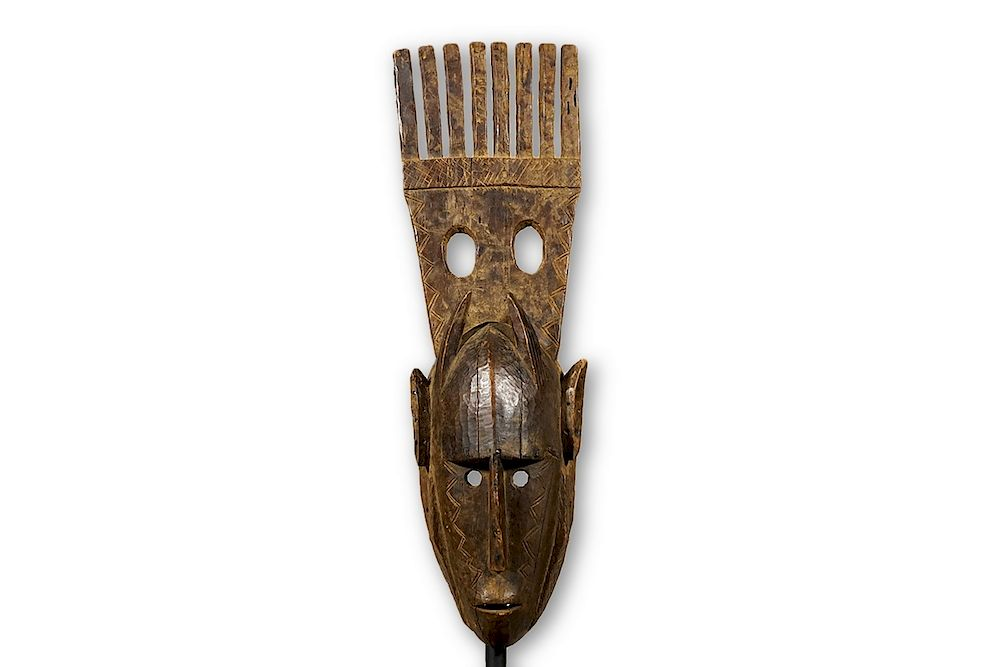
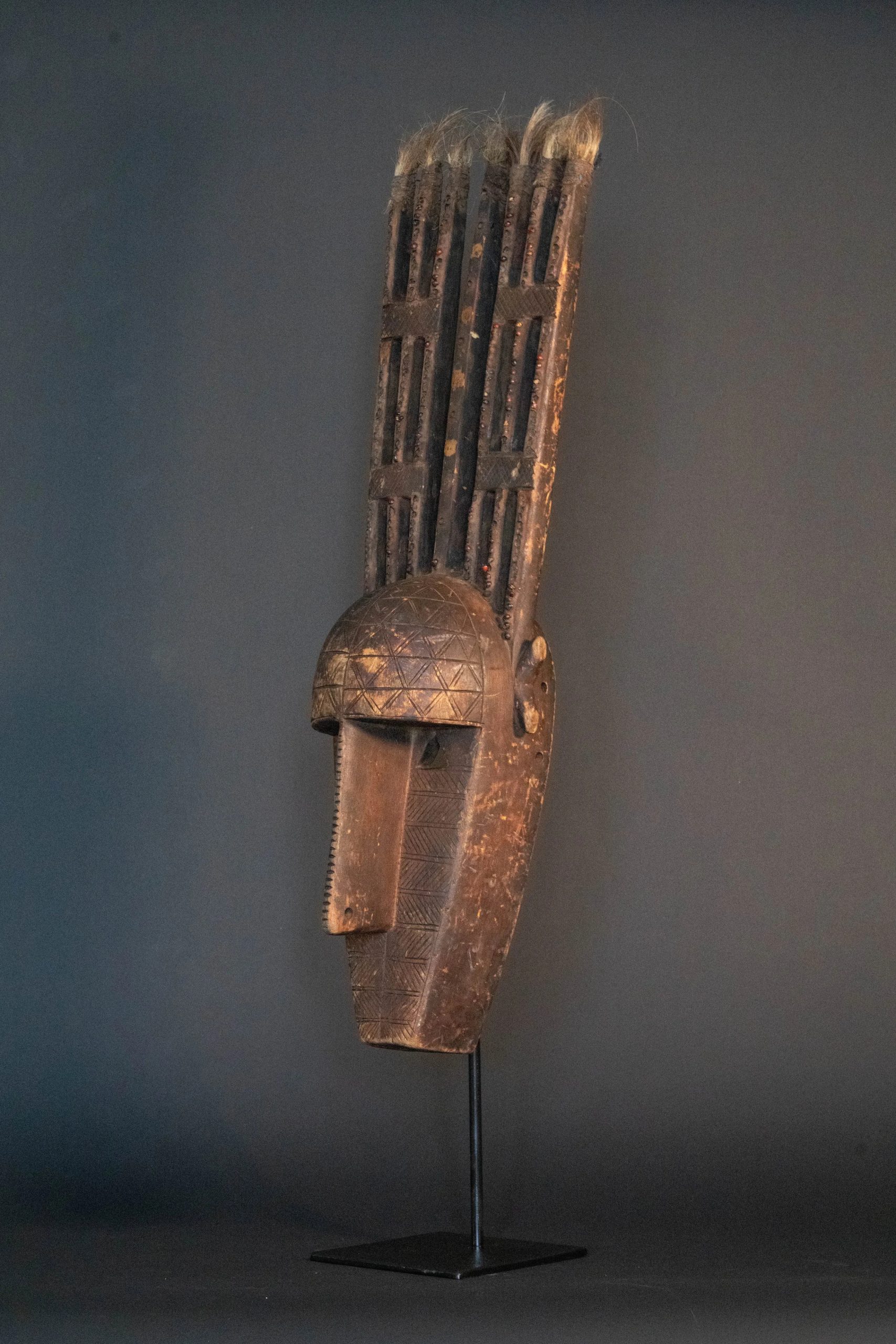
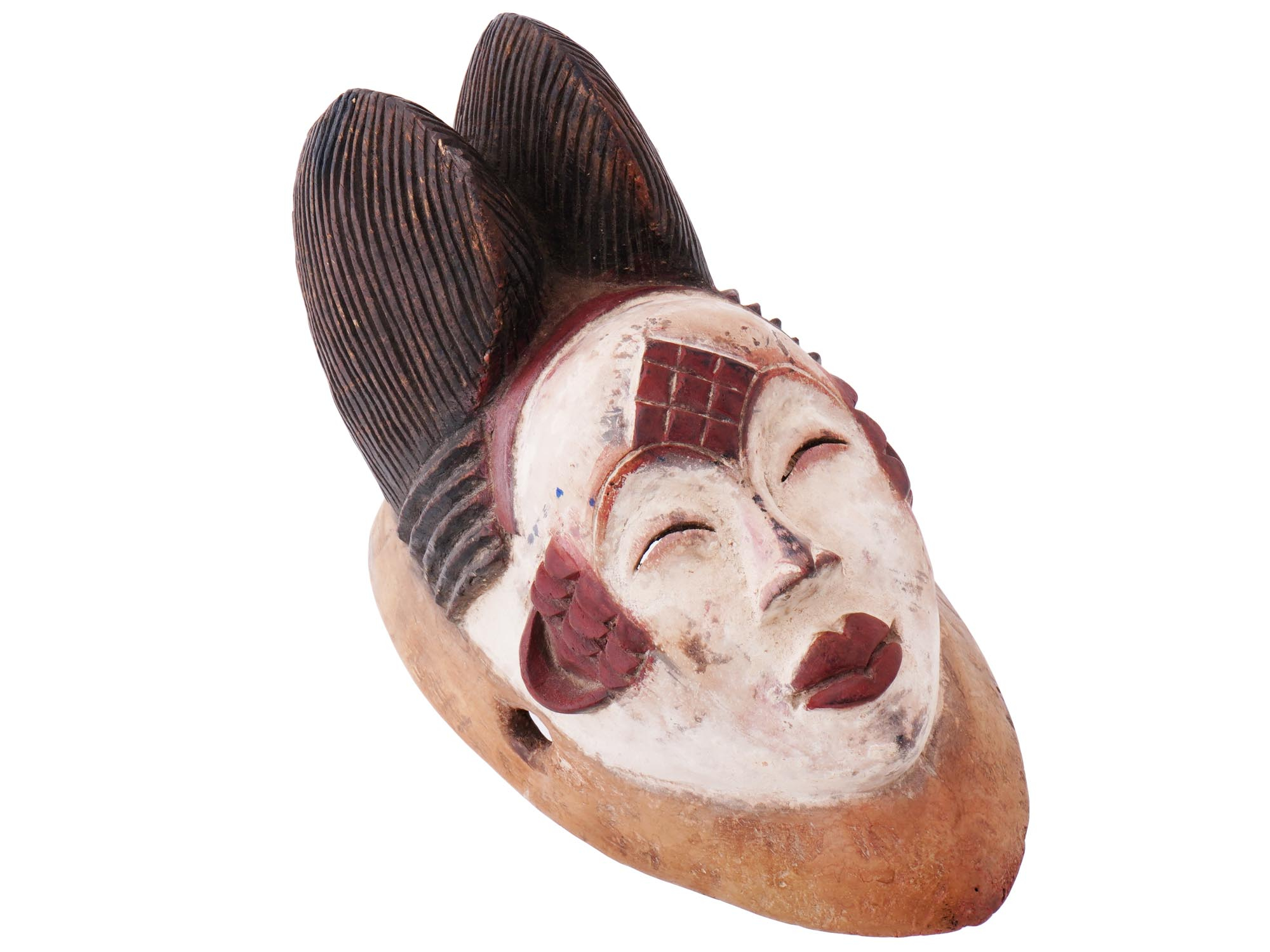
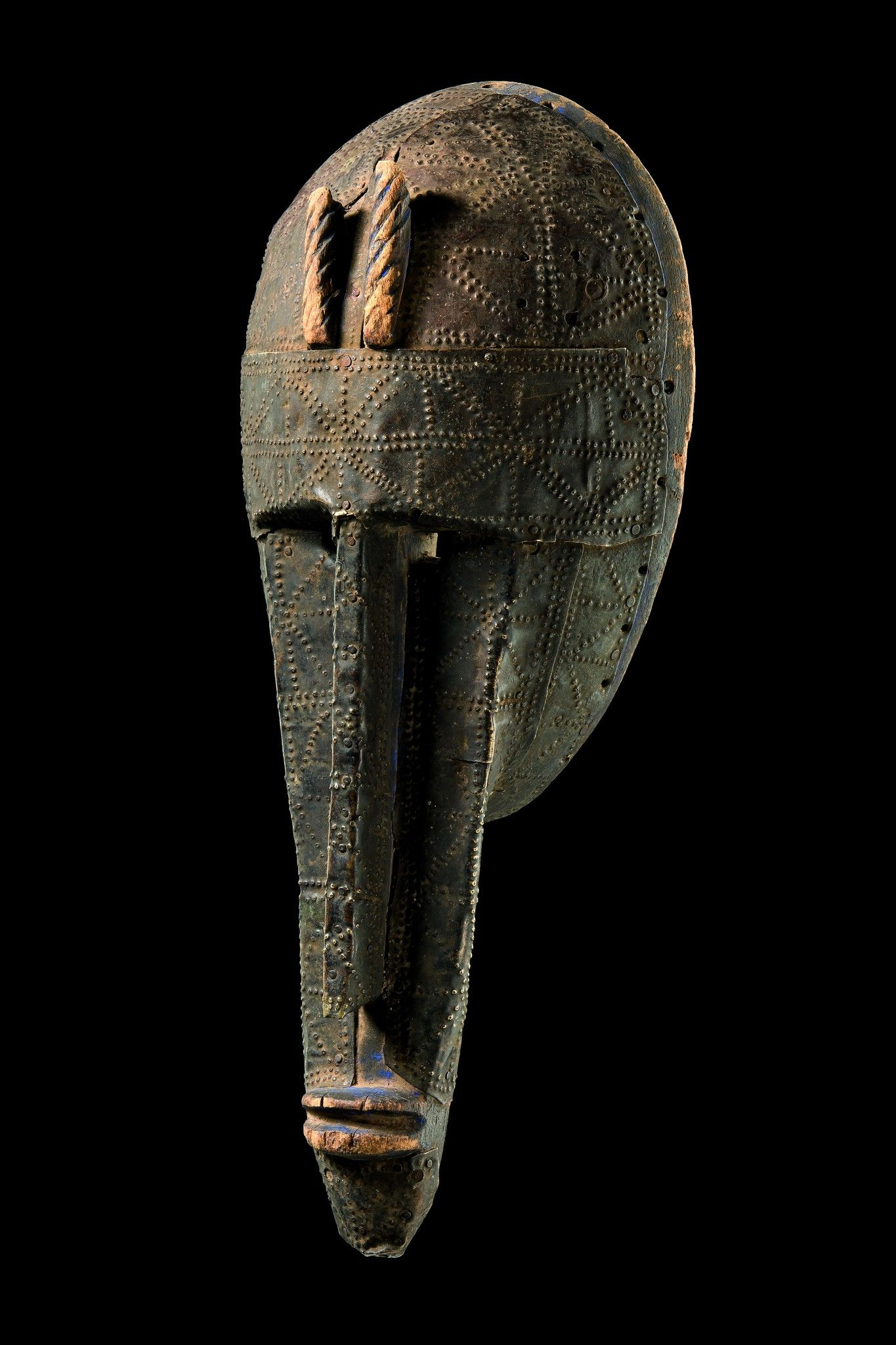
When evaluating a specific archival piece like the consigned Marka Bamana tribal mask 5, the convergence of woodcarving and traditional metalwork reveals layers of cultural identity. The Marka—also known as the Maraka or Sarakolé—live alongside the broader Bamana (Bambara) populations in Mali. Historically rooted as urban dwellers of Soninke origin, their blacksmiths and metalsmiths developed an extraordinarily distinct aesthetic. They did not just carve wood; they armored it, wrapping sacred forms in skins of shimmering copper, brass, nickel, and tin.
Understanding this heritage requires looking past surface beauty into the fiery heart of West African metallurgy. The mastery required to shape stiff sheet metal over complex, elongated facial contours, securing it with hand-forged pins and tiny rivets, showcases an elite tier of artisanal skill. Each plate tells a story of trade routes across the Sahel, local smelting traditions, and generational techniques passed down through specialized artisan families.
The Alchemical Marriage of Wood and Metal in Marka Artistry
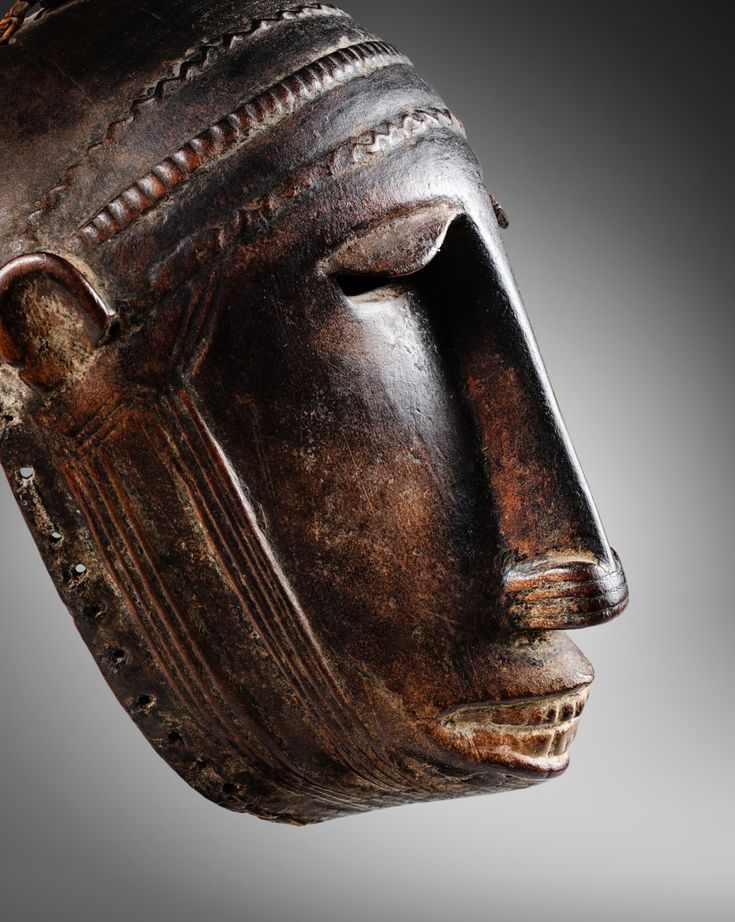
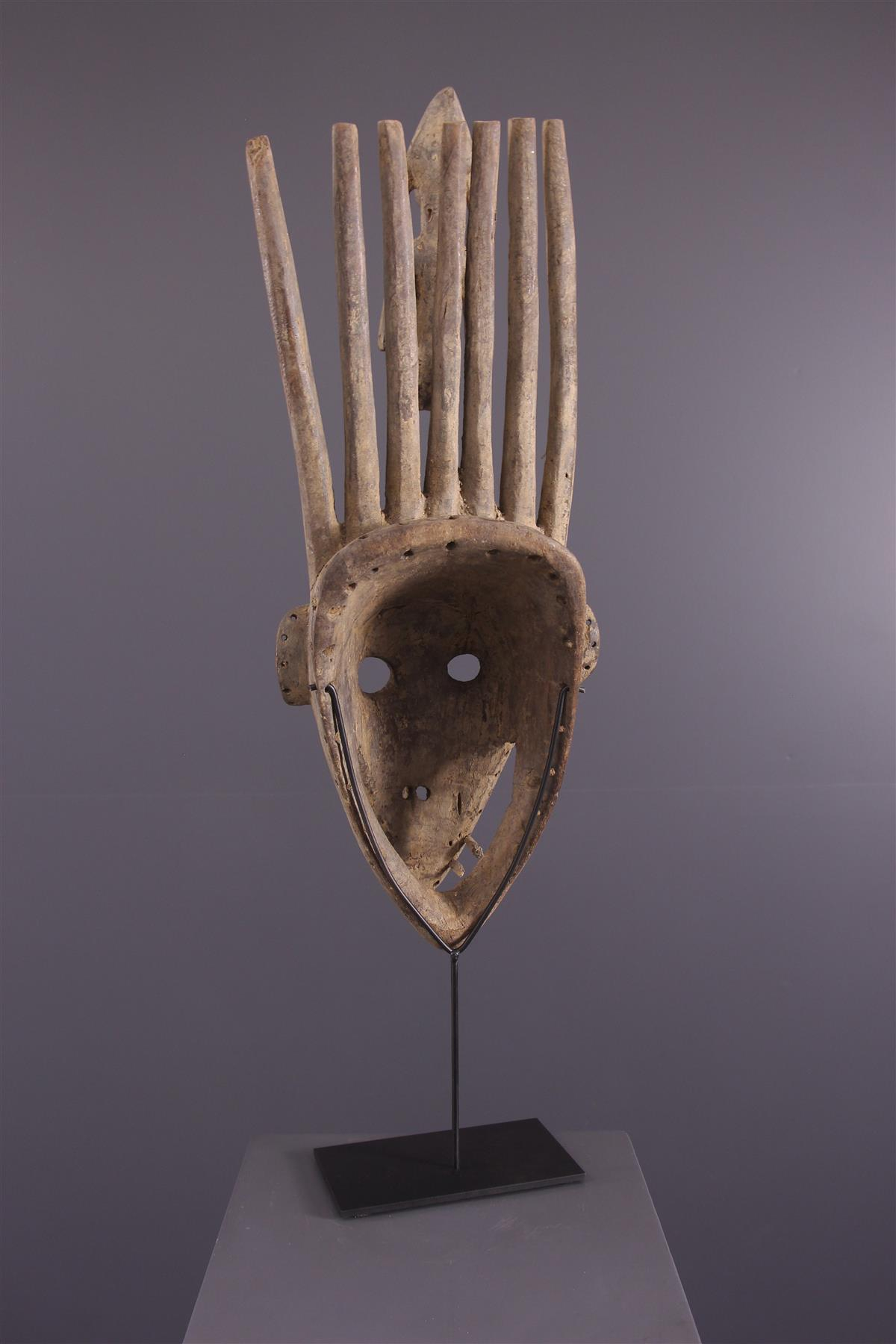
The foundation of any authentic Marka piece begins deep within the forest canopy, utilizing dense, locally harvested hardwoods capable of withstanding the harsh Sahelian climate. Once the mask’s primary form is hewn—often characterized by a compressed vertical channel, a high-relief ridged coiffure, and an elongated nose—the transformation transitions from carpentry to metallurgy. The woods used are chosen for structural stability, ensuring that the heavy metal sheathing applied later will not warp or split the underlying organic matrix over decades of environmental shifting.
Metalsmithing within this cultural sphere operates as both an economic necessity and a spiritual act. Brass, copper, and white metals like nickel and tin are meticulously hammered into thin sheets, cold-worked with precise hand-held tools to create textured, light-catching surfaces. These metals are rarely melted down from industrial scrap without purpose; they are carefully selected for their chromatic contrast. The warm glow of copper meets the bright flash of polished brass and the cool, silvery sheen of tin, creating a tricolor mosaic that catches the desert sun during ceremonial dances.
Examining the construction methods on a piece like the consigned Marka Bamana tribal mask 5 reveals the meticulous hand of the artisan. Small metal strips are laid down to emphasize facial features, framing the eyes and running parallel to the central nasal ridge. These plates are anchored using hand-made iron pins or delicate copper wire stitches that pierce the wood. This dual-medium approach ensures that the mask is simultaneously earthy and celestial, capturing both the grounding nature of wood and the divine permanence of metal.
Decoding the Iconography and Ceremonial Function of Sahelian Sculptures
Every geometric incision, applied metal band, and circular cut-out eye hole on a Marka mask carries deep symbolic weight. Unlike purely naturalistic portraits, these artifacts are conceptual maps of spiritual authority and social status. The elongated vertical form and narrow face are signatures of Marka aesthetics, visually distancing the wearer from ordinary human proportions and elevating them into the realm of ancestral spirits and protective forces.
Historically, these masks played pivotal roles in agrarian rituals, initiations, and community celebrations governed by societal associations. The inclusion of metal was far from accidental; shiny surfaces were believed to possess apotropaic qualities—powers capable of repelling malevolent spiritual forces, deflecting negative energy, and drawing the favorable attention of deities. The hammered textures scatter ambient light during dusk-to-dawn masquerades, creating a dynamic, flickering presence as the wearer moves in rhythm with the djembe and doundoun drums.
Appraising a consigned piece today demands an appreciation of these functional origins. The signs of use—such as worn attachment points, the soft rounding of sharp metal edges from handling, and an aged patina accumulated over decades—serve as physical witness marks. These elements separate authentic ritual objects from contemporary tourist replicas made for the export market. The genuine article carries the energetic footprint of ceremonial performance and the slow, chemical alchemy of time passing over mixed metals.
Methodical Authentication of Mixed-Metal African Artifacts
Validating a mixed-metal artifact requires a rigorous, multi-point inspection protocol that evaluates both organic and inorganic components. Because high-end tribal art attracts sophisticated reproductions, collectors and curators must rely on standardized forensic methodologies to establish authenticity and provenance.
- Step 1 (Wood Density and Age Assessment): Examine the core timber for natural desiccation cracks, insect erosion patterns, and grain shrinkage consistent with age, ensuring the wood is indigenous to West Africa rather than a modern substitute.
- Step 2 (Metallurgical Analysis): Inspect the sheet metals (brass, copper, nickel, tin) for hand-hammered irregularities, hand-cut edges, and period-appropriate alloy compositions rather than uniform, machine-rolled industrial plates.
- Step 3 (Fastener and Fixture Review): Check how the metal sheets are secured to the wood; authentic pieces feature hand-forged iron tacks, small copper wire stitches, or primitive rivets rather than modern steel staples or contemporary screws.
- Step 4 (Patina and Oxidation Evaluation): Look for natural, stable layers of oxidation, verdigris around copper elements, and embedded surface grime that indicate decades of atmospheric exposure and ceremonial handling.
- Step 5 (Proportional and Stylistic Consistency): Verify that the facial geometry—such as the elongated nasal bridge, geometric scarification lines, and coiffure structure—aligns with documented master hands and workshop styles from the Marka-Bamana cultural zone of Mali.
Navigating Preservation Hazards and Conservation Pitfalls
Caring for a hybrid wooden and metallic sculpture presents unique conservation challenges. The fundamental conflict between organic and inorganic materials means that environmental fluctuations can introduce severe structural stress, threatening the long-term integrity of the piece.
- Pitfall 1 (Aggressive Chemical Cleaning): Applying commercial metal polishes to remove oxidation strips away the historical patina and damages soft brass sheets; instead, rely on gentle dusting with a soft-bristle brush and stable micro-climates.
- Pitfall 2 (Rapid Humidity Fluctuations): Exposing the mask to extreme swings in relative humidity causes the carved wood to swell or shrink violently, which shears the hand-forged metal rivets and bends the applied sheets.
- Pitfall 3 (Direct UV Radiation Exposure): Placing the artifact in direct sunlight fades organic colorants in the wood and overheats the metal plates, accelerating thermal expansion differentials between the two materials.
- Pitfall 4 (Inappropriate Mounting Pressure): Securing the mask with tight metal brackets or screws places localized stress on fragile areas; always use custom-engineered, non-invasive archival display mounts designed for ethnographic objects.
- Pitfall 5 (Ignoring Insect Vulnerability): Failing to quarantine or monitor the interior carved wood can lead to undetected beetle infestations, which hollow out the structural armature beneath the metal facade.
The Broader Economic and Cultural Ecosystem of Sahelian Tribal Art
The appreciation of objects like the consigned Marka Bamana tribal mask 5 extends far beyond private collections, touching on global art markets, repatriation discussions, and the preservation of intangible cultural heritage. As these artifacts transition from active ritual tools in Malian villages to prized items in international galleries and auction houses, they carry complex narratives of colonial-era trade, changing local economies, and the global recognition of African modernism.
For generations, European avant-garde artists looked to West African masks for inspiration, drawing upon their radical abstraction and dynamic use of planes to revolutionize Western sculpture. Yet, viewing these works solely through the lens of modern art history diminishes their primary cultural identity. They are products of highly sophisticated local metallurgy and woodcarving guilds—guilds where knowledge was guarded, perfected, and transmitted through familial lineages over centuries.
Market demand for authentic Marka pieces remains robust, driven by interior designers seeking statement sculptural objects and serious collectors focusing on Sahelian tribal art. This economic value underscores the importance of ethical stewardship. Recognizing the heritage embedded within the metalwork ensures that these masterpieces are treated not merely as commodities, but as historical archives preserving the technical genius and spiritual worldview of the Marka and Bamana peoples.
Strategic Frameworks for Collecting and Documenting Ethnographic Masterpieces
Building a meaningful collection of traditional West African metalwork requires a disciplined approach to documentation, provenance tracking, and aesthetic curation. A random accumulation of objects lacks the narrative depth of a thoughtfully assembled portfolio of tribal artistry.
- Frame Your Acquisition Around Masterworks: Prioritize pieces that demonstrate exceptional hand-hammering skill, complete original metal plating, and clear stylistic markers over damaged or heavily restored items.
- Establish a Rigorous Provenance Trail: Maintain comprehensive records of previous gallery exhibitions, auction house catalogs, estate sales, and collection histories to verify the lineage of every piece.
- Consult Specialized Ethnographic Experts: Partner with independent appraisers and conservators who specialize in Sahelian art to conduct technical evaluations and confirm material authenticity.
- Invest in Museum-Grade Display Infrastructure: House your collection in temperature- and humidity-controlled environments utilizing inert materials to arrest degradation and preserve delicate patinas.
- Engage with Cultural Context: Supplement physical ownership with deep historical reading regarding Malian metallurgy, Bamana cosmology, and the specific societal functions of Marka masquerades.
The enduring power of traditional metalwork on a carved wooden form lies in its ability to bridge disparate elements into a unified, commanding presence. When we examine a piece like the consigned Marka Bamana tribal mask 5, we are looking at a masterclass in material synergy. The raw, primal energy of the carved wood is tamed, elevated, and immortalized by the brilliant, hammered armor of brass, copper, and tin.
As we move forward into an increasingly digital and synthetic era, the physical authenticity of these handmade objects offers a grounding counterweight. They remind us of human ingenuity operating without industrial machinery—relying entirely on fire, hammer, chisel, and ancestral knowledge. By preserving, studying, and respecting these artifacts, we honor not just the objects themselves, but the brilliant hands that hammered life into metal across the plains of Mali.