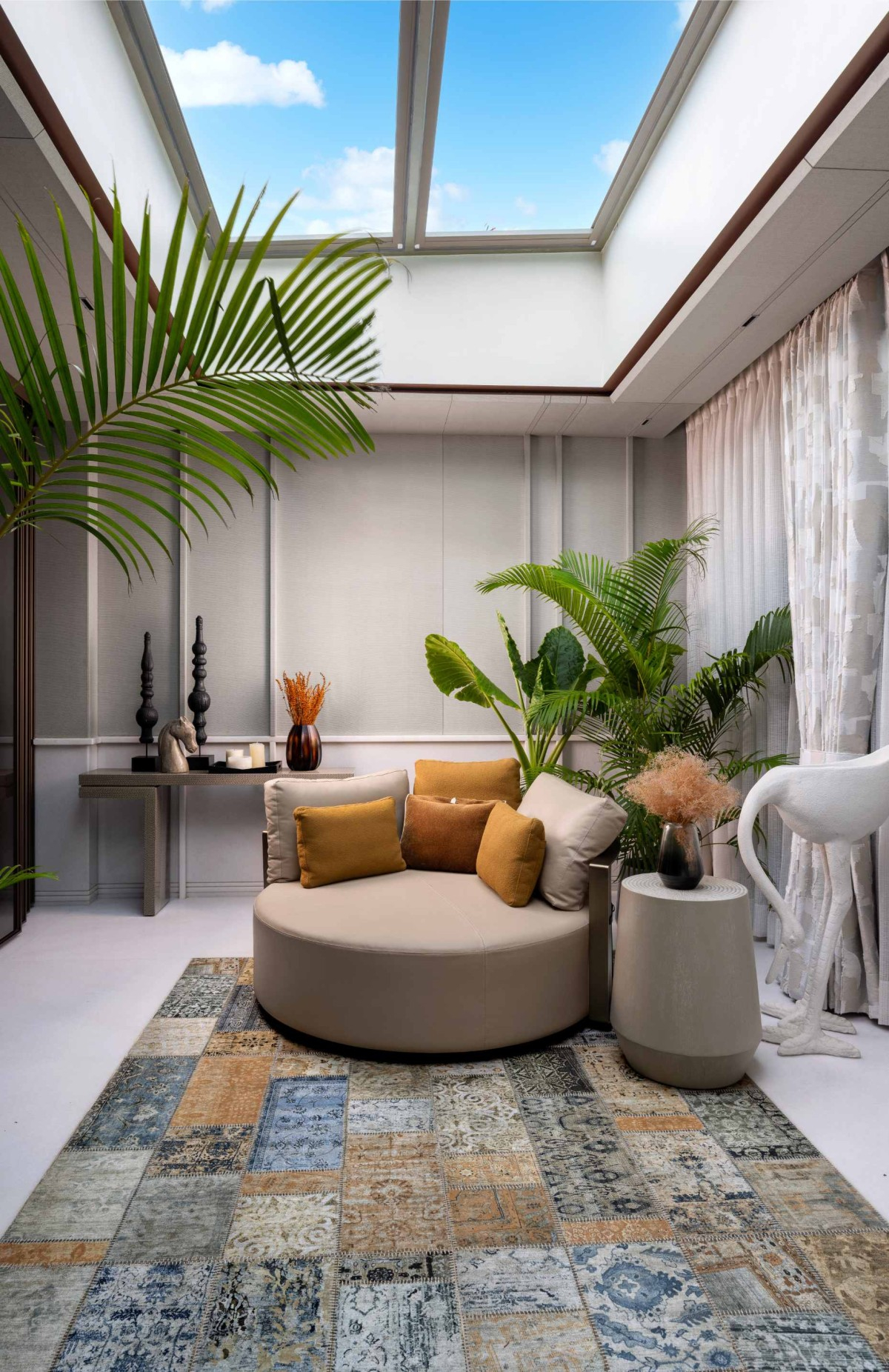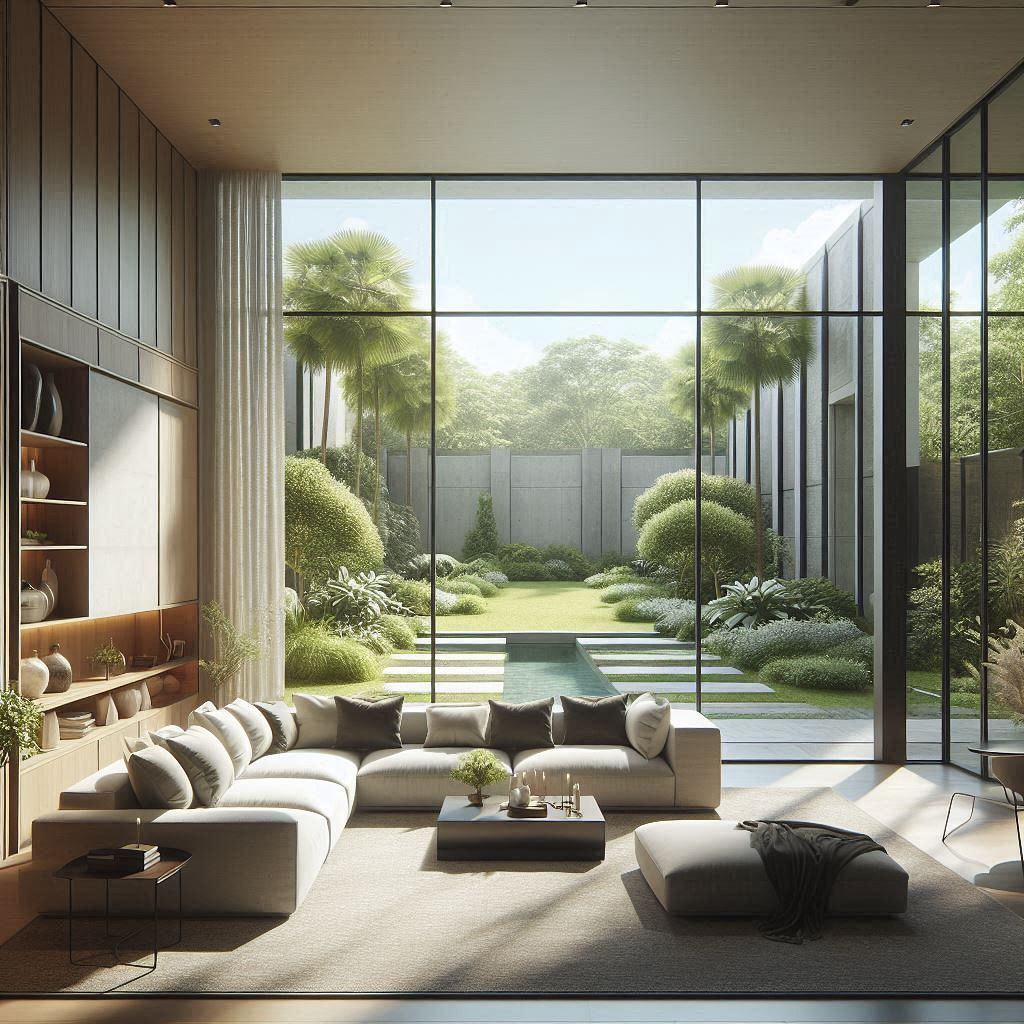
The rain hits the double-paned glass with a muffled, steady rhythm, but inside, the air smells subtly of damp cedar and sun-warmed clay. You look up from your screen, rubbing tired eyes, craving something that fluorescent lighting and stark drywall simply cannot provide. For most of us, spending upwards of ninety percent of our days enclosed in climate-controlled, manufactured boxes leaves a quiet, persistent cognitive itch. We miss the dirt under our fingernails, the irregular grain of old-growth bark, and the way light filters softly through a dense canopy of leaves.
Interior design has spent the last decade chasing minimalist perfection—sterile white boxes, polished chrome, and slick synthetic surfaces that photograph brilliantly for social media but leave the human nervous system completely unanchored. Yet, our bodies evolved in direct dialogue with the natural world. We are biologically wired to read the visual cues of forests, coastlines, and meadows. When we strip those cues away, cortisol levels creep up and mental fatigue sets in. Reconnecting with the outdoors is not about tossing a plastic fern onto a bookshelf or painting an accent wall mint green. It requires a fundamental shift in how we curate color and material, transforming our homes into living ecosystems that respond to our deep-seated evolutionary needs.
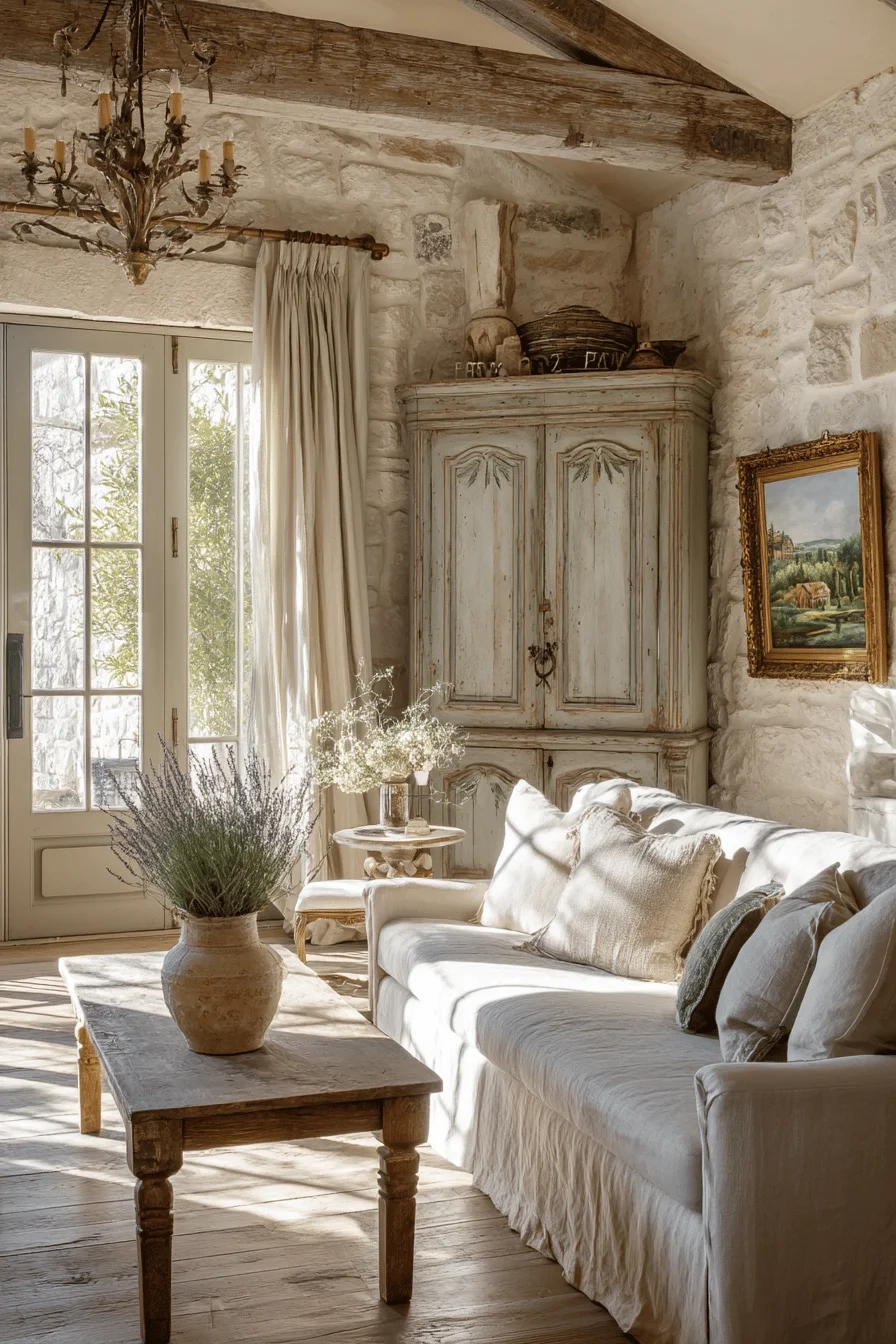
Historically, domestic architecture was an exercise in localized resourcefulness. People built with what grew within walking distance of their plots: fieldstone foundations, hand-hewn heart pine beams, lime-plastered walls tinted with earth pigments, and unsealed terracotta floor tiles. These spaces aged with dignity because their materials possessed internal integrity. When a scratch appeared on a waxed oak table or a floorboard cupped from humidity, it did not look ruined; it looked lived-in, bearing the quiet patina of time. Modern industrial manufacturing severed this tactile continuity, flooding our homes with off-gassing laminates, uniform plastics, and colors mixed from chemical derivatives that bear no resemblance to the geological or botanical spectrum.
Reversing this disconnect means studying the vernacular of the outdoors and translating its structural logic into interior spaces. It requires an understanding of how light interacts with raw textures, how colors shift throughout the day under changing solar angles, and how materials behave when they are allowed to retain their organic imperfections. When we curate a home using actual earth tones and living substances, we stop fighting our environment and start co-existing with it. The objective is not to build a literal forest inside a suburban living room, but to invoke the psychological safety, sensory richness, and restorative quiet of the natural world through deliberate, high-craft design choices.
Decoding the Biophilic Color Spectrum Beyond Basic Green
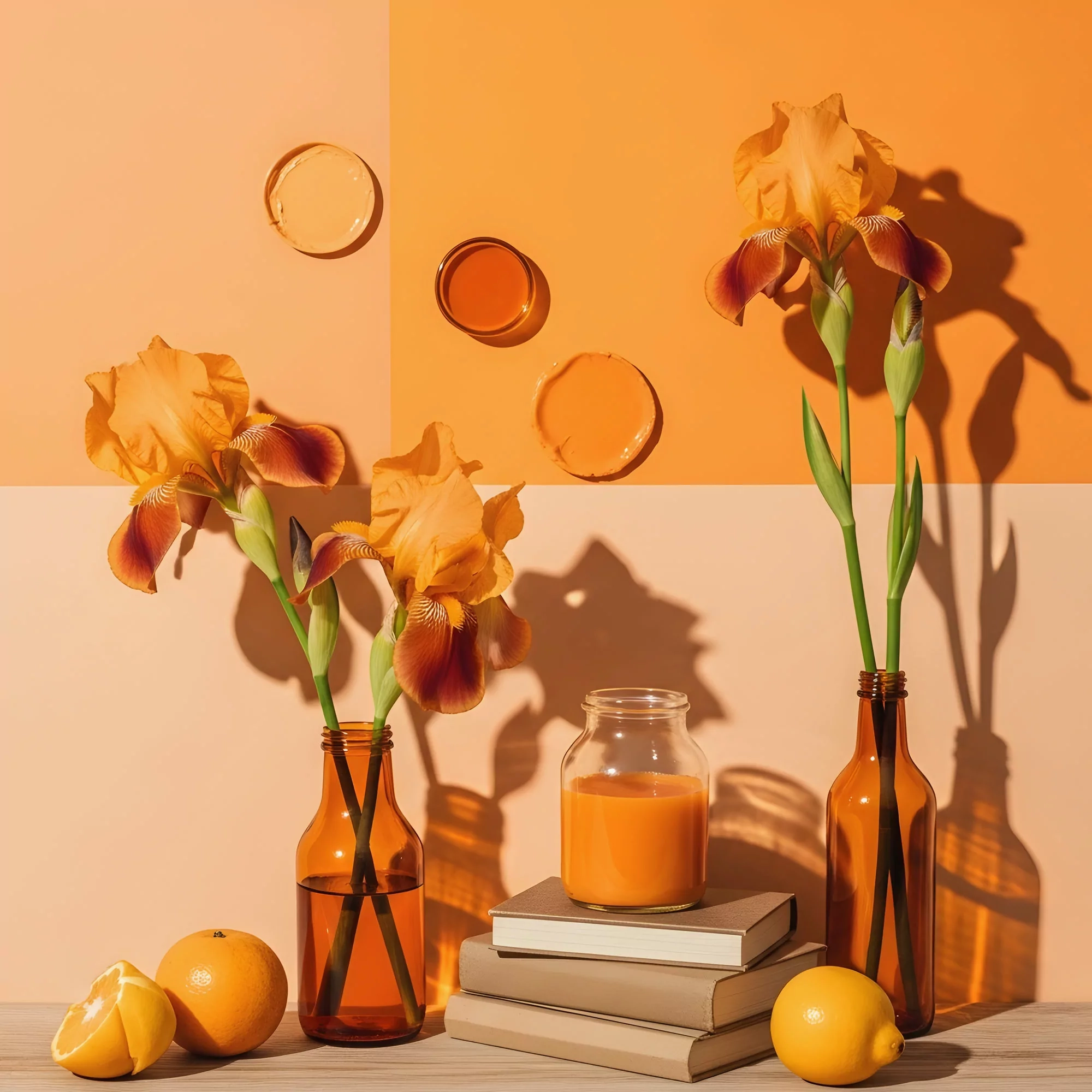
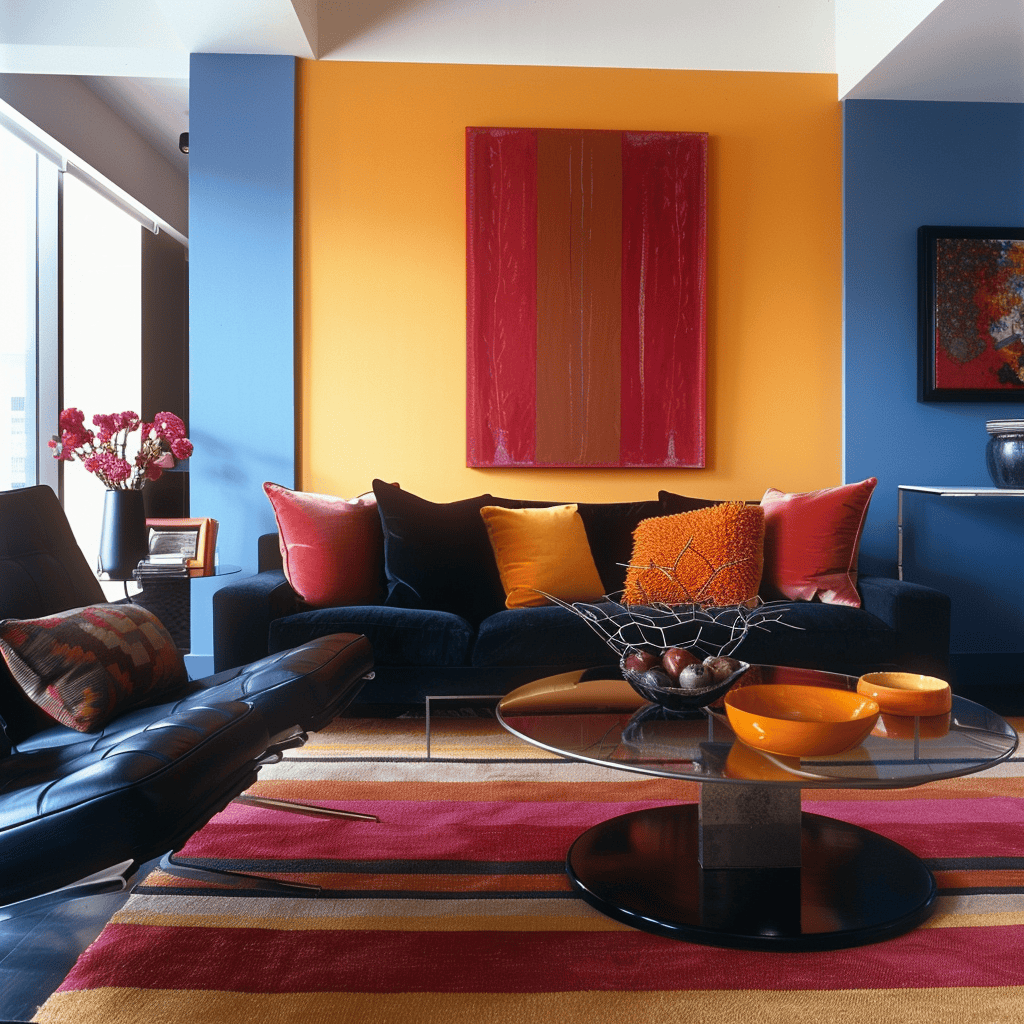
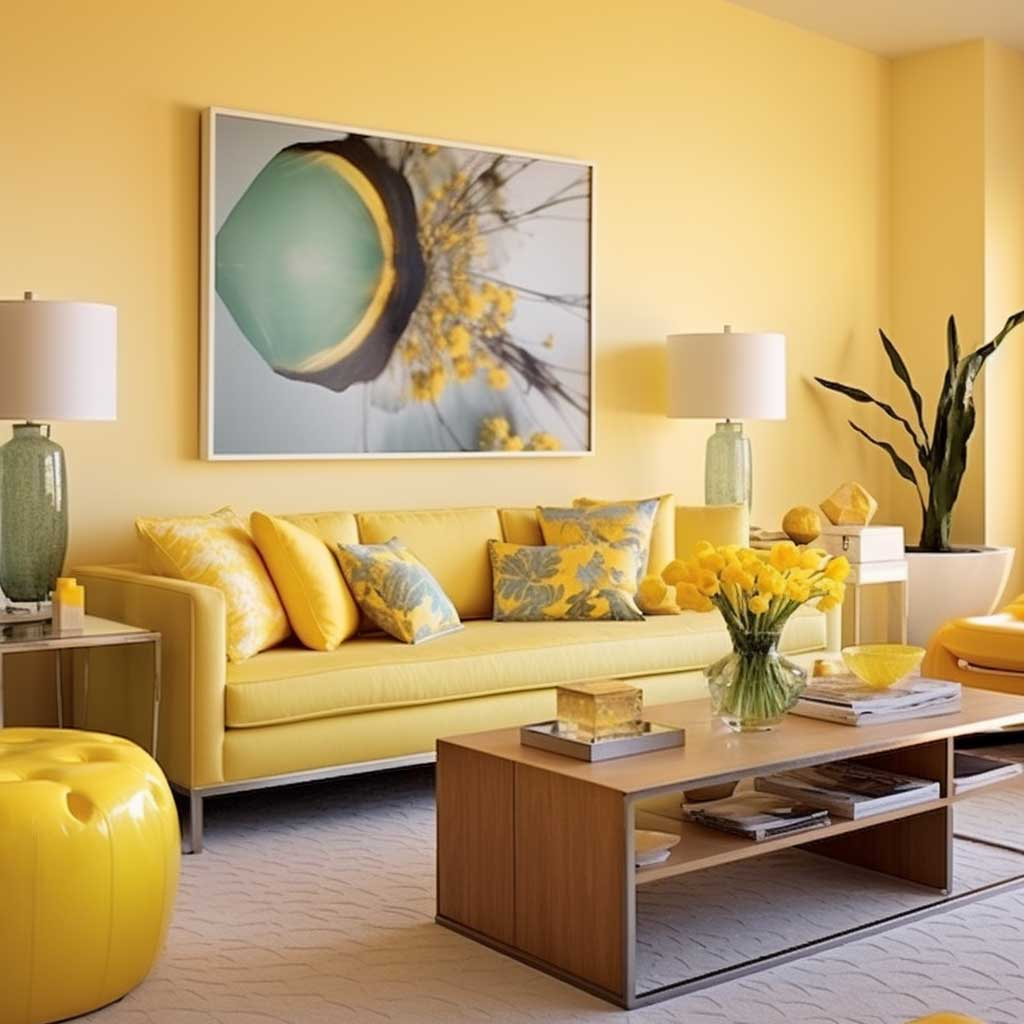
Color is the fastest psychological shortcut we have to alter spatial mood, yet modern interior color theory has largely been hijacked by trending swatches and synthetic formulas. True biophilic color selection does not rely on flat, high-LRV (Light Reflectance Value) paints mixed from petrochemical bases. Instead, it draws from the infinite, muted palette found beneath a forest canopy, along a riverbank, or across an arid desert plateau. These colors are inherently complex, containing subtle undertones of gray, yellow, or red that mimic the way light scatters through organic matter. When you place a chemically pure, saturated mint green next to an antique wool rug, it feels jarring because nature rarely creates flat, high-chroma pigments without context.
To capture the exterior landscape indoors, your palette must acknowledge the concept of chromatic layering. Forests and fields are not monochrome; they are symphonies of desaturated ochres, bruised moss greens, deep bark browns, and slate river grays. When selecting wall treatments, look toward historical mineral paints, lime washes, and clay plasters. These mediums do not form an impenetrable plastic skin over drywall; instead, they contain micro-porous mineral crystals that refract light unevenly across the surface. A lime wash wall finished in a dusty olive or warm tallow tone will shift subtly from morning to dusk, catching the low-angle sun just as leaves do on a deciduous tree.
Consider the baseline of your interior as the forest floor. Rich, dark browns, charcoal soils, and deep umber tones ground the room, tricking the human eye into feeling securely anchored, much like standing beneath the dense shade of mature timber. Mid-tones—such as weathered lichen, sage, and sun-bleached driftwood—serve as the transitional mid-story, occupying furniture upholstery, drapery, and textiles. The high canopy is reserved for the lightest tones: the soft, cloud-filtered whites and pale creams that catch ambient overhead light without creating the blinding glare associated with stark, titanium dioxide-based interior paints.
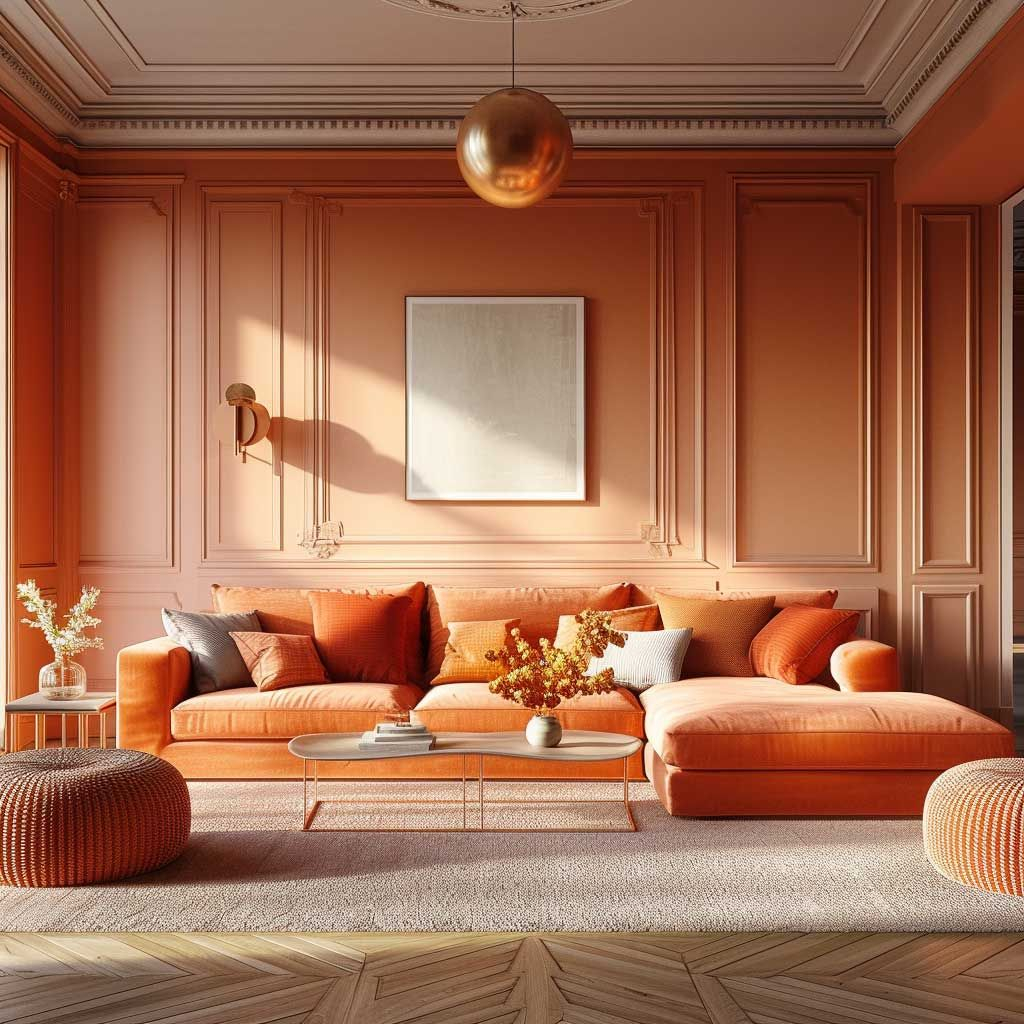
Integrating this palette successfully also demands a keen understanding of spatial orientation. A north-facing room receives cool, blue-tinted light that can make true greens and grays feel frigid and unwelcoming. In these spaces, your biophilic color choices must lean toward the warmer end of the earth spectrum—burnt siennas, raw umbers, and golden straw hues—to counteract the chill. Conversely, a sun-drenched south-facing room can handle deep pine greens, moody river slates, and rich indigo shades that absorb excessive solar glare, cooling the psychological temperature of the room and establishing a serene, shaded sanctuary.
The Tactile Ecosystem: Selecting Materials That Age With Grace
Materiality is the physical anchor of biophilic design. If color sets the mood, touch delivers the psychological confirmation that we are surrounded by real, breathing matter. Synthetic materials like polyester velvet, engineered quartz, and vinyl flooring signal danger to our subconscious minds because they feel uniform, static, and thermally neutral. Natural materials, by contrast, possess thermal mass—they feel cool to the touch on a blistering afternoon and retain warmth on a freezing winter evening. They change temperature, absorb sound, and accumulate the gentle scars of daily human habitation, transforming a house into a historical record of lived experience.
Wood should form the foundational skeletal structure of a nature-infused home, but the species and finish matter immensely. Avoid heavily glossed exotic hardwoods or amber-tinted polyurethane finishes that seal the timber beneath a plastic shell. Instead, source locally harvested, sustainably managed hardwoods finished with penetrating natural oils, hardwax oils, or soap treatments. White oak, European ash, heart pine, and American walnut finished with matte oils allow the grain to remain open and porous. When you run your hand along the armrest of a chair or walk barefoot across a wide-plank floor, you should feel the subtle topography of the growth rings.
Stone and ceramics introduce the heavy, mineral weight of the earth. Skip polished granites and high-gloss tiles that reflect light like commercial shopping malls, and look toward honed, flamed, or leathered finishes. Travertine, slate, soapstone, and unglazed terracotta tiles bring an earthy coolness and immense tactile variety. Soapstone, for instance, is delightfully soft and chalky, developing a rich, dark patina as the natural oils from your hands interact with the talc within the mineral. Terracotta floor tiles, shaped by hand and fired in ancient kilns, introduce irregularities in dimension and color variation that immediately relax the eye, breaking the monotonous geometry of modern drywall construction.
Textiles complete the tactile loop, bridging the gap between hard architectural elements and soft human comfort. Ditch synthetic acrylics and polyester blends for heavy unbleached linens, raw wools, Belgian flax, organic hemp, and undyed alpaca. Linen is particularly magical in a biophilic context; its hollow flax fibers create a naturally slubbed texture that catches and diffuses light while remaining thermally adaptive across seasons. Heavy wool rugs, woven on hand-looms using wool from heritage sheep breeds, provide a dense, springy cushion underfoot that mimics walking on a thick bed of moss or dry forest duff.
Step-by-Step Implementation Guide for Transforming Your Living Space
- Step 1 (Auditing and Stripping the Synthetic Baseline): Begin by methodically assessing your current environment, removing high-gloss plastics, acrylic throws, and chemically dense, stark white paints. Strip away superficial decorative clutter to expose the raw architectural envelope of the room, preparing a neutral canvas for organic materials.
- Step 2 (Establishing the Earth-Grounded Foundation): Focus your initial heavy investments downward by installing wide-plank, oil-finished hardwood flooring or laying down unglazed terracotta tiles and heavy, undyed wool area rugs to establish a sensory anchor for the entire space.
- Step 3 (Applying Mineral Wall Finishes and Organic Palettes): Replace standard vinyl-acrylic wall paints with breathable mineral paints, lime washes, or clay plasters tinted in complex, desaturated earth tones like sage, warm clay, bark brown, or weathered stone.
- Step 4 (Curating Living Textiles and Organic Furnishings): Introduce major furniture pieces crafted from solid, unsealed timber, and layer the space with heavy, tactile textiles including raw Belgian linen drapery, heavy cotton-velvet pillows, and hand-woven wool throws.
- Step 5 (Integrating Botanical and Geological Accent Artifacts): Finalize the transformation by populating the room with botanical elements—such as potted mature trees, trailing ivies, or dried sculptural branches—alongside raw geological specimens like chunks of unpolished quartz, petrified wood, or river-smoothed stones.
Common Pitfalls and Field-Tested Workarounds in Biophilic Interior Design
- Pitfall 1 (The Theme-Park Trap): Over-literalizing nature by installing faux-moss feature walls, birch-branch wallpaper, or artificial turf rugs creates a jarring, stage-set effect that feels deeply artificial. Practitioner Workaround: Focus strictly on authentic materials and abstract color relationships rather than literal representations; let the actual grain of real oak or the authentic weight of stone do the communicating without cartoonish props.
- Pitfall 2 (Ignoring Light Quality and Direction): Applying dark, moody forest greens or charcoal tones blindly to a north-facing room without assessing natural light yields a gloomy, cave-like space that induces lethargy. Practitioner Workaround: Always perform a multi-day light audit tracking solar angles before committing to a paint swatch, opting for warm-undertone earth tones in low-light rooms and reserving deep, saturated shades for sun-drenched southern exposures.
- Pitfall 3 (Monolithic Material Selection): Using only one type of wood or a single uniform stone throughout an entire open-plan interior results in a flat, showroom-like sterility that lacks natural complexity. Practitioner Workaround: Layer multiple contrasting textures and material species—pairing rough-hewn reclaimed pine with smooth honed soapstone, woven jute, and crisp, slubbed linen to mirror the organic diversity found in any natural ecosystem.
- Pitfall 4 (Neglecting Maintenance Realities of Living Finishes): Treating natural, unsealed wood or porous stone as if it were indestructible laminate leads to immediate heartbreak when water rings or wine spills occur. Practitioner Workaround: Educate yourself on natural maintenance regimes—using periodic hardwax oil refreshes for timber and natural soap flakes for stone—and reframe patina as a beautiful, collaborative history between you and your home rather than damage.
- Pitfall 5 (Cluttering With Too Many Houseplants): Attempting to fix a sterile room by crowding every windowsill and corner with chaotic, mismatched plastic plant pots creates visual noise rather than restorative calm. Practitioner Workaround: Curate fewer, larger botanical specimens planted in heavy earthenware vessels, giving each plant breathing room to act as an intentional sculptural focal point rather than botanical clutter.
Holistic Perspectives: The Long-Term Economics of Natural Interior Architecture
We live in a disposable economy characterized by fast furniture designed to disintegrate after three moves, forcing consumers into an endless, exhausting cycle of replacement. Embracing exterior nature indoors through authentic color and material choices is a quiet, radical rejection of this planned obsolescence. Solid wood, natural stone, wool, and lime wash do not degrade in value or aesthetic appeal over time; they improve. A solid walnut dining table gains a richer, deeper amber glow after twenty years of family dinners, spilled wine, and knife scrapes. This longevity flips traditional interior economics on its head: while initial capital investment in natural materials is frequently higher, the cost-per-year amortized over a lifetime drops radically compared to replacing cheap veneers every five years.
Beyond the financial ledger, investing in a nature-infused interior yields profound returns on human biology. Environmental psychologists have long studied the restorative properties of natural environments—a framework known as Attention Restoration Theory (ART). When we are immersed in environments that feature fractal geometries, organic materials, and muted earth tones, our directed attention networks can rest and recover from the relentless strain of digital notifications, screen time, and urban noise. Our heart rates stabilize, blood pressure drops, and cognitive clarity returns. Your home ceases to be merely a storage unit for your belongings and becomes a functional medical intervention for your mental health.
Furthermore, moving away from synthetic polymers and petrochemical-based finishes dramatically improves indoor air quality. Modern airtight homes frequently trap volatile organic compounds (VOCs) off-gassing from engineered wood products, synthetic carpets, vinyl wall coverings, and cheap paints. By specifying breathable lime plasters, zero-VOC mineral paints, natural plant-oil wood finishes, and unadorned textiles, you eliminate major sources of indoor air toxicity. The air inside your home smells clean, fresh, and chemically quiet, echoing the crisp atmosphere of an old-growth forest after a morning rain rather than the stagnant chemical soup of a modern office park.
This holistic approach also extends outward to planetary health. Sourcing timber from local, FSC-certified forests, purchasing handmade ceramics from regional artisans, and investing in heritage wool from regenerative farms supports local economies and minimizes the carbon footprint associated with global shipping supply chains. When we choose materials that are biodegradable and earth-derived, we close the loop. At the end of their long, useful life, these materials do not sit in a municipal landfill for five hundred years leaching toxic chemicals into the soil; they return harmlessly to the earth from which they were originally drawn.
Actionable Recommendations and Frameworks for Your Project
When embarking on a project to bring the exterior indoors, structure your decision-making through a strict hierarchical framework that prioritizes human biology and material truth. Start from the ground up, treating every surface as an opportunity to introduce authentic texture, weight, and chromatic depth. Do not rush the process; assembling a truly biophilic interior requires patience, as sourcing genuine vintage wools, reclaimed hardwoods, and hand-mixed mineral finishes takes time compared to clicking "add to cart" on mass-market retail sites.
Establish a clear material palette limitation before purchasing a single item. Choose three core natural materials—such as white oak, soapstone, and unbleached linen—and let them dictate every major furniture and architectural decision in the room. Limit your color palette to four foundational earth tones drawn from a specific natural landscape that resonates with your personal psychology, whether that is the foggy Pacific Northwest coastline, the rich loam of a deciduous forest, or the terracotta and sand dunes of the high desert. Repeat these materials and colors rhythmically throughout adjacent spaces to create a cohesive, flowing visual narrative.
Prioritize sensory engagement in every room by asking a simple diagnostic question before introducing any new object: Does this material change temperature, develop a patina, or release organic sensory cues over time? If the answer is no, reconsider its place in your sanctuary. Finally, remember that biophilic design is ultimately about humility. It is an acknowledgment that human beings are not masters of our environment, but fragile biological creatures who thrive best when we surround ourselves with the honest, enduring elements of the natural world.
Stepping back into a room designed through this lens feels entirely different than entering a conventional modern interior. The acoustic harshness is gone, replaced by the soft sound absorption of heavy wools and textured plaster walls. The light does not bounce with blinding artificiality; it settles, pools, and drifts across matte timber and honed stone in a slow-motion dance that marks the passage of the afternoon. You are no longer cut off from the planet; you are sheltered by it, held in a quiet, protective cocoon of organic matter.
As we look toward the future of architecture and interior design, the return to raw, earth-derived materials and biophilic color palettes is not a passing aesthetic trend destined to be replaced by the next glossy corporate minimalist fad. It is a necessary course correction. We are waking up to the realization that our living spaces must nourish our minds just as deeply as they shelter our bodies. By inviting the forest, the river, and the stone back inside our walls, we heal the rift between our modern lives and our ancient roots, turning our homes into true sanctuaries of restoration and peace.