Have you ever looked at an old wooden carving and wondered about the hands that shaped it? Back in the medieval period, artists poured their entire souls into working with timber, creating sacred pieces that still captivate us today.
When thinking about historical sacred art, people often picture cold stone cathedrals or glowing stained glass windows. Yet some of the most moving pieces are carved directly from sturdy timber, telling silent stories of belief and human perseverance.
The Living Material of Faith
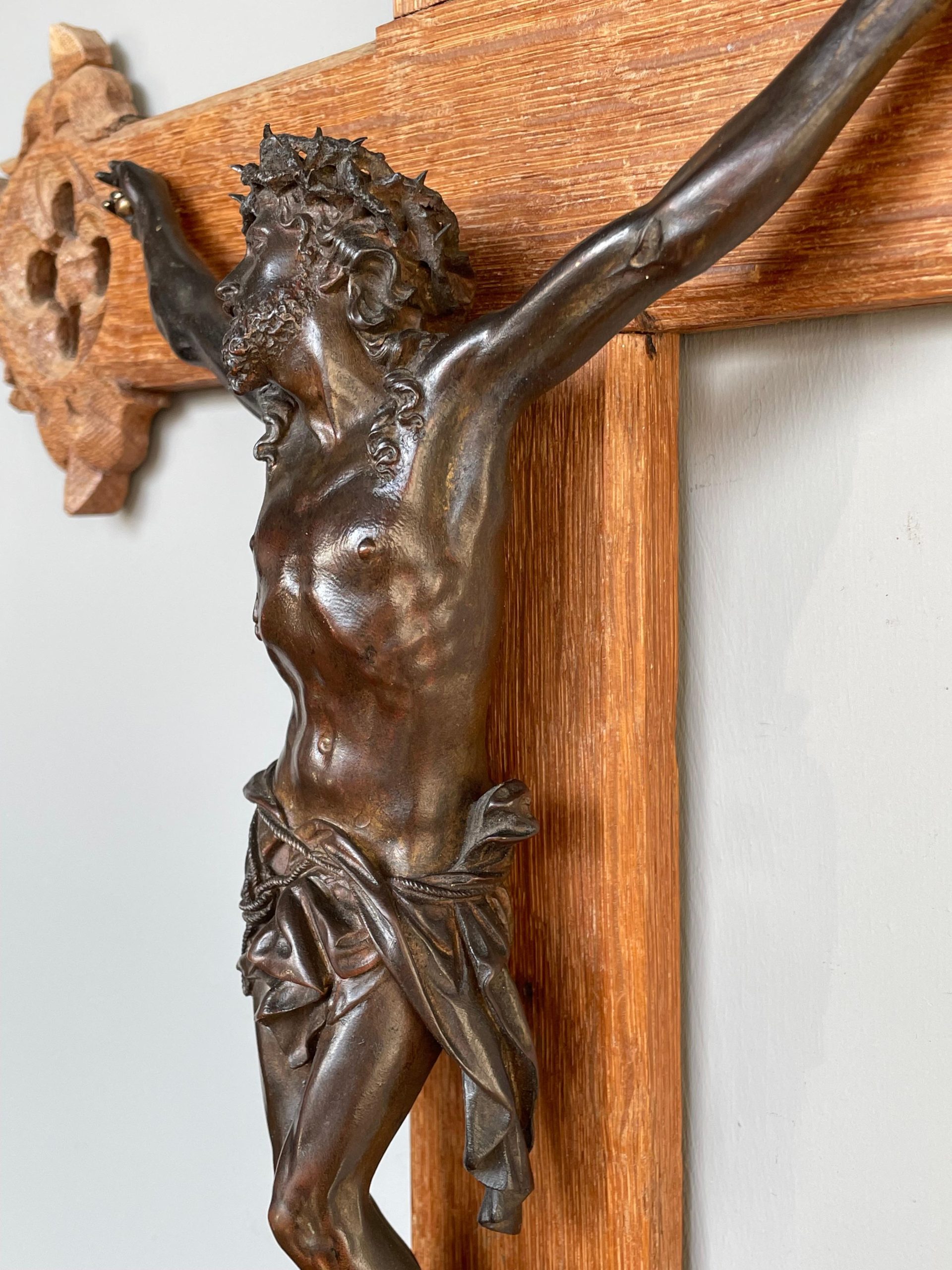
Wood was never just a medium for old carvers; it was treated almost like a living partner in creation. Oak carried deep symbolic weight because of its immense strength and incredible durability against the elements. Sculptors chose sturdy oak logs with great care, knowing that the grain and knots would interact with their final design. This connection to nature added an extra layer of meaning to every single religious statue produced during that era.
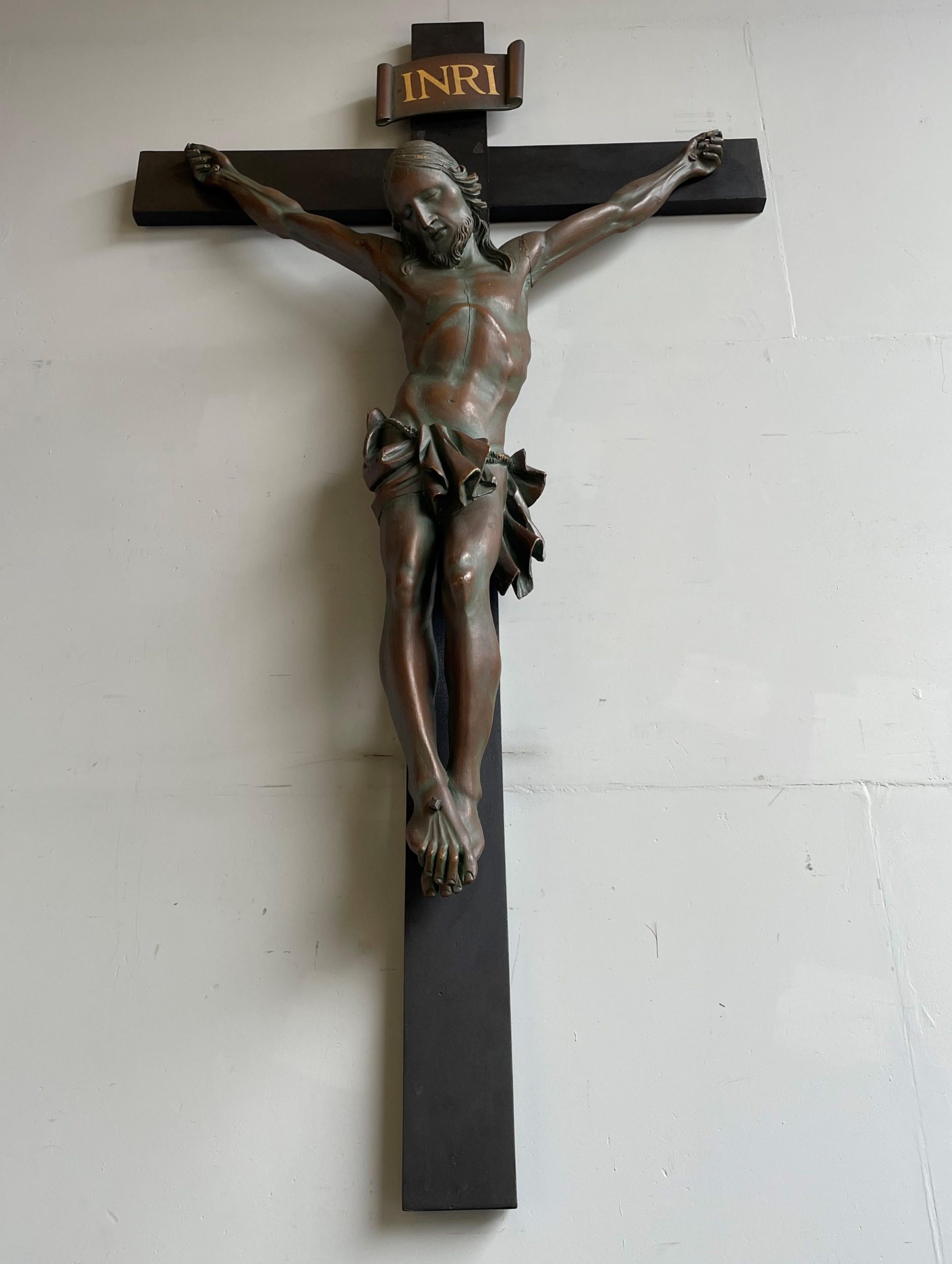
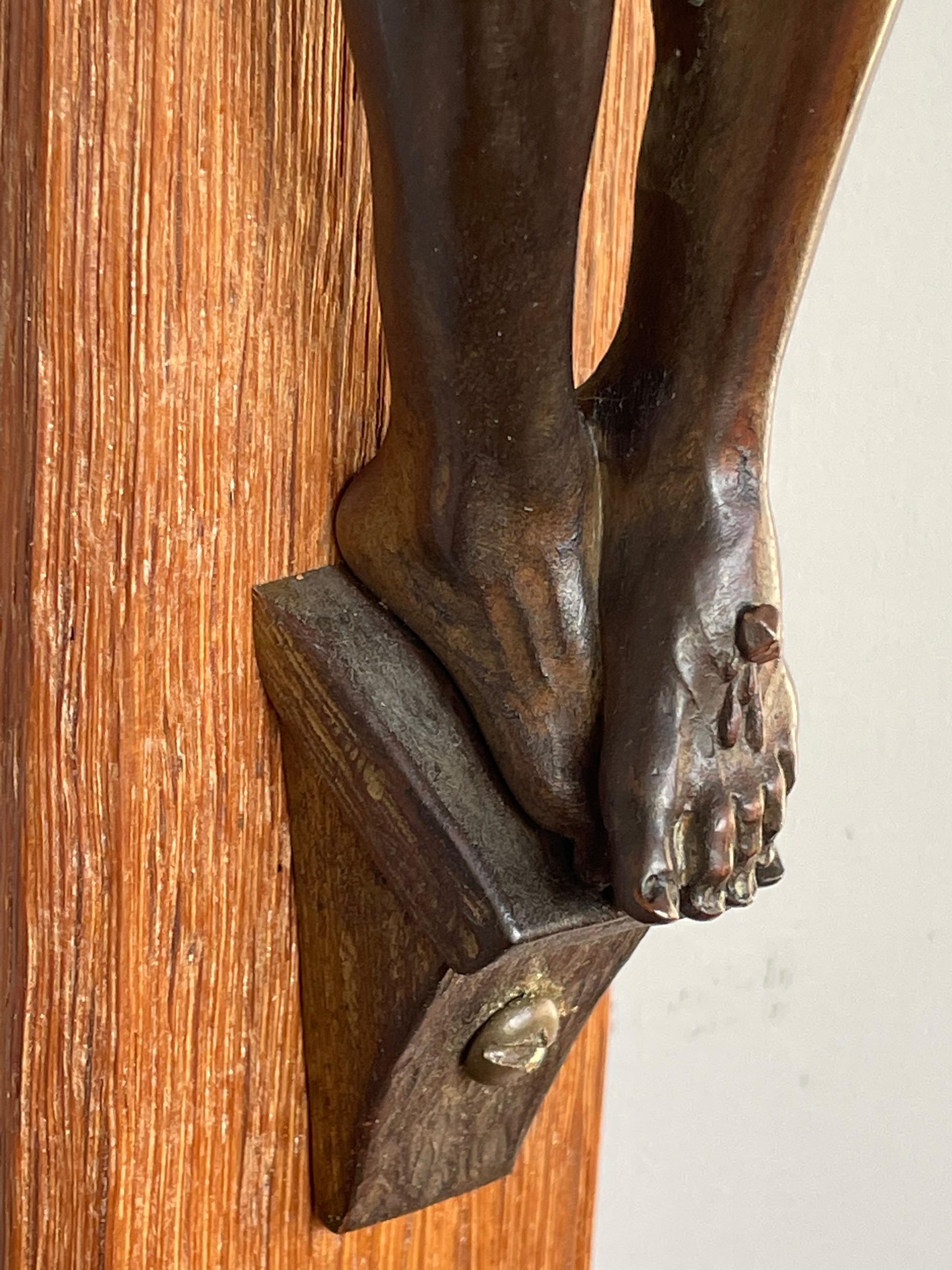
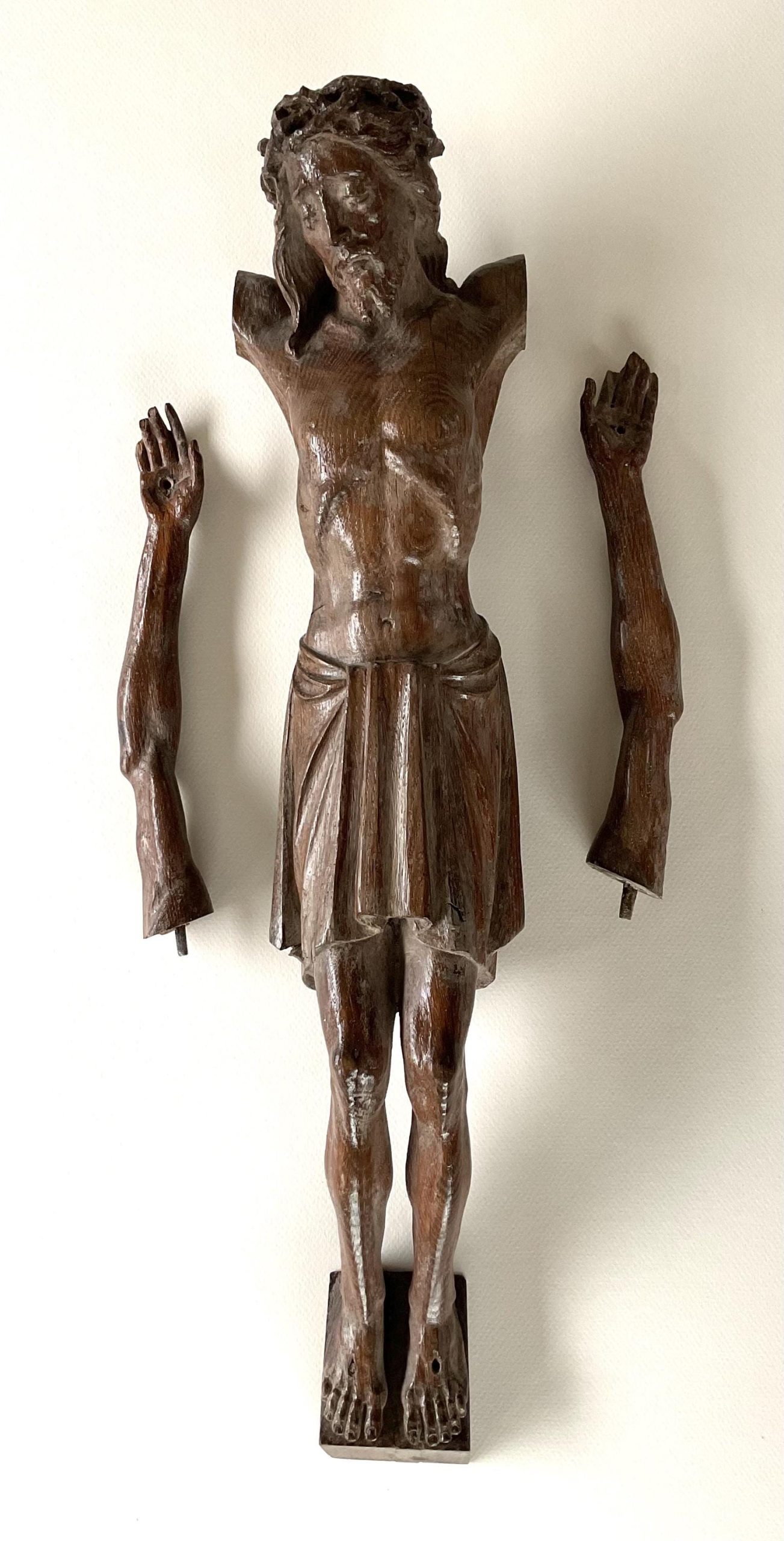
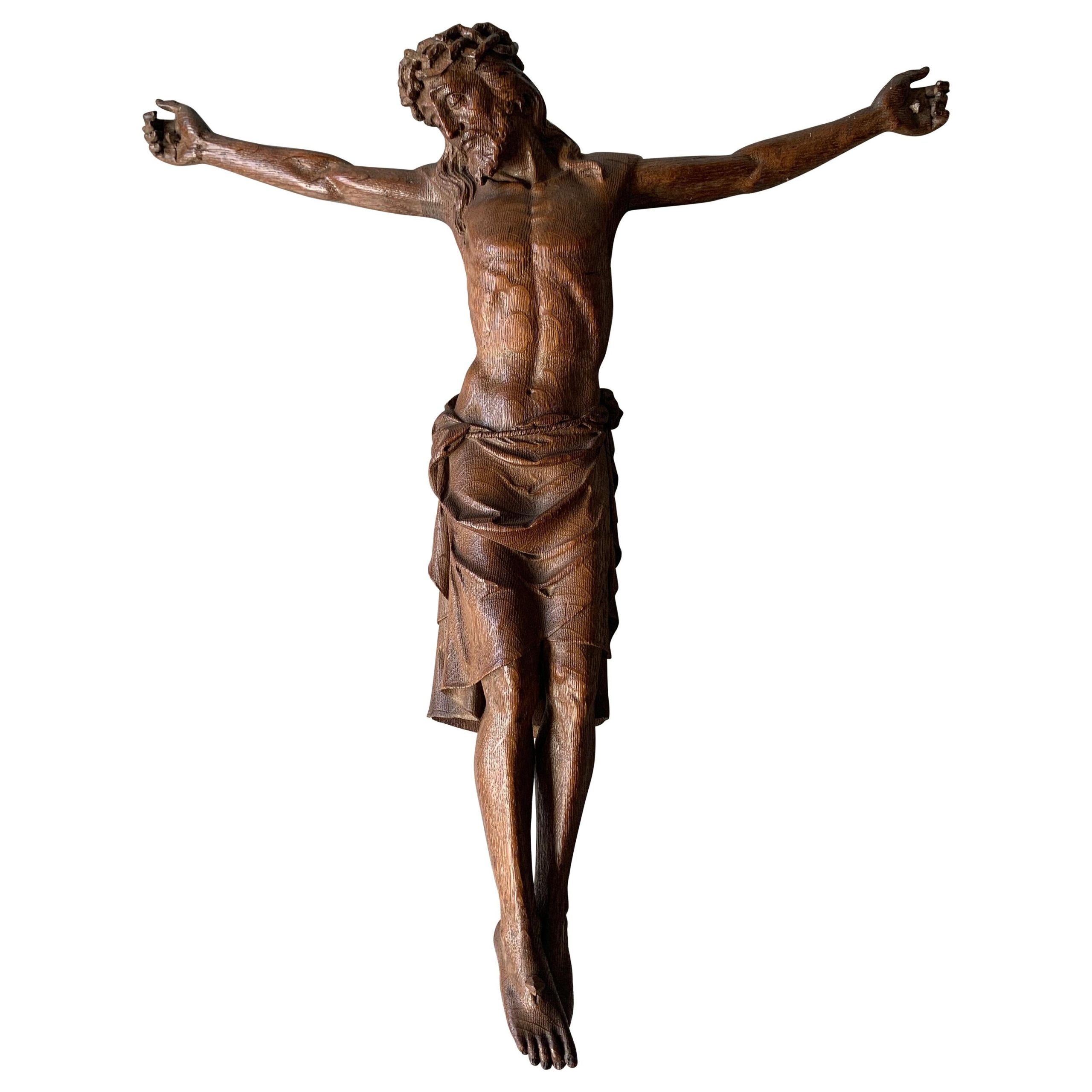
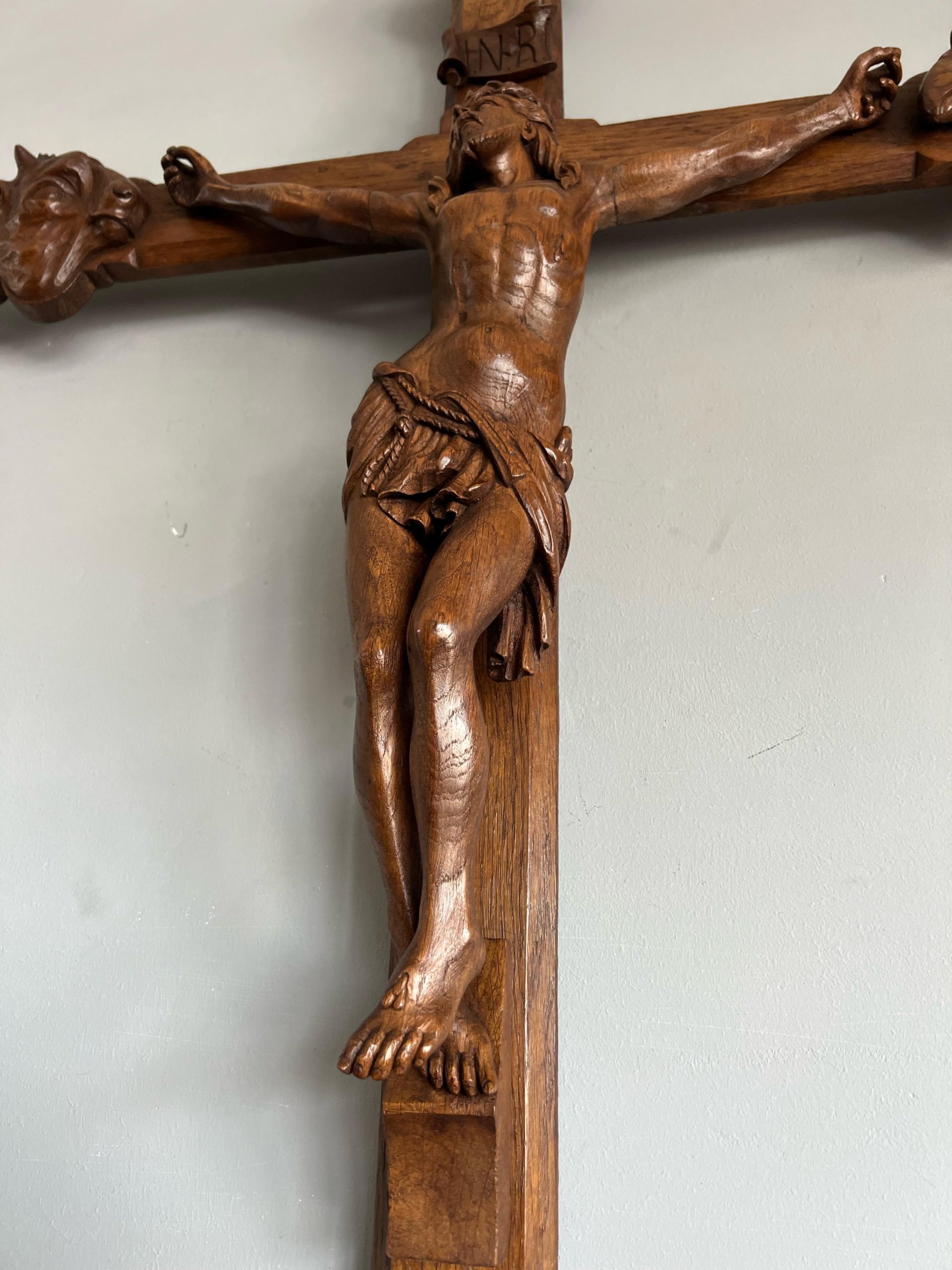
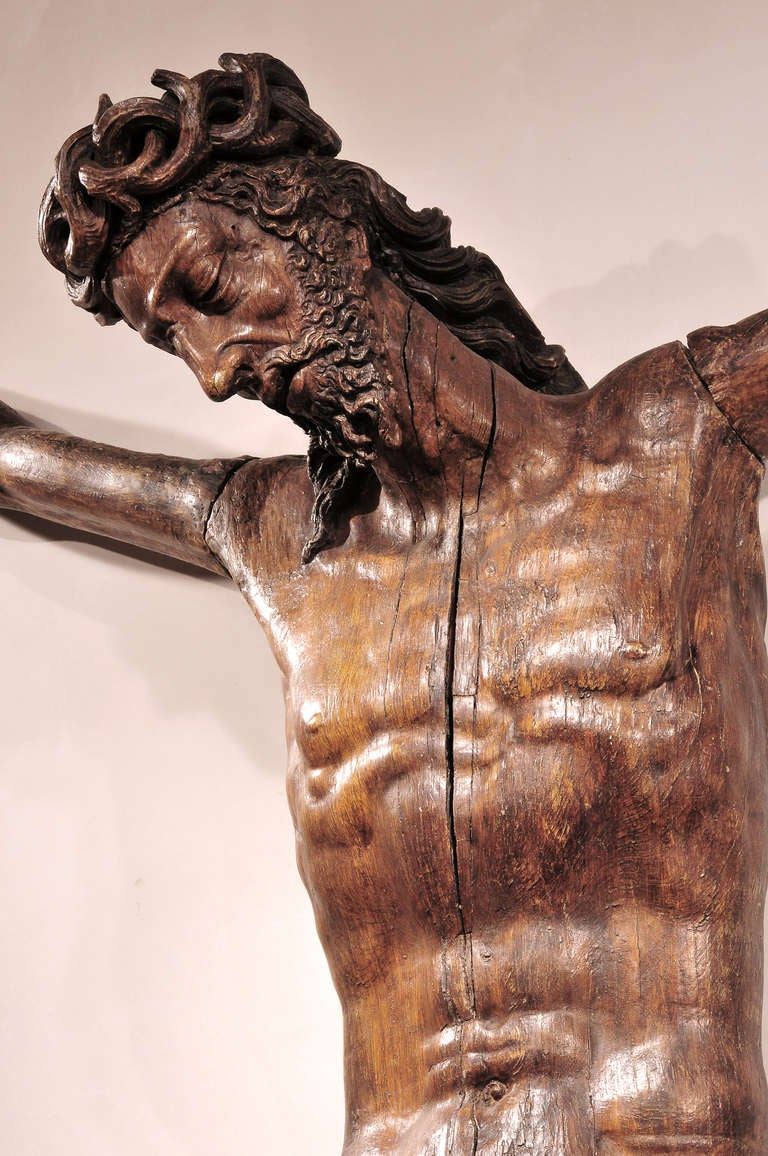
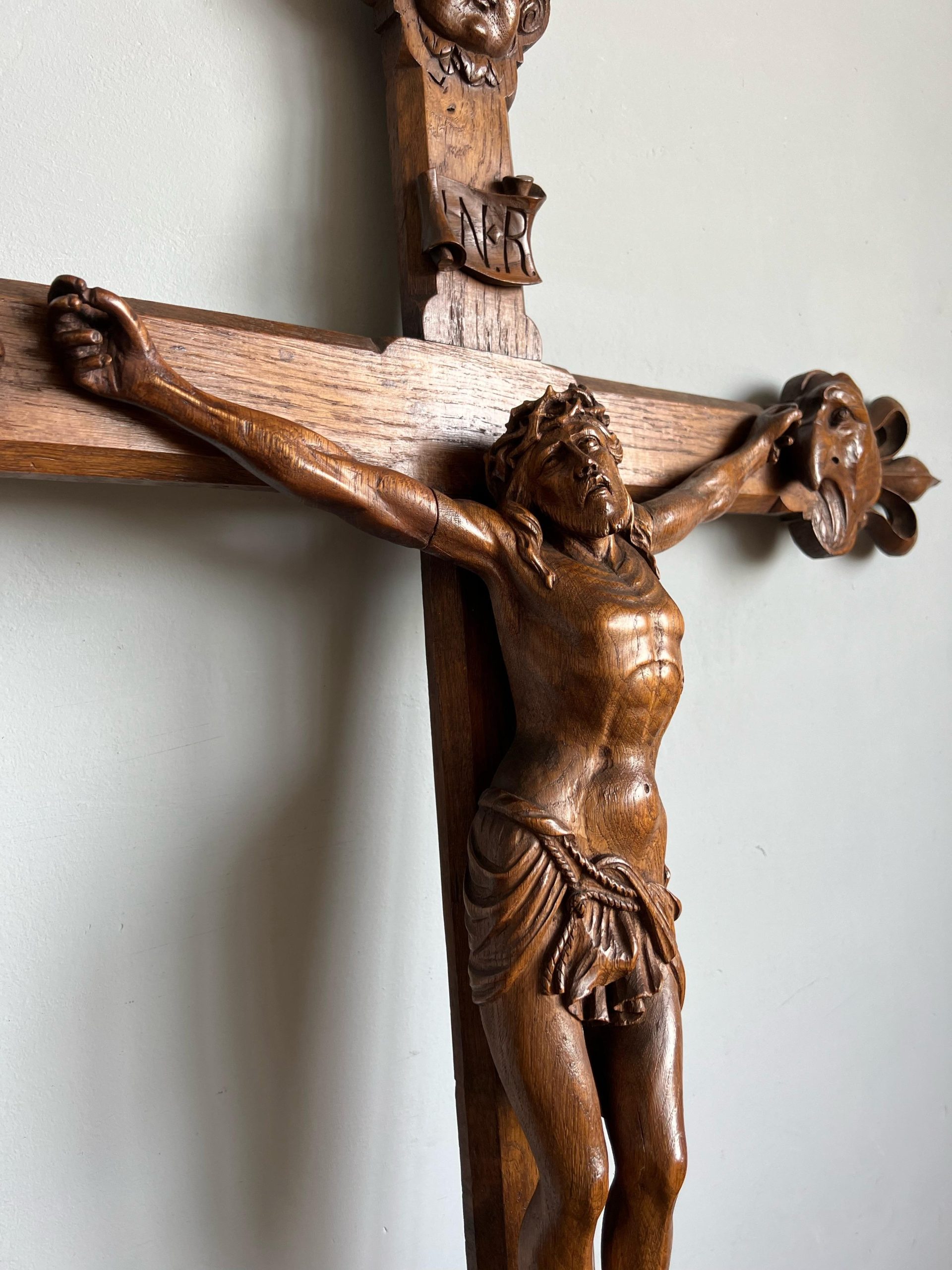
Craftsmen spent months or even years letting raw timber cure properly before laying a single chisel blade against the surface. If the wood dried too fast, it would crack and ruin the entire project, which meant patience was viewed as a holy virtue. Every natural ring inside the oak trunk represented time passing, aligning nicely with the eternal themes found in religious storytelling. When we look at pieces like the great oak corpus style, we are seeing nature and human devotion fused together.
The Mastery of Hand Tools
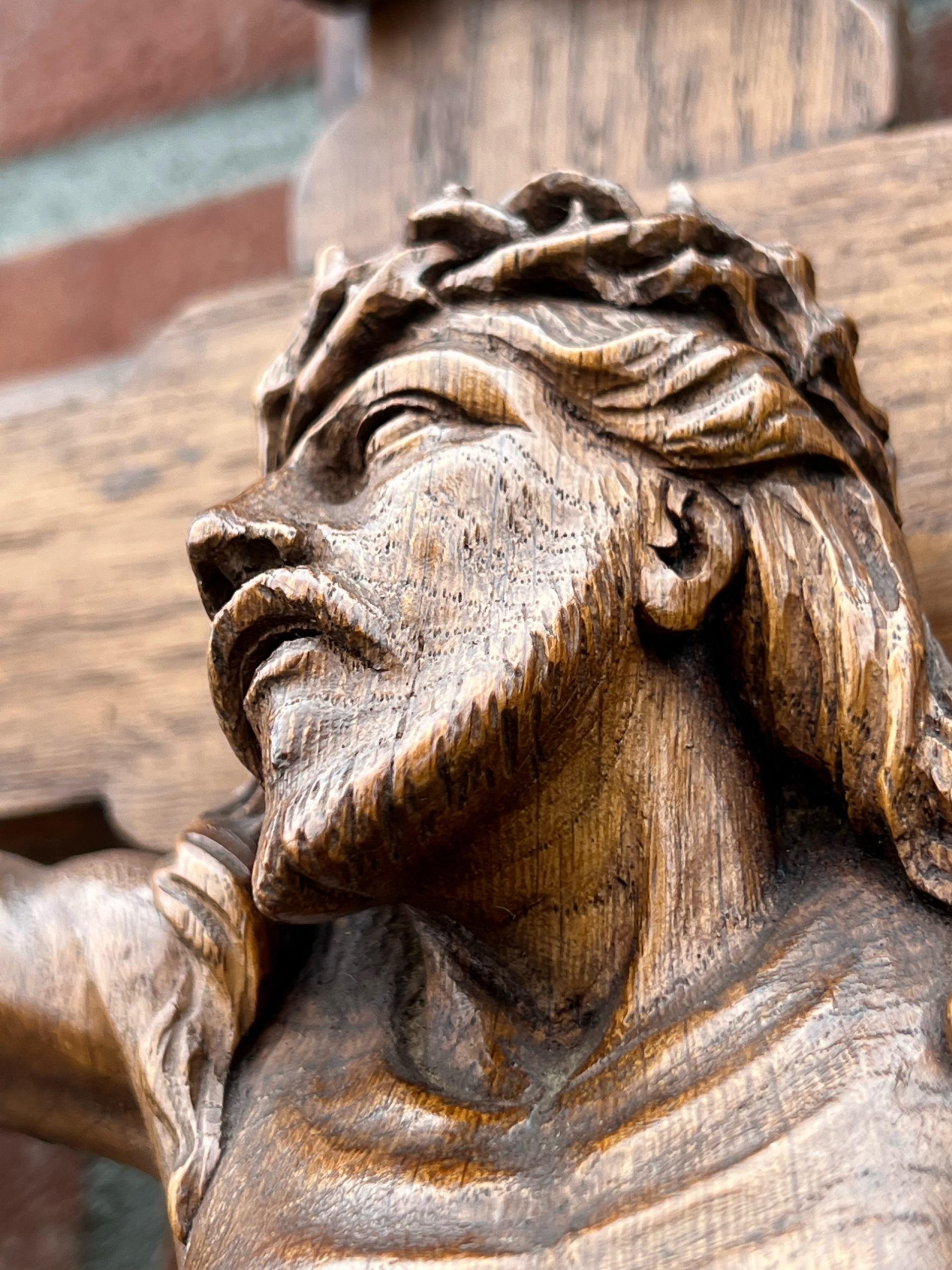
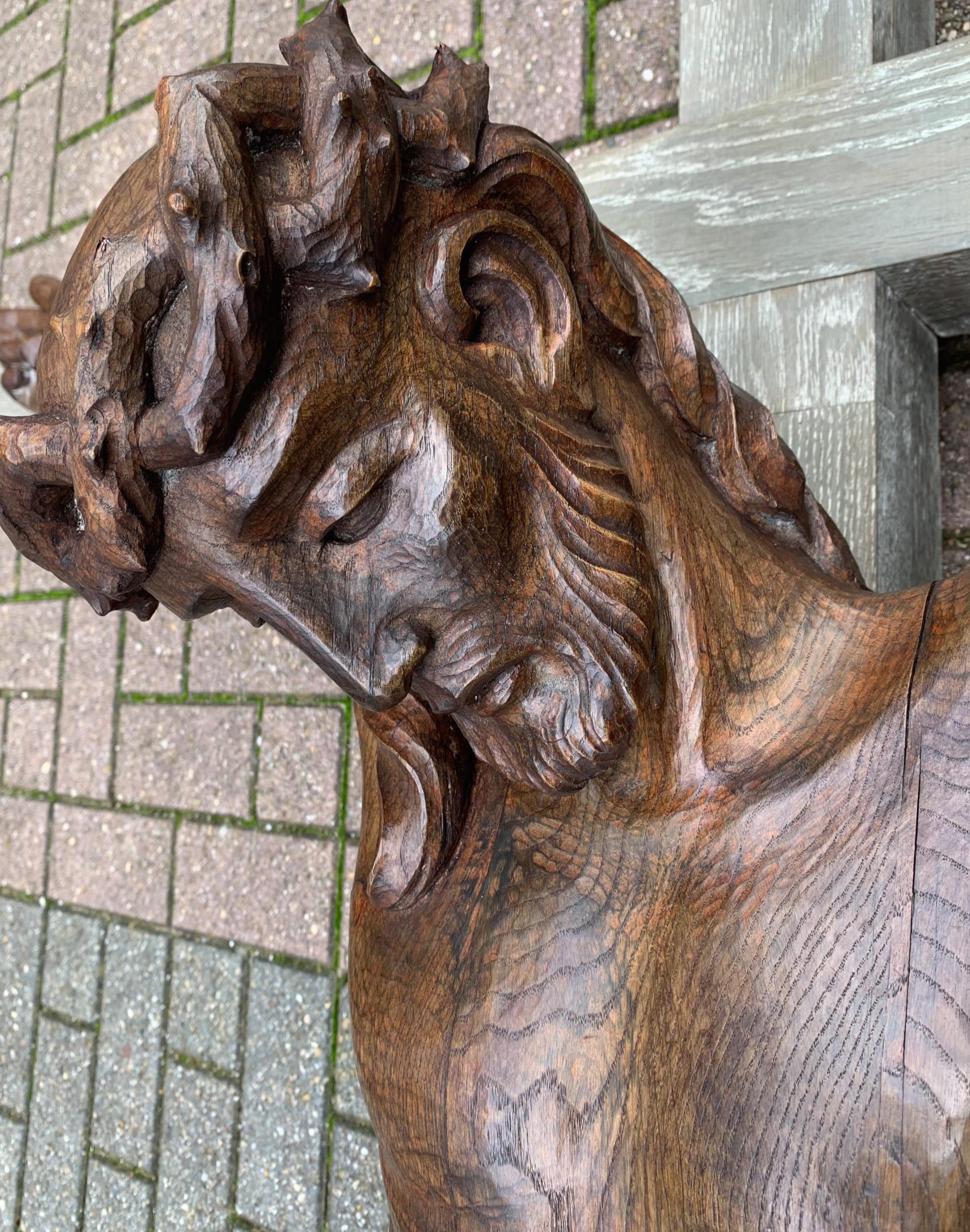
Carving dense oak required an arsenal of specialized blades, gouges, and heavy mallets that had to be kept razor sharp at all times. A single slip could ruin weeks of delicate facial features or fold lines in heavy robes. Artisans learned their trade through long apprenticeships, passing down trade secrets from one generation to the next without modern power tools. Their hands developed calluses and muscle memory that allowed them to turn rigid logs into flowing, expressive forms.
The surface finish often revealed the rhythmic patterns of individual chisel strokes if you looked closely enough under side lighting. Instead of trying to hide their labor, medieval makers embraced the physical texture of the carved material. This honest approach to handiwork gave sacred sculptures an organic warmth that smooth factory replication simply cannot duplicate. Every notch told a story of physical effort offered up as a form of daily prayer.
Symbolism Carved in Grain
Every curve, posture, and facial expression in medieval religious sculpture carried layers of coded meaning for people who could not read written texts. The choice of oak itself symbolized unshakeable faith and moral uprightness in a chaotic world full of temptation and danger. Sculptors used the natural lines of the wood grain to emphasize flowing garments or the dramatic tension of a pose.
Hands were often carved slightly larger than life to draw attention to gestures of blessing, prayer, or sorrow. Even the way a figure tilted its head communicated humility or divine grace to those who gathered in dim chapels for worship. By reading these visual cues, ordinary medieval churchgoers could connect with complex theological ideas without needing scholarly books. The artwork acted as a bridge between the physical earth and the heavenly realm.
The Role of Color and Guilds
Most people today picture medieval wood carvings as bare, dark timber, but originally many were painted in vibrant pigments like gold, red, and blue. Guilds of specialized painters applied thin layers of gesso and expensive mineral paints to bring the carved figures to life in flickering candlelight. This polychrome finish protected the underlying oak from moisture while adding a stunning visual splendor that overwhelmed the senses.
Working within strict guild rules ensured high standards of quality, but it also limited individual artistic freedom in fascinating ways. Master carvers collaborated closely with blacksmiths, gilders, and theologians to make sure every detail aligned with church doctrine. This teamwork meant that a single sculpture was often the product of an entire community of skilled tradespeople working toward a shared spiritual goal. The vibrant colors reminded viewers of the heavenly beauty awaiting them in the afterlife.
Preservation Through the Centuries
Surviving the trials of damp churches, insect infestations, and shifting political moods was no small feat for wooden sculptures created centuries ago. Many pieces perished in fires or were destroyed during periods of iconoclasm when religious art fell out of favor. The ones that made it down to 2026 require specialized conservation techniques to monitor humidity and prevent the fragile oak from splitting further. Modern museum curators work tirelessly to stabilize ancient finishes and protect these treasures for future generations.
Scientific analysis now lets researchers peer beneath layers of old overpaint to discover original medieval tool marks and pigment recipes hidden for ages. These discoveries give us a clearer window into the daily realities of medieval workshops and the economic realities of commissioning sacred art. Protecting these objects is not just about preserving old wood, but keeping a tangible link to human history alive. Every crack stabilized is a voice from the past rescued from permanent silence.
Today, looking at medieval wood sculptures offers a humbling reminder of what human hands can achieve with simple tools and deep conviction. Contemporary artists and woodworkers still study these historical masterpieces to learn how to infuse their own creations with emotional weight and narrative power. The dialogue between past craftsmanship and modern design keeps the ancient traditions of timber carving relevant in our fast digital age. We find ourselves drawn back to these tactile objects because they feel profoundly real and grounded.
Exhibitions featuring medieval corpus sculptures continue to draw massive crowds of people seeking quiet contemplation away from everyday noise. There is a universal human desire to connect with things made slowly, with care, intention, and heartfelt purpose. As we navigate through 2026, these wooden artifacts stand as enduring monuments to creativity, faith, and the remarkable potential of ordinary material transformed by art. They remind us that true craftsmanship transcends the era in which it was born.
When we step back and look at the big picture, these sacred wooden sculptures are much more than historical artifacts sitting quietly in museum display cases. They are living testaments to the patience, struggles, and hopes of people who walked the earth long before us. By studying their techniques and listening to the stories carved into the grain, we keep their memory and artistry burning bright.