Have you ever looked closely at an old piece of art and felt like it was staring right back at you, whispering secrets from centuries ago? That is exactly what happens when you sit down with a true Celtic masterpiece. For generations, the Saint Patrick Plaque has stood as a quiet token of faith and culture, hanging on living room walls and church entryways alike. But beneath that familiar surface lies a deep world of folklore, hidden codes, and human devotion.
Today in 2026, we are seeing a massive revival of interest in these traditional works. People are moving away from mass-produced plastic junk and turning back to items that actually carry a soul. The Saint Patrick Plaque isn’t just a holiday decoration for March; it is a complex canvas filled with ancient stories that still connect with us today. Let’s dive into what makes this unique artifact so special.
Origins in the Mists of Time
To understand where this beautiful art comes from, we have to travel way back to the early monastic days of Ireland. The imagery found on a typical Saint Patrick Plaque is deeply tied to the famous "Breastplate" prayer, a chant of protection also known as the Deer’s Cry. Legend says Patrick sang this prayer to hide himself and his followers from an ambush, making them look like wild deer to their enemies.
Early craftspeople wanted to capture this spiritual armor in physical form. They started carving stone and wood to create tactile reminders of safety and faith. Over time, these heavy carvings evolved into portable tablets that people could bring into their homes. It wasn’t just about recording history; it was about bringing a piece of divine protection into the everyday household.
Decoding the Hidden Symbols
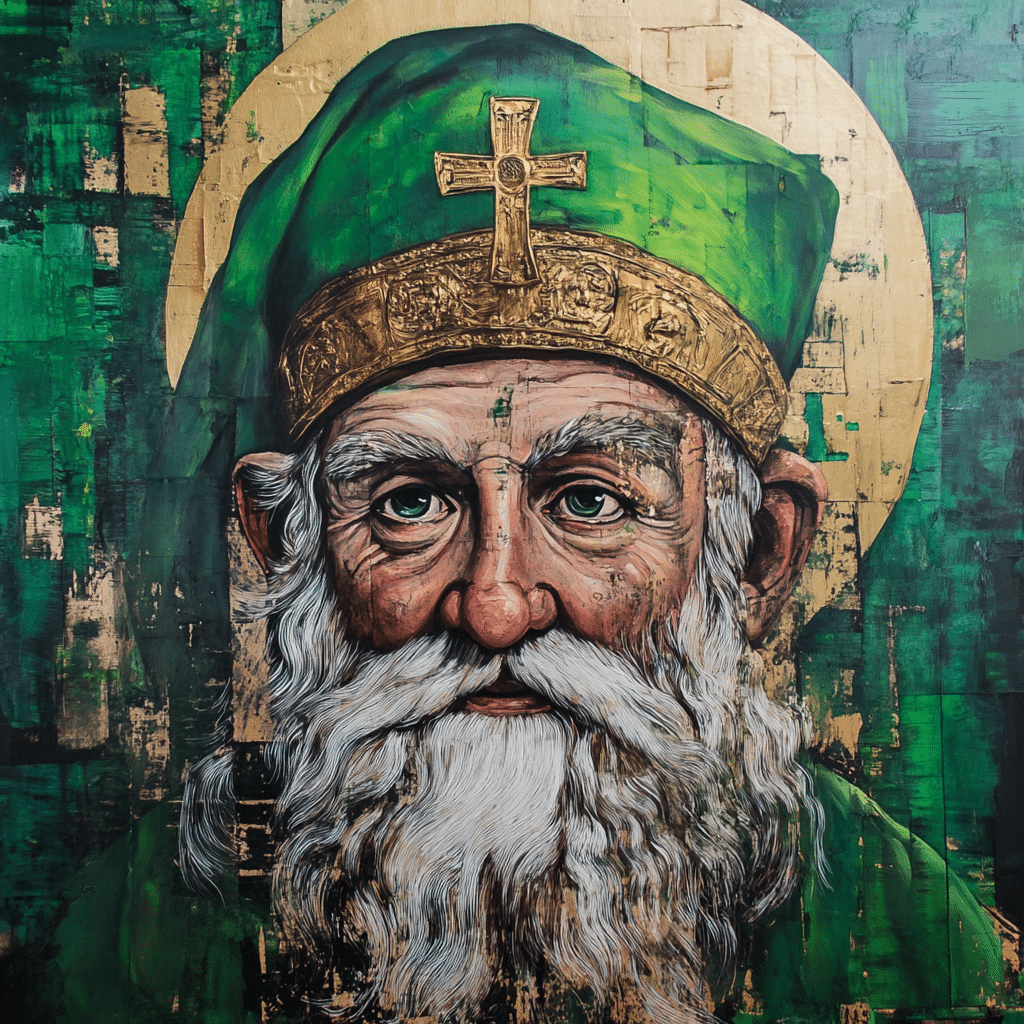
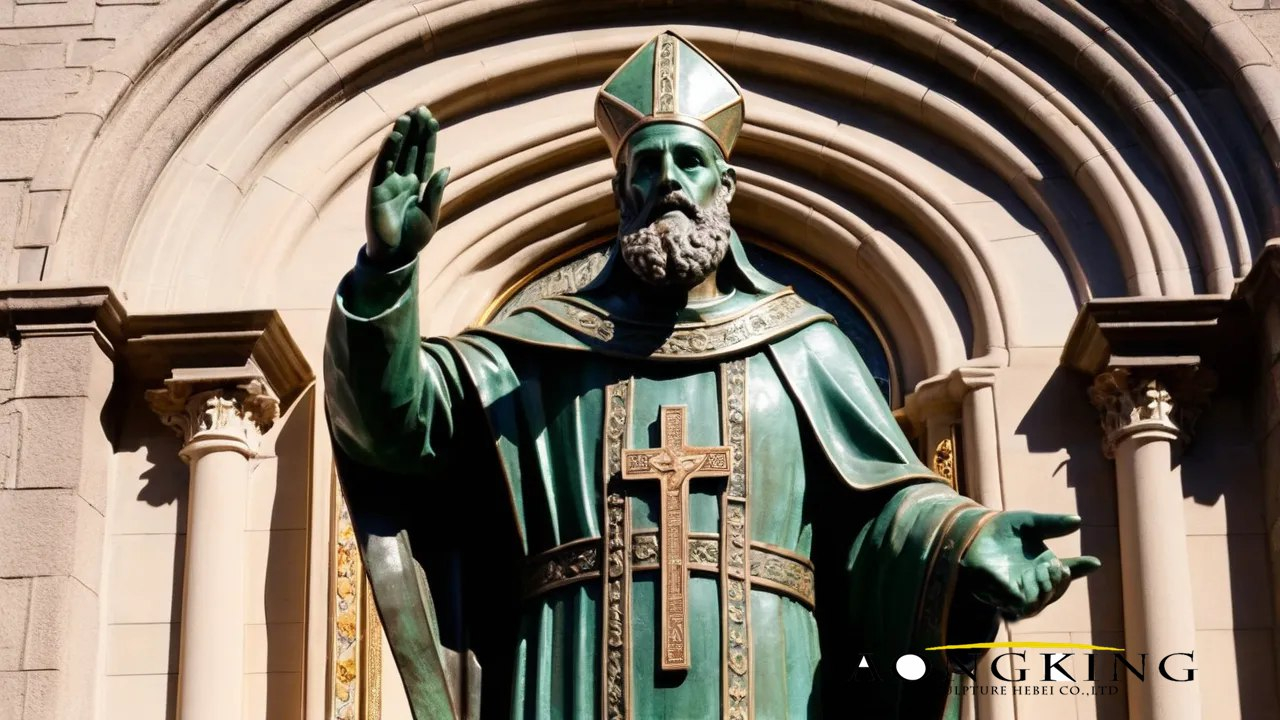
When you look at a well-crafted plaque, your eyes might first jump to the image of the saint himself or the bold green shamrocks. But if you look a little closer, you will see a maze of intricate lines. The endless knots carved into the borders aren’t just there to look pretty. They represent eternity and the interconnectedness of life, a classic theme borrowed from ancient Celtic art books like the Book of Kells.
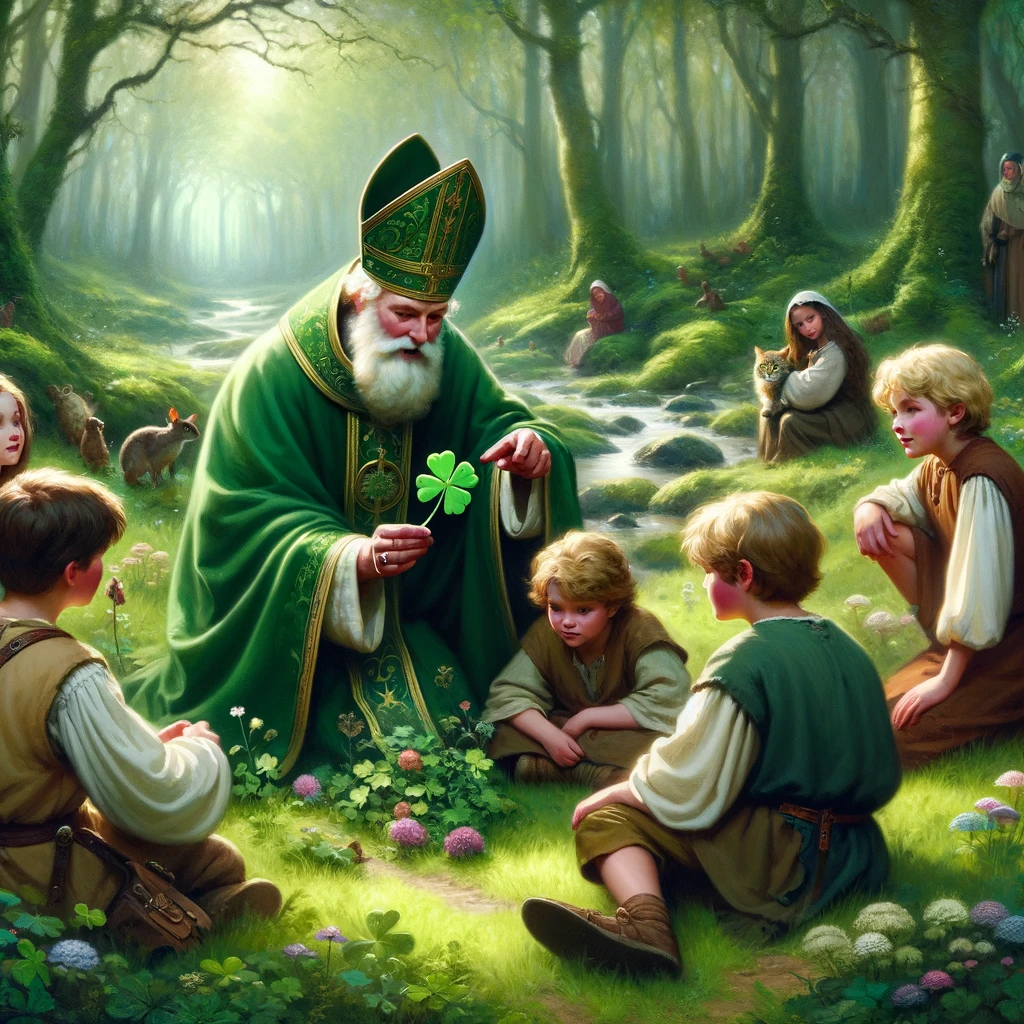
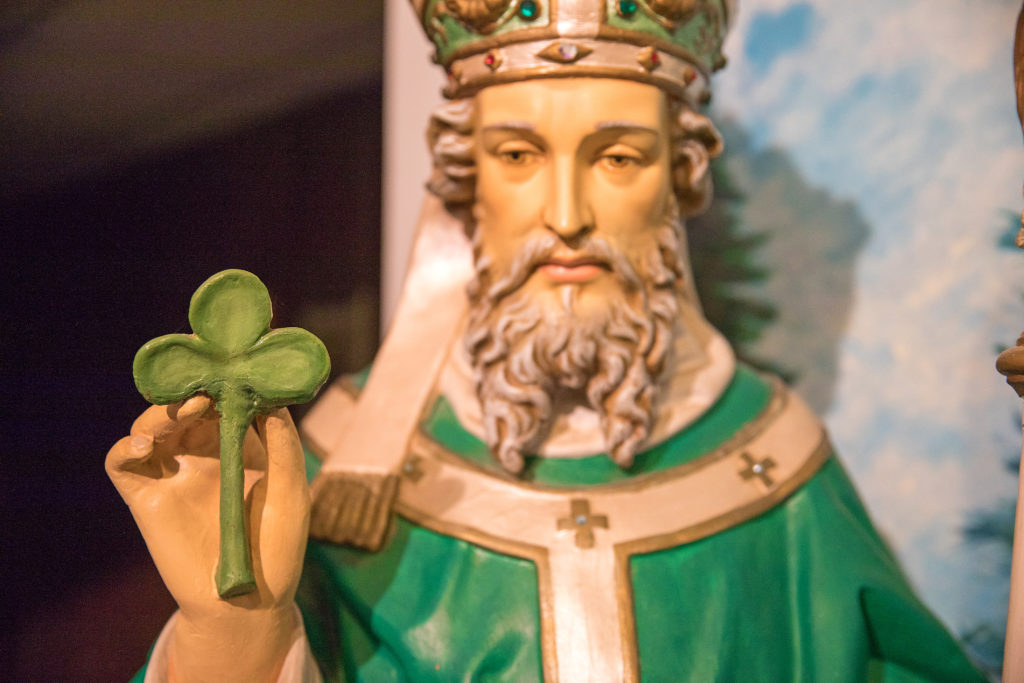
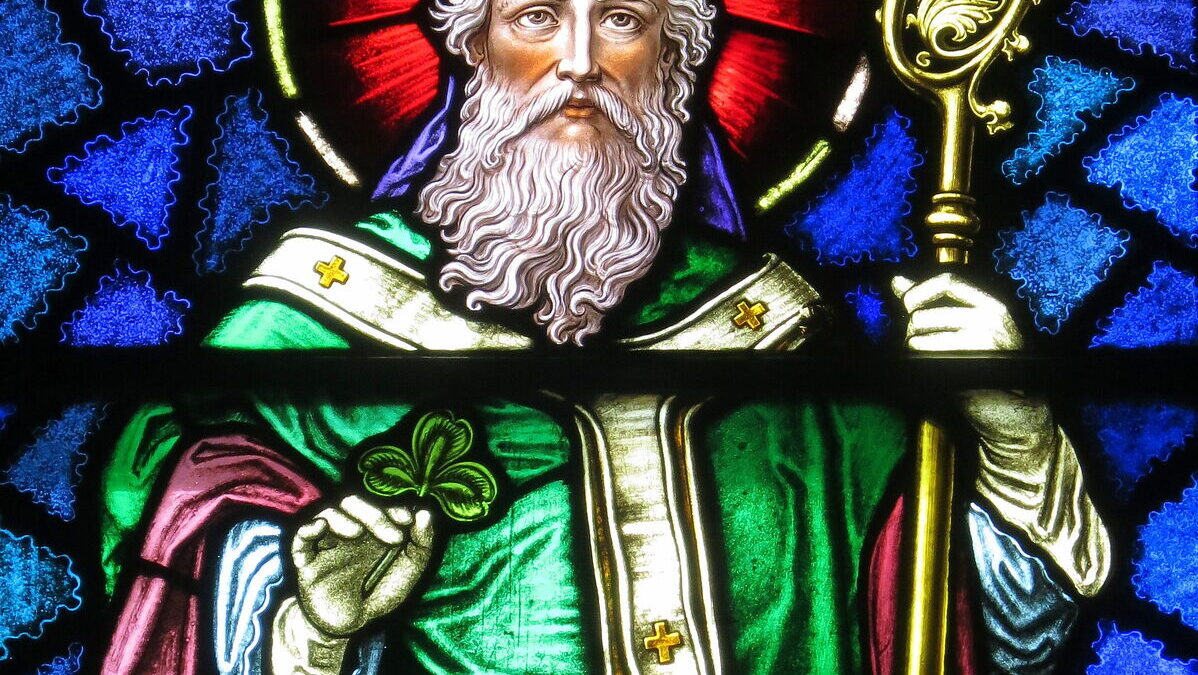
- The Shamrock: Often shown with three leaves, representing the Trinity, which Patrick famously used to explain a complex idea using a simple plant.
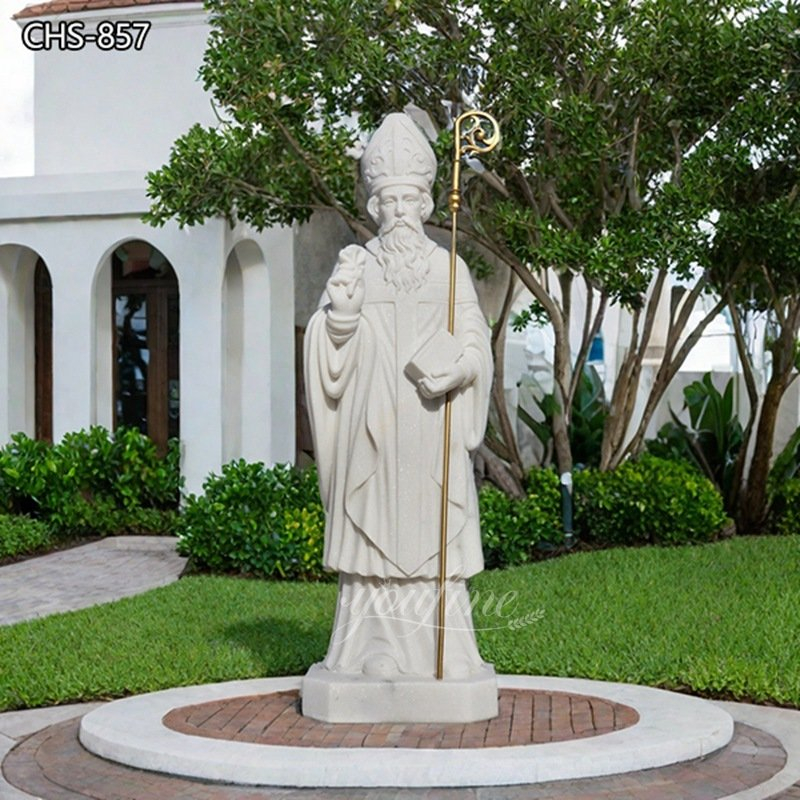
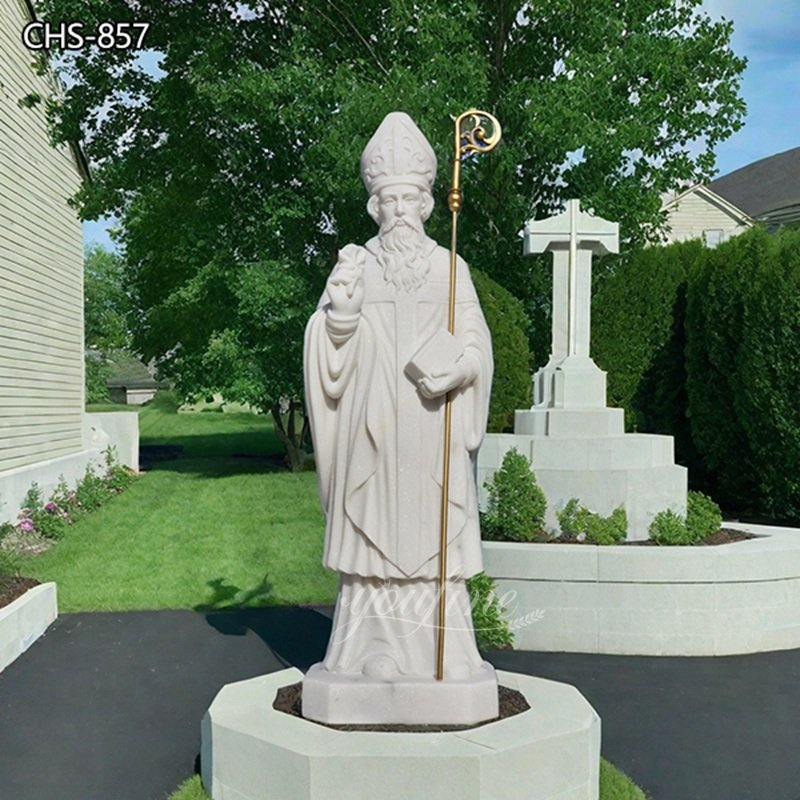
- The Staff or Crozier: Symbolizing his leadership and the legendary driving away of snakes from the emerald isle.
- The Serpent: Frequently depicted beneath his feet, representing the triumph over ancient fears and old, harmful habits.
The Mid-Century Celtic Revival
While the roots are ancient, the modern look of the plaque owes a lot to the artistic movements of the twentieth century. A huge moment happened back in 1961 during Ireland’s Patrician Year celebration. Artists like Michael O’Connor helped rescue these old designs from obscurity, blending traditional illumination with modern craftsmanship.
Suddenly, the plaque became a global symbol. As Irish families moved across the world, they carried these small wooden and plaster plaques in their suitcases. They became a visual shorthand for home, a way to keep a piece of the homeland alive in places like Boston, New York, or Sydney. This era proved that the plaque could adapt to modern times without losing its ancient spirit.
Craftsmanship Across the Mediums
The artistry of these plaques isn’t limited to just one type of material. Walk into a workshop today and you might see an artist working with cast stone, while another is carefully pouring resin or carving solid cherry wood. Each material brings out a totally different personality in the artwork.
Cast stone versions give a rugged, timeless feel that looks like it was chipped straight out of a medieval monastery wall. On the other hand, polished wooden plaques offer a warm, touchable quality where the natural grain complements the flowing curves of Celtic knots. The choice of medium allows the artist to emphasize different emotional tones, from ancient solemnity to cozy rustic warmth.
A Living Tradition in the Modern Home
It is fascinating to see how these objects function in our lives today. They aren’t just stuck inside dusty museum display cases. Instead, they are living parts of contemporary homes. Many people place them near the front door as a blessing for visitors, continuing the old tradition of using the plaque as a spiritual shield for the household.
If you are thinking about adding one to your space, consider the lighting. Placing a relief plaque where natural side-light can hit it will create beautiful shadows across the deep carvings, making the details pop throughout the day. It serves as a great conversation starter, proving that good art never really goes out of style.
The Human Connection Through the Ages
Ultimately, the enduring appeal of the Saint Patrick Plaque comes down to the human stories etched into its surface. It represents the struggles of a historical figure who faced captivity and returned to inspire an entire island. But it also reflects the hands of the nameless carvers who spent hours perfecting a single knot outline.
When we hang one of these plaques today, we are joining a long chain of humans who looked for meaning, art, and comfort in their surroundings. It connects us to the travelers, the dreamers, and the families who came before us. That is the real hidden artistry—the power to bridge centuries with a single piece of decorated wood or stone.
Looking back at the long journey of the Saint Patrick Plaque, it is clear that its value goes way beyond surface beauty. From ancient monastic shields to mid-century revivals and modern home decor, this artwork has constantly found new ways to remain relevant. It stands as a brilliant reminder of how history and art can blend together to create something truly timeless.
So the next time you spot one of these plaques, take a second to look past the bright green paint or the familiar silhouette. Notice the flow of the lines, the balance of the symbols, and the centuries of tradition packed into that small space. It is a tiny window into a rich cultural past, waiting for anyone willing to take a closer look.