The heavy oak front door clicks shut, sealing out the relentless hum of highway traffic and the blue-light glare of urban existence. Instantly, the atmosphere shifts. There is an unmistakable weightlessness in the air, born from a palette of chalky whites, sun-bleached driftwood tones, and the grounding, textural warmth of natural materials. This is not the loud, neon-lit nautical decor of a commercial souvenir shop. Instead, it is a deliberate, whispered homage to the ocean—an exercise in atmospheric curation. At the visual anchor of the entryway hangs a meticulously cast, realistic sea star plaque, its granular dermal ossicles and muted earthy tones tricking the eye into believing it was just gently retrieved from an ebbing tide pool.
For years, coastal interior design struggled against the gravitational pull of theme-park clichés. We have all walked through rooms drowning in turquoise anchors, heavy hemp ropes, and brittle, real-animal taxidermy curiosities that felt ethically ambiguous and awkwardly dated. Yet, the deep human desire to bring the restorative calm of the ocean indoors remains entirely valid. In 2026, home design trends lean heavily into tactile authenticity, biophilic connections, and sustainable craftsmanship. We want the serenity of the shoreline without the clutter. This shift has elevated realistic sea star plaques from casual craft-store novelties into sophisticated focal points for modern, high-end coastal living.
Achieving this refined aesthetic requires a departure from haphazard decorating. It demands an understanding of texture, spatial psychology, and the deliberate restraint that separates an elegant seaside sanctuary from a chaotic beach shack. When executed with precision, a single high-definition sea star plaque can anchor a room, drawing the gaze upward and imparting an instantaneous sense of tidal calm. This guide unpacks the philosophy, methodologies, and technical nuances required to master the sea star aesthetic using authentic-looking plaques.
The Architecture of Coastal Calm and the Psychology of Ocean-Inspired Decor
Human beings possess an innate, evolutionary pull toward water and the natural world, a concept environmental psychologists term biophilia. When we surround ourselves with textures and forms that mimic the marine ecosystem, our nervous systems respond measurably. Heart rates stabilize, cortisol levels drop, and the hyper-vigilance of modern life begins to recede. However, creating this restorative environment inside a suburban or landlocked home requires more than scattering seashells across a coffee table. It demands a sophisticated understanding of scale, negative space, and material integrity.
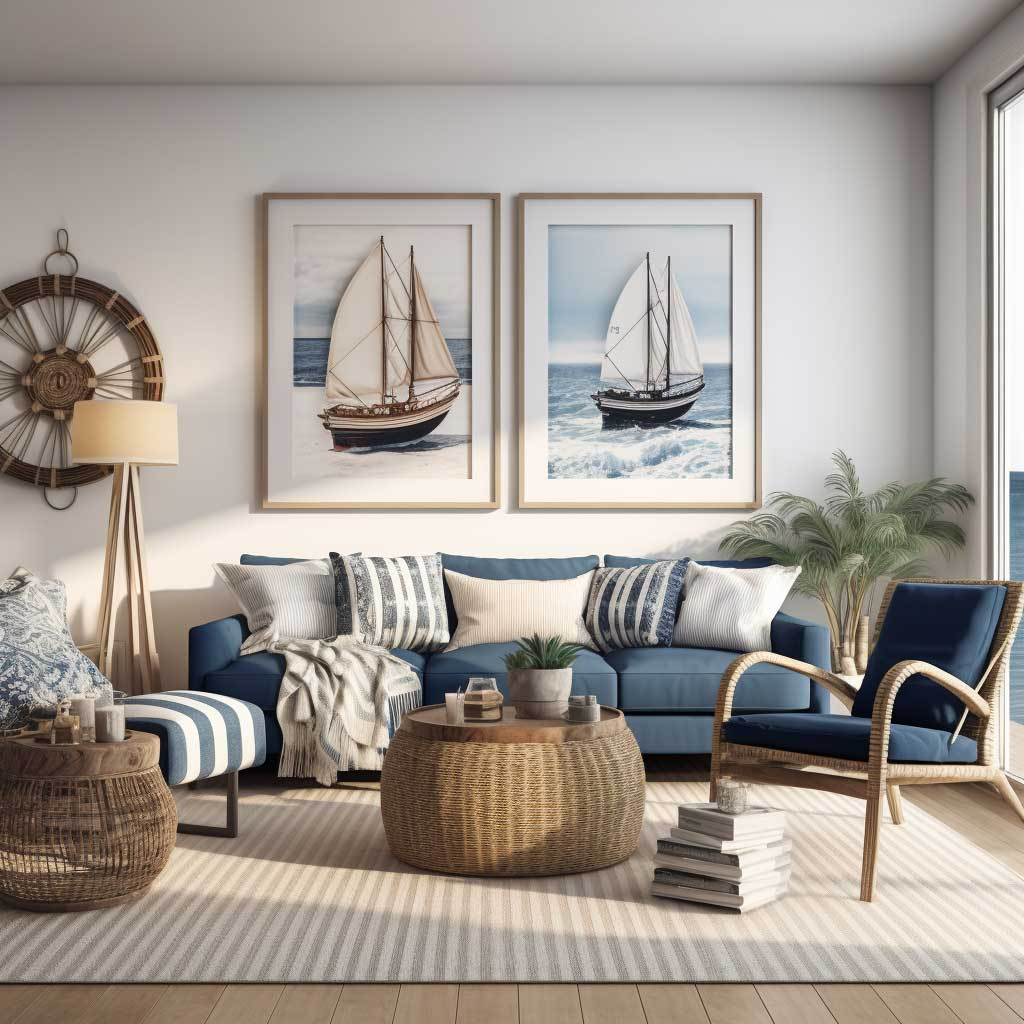
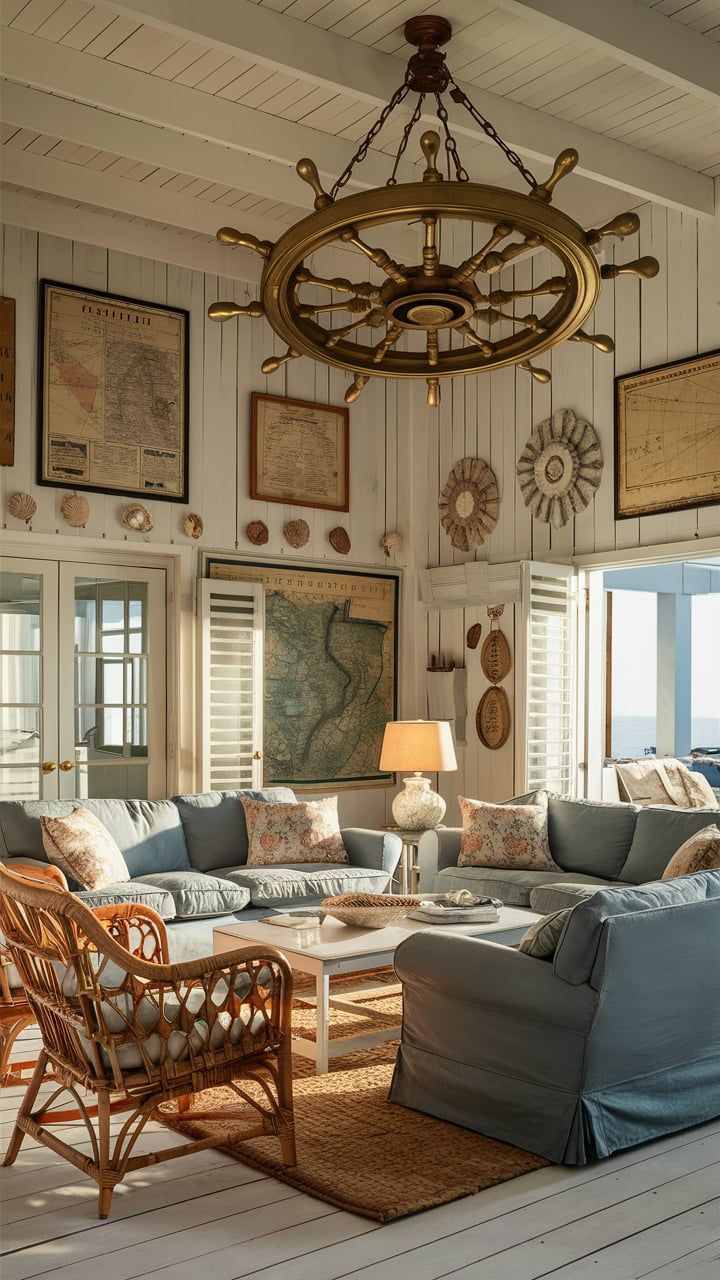
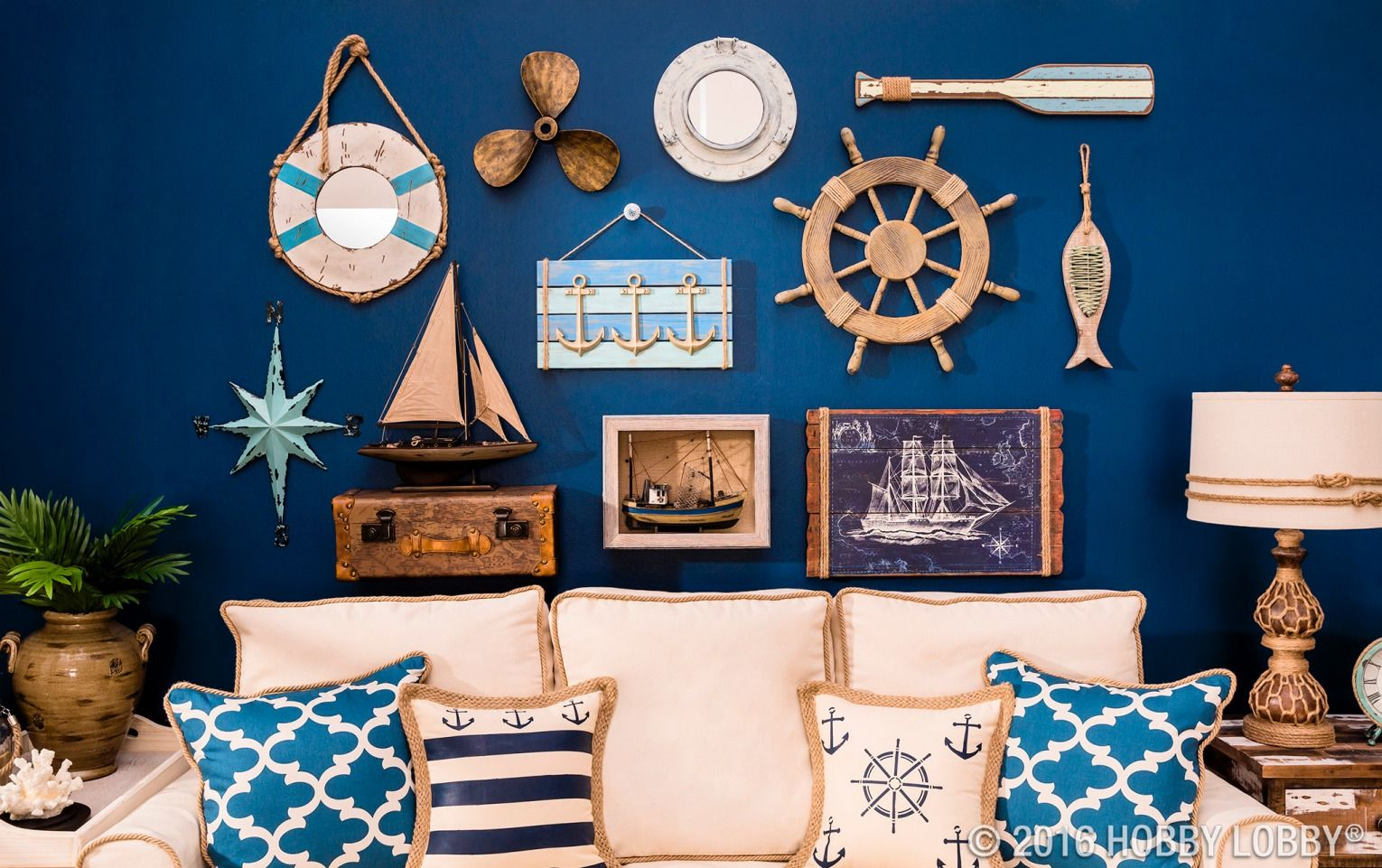
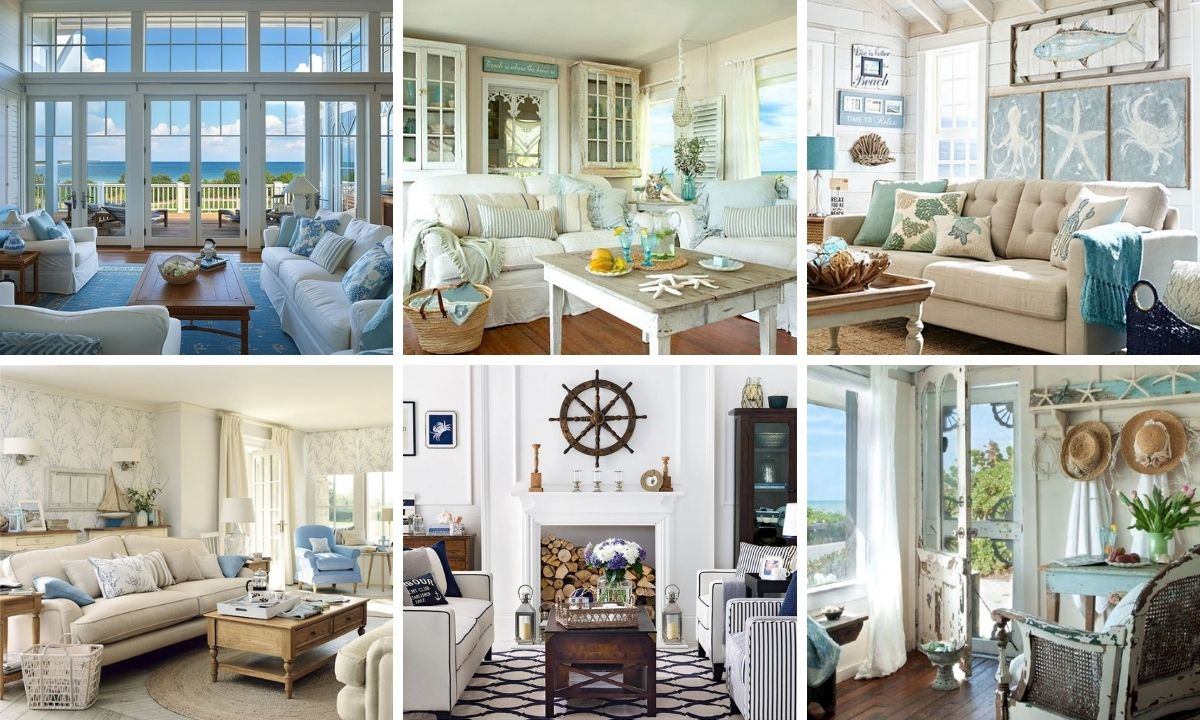
The traditional nautical aesthetic often relied on saturated blues, bright white paneling, and explicit maritime iconography like steering wheels and lighthouses. While charming in specific contexts, this heavy-handed approach can quickly make a room feel claustrophobic or overly themed. The modern serene seaside aesthetic, conversely, is built on subtlety. It borrows its vocabulary from the shore at dawn: fog-gray linens, brushed brass reminiscent of weathered ship hardware, sand-washed plaster, and the intricate, muted geometry of echinoderms.
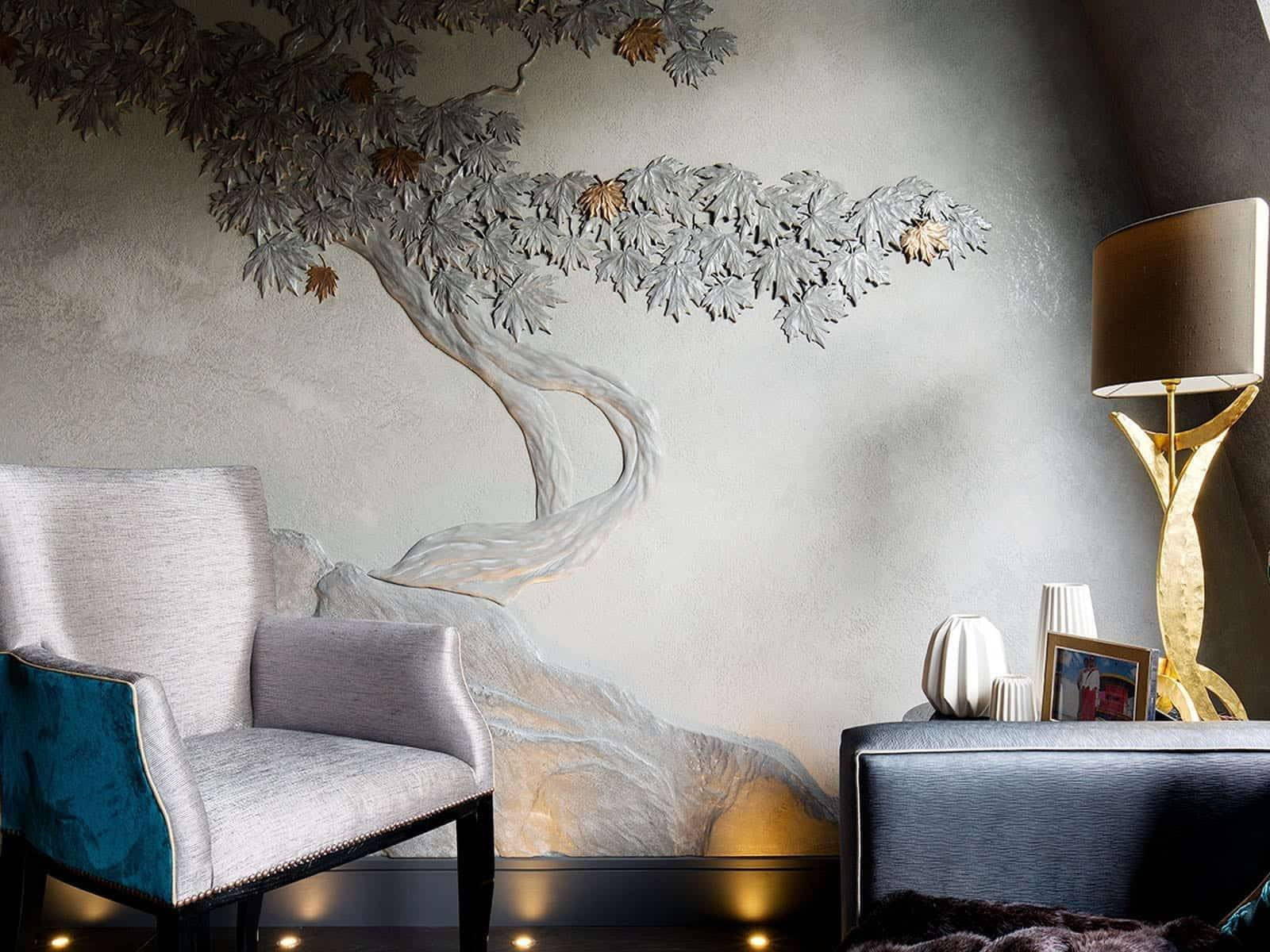
Within this curated environment, realistic sea star plaques serve a vital structural purpose. Unlike flat prints or paintings, a dimensional plaque introduces cast shadow and physical relief to a blank wall. It breaks up planar monotony without demanding excessive visual real estate. When cast from high-grade resin, architectural plaster, or sustainably sourced composite stone, these plaques capture the minute biological details of real sea stars—the madreporite plate, the delicate ambulacral grooves, and the chalky, porous texture of the calcareous skeleton. This tactile realism is what elevates the decor from a child’s craft project to an intentional architectural statement.
Furthermore, placing these plaques requires an understanding of how light interacts with vertical surfaces. Natural morning light raking across a textured sea star plaque creates dynamic shadow play that shifts throughout the day, mimicking the passing sun over coastal dunes. This subtle movement breathes life into static rooms, transforming a plain drywall partition into an organic, breathing landscape. By focusing on quality over quantity—choosing one or two masterfully rendered plaques rather than a chaotic gallery wall of random beach finds—the space retains an air of curated sophistication.
Decoding Materiality: Choosing Between Plaster, Resin, and Stone Composites
The integrity of a seaside aesthetic rests entirely on the quality of its components. If a sea star plaque looks overtly glossy, perfectly symmetrical, or unmistakably made of cheap injection-molded plastic, the illusion of natural serenity shatters instantly. Material selection is the single most critical decision in this design process, dictating how the piece catches the light, how it ages, and how convincingly it mimics nature.
Natural sea stars, while beautiful in their native habitat, present significant conservation and durability issues. Harvesting wild echinoderms disrupts fragile marine ecosystems, and actual dried specimens are notoriously brittle, susceptible to humidity changes, and prone to shedding or fading over time. High-end realistic plaques solve these dilemmas by employing advanced casting media. Architectural plaster offers a chalky, matte finish that absorbs light similarly to a sun-baked shell, though it requires careful handling during installation due to its weight and impact vulnerability.
Resin composites, reinforced with mineral powders, represent the current gold standard for durability and detail fidelity. When master mold-makers cast directly from exceptional natural specimens, resin captures every microscopic pore and spine with absolute precision. The secret to achieving a realistic finish with resin lies in the post-processing and patination. Artisans apply multi-layered washes of acrylic or mineral paints, building up subtle undertones of warm bisque, sun-bleached coral, soft sage, and muted slate gray. This avoids the uniform, flat coloring of mass-produced decor.
Stone powder blends take this a step further by incorporating crushed marble or limestone into the binding matrix. These pieces possess a satisfying, weighty heft that signals quality the moment someone handles them. When mounted on a wall, they do not feel like flimsy props; they carry the permanent, grounding presence of geological time. When evaluating plaques for purchase or fabrication, run a hand across the surface. It should feel slightly rough, porous, and organic—never slick, waxy, or uniformly smooth.
Step-by-Step Methodology for Curating and Mounting Sea Star Plaques
Transforming a blank wall into a serene coastal focal point is an exercise in composition and spatial balance. Simply hammering a nail into the drywall and hanging a plaque will yield underwhelming results. Achieving a high-end, designer-level look requires a methodical approach to color harmony, wall preparation, and physical installation.
- Step 1 (Surface Assessment and Color Grounding): Evaluate the target wall’s background texture and paint finish. High-gloss or stark white walls clash with organic coastal decor; instead, opt for flat or matte mineral paints in chalky off-whites, warm bone, or pale greige to mimic sand and dune grass.
- Step 2 (Specimen Selection and Sizing): Choose a focal plaque size based on wall scale. A single 12-to-16-inch sea star plaque works brilliantly as a solo statement piece over a nightstand or powder room vanity, while a asymmetrical triad of varying sizes (e.g., 6-inch, 10-inch, and 14-inch) creates dynamic energy in a living room.
- Step 3 (Patina Customization): If working with raw or unfinished cast plaques, apply a custom paint wash. Mix burnt umber and titanium white acrylics heavily diluted with water, brush it into the recesses of the sea star’s texture, and immediately wipe away the excess with a dry cloth to highlight the natural relief.
- Step 4 (Hardware and Hanging Strategy): Avoid visible plastic sawtooth hangers that allow the plaque to tilt or sit unevenly. Install heavy-duty D-ring hangers flush into the back of the plaque, and use wall anchors rated for at least twice the object’s weight to ensure absolute stability against the drywall.
- Step 5 (Lighting and Shadow Integration): Position a directional wall sconce, picture light, or adjustable overhead recessed spotlight at a 30-degree angle to the plaque. This raking light emphasizes the three-dimensional texture of the sea star, casting soft shadows that enhance the hyper-realistic illusion.
Navigating Common Pitfalls and Field-Tested Workarounds
Even with the best materials, amateur coastal styling often falls into predictable traps that cheapen the final result. Recognizing these pitfalls before picking up a hammer saves time, prevents wall damage, and ensures the finished space maintains its tranquil, high-end atmosphere.
- Pitfall 1 (The Symmetry Trap): Arranging sea star plaques in rigid, perfectly symmetrical grids or straight horizontal rows creates an institutional, laboratory-like feel that destroys organic serenity. Workaround: Embrace asymmetry. Use the rule of thirds or odd-numbered groupings (groups of three or five), clustering the plaques slightly off-center to mimic the random scattering of shells washed ashore by the tide.
- Pitfall 2 (Over-Accessorizing the Surface): Compounding multiple heavy nautical elements—such as pairing sea star plaques with thick knotted ropes, anchor bookends, and striped signage—turns a room into a themed restaurant. Workaround: Practice radical editing. Let the sea star plaque stand as the solitary organic hero on the wall, surrounded by vast stretches of negative space and clean, breathable architectural lines.
- Pitfall 3 (Ignoring Scale and Proportion): Hanging a tiny 4-inch sea star plaque on a massive, vaulted living room wall renders the piece invisible and leaves the wall feeling awkward. Workaround: Match the mass of the plaque to the wall area. Reserve small plaques for intimate spaces like powder rooms or hallways, and deploy oversized 18-inch statement plaques or curated clusters for expansive main living areas.
- Pitfall 4 (Glossy, Plastic Finishes): Purchasing cheap craft-store plaques coated in high-gloss polyurethane that catches light unnaturally and reveals synthetic origins. Workaround: Degloss shiny plaques using fine-grit sandpaper (000-grit) and apply a matte clear-coat sealer mixed with a pinch of fine white sand or talc to restore a natural, chalky coastal finish.
- Pitfall 5 (Insecure Mounting on Plaster or Drywall): Using standard push-pins or light-duty picture hooks for heavy stone-composite or plaster plaques, leading to midnight crashes. Workaround: Always locate studs using a digital stud finder when possible. When hanging on hollow drywall, use threaded toggle bolts or rated self-drilling drywall anchors to ensure permanent structural security.
The Broader Ecosystem: Integrating Textures, Textiles, and Lighting
A sea star plaque does not exist in a vacuum. For it to truly radiate a serene seaside aesthetic, the surrounding interior ecosystem must support and amplify its organic message. This requires a holistic design strategy that harmonizes textiles, flooring, and natural light sources to construct a seamless sensory experience.
Begin with the floors and large textiles. Highly polished hardwood or glossy tile can feel too formal and cold for a relaxed coastal retreat. Layering flat-weave jute, sisal, or organic wool rugs introduces the coarse, tactile fiber element reminiscent of beach grass and fishermen’s nets. These natural floor coverings absorb sound, softening the acoustic environment and replacing the sharp echoes of a typical room with the hushed, muffled quiet of a secluded cove at low tide.
Window treatments play an equally vital role in managing the quality of light. Heavy damask or synthetic blackout curtains block the breezy, ethereal quality essential to a seaside aesthetic. Opt instead for unlined Belgian linen or sheer cotton panels that billow softly when coastal winds drift through an open window. These fabrics diffuse harsh direct sunlight into a soft, milky glow, bathing the walls and your meticulously mounted sea star plaques in an ambient, atmospheric light that feels deeply calming.
Color theory within this expanded ecosystem should remain strictly disciplined. Rely on a foundational palette of chalk whites, warm ivories, and weathered bone for walls and large furniture pieces. Layer in accent tones drawn directly from coastal geologies: driftwood taupe, seafoam green, slate, and the deep, ink-blue of offshore waters during a gathering storm. By restricting the color palette to these desaturated, earthy hues, the realistic sea star plaques become natural extensions of the room rather than isolated decorative ornaments.
Actionable Frameworks for Sustainable and Long-Lasting Coastal Styling
Maintaining a serene home environment requires forethought regarding maintenance, durability, and ethical sourcing. Coastal decor, by its very nature, celebrates the natural world; therefore, the creation and upkeep of this aesthetic should honor ecological principles.
When sourcing your decorative elements—whether purchasing pre-made plaques or gathering inspiration for DIY casting projects—prioritize brands and artisans who utilize recycled materials, eco-resins, and cruelty-free manufacturing methods. The market offers exceptional artisan-crafted plaques made from reclaimed wood pulp, recycled paper-mache composites, and non-toxic mineral plasters. These materials not only reduce environmental impact but often feature superior tactile qualities compared to petroleum-based plastics.
Maintenance of wall plaques in a coastal or humid environment requires gentle, consistent care. Dust accumulation in the intricate grooves and porous textures of realistic sea star plaques can dull their matte finish over time.
- Dusting Protocol: Use a clean, dry artist’s paintbrush or a can of compressed air once a month to gently sweep away particulate matter from the microscopic crevices of the plaque without disturbing its mounted position.
- Moisture Control: Avoid using damp cloths or chemical cleaning sprays on plaster or porous composite plaques, as moisture can break down water-soluble binders or stain matte painted finishes.
- Seasonal Rotation: If your home experiences drastic seasonal humidity shifts, periodically check wall anchors and mounting hardware to ensure temperature-induced expansion and contraction of drywall hasn’t loosened the fixings.
By adhering to these structured maintenance protocols and thoughtful sourcing standards, your seaside aesthetic remains pristine, intentional, and enduringly peaceful year after year.
The pursuit of a serene seaside aesthetic is ultimately an act of translation. We are attempting to capture the vast, untamed power of the ocean and distill its essence into a quiet, livable indoor sanctuary. It is an antidote to sensory overload—a reminder of tides, time, and the restorative simplicity of the natural world.
When you step back and look at a beautifully rendered sea star plaque resting against a sun-washed linen wall, you aren’t just looking at a piece of wall art. You are looking at a focal point of calm. You have successfully bypassed the tacky clichés of commercial tourism and replaced them with genuine architectural texture, material integrity, and spatial harmony.
As interior design continues to evolve toward mindful, biophilic living, the appreciation for hyper-realistic natural forms will only deepen. Take your time with the process. Experiment with lighting, respect the power of negative space, and choose every element with deliberate intention. Let your home become what the shoreline has always been: a place to breathe out, slow down, and reset.