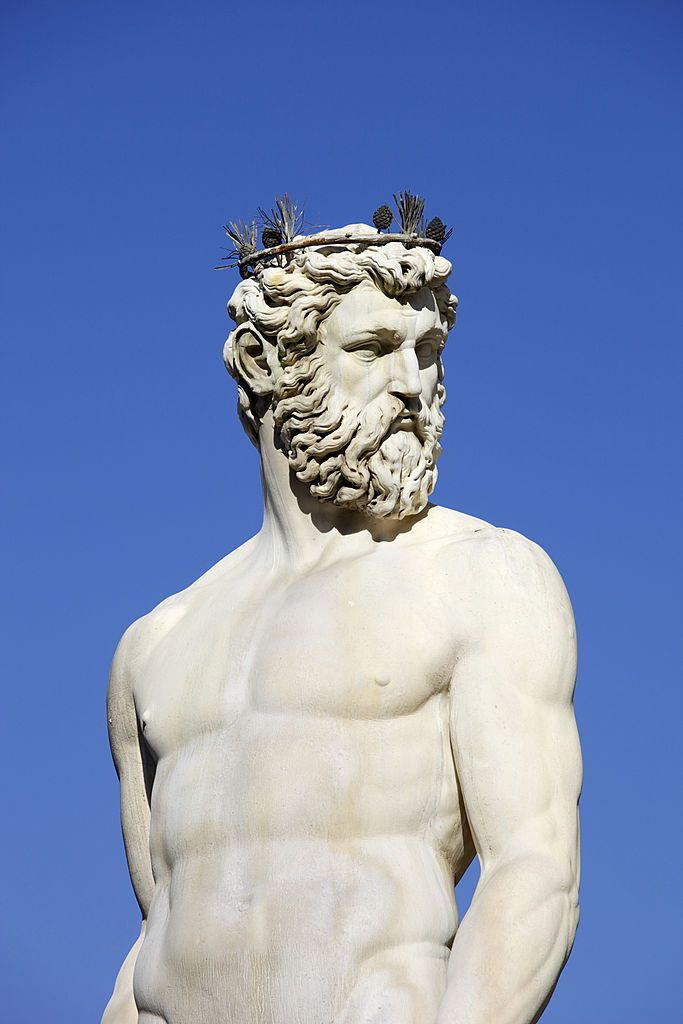
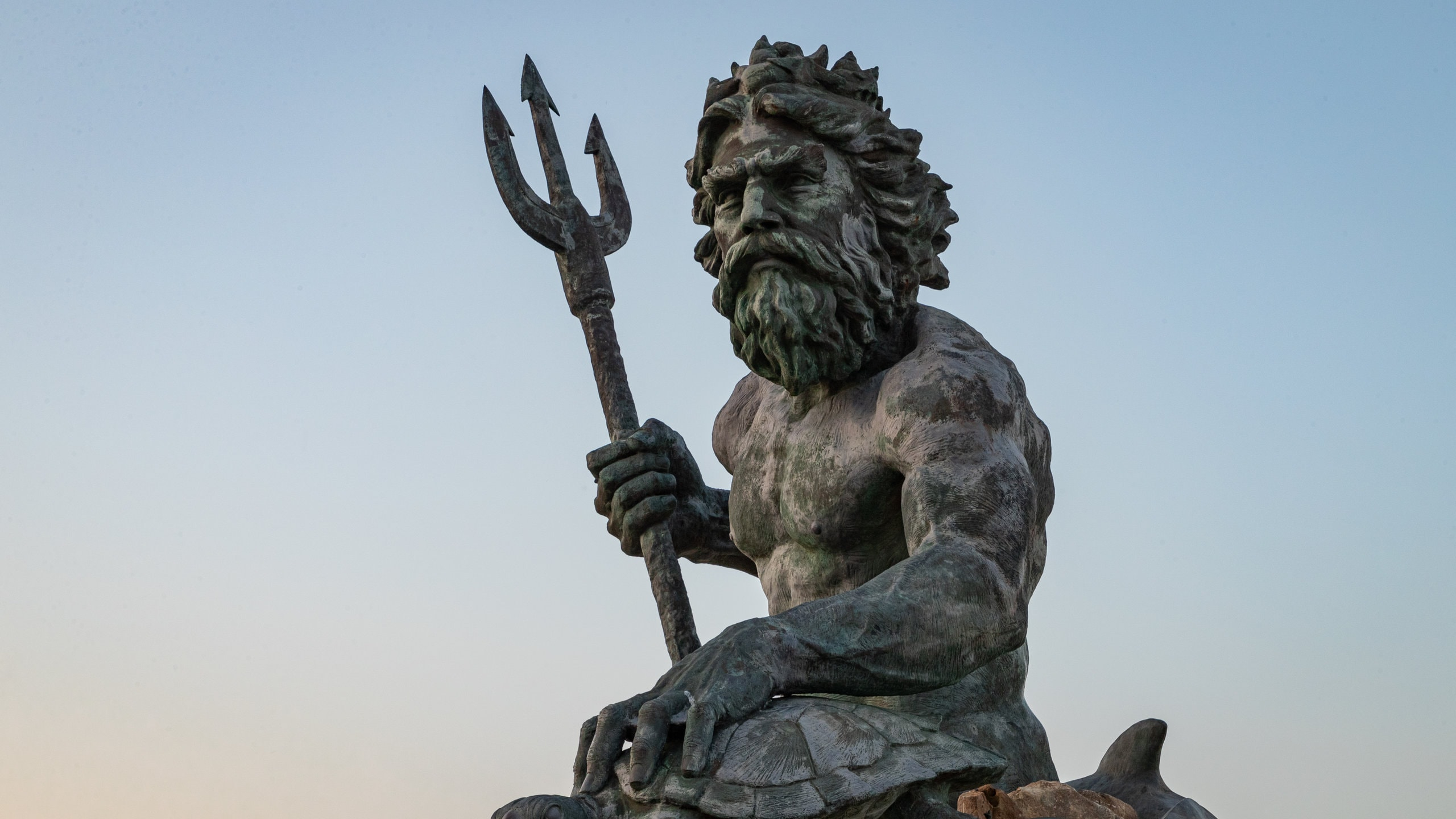
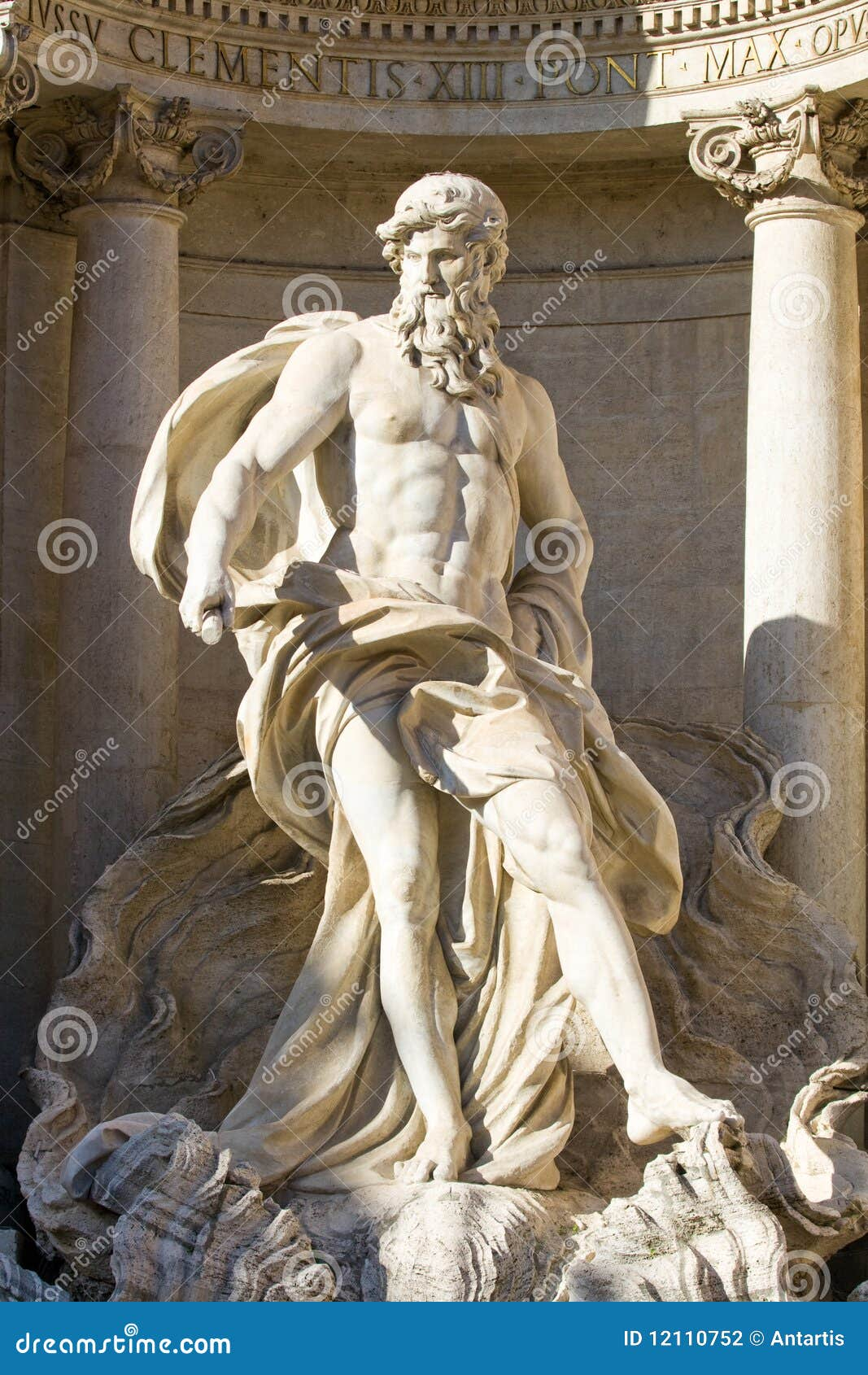
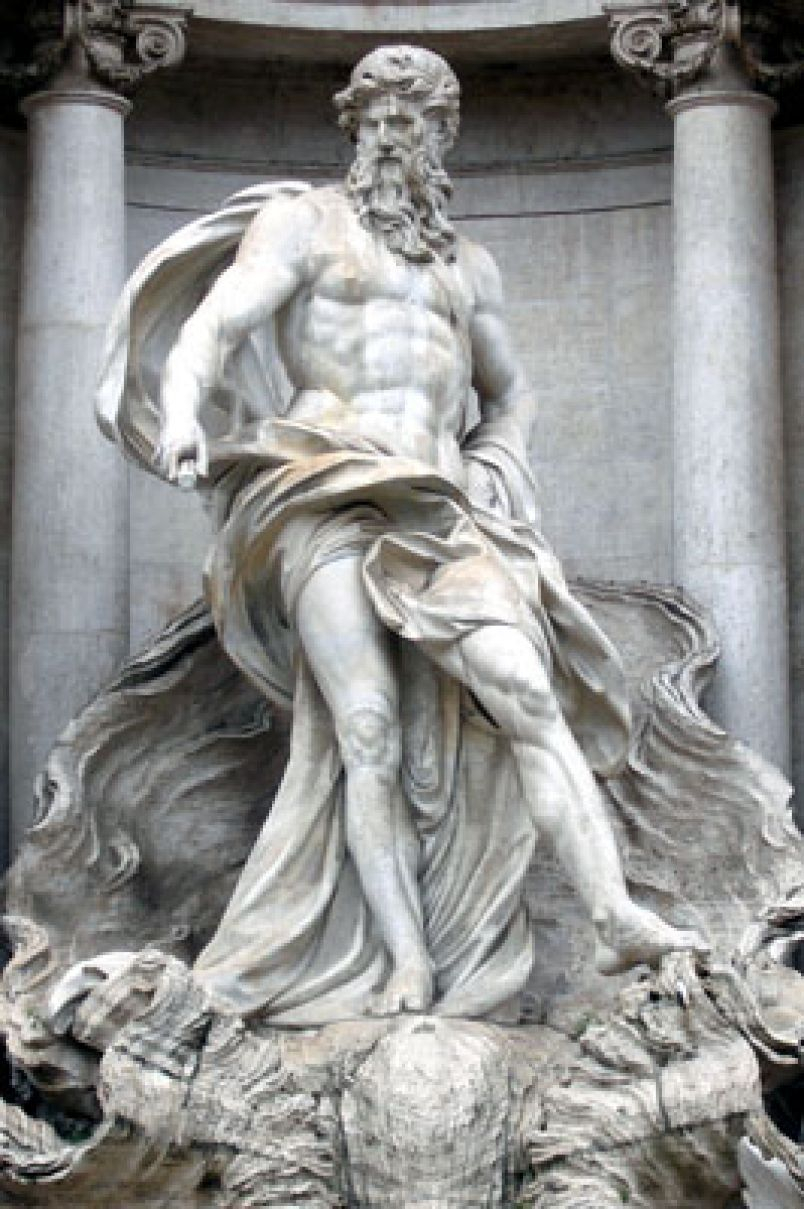
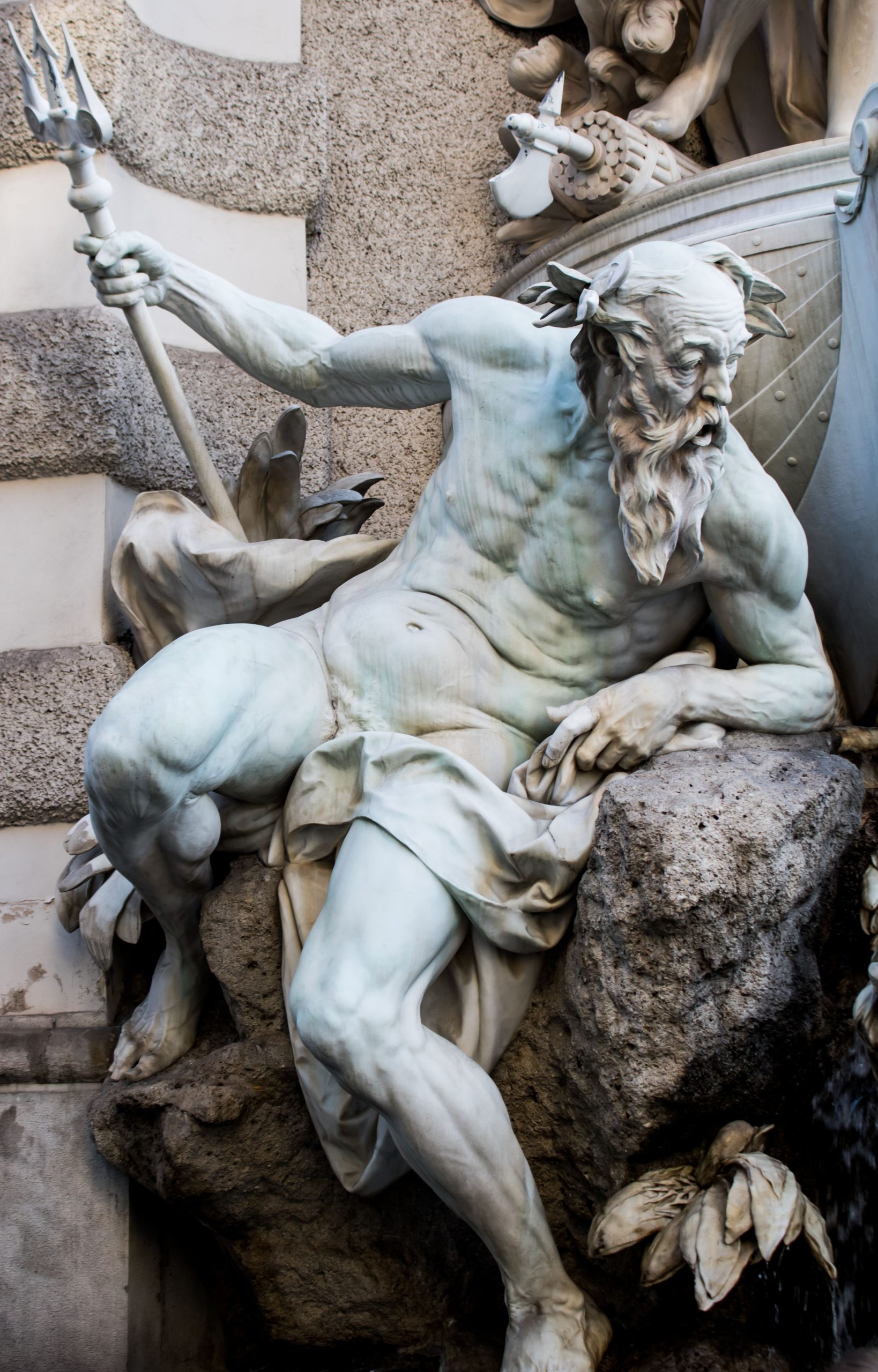
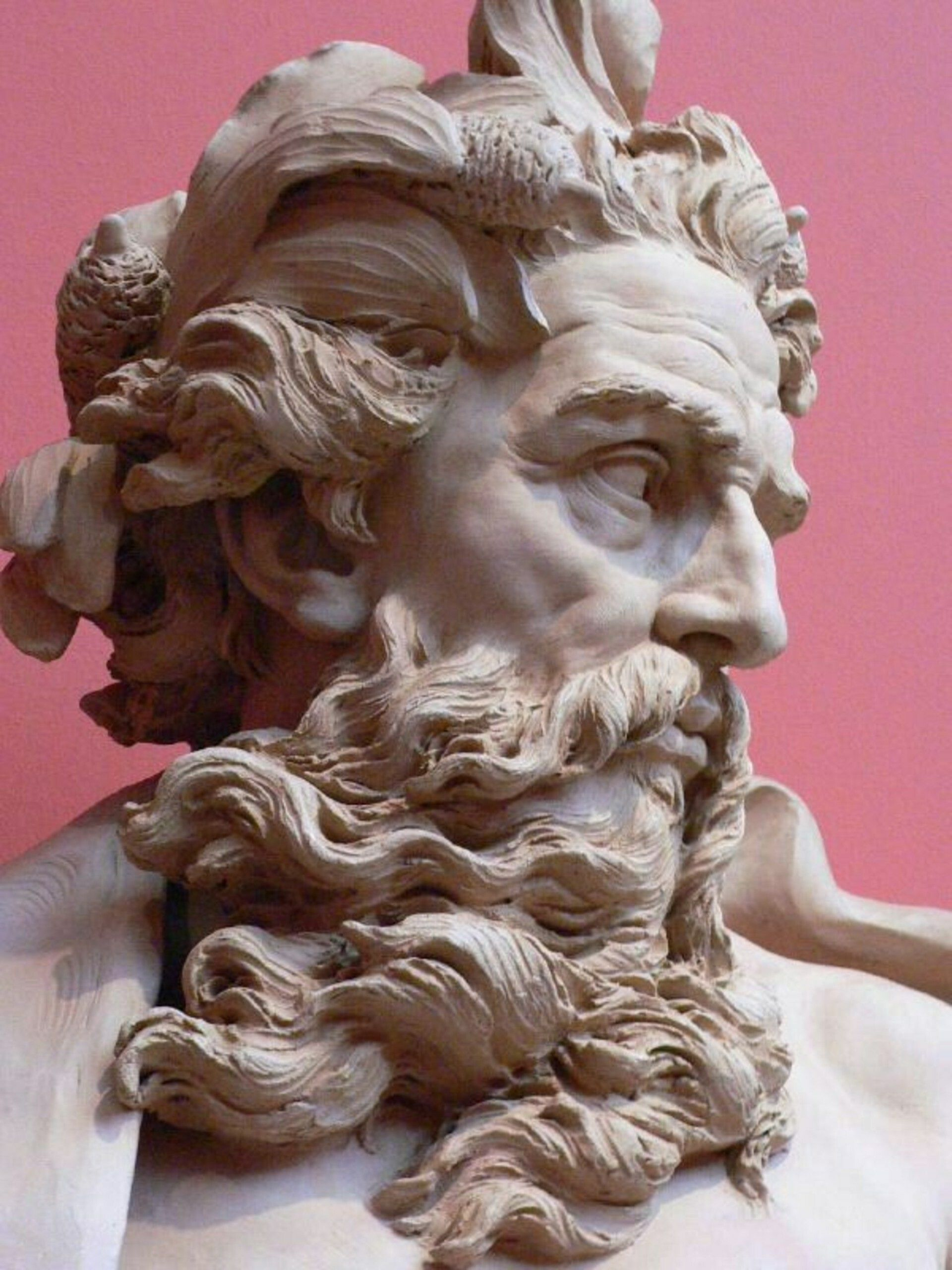
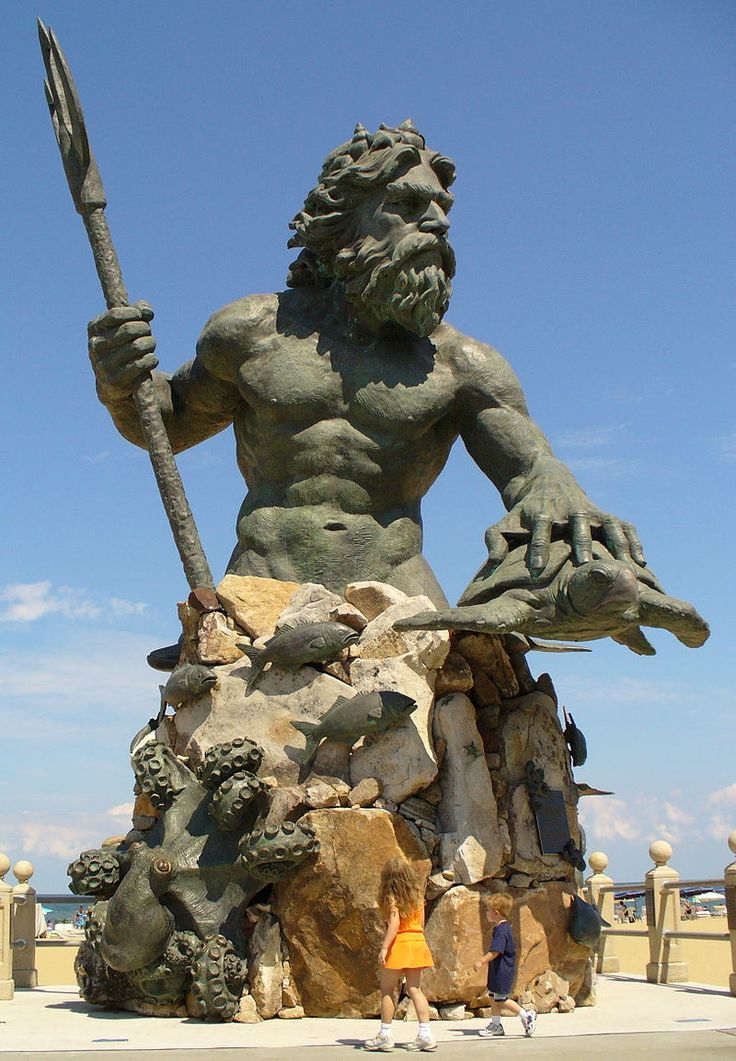
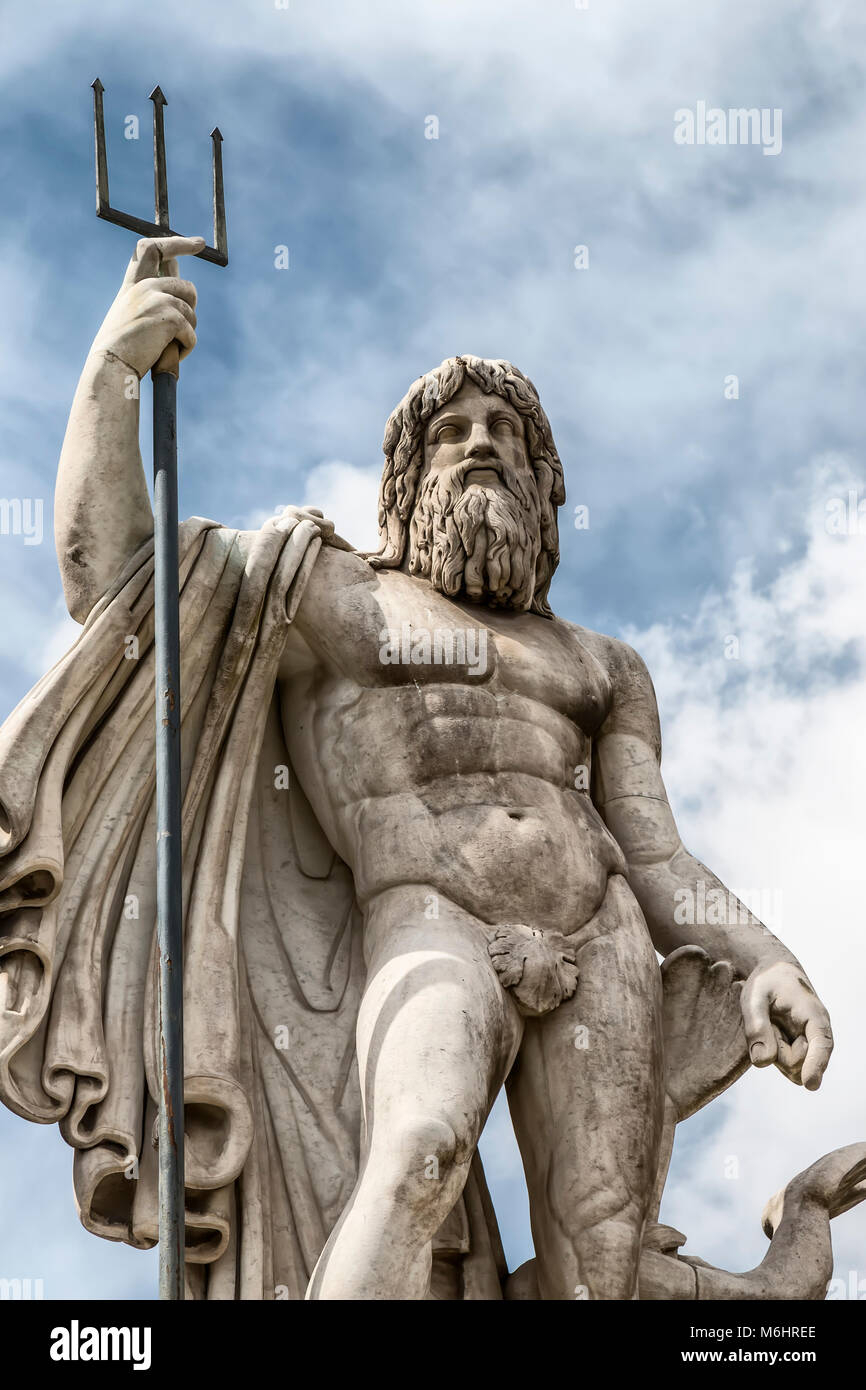
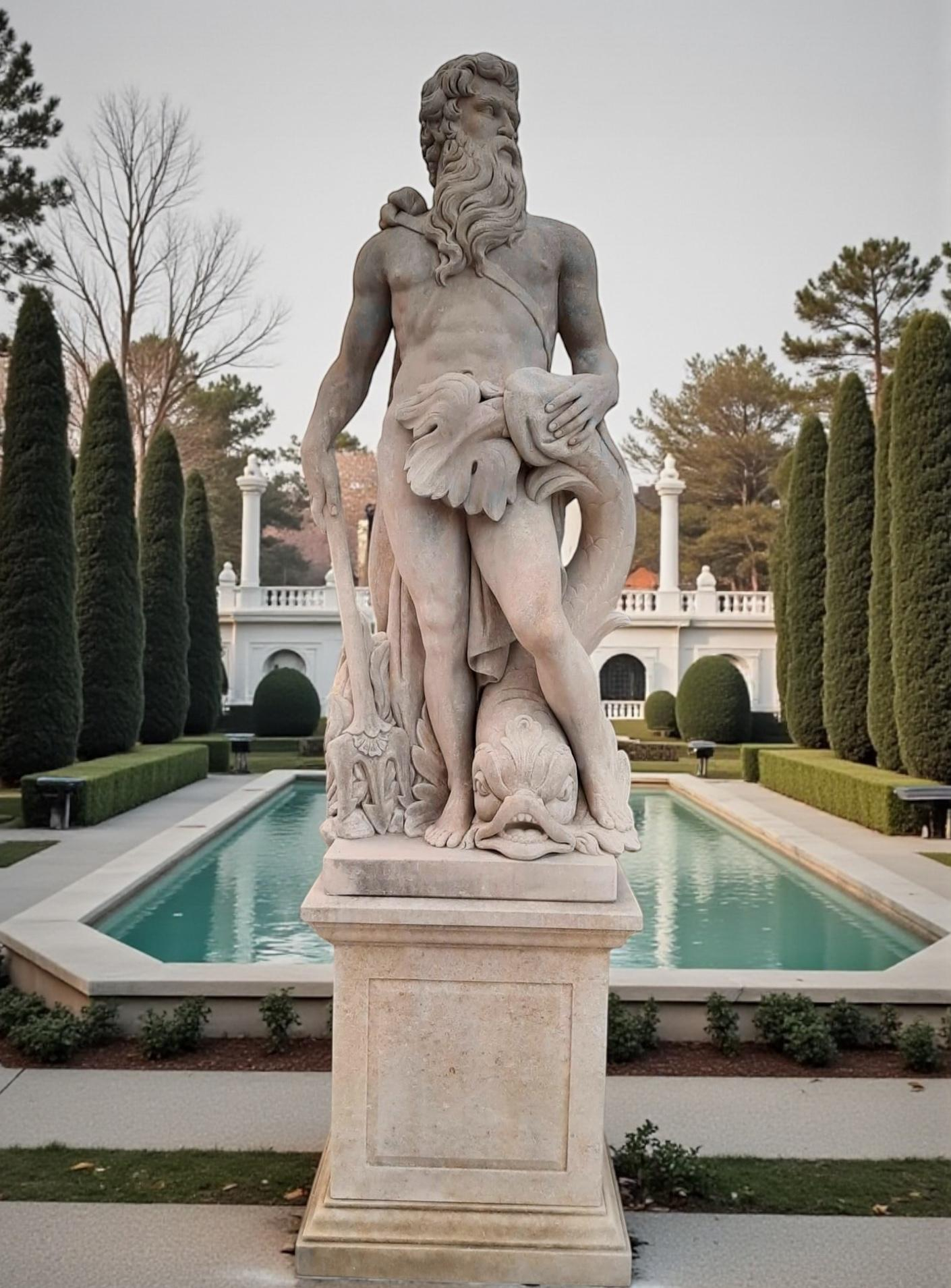
Frost does not care about the provenance of marble, nor does a summer downpour respect the delicate patination of a hand-cast bronze. When you walk through an overgrown estate garden or a manicured urban courtyard and spot a neoclassical figure standing resolute against the encroaching vines, you are witnessing a silent war. It is an ongoing physical negotiation between human artistic expression and the relentless, grinding erosion of the natural world.
For centuries, landscape architects and art collectors have chased a singular ideal: placing museum-grade classical beauty into the open air without watching it dissolve into unrecognizability within a single decade. The challenge is not merely aesthetic; it is deeply material. Choosing the wrong alloy, the wrong stone matrix, or a deceptive surface sealant can turn a priceless focal point into a crumbling, stained liability after just a few seasonal cycles of freezing and thawing.
Bringing classical proportions, mythological motifs, and traditional sculpting into an outdoor garden space requires an intimate understanding of physical science. Elements like ultraviolet radiation, airborne pollutants, wind-driven moisture, and freeze-thaw cycles subject art to punishing stresses. Navigating these constraints means looking past romantic initial impressions to evaluate structural integrity, mineral composition, thermal expansion rates, and long-term maintenance realities.
The Chemistry of Decay and the Anatomy of Outdoor Resilience
Understanding how outdoor environments attack classical art requires looking at the microscopic level. Rain is rarely pure water; environmental sulfur dioxide and nitrogen oxides transform precipitation into a weak acid that slowly eats away at calcium-based stones like marble and limestone. Meanwhile, porous materials act like tiny sponges. When water penetrates hairline fractures during a late autumn rain and temperatures subsequently plummet below freezing, that trapped water expands by roughly nine percent. This internal hydraulic pressure shatters stone from the inside out, turning solid bas-reliefs and structural plinths into brittle shards.
Metals face an entirely different set of environmental threats. Bronze, the traditional darling of classical sculpture, survives through a controlled oxidation process known as patination. When exposed to atmospheric moisture and oxygen, a stable copper carbonate layer forms, protecting the underlying metal from deep structural corrosion. However, in coastal environments carrying airborne salt spray or industrial zones laden with heavy pollutants, this protective layer breaks down. Chloride ions accelerate pitting corrosion, creating ugly green pustules and structurally weakening cast figures at their critical stress points and anchor joints.
Addressing these vulnerabilities demands a clear-eyed look at material purity and engineering tolerances. Modern landscape design has evolved past the naive assumption that traditional materials can simply be dragged out of a gallery and dropped onto a lawn. Today’s garden curator must evaluate tensile strength, porosity coefficients, and thermal shock resistance. A high-grade cast stone must have a water absorption rate under six percent, while structural armatures hidden inside monumental figures must utilize marine-grade stainless steel to prevent interior rust expansion from splitting the outer shell.
Comparative Material Analysis for Open-Air Display
Selecting the right medium means balancing visual authenticity with structural longevity. Traditional materials carry immense cultural weight, but contemporary metallurgy and composite manufacturing offer high-performance alternatives that mimic classical textures while defying weather extremes. Evaluating these options side-by-side reveals significant variations in lifespan, maintenance costs, and installation requirements.
Bronze remains the gold standard for figurative classical art due to its tensile strength and ability to capture hyper-detailed musculature, drapery, and facial expressions. Silicon bronze, alloyed with small amounts of silicon and manganese, offers exceptional corrosion resistance and a warm, golden-brown hue that deepens gracefully over decades. However, its initial cost is substantial, and it requires periodic micro-crystalline wax applications to seal out atmospheric pollutants and prevent active corrosion spots.
Natural stones like Carrara marble, travertine, and granite present a fascinating dichotomy. While marble evokes the timeless majesty of Hellenistic and Roman antiquities, its softness and calcium carbonate composition make it uniquely vulnerable to acid rain and frost spalling. Granite, by contrast, resists weathering almost indefinitely, but its hard crystal structure resists the delicate, translucent carving techniques characteristic of high classical drapery. For clients dead-set on marble outdoors, placement must be carefully calculated—sheltered beneath open pavilions or deep pergolas—and paired with breathable, siloxane-based impregnating sealers that block liquid water while allowing internal vapor to escape.
Cast stone and fiber-reinforced concrete have transformed the landscape of affordable classical display. Modern high-density cast stone blends crushed natural limestone, white cement, and chemical plasticizers to achieve compressive strengths exceeding 7,000 PSI, far outperforming traditional quarried sandstone. By embedding alkali-resistant glass fibers into the matrix, manufacturers can produce remarkably thin, lightweight architectural ornaments and urns that withstand dramatic freeze-thaw cycles without cracking. These engineered composites reduce foundation requirements while delivering the authentic visual weight of centuries-old European masonry.
Step-by-Step Methodology for Siting and Installing Garden Artistry
Proper installation is the invisible backbone of outdoor art preservation. Even the most weather-resistant bronze or stone will fail prematurely if mounted improperly or placed in a hostile microclimate within the garden ecosystem. Executing a museum-quality garden display requires a methodical approach that addresses drainage, anchoring, and environmental exposure from day one.
- Step 1 (Microclimate Assessment): Evaluate the intended installation zone for sun exposure, prevailing wind directions, and natural moisture traps. Avoid placing porous stone directly beneath heavy-drip tree canopies where organic acids from rotting leaves can stain the surface, and ensure the site avoids low-lying areas prone to standing winter water.
- Step 2 (Foundation and Drainage Engineering): Excavate a stable footing below the local frost line and backfill with compacted crushed gravel to create a free-draining base. Never mount heavy statues directly onto bare soil or untreated turf, as differential settling will cause structural tilting, stress fractures, and accelerated ground-moisture absorption.
- Step 3 (Mechanical Anchoring and Isolation): Secure monumental pieces using threaded stainless steel rods epoxied deep into both the statue base and the concrete footing. Insert non-staining elastomeric or neoprene shims between the stone base and the mounting surface to allow for thermal expansion and prevent capillary moisture transfer from the ground upward.
- Step 4 (Surface Sealing and Chemical Protection): Clean the artwork thoroughly with a neutral-pH surfactant to remove manufacturing residues or transportation grime. Apply a breathable, UV-stable impregnating sealer for stone, or a professional-grade acrylic-polyurethane lacquer or micro-crystalline wax for bronze, following manufacturer specifications for drying times and cure rates.
- Step 5 (Establish a Routine Maintenance Schedule): Schedule bi-annual inspections and cleanings to remove bird droppings, wind-blown debris, and organic growth like moss or lichen before they can etch into the surface finish or trap moisture against the material.
Common Pitfalls and Field-Tested Workarounds
Even experienced landscape designers occasionally fall victim to common technical missteps when installing classical art outdoors. Recognizing these hidden hazards prevents catastrophic failures that can ruin expensive art pieces overnight.
- Pitfall 1 (Using Standard Hardware Indoors and Out): Fastening outdoor art with standard carbon-steel bolts or galvanized screws leads to rapid oxidation, unsightly rust bleeding down white stone, and eventual structural failure. Always specify marine-grade 316 stainless steel or silicon bronze fasteners for every hidden pin, bracket, and anchor.
- Pitfall 2 (Applying Film-Forming Sealers to Porous Stone): Sealing marble or limestone with cheap acrylic gloss coatings traps internal moisture; when the sun hits it, the trapped vapor expands and causes the stone surface to peel and flake off in sheets. Always use breathable, penetrating silane-siloxane sealers that line the capillary pores without blocking vapor permeability.
- Pitfall 3 (Ignoring Winter Drainage Channels): Hollow bronze statues and stone urns frequently accumulate rainwater that freezes and bursts the vessel walls from the inside out. Drill discreet weep holes in hidden bottom corners to ensure internal drainage, and invert or cap vulnerable urns during harsh winter months.
- Pitfall 4 (Placing High-Detail Sculptures in Direct Irrigation Paths): Automatic lawn sprinkler systems often pump hard, mineral-laden well water directly onto outdoor statues, leaving crusty white calcium deposits that etch into stone and ruin bronze patinas. Adjust sprinkler heads to keep water streams entirely away from delicate art installations.
- Pitfall 5 (Neglecting Ground-Level Splashback): Heavy rain falling onto bare soil or gravel splatters mud, grit, and organic tannins onto the lower third of statues, staining porous surfaces beyond simple washing. Create a clean buffer zone by surrounding the sculpture base with smooth river stones or low evergreen ground cover that absorbs the impact of falling raindrops.
The Economic and Aesthetic Evolution of Outdoor Collections
Investing in weatherproof classical art is an exercise in long-term financial and aesthetic planning. While marine-grade stainless steel armatures, custom silicon bronze castings, and architectural cast stone carry a higher initial investment than hollow fiberglass or cheap resin garden center knockoffs, the lifecycle economics heavily favor quality. Premium materials require minimal intervention, resist environmental degradation for generations, and actually appreciate in character as natural weathering softens their edges into the landscape.
Furthermore, integrating classical artistry into a garden creates a living dialogue between nature and human artifice. The juxtaposition of weathered stone against crisp boxwood hedges or modern Corten steel planters brings a timeless human scale to the outdoor room. This design strategy anchors the landscape, giving the eye a focal point that feels grounded in history rather than subject to fleeting seasonal design trends.
As climate patterns grow more volatile and extreme weather events increase in frequency, the demand for robust, engineered outdoor art materials will only accelerate. Manufacturers are continuously refining advanced fiber composites and corrosion inhibitors, allowing contemporary foundries and stone-cutters to push the boundaries of what is possible in an open-air gallery. By prioritizing material science alongside artistic vision, collectors ensure their outdoor spaces remain enduring sanctuaries of culture and calm.
Strategic Frameworks for Long-Term Art Stewardship
Preserving a garden sculpture collection across decades requires moving away from reactive repairs toward a systematic stewardship model. Every material demands a predictable lifecycle of care, and anticipating these phases prevents minor environmental damage from escalating into major restoration projects.
- Establish a Baseline Registry: Document every piece in your collection with high-resolution photographs, material specifications, foundry stamps, exact installation dates, and maintenance logs to track changes over time.
- Monitor Seasonal Stress Windows: Perform rigorous pre-winter inspections in late autumn to clear drainage channels, apply protective waxes, and cover hyper-vulnerable pieces, followed by a post-thaw check in early spring to catch any minor cracking early.
- Train Landscape Maintenance Crews: Educate local gardeners and groundskeeping teams on the specific vulnerabilities of your art installations to ensure string trimmers, leaf blowers, and chemical fertilizers never come into direct contact with vulnerable surfaces.
- Consult Conservation Professionals: For monumental, historic, or high-value bronze and marble pieces, hire a professional art conservator every five to seven years for deep cleaning, specialized patina repair, and structural integrity assessments.
The art of placing classical beauty under the open sky is an exercise in humility. We cannot stop the rain, command the frost, or halt the slow march of oxidation. What we can do is master the underlying science of our materials, respecting the physical limits of stone and metal while engineering environments where art can weather gracefully alongside the earth.
When you invest time into proper material selection, meticulous anchoring, and thoughtful seasonal maintenance, your garden transforms from a simple plot of land into a living estate. The statues standing among your ferns and stone pathways cease to be fragile ornaments; they become permanent residents of the landscape. They stand as enduring witnesses to the changing seasons, catching the autumn light and holding their ground against the winter winds with quiet, unshakeable dignity.