Ever walked past an old house and found yourself staring at the front door. Not just glancing, but realy looking at the gorgeous details above the frame? It happens more often than you think, especially when you run into the legendary pieces known as Cincinnati Tile 10. These aren’t just pieces of baked clay or molded stone; they are the literal soul of American craftsmanship.
For generations, the entryways of our homes have served as the handshake between the private world inside and the public space outside. In places like Cincinnati, Ohio, a unique movement blossomed that turned these simple transition points into grand statements of beauty. Let’s take a look at how these striking architectural overdoor plaques and sculpted tiles came to define a classic American look.
The Roots of the Cincinnati Clay Phenomenon
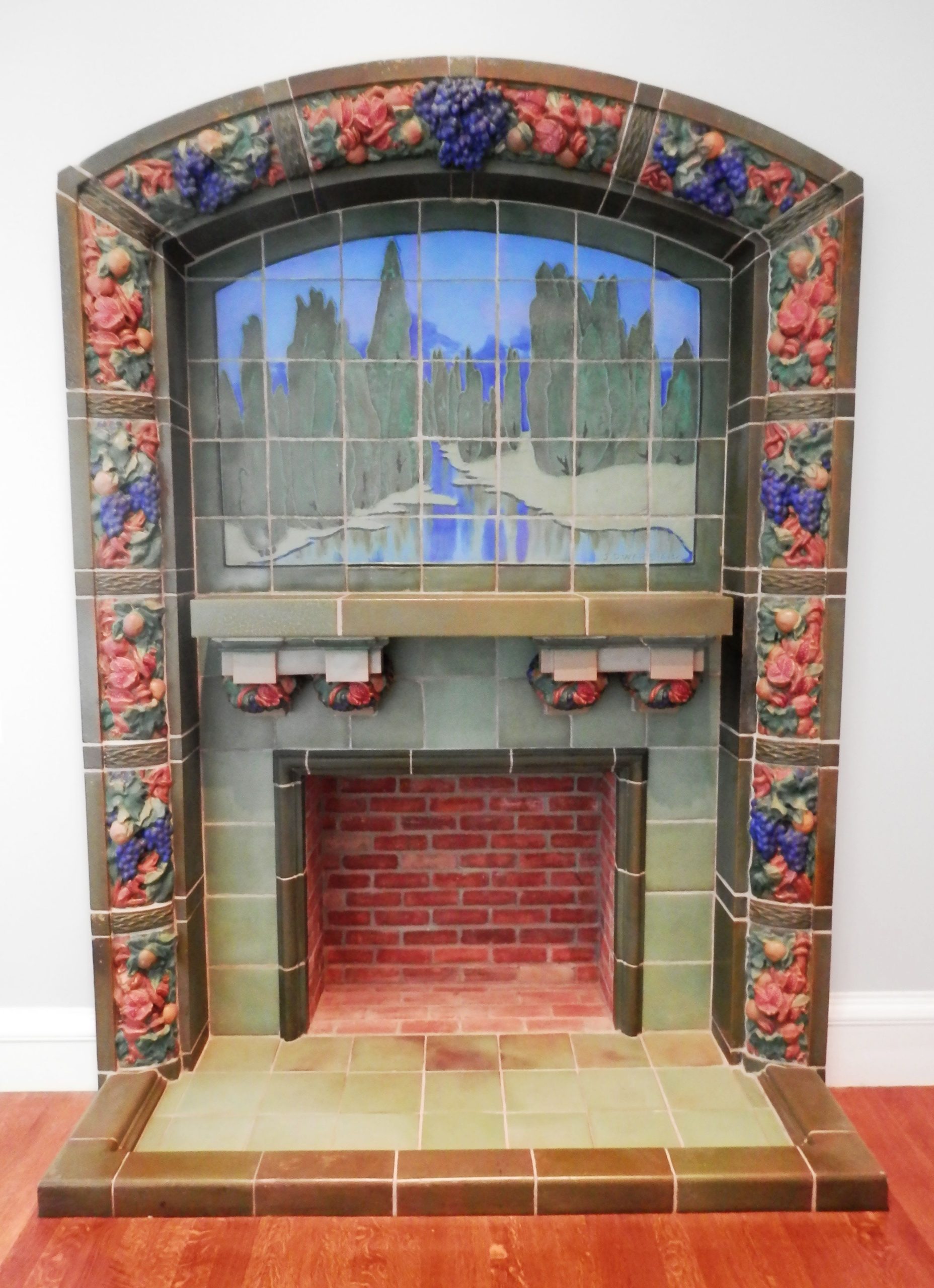
Back in the late nineteenth century and early twentieth century, the American Arts and Crafts movement took a massive leap forward right in the heart of the Midwest. Cincinnati became a booming center for art pottery, largely thanks to its rich natural clay deposits and an incredible community of passionate creators. Artisans wanted to break away from the cold, industrial machine-made look that was taking over the country at the time.
Instead, they chose to focus on the human touch, creating items that felt alive and personal. Doorways were the perfect canvas for this new philosophy. By placing beautifully sculpted tiles right above or around a front door, builders could instantly give a house a unique personality and a sense of warmth.
This trend quickly spread from local Ohio neighborhoods to homes all across the United States. People loved how a single piece of art could change the entire vibe of an entryway, making it feel welcoming and solid. It was the perfect blend of fine art and everyday home design.
Unpacking the Magic of Cincinnati Tile 10
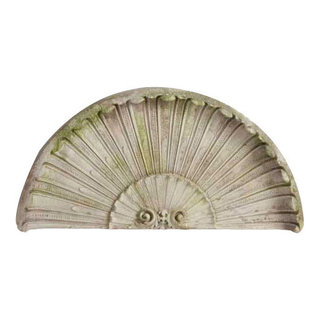
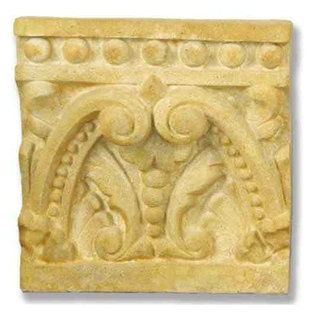
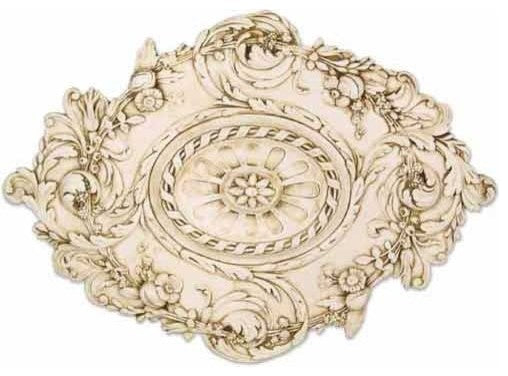
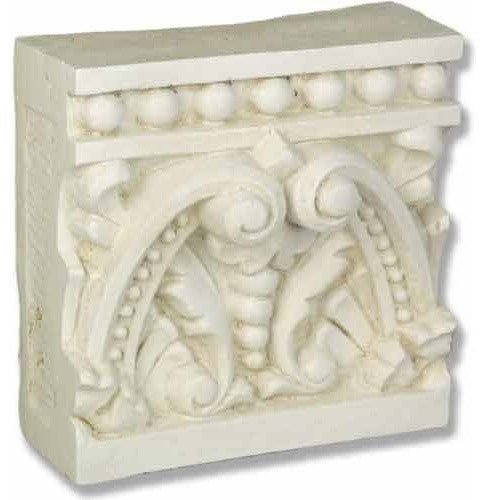
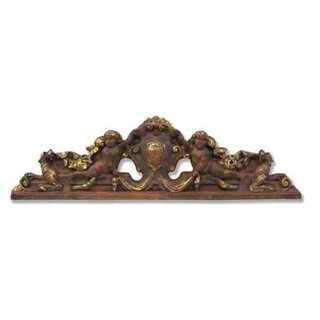
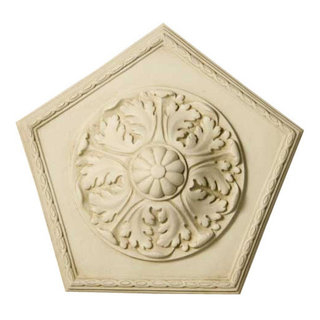
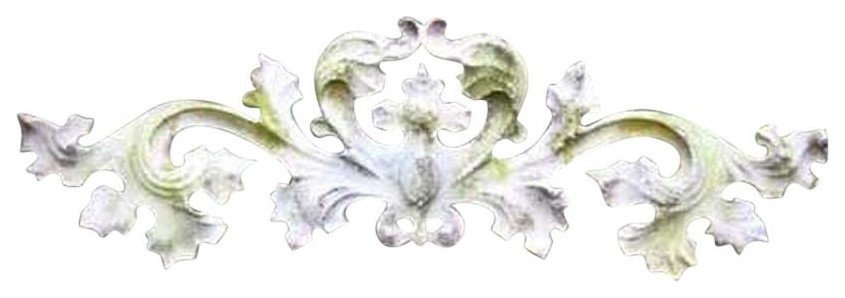
When people talk about Cincinnati Tile 10 today, they are usually referring to two incredible things: the iconic architectural overdoor plaques that replicate historic designs, and the modern collector pieces inspired by early catalogs. In the world of home decor, these ten-inch tall masterpieces are famous for their deep, three-dimensional details. They often showcase flowing natural shapes, delicate vines, or elegant geometric patterns that catch the sunlight perfectly.
What makes them so special is the sheer level of detail poured into every single square inch. Whether you look at a vintage original from the early 1900s or a modern fiberstone reproduction crafted for an exterior wall, the dedication to quality is completely undeniable. These plaques were designed to stand out, acting as a crowning jewel for traditional American entryways.
Even in 2026, the fascination with these specific dimensions and styles continues to grow. Homeowners are rediscovering that adding a classic overdoor plaque is one of the easiest ways to give a standard modern house some instant historical charm. It bridges the gap between our busy modern lives and the slower, more deliberate craftsmanship of the past.
The Hands That Shaped the Clay
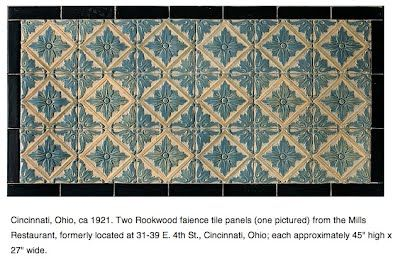
You cannot talk about these gorgeous tiles without celebrating the individuals who actually spent hours getting their hands dirty in the workshops. Legendary institutions like Rookwood Pottery paved the way, employing brilliant sculptors and talented glazers who treated every single piece like a fine painting. The legacy hasn’t stopped either; today, contemporary artisans like Rebecca Rohr and LaRae Fischer are still pushing boundaries in 2026, using historic 1912 archives to create breathtaking new iterations of Sculpted Tile No. 10.
These artists spend days perfecting the subtle curves of the clay before it ever touches a kiln. It takes an incredible amount of patience to ensure that the design doesn’t warp or crack under intense heat. The glazers then add their own magic, applying rich colors that pool beautifully in the deep grooves of the design.
Because every piece is finished by hand, no two tiles are ever exactly alike. You might notice a slightly darker shade in one corner or a unique brushstroke on the side. These little variations aren’t flaws; they are the authentic signature of a real human being creating something beautiful.
Transforming Simple Entrances Into Art
So, why did these tiles become so incredibly popular for American doorways specifically? The answer lies in how we view our homes. A front door is much more than just a way to get inside; it represents safety, family, and hospitality. By framing an entrance with high-quality tile art, early 20th-century homeowners were showing the world that they cared about beauty and quality.
Architects used these plaques to draw the eye upward, making small entrances feel grander and more important. A well-placed tile could turn a simple brick cottage into a charming storybook home. The deep textures created beautiful shadows that shifted throughout the day as the sun moved across the sky.
This design trick still works wonders today. If you are looking to spruce up your own home, placing a Cincinnati-style plaque above your front door or installing accent tiles around the frame can create a stunning focal point. It adds a layer of sophisticated texture that paint and standard siding simply cannot match.
Preserving and Caring for Architectural Treasures
If you are lucky enough to own a home with original historic tiles, or if you decide to invest in a premium handmade ceramic piece, taking proper care of it is essential. Weather can be tough on exterior ceramics, especially in areas that experience freezing winters and scorching summers. Moisture can sometimes seep into tiny cracks, causing the clay to chip over time.
To protect your investment, make sure the tile is properly sealed and mounted using weather-resistant materials. A gentle cleaning with a soft cloth and mild soap is usually all it takes to keep the surface looking bright and vibrant. Avoid using harsh chemical cleaners that might strip away the delicate glaze or damage the finish.
For modern reproductions made of materials like fiberstone or fiberglass, maintenance is a total breeze. These pieces give you the exact same look as historic heavy clay but are much lighter and can withstand tough weather without any extra fuss. They offer a fantastic, practical alternative for busy modern homeowners.
Bringing the Cincinnati Style to Your Modern Space
You don’t need to live in a historic mansion to enjoy the beauty of these artisan designs. There are plenty of fun, actionable ways to bring this classic look into your own living space today.
- Go for an Overdoor Accent: Hang a ten-inch architectural plaque right above your main entrance to greet guests with a touch of old-world elegance.
- Create a Framed Feature: Frame a single, highly detailed art tile in a rich wood frame and place it in your entryway hall as a conversation starter.
- Mix New and Old: Combine sleek modern door hardware with a rustic, textured Cincinnati-style tile to create a beautiful design contrast.
The key is to let the tile tell its own story without overcrowding the space. Let the rich textures and deep colors speak for themselves, and you will quickly see how a small touch of historic art can completely transform the atmosphere of your home.
At the end of the day, the enduring love for Cincinnati Tile 10 reminds us that great design never truly goes out of style. The dedicated artisans who pioneered these beautiful entryways left behind a rich legacy that still inspires us in 2026. They proved that everyday functional objects, like a simple doorway, deserve to be treated with care and artistic vision.
By understanding the history and the human effort behind these pieces, we can appreciate the built environment around us just a little bit more. Whether you are admiring a vintage tile on a historic neighborhood walk or adding a fresh piece to your own front porch, you are keeping a wonderful American art tradition alive.
It is a beautiful reminder that our homes are more than just shelters. They are places where art, history, and daily life come together in perfect harmony.