The air inside the workshop is sharp with the scent of isopropyl alcohol and microscopic aluminum shavings. Under the glare of 5000K color-corrected LED studio lights, a master printmaker holds a cotton-gloved hand inches above a raw, four-foot-wide sheet of brushed architectural aluminum. Reflected in the metallic grain is a desolate, mesmerizing expanse of glacial blue and blinding white—a high-resolution capture of an iceberg breaking away into the freezing waters of Svalbard. Before this image ever achieves its final commercial form, it must undergo a rigorous, unpredictable trial known as the artist proof. This single panel is not merely a prototype; it is the physical negotiation between a digital photograph of the extreme north and the unforgiving, light-reflective physics of raw metal.
Collector markets often treat terms like "artist proof" as marketing footnotes, casual indicators of rarity thrown around in fine art print sales. Yet, when applied to large-scale dye-sublimation metal prints—particularly those attempting to capture the ethereal luminance of arctic landscapes—the proofing process is an absolute crucible. Metal does not behave like cotton rag paper or heavyweight canvas. It does not absorb ink; it demands that ink be vaporized into its microscopic surface pores under extreme heat and pressure. Every shift in atmospheric humidity in the studio, every millivolt of variation in the flatbed heat press, and every subtle imperfection in the aluminum mill finish alters how the light plays across the finished piece.
Understanding this journey from pixels to polished alloy requires looking past the glossy marketing brochures and diving directly into the chemical baths, thermal presses, and critical eyes of the creators who refuse to let a piece leave the shop until the ice on the metal feels genuinely cold to the eye.
The Chemistry of Light and Aluminum Substrates
The foundation of any exceptional arctic metal wall piece begins long before the camera shutter clicks; it starts at the metal rolling mill. Not all aluminum is created equal, and using standard architectural or HVAC-grade sheet metal will spell immediate disaster for fine art reproduction. Fine art metal printing relies almost exclusively on specialized, ultra-flat aluminum alloys—typically 3003 or 5052 series—coated with a proprietary polyester or polymer layer designed to accept gasified dyes. This coating acts as the microscopic bridge between the rigid metal plate and the vivid chromatic spectrum of the digital file.
When tackling arctic subjects, the choice of surface finish becomes the artist’s most critical variable. Printers generally choose between a brushed silver finish, where the directional grain of the metal shows through the lighter areas of the image, and a white base finish, which preserves absolute color fidelity and high-contrast punch. For an arctic landscape dominated by blinding snow, deep crevasse shadows, and steel-grey ocean swells, a brushed surface introduces an organic, shimmering dimensionality. The unprinted brushed highlights mimic the actual reflection of sunlight off glacial ice, shifting as the viewer walks past the wall piece in a room. However, this interaction introduces immense volatility. If the digital file lacks proper density, the bright white snow fields can wash out entirely into glaring bare metal, losing all textural nuance in the drift lines.
The chemistry of dye-sublimation compounds this complexity. During the transfer phase, CMYK inks printed on specialized transfer paper are subjected to temperatures hovering around 400 degrees Fahrenheit (204 degrees Celsius). At this threshold, the solid dye turns directly into a gas, penetrating the polymer-coated aluminum surface and locking permanently into the molecular matrix as the metal cools. Because the dyes are translucent, the underlying metal surface dictates the luminosity of the entire composition. White does not exist as an ink color in this process; "white" is simply the absence of ink, meaning the brightness of the snow is entirely dependent on how well the technician manages the thermal transfer window without scorching the delicate polymer coating.
Calibrating the Cold: Managing Contrast and Dynamic Range
Translating the blinding, high-key luminance of an arctic environment onto a reflective metal substrate pushes digital color management to its absolute limits. Human eyes perceive a vast dynamic range when standing before a real glacier, picking up subtle variations in cyan, violet, and deep indigo nestled within shadows cast by towering ice walls. Standard monitors often fail to display these nuances accurately, and standard printers will clip the highlights into an unappealing, flat white. The artist proof phase serves as the empirical testing ground where digital theory collides with physical reality.
The first physical proof of an arctic metal piece almost always reveals the "metal effect trap." Because aluminum reflects ambient room light rather than projecting it like a back-lit computer monitor, dark shadow areas can easily block up into impenetrable black voids. Conversely, mid-tones that look perfectly balanced on a calibrated desktop screen can appear overly metallic and washed out once embedded in the aluminum grain. The proofing technician must analyze the test panel under standardized lighting conditions—typically a mix of 5000K overhead galleries and warm residential accent spots—to gauge how the piece will perform in actual living spaces.
Adjusting the digital master file for these discrepancies requires counter-intuitive editing techniques. To preserve the impression of sub-zero chill, operators often pull back warmth in the global color balance while selectively boosting micro-contrast in the shadow regions using specialized curves. They might introduce a subtle cool cyan cast into the mid-tone highlights to trick the human brain into registering the chill of the polar wind. Each adjustment requires a completely new physical test press, consuming time, expensive substrates, and energy, highlighting why the artist proof process remains a mark of uncompromising dedication rather than a shortcut.
The Step-by-Step Anatomy of Pressing an Artist Proof
Producing a flawless artist proof of a large-scale arctic metal piece demands clinical precision and an adherence to a strict operational sequence. Skipping a single step or misjudging a dwell time by ten seconds can result in out-gassing ghosting, uneven color saturation, or permanent thermal warping of the metal sheet.
- Step 1 (Substrate Preparation and Inspection): The raw aluminum sheet is cleaned meticulously using an industrial antistatic brush and high-purity isopropyl alcohol to eliminate microscopic dust particles or oils from handling, as even a fingerprint left behind can prevent proper ink gasification and create a permanent blemish.
- Step 2 (Transfer Paper Alignment and Heat-Resistant Anchoring): The mirrored digital transfer print is carefully aligned over the metal face, anchoring it securely with specialized heat-resistant silicone tape around the perimeter to prevent any microscopic shifting caused by convection currents inside the press.
- Step 3 (Thermal Flatbed Pressing and Dwell Management): The sandwiched assembly is slid into a heavy-duty pneumatic heat press, where top and bottom platens apply uniform pressure (typically around 40 to 60 PSI) at a tightly controlled temperature of 400°F for a precise dwell time ranging from 60 to 90 seconds depending on the panel thickness.
- Step 4 (Immediate Quenching and Paper Removal): Upon completion of the cycle, the hot metal sheet is quickly extracted, the transfer paper is peeled away in a smooth, continuous motion while the panel is still hot to prevent ghosting, and the metal is placed on a cooling rack equipped with heavy aluminum heat sinks.
- Step 5 (Critical Evaluation and Archival Marking): Once the metal cools to room temperature, the proof is mounted on a neutral grey evaluation wall, inspected under multiple lighting temperatures for color accuracy, grain consistency, and edge-to-edge saturation, and stamped on the reverse with "Artist Proof" alongside the master printer’s initials and date.
Navigating Common Production Pitfalls and Workarounds
Even master printmakers encounter persistent technical hurdles when pushing the boundaries of large-format metal printing. The sheer scale of a statement arctic wall piece introduces physical variables that small desktop printers never have to contend with. Recognizing these failure points separates amateur operations from professional fine art studios.
- Pitfall 1 (Out-Gassing Ghosting): Caused by the transfer paper shifting slightly during the opening or closing of the heat press, resulting in a blurry, double-image artifact along high-contrast edges like jagged ice peaks. Workaround: Employ high-tack thermal transfer tape across a grid pattern and utilize a pneumatic press with synchronized vertical lift rather than a clamshell opening mechanism that creates lateral air movement.
- Pitfall 2 (Substrate Warping from Thermal Shock): Large aluminum panels subjected to uneven heating or rapid cooling can warp or bow, compromising the flat, mirror-like quality required for wall mounting. Workaround: Always pre-heat the lower platen of the press, use thick-gauge substrates (minimum 0.045 inches), and let the metal cool naturally on a flat, perforated surface with active downward pressure.
- Pitfall 3 (Micro-Bubble Speckling): Tiny dots or unprinted voids appearing across the surface due to airborne dust or microscopic lint trapped between the transfer paper and the polymer coating during the press cycle. Workaround: Implement a dedicated clean-room style prep station equipped with ion-air blowers and electrostatic sticky rollers just prior to the transfer stage.
- Pitfall 4 (Color Shift Due to Ambient Humidity): Changes in workshop humidity levels can alter how transfer paper releases gasified inks, leading to unpredictable color casts from morning to evening shifts. Workaround: Maintain strict climate control within the printing studio (keeping relative humidity between 45% and 55%) and condition all transfer papers for 24 hours prior to printing.
- Pitfall 5 (Edge Burn and Polymer Degradation): Overheating the edges of the metal panel causes the protective polymer coating to yellow or scorch, ruining the crisp white appearance of snowbanks near the border. Workaround: Calibrate thermal platens with infrared thermometers to ensure absolute temperature uniformity across the entire surface, and use precision thermal cut-off timers.
The Broader Impact on Fine Art Longevity and Market Value
The artist proof process does more than just solve technical printing puzzles; it establishes the long-term archival integrity and economic pedigree of the artwork. In the realm of contemporary metal wall art, collectors are increasingly discerning about materials and longevity. Unlike traditional paper prints that require acid-free framing behind UV-protective glass to survive decades without degradation, a properly executed dye-sublimation metal piece is inherently rugged, waterproof, and fade-resistant.
The dyes locked deep within the polymer-coated aluminum are remarkably stable when exposed to normal indoor lighting conditions. Accelerated aging tests performed by independent laboratories indicate that high-end metal prints can resist significant fading for upwards of 60 to 100 years, outlasting many conventional photographic mediums. The artist proof serves as the baseline benchmark for this archival durability. By retaining the approved proof, the studio establishes an immutable standard for color matching, ensuring that future limited-edition runs or insurance replacements match the original vision with absolute fidelity.
Furthermore, the presence of verified artist proofs adds a layer of transparency and prestige to the acquisition process. In an era where mass-produced wall decor floods online marketplaces with cheap, disposable canvas wraps, a meticulously proofed metal piece stands as a testament to uncompromising craftsmanship. It signals to the collector that the artwork is not a digital file dumped onto an arbitrary manufacturing machine, but the culmination of rigorous testing, chemical mastery, and artistic vision.
Practical Recommendations for Selecting and Displaying Metal Art
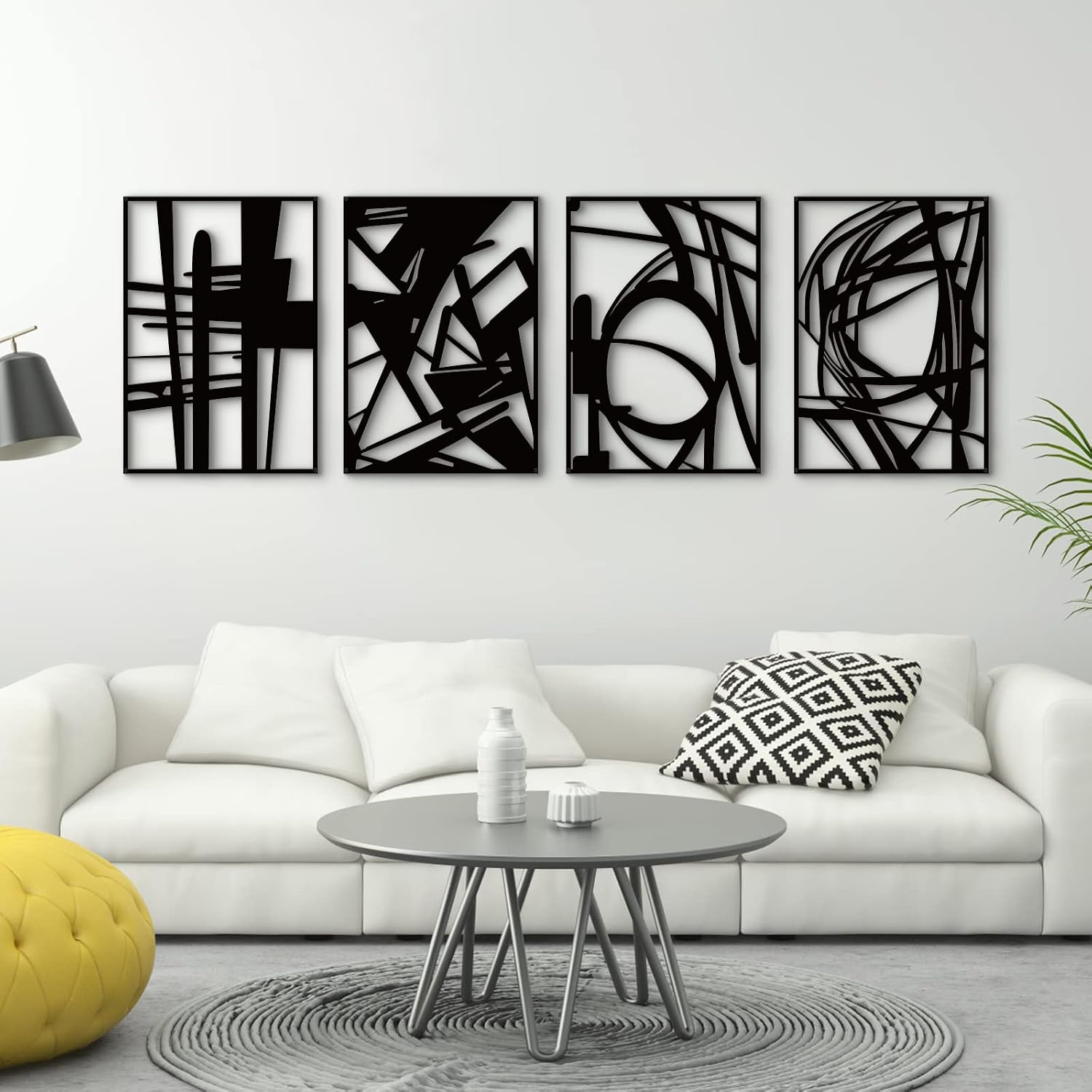
For interior designers, art consultants, and private collectors investing in premium arctic metal wall pieces, translating the technical achievements of the artist proof into a stunning residential or commercial installation requires thoughtful planning. Metal art interacts with its environment dynamically, meaning the viewing experience depends heavily on room architecture and lighting design.
- Prioritize Controlled Accent Lighting: Avoid placing large metal prints under direct, harsh overhead spotlighting that creates glaring hot spots on brushed aluminum surfaces; instead, use broad, diffused wall-wash fixtures or adjustable track lighting positioned at a 30-to-45-degree angle.
- Evaluate Room Color Temperatures: Remember that cool arctic blues and whites can feel sterile if placed in a room with excessively cold LED bulbs (above 4000K); pair these pieces with neutral or slightly warm ambient lighting (around 3000K) to create a sophisticated, balanced contrast.
- Verify Mounting Systems for Weight Distribution: Ensure that large-format metal panels (exceeding 36 inches) utilize heavy-duty French cleat mounting systems rather than simple wire hangers to distribute weight evenly and prevent any panel flexing or wall-mounting failure.
- Establish Maintenance Protocols: Clean the surface of the metal piece exclusively with a soft, lint-free microfiber cloth and mild, ammonia-free glass cleaner; never use abrasive scouring pads, paper towels, or harsh chemical solvents that can permanently scratch the delicate polymer coating.
The journey of an arctic metal wall piece—from a frigid polar expedition down to a glowing sheet of brushed alloy in a quiet workshop—reminds us that great art requires both inspiration and rigorous discipline. The artist proof process strips away the guesswork, transforming raw industrial materials into a window framing the silent, majestic beauty of the earth’s most extreme frontiers. It is a meticulous dialogue between human intuition and chemical science, where every adjustment brings the volatile nature of ice and snow into sharp, permanent focus.
As printmaking technologies continue to evolve with advanced high-definition flatbed presses and enhanced eco-friendly polymer coatings, the standard for metal art will only climb higher. Yet, no matter how automated the machinery becomes, the human eye will remain the ultimate arbiter of quality. The subtle chill of a glacial valley, the quiet intensity of polar light, and the stark elegance of a frozen horizon cannot be reduced to simple algorithms. They demand the patience of the proofing table, the steady hand of the master printmaker, and an unwavering commitment to bringing the wild, untamed beauty of the arctic directly into our living spaces.