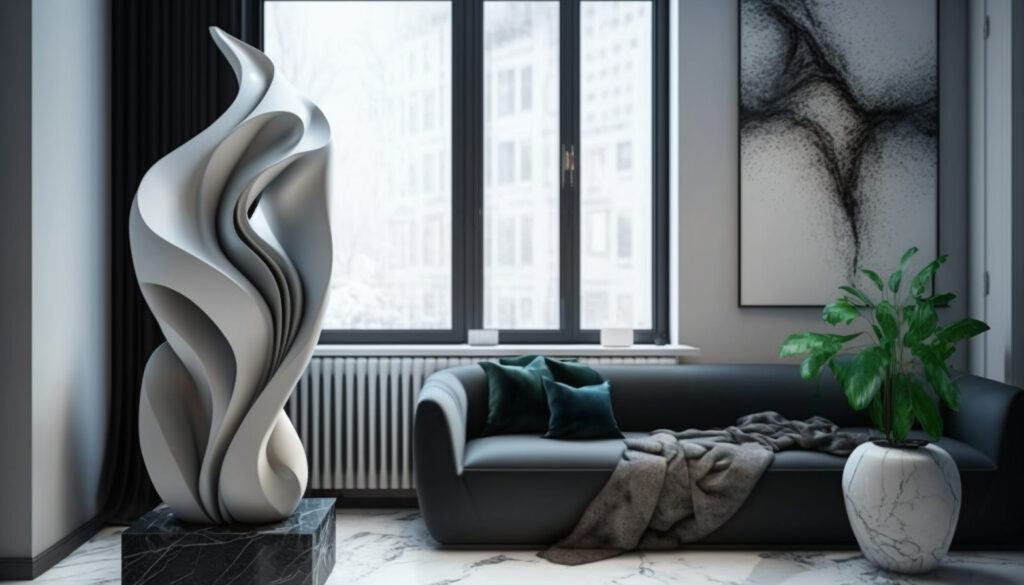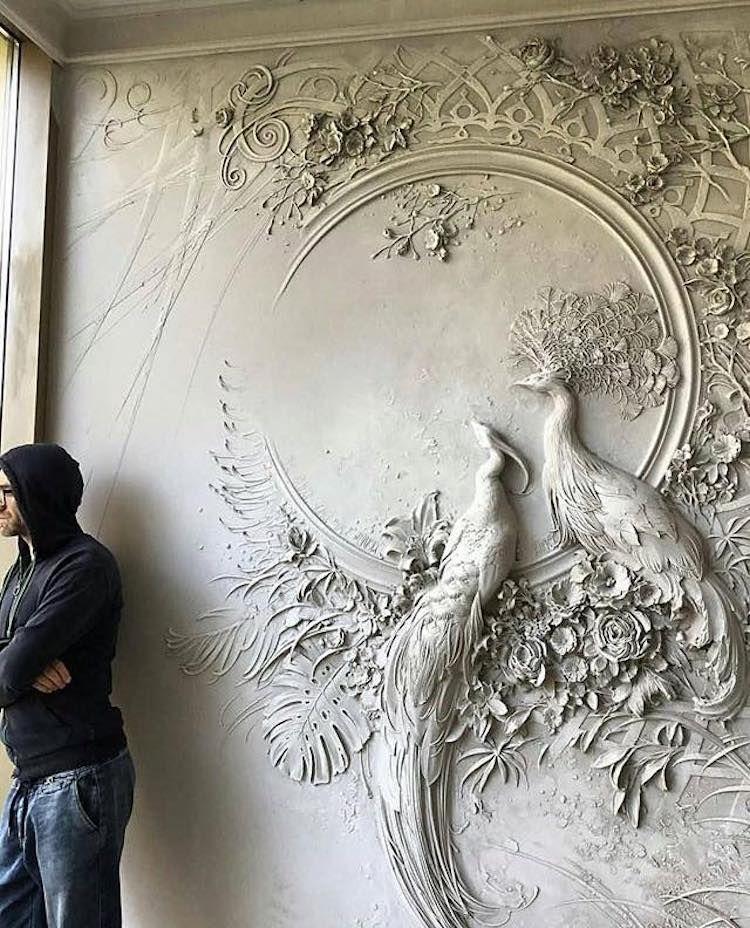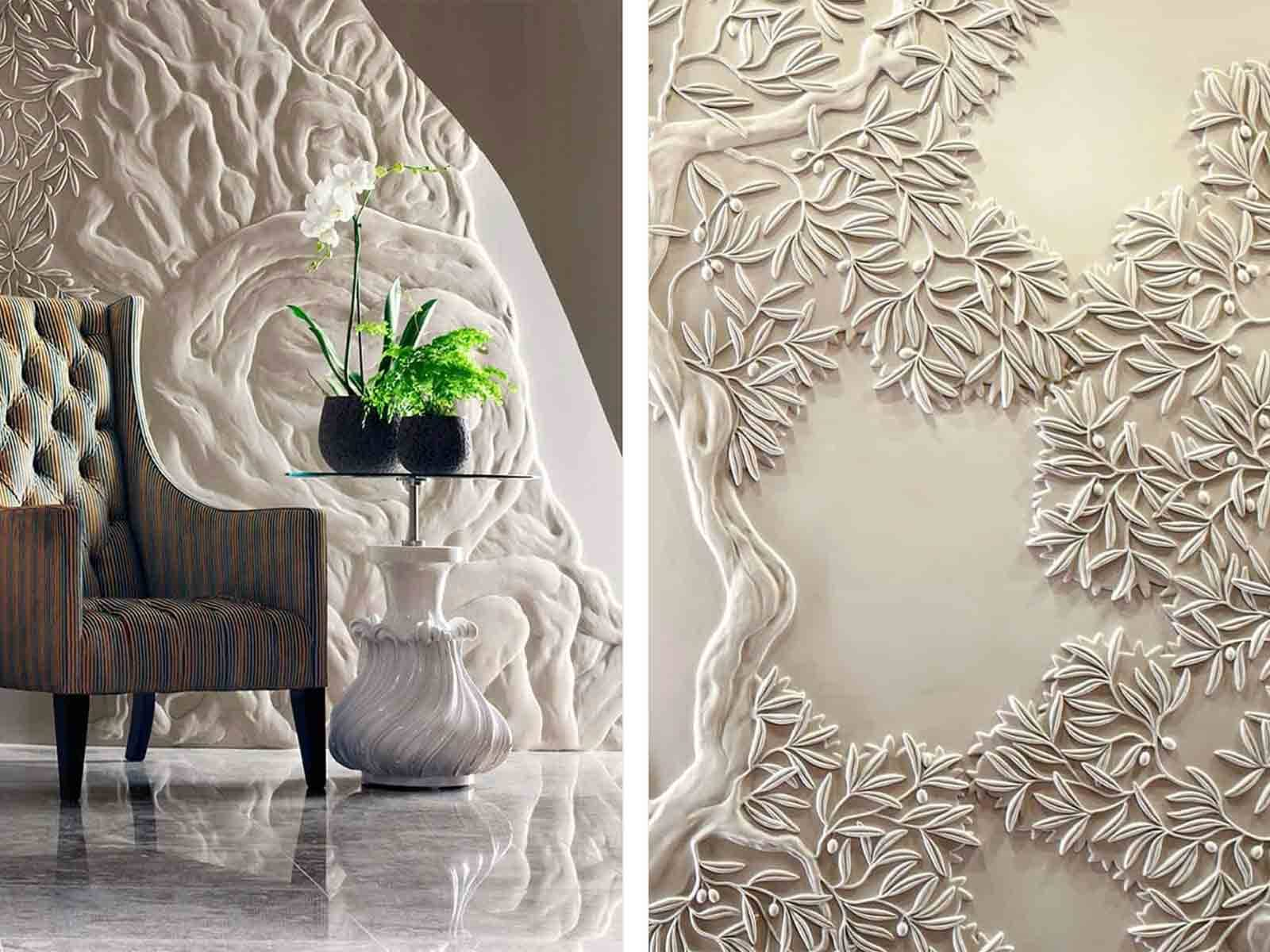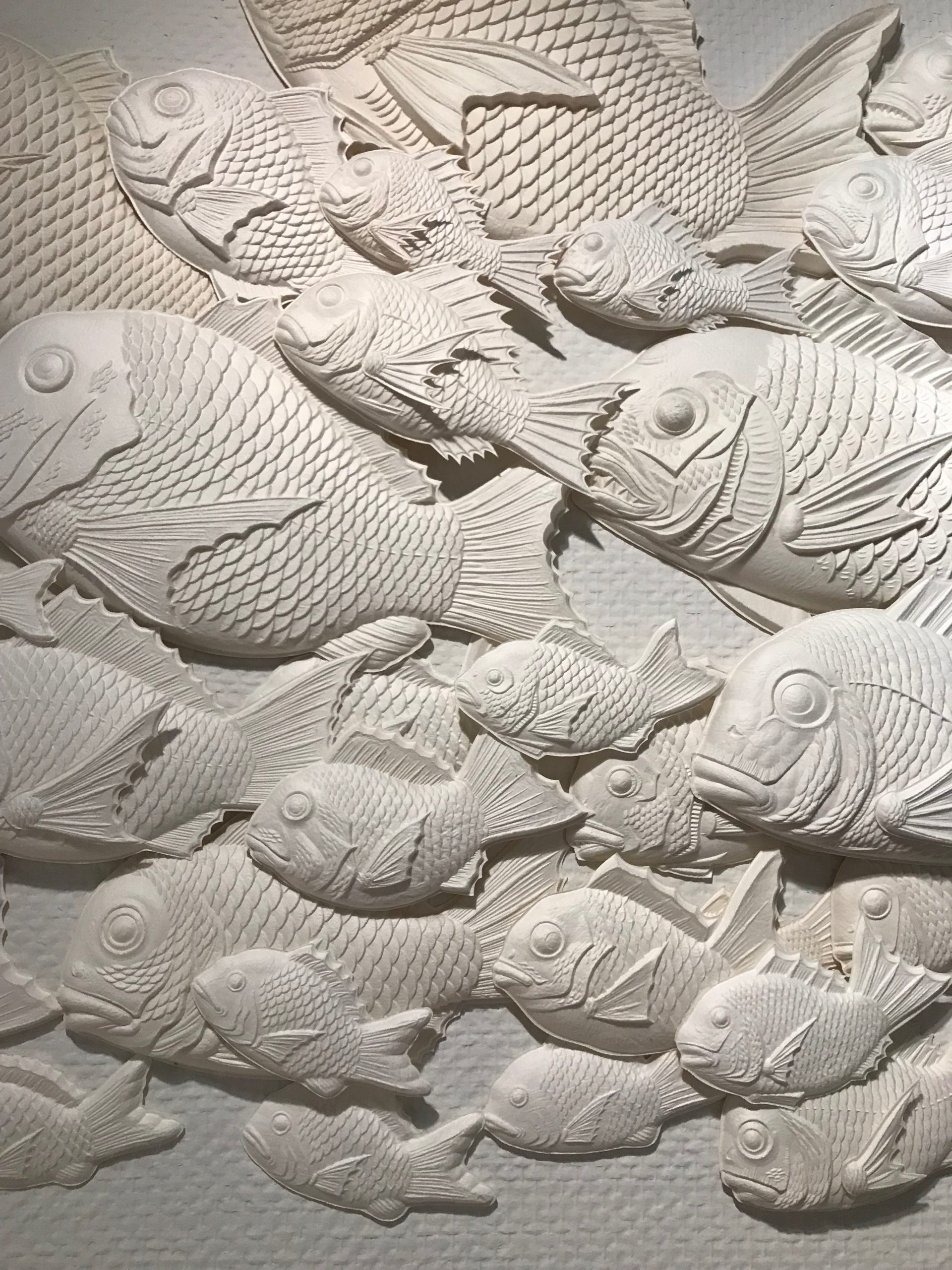
Walking into a room often reveals an immediate tension between the sterile geometry of contemporary architecture and the human craving for warmth, texture, and historical weight. Too many modern spaces lean into minimalism so aggressively that they start to feel frictionless, lacking any anchor that catches the eye or tells a story. People buy endless rows of neutral canvas prints and flat geometric posters, only to find the room feels hollow, lacking soul or permanence.
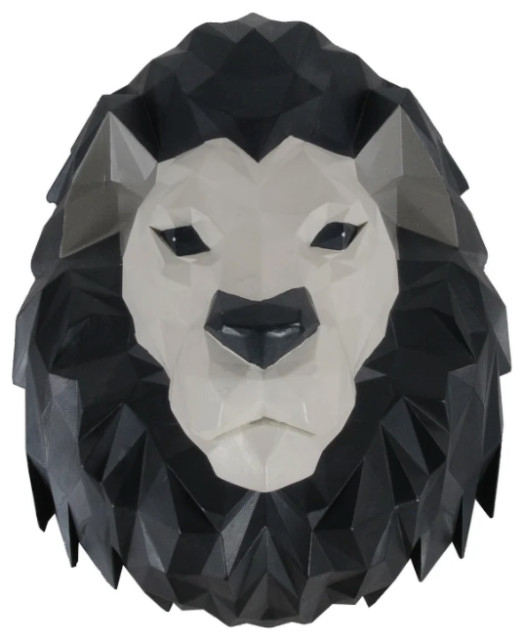
That spatial fatigue is precisely why classical sculptural elements have made such a fierce comeback in recent interior design circles. When you introduce a three-dimensional, high-relief art piece like the Lion Coin 12 wall decor, the dynamic of the entire room shifts. It stops being just another drywall surface and transforms into a canvas of shadow, light, and centuries-old symbolism.
The lion has served as an emblem of sovereignty, protection, and quiet confidence for millennia, carved into Roman temples, cast into medieval coinages, and mounted on the estate gates of the European gentry. Bringing a scaled-down, meticulously detailed 12-inch sculptural piece into a living room or entryway bridges the gap between historical gravitas and current design aesthetics. It refuses to whisper; it commands the space with understated authority.
The Intersection of Classical Sculpture and Contemporary Interior Design
Interior aesthetics tend to swing wildly between extremes, oscillating from hyper-ornate maximalism to stark, cold minimalism. Right now, the design world is leaning toward curated restraint, where every single object must earn its footprint. This means mass-produced, flimsy plastic decor items are being discarded in favor of items with physical heft, architectural presence, and tactile authenticity. The 12-inch Lion Coin wall sculpture sits squarely at this crossroads, offering a compact yet remarkably potent dosage of classical antiquity.
Measuring roughly 12 inches across, this plaque hits a psychological and physical sweet spot in home styling. It is small enough to fit into tight architectural niches, gallery walls, or narrow transitional hallways, yet substantial enough to command a focal point when flanked by sconces or floating shelves. Sculpted often in durable fiberglass or cast stone variants with finishes like Antique Stone, these pieces capture the nuance of carved marble or weathered concrete without requiring structural wall reinforcement.
The low-relief "coin" format pays homage to ancient Roman and Greek currency, where rulers and patron deities were stamped into heavy metals to project eternal power. By framing the lion’s profile within a circular medallion, the design imposes geometric discipline on a fierce, organic subject. This juxtaposition makes it remarkably versatile. It pairs effortlessly with raw exposed brick in a loft, softens the clean lines of mid-century modern walnut furniture, and reinforces the earthy organic textures of modern rustic or Mediterranean-inspired interiors.
Decoding the Visual Psychology of Architectural Wall Plaques
Human eyes are naturally hardwired to seek out contrast, symmetry, and focal points that break visual monotony. In a modern living space dominated by flat television screens, smooth drywall, and straight-line furniture, flat art often fades into the background. A three-dimensional sculptural wall plaque introduces depth by capturing ambient light and casting authentic shadows across its surface contours.
The mane of the lion, the musculature of the jaw, and the raised lettering or border of the coin create an intricate topographical map of light and shade. As daylight shifts from morning sun to dim evening illumination, the expression of the lion appears to change, adding a living, breathing quality to static room decor. This optical dynamism keeps the brain engaged, preventing the space from feeling static or museum-like.
Furthermore, integrating animal symbolism into home spaces speaks to deeply ingrained psychological needs for safety and grounding. Architectural historians note that lions have guarded thresholds and hearths since antiquity because their imagery triggers a primal sense of security and establishment. Hanging a lion coin plaque near an entryway or above a living room fireplace mantle acts as a psychological anchor. It asserts that the home is a well-defended, intentional sanctuary insulated from the chaotic noise of the outside world.
Strategic Placement and Styling Methodologies for the Lion Coin Plaque
Positioning a sculptural art piece requires understanding the flow of foot traffic, eye-level sightlines, and the surrounding furniture scale. Because the piece measures 12 inches in diameter, it requires deliberate contextual framing to avoid looking lost on an oversized blank wall.
- Step 1 (Assessing Sightlines and Scale): Stand in the center of your target room and identify where your eyes naturally land when you first enter the space. Aim to mount the center of the lion coin plaque roughly 57 to 60 inches from the floor, aligning with standard gallery eye-level metrics to ensure optimal viewing impact.
- Step 2 (Curating Surrounding Negative Space): Avoid crowding the plaque with too many small surrounding frames. Instead, let it act as the standalone anchor of a small vignette, or incorporate it as the central anchor of an asymmetrical gallery wall featuring architectural sketches and botanical prints.
- Step 3 (Leveraging Lighting Dynamics): Install a dedicated picture light above the plaque, or position an adjustable floor lamp nearby to cast a low-angle directional beam. This side-lighting accentuates the high-relief details of the antique stone finish, creating dramatic chiaroscuro shadow effects.
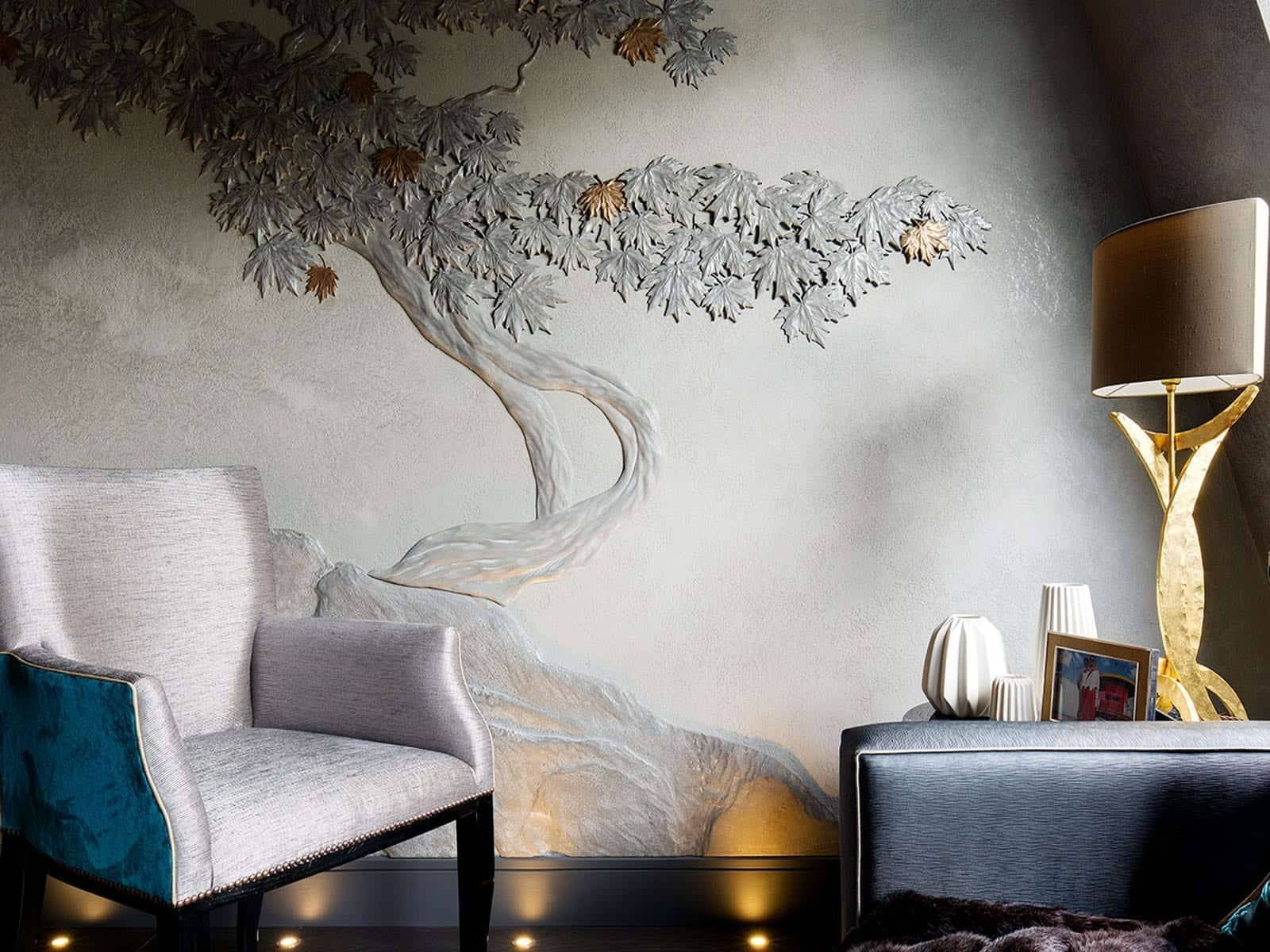
- Step 4 (Pairing with Complementary Materials): Anchor the display by mounting the plaque above textured surfaces like reclaimed wood consoles, Venetian plaster accent walls, or board-and-batten wainscoting to amplify the classical-meets-modern aesthetic.
- Step 5 (Extending Outdoor Living Zones): Utilize the weather-resistant qualities of fiberglass or cast stone variants by mounting the plaque on exterior patio walls, garden boundary fences, or outdoor courtyards to bring architectural sophistication to al fresco spaces.
Navigating Common Styling Mistakes and Material Considerations
Even the most striking art piece can fall flat if it fights against the surrounding room’s color temperature or scale. A frequent mistake homeowners make is treating wall sculptures like standard flat canvases, mounting them arbitrarily without factoring in weight, wall substrate, or lighting context.
- Pitfall 1 (Mounting Too High or Low): Hanging the plaque too close to the ceiling makes it feel disconnected from the room’s furniture, while mounting it too low looks cluttered. Always measure from the floor up rather than eyeballing it, keeping the center point near standard eye level.
- Pitfall 2 (Ignoring Wall Substrate Limitations): Assuming all wall anchors can handle heavy cast-stone or fiberglass pieces safely. Always locate studs or use rated toggle bolts and heavy-duty drywall anchors to ensure secure, wobble-free mounting.
- Pitfall 3 (Clashing Color Undertones): Pairing an Antique Stone finish with stark, cool-toned gray walls can make the decor look dirty rather than antiqued. Ensure your wall paint features warm undertones (like greige, warm cream, or terracotta) to complement earth-toned statuary.
- Pitfall 4 (Overcrowding with Competing Focal Points): Placing the lion coin plaque directly above a large, visually heavy television screen. This forces the eye into an awkward tug-of-war; instead, give the sculpture its own dedicated wall zone or fireplace mantle.
- Pitfall 5 (Neglecting Dust and Maintenance): Allowing dust to accumulate within the deep crevices of the lion’s mane and coin lettering. Use a soft-bristled brush or a can of compressed air during routine cleaning to keep the architectural details sharp and high-contrast.
The Broader Cultural Renaissance of Classical Motifs in Modern Architecture
The resurgence of classical motifs like the Lion Coin wall decor is not just a fleeting interior design trend; it is a cultural pushback against disposable culture. For decades, interior design was dominated by flat-pack furniture and fast-decor trends that lost their appeal within a couple of seasons. Consumers are now suffering from aesthetic fatigue, seeking out items that carry a sense of permanence, heritage, and uncompromising craftsmanship.
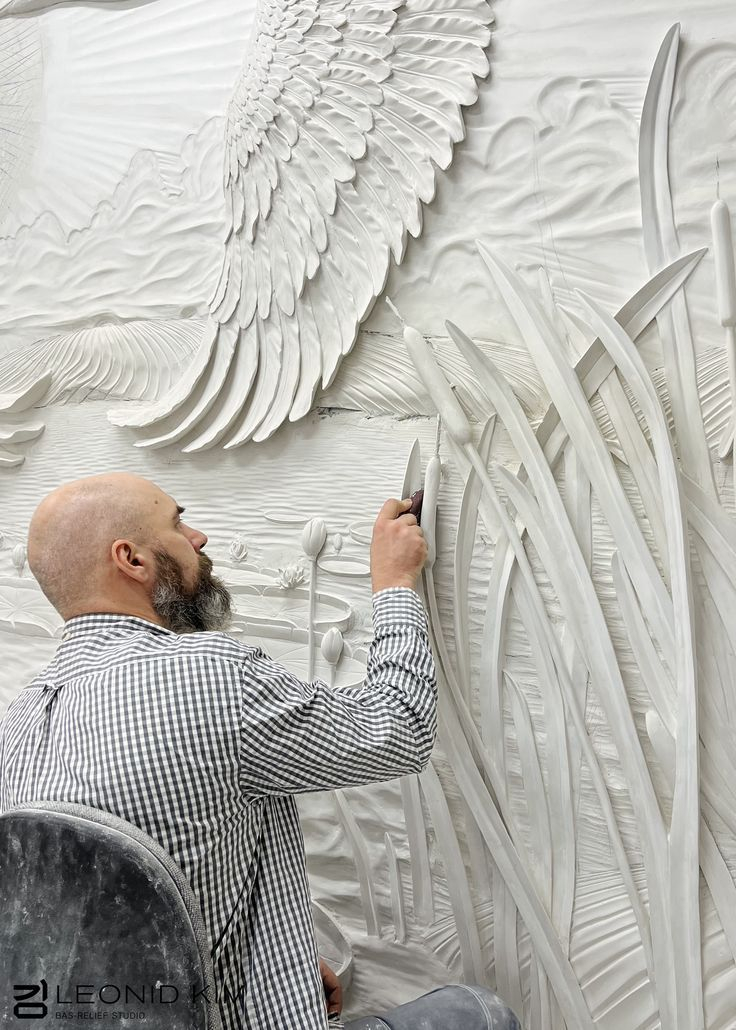
Statuary, bas-relief carvings, and architectural plaques invoke a sense of timelessness. They remind occupants of enduring human creativity, reaching back to ancient Roman coinage and Renaissance palazzos. When someone installs a piece of classical ornamentation into a slick, steel-and-glass apartment or a minimalist suburban home, they are injecting a narrative of historical depth.
This blending of eras creates what contemporary designers call "layered modernism." A home should never look like a furniture showroom frozen in a single year; it should feel like a curated collection of eras, travels, and personal values. The lion coin acts as a bridge across time, whispering of ancient kingdoms while sitting comfortably above a mid-century modern media console or next to a sleek smart-home control panel.
Curating Lasting Impact Through Intentional Home Art Selection
Transforming a house into a resonant home requires making deliberate choices about the objects you allow into your personal space. Every item on a wall contributes to the psychological atmosphere of the household. Choosing decor with strong symbolism and textural richness changes how you experience your living environment every single day.
When you select a piece like the 12-inch Lion Coin wall decor, you are prioritizing quality, tactile character, and visual gravitas over transient trends. It serves as a daily visual cue of resilience, calm authority, and grounded elegance. Whether mounted inside a cozy reading nook, an executive home office, or displayed outdoors on a sun-drenched garden patio, it holds its ground effortlessly.
By understanding how to balance scale, lighting, and material context, you elevate a simple piece of wall art into an architectural statement. The modern living space thrives on contrast—the softness of textiles against the hard edge of stone, the clean lines of contemporary builds against the timeless curves of classical sculpture.
Interior spaces are ultimately reflections of our internal states. When we strip our walls of noise and curate items that carry weight, history, and unmistakable character, our homes become true sanctuaries. The Lion Coin wall decor proves that you do not need massive square footage or museum budgets to introduce architectural grandeur into your daily life.
As we look toward the future of home design, the fusion of classical history with modern minimalism will only deepen. People want homes that feel grounded, protective, and visually arresting. Taking the time to select, mount, and illuminate a piece of sculptural heritage is a small yet profound investment in the ambiance of your living space.
Let your walls speak of permanence. Embrace the texture, honor the history, and let the quiet majesty of the lion anchor your modern world for years to come.