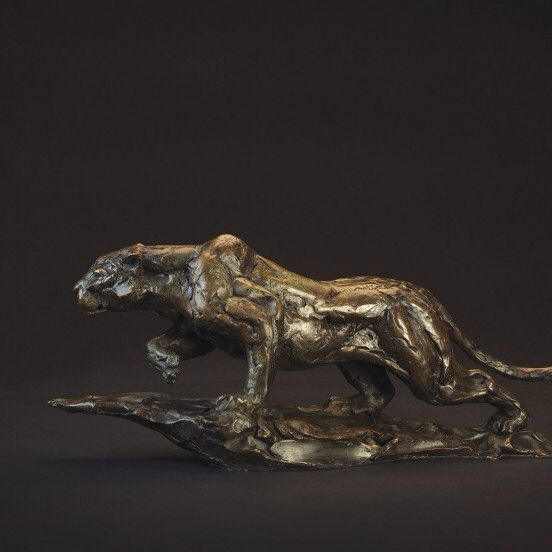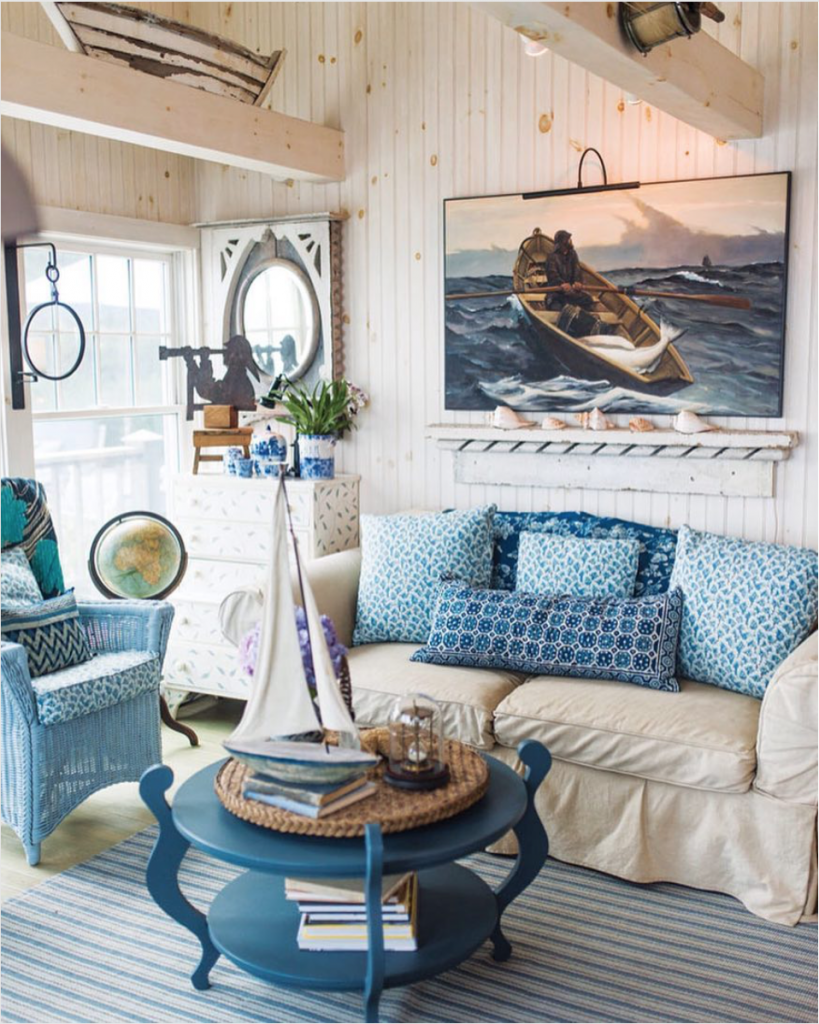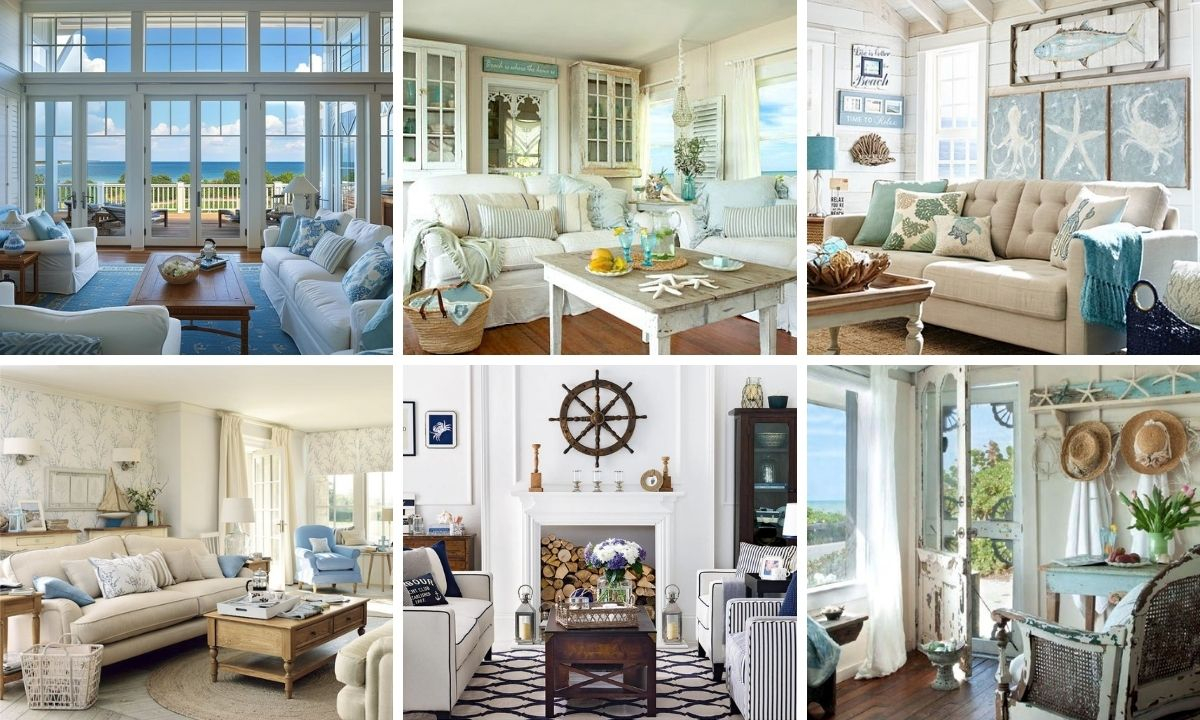
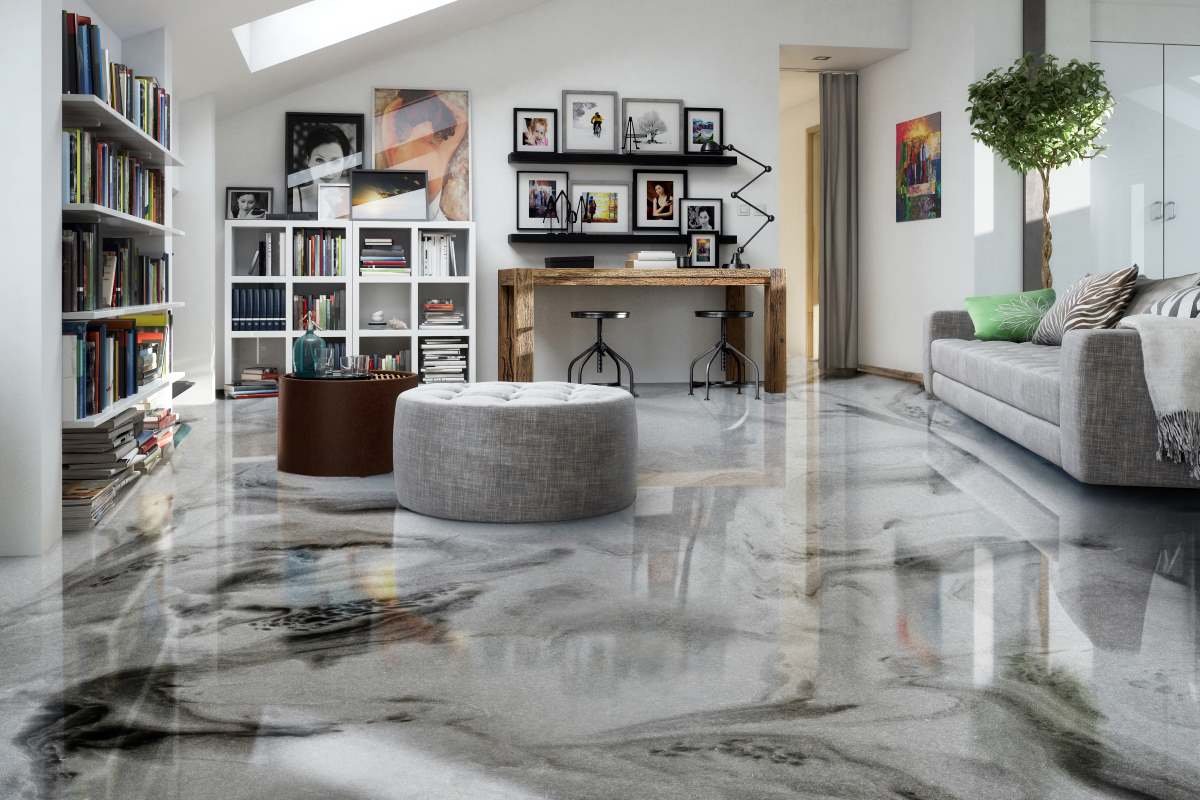
The afternoon sun cuts diagonally across a chevron-patterned white oak floor, hitting an object resting on a matte-black cantilevered credenza. It is a life-sized wolf head, cast not in traditional taxidermy or heavy bronze, but in a hyper-polished silver resin that catches the ambient light and refracts it across the stark walls of a downtown loft. There is no rustic lodge sentimentality here, no heavy antler chandeliers or faded tartan blankets. Instead, the piece commands the room with the quiet authority of a contemporary art installation. This is the new front line of interior architecture—where wild, untamed nature is filtered through an industrial, high-gloss aesthetic that feels right at home alongside mid-century modern furniture and brutalist concrete accents.
For decades, incorporating wildlife into high-end interior spaces meant treading a very narrow, often predictable path. Designers relied on taxidermy, heavy wood carvings, or antiqued brass figurines that harked back to nineteenth-century hunting lodges and European country manors. While those traditional motifs held undeniable charm, they struggled to integrate into the clean lines, neutral color palettes, and industrial materials that define twenty-first-century residential architecture. The modern homeowner wants the primal, symbolic energy of apex predators without the moral ambiguity of real animal preservation or the visual clutter of rustic kitsch.
Enter the material science breakthrough of advanced cold-cast resins combined with electroplated metallic finishes. Designers and independent artisans discovered that resin could capture the microscopic nuance of a wolf’s wind-swept ruff, the predatory tension in its jawline, and the intense focus of its amber-free eyes, all while providing a lightweight, durable matrix. When coated in a liquid silver or chrome finish, these sculptures stopped mimicking taxidermy and started acting as hyper-modern mirrors of our built environment. They absorb the colors of a room, reflect the movement of inhabitants, and bridge the psychological gap between the concrete jungle and the actual wilderness.
The Material Evolution of Cold-Cast Resins and Liquid Metals
To understand why these sculptures dominate contemporary design mood boards, one must look closely at the laboratory bench rather than the art studio. Traditional sculpting mediums like solid silver, bronze, or marble are prohibitively heavy, astronomically expensive, and structurally rigid, making large-scale organic shapes nearly impossible to hang on standard drywall or mount on delicate console tables. Cold-cast resin solves this engineering bottleneck by blending finely pulverized metallic powders—such as genuine silver, nickel, and aluminum—with a high-grade epoxy or polyurethane resin base. Once poured into a master silicone mold, the mixture cures into a dense composite that possesses the cold touch and visual weight of solid metal at a fraction of the mass.
The finishing process elevates these pieces from industrial components to fine art. Master artisans employ electroplating or multi-stage chemical deposition to bond a micro-thin layer of pure silver to the resin substrate. This is followed by hand-buffing, polishing, and sometimes selective oxidization to create gradients of high-shine chrome and darkened gunmetal shadows. The result is a surface that plays tricks on the eye; it feels liquid yet solid, organic yet machine-made. In modern interior architecture, this duality is pure gold—or in this case, pure silver. It allows a sculpture to sit comfortably between a lacquered Italian sideboard and a rough-hewn travertine coffee table, tying disparate textures together through the universal language of reflection.
Furthermore, resin offers unmatched dimensional stability compared to organic materials like wood or bone. It does not warp under fluctuating humidity levels, crack in dry winter heating, or degrade when exposed to direct sunlight. This technical resilience means that a dramatic, howling silver wolf can be placed in sun-drenched coastal penthouses or minimalist desert retreats without requiring specialized climate control. The material science allows creators to push the boundaries of negative space, capturing flowing manes and wind-whipped fur in ways that would snap rigid metals or crumble traditional stone.
Psychology of the Apex Predator in Minimalist Spaces
Interior design is rarely just about filling physical voids; it is an exercise in environmental psychology. Minimalist spaces, while visually calming, can occasionally lean sterile or clinical if they lack a focal point that triggers emotional resonance. Humans possess an evolutionary hardwiring toward wildlife—a concept known as biophilia. We crave connection with the natural world, yet modern urban living systematically strips us of it. A silver resin wolf sculpture acts as a sophisticated biophilic anchor, introducing the archetype of the wild wolf into a controlled domestic environment without compromising the clean, uncluttered ethos of contemporary design.
The wolf occupies a unique psychological space in human culture. It represents loyalty, tactical intelligence, resilience, and an untamed independence that appeals to the modern urbanite navigating high-stress professional landscapes. By rendering the wolf in a sleek, reflective silver finish, designers neutralize the aggressive or frightening connotations of the animal, transforming it into a totem of sleek sophistication. The polished surface forces the viewer to confront not just the animal’s form, but their own reflection distorted across the creature’s curved muzzle or flanks. This interactive element dissolves the boundary between observer and art piece, creating an intimate moment of engagement within a quiet room.
In open-plan apartments and sprawling architectural residences, these sculptures serve as psychological anchors that zone large living areas. A large-scale silver wolf poised on a plinth creates a visual checkpoint, drawing the eye away from television screens and structural columns back toward a centralized point of natural contemplation. Designers note that clients frequently report a subconscious sense of protection and grounding when incorporating apex predator motifs into master bedrooms and executive home offices. The wolf becomes a silent sentinel, watching over the room with a gaze that is simultaneously piercing and serene.
Strategic Placement and Architectural Integration Frameworks
Integrating a high-gloss silver resin wildlife sculpture into a luxury interior requires a deliberate approach to lighting, negative space, and scale. Unlike traditional art that hangs flat against a wall, a three-dimensional sculpture interacts with its environment from every conceivable angle. Positioning requires an understanding of how natural light shifts throughout the day and how artificial downlighting interacts with mirror-like metallic coatings. A poorly lit silver wolf will simply look like a lump of gray plastic; properly illuminated, it becomes a blazing centerpiece that anchors the entire architectural narrative of a room.
Executing this integration successfully demands a systematic methodology that accounts for scale, surface tension, and visual hierarchy within the space:
- Step 1 (Scale and Proportion Mapping): Measure the cubic volume of the target room rather than just floor space, ensuring the sculpture occupies between 15% to 25% of the visual weight of its supporting furniture piece to avoid looking overwhelmed or oversized.
- Step 2 (Dynamic Lighting Design): Install a dedicated, narrow-beam recessed spotlight or an articulated track fixture equipped with a 3000K warm LED bulb at a 45-degree angle to maximize specular highlights across the sculpture’s polished facets without creating blinding glare.
- Step 3 (Surrounding Texture Calibration): Balance the cold, high-shine nature of the silver finish by pairing the sculpture with tactile, organic grounding materials such as boucle upholstery, raw-edge linen drapery, or fluted walnut wall panels.
- Step 4 (Plinth and Elevation Selection): Mount the sculpture on a floating cantilevered shelf, a matte-black iron column, or a monolithic concrete pedestal to elevate it to eye level and separate it from floor-level clutter.
- Step 5 (Negative Space Optimization): Ensure at least double the sculpture’s width in empty wall or floor space surrounding the piece, allowing the reflective surfaces to breathe and cast ambient light reflections cleanly across adjacent walls.
Navigating Material Quirks and Common Styling Missteps
Even the most sophisticated design elements can fall flat if mishandled. Because silver resin wolf sculptures possess an intense visual gravity, they can easily overpower a room or clash with existing design languages if certain architectural rules are ignored. One of the most frequent errors made by amateur designers is treating the sculpture like a traditional knick-knack, burying it on a crowded bookshelf among stacks of art books and vacation souvenirs. A high-gloss metallic apex predator demands breathing room; crowding it destroys its sculptural impact and turns a bold statement piece into visual clutter.
Another critical pitfall involves clashing metallic finishes within the same sightline. While mixed metals are a hallmark of contemporary design, haphazardly pairing a cool, chrome-plated silver wolf with warm, antiqued brass hardware and rose gold lighting fixtures creates visual chaos. Practitioners must establish a dominant metallic temperature for the space. If the silver wolf is the star, secondary metals should either match its cool tone or recede entirely into matte-black or gunmetal finishes. Furthermore, maintenance is a silent hazard; the high-gloss electroplated surfaces of quality resin sculptures act as fingerprint magnets and dust collectors, requiring specialized anti-static microfiber cleaning protocols rather than abrasive household chemical sprays.
Avoiding these missteps requires a disciplined eye and an understanding of spatial tension. Designers should view the sculpture as a living element within the room—something that breathes, catches light, and demands a specific zone of influence. By respecting the sculpture’s need for isolation and matching its undertones to the room’s overarching palette, spaces transform from ordinary rooms into curated galleries of modern wildlife expression.
- Pitfall 1 (Overcrowding the Display Zone): Placing the sculpture on a cluttered console table surrounded by photo frames and candles; Workaround: Clear a dedicated plinth or minimalist surface, letting the sculpture exist in complete isolation with at least two feet of clear negative space on all sides.
- Pitfall 2 (Ignoring Color Temperature Clashes): Pairing a cool, high-polish silver wolf with heavy yellow-toned incandescent lighting or warm oak finishes; Workaround: Utilize neutral 3000K to 3500K LED lighting and anchor the space with cool-toned grays, charcoals, and crisp whites to harmonize the metallic sheen.
- Pitfall 3 (Improper Dusting and Maintenance): Using standard paper towels or multi-purpose chemical glass cleaners that scratch soft electroplated silver coatings; Workaround: Invest in a specialized optical-grade microfiber cloth and a mild isopropyl alcohol solution designed for fine art metallic finishes.
- Pitfall 4 (Misjudging Natural Light Angles): Positioning the sculpture directly against a north-facing window where it sits in perpetual silhouette and shadow; Workaround: Place the piece perpendicular to primary windows so direct sunlight rakes across the metallic contours throughout the afternoon hours.
- Pitfall 5 (Disregarding Architectural Scale): Buying a miniature tabletop wolf head for a cavernous double-height great room where it gets entirely swallowed by the architecture; Workaround: Opt for life-sized or oversized floor-standing sculptures in grand spaces, reserving smaller tabletop variations for intimate studies and entry foyers.
The Broader Cultural Shift Toward Sustainable Luxury and Biophilia
The rise of silver resin wolf sculptures is not merely a passing interior design trend; it reflects a much deeper cultural pivot toward sustainable luxury. Modern consumers increasingly demand aesthetics that do not compromise ethical values. Traditional taxidermy, while sometimes sourced ethically, carries heavy psychological baggage and historical associations with colonial exploitation and animal cruelty. Even genuine metal casting carries a massive carbon footprint due to the immense energy required for smelting and mining raw ores like solid silver or bronze.
Cold-cast resin production, by contrast, utilizes recycled metallic powders bound in stable polymer matrices, significantly lowering the carbon footprint per manufactured unit. This aligns directly with the values of conscious consumers who want to invest in heirloom-quality decor pieces that respect the planet. By abstracting the wild animal into a reflective, man-made material, the design industry acknowledges that we can celebrate nature without exploiting it. This philosophical shift opens the door for a new wave of wildlife art that is respectful, ethical, and infinitely adaptable to the demands of sustainable residential architecture.
Looking forward, interior designers anticipate that this hybrid approach—combining organic animal archetypes with futuristic industrial finishes—will influence furniture design, architectural hardware, and exterior landscaping elements. As smart homes integrate more natural lighting systems and biophilic principles, objects that reflect and amplify natural phenomena will only grow in demand. The silver wolf is just the vanguard of a broader movement toward mindful, nature-inspired modernism that honors our primal instincts while embracing the cutting edge of material science.
Curating Your Space with Intentional Wildlife Art
Transforming a room with a silver resin wolf sculpture requires treating the piece not as a decoration, but as an architectural collaborator. Start by auditing your current room layout to identify dead zones where natural light pools during peak hours. These sunlit corridors are prime real estate for a high-gloss metallic sculpture, as they allow the piece to actively participate in the room’s daily illumination cycle. Pair the sculpture with furniture that features low profiles and clean, uninterrupted lines, allowing the organic curves of the wolf’s anatomy to provide a stark, beautiful contrast to boxy sofas and geometric coffee tables.
Remember that restraint is the ultimate luxury. A single, perfectly placed silver wolf sculpture speaks volumes about the homeowner’s appreciation for bold design, tactile contrast, and symbolic storytelling. Resist the temptation to pepper multiple animal sculptures throughout the same floor plan; one apex predator commands the room with absolute authority, whereas three dilute the visual impact and edge dangerously close to themed novelty. By maintaining a disciplined palette, investing in proper lighting, and respecting the material integrity of cold-cast resin, you create an interior space that feels both deeply grounded in the natural world and thrillingly modern.
The integration of silver resin wolf sculptures into modern wildlife interior design represents a profound maturation of how we live with nature indoors. We have moved past the clumsy stuffed trophies of the past and the sterile minimalism of the early 2000s, landing instead in a sophisticated middle ground where organic form and industrial luxury coexist in absolute harmony. These sculptures do more than just fill an empty corner; they capture light, provoke thought, and serve as silent guardians of our living spaces.
As material science continues to evolve and designers find new ways to honor the natural world through ethical, high-tech mediums, our homes will only become more expressive and intentional sanctuaries. The silver wolf standing quietly on its minimalist pedestal is a testament to this evolution—a brilliant flash of wild instinct frozen in time, reflecting the light of a room that honors both where we came from and where we are heading.