Have you ever stood on a wooden dock and wondered what stories the old ships could tell if they could talk. The salt air and crashing waves leave their mark on everything they touch. But some parts of these historic vessels refuse to fade away completely.
When we think about old boats, we usually picture giant wooden hulls or towering sails. Yet, the small metal pieces holding everything together carry just as much history. Copper and its alloys have protected vessels for centuries, quietly fighting off the harsh ocean environment.
The Magic of Marine Copper
Copper has been a best friend to sailors and shipbuilders for ages. Long before modern plastics and synthetic coatings existed, people relied on this metal because it resists rust so well. It naturally fights off marine growth, which kept ships moving fast through the water.
When old ships are retired or salvaged, their metal fittings often get left behind. Salvage shops and museums work hard to rescue these items before they are lost forever. By pulling these treasures from the scrap heap, we keep a physical link to the age of sail alive today in 2026.
Cleaning Without Losing the Past
Restoring antique copper is not about making it look brand new and shiny. In fact, doing that can ruin its historical value. Experts know that collectors and museums prefer pieces showing their true age.
The cleaning process requires a gentle touch. Workers use special brushes and mild solutions to wash away years of dirt and salt crust. They try to keep the natural dark patina intact because that layer tells the story of decades spent weathering storms at sea.
Finding Real Artifacts Today
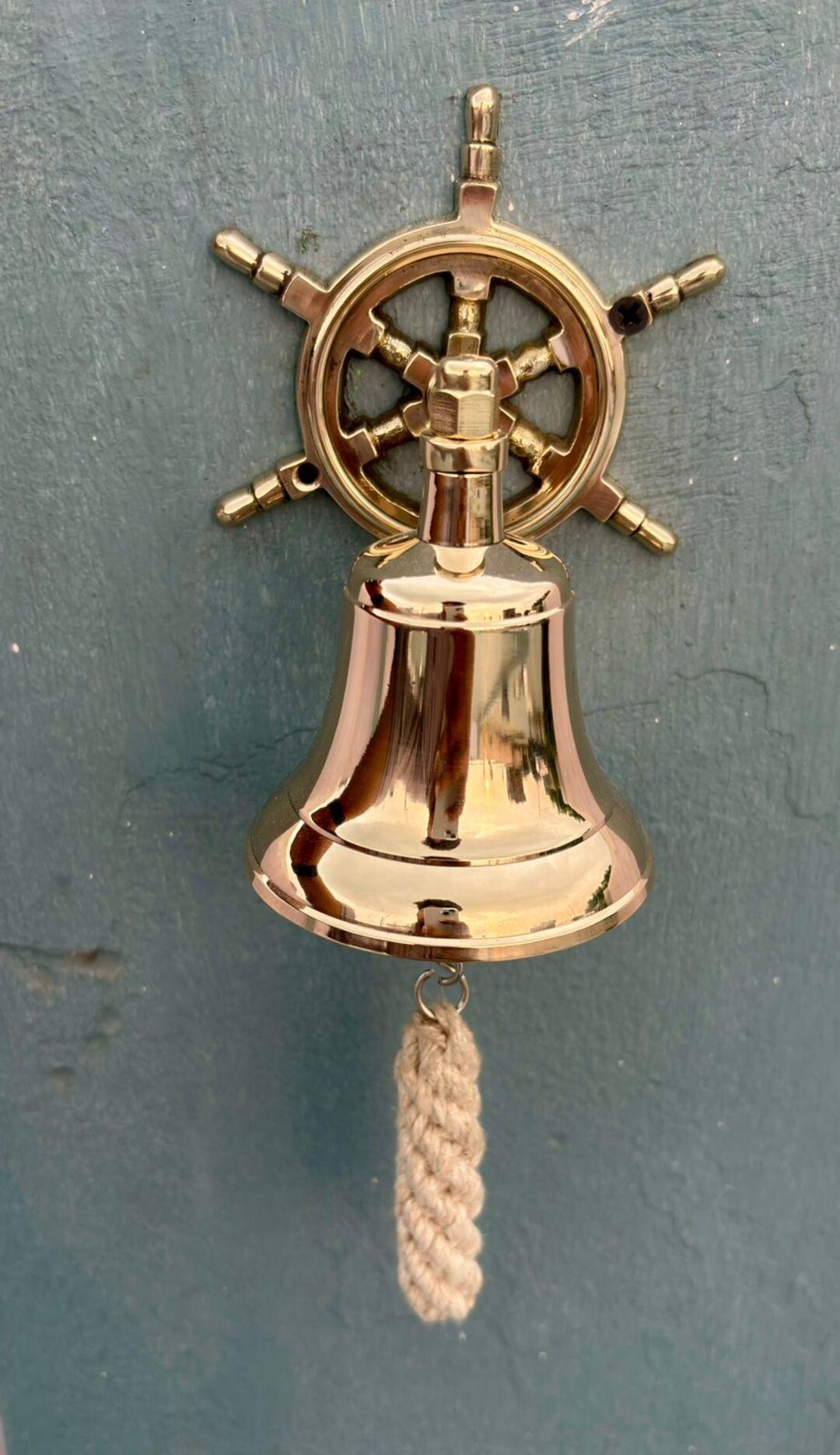
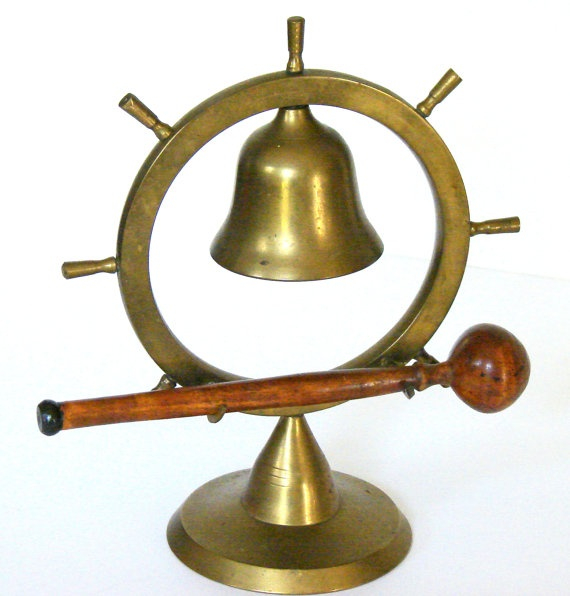
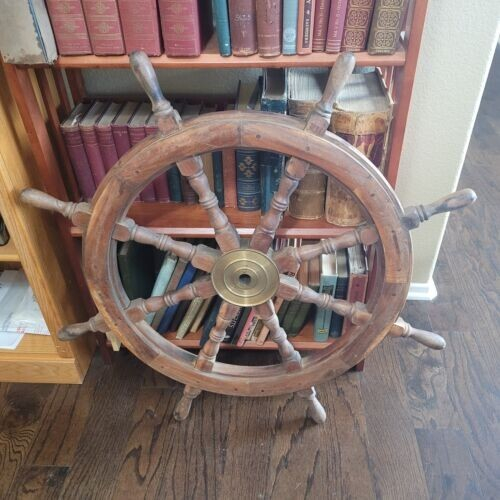
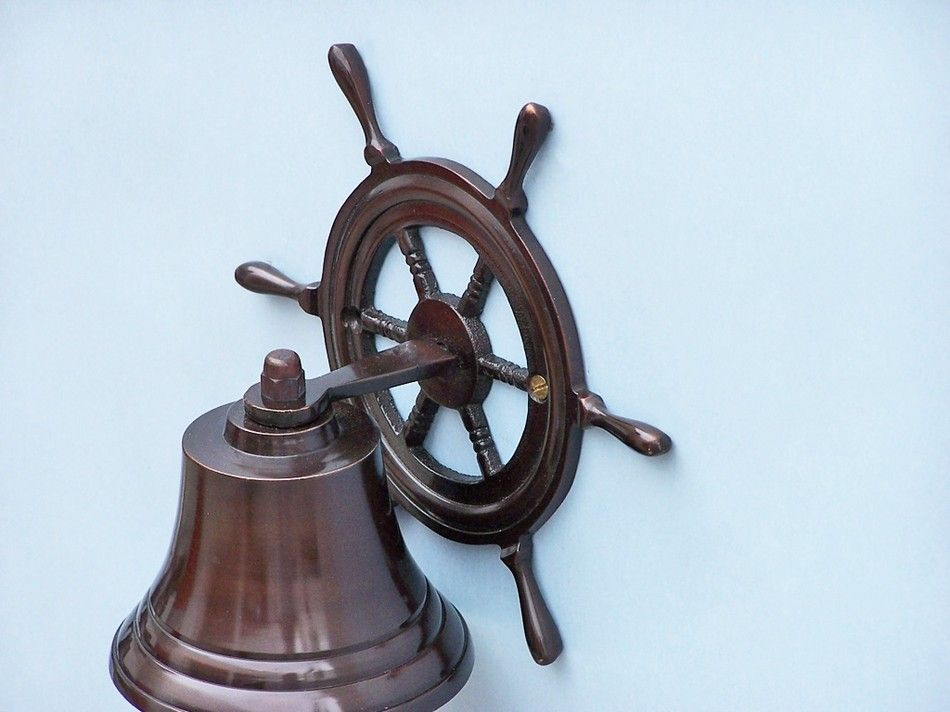
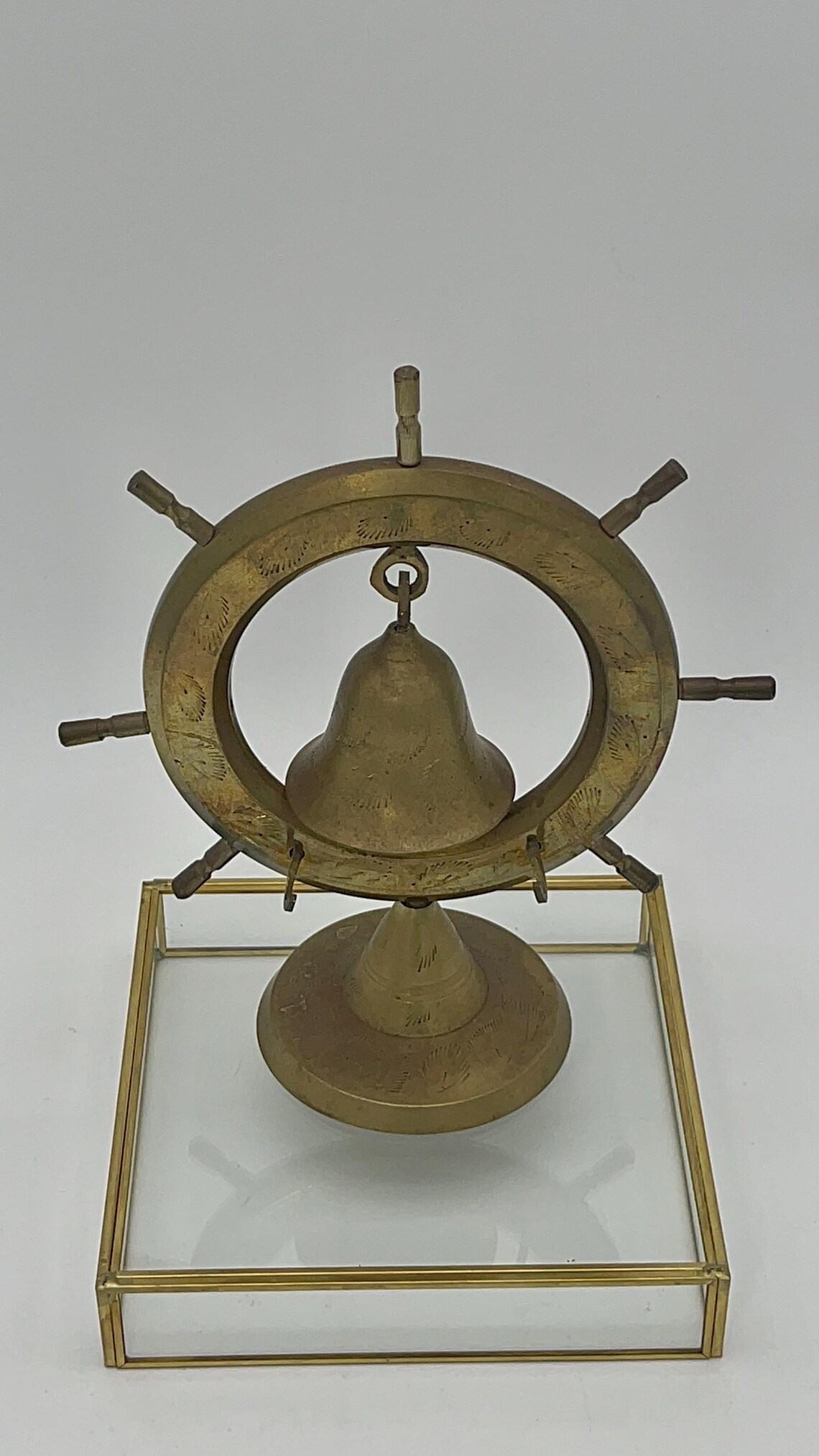
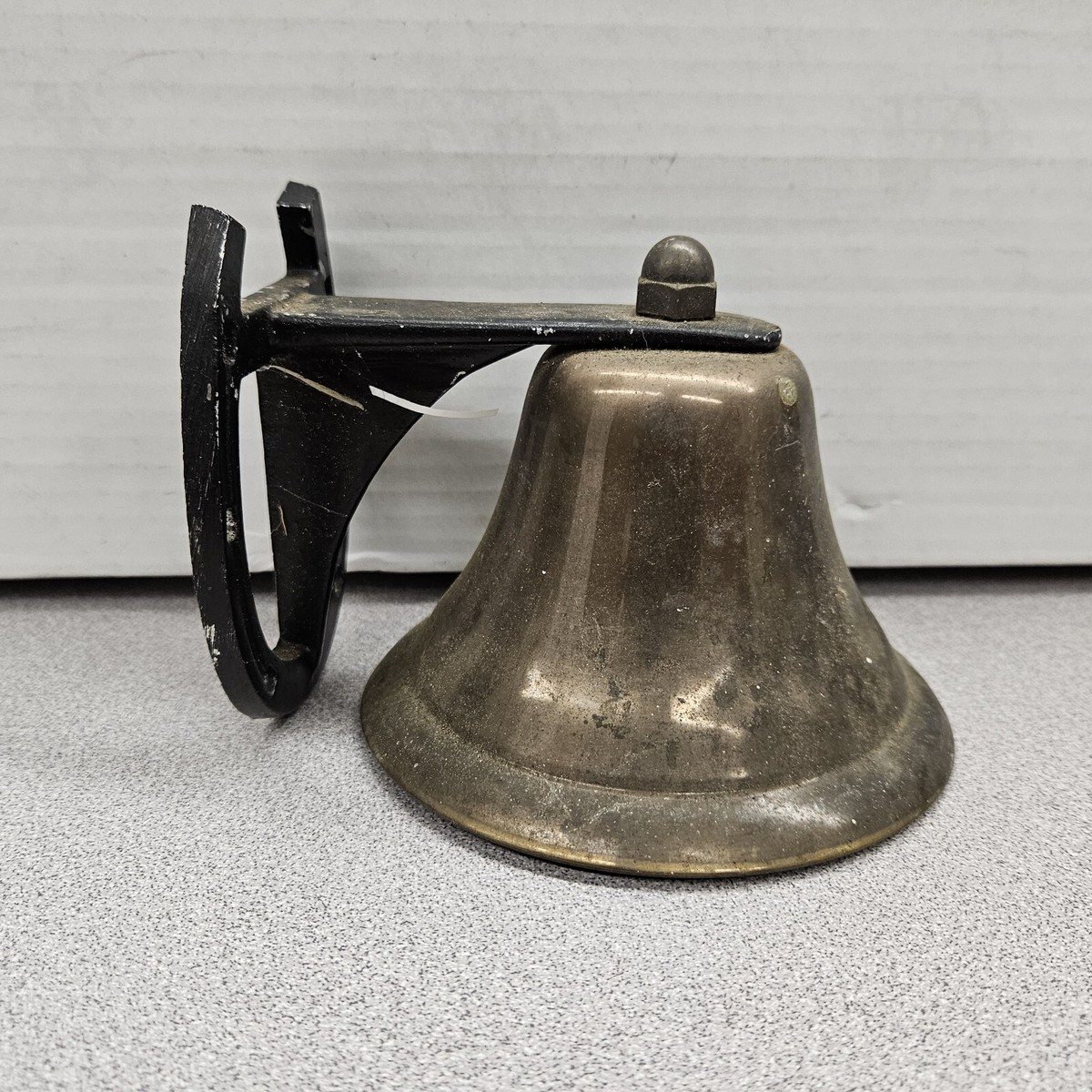
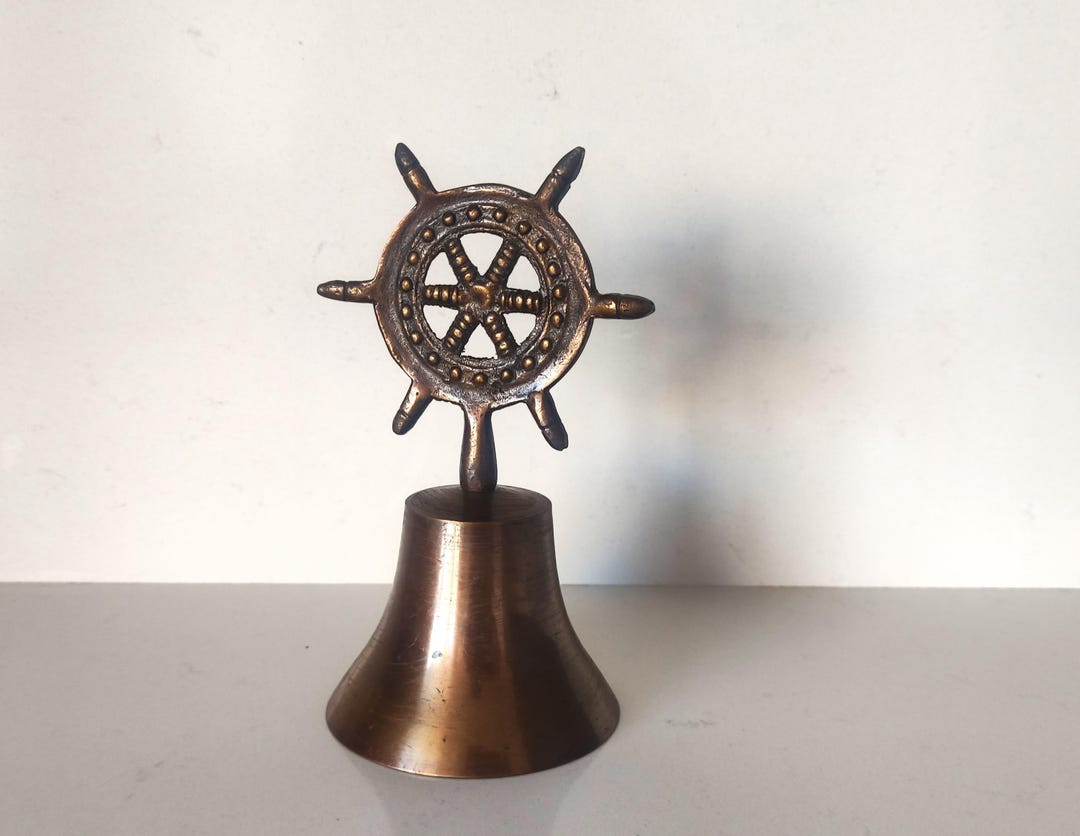
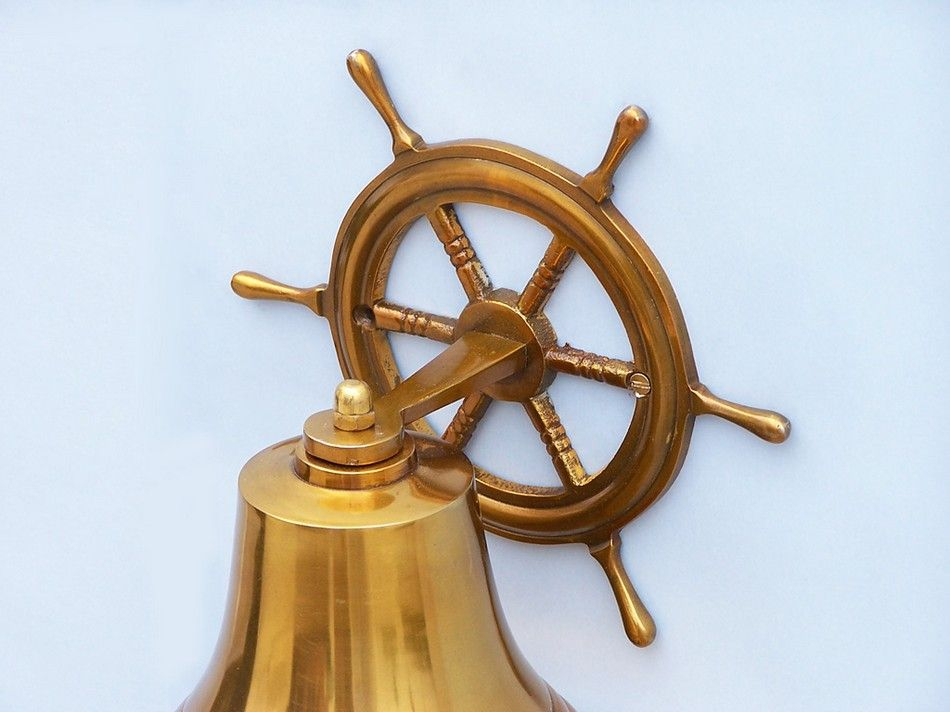
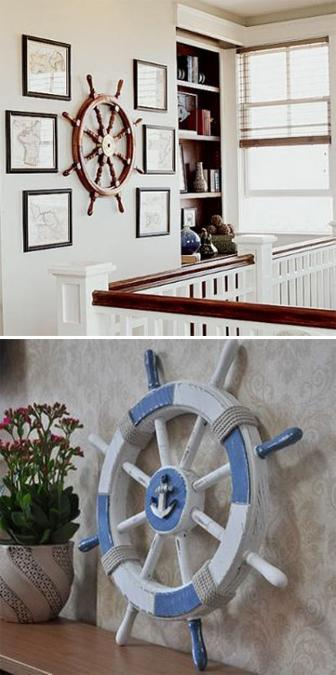
If you want to see these historic pieces up close, you do not always have to visit a deep museum. Many specialty shops and marine salvage yards offer reclaimed door handles, portholes, and deck lights. People love using these authentic items in home decor to give rooms a genuine seaside feel.
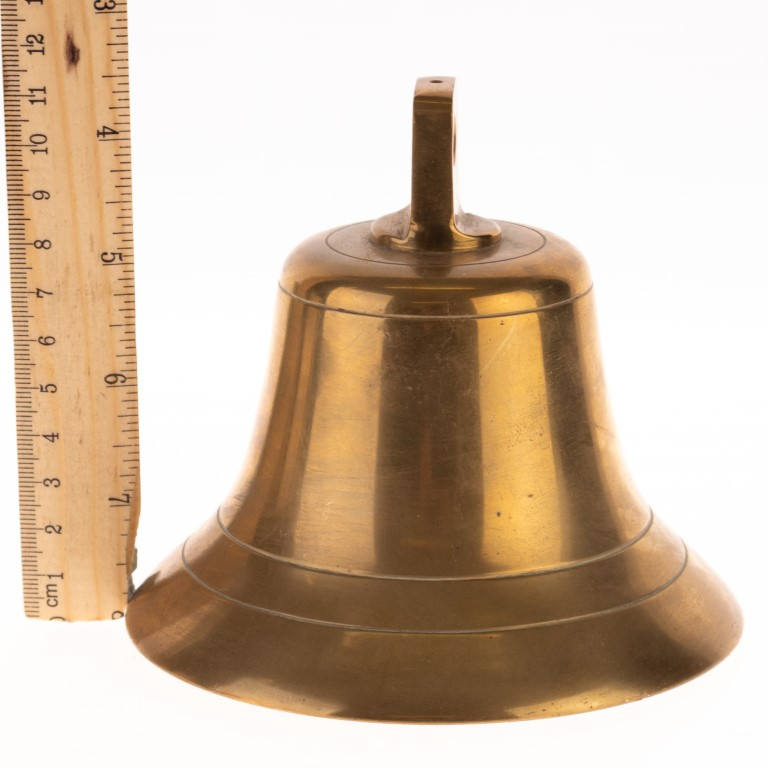
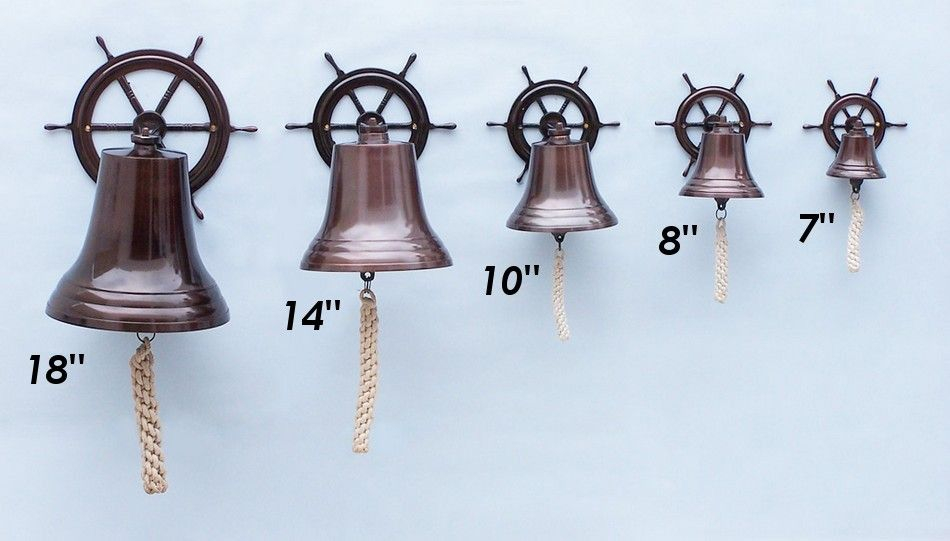
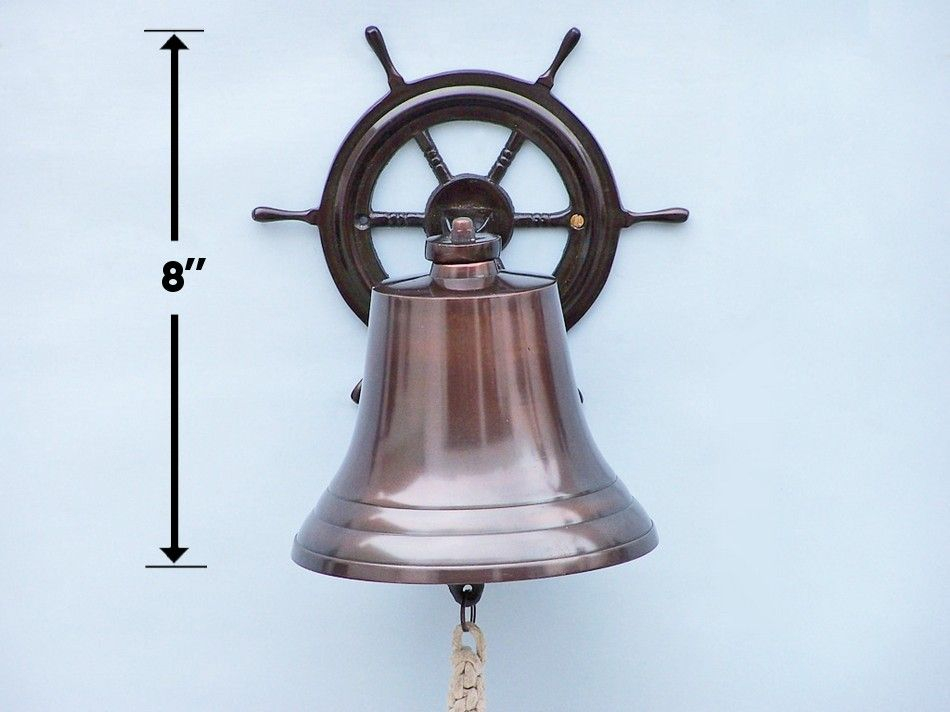
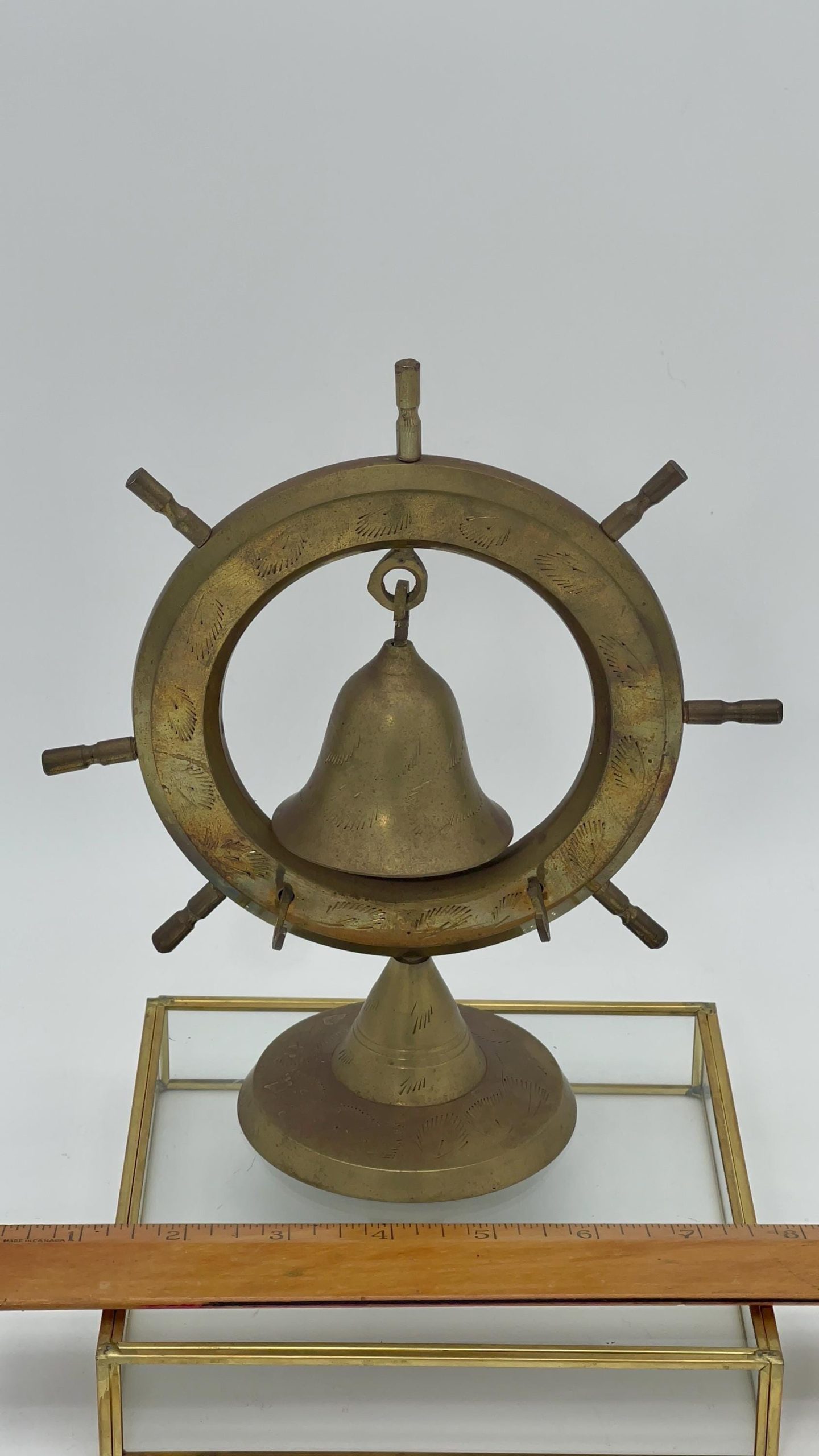
Hunting for these items takes patience. Every dent and scratch on a copper cleat or bell hints at a rough night during a gale. Holding one of these heavy pieces makes you feel connected to the sailors who relied on them generations ago.
Why Museums Care About Hardware
You might wonder why museums spend so much time caring for old hinges and railings instead of just focusing on big ships. The truth is that large vessels are often too expensive or fragile to save. Smaller hardware pieces are much easier to protect and display.
These artifacts give researchers clues about how ships were built long ago. Tool marks left by old craftsmen show the exact methods they used before factories took over. Every rescued piece adds another small puzzle piece to our understanding of maritime heritage.
The Science of Stopping Rust
Even though copper is tough, it still needs help to survive once it is brought ashore. When old metal sits in wet environments for a long time, harmful chemical reactions can start eating away at it. Conservators use careful treatments to stabilize the material and stop further decay.
This science takes a lot of skill and patience. If the wrong chemicals are used, the historical artifact can be damaged beyond repair. Specialists test different methods constantly to ensure these old treasures last for many more centuries.
Keeping these restoration skills alive requires teaching younger generations. Old metalworkers and historians pass down their trade secrets to apprentices who care about keeping history tangible. Without these dedicated folks, the knowledge of how to properly care for antique ship parts would vanish.
Schools and community groups sometimes host workshops where people can try out basic restoration techniques. These hands-on experiences help spark an interest in history that books alone cannot always achieve. It turns out that getting your hands a little dirty is the best way to learn.
The journey of saving old marine hardware is really about keeping human stories alive. Every restored cleat or porthole reminds us of our deep connection to the vast oceans. As we move forward, these metallic fragments from the past will continue to anchor us to our rich maritime roots.