Have you ever found yourself staring at the ceiling of an old building, totally mesmerized by the shapes up there. It is easy to take the surfaces above our heads for granted. But if you look closely, you will find a rich tapestry of history, art, and human grit carved right into the architecture.
For centuries, humans have had this burning desire to turn blank overhead spaces into beautiful masterpieces. Two of the coolest ways we have done this are through intricate window traceries and decorative ceiling tiles. While they might seem like totally different things, they both share a common goal: transforming boring structural needs into breathtaking visual stories. Let us take a trip back in time to see how these designs evolved.
The Birth of Tracery: When Stone Began to Breathe
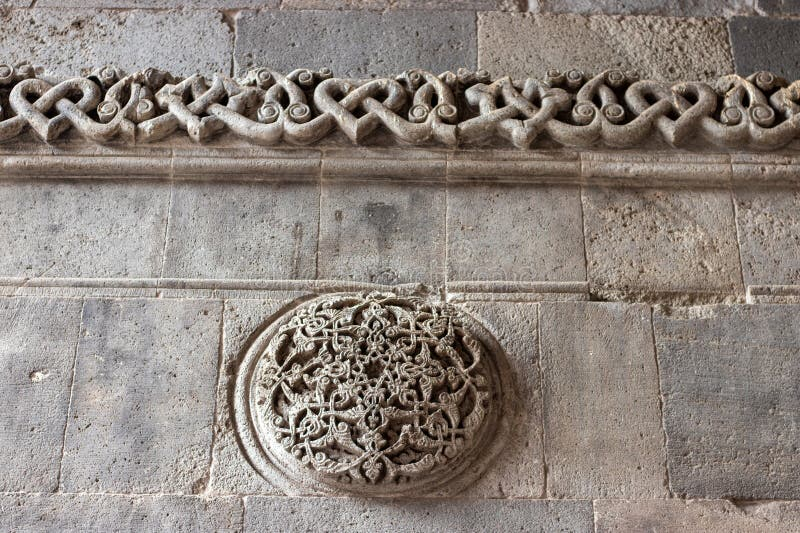
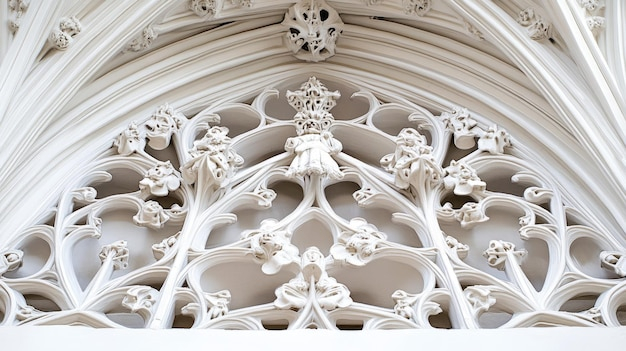
Back in the day, around the 12th century, builders faced a huge problem. They wanted to make church windows bigger to let in that gorgeous, divine light, but heavy stone walls could only hold up so much weight. Enter the invention of tracery. At first, craftsmen used "plate tracery," which basically meant they took a solid stone wall and punched decorative holes into it. It looked okay, but it was still pretty clunky.
As tech improved, artisans figured out "bar tracery" around the year 1240. Instead of cutting holes in walls, they created slender, interlocking stone ribs that fit together like a puzzle. This allowed for massive, soaring windows filled with stained glass. It changed everything. Suddenly, heavy stone structures felt as light as air.
The Flamboyant Twist and the Shift to Geometry
As the centuries rolled on, artists got a bit bored with basic shapes. They wanted more drama. By the 14th century, Europe entered the "Flamboyant" style era, named because the stone designs literally looked like flickering tongues of fire. The lines became wavy, flowing, and incredibly complex.
It is amazing to think about the sheer amount of math and geometry required to pull this off without modern computers. Stonemasons used basic compasses and string to map out these mind-bending curves. Every single piece had to be chiseled by hand with absolute perfection, or the whole window would come crashing down.
Moving Inward: The Rise of Decorative Ceiling Tiles
While traceries were stealing the show in church windows, people started looking at their flat wooden ceilings and thinking, "We can make this look better, too." In places like Italy during the Renaissance, wealthy families started installing coffered ceilings. These were recessed wooden panels decorated with carvings and bright paint.
It was not just about showing off wealth, though. These deep panels actually helped with acoustics in giant rooms, absorbing echoes so people could actually hear each other talk. It was the perfect blend of fashion and function, proving that ceilings deserved just as much love as walls.
The Tin Ceiling Revolution: Art for Everyone
Fast forward to the late 1800s in America. The industrial revolution was booming, and suddenly, mass production became the norm. People loved the look of European plaster ceilings, but plaster was super expensive and required highly skilled workers to install. The solution. Stamped metal.
Often made of thin sheets of tin, steel, or zinc, these metal tiles could be stamped with beautiful, complex patterns in a matter of seconds. They were fireproof, relatively cheap, and easy to nail up. Suddenly, working-class shopkeepers and homeowners could have a ceiling that looked like a royal palace for a fraction of the cost.
Like all design trends, decorative ceilings went through plenty of ups and downs. By the mid-20th century, the clean, minimalist look took over, and many gorgeous tin ceilings were covered up with boring drywall or drop tiles. For a while, it seemed like the era of intricate overhead art was totally dead.
But history has a funny way of repeating itself. Today, in 2026, we are seeing