There is something truly special about holding a piece of art that someone shaped with their own two hands. You can feel the texture, see the subtle brushstrokes, and sense the hours of love poured into it. Whether you recently bought a stunning ceramic vase at a local maker’s market this year in 2026 or inherited a whimsical polymer clay sculpture from your grandmother, these items bring a unique warmth to our homes.
But let’s be real for a second. Handmade decor isn’t like mass-produced plastic junk from a big-box store. It is delicate. It reacts to its environment, and if you treat it like a cheap target find, it might not survive the decade, let alone become a family heirloom. Taking care of clay art doesn’t have to be a stressful chore, though. With just a few simple adjustments to how you handle, clean, and display your treasures, you can make sure they stay pristine for generations to come.
Handling Your Pieces with Real Respect
Most accidents happen when we get a little too comfortable. Think about the last time you moved a decorative bowl to dust underneath it. Did you grab it by the rim with one hand. That is a recipe for heartbreak. The absolute golden rule of clay decor is to always use both hands and pick it up from the sturdiest part—usually the base. Avoid grabbing fragile handles, delicate clay petals, or extended limbs, as these are the spots most likely to snap under pressure.
It’s also smart to take off any rings, watches, or bracelets before handling your favorite pieces. Metal jewelry can easily scratch a soft glaze or leave a dark mark on unglazed earthenware. If you are moving several items at once, don’t try to play hero by stacking them in your arms. Take your time, carry them one by one, and maybe even lay down a soft towel on your counter as a temporary landing pad.
The Art of Dusting and Gentle Cleaning
Dust is inevitable, but how you remove it matters. For everyday maintenance, skip the harsh chemical sprays and heavy-duty wipes. Instead, grab a soft-bristled paintbrush or a clean makeup brush. These are amazing for gently sweeping dust out of tiny crevices without putting any pressure on the clay. A microfiber cloth works wonders for smooth, glazed surfaces.
When things get a bit more dirty—say, a splatter of coffee or a layer of kitchen grease—you can use a damp cloth. Notice the word damp, not soaking wet. Use lukewarm water and perhaps a single drop of mild dish soap. Wipe the area gently and rinse with a clean, damp cloth right away. Never submerge an unglazed clay piece in water, because porous clay loves to absorb moisture, which can weaken the structure or ruin the finish over time.
Finding the Perfect Spot in Your Home
Where you display your art is just as critical as how you clean it. Clay might seem tough, but it hates extreme temperature shifts. Placing a beautiful terracotta plate right above a heating vent or next to a drafty winter window can cause micro-fractures in the glaze. Sudden changes make the materials expand and contract too quickly, which leads to spiderweb cracks.
Sunlight is another hidden enemy, especially for polymer clay or pieces painted with acrylics rather than fired glazes. Direct UV rays will fade those vibrant colors faster than you think. Try to keep your brightest pieces in spots that get indirect light. If you have a high-traffic home with rambunctious pets or curious kids, consider placing your most prized sculptures on higher shelves or inside a glass display cabinet.
Dealing with Moisture and Everyday Humidity
Moisture can do a real number on certain types of clay decor. Air-dry clay and polymer clay, for example, are not inherently waterproof. Even if they have a protective sealant, keeping them in a steamy bathroom or a damp basement is a gamble. High humidity can soften the sealer or cause the clay underneath to degrade and lose its shape.
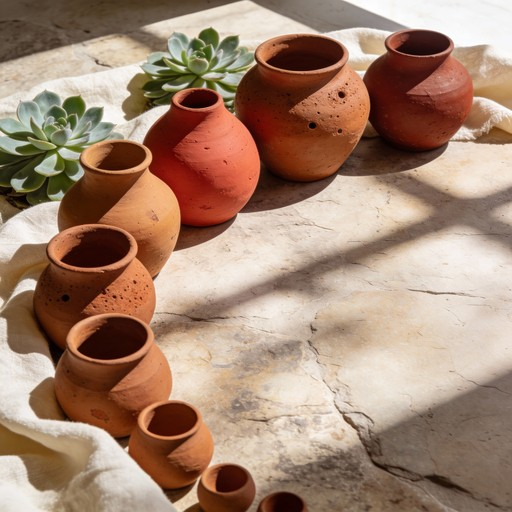
If you love the look of ceramic planters, always check if they are glazed on the inside. Unglazed pots will absorb water from the soil, which is great for some plants but means the exterior of the pot will sweat. If you place that sweating pot directly on a wooden antique table, you are going to end up with a ruined tabletop. Always use a coaster or a plastic liner to protect your furniture and the base of your art.
Safe Storage for Changing Up Your Display
We all love to rotate our decor when the seasons change, but packing away clay items requires a little extra thought. Never just throw them into a plastic bin together. Wrap each item individually in acid-free tissue paper or clean bubble wrap. Avoid using old newspapers, because the ink can transfer onto porous clay and leave permanent stains that are impossible to get out.
When packing a box, place the heaviest, most solid items at the bottom and the lighter, fragile pieces on top. Fill any empty spaces with crumpled paper so nothing can shift around when the box is moved. Also, write "FRAGILE: CLAY" in big bold letters on the outside. You might think you will remember what is in there next year, but trust me, we always forget.
Despite our best efforts, life happens. A cat knocks over a figurine, or a clumsy elbow sends a saucer flying. If a piece breaks, don’t panic and don’t immediately reach for standard school glue. For archival, long-lasting repairs, you want a high-quality two-part epoxy or a specialized ceramic adhesive.
Before you start gluing, make sure the broken edges are completely clean and dry. Use a toothpick to apply a tiny amount of adhesive to one side, then press the pieces together firmly. Hold them in place for a few minutes, or use painter’s tape to secure them while the glue cures. If it’s an incredibly valuable or sentimentel piece, it might even be worth looking into a professional restorer to save it.
Caring for handmade clay decor isn’t about wrapping your home in bubble wrap and living in fear. It’s simply about showing a little mindfulness and respect to the objects that bring beauty into your daily life. By taking an extra second to lift with both hands, dusting with a soft brush, and keeping things out of the harsh sun, you are preserving a human story.
These small habits ensure that the textures and colors you fall in love with today will still look incredible decades from now. After all, handmade art is meant to be lived with and loved. With just a tiny bit of effort, your favorite clay pieces can easily become the cherished heirlooms that the next generation fights over.