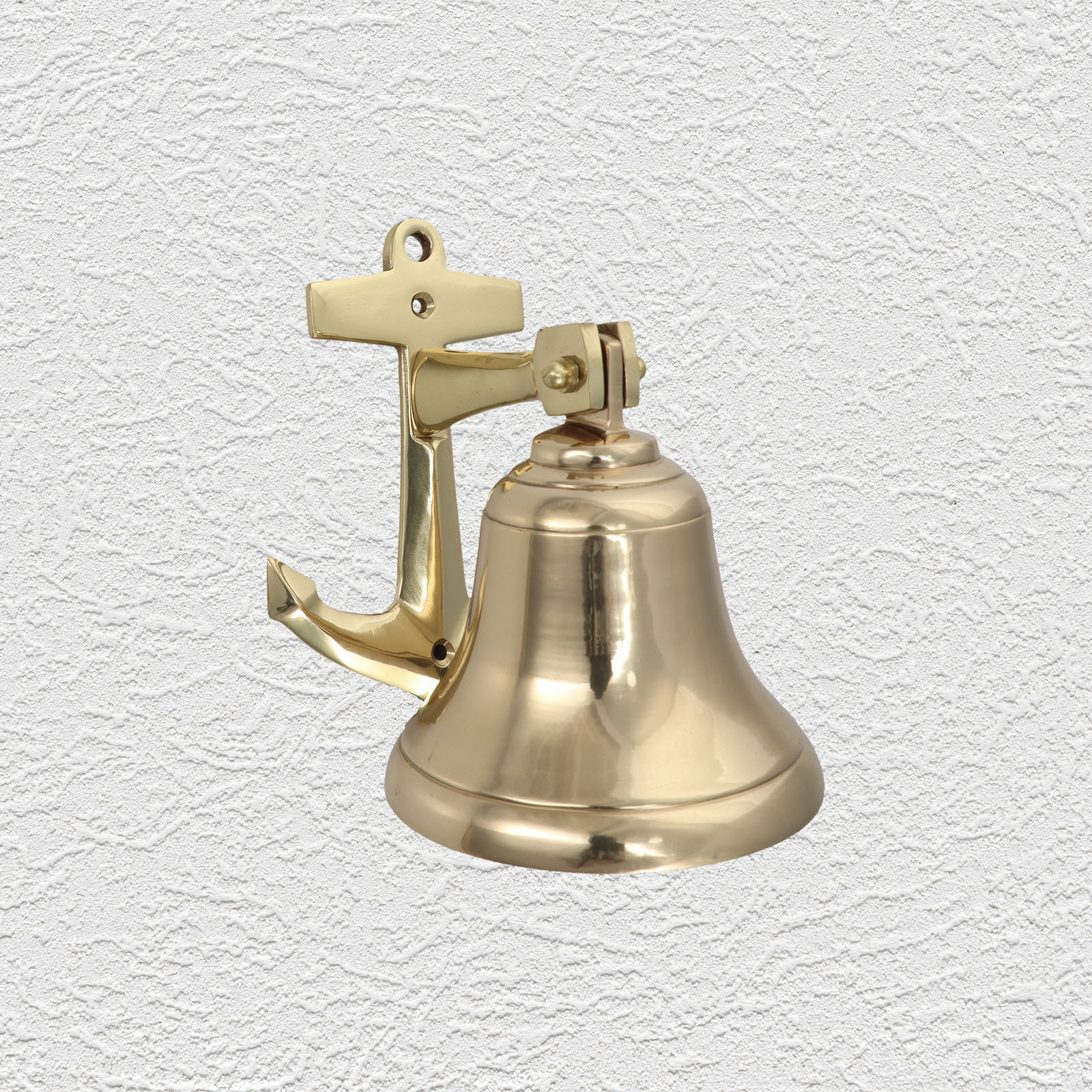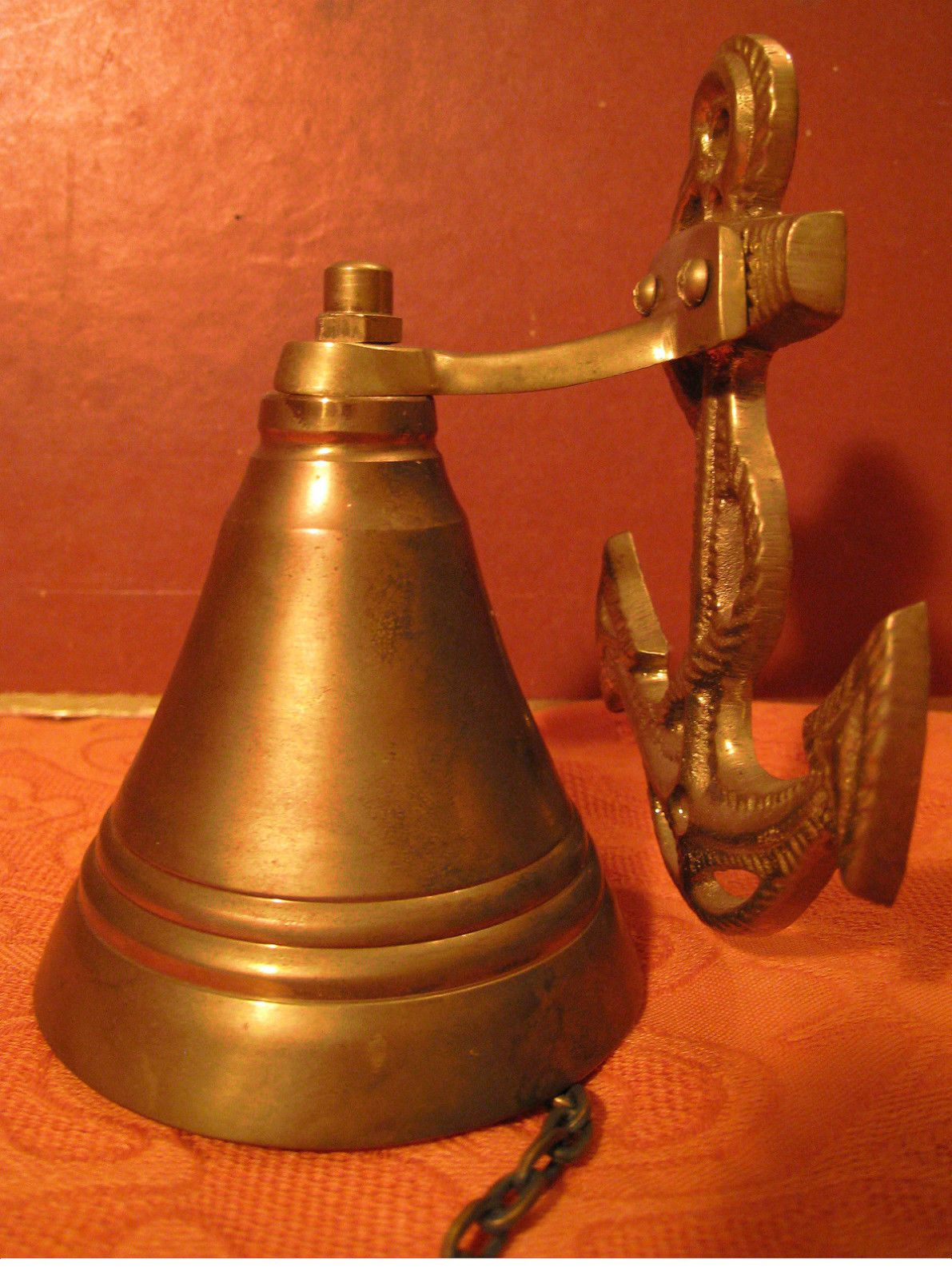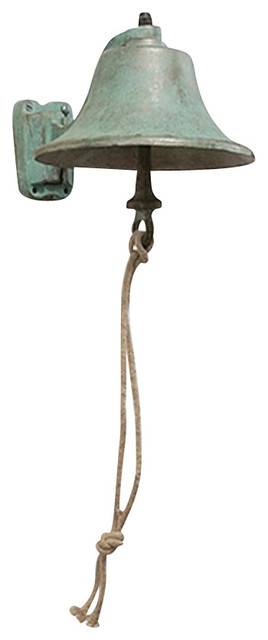
Have you ever wondered what stories a piece of polished metal could tell if it could speak. Out on the vast and unpredictable ocean, every strike of a heavy metal chime meant something vital to the crew. It was more than just noise. It kept everyone safe and organized through stormy nights and quiet dawns.
Today, those old maritime customs might seem far away from our daily lives on land. Yet, they still echo strongly all around us. A standard seven-inch brass bell holds an incredible amount of history within its heavy, shiny walls. Let us dive into why these classic artifacts matter just as much today in 2026 as they did centuries ago.
The Heartbeat of the Wooden Sailing Ship
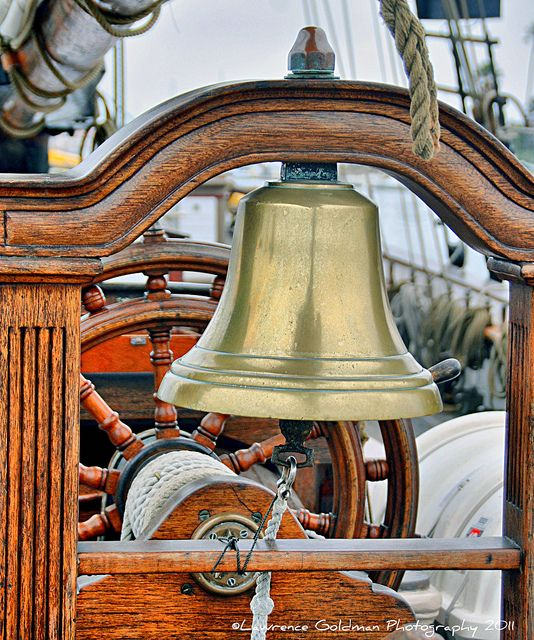
In the old days of wooden vessels and endless horizon, time was measured in a very unique way. Sailors did not look at wristwatches. Instead, they listened for the steady clanging of the heavy metal instrument hanging near the deck. Every half hour brought a new set of strikes.
This rhythm created a shared heartbeat for everyone onboard. A single ring meant one thing while four rings signaled the change of a watch duty. It grounded tired sailors and gave them a sense of order in a chaotic world. Even now, that old acoustic tradition reminds us of how people banded together to conquer the sea.
Crafting the Golden Sound
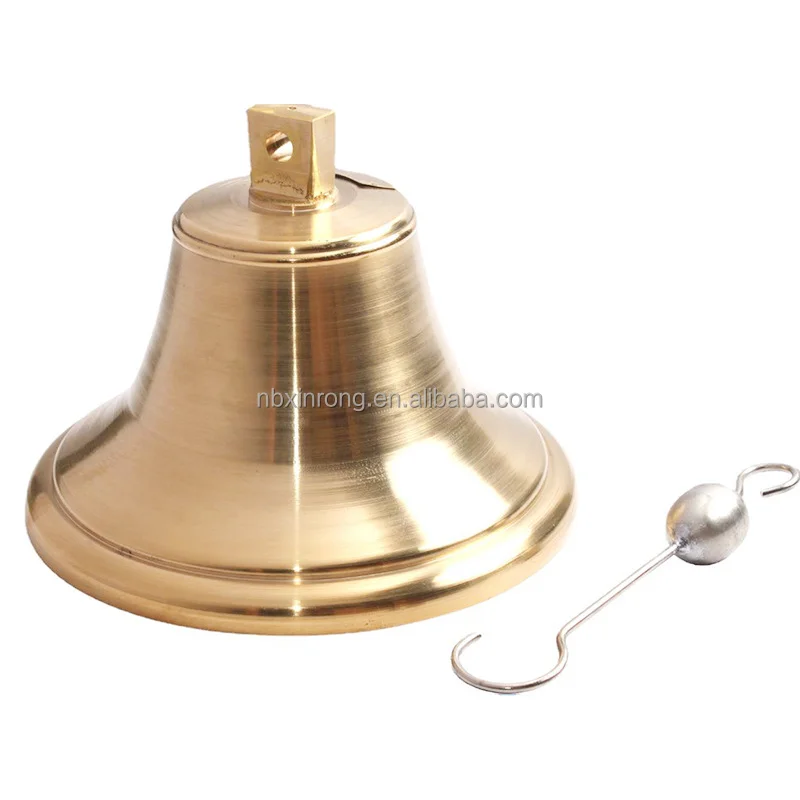
Making a proper marine bell is not something you rush through. Craftsmen pour molten copper and zinc into molds, creating an alloy that produces a rich and resonant tone. That specific seven-inch size was chosen because it was loud enough to cut through howling winds without taking up too much precious space on a crowded vessel.
When you strike a well-made brass bell, the vibration travels far and wide. Artisans spend hours tuning each piece by hand. They want to ensure the tone carries a warm, haunting quality. This dedication to craftsmanship transforms raw metal into a living piece of nautical heritage.
Marking Time and Tradition Afloat
Timekeeping at sea was serious business long before digital clocks existed. The bell marked the passage of the day and night into neat four-hour blocks called watches. When the bell rang eight times, a whole shift was finally over and a fresh crew took over the deck.
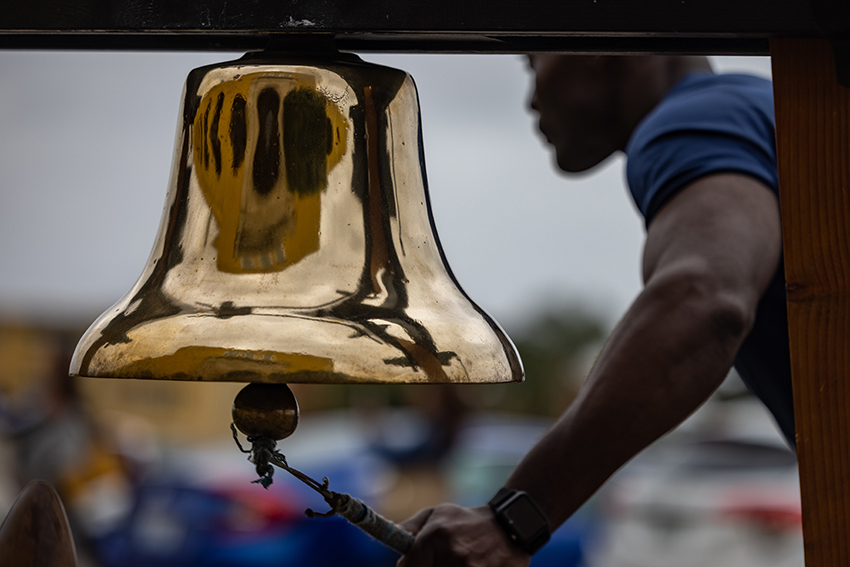
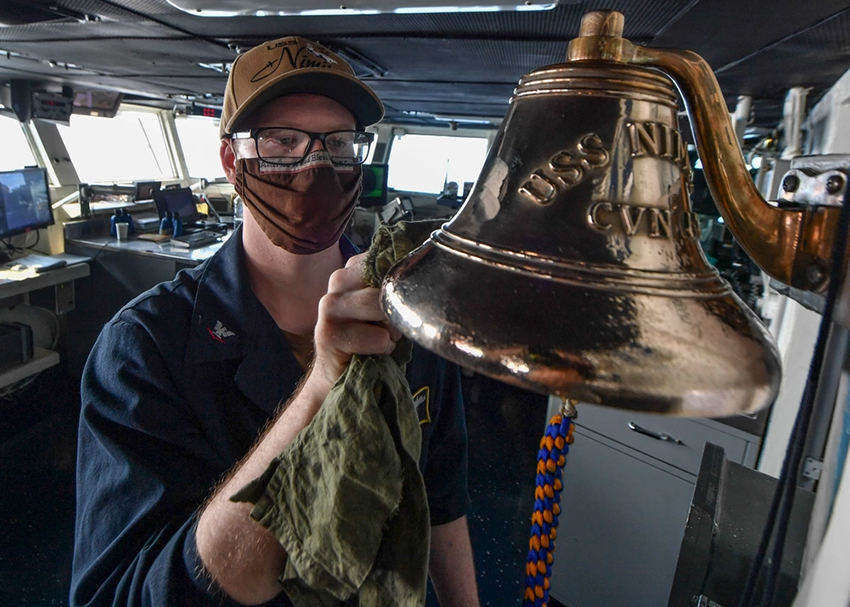
This ritual gave sailors a mental anchor when days blurred together on the open water. It fostered deep bonds among crewmates who relied on that exact acoustic signal to coordinate their duties. Today, naval vessels still honor this practice, keeping a direct link to the past alive.
The Role in Ceremonies and Celebrations
Beyond everyday chores, these golden instruments played a huge part in milestone moments. When a new baby was born onboard, sailors sometimes used the inverted bell as a makeshift baptismal bowl. It gave the child a blessed start connected to the sea.
Weddings on ships also featured the bell, often decorated with ribbons and flowers. And when a veteran sailor retired after decades of faithful service, striking the bell one last time marked the end of their voyaging career. These customs show how an ordinary object becomes sacred through shared human experiences.
Preserving Artifacts in Museums and Homes
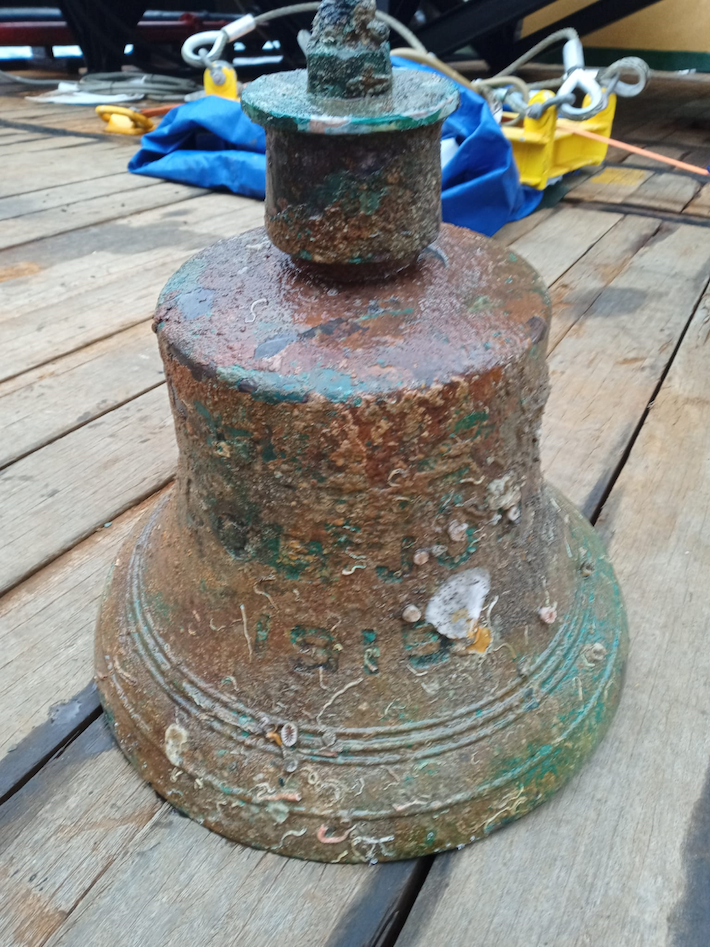
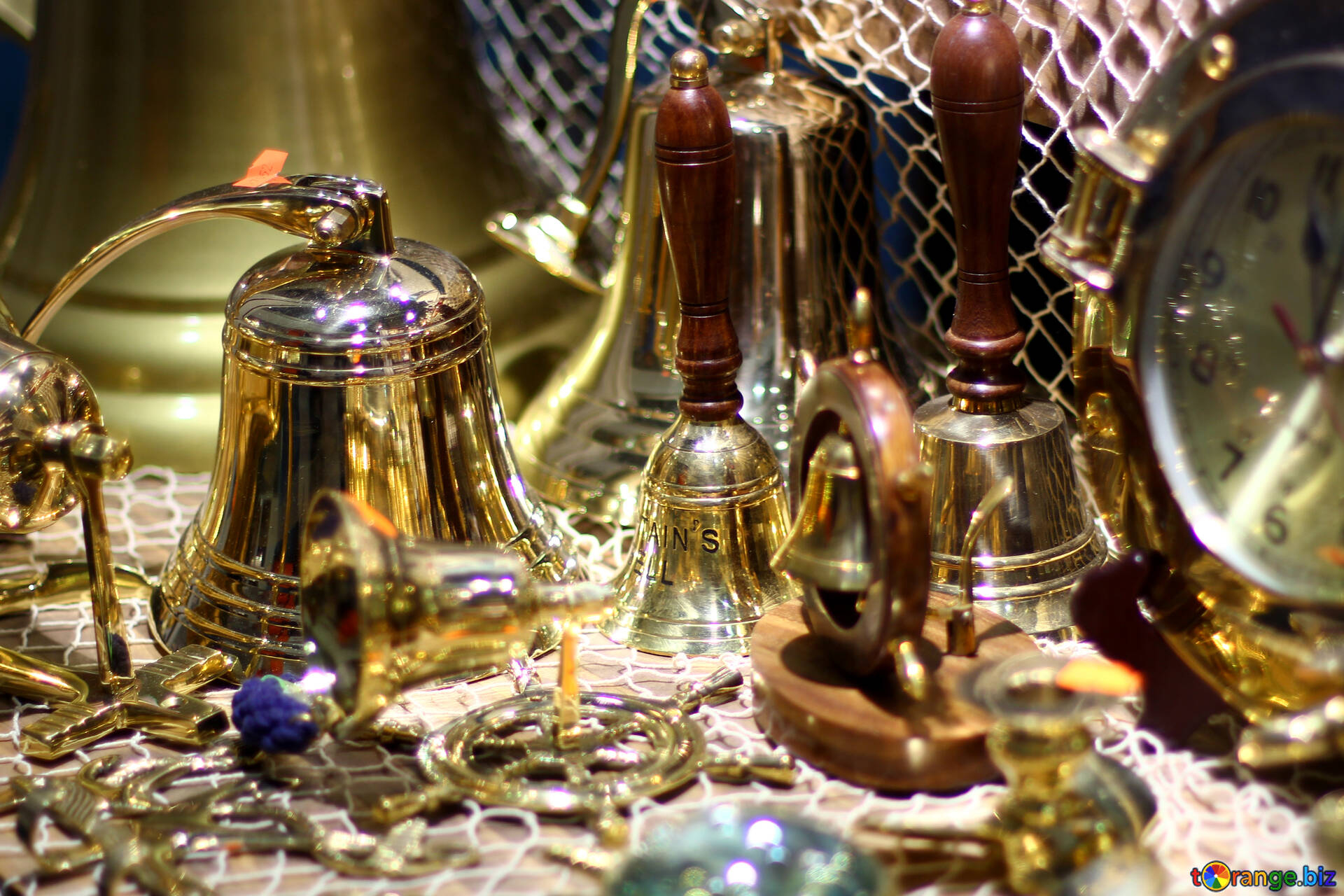
As modern technology took over navigation, many historic bells found their way off working ships and into safe keeping. Maritime museums display these gleaming relics proudly, letting visitors reach out and touch history. Collectors also seek out vintage pieces to hang in coastal homes or offices.
Restoring an old, tarnished bell takes patience and care. Polish brings back the bright golden shine while leaving minor dents and scratches untouched. Those little flaws tell the real story of weathering fierce storms and salty ocean air.
You do not need to be an experienced sailor to appreciate the magic of a ship bell. Many community centers, yacht clubs, and even schools keep one on display to honor local heritage. Hearing that deep, echoing chime instantly transports your mind to a foggy harbor or a moonlit deck.
By keeping these traditions visible, we make sure future generations do not forget our deep connection to the water. Every time someone rings that heavy brass piece, the voices of ancient mariners echo once more into the modern world.
Looking back at how far we have come, it is amazing that such a simple metal object still holds so much power. Whether it hangs on a modern yacht or sits quietly on a wooden mantle, the classic marine bell bridges the gap between yesterday and today.
Next time you spot one of these gleaming artifacts, take a moment to really listen to its silence. It carries the spirit of adventure, teamwork, and human resilience across the decades.