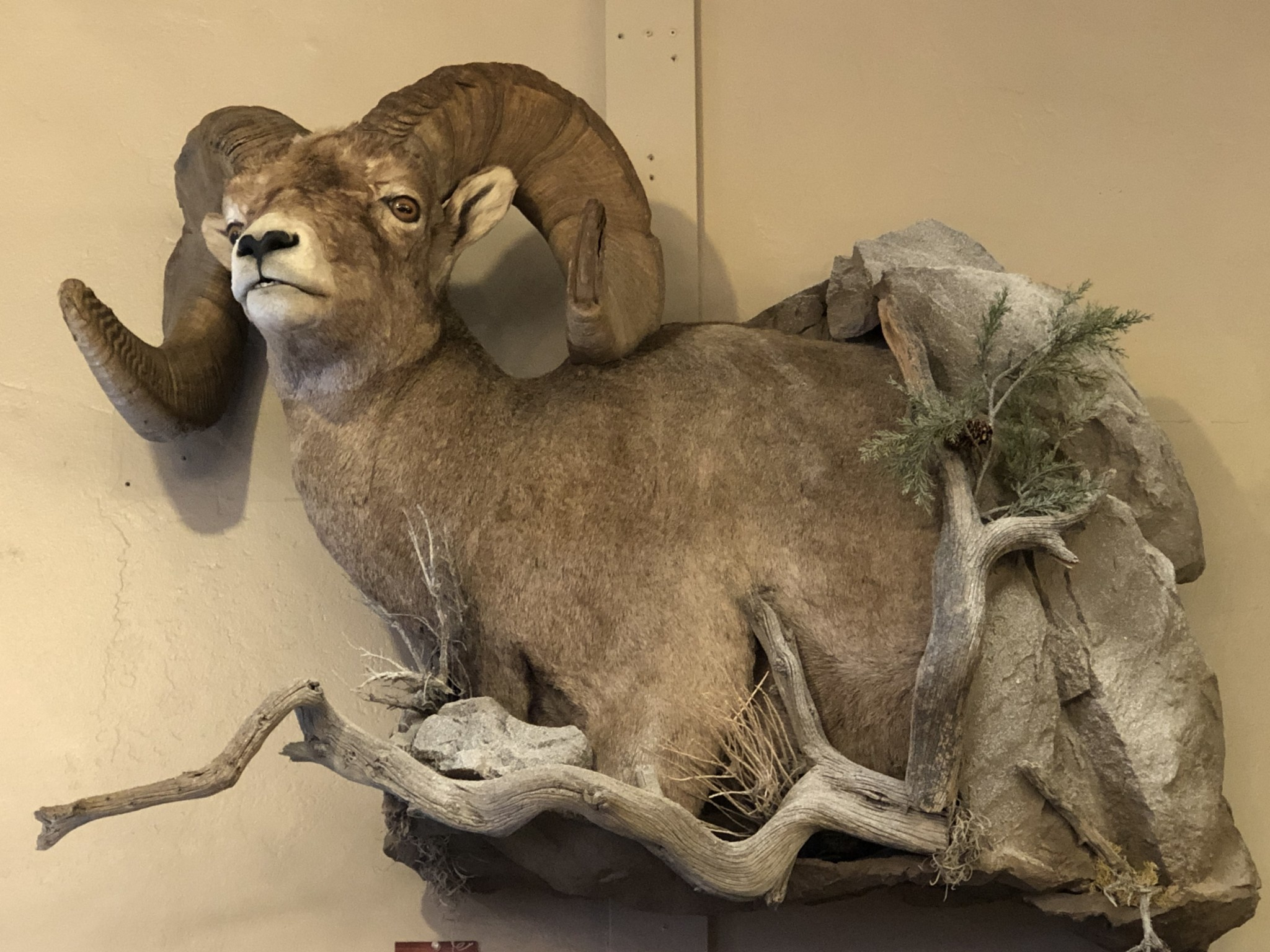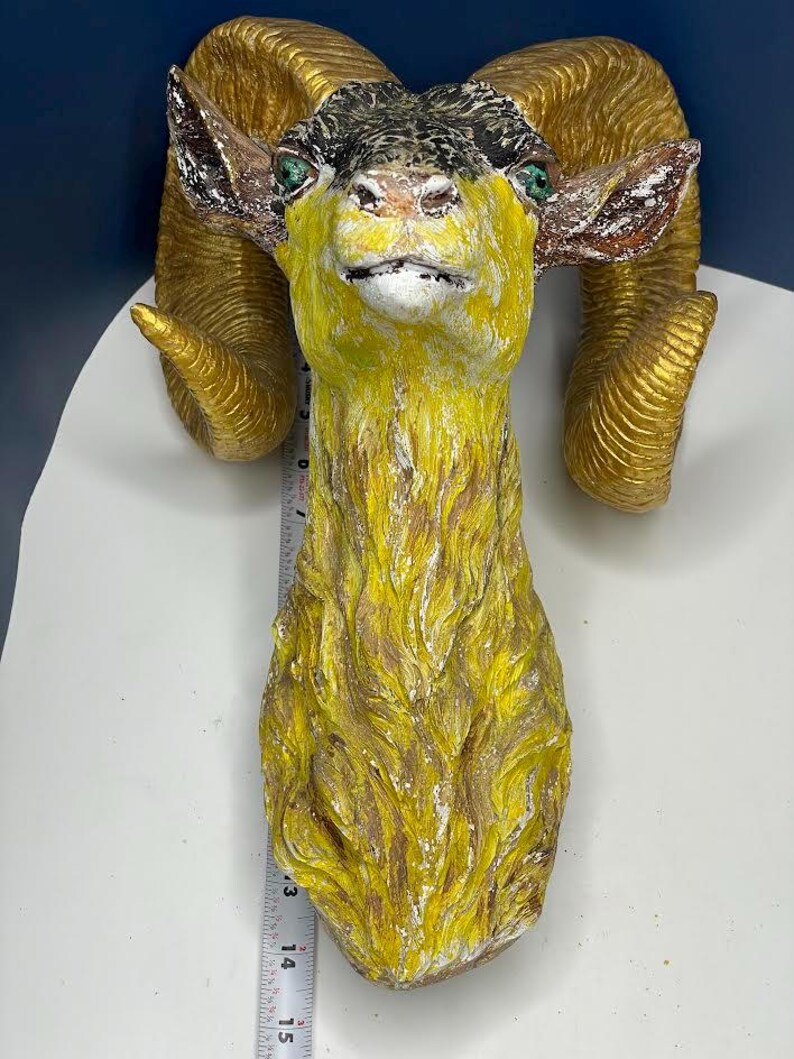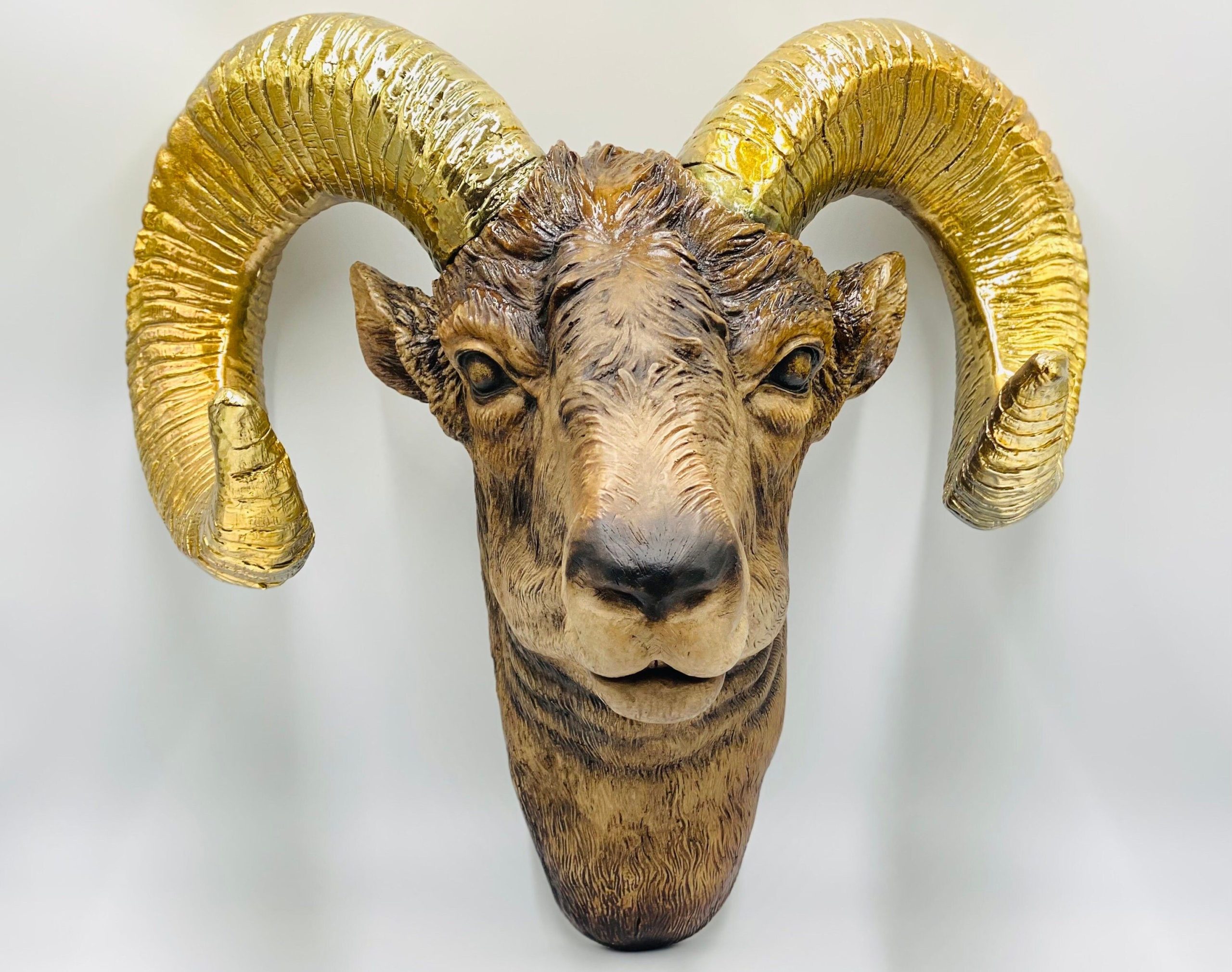
The drywall groaned under the weight of an authentic, century-old steer skull, threatening to pull its anchors straight out of the lath and plaster at three o’clock on a Tuesday morning. That heart-stopping clatter is a rite of passage no homeowner wants to experience—especially when heavy, unyielding taxidermy compromises both your home’s structural integrity and your peace of mind. Real horn and bone mounts are notoriously heavy, difficult to balance, and require tedious stud-hunting that rarely aligns with where your gallery wall actually needs visual balance.
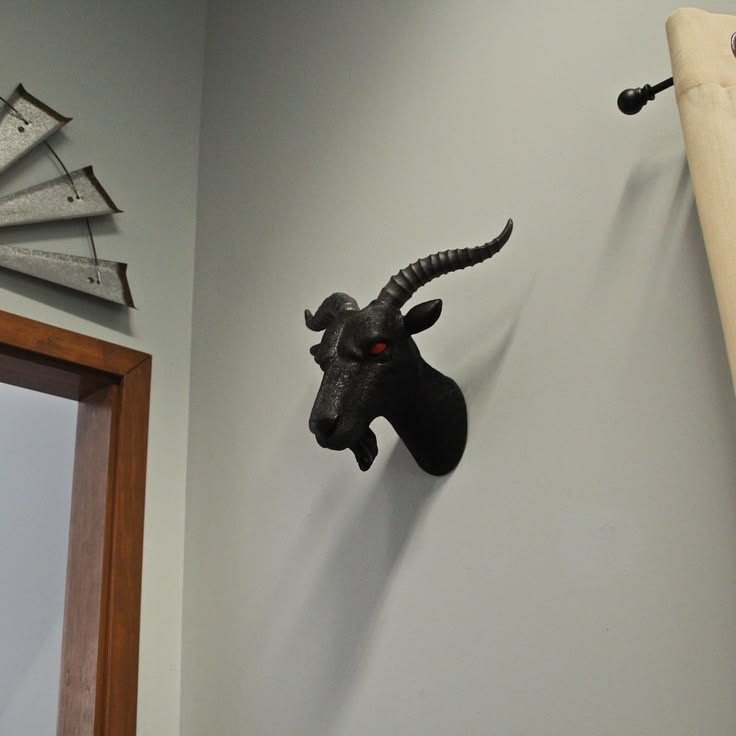
Enter the modern revolution in cabin and country aesthetic: lightweight resin horn wall mounts. These meticulously crafted focal points deliver all the rugged, sun-bleached character of the American West or a rugged Scandinavian lodge without the burdensome tonnage or ethical dilemmas of traditional taxidermy. Whether you are outfitting a contemporary suburban ranch-house, an urban industrial loft craving texture, or a cozy woodland cabin, finding the sweet spot between structural safety and high-end rustic design requires a deliberate approach to materials, hardware, and weight distribution.
The history of bringing horns, antlers, and skulls indoors dates back centuries, rooted in utilitarian pioneer culture and the grand traditions of European hunting lodges. For generations, mounting real animal horns meant dealing with organic decay, unpleasant odors, variable sizing, and massive structural anchors driven deep into load-bearing timber. As modern interior design sensibilities shifted toward cruelty-free living, sustainability, and effortless maintenance, artisans began engineering alternative materials that could replicate the organic textures of keratin and bone.
Today’s high-end resin alternatives have moved far beyond cheap plastic novelties. Modern casting techniques capture microscopic grain details, sun-baked weathering, and distressed leather-strap details with astonishing fidelity. Pieces measuring up to forty inches wide can now weigh mere pounds, completely changing how we approach interior wall art. This shift allows renters, apartment dwellers, and homeowners alike to achieve high-impact visual statements without risking structural damage or spending hours wrestling with masonry bits and heavy-duty toggle bolts.
The Anatomy of Modern Resin Horns and Material Science
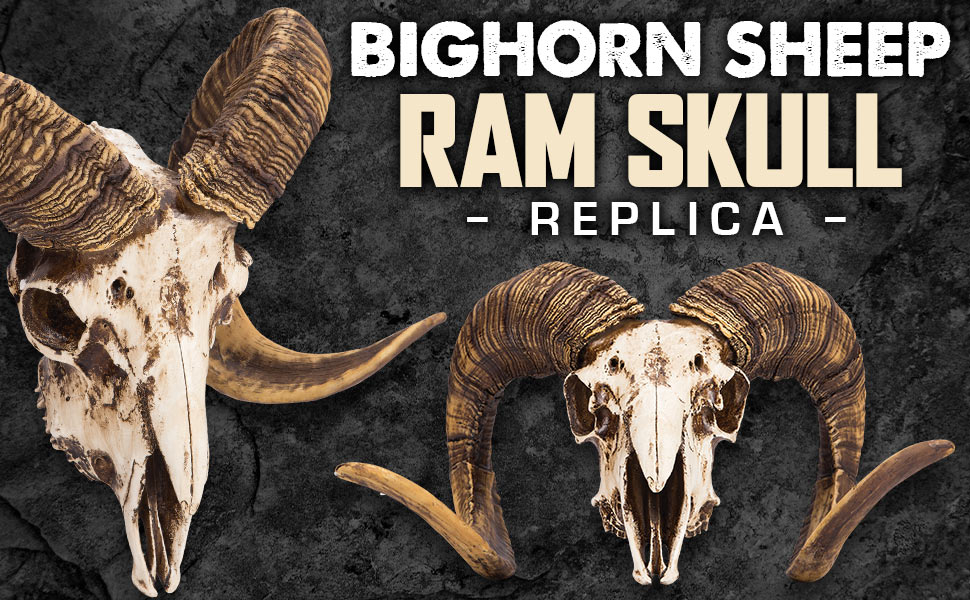
Understanding what goes into a quality resin wall mount helps separate cheap seasonal decor from investment-grade artistry. Polyresin—a sturdy compound consisting of liquid synthetic resin mixed with powdered stone additives—is the industry standard for high-end sculptural decor. This formulation yields a dense, impact-resistant material that mimics the cool-to-the-touch feel and heft of real bone without the brittle fragility. When artisans pour this mixture into hand-sculpted silicone molds cast from genuine horn specimens, every ridge, growth ring, and weathered fissure is faithfully preserved.
The magic of these pieces lies in their internal engineering. Unlike solid bone, which is dense and relentlessly heavy, resin casts are often engineered with hollow or semi-hollow cores that drastically reduce overall weight while maintaining structural rigidity. This engineering triumph means a massive forty-inch longhorn span can easily tip the scales at under five pounds. Furthermore, unlike natural horn, which expands, contracts, and splits under fluctuating indoor humidity and dry winter heating systems, stable polyresin remains entirely inert. It won’t warp, crack, or attract pests, ensuring your rustic investment looks pristine for decades.
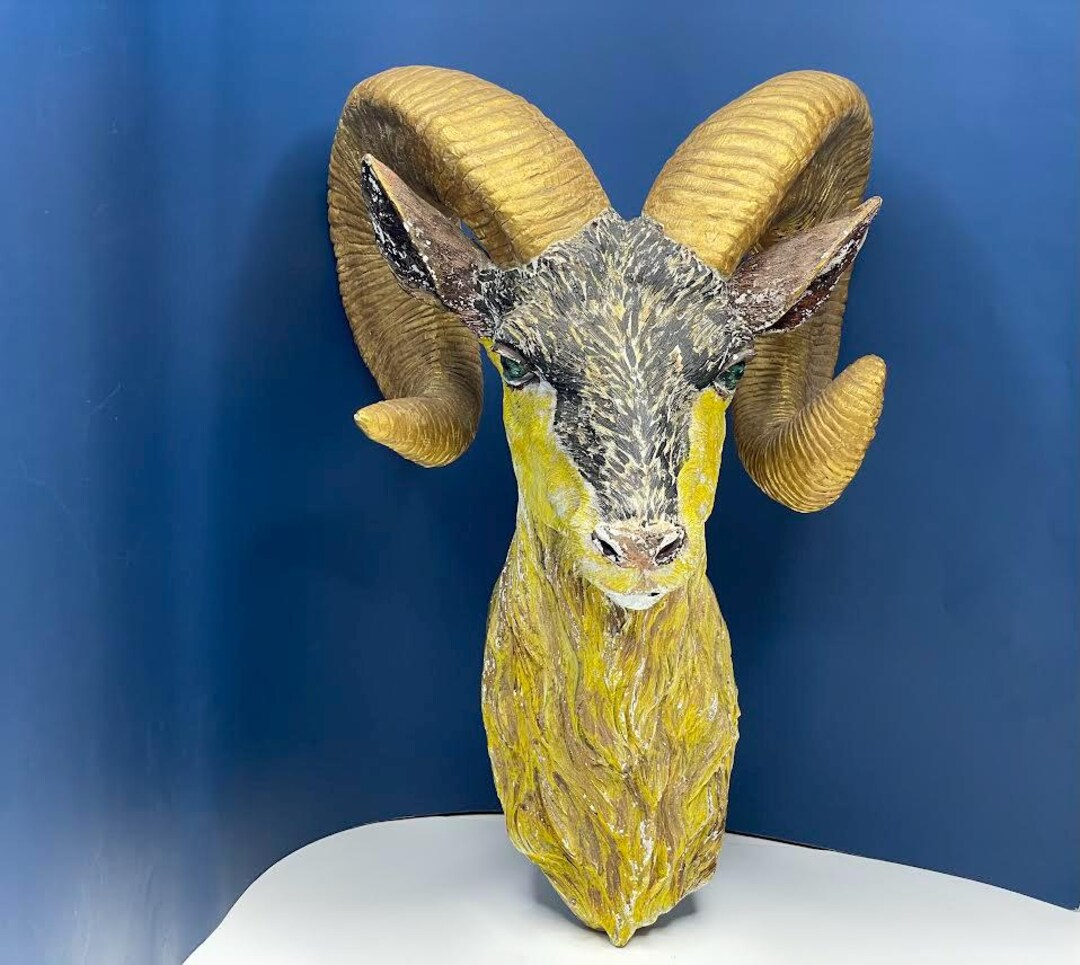
Surface finishing is where artistry meets material science. Achieving an authentic "distressed country charm" look requires multiple layers of hand-applied acrylic washes, antiquing glazes, and matte sealants. Manufacturers often pair the resin horns with simulated leather straps, intricate floral embossments, and metallic gold studs that mimic vintage Western tack. This careful layering prevents the piece from looking flat or uniformly painted. Instead, it catches ambient light just like weathered horn exposed to decades of desert sun and mountain wind, adding genuine depth to your living spaces.
Ethical considerations also heavily drive the modern popularity of synthetic horn decor. For wildlife enthusiasts, vegans, and conservation-minded decorators, resin provides an uncompromised path to achieving a rustic, bohemian, or lodge-style aesthetic. There is no historical harvesting involved, no worry about sourcing endangered species regulations, and zero environmental guilt. You get the raw, untamed beauty of the wilderness paired with modern manufacturing ethics, making it one of the most responsible ways to celebrate natural history motifs inside a domestic sanctuary.
Architectural Harmonization and Spatial Placement Strategies
Placing a large statement piece like a resin horn wall mount requires an intimate understanding of scale, sightlines, and negative space. A common mistake is treating wall art as an afterthought, slapping a forty-inch longhorn directly into the center of a massive, empty wall without considering the surrounding furniture footprint. To achieve a balanced, high-end designer look, the width of your horn mount should generally occupy between sixty to seventy-five percent of the wall space above the anchor furniture piece it hangs over, such as a sofa, a credenza, or a headboard.
Height placement is equally critical for visual impact and safety. In living rooms with standard eight-to-nine-foot ceilings, the center point of your wall mount should sit roughly at eye level—approximately fifty-seven to sixty inches from the floor. However, when mounting a wide piece above a stone fireplace mantel or a living room sofa, you want to leave a breathing room of about six to ten inches between the top of the furniture back or mantel shelf and the lowest edge of the horns. This gap creates a clean visual separation, preventing the decor from looking cluttered or cramped against the architecture.
Styling the surrounding vignette determines whether your room feels like an authentic mountain retreat or a chaotic souvenir shop. Pair your resin horns with complementary textures that soften the hard lines of the wall mount. Think woven wool throws, distressed leather armchairs, raw-edge live-edge wooden coffee tables, and wrought-iron accents. If your resin longhorn features vintage leather-strap details or metallic studwork, echo those materials in your choice of curtain rods, lamp bases, or picture frames to establish a cohesive design narrative throughout the room.
Lighting can make or break the presentation of a sculptural wall mount. Because resin horns feature subtle contours, distressed texturing, and embossed details, direct overhead or ambient lighting will cast dramatic shadows that highlight the craftsmanship. Avoid hanging large horn mounts on walls directly facing blinding, unshaded south-facing windows, as glare can wash out the intricate hand-painted finishes. Instead, utilize warm-toned picture lights, wall sconces, or strategically angled recessed track lighting to graze the surface of the horns, bringing out their rich brown, cream, and charcoal undertones.
Step-by-Step Secure Installation Protocol for Lightweight Decor
Even though lightweight resin horns eliminate the terror of anchoring fifty pounds of raw bone, proper installation remains non-negotiable for safety and longevity. Most quality resin mounts feature dual keyhole slots integrated directly into the backplate or mounting block, designed for flush wall hanging. Executing a secure, professional-grade installation requires patience, the right tools, and an adherence to hardware weight ratings, even for lightweight fixtures.
- Step 1 (Locate and Assess Wall Material): Tap along your wall or use an electronic stud finder to determine whether your mounting zone aligns with a wooden wall stud or consists purely of hollow drywall, plaster, or masonry. While lightweight resin pieces can often hang securely on heavy-duty drywall anchors, anchoring directly into a wood stud provides ultimate security.
- Step 2 (Measure and Mark Keyhole Centers): Hold the resin horn mount against the wall at your desired height and use a spirit level placed across the top edge to ensure it is dead-level. Use a pencil to lightly mark the wall directly above the center of the piece, then measure the exact horizontal distance between the two keyhole slots on the back of the mount.
- Step 3 (Install Appropriate Hardware): If hitting a wooden stud, drive heavy-duty #8 or #10 pan-head screws directly into the wood, leaving roughly one-quarter inch of the screw head exposed. If you are hanging on hollow drywall, drill pilot holes and insert expanding toggle bolts or heavy-duty threaded drywall anchors rated for at least twenty pounds to provide a substantial safety margin.
- Step 4 (Test Screw Depth and Fit): Adjust the protruding screw heads inward or outward until the heads slide snugly into the rear keyhole slots with a tight, wobble-free grip. The mount should sit completely flush against the wall surface without leaning forward or sliding sideways when gently nudged.
- Step 5 (Final Alignment and Stability Check): Hang the resin mount onto the screws, double-check the level with your spirit level tool, and gently tug downward on the horns to verify that the mounting hardware holds firm under pressure. Clean away any pencil marks with a magic eraser, and your rustic focal point is safely secured.
Avoiding Common Pitfalls and Field-Tested Workarounds
Homeowners diving into rustic decor often run into predictable hurdles that can damage drywall, skew aesthetic balance, or lead to frustrating installation failures. Recognizing these potential traps before you pick up a drill will save you time, patched holes, and unnecessary frustration. Here are the primary pitfalls associated with hanging wall decor and the proven workarounds utilized by professional interior installers.
- Pitfall 1 (Relying Solely on Standard Plastic Push-In Anchors): Cheap plastic conical anchors often fail under slight torque or shifting, pulling out of drywall and leaving gaping holes. Workaround: Always upgrade to metal self-drilling anchors or heavy-duty toggle bolts, which distribute weight across a wider interior surface area behind the drywall sheet.
- Pitfall 2 (Ignoring Proportional Scale and Room Clearance): Choosing a horn mount that is too small for a vast wall makes the space look sparse, while an oversized piece overwhelms cozy nooks. Workaround: Cut a cardboard cutout matching the exact dimensions of your desired resin mount and tape it to the wall for 48 hours to judge the visual weight before drilling any holes.
- Pitfall 3 (Mounting Too High Above Furniture): Hanging horns too close to the ceiling isolates the piece, disconnecting it from the room’s human scale and creating awkward negative space below. Workaround: Always anchor your wall art in direct relation to the furniture below it, maintaining a consistent six-to-twelve-inch buffer zone above sofas, mantels, or headboards.
- Pitfall 4 (Overlooking Seasonal Temperature Shifts in Historic Homes): Older homes with lath-and-plaster walls can crumble or crack when standard screws are driven into unreinforced areas. Workaround: Use a masonry bit and specialized plaster anchors if you live in a historic home, and apply a small piece of painter’s tape over the plaster before drilling to prevent surface chipping.
- Pitfall 5 (Neglecting Regular Dusting and Maintenance): Deeply textured resin horns with intricate leather straps and metallic studs naturally collect household dust and cobwebs in their crevices. Workaround: Clean your resin mounts monthly using a soft-bristled microfiber dusting wand or a compressed air duster on a low setting, completely avoiding harsh chemical solvents that can strip the hand-applied antiqued finish.
Sustainability, Ethical Decor, and the Future of Western Aesthetics
The broader cultural shift toward ethical consumerism has fundamentally transformed how interior designers source rustic and wildlife-inspired elements. Traditional taxidermy, once the undisputed cornerstone of Western and lodge aesthetics, has increasingly fallen out of favor for homeowners who prioritize cruelty-free living, ecological preservation, and sustainable manufacturing. Resin reproductions bridge this cultural divide, offering the raw, visceral beauty of nature without compromising modern ethical values.
From an economic and environmental standpoint, manufacturing polyresin decor carries a remarkably different footprint than sourcing, treating, and shipping real animal skulls and horns. Real taxidermy requires complex chemical preservation, specialized sanitation, and heavy crating to prevent breakage during transit. In contrast, lightweight resin mounts are cast efficiently in controlled environments, packed flat in molded foam packaging, and shipped globally with a fraction of the carbon footprint. This efficiency translates to accessible price points, allowing homeowners to achieve high-end designer looks without breaking the bank.
Looking forward, the evolution of resin casting technology points toward even more sustainable material formulations. Industry innovators are actively experimenting with bio-resins derived from plant-based oils and recycled composite stone powders, drastically reducing petroleum dependency while retaining the durability required for home decor. These advancements ensure that the rustic style you bring into your home today is aligned with forward-thinking ecological stewardship for the decades ahead.
Ultimately, rustic decor is not about replicating a dusty, frozen snapshot of the past; it is about honoring the textures, warmth, and grounded simplicity of the natural world within our modern living spaces. By embracing high-quality, lightweight resin alternatives, you invite the timeless romance of the frontier indoors safely, ethically, and stylishly. It represents a mature synthesis of modern safety engineering and timeless design, proving that you never have to sacrifice structural peace of mind to achieve breathtaking rustic charm.
Actionable Recommendations and Key Takeaways for Your Project
Embarking on a rustic wall makeover is an exciting design journey, but success lies in the details of execution and curation. To ensure your space looks curated rather than cluttered, synthesize your design choices around a unified focal point. Let your resin horn wall mount anchor the room, and build your surrounding color palette, lighting scheme, and textile choices to complement its natural tones.
When shopping for your resin piece, prioritize quality craftsmanship over rock-bottom pricing. Look for hand-painted distressing, realistic weight distribution, and sturdy integrated mounting hardware rather than flimsy glued-on brackets. A well-constructed polyresin longhorn or bull mount will withstand the test of time, resisting fading, warping, and accidental bumps while remaining securely anchored to your wall.
Finally, remember that home design is an evolving expression of your personal narrative. Whether you are blending Western heritage pieces with minimalist Scandinavian furniture or leaning into a full-scale modern ranch aesthetic, lightweight resin horn wall mounts offer the ultimate versatility. Take your time measuring, invest in reliable hardware, light your display thoughtfully, and enjoy the effortless, cruelty-free warmth your new rustic focal point brings to your home.
The walls of our homes are more than structural barriers; they are canvases that tell the story of who we are, what we value, and how we seek comfort from the outside world. By trading heavy, archaic taxidermy for thoughtfully engineered resin alternatives, we open up new realms of design freedom. We no longer have to fear the midnight groan of failing drywall or compromise our ethical standards to bring the rugged poetry of the wilderness indoors.
As interior design trends continue to champion safety, sustainability, and personal expression, lightweight resin decor stands out as a triumph of practical artistry. It empowers us to create bold, striking focal points with confidence and ease. Take a moment to look at your blank walls today, visualize the rustic warmth waiting to be unlocked, and step forward into your next design project with absolute peace of mind.