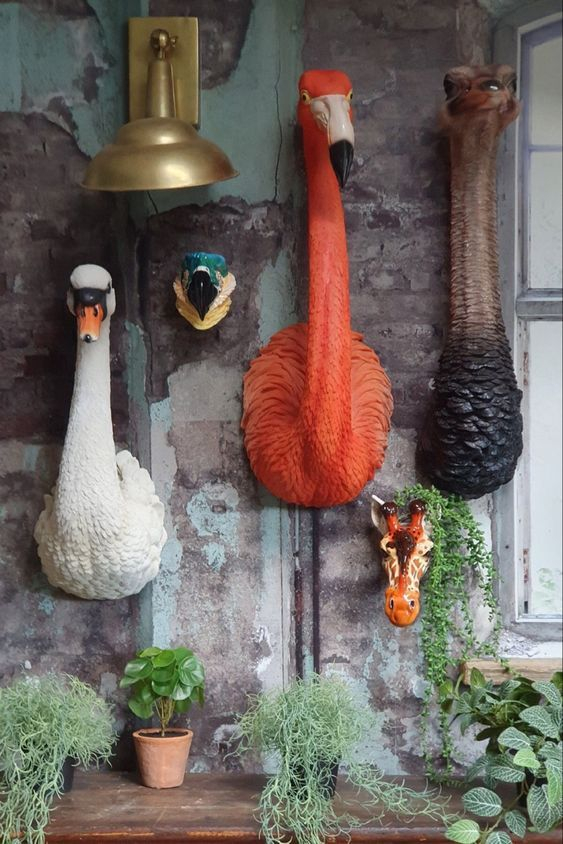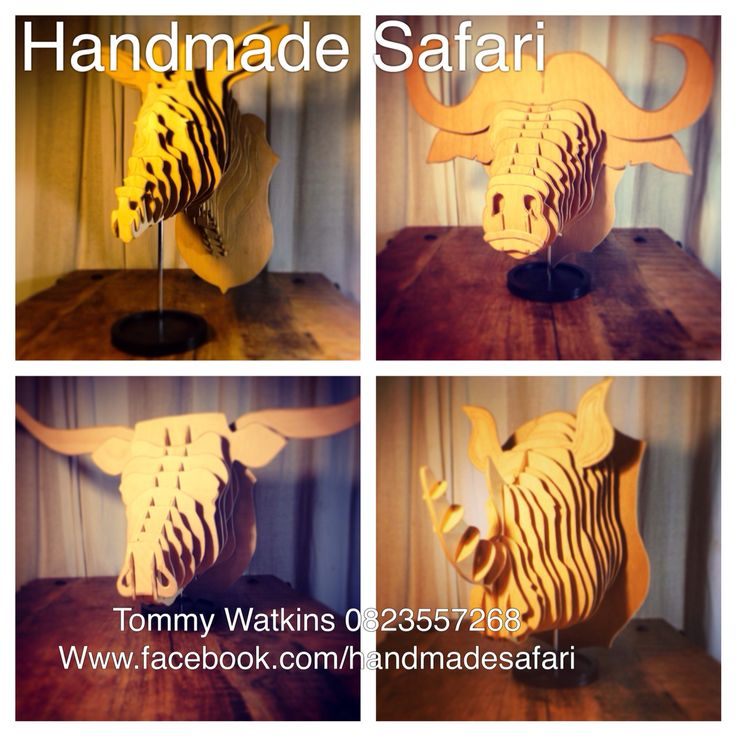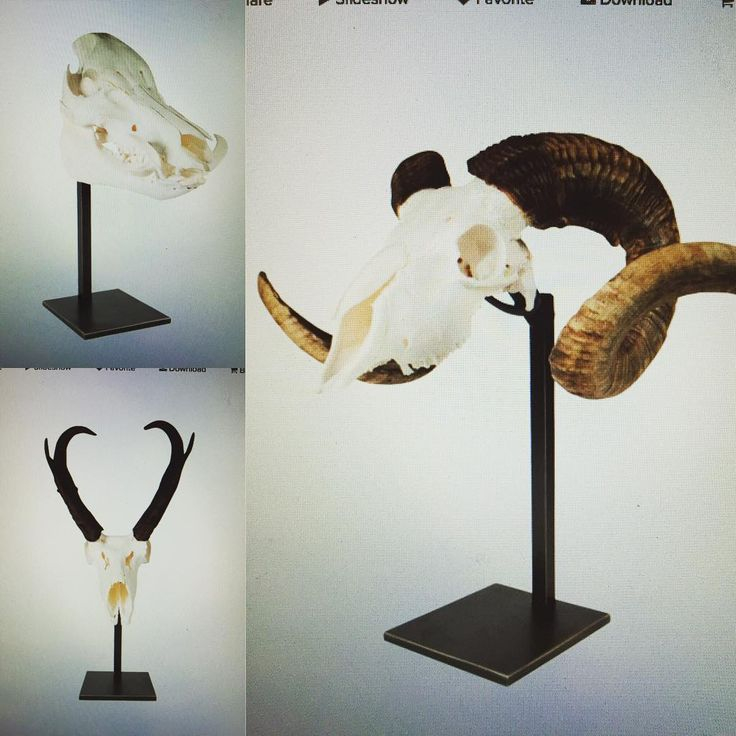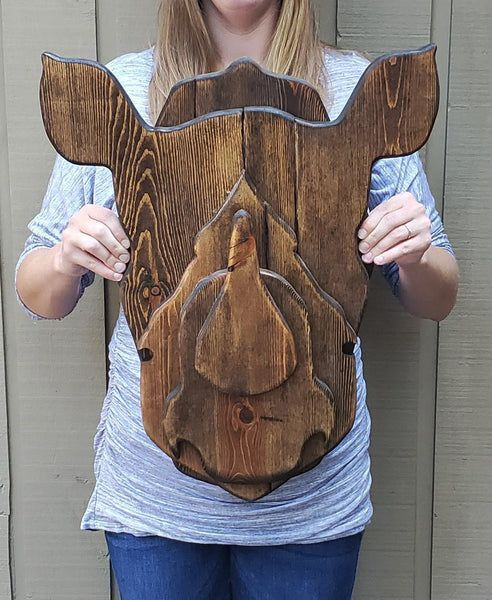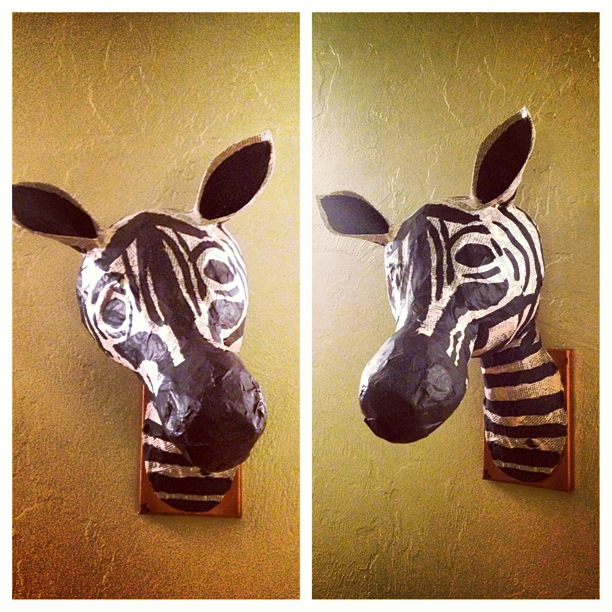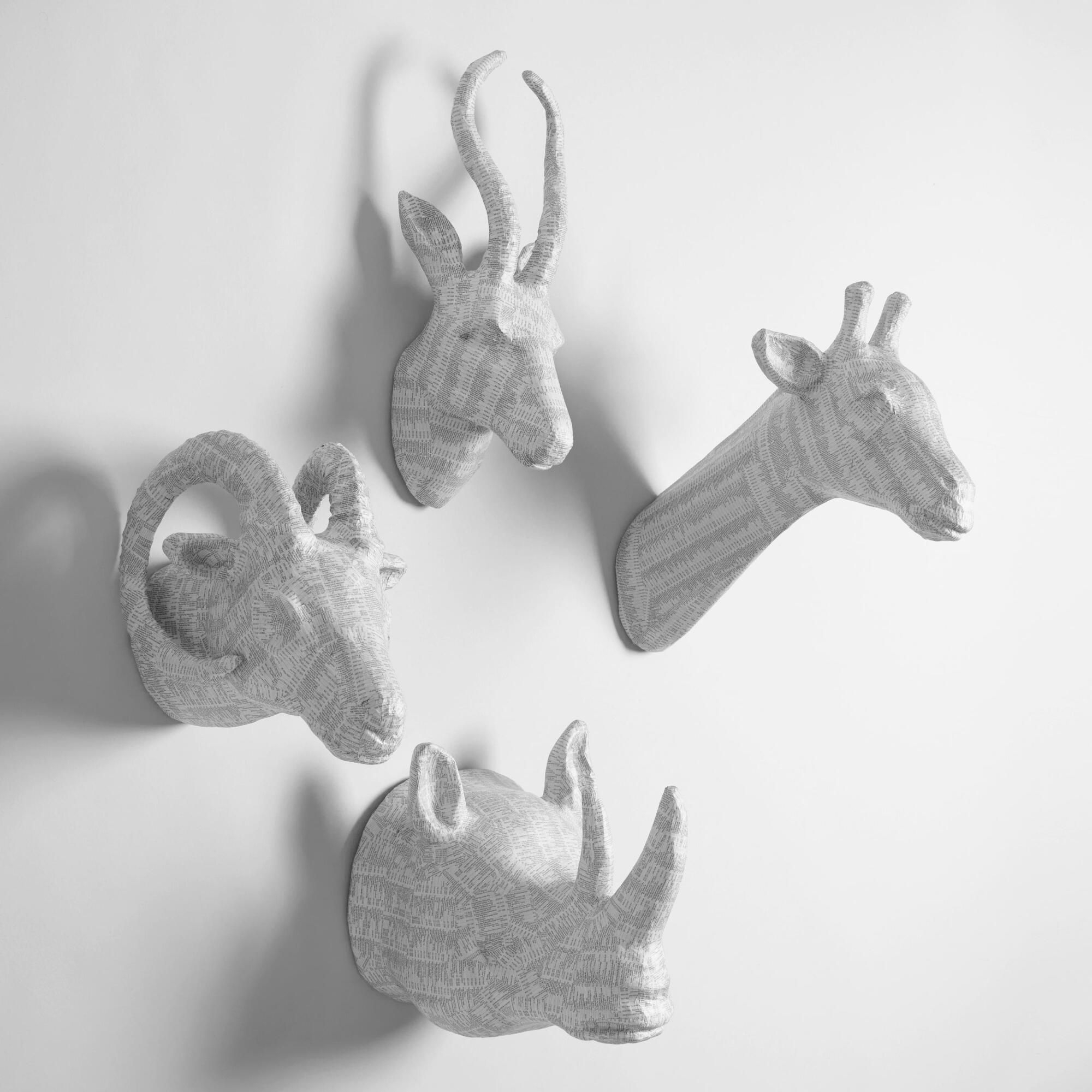
The workshop smells faintly of old newsprint, wood glue, and industrial solvents. Outside, the hum of a crowded metropolis provides a relentless acoustic backdrop, but inside, an artist methodically rolls strips of discarded daily broadsheets into dense, structural tubes. Within hours, these unassuming remnants of yesterday’s headlines transform into the sinewy muscle and curving horns of an African bovid or a lumbering sea turtle. This alchemy—turning municipal trash into lifelike, three-dimensional wildlife—has quietly migrated from the eccentric fringes of the avant-garde to the center of contemporary interior design.
We live in an age of hyper-digitized mass production where buying a pristine, injection-molded plastic figurine takes three clicks and forty-eight hours. Yet, homes curated with mass-market perfection often feel sterile, echoing with the quiet emptiness of standardized manufacturing. This sensory fatigue has triggered a cultural counter-movement. People are actively hunting for objects with a pulse, artifacts carrying a visible biography. When a three-dimensional animal sculpture enters a domestic space, it brings more than aesthetic weight. It carries a narrative of redemption, a physical manifestation of resourcefulness that challenges our cultural addiction to disposable convenience.
The allure goes deeper than mere rustic charm or eco-conscious virtue signaling. Sculptors working across the globe—from Tokyo to Lisbon—are using discarded materials to construct anatomically evocative representations of the natural world. Artists like Chie Hitotsuyama meticulously bind hundreds of meters of damp, repurposed newspaper with heavy-duty wood glue to capture the weathered hide of a rhinoceros. Meanwhile, street artists such as Bordalo II weld tangled car parts, discarded circuit boards, and corrugated metal sheets into towering, aggressive murals of urban fauna that literally jut off the concrete. These works succeed because they merge the mechanical detritus of human civilization with the vulnerable grace of the animal kingdom, forcing viewers to confront the physical footprint of modern consumption.
The Mechanics of Metamorphosis and Material Psychology
To understand why recycled 3D animal decor commands such cultural gravity, one must examine the intrinsic psychology of the raw materials themselves. Virgin bronze, pristine marble, and fresh timber are neutral slates; they do not argue with the artist’s intent. Conversely, a discarded bicycle spanner, a rust-flecked automobile fender, or a flattened Amazon shipping box carries an unyielding personality. These items possess ingrained textures, historical patinas, and structural limitations that actively dictate the creative process. When a sculptor bends a length of rusty armature wire or tears through layers of corrugated cardboard, they are engaged in a dialogue with industrial history.
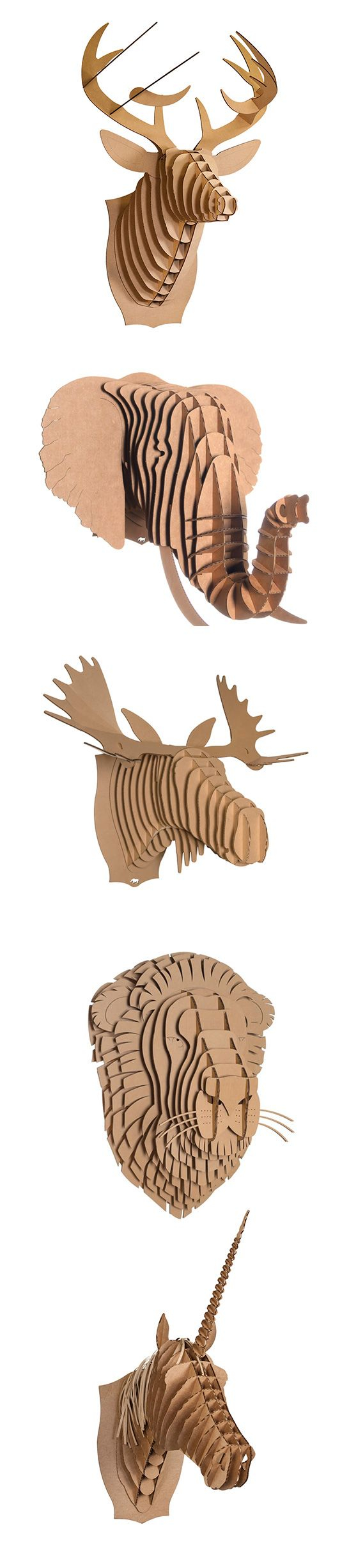
This friction between medium and message elevates the final sculpture from a novelty to a masterclass in material translation. Consider the work of artists who specialize in cardboard, such as Taki Tamada, whose lifelike orangutans and tigers reveal the unexpected structural integrity of fluted paper. By laminating, scoring, and layering ordinary packing boxes, these creators exploit the inherent strength of the material’s internal arches. The ridged edges of the cardboard mimic the striated texture of animal musculature and fur far more convincingly than smooth, synthetic clays ever could. The viewer’s brain recognizes the paradox: a fragile medium, destined for a municipal landfill, has been engineered into a permanent, roaring apex predator.
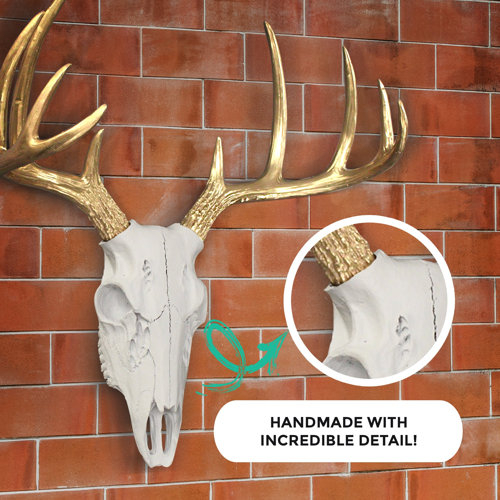
Furthermore, the domestic placement of these objects shifts the psychological atmosphere of a room. A taxidermied animal trophy, once the ultimate symbol of elite conquest and colonial dominance, carries a heavy, mournful weight that sits uncomfortably in modern homes. Recycled animal decor subverts this historical trope entirely. It retains the striking visual impact of a taxidermy mount—the proud turn of a stag’s neck, the fierce gaze of a wire-framed lion—while stripping away the cruelty. It celebrates wildlife through preservation and imagination rather than extraction. Homeowners are drawn to this duality, using these sculptures as ethical centerpieces that communicate environmental mindfulness without sacrificing bold interior aesthetics.
Global Artistry and the Rise of Urban Wildlife Narratives
The international footprint of recycled wildlife sculpture reveals a fascinating cultural convergence. Across vastly different societies, artists are turning to local waste streams as their primary artistic vocabulary. In the United Kingdom, sculptors like Barbara Franc bend galvanized wire and stitch together fragments of discarded tin cans, plastic packaging, and old maps to build delicate, hollow-bodied hares, seabirds, and wildcats. These pieces vibrate with a nervous, kinetic energy, as if the wire hare might bolt across the Persian rug at any second. The patchwork of printed text and faded brand logos visible beneath the surface of the wire mesh creates a multi-layered visual experience that draws the eye closer.
This artistic wave also intersects with urgent ecological dialogues. Urban environments are increasingly encroaching upon natural habitats, pushing wildlife to the literal margins of human civilization. When artists weld discarded industrial scrap into the shapes of foxes, raccoons, and birds of prey and mount them directly onto city walls, they are staging a visual intervention. They are reminding urban dwellers that nature has not been entirely eradicated; it has merely adapted, hiding in the cracks of our infrastructure. This artistic storytelling reframes waste not as an invisible inconvenience to be swept out of sight, but as the raw building block of a new ecosystem.
The consumer market has responded to this cultural shift with enthusiastic validation. Interior designers routinely source these bespoke, upcycled animal sculptures for high-end hospitality spaces, boutique hotels, and residential living rooms seeking an organic anchor. The appeal lies in absolute uniqueness. Because the materials are sourced haphazardly—a stash of vintage watch straps here, a box of rusted cutlery there—no two sculptures are ever identical. In a culture saturated with algorithmic design and mass-produced home goods, owning a three-dimensional animal crafted from industrial salvage is a quiet rebellion. It signifies an appreciation for slow craft, eccentric provenance, and ecological stewardship.
A Step-by-Step Methodology for Crafting Upcycled Animal Art
Creating a structurally sound, visually compelling three-dimensional animal sculpture from recycled materials requires a rigorous, multi-stage engineering approach. It is not merely a matter of gluing trash together; it demands an understanding of weight distribution, armature building, and surface skinning.
- Step 1 (Armature Construction & Anatomy): Establish a rigid internal skeleton using heavy-gauge galvanized steel wire or welded reinforcement bars. Study skeletal proportions carefully to ensure the spine, hip placement, and limb angles match the target animal’s dynamic posture.
- Step 2 (Bulk Massing & Core Building): Build out the primary volume of the body using lightweight, compressible recycled fillers such as crushed newspaper, packing peanuts, or foam offcuts. Secure these fillers tightly to the wire armature using masking tape, twine, or zip ties to create a solid anatomical base.
- Step 3 (Surface Texturing & Layering): Apply the primary upcycled medium—whether rolled magazine strips, corrugated cardboard scoring, or flattened tin cans—over the core mass. Use high-strength wood glue, hot glue, or structural rivets to anchor each piece individually, overlapping edges to mimic fur, scales, or feathers.
- Step 4 (Structural Reinforcement & Sealing): Treat the entire sculpture with a protective binding agent, such as diluted PVA glue or clear matte polyurethane varnish, to lock the materials in place, prevent moisture absorption, and ensure long-term durability in indoor environments.
- Step 5 (Finishing & Aesthetic Detailing): Refine the visual surface by sanding, selective painting, or leaving raw industrial patinas exposed. Install secure mounting hardware—such as heavy-duty D-ring hangers or integrated internal base plates—depending on whether the piece is intended for wall display or freestanding placement.
Navigating Structural Pitfalls and Material Limitations
Working with discarded materials introduces unpredictable variables that can easily compromise the structural integrity of a sculpture if not anticipated. Amateurs and professional makers alike frequently encounter physical obstacles that require field-tested workarounds.
- Pitfall 1 (Moisture and Mold Vulnerability): Using damp or untreated organic waste like newspaper or cardboard in humid environments invites mold growth and structural sagging over time. Workaround: Always seal finished porous materials with multi-coat applications of water-based polyurethane or archival conservation sealants before final display.
- Pitfall 2 (Unbalanced Weight Distribution): Creating cantilevered elements, such as an extended animal neck or outstretched wings, without a counter-weighted base leads to tipping or structural collapse. Workaround: Anchor the internal wire armature to a heavy wooden base plate or integrate lead shot and dense metal hardware into the rear core mass to offset the center of gravity.
- Pitfall 3 (Degradation of Found Metals): Incorporating unsealed rusted iron or scrap steel into a piece can result in ongoing flaking, staining of surrounding walls, and progressive structural failure. Workaround: Scrub all scrap metal components with wire brushes, neutralize active rust with commercial conversion coatings, and spray with a clear anti-corrosive lacquer.
- Pitfall 4 (Adhesive Failure on Mixed Surfaces): Standard glues often fail when attempting to bond dissimilar recycled surfaces, such as slick plastics to oily metals or glossy magazine pages. Workaround: Score smooth surfaces with coarse sandpaper to create a mechanical grip, and rely on industrial epoxy, hot melt adhesives, or physical stitching with wire rather than simple craft glues.
- Pitfall 5 (Visual Clutter and Loss of Form): Piling too many disparate recycled objects together can create a chaotic, visually confusing jumble where the animal silhouette is completely lost. Workaround: Step back frequently during the layering process, squint to check the silhouette against a monochromatic backdrop, and use uniform color washes or selective painting to unify disparate textures.
The Broader Ecological and Economic Implications of Upcycled Decor
The surging popularity of recycled animal decor is more than a fleeting design trend; it reflects a fundamental recalculation of value within the creative economy. For decades, the art and decor markets operated on a linear extraction model: raw materials were mined, harvested, or synthesized, manufactured into goods, and eventually discarded. Upcycling short-circuits this pipeline. By treating the municipal waste stream as a rich quarry of aesthetic potential, artists demonstrate that economic value can be generated through human ingenuity rather than material extraction.
This shift carries profound implications for sustainable consumerism. When a homeowner invests in a high-end, upcycled sculpture, they are voting with their capital against the extractive fast-decor industry. They are signaling that history, labor, and ecological mindfulness hold more weight than factory-fresh anonymity. Furthermore, the economic model of the upcycled art sector frequently supports local independent makers rather than multinational conglomerates. These creators operate micro-studios where every piece is hand-built, ensuring that money circulates within regional artisan economies while dramatically lowering the carbon footprint associated with global shipping and manufacturing.
Beyond economics, these sculptures serve as quiet catalysts for domestic conversations regarding sustainability. A guest who notices a striking wall-mounted rhinoceros head crafted entirely from discarded shipping cartons and old telephone directories will inevitably ask questions. That inquiry opens the door to a discussion about consumption habits, municipal waste, and habitat loss. Art has always been humanity’s most effective vehicle for cultural persuasion; wrapping urgent environmental truths in stunning, three-dimensional craftsmanship ensures the message resonates without feeling like a lecture.
Strategic Frameworks for Curating and Displaying Upcycled Sculptures
Integrating recycled animal decor into a residential or commercial space requires a deliberate curation strategy. Because these pieces are inherently visually complex and texturally rich, they demand specific environmental contexts to truly shine.
- Curatorial Principle 1 (Lighting as a Sculptural Tool): Position directional spot lighting or adjustable track lights at a sharp angle to the sculpture. Raked lighting casts deep shadows across the folds of cardboard, twisted wire, or layered scrap metal, accentuating the three-dimensional depth and anatomical contours.
- Curatorial Principle 2 (Intentional Negative Space): Mount or place the sculpture against a neutral, minimalist backdrop—such as plain lime-washed walls or exposed concrete. Surrounding an intricate upcycled piece with busy wallpaper or competing patterns will neutralize its visual impact.
- Curatorial Principle 3 (Thematic Grouping & Scale): Balance the room by pairing a large statement sculpture with smaller, complementary accents, or let a single monumental piece stand alone as the undisputed focal point of a shared living space.
- Curatorial Principle 4 (Environmental Harmony): Complement the tactile warmth of the sculpture by pairing it with organic interior elements such as untreated wood flooring, live indoor flora, natural linen textiles, and unglazed ceramics.
- Curatorial Principle 5 (Maintenance and Care Protocols): Protect delicate paper and wire sculptures from direct, harsh sunlight to prevent fading, and use a soft-bristled brush or compressed air canister periodically to clear dust from intricate crevices.
The cultural ascent of three-dimensional animal decor crafted from recycled materials reminds us of a fundamental truth about human creativity: limitation breeds ingenuity. When artists look at a mountain of discarded cardboard, old newspapers, and rusted industrial scraps, they do not see garbage. They see the raw material of life, waiting to be coaxed into form through patience, physical labor, and profound empathy for the natural world.
As we navigate an increasingly automated and disposable future, the hunger for authentic, hand-built objects with a visible history will only intensify. These sculptures bridge the gap between our ecological anxieties and our aesthetic desires, transforming what we threw away into monuments of what we refuse to lose. By bringing these creatures into our homes, we invite a daily reminder of resilience, resourcefulness, and the enduring beauty found in the second chance.