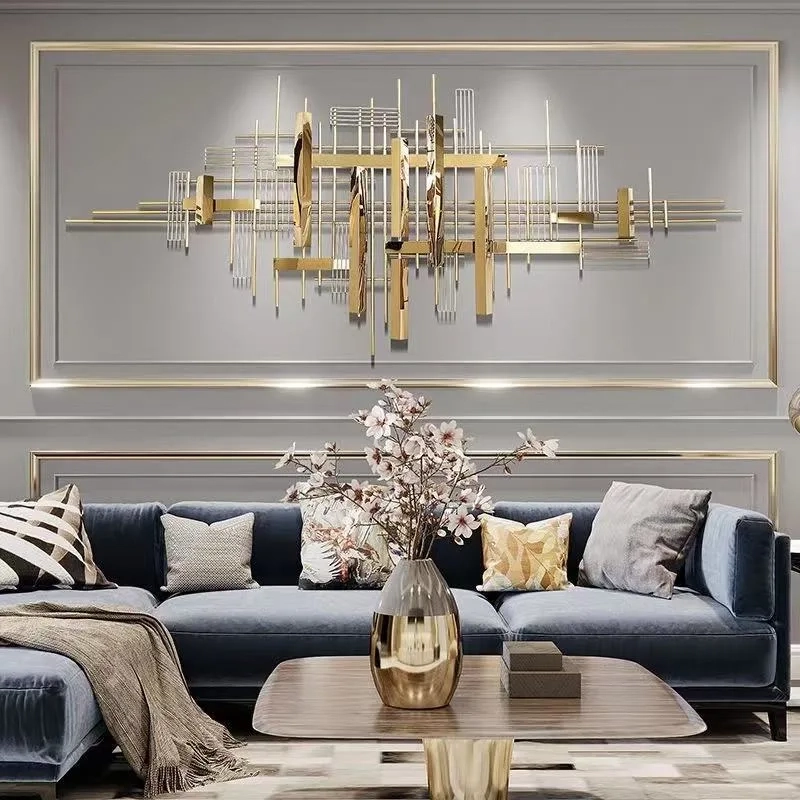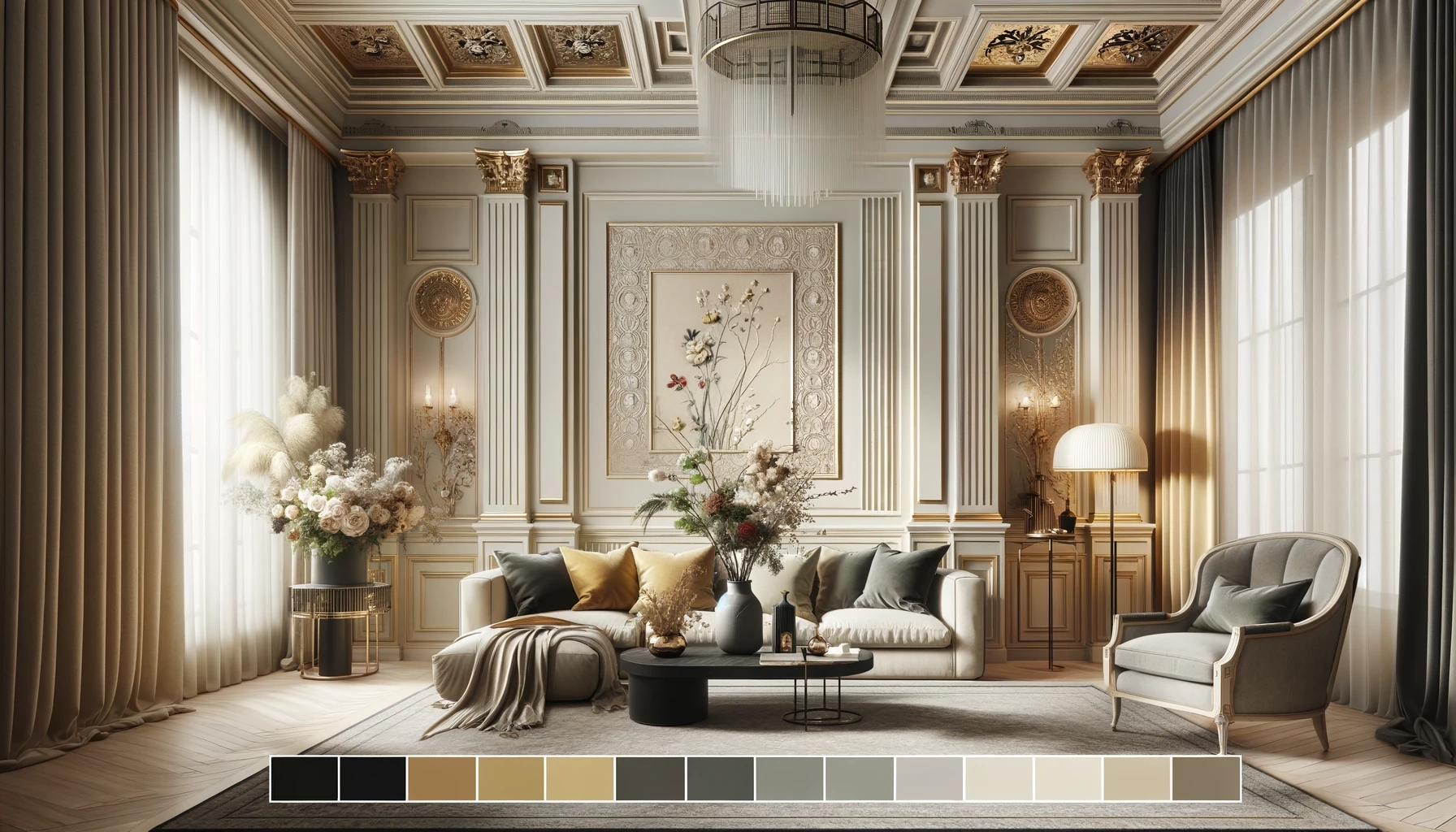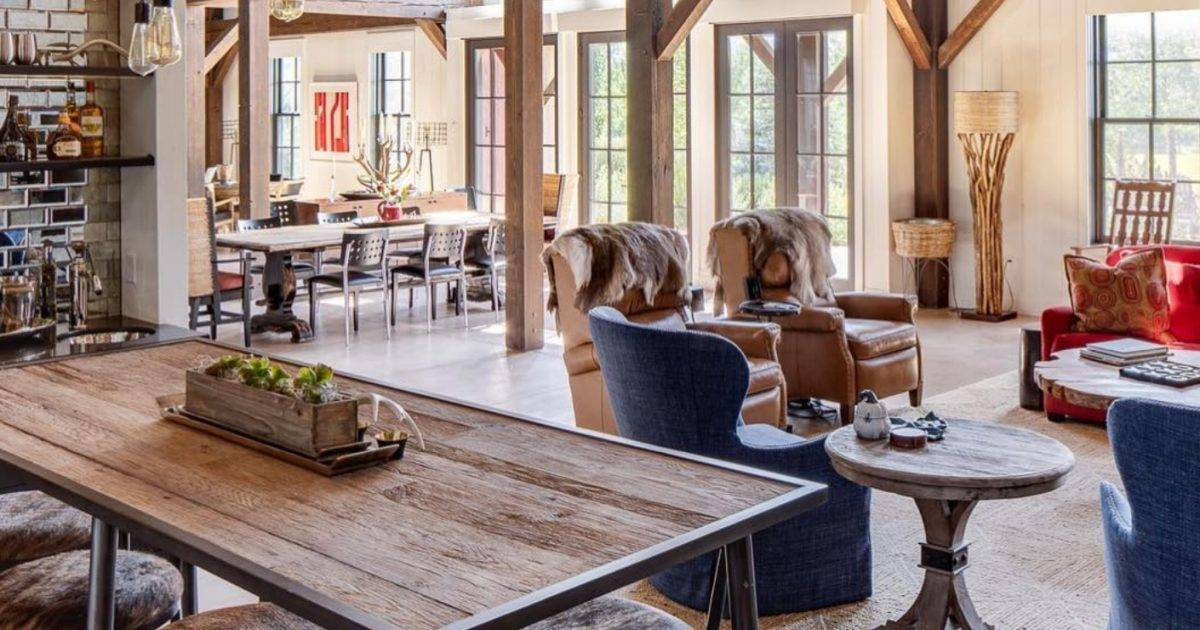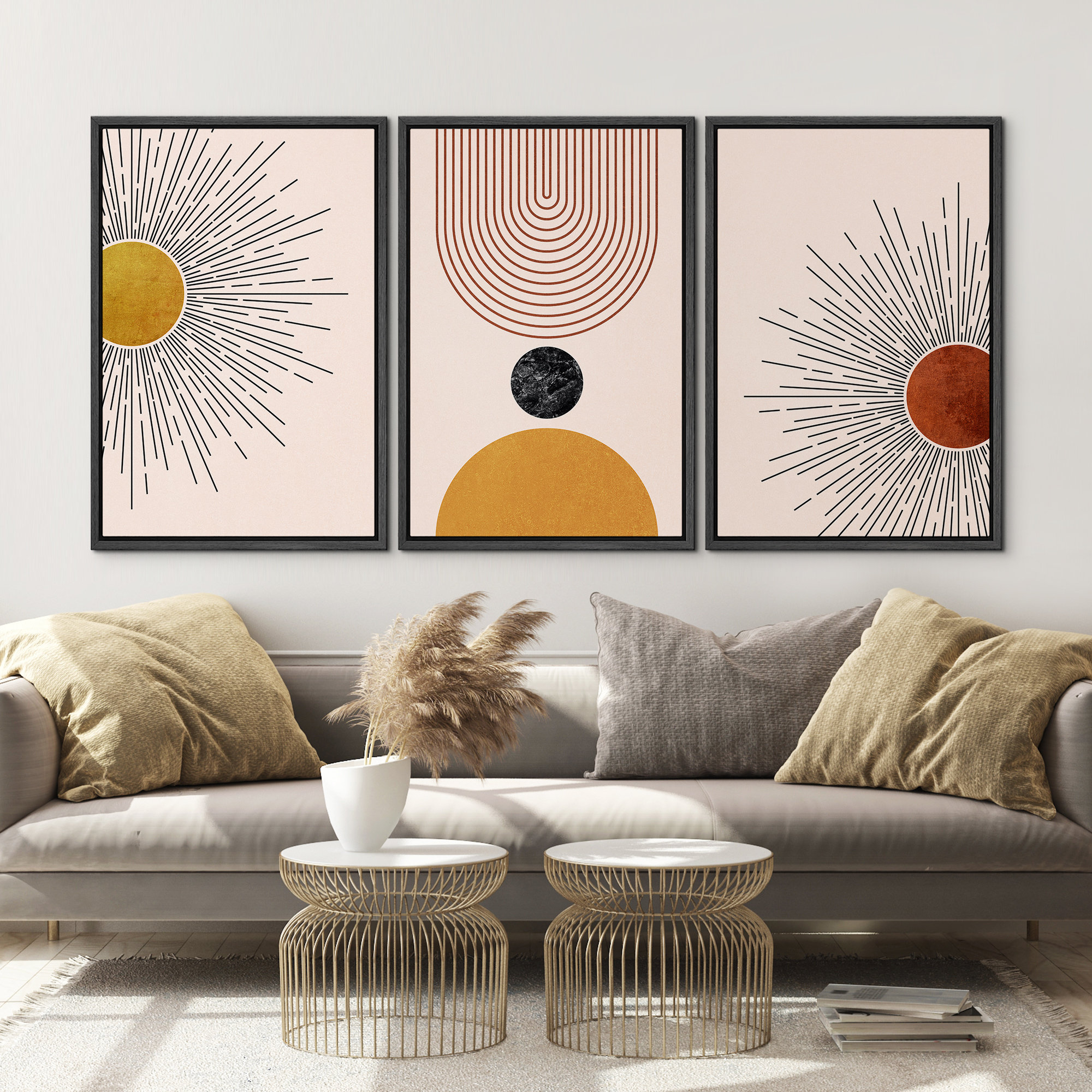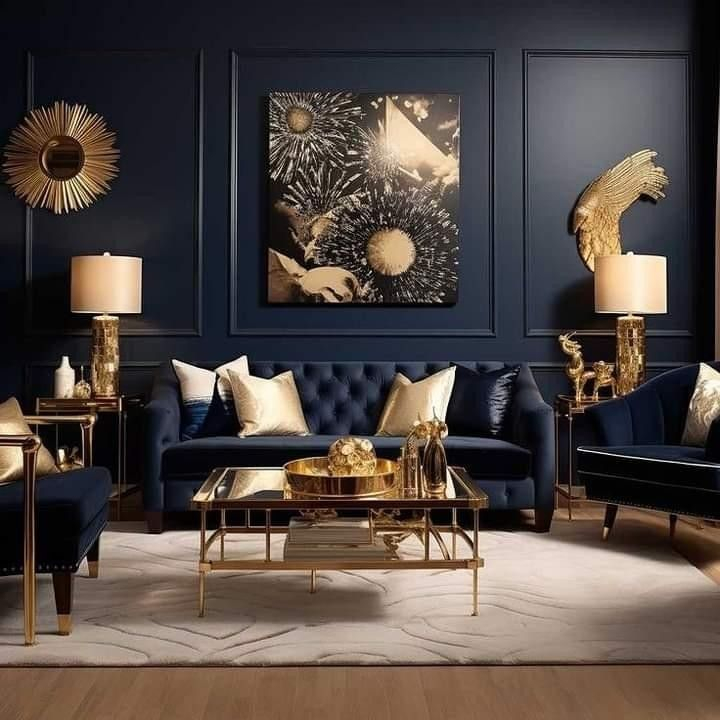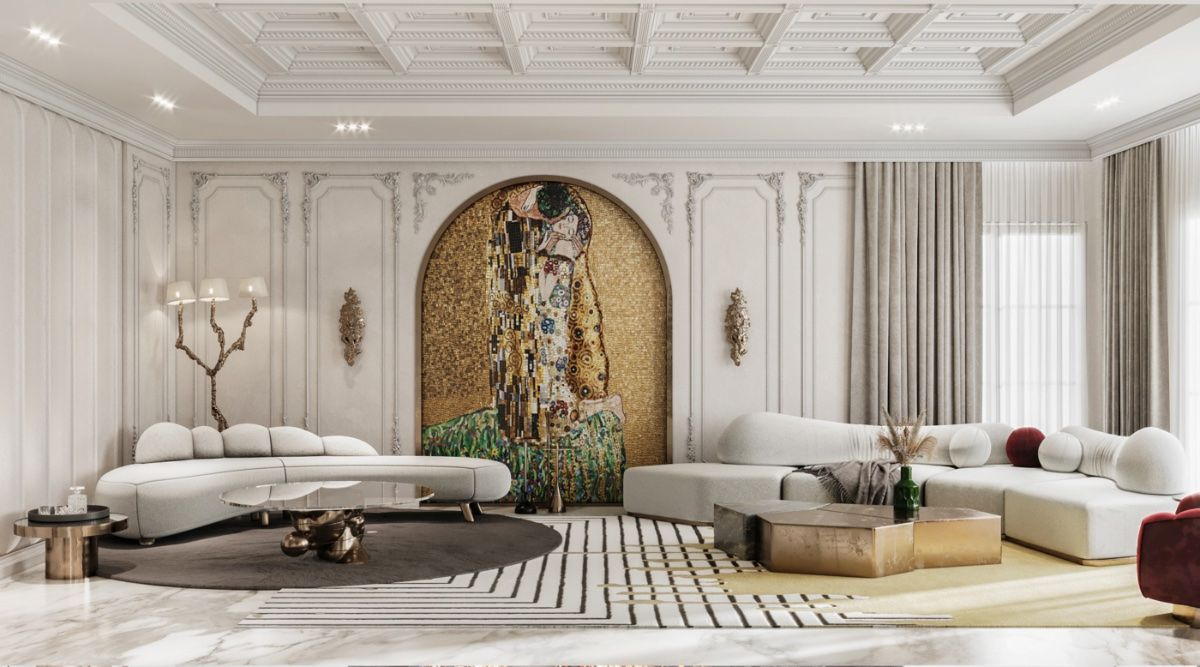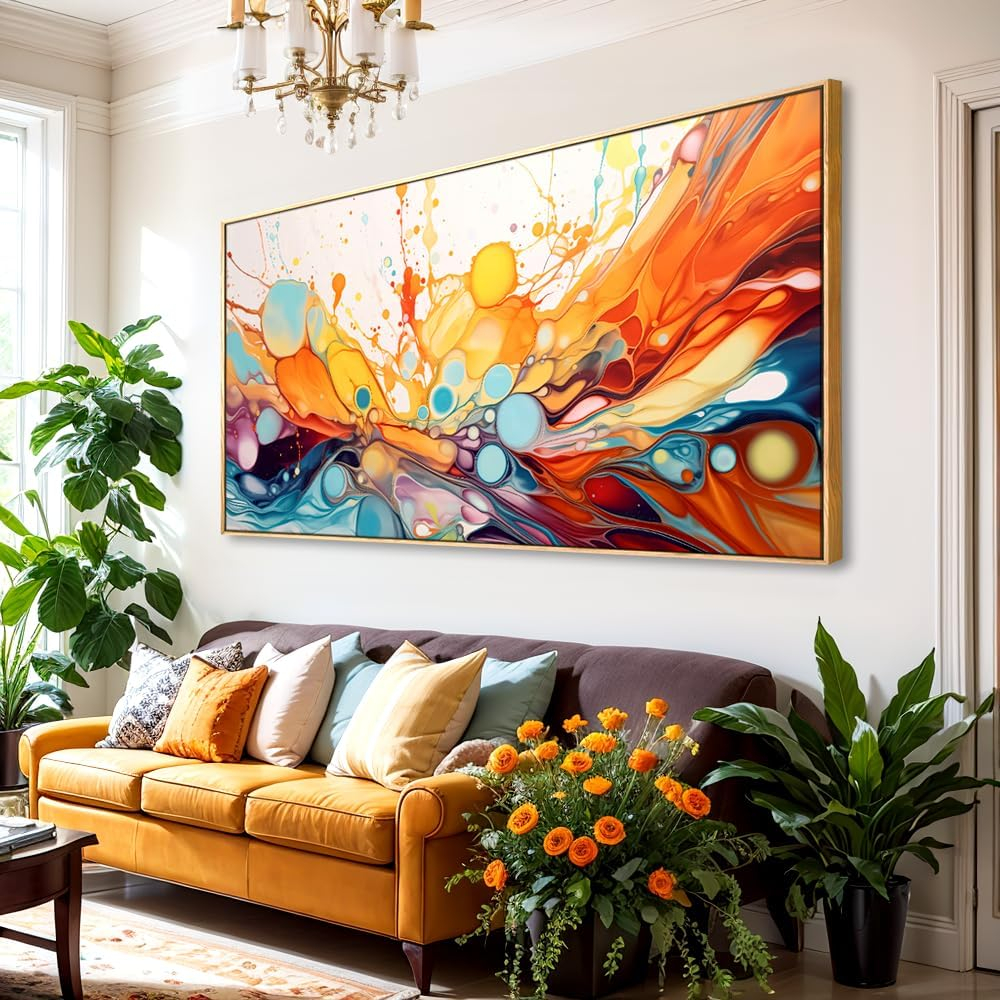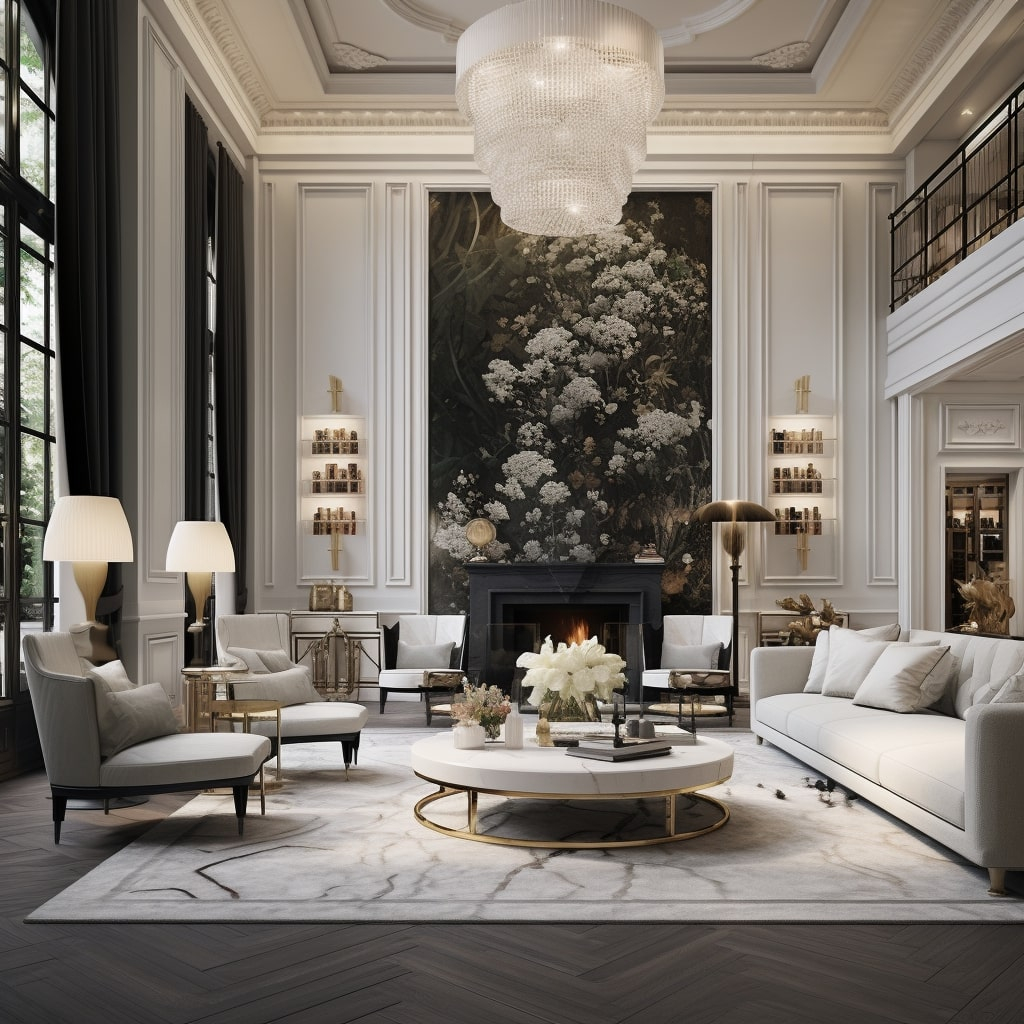
The afternoon sun hits the eastern wall of your living room, casting long, dramatic shadows across a flat expanse of drywall that has bothered you for months. You want a change. You do not want another generic canvas print or a cluttered gallery wall filled with mass-produced frames. You want something with physical presence—a piece of three-dimensional art that commands the room without shouting. But as you scroll through galleries of oversized metal reliefs and heavy plaster casts, a quiet anxiety creeps in. Will it dominate the space entirely? Will your living room suddenly feel like a museum storage vault or a cramped hotel lobby?
The fear of visual overload is real. When homeowners introduce a statement wall sculpture, the most common misstep is treating it like a standard flat painting. Flat art relies on color and line to create the illusion of depth; a wall sculpture introduces real depth, physical mass, and variable shadow lines into your living architecture. It changes the cubic volume of the room. If chosen haphazardly, a heavy bronze or textured wood assembly can crush the intimate scale of a modest seating area, leaving occupants feeling claustrophobic rather than inspired.
Successfully curating a living area with three-dimensional wall art requires a deliberate shift in how you think about scale, negative space, and environmental lighting. It is an exercise in restraint just as much as it is an act of curation. By understanding how to balance physical weight with visual lightness, you can elevate a raw wall into an architectural anchor, creating a sanctuary that feels both grounded and breathable.
The modern living space thrives on contrast—the softness of textiles against the hard edge of stone, the clean lines of contemporary builds against the timeless curves of classical sculpture. Over the past few seasons, interior architects have moved away from hyper-minimalist, sterile white boxes toward tactile, earth-grounded environments. Selecting appropriate statement wall art is not merely a final decorative afterthought. It is a fundamental structural decision that dictates the mood, the spatial perception, and the overarching aesthetic authority of the entire living area.
The Architectural Anatomy of Three-Dimensional Wall Art
Before bringing any heavy sculpture across your threshold, you must understand how physical dimension interacts with interior architecture. Unlike a flat canvas that sits flush against the drywall, a relief or wall-mounted assemblage projects outward into the room. This projection changes traffic patterns, alters sightlines, and demands a calculated relationship with the furniture sitting directly beneath it. A common oversight involves ignoring the "clearance zone" between the top of a living room console or sofa back and the lower edge of the art piece.
Scale is the primary battleground in wall sculpture integration. Interior designers often use the "two-thirds rule" as a baseline: a statement piece should occupy roughly sixty to seventy percent of the available wall space above a piece of furniture. However, physical weight matters just as much as linear dimensions. A delicate wire-mesh wall sculpture measuring four feet across may feel entirely weightless, whereas a solid cast-iron or reclaimed-wood relief of the exact same size will demand absolute visual dominance. You must weigh the density of the material against the natural light levels of the room.
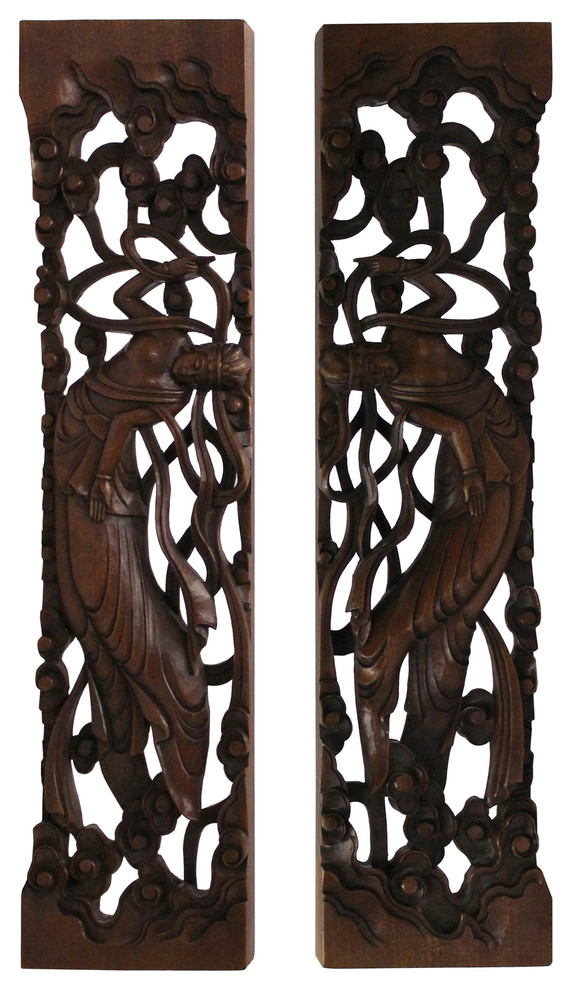
Material context dictates whether a sculpture anchors a room or alienates it. In spaces dominated by cold surfaces—polished concrete floors, glass sliding doors, and leather upholstery—introducing a warm, organic medium like carved teak or brushed brass introduces necessary thermal and visual equilibrium. Conversely, if your living room is heavy on plush wools, deep-pile rugs, and traditional millwork, a sleek, geometric brushed bronze or matte black steel sculpture cuts through the softness, introducing a crisp, modern architectural edge.
The relationship between the art and its supporting wall surface cannot be overstated. Textured walls, such as Venetian plaster, exposed brick, or vertical slat paneling, create a busy background that can cause a complex sculpture to become visually lost. If your wall has inherent texture, your sculpture must possess either stark geometric simplicity or an exaggerated silhouette to maintain its legibility. Smooth, matte-painted drywall, on the other hand, acts as a silent amplifier, allowing every intricate shadow and fine edge of the sculpture to register clearly.
Calibrating Spatial Proportion and Negative Space
The secret to preventing a statement piece from overwhelming a room lies in the strategic deployment of negative space. Negative space is not merely empty wall; it is an active design element that provides visual breathing room. When you hang a massive ginkgo leaf motif or an expansive abstract brass assemblage, the bare drywall surrounding it acts as a frame. If that frame is too narrow, the room immediately shrinks. The sculpture begins to bully the furniture, the windows, and the ceiling height.
To maintain proper spatial equilibrium, you must calculate the visual weight of your seating arrangement relative to the art. A low-profile sectional sofa paired with low-slung walnut coffee tables creates a horizontal emphasis. If you hang a vertically oriented sculpture above this setup without adequate clearance, you create a jarring geometric friction. The eye stutters as it tries to reconcile the aggressive vertical pull of the art with the sprawling horizontal plane of the furniture. Harmonizing these shapes requires matching the orientation of the sculpture to the underlying furniture footprint or deliberately contrasting it with enough surrounding margin to let both elements breathe.
Ceiling height fundamentally alters how wall sculptures register in a living area. In historic homes with towering ceilings and crown molding, small or mid-sized statement art gets swallowed by the vertical expanse, appearing timid and misplaced. Here, you either need monumental scale or a vertically stacked composition. In contemporary apartments with standard eight-foot ceilings, oversized sculptures can easily create a low-ceiling effect if hung too high or too low. The optical center of the sculpture should generally align with standard eye level—approximately 57 to 60 inches from the finished floor—unless it is specifically intended to anchor a double-height architectural wall.
Furthermore, consider the sightlines from adjacent rooms. Open-plan living spaces mean your statement sculpture is rarely viewed from a single static angle. It is glimpsed from the kitchen island, the entryway, and the dining table. A successful installation possesses what architects call "360-degree environmental awareness." It must look intentional and balanced whether you are standing five feet away or looking across an open floor plan from thirty feet away.
Step-by-Step Methodology for Sizing and Placement
Executing a flawless installation requires a methodical approach that removes guesswork and protects your drywall from unnecessary anchor holes. Rushing this process almost always leads to crooked art, awkward spacing, and spatial regret. Follow this structured roadmap to ensure precision from concept to final hang:
- Step 1 (Environmental Assessment and Light Mapping): Observe how natural and artificial light hits your target wall across different times of the day. Note where harsh afternoon glares might wash out metallic surfaces or where deep shadows might obscure subtle textures, and plan your hanging zone accordingly.
- Step 2 (Mock-Up Creation and Scale Testing): Cut a piece of heavy brown Kraft paper or cardboard to the exact dimensions of your intended wall sculpture. Tape it to the wall using painter’s tape and leave it there for 48 hours to observe how it interacts with daily living patterns and furniture clearance.
- Step 3 (Weight Distribution and Structural Anchoring): Weigh your actual sculpture and evaluate its mounting points. For pieces exceeding twenty pounds, locate studs using an electronic sensor, or invest in heavy-duty toggle bolts and rated molly anchors to prevent catastrophic wall failure.
- Step 4 (Proportional Clearance and Alignment): Measure the width of the console table or sofa beneath the art. Ensure the sculpture leaves at least six to twelve inches of clear margin on either side, and maintain a 6-to-10-inch gap between the bottom of the art and the furniture top.
- Step 5 (Accompanying Color and Texture Echoes): Select one secondary color or metallic finish from your sculpture and subtly echo it in a single room element—such as an accent pillow or a ceramic vase—avoiding an overly matchy-matchy aesthetic while securing visual cohesion.
Navigating Common Pitfalls and Spatial Mistakes
Even seasoned decorators occasionally miscalculate the impact of large-scale objects. When dealing with three-dimensional wall art, certain errors repeat themselves across modern interior design projects. Recognizing these pitfalls before you pick up a hammer saves you from patching drywall and starting over.
- Pitfall 1 (Competing Focal Points): Hanging a heavy sculpture directly above or beside a wall-mounted television creates an aggressive turf war for the eye. Workaround: Keep your statement art on a dedicated accent wall separate from entertainment centers, or choose a low-profile, minimalist artwork that acts as a quiet frame if the TV must share the wall.
- Pitfall 2 (Ignoring Lighting Dynamics): Flat overhead room lighting washes out three-dimensional relief sculptures, making them look muddy and lifeless. Workaround: Install directional picture lights or recessed gimbal ceiling spotlights angled at a 30-to-45-degree incidence to rake light across the surface and accentuate tactile shadows.
- Pitfall 3 (Ignoring Traffic Flow and Projections): Choosing a sculpture that projects too far outward (more than 6 to 8 inches) in a narrow hallway transition or tight living room walkway where people brush against it. Workaround: Restrict high-projection pieces to dead zones above sofas or deep console tables where physical traffic cannot reach them.
- Pitfall 4 (Over-Accessorizing the Surrounding Wall): Surrounding a massive statement sculpture with small sconces, floating shelves, and family photos, creating visual clutter. Workaround: Treat the sculpture as a solo performer; let it command the wall completely without competing accessories crowding its immediate perimeter.
- Pitfall 5 (Blindly Chasing Short-Lived Trends): Buying a hyper-trendy, highly specific sculptural trend that clashes with your home’s foundational architecture just because it appeared in a seasonal design catalog. Workaround: Prioritize timeless materials like forged iron, raw brass, carved stone, and natural wood that age gracefully alongside your personal design evolution.
The Broader Aesthetic and Psychological Impact of Tactile Art
The resurgence of statement wall sculptures in contemporary living spaces reflects a broader cultural shift. In an era dominated by smooth glass screens, digital interfaces, and flat surfaces, our homes crave tactile honesty. Psychologists and environmental designers note that physical texture in interior spaces directly lowers cortisol levels and promotes psychological grounding. When you touch or look at a piece of art that bears the visible marks of a chisel, the organic grain of wood, or the brushed patina of raw metal, your brain registers authentic craftsmanship.
This tactile engagement transforms a living room from a purely aesthetic showcase into a restorative human environment. Unlike printed canvases that can feel disposable, a heavy metal or plaster relief carries a sense of permanence. It anchors us. It reminds us of the physical world outside the digital glow of our devices. This grounding effect explains why investment in bespoke, artisan-made wall sculptures has surged among homeowners seeking authenticity over mass-produced uniformity.
From an economic and design longevity perspective, choosing a quality wall sculpture is a sound long-term strategy. While fast-trend decorative accessories are frequently replaced every few seasons, a well-crafted sculptural focal point acts as a permanent architectural fixture. It adapts as you change your upholstery, repaint your walls, or update your rug selections. Because metals, natural stones, and aged woods possess an inherent neutrality beneath their striking forms, they bend to accommodate shifting color palettes and seasonal design updates without losing their foundational authority.
Sustainable sourcing has also reshaped how these pieces are created and integrated. Many contemporary artisans craft statement reliefs from reclaimed architectural timber, recycled structural metals, and locally quarried stone. Bringing these sustainable, earth-conscious materials into your living area connects your interior design choices to environmental mindfulness, ensuring that your home tells a story not just of personal style, but of ethical curation and respect for raw resources.
Actionable Frameworks for Lasting Visual Harmony
Translating these design principles into your own home requires a clear, actionable mental framework. To ensure your living area feels curated rather than cluttered, evaluate every wall modification through a series of strict design filters.
First, establish the "rule of isolation." When you introduce a powerful statement piece, remove all surrounding wall decor within a six-foot radius. Let the wall breathe. If you feel compelled to fill every square inch of drywall, you are designing from a place of anxiety rather than confidence. True luxury in interior design is defined by generous negative space.
Second, audit your color story using the 60-30-10 rule, modified for textural art. If your room is sixty percent neutral base tones and thirty percent secondary upholstery colors, let your wall sculpture act as the ten percent accent—not through loud, neon paint, but through material finish and shadow play. Let the brushed bronze, the blackened steel, or the limed oak provide the tonal punctuation mark that ties the room’s disparate textures together.
Finally, test your lighting setup at night. A statement sculpture that looks magnificent under bright midday sun can completely disappear when the sun sets and overhead lamps are turned on. Experiment with dimmable, warm-toned accent lighting (around 2700K to 3000K) to ensure the sculpture maintains its mood and depth during evening hours, when your living room transitions into a space for relaxation and entertaining.
The journey of integrating a statement wall sculpture into your living area is ultimately an exercise in listening to your home. Walls are not merely structural necessities designed to hold up a roof; they are canvases that reflect how you inhabit space, what you value, and how you wish to feel when you finally sit down at the end of a demanding day. By respecting scale, honoring negative space, and understanding the intimate interplay between light and physical texture, you transform a plain room into an articulated, deeply personal sanctuary.
As you stand back to survey your newly anchored wall, remember that design perfection is rarely about achieving a static showroom look. It is about creating a living ecosystem that supports your life, invites quiet contemplation, and sparks genuine conversation without overwhelming the senses. Trust your instincts, honor the physical dimensions of your architecture, and let your walls speak with quiet, enduring confidence.