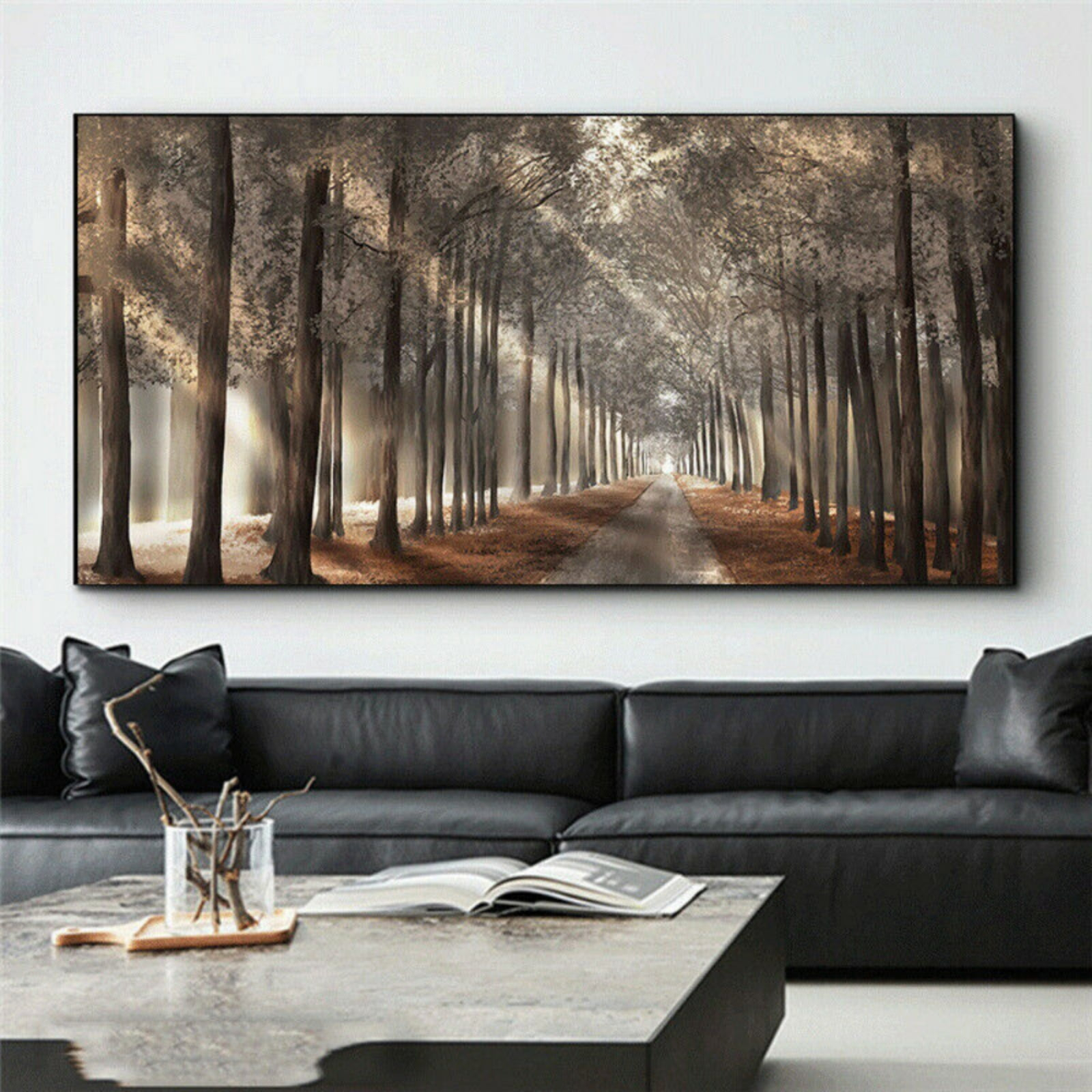
Have you ever walked into a room and felt like something was missing, even though the walls were covered in expensive prints. You are definitely not alone. For years, our homes have been saturated with flat canvases, glossy posters, and digital prints that, while pretty, often lack a certain soul. But right now in 2026, a massive shift is happening right before our eyes.
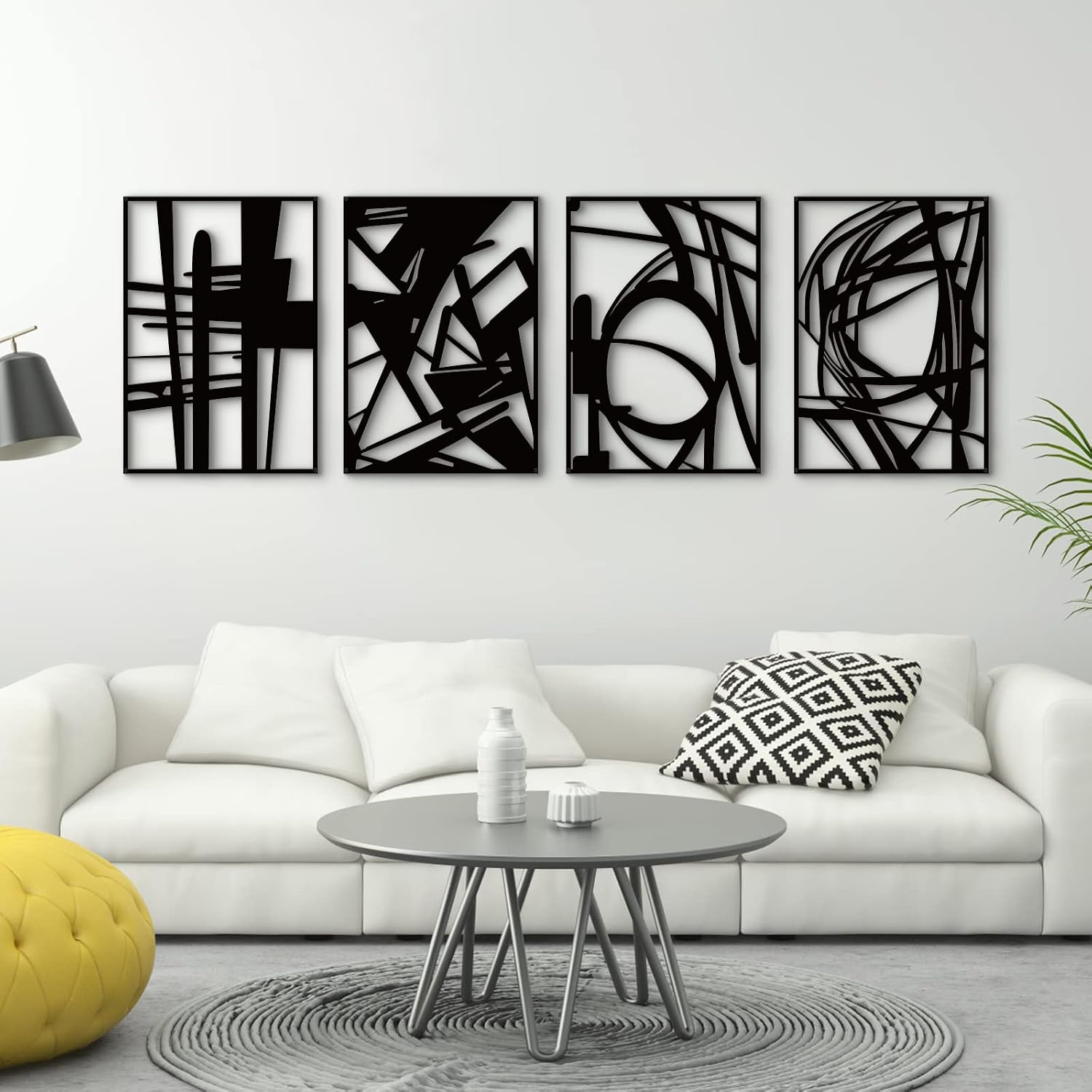
Flat walls are officially out. We are living in a design era that craves substance, touch, and presence. Homeowners and interior designers are ditching two-dimensional decor in favor of pieces that pop, curve, and literally stand out from the surface. Welcome to the rise of dimensional wall art—a trend that is changing how we experience our homes.
The Shift Toward Sensory Luxury and Tactile Realism
For a long time, minimalism ruled the design world with its stark white walls and clinical, ultra-smooth surfaces. But let’s be honest, sometimes those spaces felt a bit like a hospital. In 2026, we are witnessing the evolution into "soft modern" and warm minimalism, where the focus is all about sensory luxury. People want to feel their environments, not just look at them.
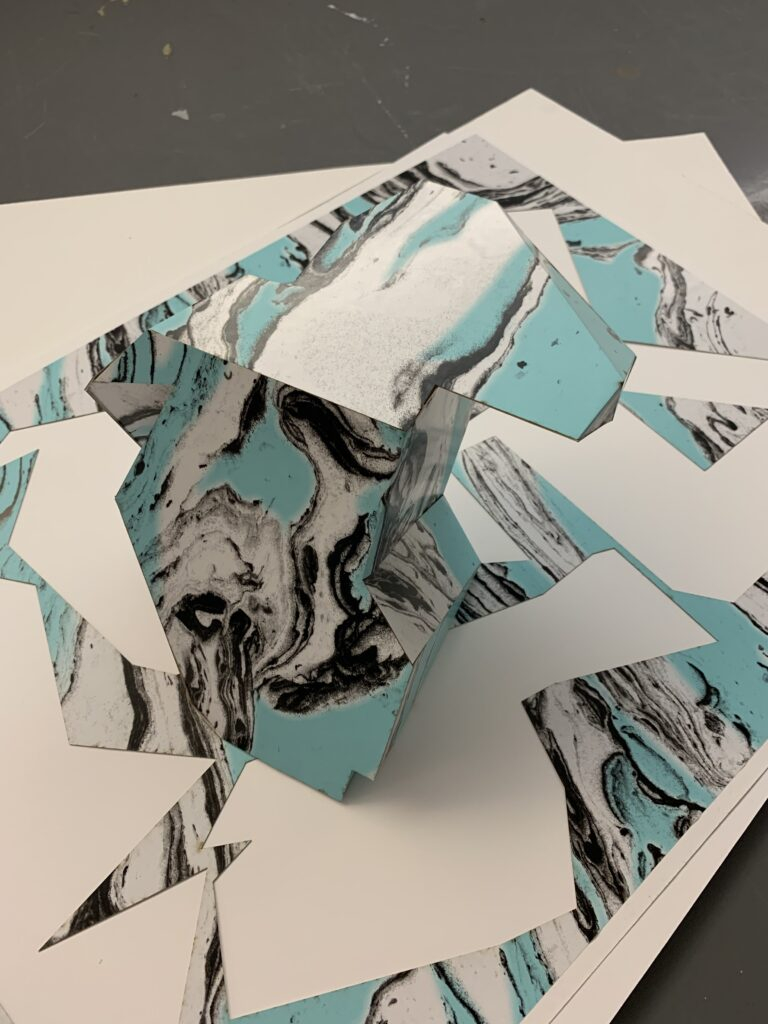
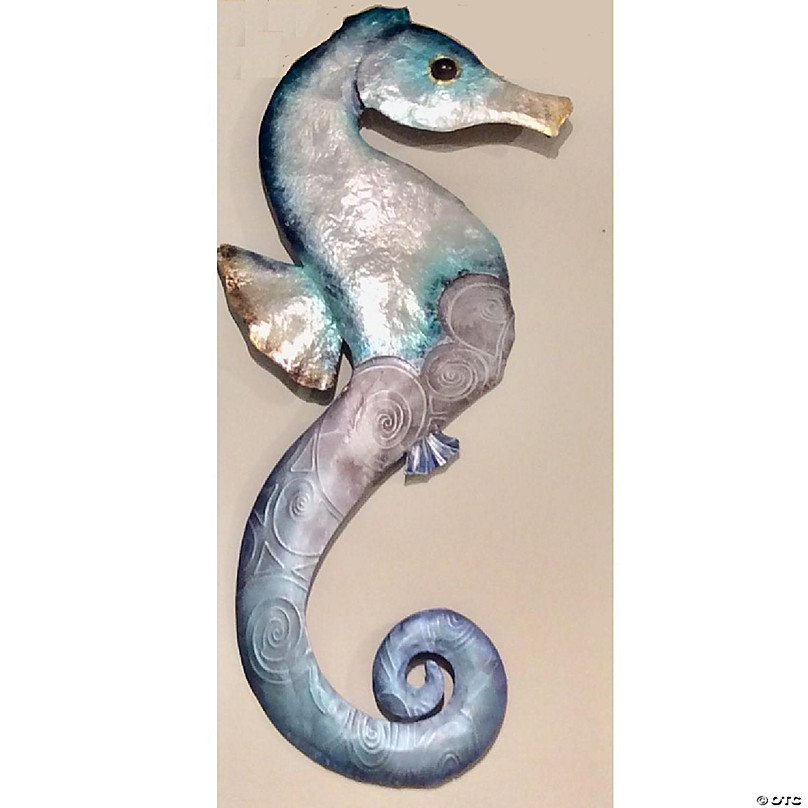
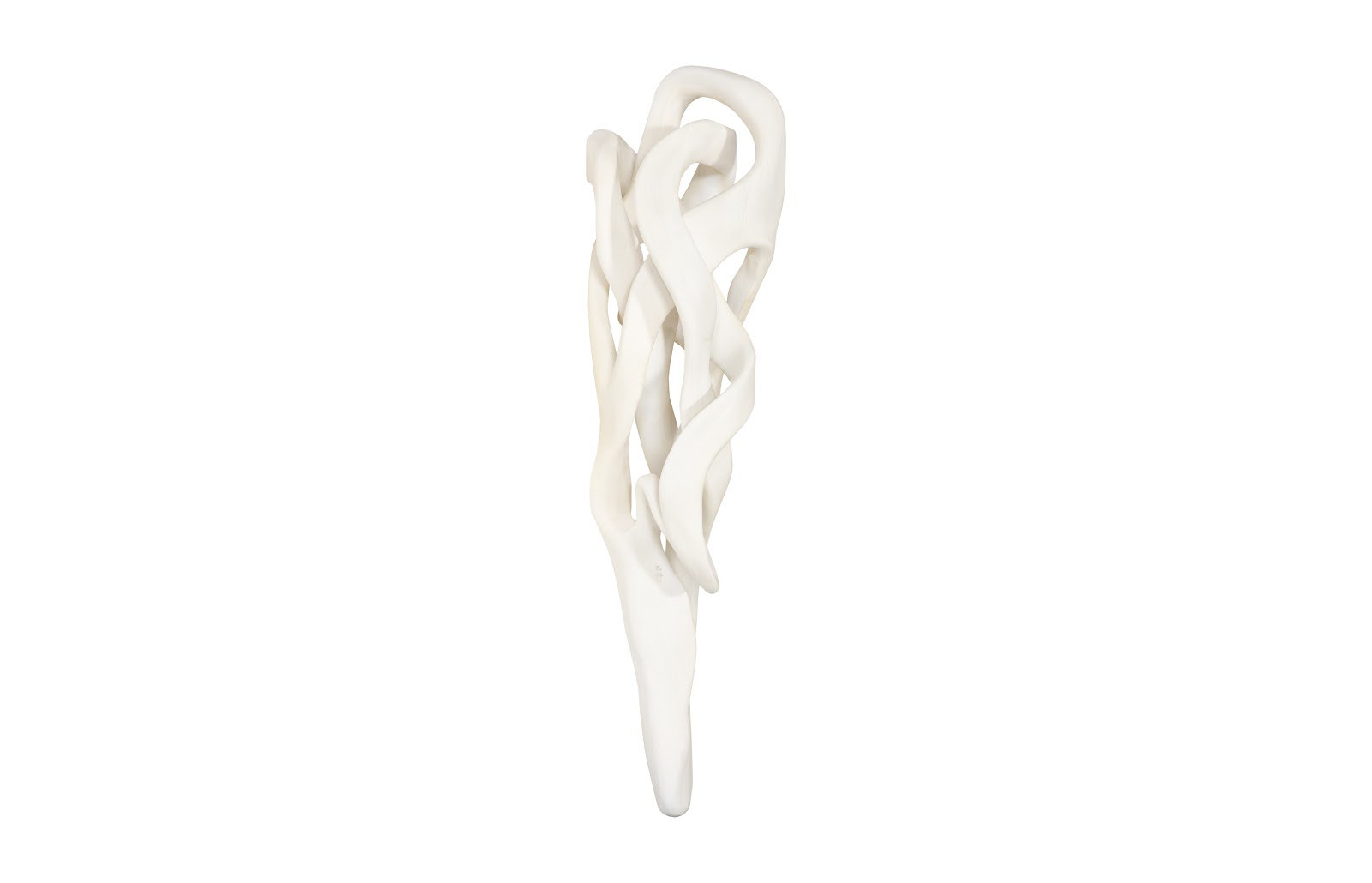
Dimensional wall art brings a tangible, physical richness that a flat print simply cannot replicate. Think matte lime plaster reliefs, layered wood installations, and sculpted resin geometries. These pieces invite you to reach out and touch them. They create a lived-in warmth that makes a room feel human and authentic rather than machine-made.
The Magic of Light and Ever-Changing Shadows
One of the coolest things about three-dimensional artwork is its dynamic relationship with light. A flat painting looks pretty much the same whether it is noon or night. A dimensional piece, however, changes its personality throughout the day as natural sunlight moves across the room.
- Morning Light: Soft, glancing rays catch the top ridges, creating gentle highlights.
- Midday Sun: Bright, direct light softens the depth, revealing fine material details.
- Evening Glow: Low-angle light casts long, dramatic shadows that accentuate every contour.
This interplay transforms your wall into a living surface. It creates a subtle, built-in drama that evolves hour by hour, meaning you never get visually exhausted by looking at the same static image day after day.
Biophilic Design Gets a 3D Makeover
Nature-inspired decor has been popular for a while, but it is getting a major upgrade this year. Instead of literal botanical illustrations or framed photos of forests, 2026 is all about stylized, tactile interpretations of the natural world. People are bringing the outdoor feeling inside through organic textures and shapes.
We are seeing an explosion of multi-layered wooden world maps, laser-cut leaf motifs, and flowing, wave-like plaster panels. These pieces mimic the raw curves of winding rivers, weathered stones, and rolling hills. Paired with earthy palettes like clay, terracota, and moss green, these dimensional structures help reduce stress and bring a sense of grounding peace to high-traffic living areas.
Breaking the Rigidity of Modern Furniture
If you look at most modern living rooms, they are full of sharp edges and boxy structures. Think rectangular sofas, square coffee tables, and flat-screen TVs. It can all start to feel a bit rigid & robotic if you are not careful.
- Softening lines: Dimensional art introduces organic waves and fluid compositions that break up this blockiness.
- Visual flow: Arches, rounded frames, and sculpted curves create a sense of ease.
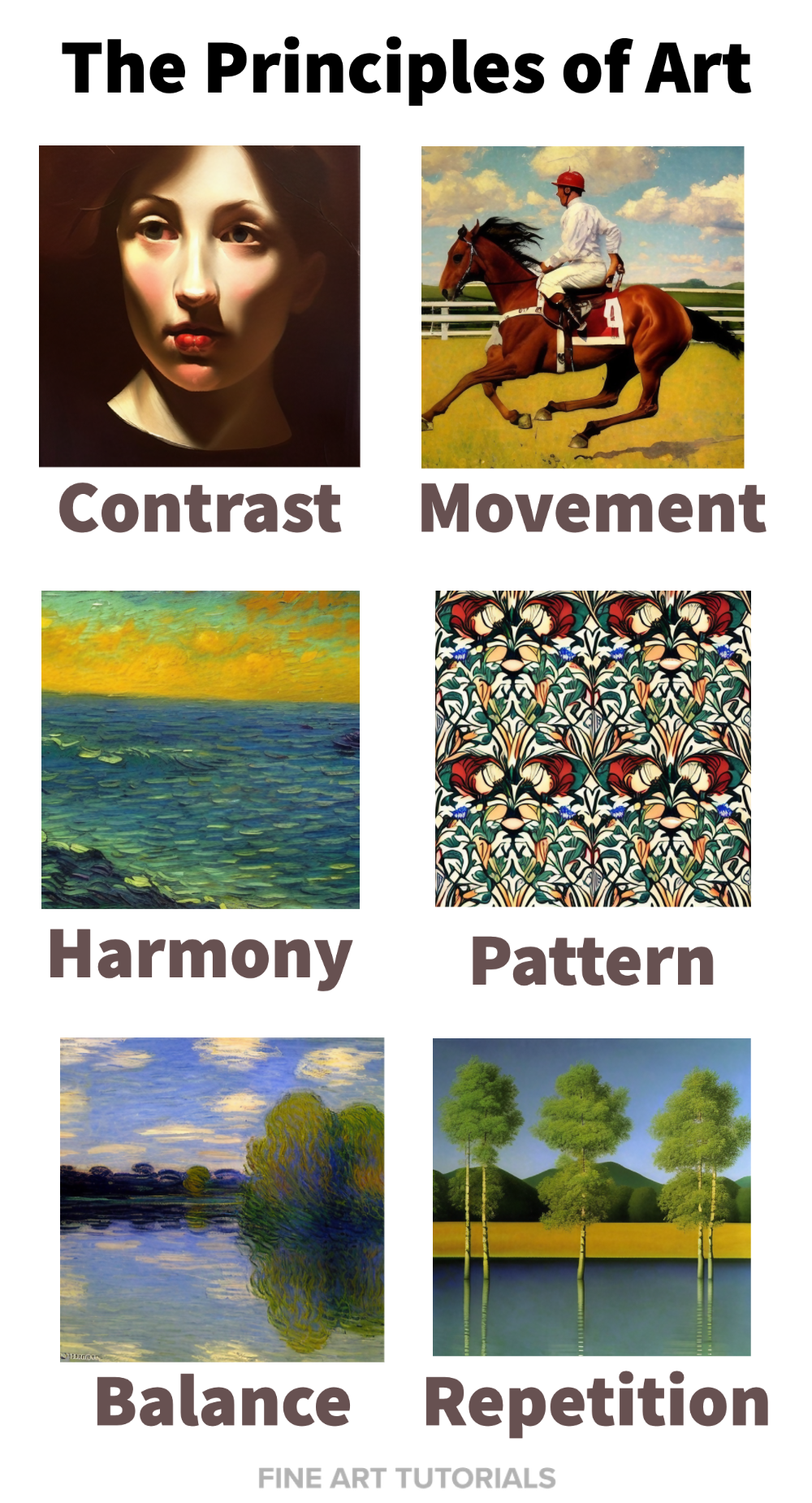
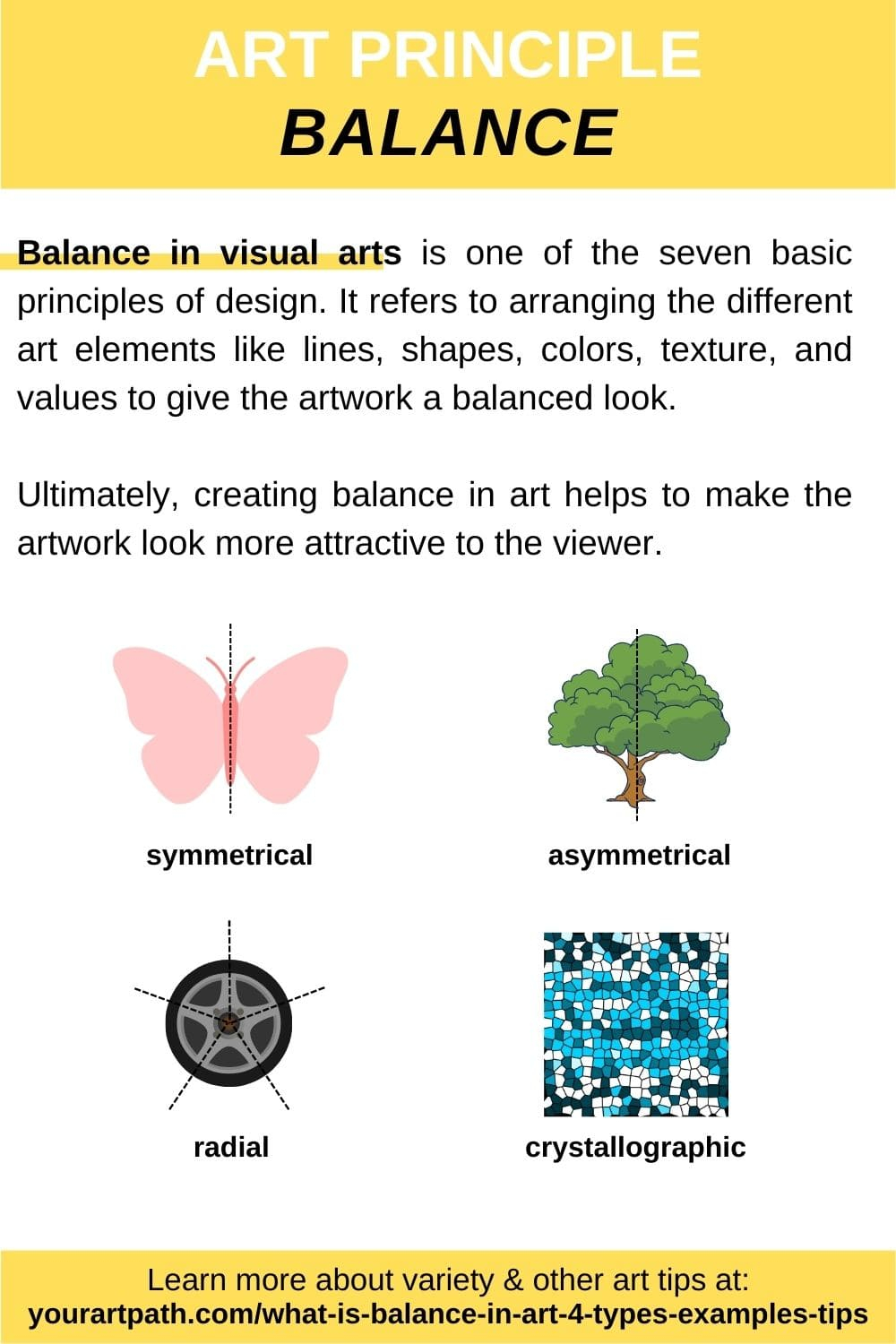
- Balance: A curvy, 3D plaster peice hung above a clean-lined modern console creates instant harmony.
By adding physical depth and soft contours to the vertical plane, you immediately balance out the heavy, linear furniture below it. It makes the entire layout feel entirely intentional and balanced.
Acoustic Comfort and Functional Art
Here is a brilliant side benefit of this trend that many people do not realize at first: acoustics. Open-plan living spaces with hardwood floors and minimalist furniture are notorious for echoing. They can sound echoey and cold, making conversations feel loud & tiring.
Dimensional wall panels—especially those made from fiber compounds, acoustic wood felt, or thick woven textiles—act as natural sound absorbers. Collectives like Acousart are pioneering pieces that look like stunning abstract terrains but secretly double as high-performance acoustic treatments. They reduce echo, increase spatial warmth, and turn busy rooms into quiet sanctuaries for the mind.
Actionable Tips for Introducing 3D Art into Your Home
Ready to try this out but not sure where to start. You don’t need a massive budget or a full home renovation to bring dimension to your walls. Here are a few practical ways to jump into the trend without overwhelming your space:
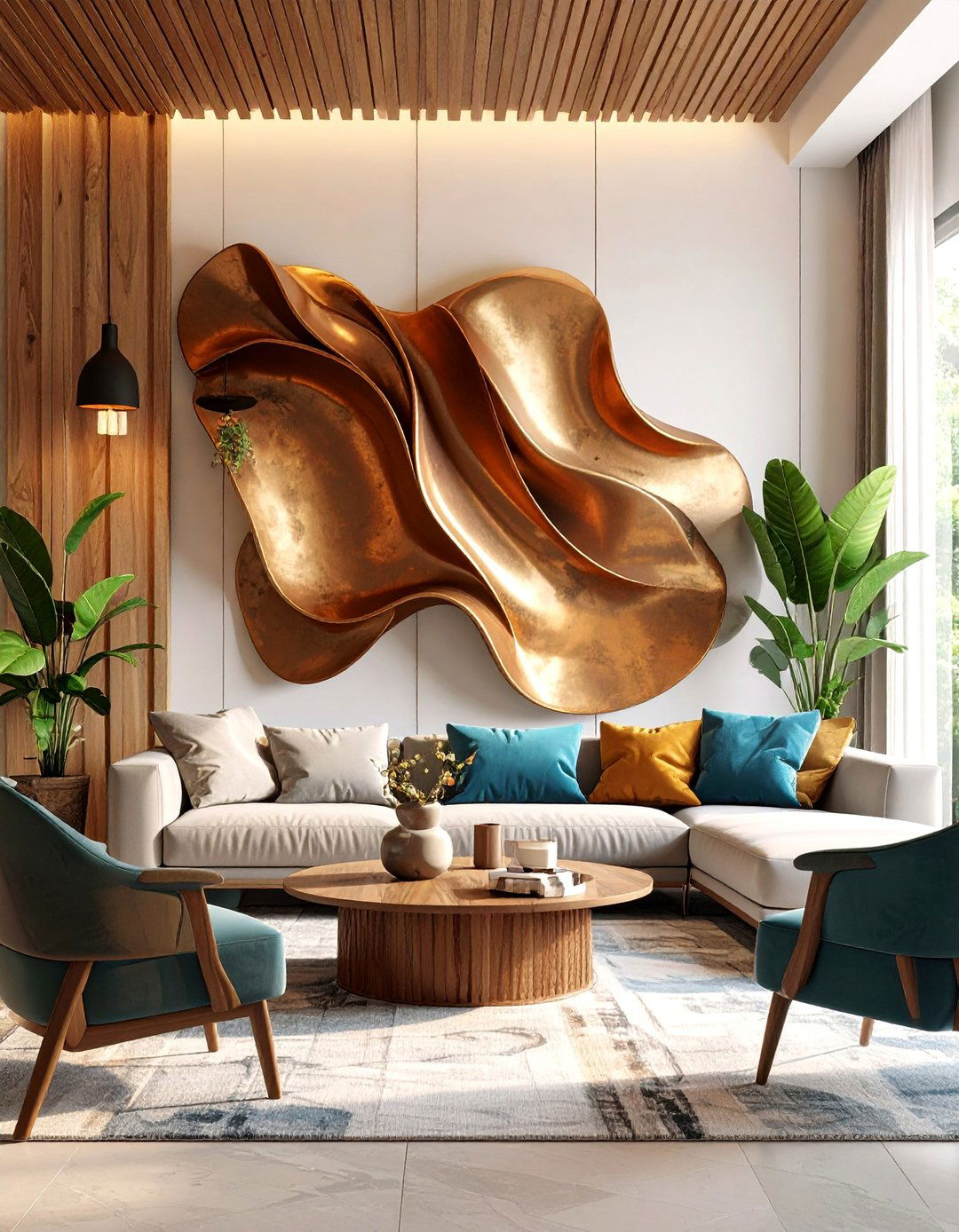
- Go Big and Stand Alone: Choose one large, oversized statement piece to anchor a feature wall behind your sofa or bed. Let it breathe by leaving negative space around it.
- Mix the Mediums: If you love gallery walls, replace a few flat frames with a small 3D object, a wooden map, or a sculpted ceramic tile to break up the symmetry.
- Incorporate Strategic Lighting: Place an art light or a directional spotlight above your dimensional piece to maximize the shadow effects at night.
Focus on materials that speak to you—whether that is the rustic warmth of reclaimed walnut or the sleek finish of sculpted resin.
Ultimately, the meteoric rise of dimensional art in 2026 is a rebellion against mass-produced, cookie-cutter aesthetics. After years of digital saturation and staring at flat screens all day, our homes are responding by becoming sanctuaries of touch and texture.
Investing in dimensional wall art is about choosing presence over mere style. It is about celebrating the beautiful imperfections of craftsmanship and creating a space that feels uniquely, unmistakably yours. Go ahead, give your walls some room to breathe, and let them stand out.