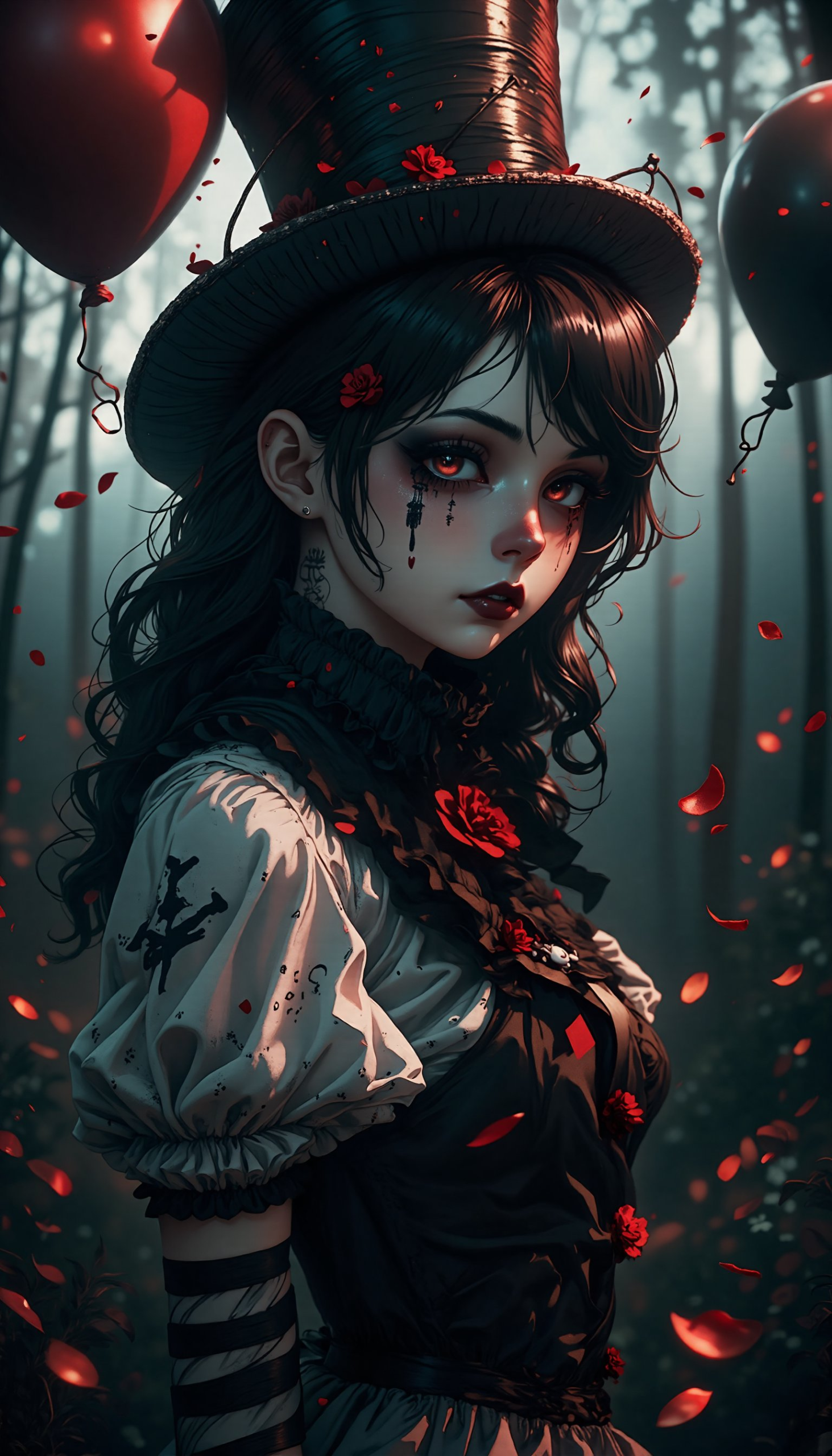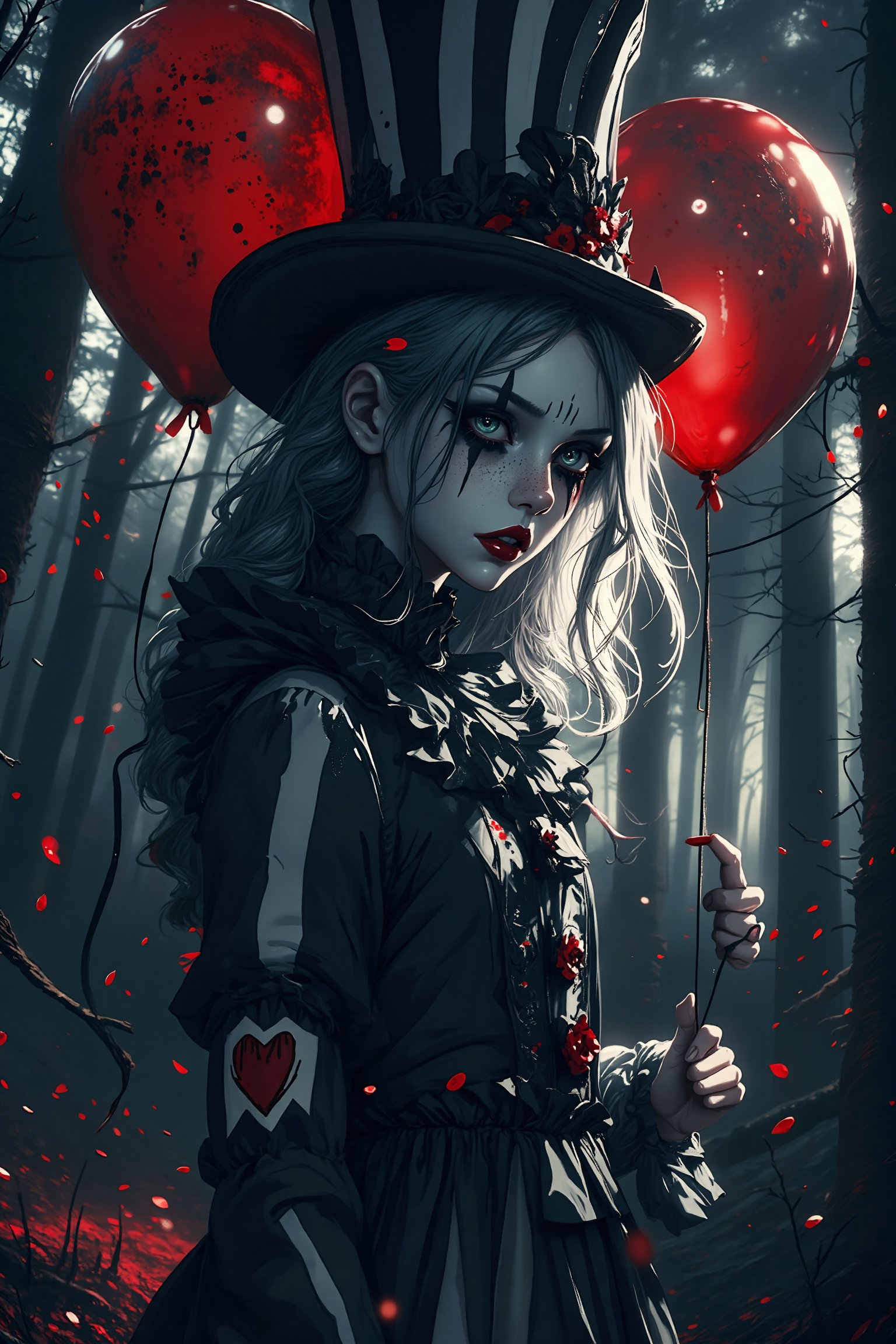
Have you ever looked at someone who was cracking jokes and wondered what they were actually feeling inside? It is a strange thing, isn’t it. We expect the people who make us laugh to be the happiest folks in the room. But history shows us a completely different story.
This brings us to a fascinating corner of the creative world: the sad clown art movement. It is a style and theme that has captured our collective imagination for hundreds of years. Why do we find the image of a weeping jester so deeply moving? Let us unpack this beautiful, slightly messy artistic tradition and see why it still resonates with us so much in 2026.
The Birth of Pierrot and Early Fools
To understand where this all started, we have to travel back in time to old European theater. Before we had modern circus clowns, there was Commedia dell’arte. This was a type of Italian street theater filled with stock characters. Among them was Pierrot, a naive, quiet servant dressed in loose white clothes with a painted pale face.
Unlike the other characters who were busy chasing money or playing tricks, Pierrot was usually busy nursing a broken heart. He was the original "sad clown." Artists instantly fell in love with his quiet sadness. Painters like Antoine Watteau captured him not as a silly buffoon, but as a sensitive soul who was deeply, painfully alone.
The Sad Clown Paradox Explained
So, what exactly is the "sad clown paradox" that psychologists and art historians always talk about? At its core, it is the idea that those who spend their lives bringing joy to others often carry the heaviest personal sorrow. Think of it as a emotional mask. The makeup doesn’t just entertain the crowd; it hides the performer’s real face.
This contrast is what makes the art so powerful. When you look at a painting of a weeping performer, you aren’t just looking at a circus worker. You are looking at a mirror of the human condition. We all put on brave faces when we step out into the world, hiding our worries behind polite smiles.
One of the most famous examples of this theme is the masterpiece Stańczyk painted by Polish artist Jan Matejko in 1862. It features a royal court jester slumped in a chair during a lively party. While everyone else is celebrating in the next room, Stańczyk sits alone in the dark, looking absolutely devastated because