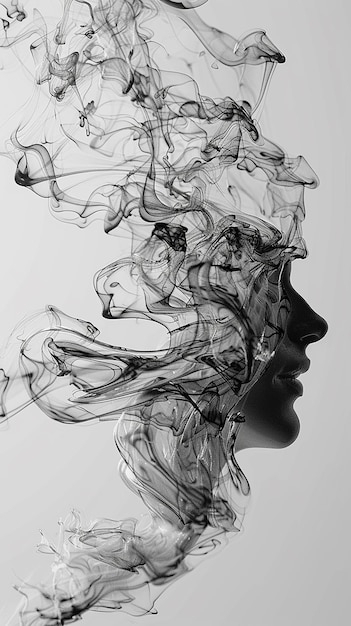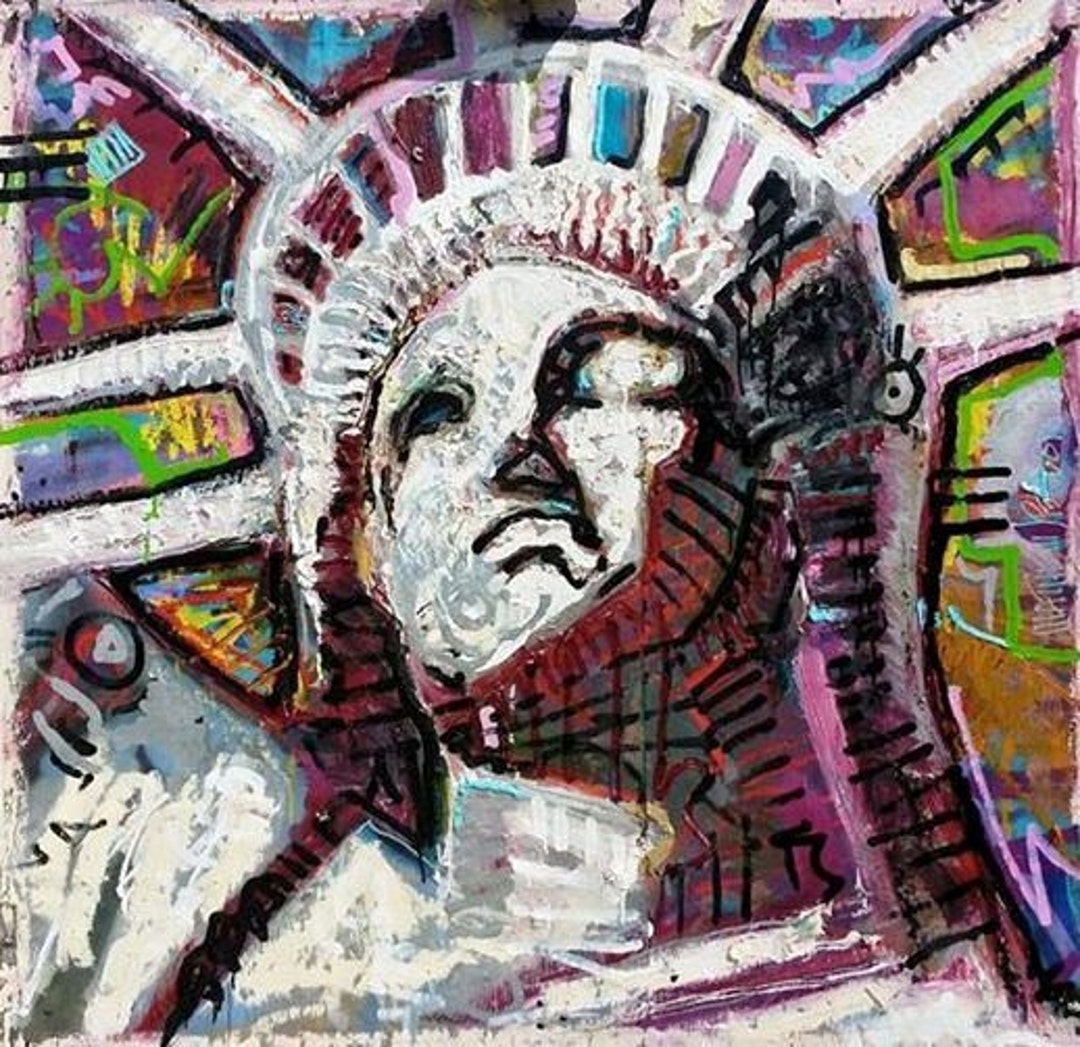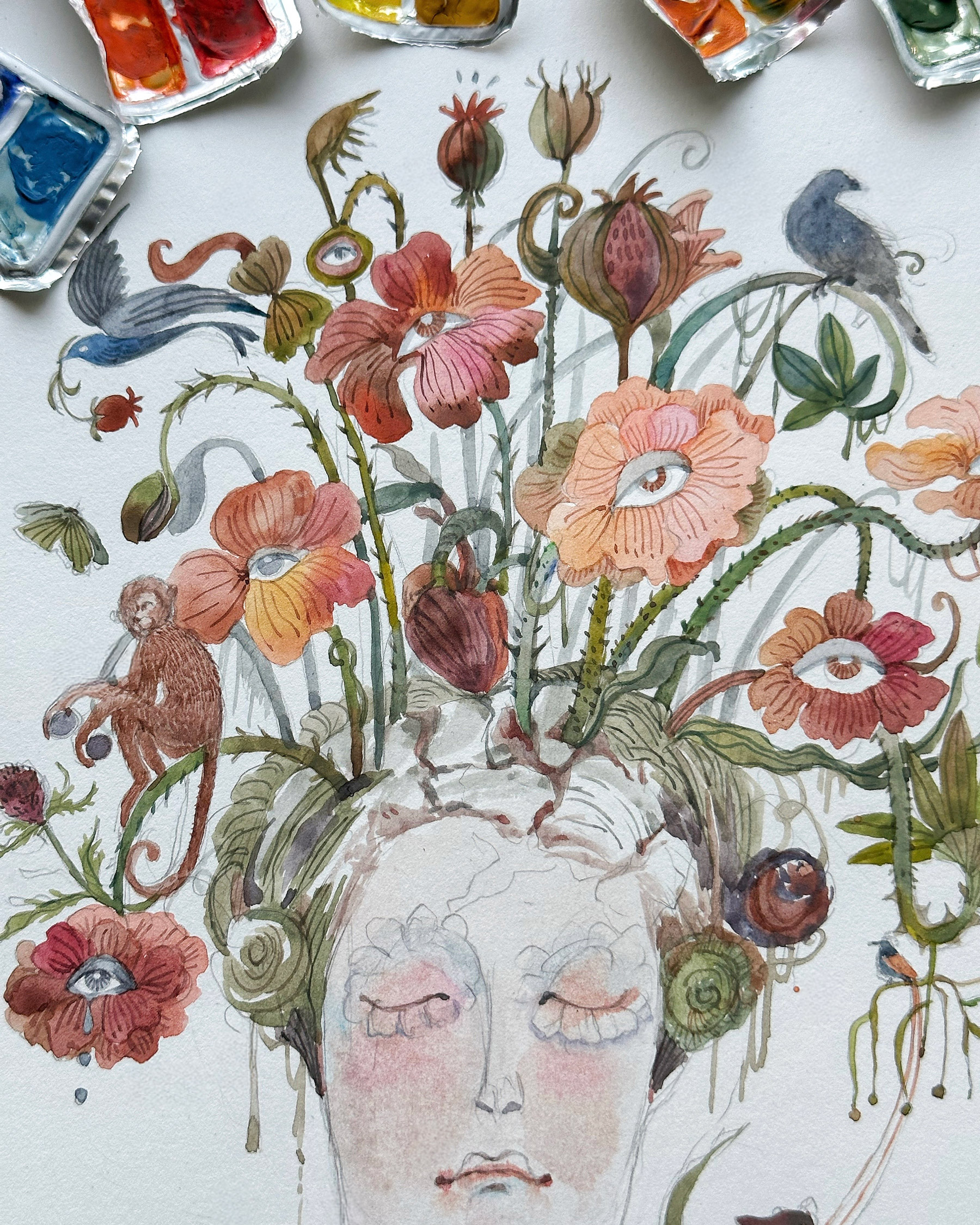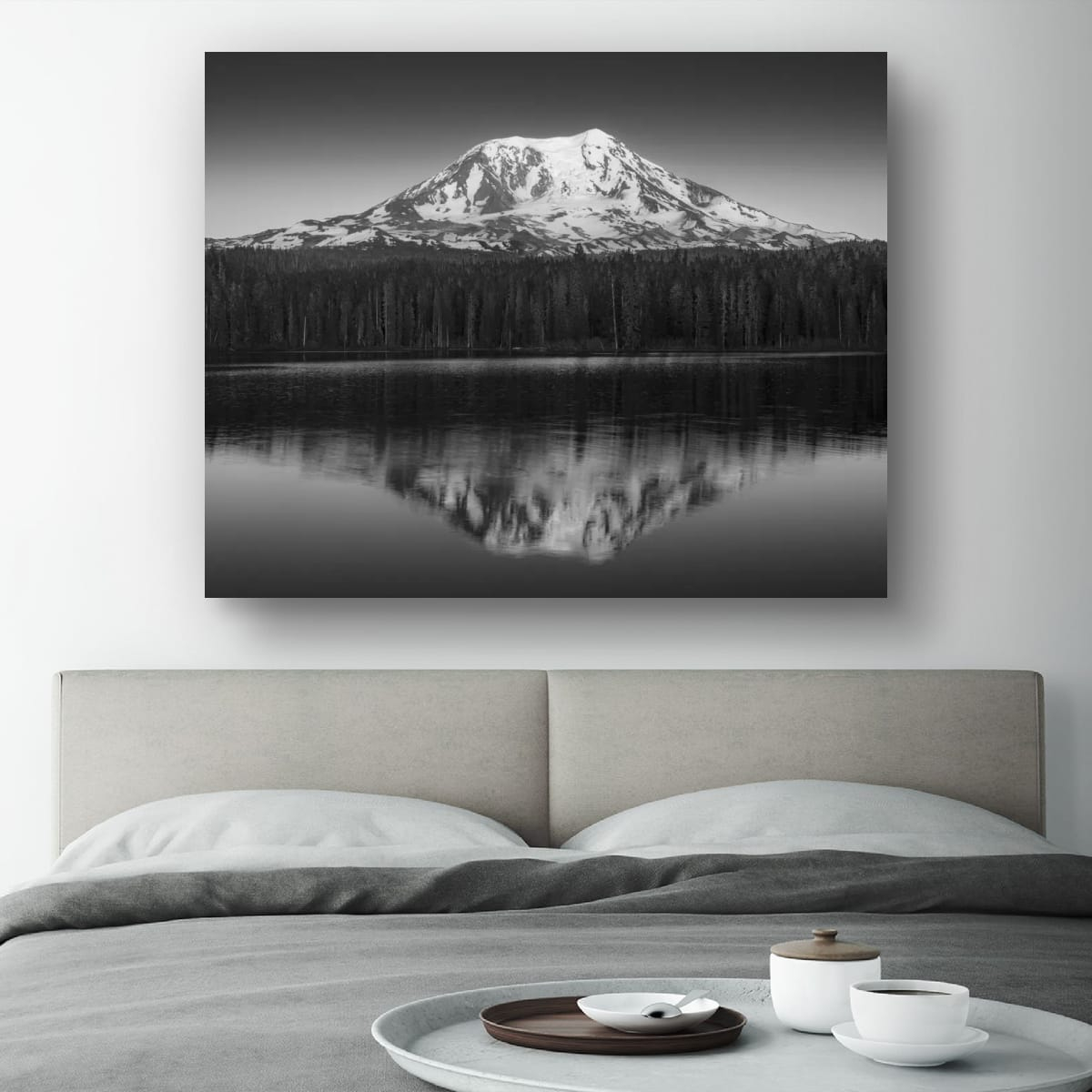
Have you ever looked at a chaotic photo and felt your mind race just a little bit faster. We live in a loud world filled with neon lights and endless color clutter that screams for our attention every single second. But what happens when you strip all that noise away. You are left with pure shape and light.
Photography is often about capturing everything we see. Yet, the real magic happens when we learn what to leave out. Minimalist monochrome framing is not just a trendy aesthetic for your phone gallery. It is a visual language that brings order to chaos and helps both the creator and viewer take a deep breath.
Why Less is More in Monochrome
Color is loud. It pulls your eyes in ten different directions at once. When you remove hue from the equation, your brain stops trying to process a million shades and starts focusing on the core story.
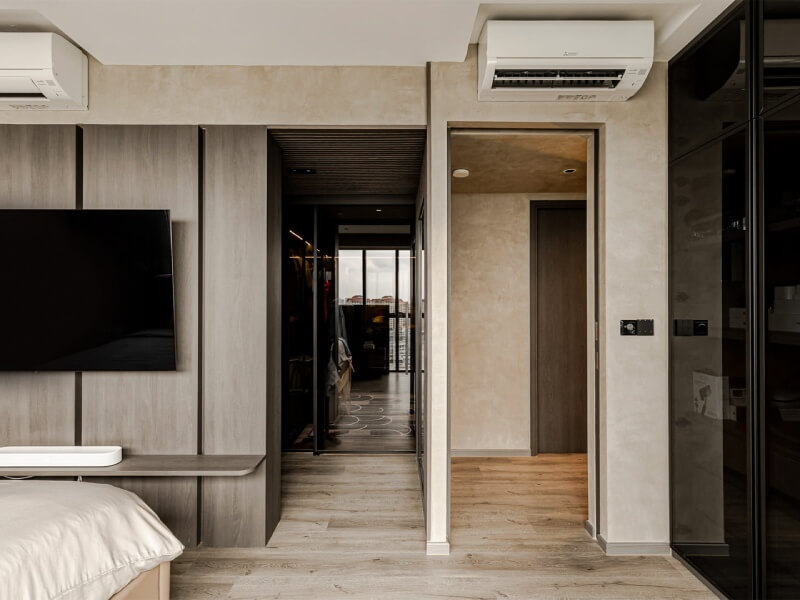
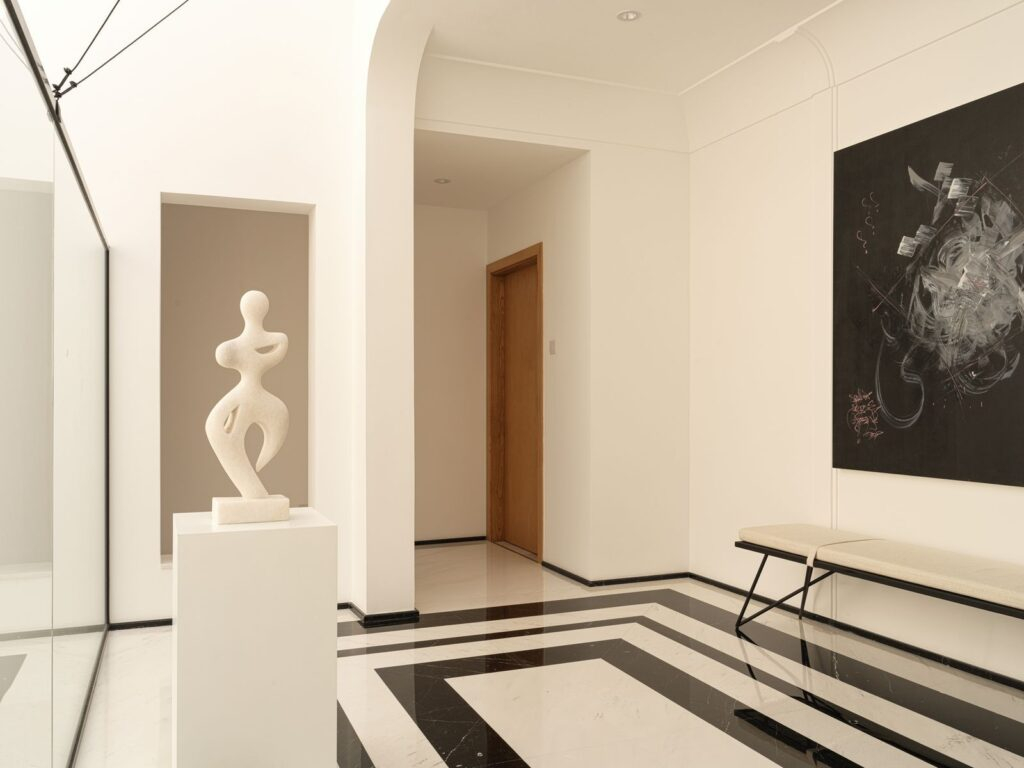
Stripping away color forces you to look at the bones of an image. You notice the sharp curve of a stairway or the lonely shadow of a street lamp. It transforms ordinary places into quiet moments of reflection.
Finding Your Subject in a Crowded Frame
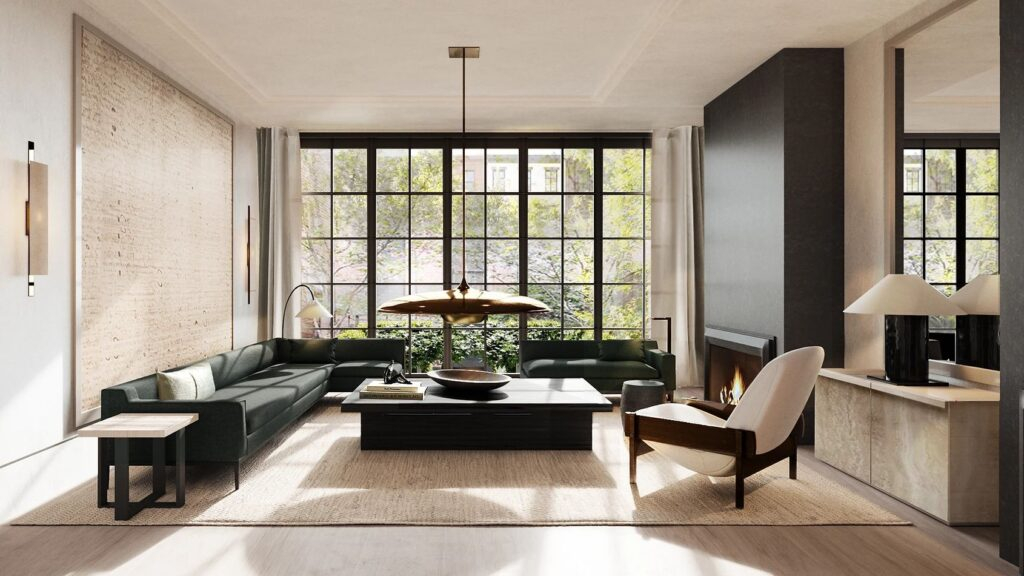
Start by scanning your room or street for shapes that stand out. You do not need expensive gear to practice this. Your smartphone camera works great for everyday snapshots.
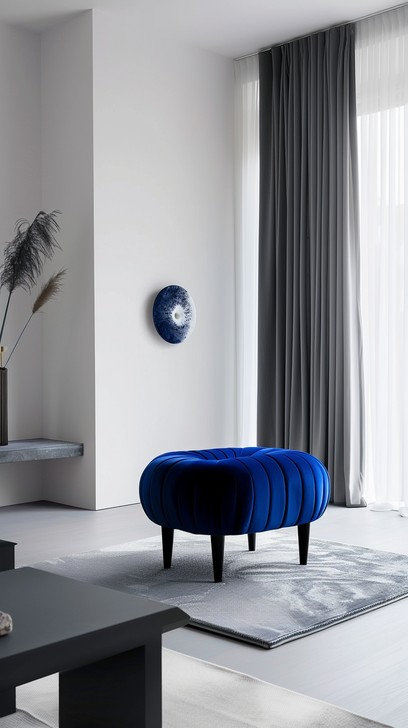
Look for high contrast. A dark tree against a bright sky or a single person walking past a white wall creates instant drama. The goal is to make your viewer know exactly where to look without getting distracted by background mess.
The Power of Negative Space
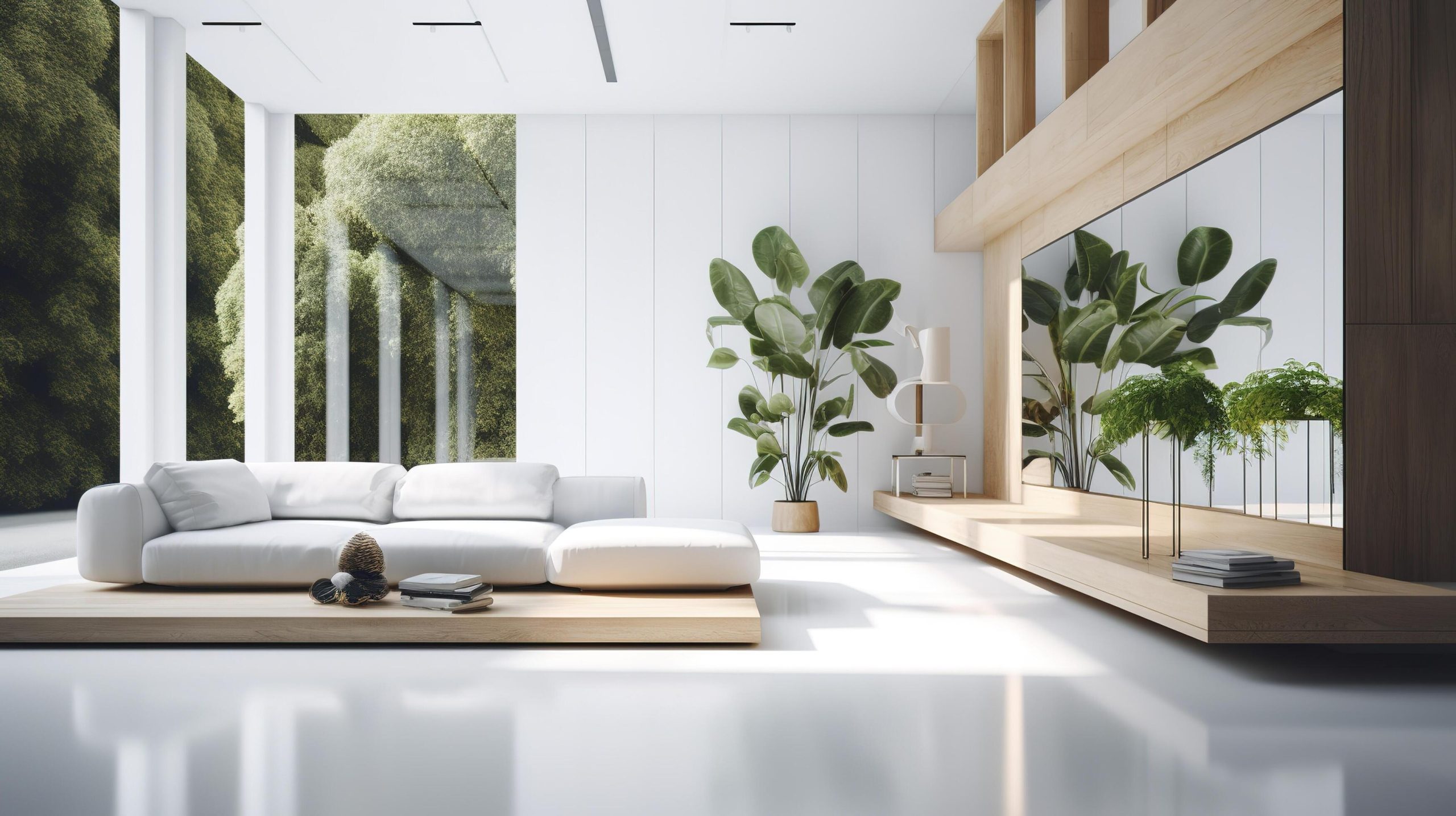
Empty areas in a picture are not wasted space. They are the breathing room your eyes desperately need. Think of it like silence between notes in a calming song.
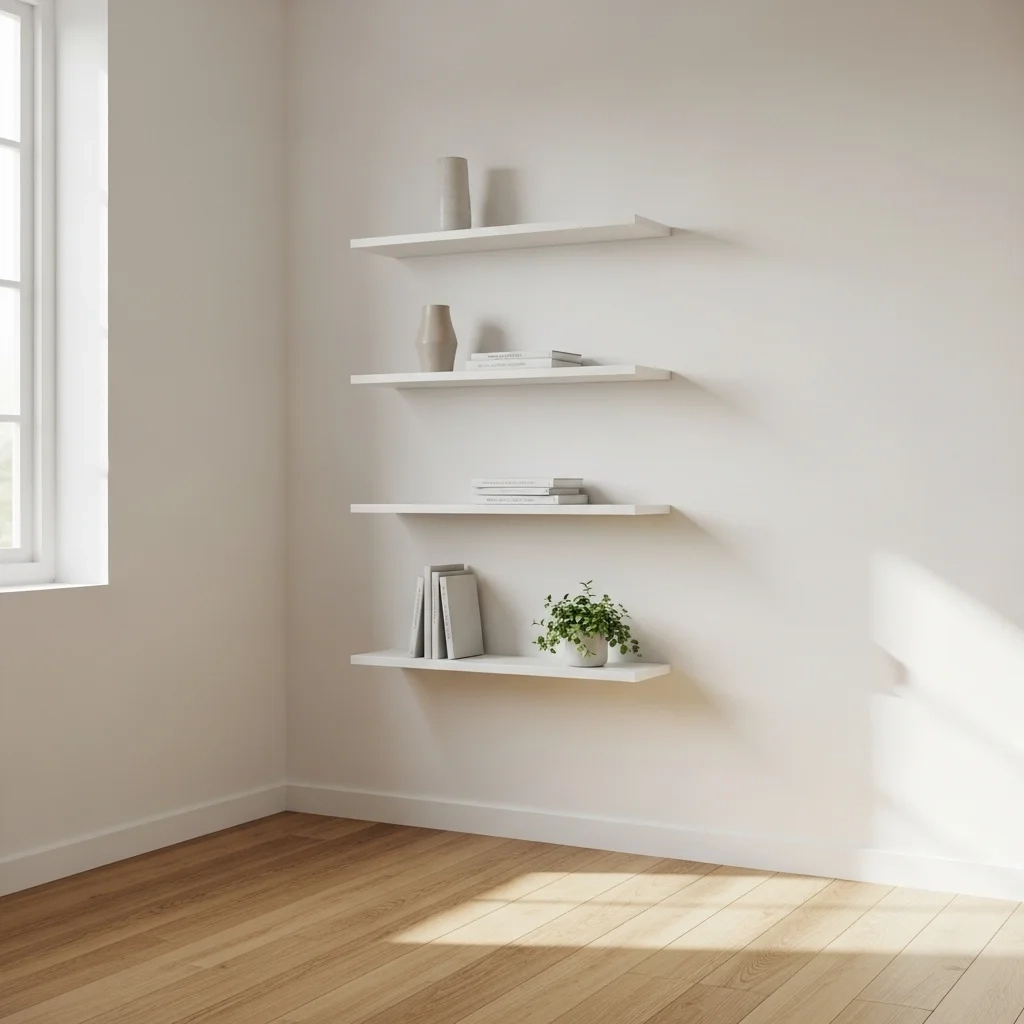
When you place a tiny subject inside a massive empty frame, it tells a powerful story about scale and solitude. Do not fear the blank walls or open skies. Let them do the heavy lifting for your composition.
Playing With Light and Shadow
Monochrome imagery lives and dies by its contrast. Without color to save a flat picture, your tones have to do all the work. Morning and late afternoon light offer the best dramatic shadows.
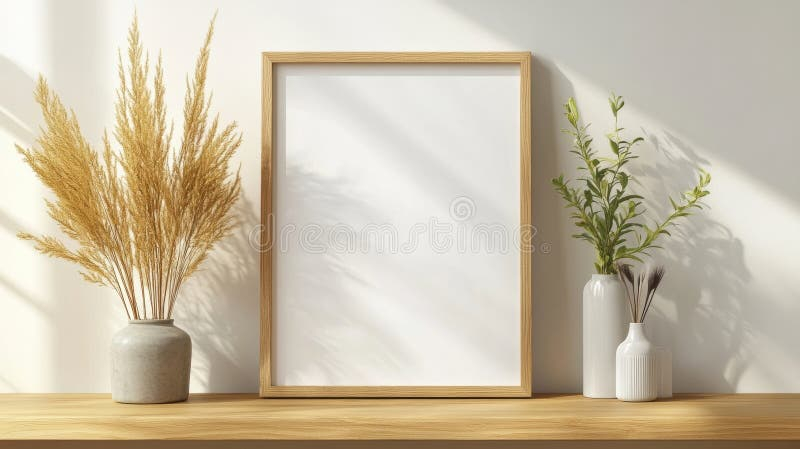
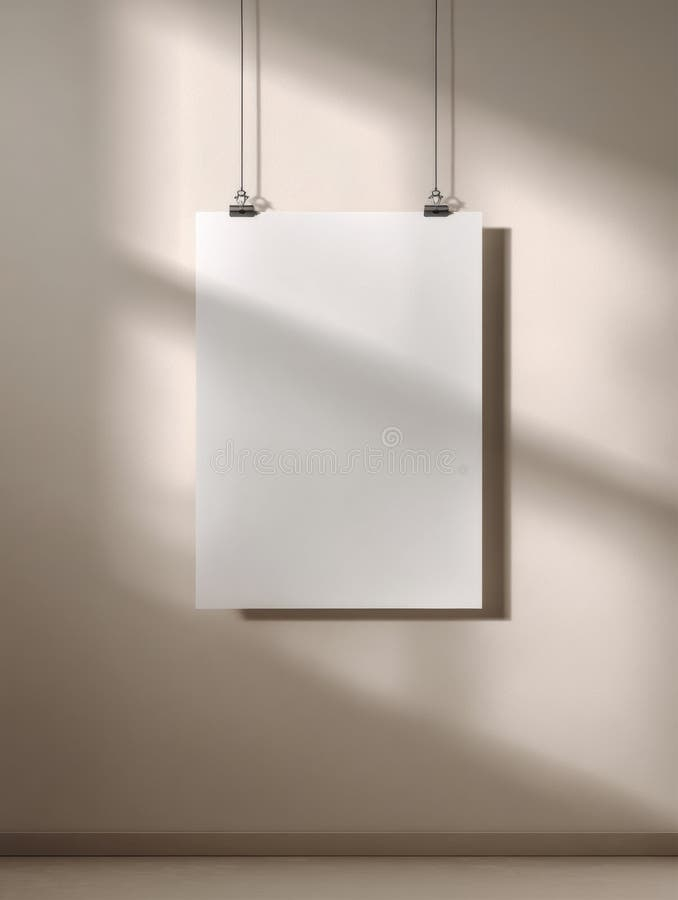
Pay attention to how light falls across everyday objects. A simple coffee mug on a table can look like a piece of modern art if the light carves out its edges sharply. Keep your eyes peeled for natural patterns created by sunlight shining through blinds or trees.
Editing With Intention
When you convert a digital shot to monochrome, do not just slam the saturation slider to zero and call it a day. Take time to tweak the individual color channels. This lets you darken a blue sky or brighten skin tones.
Keep your edits subtle. Over-processing ruins the calm vibe you are trying to build. Aim for rich blacks and clean whites with a smooth gradient of grays in between.
Taking these kinds of photos changes how you move through the world. You start noticing the quiet geometry in architecture and the gentle rhythm of shadows on your floor. It acts as a form of meditation.
Try taking just one intentional monochrome shot every single day this week. Slow down and wait for the right moment. You will be surprised at how much calmer your mind feels when you start seeing life in simple tones.
Mastering simple black and white framing is a journey of patience. By focusing purely on light, shadow, and shape, you create a pocket of peace in a noisy digital landscape.
Grab your camera and step outside today. Look for the quiet contrasts hiding right in plain sight.