Have you ever stared at a hand-carved wooden guitar strap or a stitched stage jacket and felt like you could hear the music before a single note was played? We live in a time where digital screens dominate our vision, yet a soulful counter-movement is quietly taking over the creative scene. In 2026, the bridge connecting rustic craftsmanship and legendary rock tunes has never felt more alive. It is a messy, beautiful collision of past and present.
Music has always borrowed from the earth around it. Long before digital streaming existed, musicians relied on physical items crafted by local makers to define their visual identity. Today, this bond has evolved into something entirely fresh. People are craving authenticity. They want to touch history, and they want their favorite sounds wrapped in tangible creativity.
The Roots of Rustic Craft in Guitar Culture
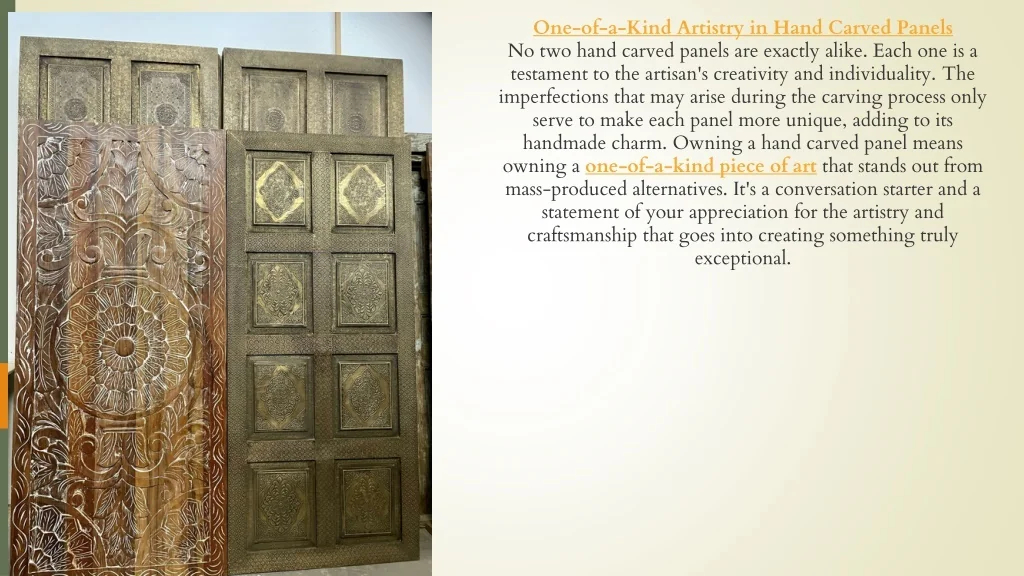
Long ago, traveling troubadours and blues pioneers picked up instruments that bore the marks of human hands. Artisans carved intricate patterns into wooden bodies, turning simple tools into living canvases. This tradition carried straight into the golden age of rock and roll, where custom-painted vans and hand-stitched leather goods became the uniform of the road.
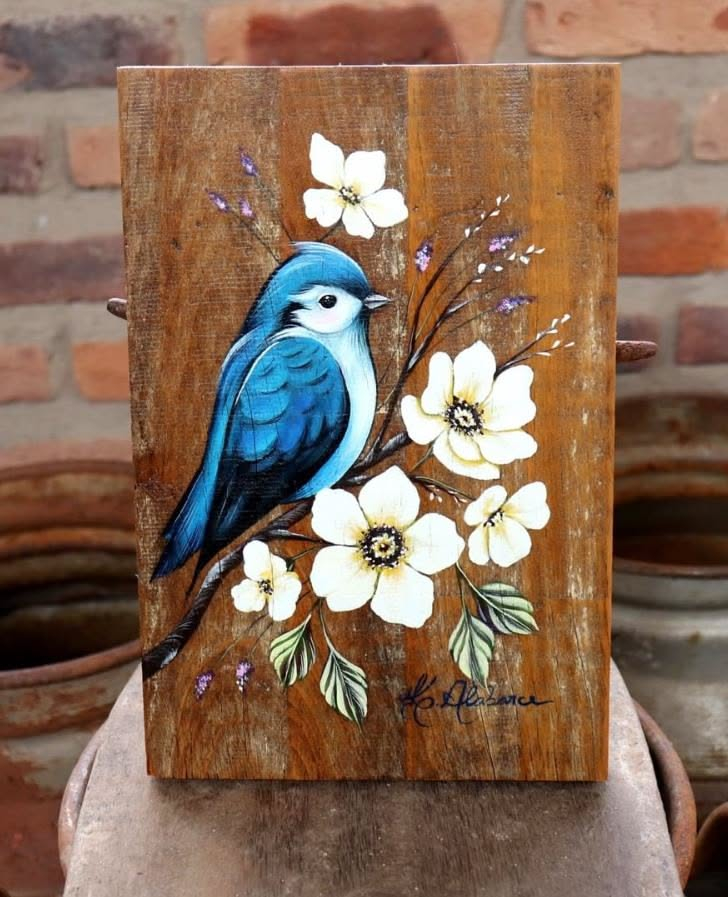
As we navigate through 2026, luthiers and independent woodworkers are reviving these antique techniques. They are building instruments using reclaimed barn wood and natural finishes. Every knot and grain tells a story that mass-produced factories simply cannot replicate. When a guitarist plugs in a custom-built axe, they are plugging straight into a lineage of earth-bound artistry.
Textiles, Tapestries, and Stage Visuals
Think about the iconic fashion of the 1970s festival scene. Embroidered vests, patchwork denim, and woven wall hangings served as the backdrop for massive stadium anthems. These pieces were rarely factory-made; instead, they came from local makers who poured their souls into every single stitch.
Modern rock acts touring today are leaning hard into this heritage. Stage backdrops crafted from hand-woven textiles and natural dyes are replacing sterile LED screens. This shift creates a warmer atmosphere. Fans standing in the crowd do not just watch a show; they feel enveloped by a living, breathing tapestry of visual art that matches the raw power of the music.
Poster Art and Printmaking Revival
Silk-screened concert posters have always held a sacred place in music history. Independent printmakers spend hours hand-pulling ink through mesh screens to create limited-edition prints for specific tour dates. This low-tech method embraces imperfections, making each poster a unique collectible rather than a sterile digital download.
In 2026, the hunger for physical art has pushed poster culture into the spotlight. Fans queue for hours outside venues just to grab a numbered print. These artworks draw heavily from traditional folk motifs—floral borders, mythical creatures, and earthy color palettes—blended seamlessly with the rebellious spirit of classic rock.
Custom Leatherwork and Rider Gear
The open road has always inspired rugged creativity. Motorcycle culture and rock music share a deep history, and at the center of that connection lies custom leather crafting. Tooling leather with intricate floral patterns or fierce animal imagery is an ancient craft that found a permanent home in rock and roll fashion.
Today, independent leather smiths are busier than ever. Bassists and frontmen commission custom guitar straps, boots, and studded vests that double as wearable sculptures. These items weather and age alongside the musician, picking up scuffs and scars that represent years of tireless touring and unforgettable nights on stage.
Ceramic Statues and Album Sculptures
Album art used to be a massive part of the listening experience. Holding a twelve-inch cardboard sleeve while spinning a vinyl record offered a sensory journey that modern digital playlists miss. Today, visual artists are taking that inspiration a step further by turning iconic rock imagery into three-dimensional ceramic sculptures.
Potters and clay artists are crafting rustic busts of legendary guitarists, miniature ceramic tour vans, and decorative plates featuring lyrics hand-painted in traditional folk script. These tactile creations give fans a physical way to honor the music they love. Displaying a handmade ceramic piece on a shelf feels much more personal than hanging a standard poster.
The magic does not stop with the artists alone. Across the country, community spaces are hosting hybrid events where local makers and rock enthusiasts collide. You can walk through outdoor markets where acoustic pickers jam under string lights while nearby artisans carve wood and weave fabrics in real time.
These gatherings remind us why we fell in love with music and art in the first place. They break down the barrier between performer and listener, creator and consumer. In a fast-paced world, these shared physical spaces offer a moment to slow down, breathe deeply, and appreciate the human effort behind every song and stroke of paint.
Looking back at how far we have traveled, it becomes clear that folk art and classic rock share a common heartbeat. Both celebrate imperfection, storytelling, and the sheer power of human expression. They remind us that the best things in life are shaped by hand and played from the soul.
As you move forward, try seeking out local makers who channel this timeless energy. Support independent printmakers at your next local show, or pick up a hand-crafted instrument strap from a neighborhood artisan. By keeping these traditions alive, we ensure that the raw spirit of rock and roll and rustic craft will continue echoing for generations to come.