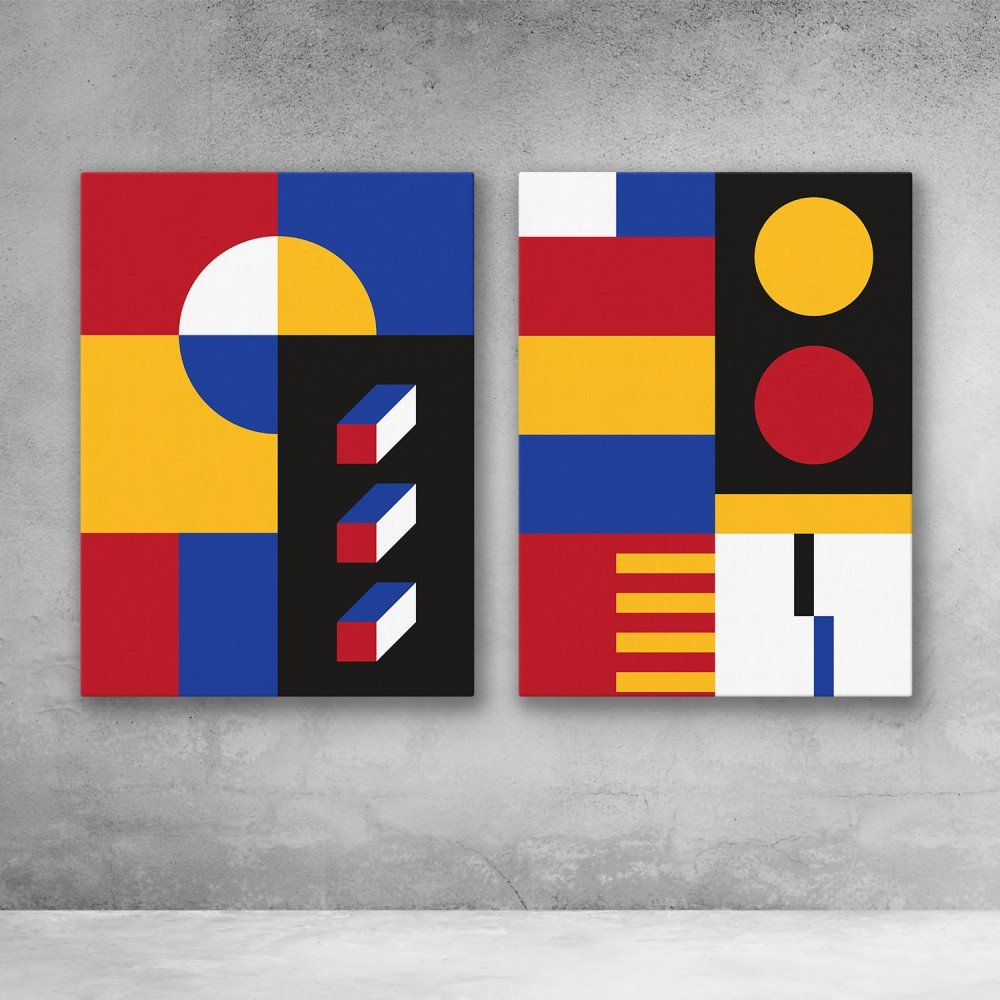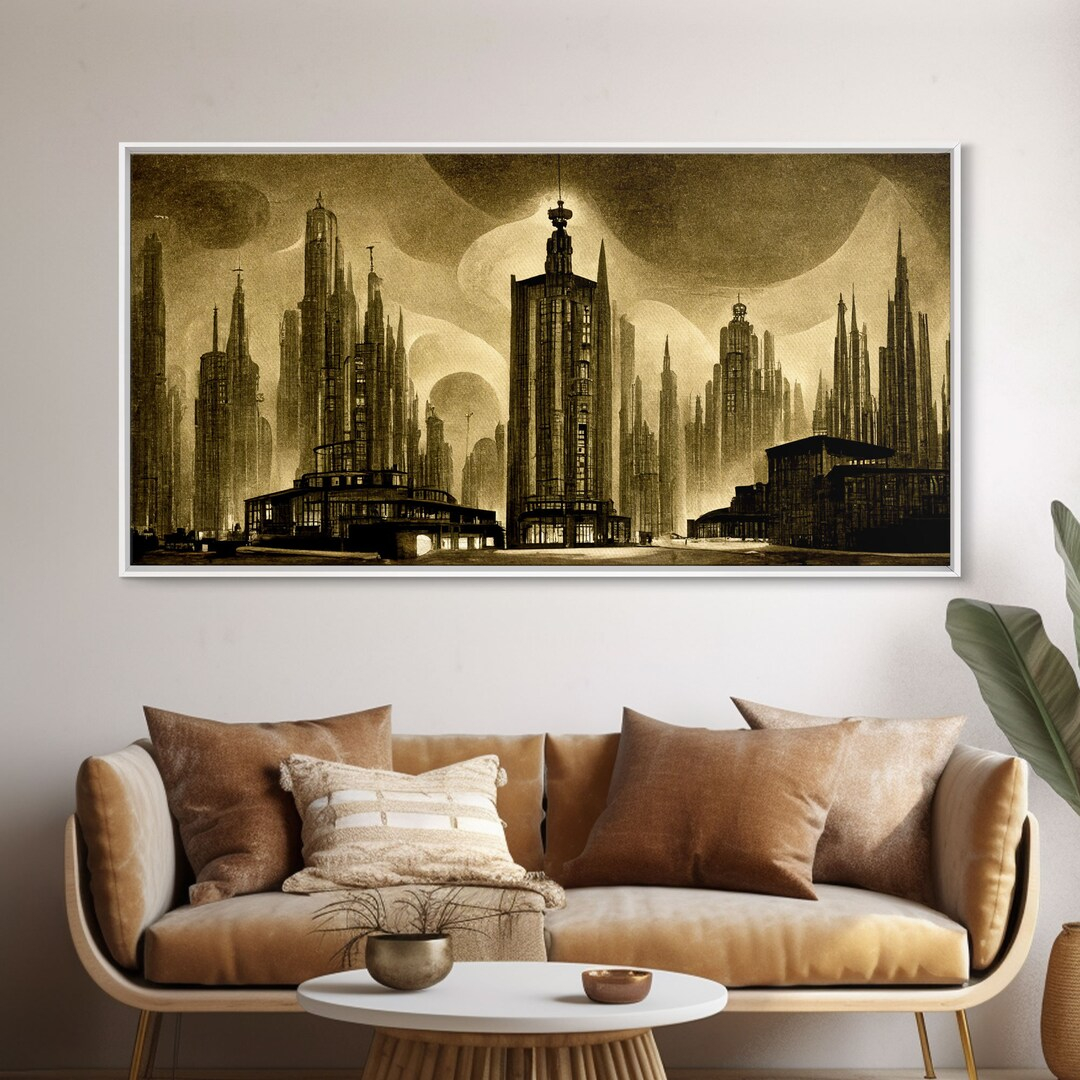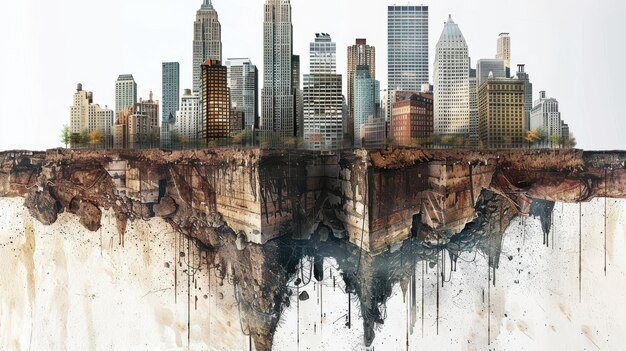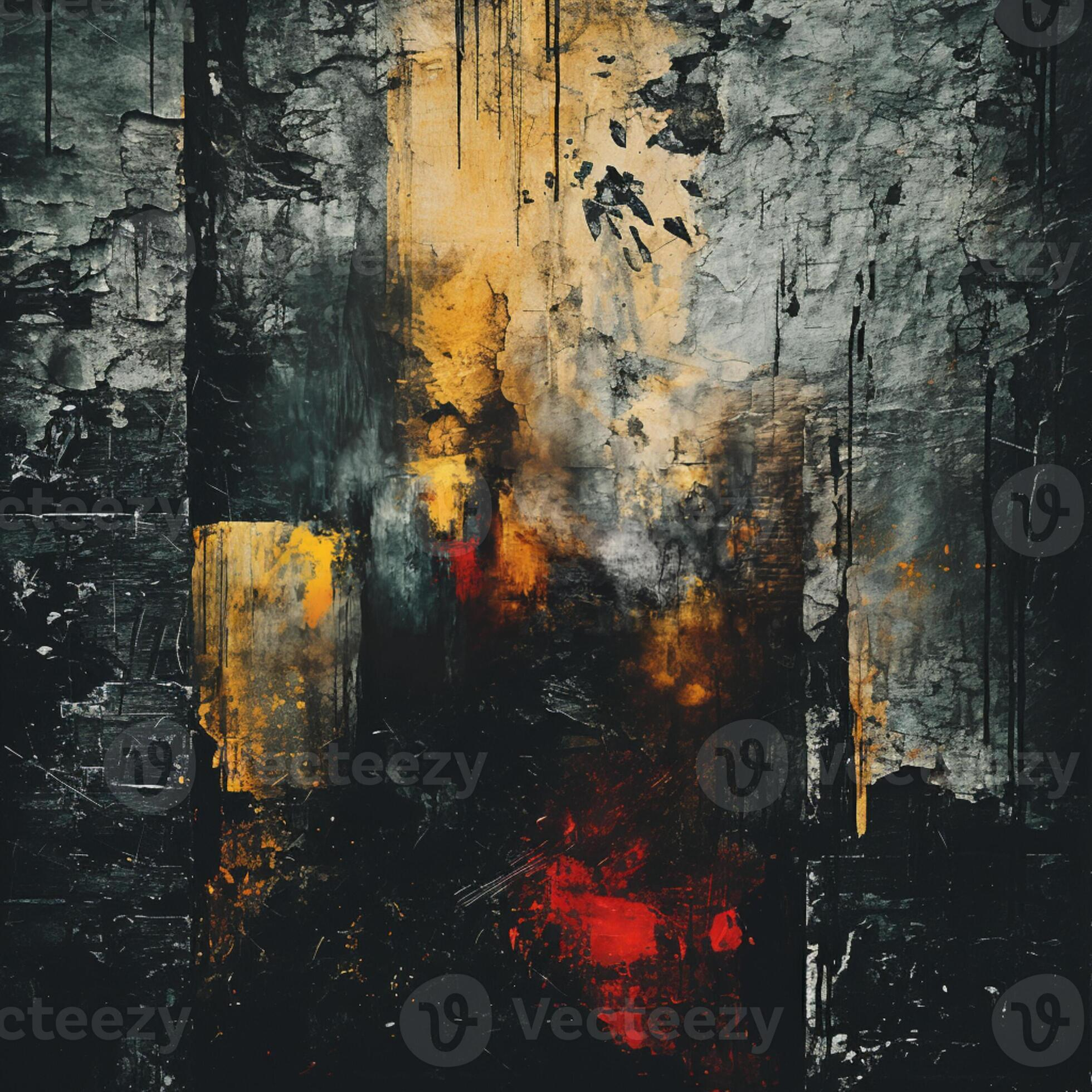
Have you ever walked down a bustling city street and felt completely overwhelmed by the sheer sensory overload. The screech of brakes, the towering glass facades, and the rough feel of crumbling brick under your hand when you lean against a building. Cities are absolute giants of steel, concrete, and human life. They have a heartbeat, yes, but they also have a very distinct visual flavor. It’s a mix of cold materials and warm, living energy.
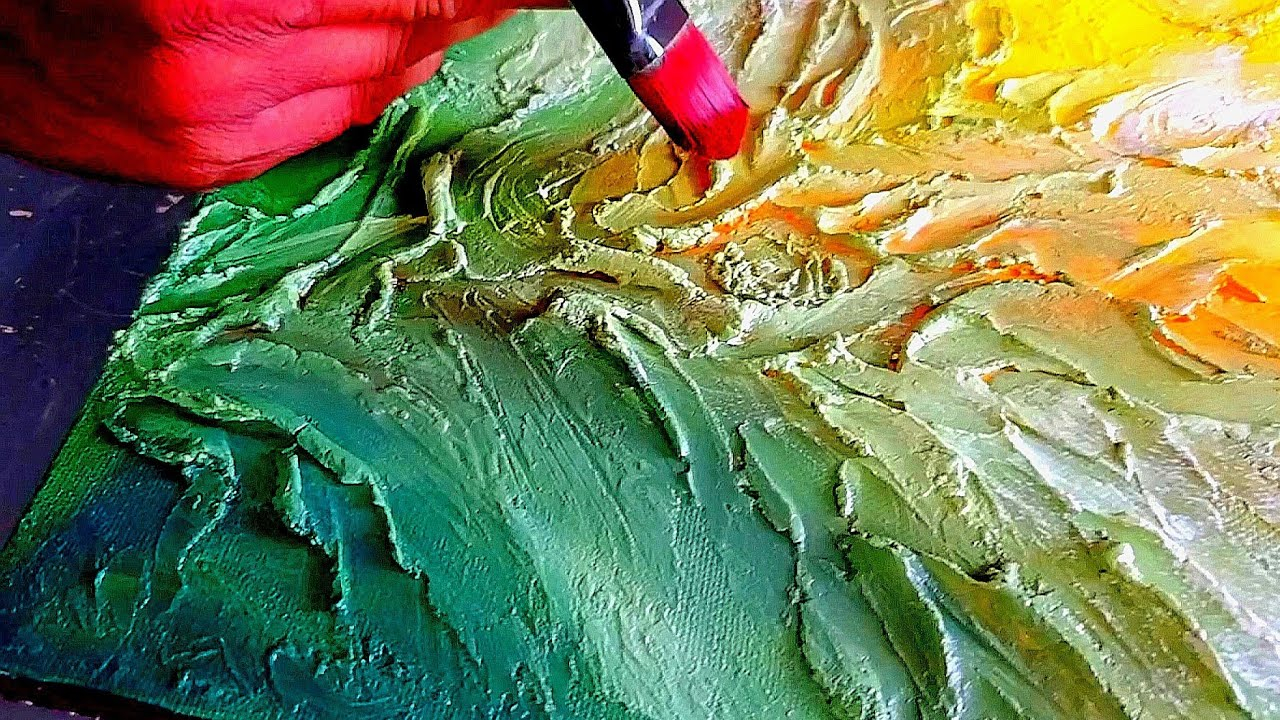
For decades, modern artists have been trying to capture this exact urban feeling. But instead of just painting a flat picture of a skyscraper, they did something way more interesting. They started scraping, layering, and building up thick textures on canvas, using the actual colors of the city itself. This is the story of how the messy, beautiful reality of our urban landscapes slowly crawled onto the canvas to reshape modern textured art.
1. The Concrete Roots of Early Abstraction
In the middle of the last century, cities were expanding at an unbelievable rate. Artists stepped out of their quiet studios and found themselves surrounded by gray highways, soaring steel beams, and dusty construction sites. This massive shift changed how they looked at color. Instead of matching the bright yellows of countryside fields, they became obsessed with the quiet, subtle shades of the pavement.
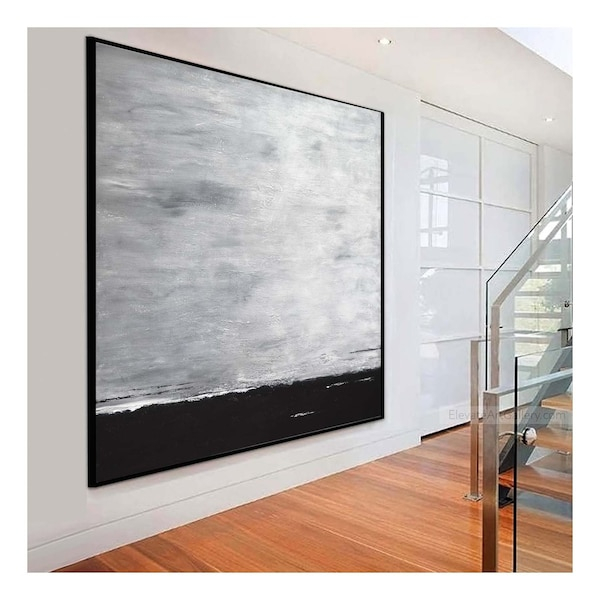
This led to a brand new appreciation for "non-colors" like asphalt black, plaster white, and raw concrete gray. Painters didn’t just want to paint these colors; they wanted the paint to feel like the materials. They started mixing sand, dirt, and even cement directly into their oil paints. Suddenly, a canvas wasn’t just a flat surface anymore. It became a piece of the street itself, rough and weathered.
2. The Rust and Iron Revolution
As the years rolled on, those pristine new cities started to age. Rain, pollution, and time began to leave their marks on the shiny buildings. Rust started eating away at iron bridges, and copper roofs turned a beautiful, dusty green. Artists quickly realized there was a strange kind of beauty in this decay.
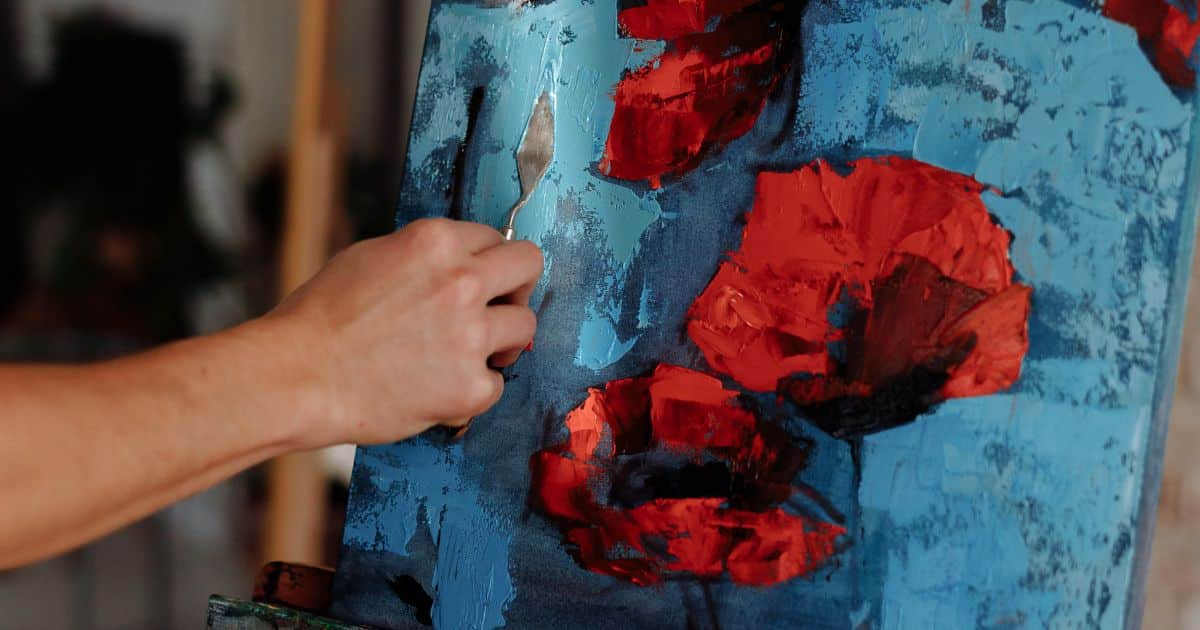
They began bringing rich, earthy colors into their textured work. Think deep burnt sienna, fiery copper, and oxidized teal. By using thick impasto techniques—where paint is applied so thickly that it stands out from the canvas—they mimicked the flaking, peeling paint of old warehouse doors. These colors weren’t pristine; they carried the weight of history and hard work.
3. The Neon Glow of the City Night
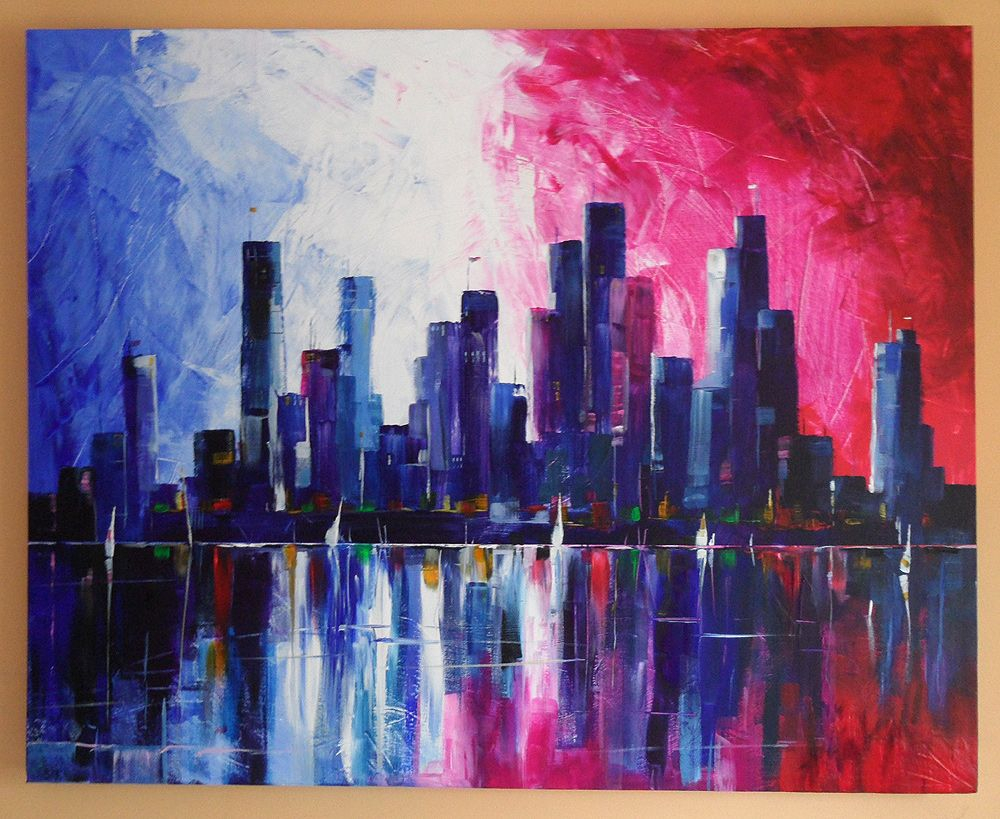
By the late 1970s and 80s, cities had transformed again, especially after dark. The night was no longer just pitch black. It was alive with the buzzing hum of neon signs, glowing billboard advertisements, and the red streaks of tail lights reflecting off wet streets.
Textured artists reacted to this change by mixing dark, moody backgrounds with sudden, intense pops of synthetic color. Imagine a thick, pitch-black plaster background suddenly sliced open by a vibrant streak of neon pink or electric blue. This created a powerful contrast, showing the tension between the dark, heavy architecture of the city and the fast, fleeting energy of its nightlife.
4. Street Art Crumbling Onto the Canvas
You can’t talk about urban palettes without talking about the streets themselves. Graffiti and street art completely changed the game. But while street artists were using spray cans on brick walls, studio artists were watching closely. They wanted to capture that layered, chaotic look of a city wall that had been painted over a hundred times.
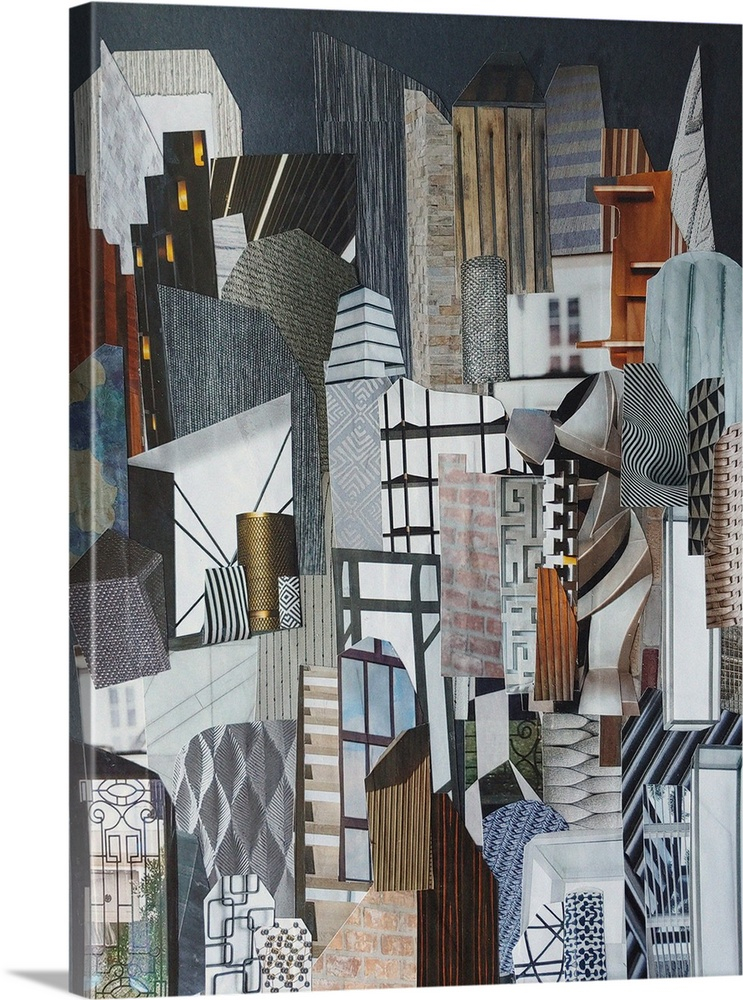
This brought a whole new level of randomness to textured art. Artists began layering plaster, tearing off pieces of paper, and using palette knives to scrape away paint layers, revealing older colors underneath. The colors became a chaotic mix: a patch of bright yellow graffiti paint peeking out from under a layer of soot-covered gray.
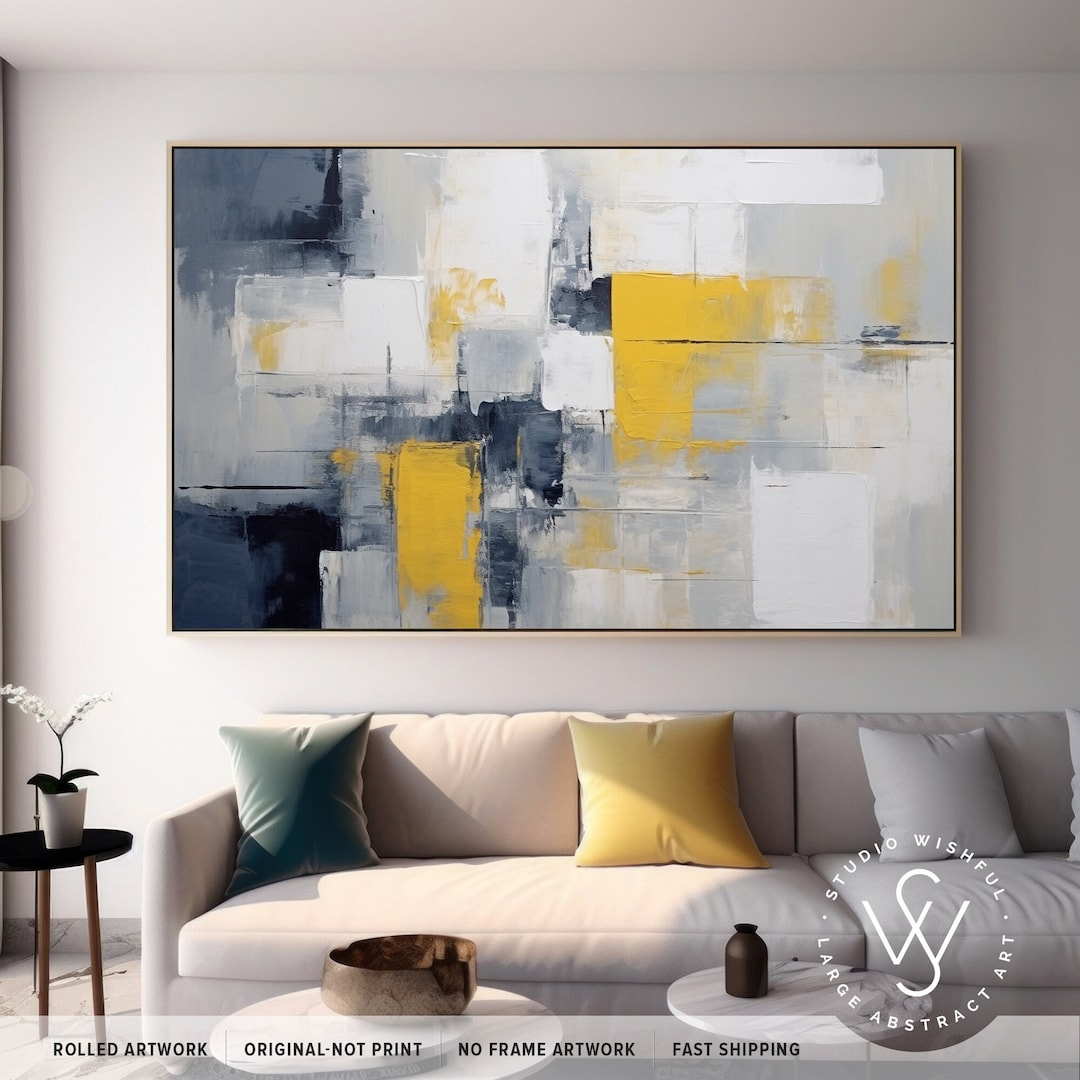
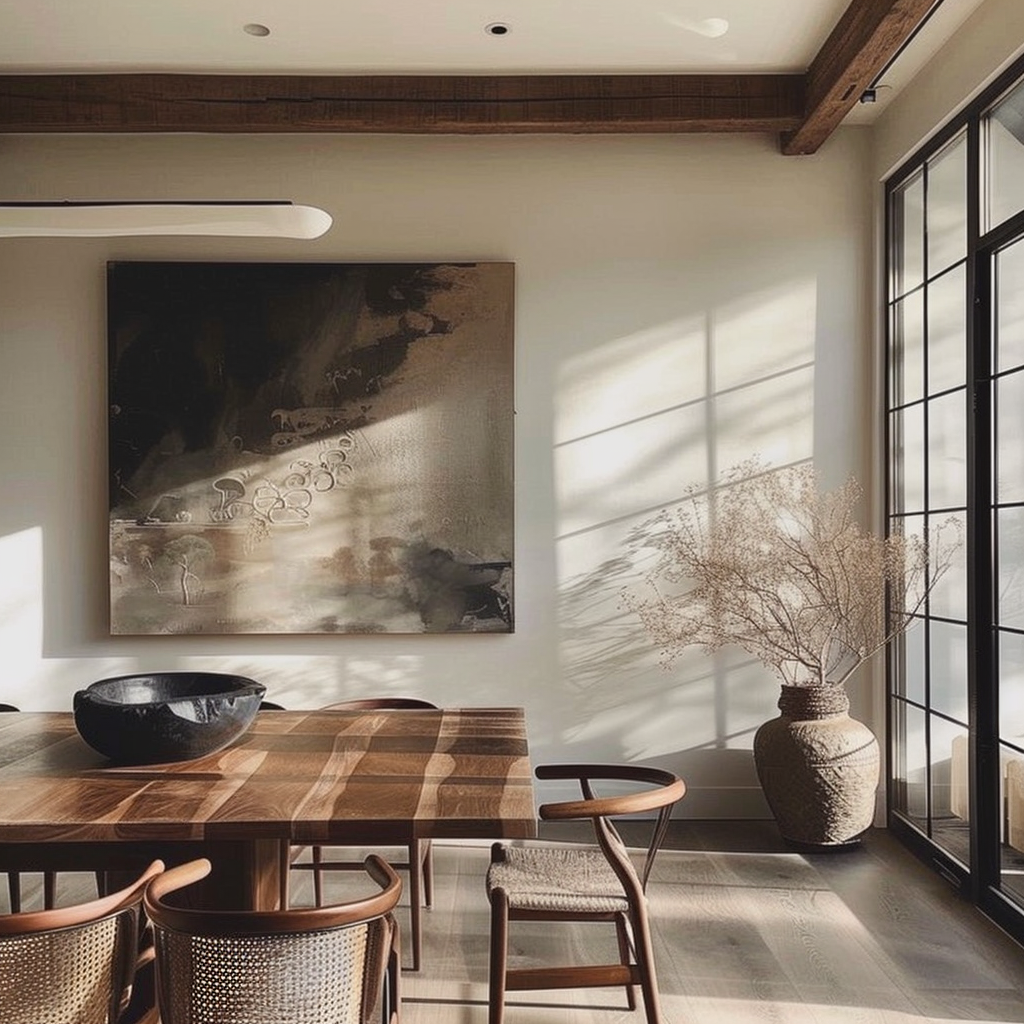
Today, in 2026, we are seeing a really cool shift in how urban colors are used. We’ve mostly moved away from the cold, stark "millennial grays" that dominated the early 2010s. People are tired of sterile spaces. Instead, today’s modern textured art is all about "soft modern" palettes.
These new pieces use warm, earthy colors inspired by natural building materials. We are seeing a lot of terracotta, warm clay, soft sand, and olive green. It’s a softer, more human look at the city—focusing on things like warm brick, exposed timber, and hand-plastered walls. These pieces