You walk into a newly renovated living room, expecting to feel a wave of curated calm, yet your eyes dart restlessly across the drywall. The furniture is impeccably chosen—a low-profile charcoal sectional, an unlacquered brass floor lamp, a textured wool boucle rug. Yet, the vast expanse above the sofa feels aggressively empty, or worse, cluttered with mismatched frames that fight each other for dominance. The room lacks an anchor. It lacks a focal point that stabilizes the visual gravity of the space.
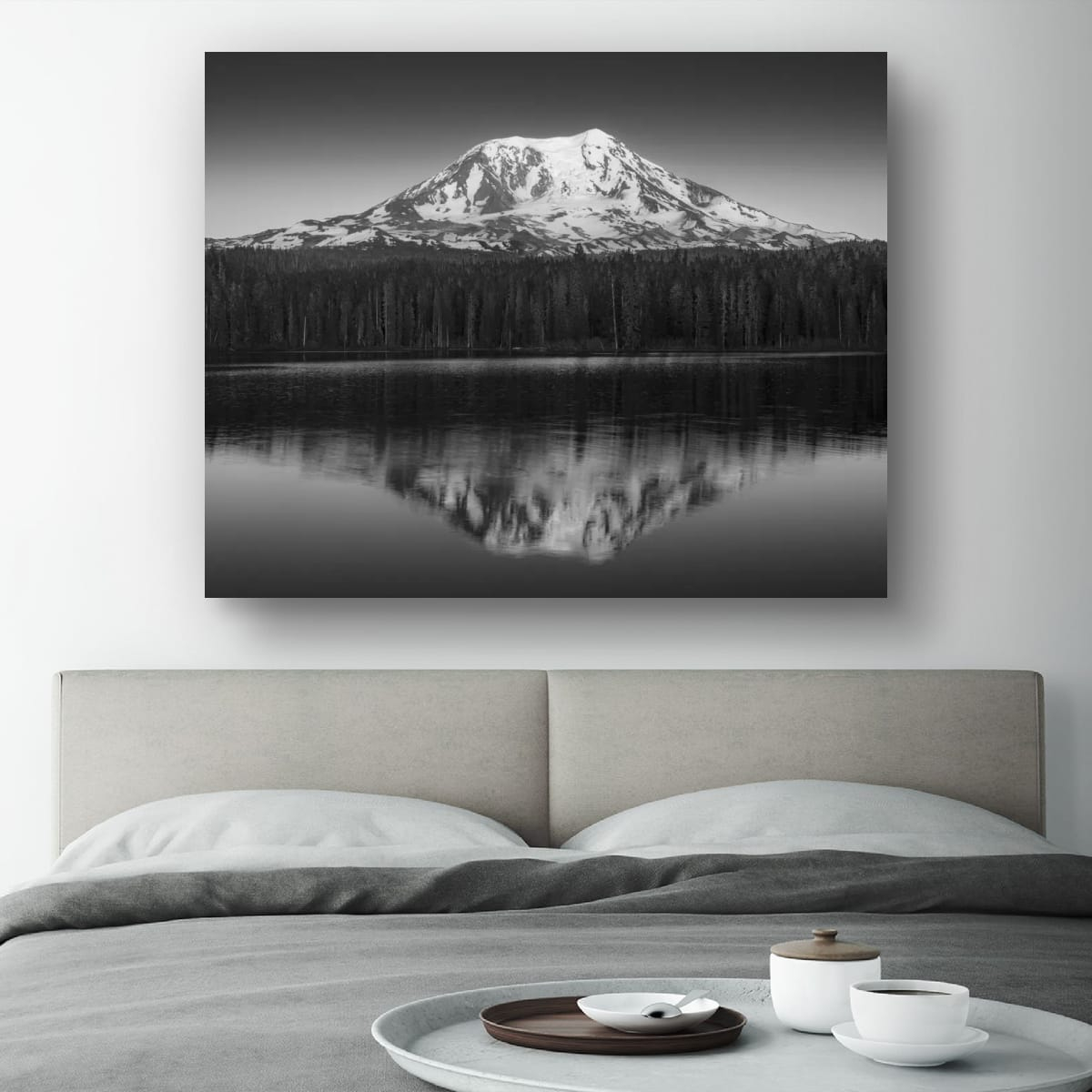
Now, picture walking into that exact same room after a designer has introduced a calculated, four-piece canvas arrangement. Suddenly, the chaotic energy snaps into place. The negative space around the artwork breathes, the low horizontal line of the sofa finds its vertical counter-weight, and the room feels complete. It is not magic; it is geometry, psychology, and the deliberate architecture of wall space working in quiet synchronization.
For years, homeowners and amateur decorators have struggled with the tyranny of the blank wall. Single oversized canvases can often feel monolithic and overwhelming, while sprawling gallery walls packed with dozens of tiny frames frequently veer into visual noise. Enter the four-piece canvas arrangement—the sweet spot of modern interior composition. By dividing a single panoramic image, a quad-tych abstract series, or a curated quartet of distinct botanical prints into four distinct panels, you unlock a dynamic rhythm that single pieces cannot achieve. This configuration marries structural order with fluid asymmetry, creating a sophisticated tension that commands the eye without shouting.
The Geometry of Visual Weight and Spatial Equilibrium
Understanding why a four-piece canvas arrangement succeeds requires a hard look at the mechanics of visual weight. Every object in a room exerts an invisible gravitational pull based on its color saturation, physical mass, texture, and placement. A heavy piece of furniture placed against one side of a room creates a lopsided aesthetic unless balanced by architectural details or substantial wall decor on the opposite side. When you hang a singular small painting on a massive blank wall, it gets swallowed up, acting as an insignificant speck rather than an intentional design choice. Conversely, cramming too many frames into a tight zone creates visual friction.
A four-piece layout acts as a masterclass in decentralized balance. Whether arranged in a strict two-by-two grid or an offset quad layout, four canvases break up vertical and horizontal monotony simultaneously. The human brain naturally seeks patterns and symmetry, yet modern interior design thrives on what psychologists call "organized complexity"—order underlying a sense of movement. When four canvases are spaced evenly—typically maintaining a two-to-three-inch gap between panels—they trick the eye into seeing a unified canvas while acknowledging the architectural breaks of the wall. This spacing, known as negative space, is not empty nothingness; it is an active design element that gives the art room to breathe.
Furthermore, the scale of the individual panels relative to the furniture below them dictates the overall harmony of the room. Design standards dictate that a wall art arrangement should generally span between 60 to 75 percent of the width of the furniture piece anchoring it—such as a sofa, console table, or headboard. Four canvases, when grouped with consistent internal spacing, easily span this recommended width. This prevents the awkward visual trap where the artwork looks like a postage stamp floating above an expansive piece of furniture. By distributing the visual weight across four distinct anchoring points, you diffuse heaviness, making even modest rooms feel expansive, curated, and intentionally structured.
Psychology, Perception, and the Illusion of Architectural Proportion
We do not just look at rooms; we inhabit them, and our psychological state is deeply influenced by the spatial geometry of our environments. Cluttered, unaligned, or improperly scaled wall decor induces subtle, subconscious visual fatigue. Conversely, balanced compositions trigger a sense of calm, order, and spatial safety. A four-piece canvas arrangement leverages this psychological principle by establishing a steady visual rhythm. The recurring vertical lines of the canvas edges guide the eye in a controlled sweep across the wall, preventing the gaze from stalling or wandering erratically.
In contemporary architecture, where open-plan living and high ceilings dominate, rooms often suffer from a lack of human-scale definition. A vast two-story drywall expanse can make occupants feel exposed and overwhelmed. A carefully proportioned four-piece gallery arrangement acts as a visual anchor, pulling the perceived height of the room down to a comfortable, intimate human scale. If the room feels too low and cramped, a vertical stack layout of four canvases stretches the sightlines upward, drawing the eye toward the ceiling and creating an illusion of vertical elongation. If the room feels narrow and tunnel-like, a horizontal quad arrangement stretches the visual field sideways, widening the perceived dimensions of the space.
This adaptability makes the four-piece layout a powerful tool for correcting architectural flaws. Unlike custom built-ins or structural renovations, rearranging canvas prints requires nothing more than a hammer, a level, and a tape measure. By manipulating the gaps between the panels, you can trick the eye into ignoring awkward column placements, off-center windows, or sloped attic ceilings. The art ceases to be a mere decorative afterthought and transforms into a functional design instrument that alters the very geometry of the room’s interior envelope.
Implementing the Four-Piece Canvas Layout: A Methodological Blueprint
Achieving a flawless installation requires moving past guesswork and adopting a systematic, repeatable process. Whether you are working with a cohesive split-image panoramic photograph or four individual abstract paintings linked by a common color palette, precision is the difference between a high-end designer look and a messy DIY project. Follow these steps to ensure your four-piece arrangement transforms your space with absolute precision.
- Step 1 (Assess and Measure the Anchor Zone): Measure the width and height of the furniture piece—such as a sofa or sideboard—situated below your intended art wall. Calculate 60% to 75% of that width; this is your target total width for the entire four-piece arrangement, including the internal gaps between canvases.
- Step 2 (Map the Layout Configuration): Decide between a 2×2 symmetrical grid, a staggered asymmetrical quad, or a linear horizontal row based on your room’s ceiling height. For standard 8-to-9-foot ceilings, a 2×2 grid offers timeless stability, whereas a horizontal row works exceptionally well in narrow hallways or above low-profile headboards.
- Step 3 (Establish the Optical Centerline): Apply the universal gallery standard by ensuring the optical center of the entire four-piece grouping sits precisely at eye level, roughly 57 to 60 inches from the finished floor. Mark this center point lightly on the wall with a pencil as your primary reference benchmark.
- Step 4 (Create Kraft Paper Templates): Cut heavy-duty kraft paper to the exact dimensions of each of your four canvases. Tape these paper mockups to the wall using painter’s tape, rigorously testing the internal spacing—typically maintaining a consistent 2-inch to 2.5-inch gap between panels in all directions. Step back five paces to evaluate the visual weight.
- Step 5 (Transfer Measurements and Hang): Measure the exact distance from the top of your canvas frames to the hanging hardware on the back. Transfer these precise measurements to your taped paper templates, drive your drywall anchors and screws directly through the paper, tear away the paper, and hang your canvases securely in place.
Navigating Common Pitfalls and Field-Tested Workarounds
Even experienced designers occasionally stumble when translating a layout from concept to reality. Wall art installation is unforgiving; a discrepancy of even a quarter-inch can throw off the subconscious balance of a symmetrical grid. Recognizing these potential missteps before you pick up a hammer saves your drywall from unnecessary patching and preserves your peace of mind.
- Pitfall 1 (Hanging Art Too High): The most common amateur mistake is anchoring art based on eye level while standing up, resulting in canvases floating near the ceiling. Always calibrate your hanging height to seated eye level if the art is positioned above furniture like a sofa or dining banquette, ensuring the bottom edge of the arrangement interacts gracefully with the furniture back.
- Pitfall 2 (Inconsistent Internal Spacing): In a four-piece grid, uneven gaps destroy the illusion of a unified installation, making the layout look haphazard. Never eyeball your spacing; use a rigid T-square ruler and a spirit level during the paper template phase to guarantee identical millimeter-precise gaps between every panel.
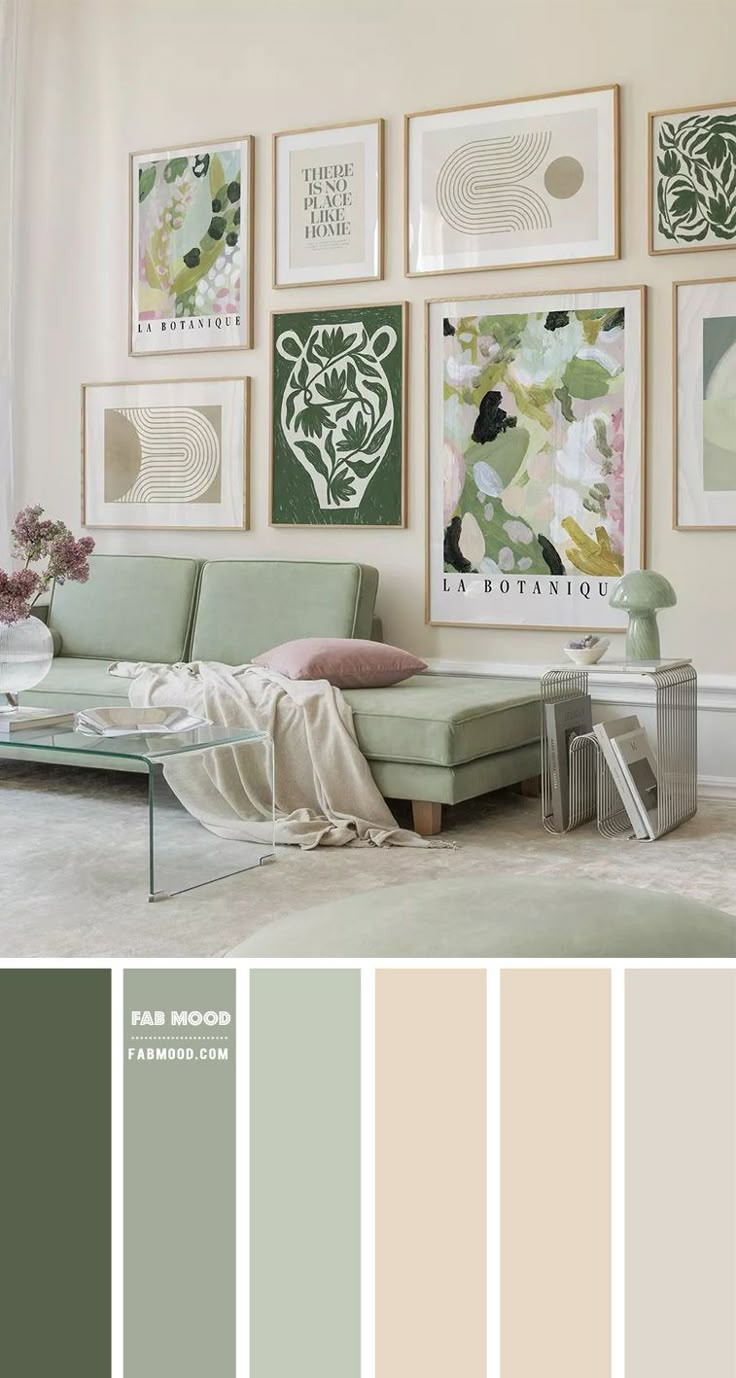
- Pitfall 3 (Ignoring Color and Tone Cohesion): Hanging four canvases with wildly clashing color temperatures and frame finishes shatters visual harmony. Maintain cohesion by ensuring at least one dominant accent color repeats across all four canvases, or tie disparate images together by using identical framing profiles and matte board widths.
- Pitfall 4 (Choosing Incorrect Scale for Wall Mass): Selecting four canvases that are individually too small for a massive feature wall results in a timid, lost arrangement. If your wall expanse is exceptionally wide, opt for larger individual panel dimensions (such as 24×36 inches per canvas) or expand the internal gaps proportionally to fill the void without overcrowding.
- Pitfall 5 (Failing to Account for Lighting Dynamics): Placing a dark, moody four-piece canvas arrangement in a shadow-heavy corner creates a visual black hole in the room. Pair your installation with directional picture lights, adjustable wall sconces, or recessed ceiling gimbals to wash the canvas surfaces in warm, glare-free illumination.
The Broader Impact on Spatial Flow and Modern Living Trends
Interior design is shifting rapidly away from sterile, hyper-minimalist white boxes toward spaces that prioritize warmth, tactile depth, and personalized storytelling. In contemporary homes, art is no longer treated as a superficial garnish added at the very end of a project; it is treated as a fundamental architectural layer. A four-piece canvas arrangement embodies this modern ethos by merging structural rigor with artistic expression. It refuses to take itself too seriously while maintaining an underlying architectural discipline that satisfies our innate desire for order.
Economically and practically, the four-piece canvas format represents an intelligent shift in how we curate our homes. Sourcing a single, museum-scale original painting that measures six feet wide can be prohibitively expensive and logistically nightmarish to transport and hang. Conversely, breaking an expansive composition across four standardized canvas panels democratizes high-end interior styling. It allows design enthusiasts to achieve monumental visual impact, fill awkward vertical surfaces, and command large spatial volumes at a fraction of the cost and weight of traditional framed glass art.
Furthermore, the versatility of the quad layout future-proofs your interior design. As your personal taste evolves or as you transition between homes, a four-piece arrangement offers modular flexibility. You can reconfigure the four panels into a vertical stack for a narrow nook, space them out across a longer corridor, or split them up into pairs for separate rooms. This adaptability aligns seamlessly with sustainable modern living practices, encouraging investment in versatile, high-quality decor pieces that adapt to changing architectural footprints rather than ending up in landfills.
Actionable Recommendations and Key Takeaways for Your Space
Transforming your interior with a four-piece canvas arrangement requires a clear, actionable roadmap that synthesizes design theory with hands-on execution. Before committing to a purchase or driving a nail into your wall, evaluate your room through a critical, objective lens to ensure your art selection amplifies your overall design narrative.
- Evaluate Proportions First: Always match the collective footprint of your four-piece layout to the furniture below it, ensuring the artwork spans 60% to 75% of the furniture’s total width.
- Commit to Uniformity: Maintain strict consistency in your spacing, keeping gaps between 2 to 3 inches across all panels to preserve the illusion of a singular, cohesive installation.
- Anchor at Eye Level: Never guess your hanging height. Keep the optical center of the total arrangement locked firmly between 57 and 60 inches from the floor.
- Unify Through Theme or Tone: Tie the four pieces together using a shared color palette, a common artistic medium, matching frame profiles, or a split panoramic image concept.
- Light Intentionally: Complement your canvas installation with dedicated picture lights or adjustable wall sconces to bring depth, dimension, and evening warmth to the arrangement.
The walls of our homes are more than structural partitions holding up a roof; they are the physical canvas upon which we project our identity, our aesthetic values, and our desire for sanctuary. In a world characterized by digital saturation and constant sensory input, the rooms we inhabit must offer a counter-balance—a quiet, grounded environment where form and function exist in absolute equilibrium.
Mastering the four-piece canvas arrangement is a subtle yet profound way to reclaim control over your interior landscape. It reminds us that balance is not achieved through accidental placement or timid choices, but through deliberate proportion, thoughtful geometry, and an unwavering respect for negative space. As you step back to admire your newly balanced wall, you will notice something shift within the entire room: the chaos settles, the design narrative snaps into sharp focus, and your living space finally feels like home.