Have you ever stood by the water and watched a white sail catch the wind, wondering how humans first figured out how to harness a breeze. It feels like magic, but behind every graceful hull lies centuries of trial, error, and ink-stained paper.
Long before modern computers mapped fluid dynamics, inventors rushed to patent offices with hand-drawn sheets showing how boats could move faster and safer. These old blueprints are like time capsules. They show us not just mechanical tweaks, but the human desire to conquer the open water.
The Early Days of Hull Shaping
Early boat builders relied mostly on intuition and local tradition. When formal patent systems took off, makers finally started writing down their geometric secrets. You can see how hulls shifted from round, bulky bellies to sleek, sharp wedges designed to slice through waves instead of pushing them.
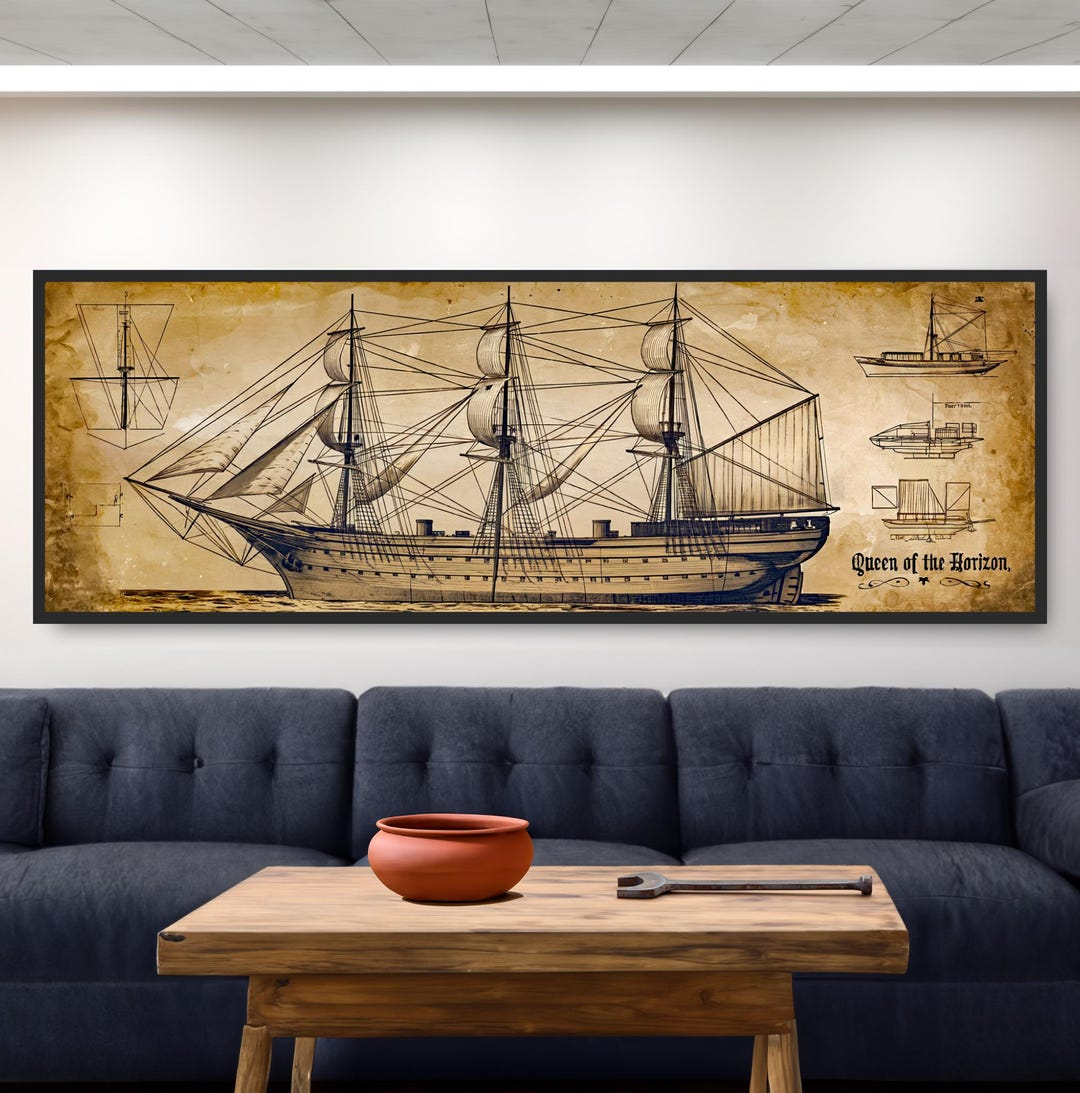
These vintage ink sketches capture a fascinating transition. Inventors experimented with different curves to reduce drag. They wanted vessels that could carry heavy loads without losing speed.
Looking closely at those aged lines, you notice tiny handwritten notes scribbled in the margins. Those notes tell stories of late nights in dusty workshops. A single pencil stroke could completely change how a boat handled in a rough gale.
Revolutionizing Rigging and Masts
A hull is nothing without something to catch the wind. Old rigging patents reveal an endless quest for efficiency. Instead of simple square sails that only worked when the wind blew from behind, inventors dreamed up clever triangular configurations.
These new sail plans allowed sailors to tack back and forth against the wind. It was a massive breakthrough for global exploration and trade. Patent papers from the nineteenth century show intricate pulley systems and pivoting masts that let a single person handle huge amounts of canvas.
The drawings often look like mechanical spiderwebs. Every line represents a rope or wire engineered to distribute tension evenly. You can practically feel the strain the inventors were trying to relieve.
The Birth of the Centerboard Innovation
One of the biggest hurdles early sailors faced was getting blown sideways when the wind hit the boat at an angle. Early inventors solved this with clever movable fins. Patent applications for centerboards and drop keels changed everything.
Drawings from this era feature wooden boards that could be lowered through a slot in the bottom of the boat. When heading into shallow water, you simply pulled them up. It was simple, brilliant, and entirely transformative for small craft design.
These mechanical drawings show gears and levers designed to make lifting the heavy board easier. It shows that ergonomics mattered even back then. Inventors wanted practical solutions for tired sailors out on the lake.
Transitioning to Lightweight Materials
Wood was king for generations, but patents eventually started showing a hunger for stronger, lighter materials. Mid-century filings introduced innovative ways to shape aluminum and early fiberglass composites. The drawings shifted from traditional carpentry joints to molded shell designs.
This material shift meant boats could float higher and accelerate quicker. Inventors patented specialized molds and bonding agents. You can trace the exact moment traditional boatbuilding morphed into modern industrial manufacturing.
These blueprints highlight the engineering mindset at work. Every bolt placement and resin channel was mapped out meticulously. They wanted to ensure safety without adding dead weight.
Auxiliary Power and Motor Integration
When engines arrived on the scene, sailors had mixed feelings. Patent offices were flooded with ideas on how to add mechanical power without ruining the pure sailing experience. You can find wild designs for retractable propellers and hidden motor wells in old archives.
Inventors tried to find the sweet spot between wind and fuel. Some patents show folding blades that tucked neatly behind the rudder when the sails were up. Others featured quirky outboard setups that looked like medieval contraptions.
These documents capture a hesitant industry adapting to new tech. Change is never easy, and these drawings prove that sailors wanted the best of both worlds. They valued tradition, but craved reliability.
Capsizing is an inherent risk of catching the wind. Historical patent archives hold countless designs aimed at keeping sailors safe. You will see ingenious buoyancy chambers and heavy ballast systems designed to pop a boat right back up if it flips.
These safety patents often feature detailed mathematical calculations scribbled right beside the illustrations. Inventors wanted to prove their contraptions actually worked. Their dedication saved countless lives on stormy seas.
Looking at these safety drawings reminds us of the human cost of innovation. Every clever hinge or air tank came from a desire to return home safely. It adds a deeply personal layer to otherwise clinical technical documents.
As we look back at these historic drawings, we see a continuous thread of human curiosity. Every old patent represents someone staring at the horizon and asking, how can we do this better. Sailboat design keeps evolving, but the root of it all remains grounded in those ink-stained pages of the past.