Have you ever just stared at a stream cutting through a grassy slope, watching how it twists and sparkles in the sun? There is something mesmerizing about liquid in motion, especially when gravity pulls it rushing downward over rocks and mud.
Artists have spent centuries trying to trap that exact energy on a flat canvas. Painting a static object is one thing, but rendering rushing liquid that feels alive takes a totally different kind of magic. Let us dive into what makes this specific theme so captivating for creators everywhere.
The Pull of Gravity on Canvas
Gravity does not just shape our physical world; it dictates every single brushstroke when an artist tries to paint a downhill stream. When liquid moves down a slope, it accelerates, picking up speed and changing shape as it encounters obstacles. Painters study these physics closely to make sure their work looks believable.
Instead of drawing straight lines, masters use curved, sweeping marks to show momentum. They think about how mass gathers in hollows and spills over ledges. This creates an invisible tension that makes the viewer feel the pull of the earth.
Capturing Transparency and Light
Water is tricky because it is clear, yet it reflects everything around it. When it cascades down an incline, it catches sunlight in tiny, brilliant flashes while showing deep shadows underneath. Getting this balance right separates a flat picture from a living masterpiece.
Creators often layer thin glazes of paint to build up that see-through effect. They leave patches of pure white for foam and highlights. By doing this, they mimic how light bounces off fast-moving currents in real life.
The Emotional Echo of Flowing Streams
Beyond just looking pretty, paintings of downhill currents carry heavy emotional weight. To many observers, a rushing brook symbolizes the passage of time or the journey of life. It reminds us that things keep moving forward no matter what blocks their path.
Artists tap into these feelings by adjusting their color palettes. Bright, cool blues and greens can make a scene feel refreshing and calm, while darker, muddier tones might evoke a sense of raw power or danger. Every splash tells a silent story.
Tools and Techniques for Liquid Motion
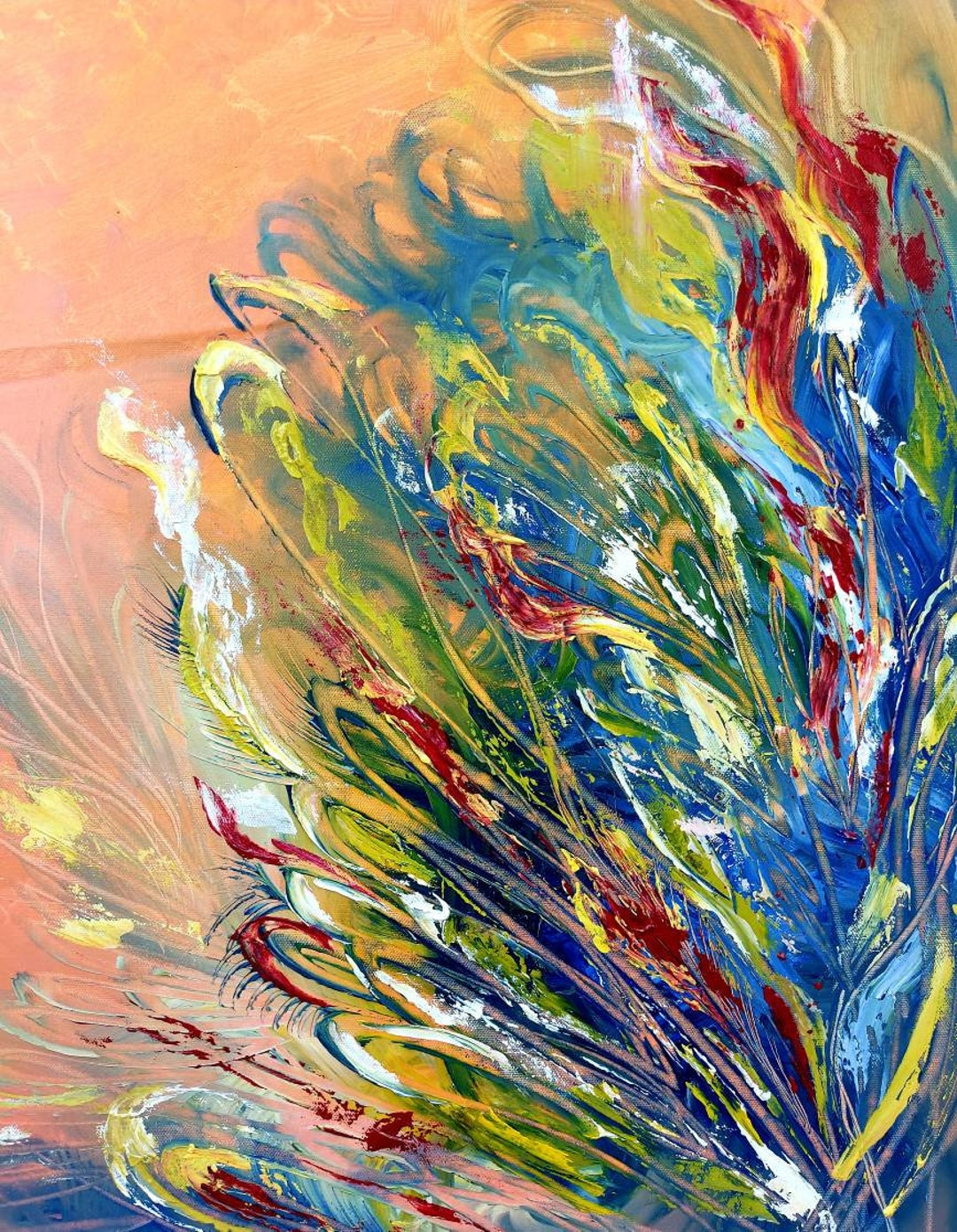
You might wonder how someone actually paints something so chaotic. Most creators do not use stiff brushes here. They often rely on fan brushes, palette knives, or even sponges to throw paint around in unpredictable ways.
This controlled messiness helps replicate natural splashes and spray. Letting the medium flow a little bit on its own during creation adds genuine authenticity. After all, liquid has its own mind, and letting it guide the hand works wonders.
Historical Roots in Landscape Art
People have been obsessed with capturing rushing streams for hundreds of years. Traditional Chinese ink wash painters mastered the art of suggesting movement with just a few minimalist strokes, leaving plenty of empty space for the imagination to fill in.
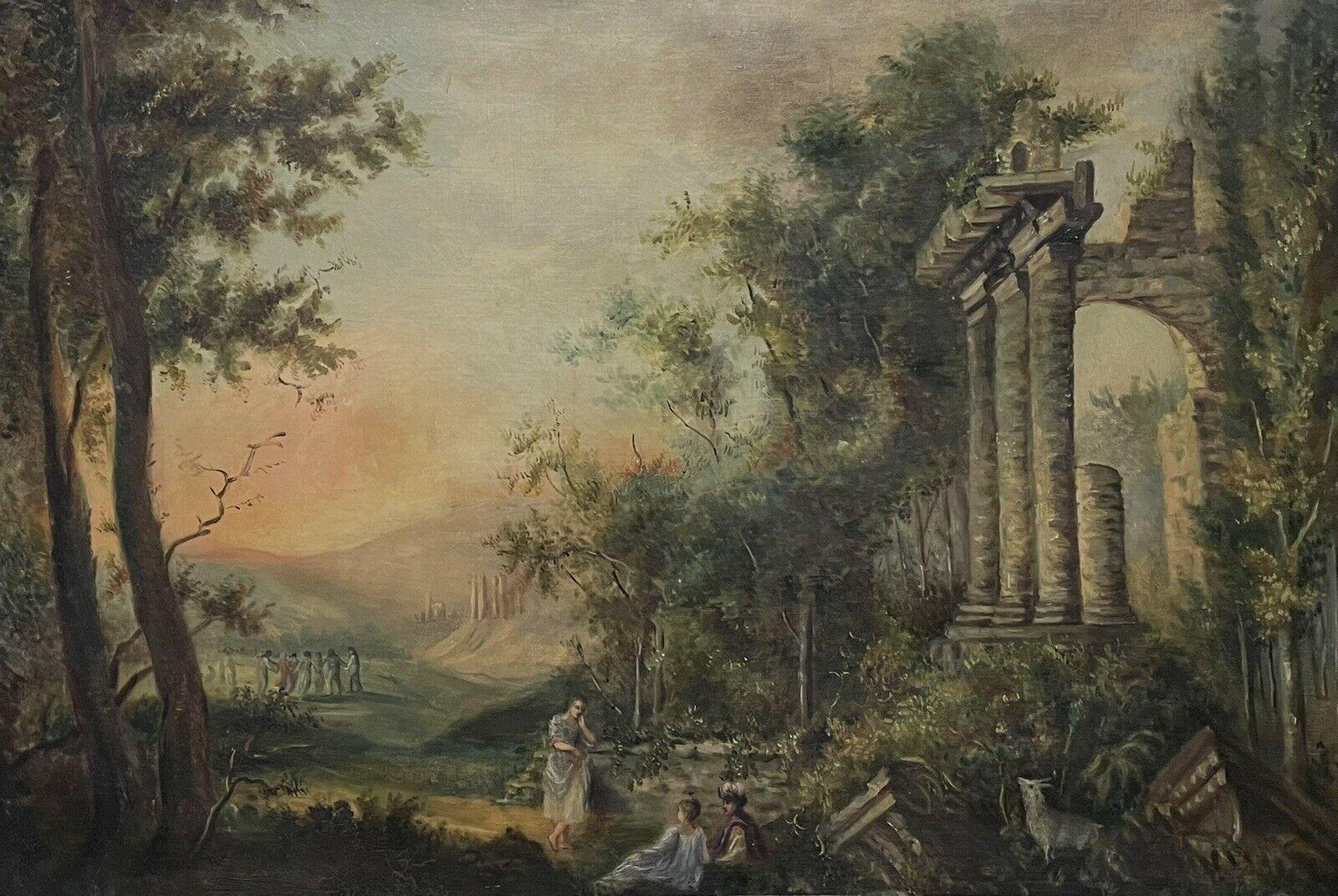
Later on, European Romantic painters used rushing water to show the overwhelming might of nature. They placed tiny human figures next to roaring torrents to highlight how small we are compared to the wild earth. These historical approaches still influence modern creators today.
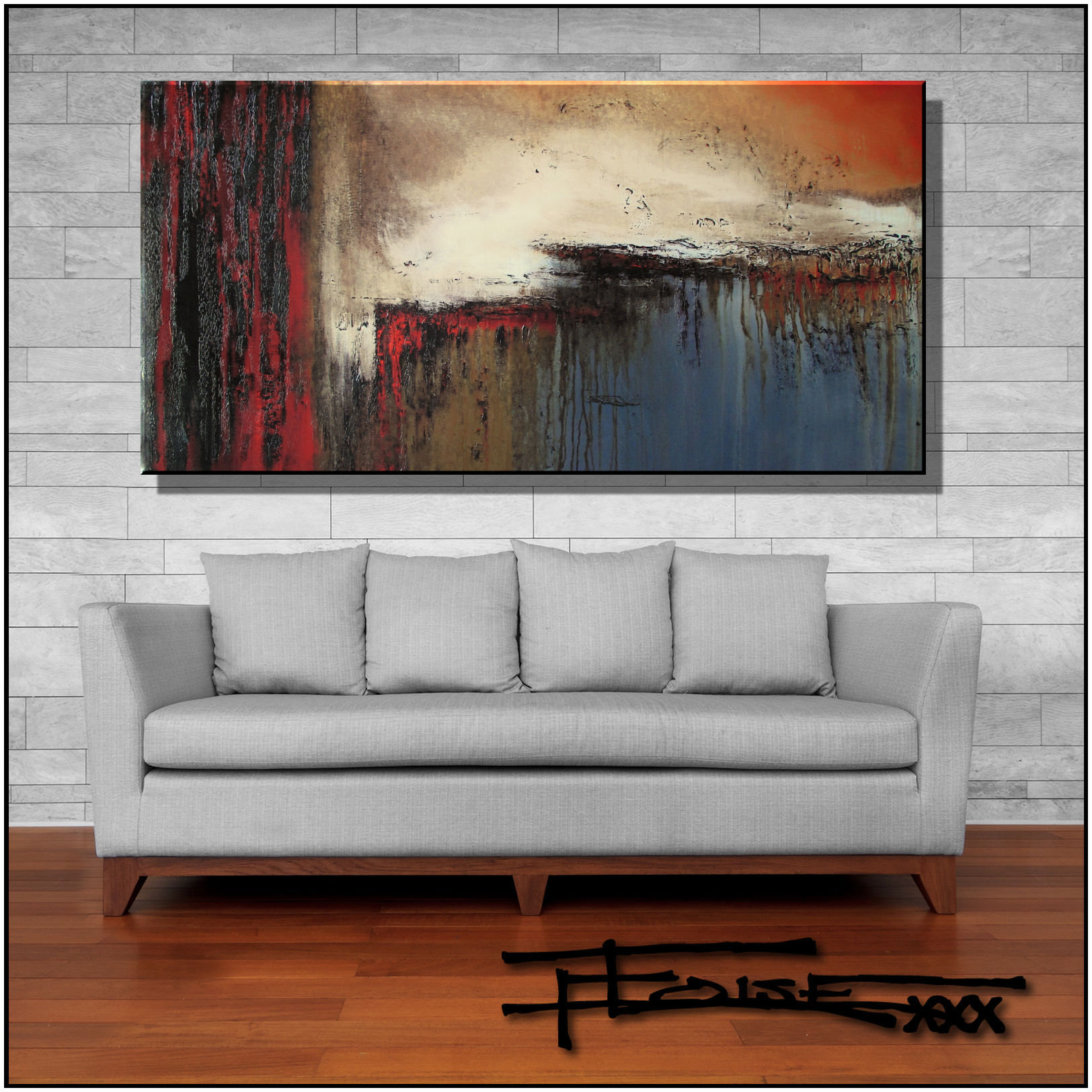
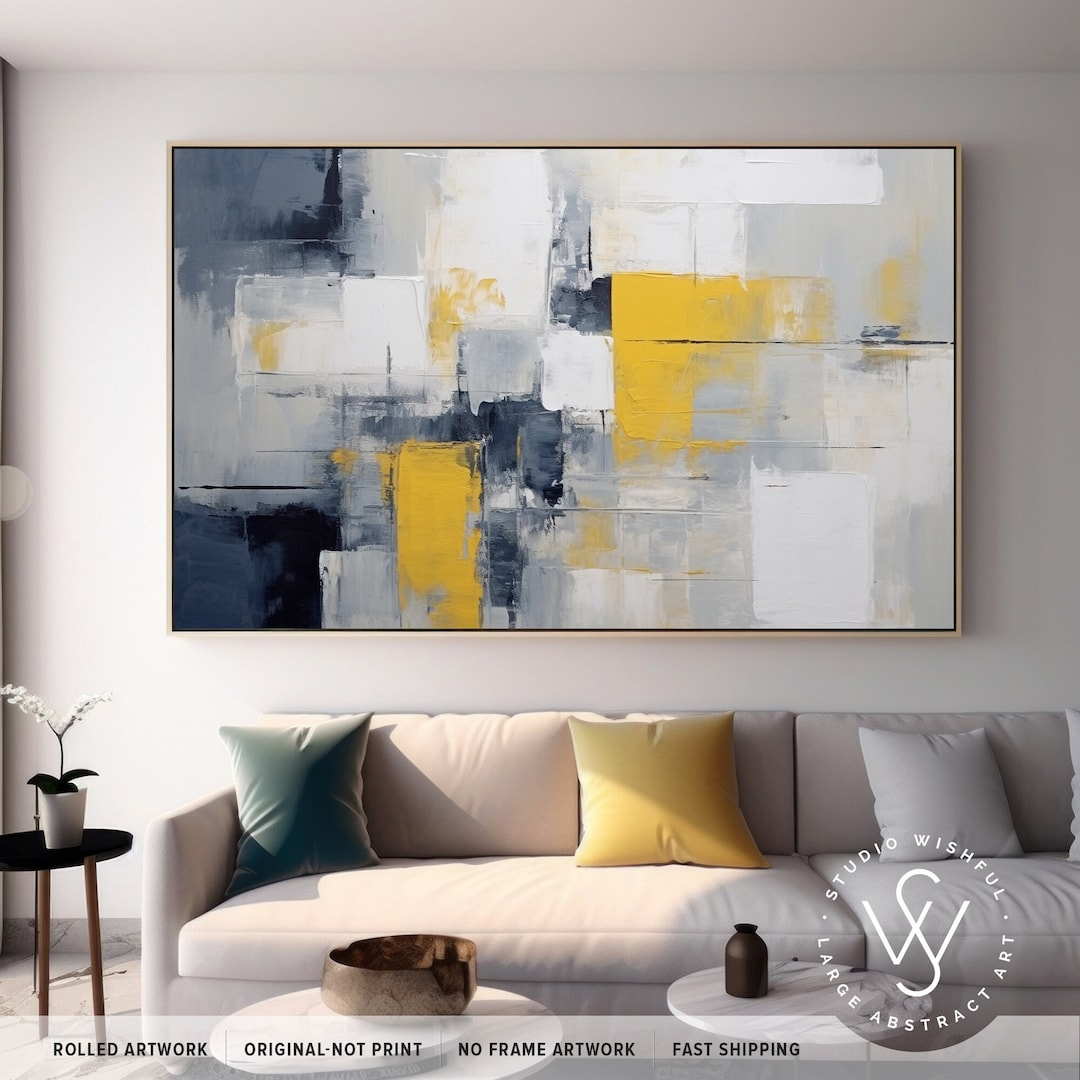
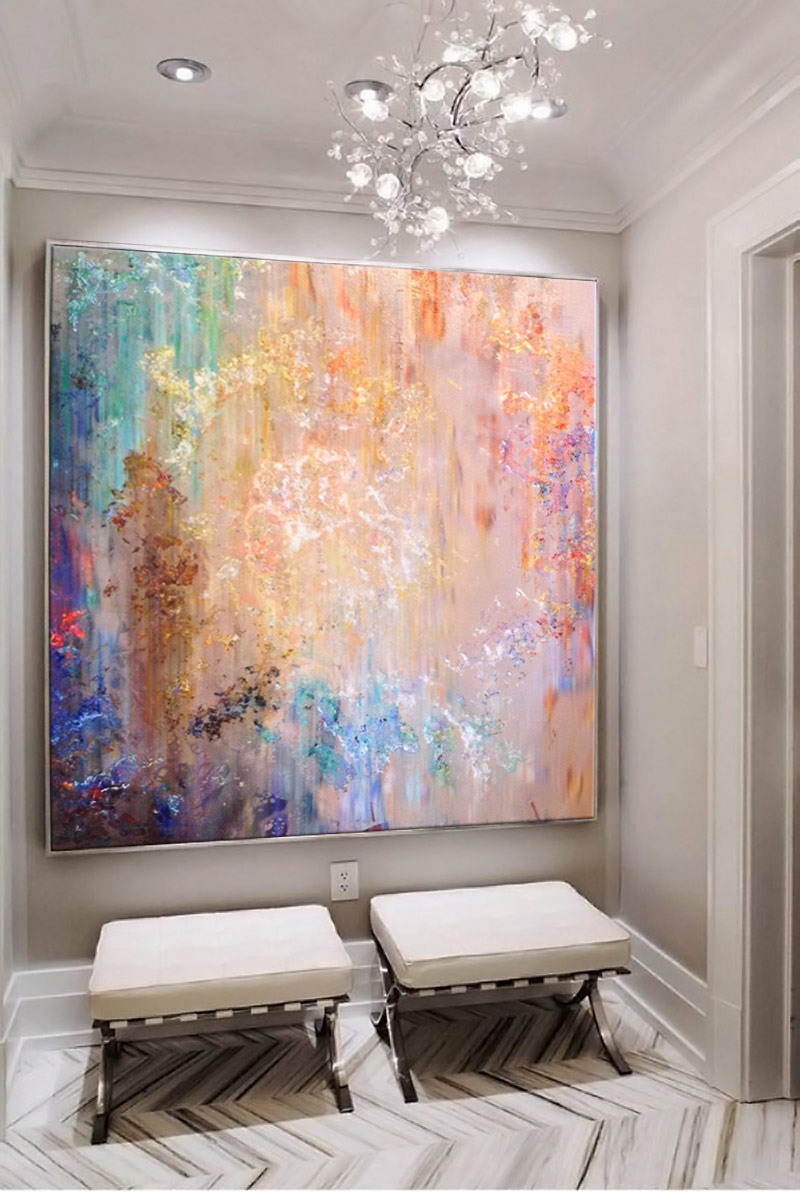
Looking at these artworks in a gallery or your living room does something special to your brain. It brings a sense of fresh air and motion into a quiet space. Studies and everyday experiences show that nature-inspired visuals can lower stress and clear your head.
When you stand in front of a well-crafted slope painting, you can almost hear the babbling sound and feel the cool mist. It acts as a little window to the outdoors, reminding us to slow down and appreciate the simple beauty of a running brook.
Water running down a hill is more than just a pretty sight; it is a dance between chaos and control. Through clever brushwork, careful observation, and a deep appreciation for nature, painters manage to freeze time and capture the eternal spirit of motion.
Next time you pass by a stream or look at a landscape canvas, take a second to notice the hidden rhythms at play. Art and nature keep teaching us how to flow with whatever comes our way, moving gracefully toward whatever lies ahead.