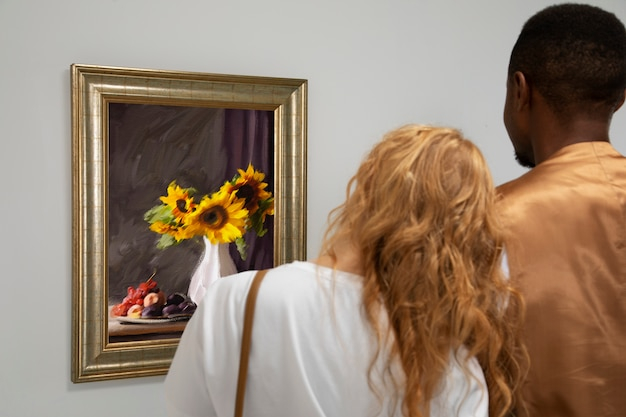
Have you ever stood in front of a striking canvas and wondered if it is the real deal? Walking into a gallery can feel thrilling, but it also brings a quiet wave of doubt.
The art world in 2026 moves fast. New talents emerge every single week, and navigating this vibrant scene takes more than just deep pockets. It takes a sharp eye and a lot of patience.
Navigating the Contemporary Art Landscape
Entering the market today means diving headfirst into an ocean of emerging talents and bold styles. You have to look past the initial visual impact and evaluate the actual artistic merit. Many beginners stumble because they rush the process without understanding the underlying market dynamics.
Think about how artists build their reputations. They start in small independent spaces before catching the eye of major curators. When you study this trajectory, you begin to spot which creators have staying power.
Verifying Provenance and Ownership History
Provenance is just a fancy word for the documented history of who owned a painting. If a canvas has a clean paper trail, you can rest easy knowing it is legitimate. Galleries and auction houses rely heavily on these records to prove a piece is authentic.
Missing papers should always raise a red flag. Even if a canvas looks stunning on your living room wall, a murky past makes it risky. Always ask for certificates of authenticity and check published records or catalogues.
Spotting Tell-Tale Signs of Originality
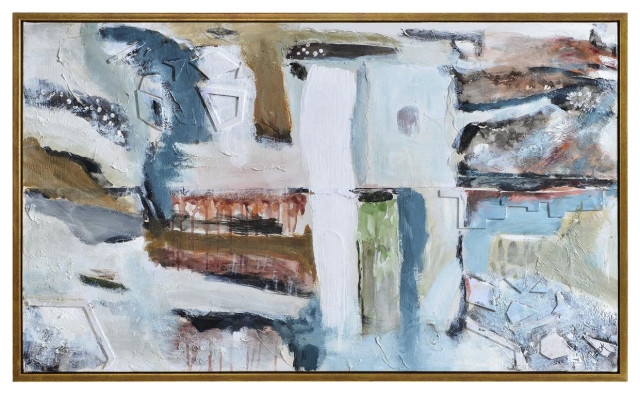
Prints and reproductions try to mimic original brushstrokes all the time. But if you look closely under good lighting, genuine paintings reveal the true texture of wet paint layered over canvas. You can see the tiny ridges where the artist dragged their brush.
Artists leave tiny fingerprints of their creative process in the medium itself. Edges of the canvas often show natural paint bleed that machines simply cannot replicate. Taking a magnifying glass to a piece is a totally normal habit for seasoned buyers.
Understanding Market Potential and Pricing
Price tags on contemporary works do not always reflect raw talent alone. They mirror the artist’s exhibition history, press coverage, and demand from other buyers. Smart collectors look at where else the artist has shown their work.
Buying from primary markets, like direct studio sales or trusted galleries, protects you from inflated secondary market markups. You want to support creators while making sure your money goes toward genuine long-term value.
Consulting Experts and Authentication Boards
Sometimes your own eyes are simply not enough. When dealing with high-value pieces, bringing in a recognized expert or authentication board makes all the difference. These professionals know the specific quirks of an artist’s technique.
For very expensive or historically complex works, scientific analysis might be necessary. Testing pigments or using specialized imaging helps date the materials accurately. It sounds intense, but peace of mind is worth every penny.
Counterfeiters love to target popular contemporary styles because they can whip them up quickly. If a deal sounds too good to be true, it almost always is. Be wary of sellers who push you to make a fast cash purchase without proper documentation.
Trust your gut feeling when something feels off about a transaction. Genuine sellers are always happy to share background stories and answer detailed questions about the artwork. Patience will always save you from making an expensive mistake.
Building a meaningful art collection is a journey filled with discovery. By focusing on provenance, examining physical textures closely, and leaning on expert advice, you protect both your passion and your investment.
Take your time exploring different galleries and talking to creators directly. Every genuine canvas you add to your space tells a unique story that you get to share with everyone who walks through your door.
[sps_html tag=”img” src=”https://cdn.theartssection.com/2026/07/large-long-paintings-at-bethany-barrett-blog-with-original-fine-art-painting.jpg” alt=”Large Long Paintings At Bethany Barrett Blog with Original Fine Art Painting” style=”width: 100%; height: auto;”]
[sps_html tag=”img” src=”https://cdn.theartssection.com/2026/07/painterly-painting-a-guide-to-style-and-expression-for-how-to-look-at-a-painting-long-enough-for-it-to-speak-back.jpg” alt=”Painterly Painting: A Guide To Style And Expression for How to Look at a Painting Long Enough for It to Speak Back” style=”width: 100%; height: auto;”]
[sps_html tag=”img” src=”https://cdn.theartssection.com/2026/07/when-and-how-to-create-large-paintings-youtube-throughout-original-fine-art-painting.jpg” alt=”When And How To Create Large Paintings - Youtube throughout Original Fine Art Painting” style=”width: 100%; height: auto;”]
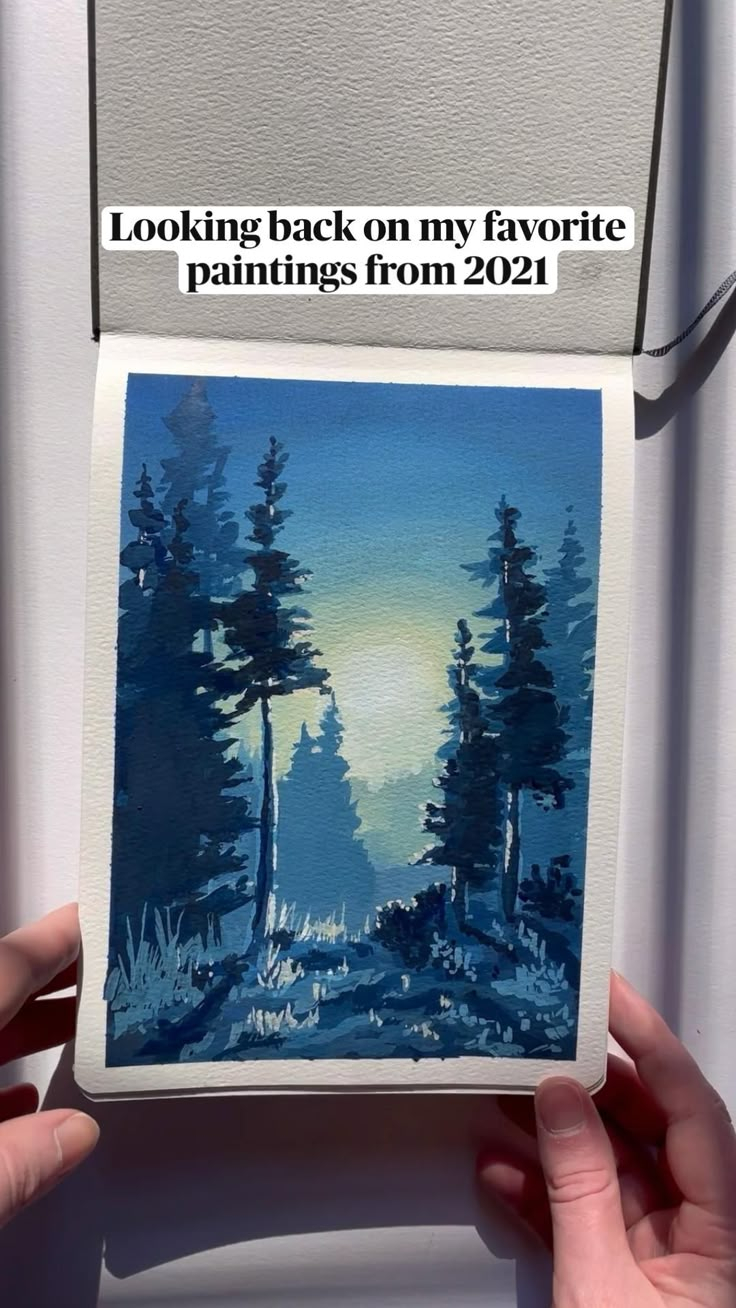
[sps_html tag=”img” src=”https://cdn.theartssection.com/2026/07/looking-back-on-my-favorite-paintings-from-2021-diy-canvas-art-regarding-original-fine-art-painting.jpg” alt=”Looking Back On My Favorite Paintings From 2021 | Diy Canvas Art … regarding Original Fine Art Painting” style=”width: 100%; height: auto;”]
[sps_html tag=”img” src=”https://cdn.theartssection.com/2026/07/how-to-look-after-your-painting-with-regard-to-original-fine-art-painting.jpg” alt=”How To Look After Your Painting with regard to Original Fine Art Painting” style=”width: 100%; height: auto;”]