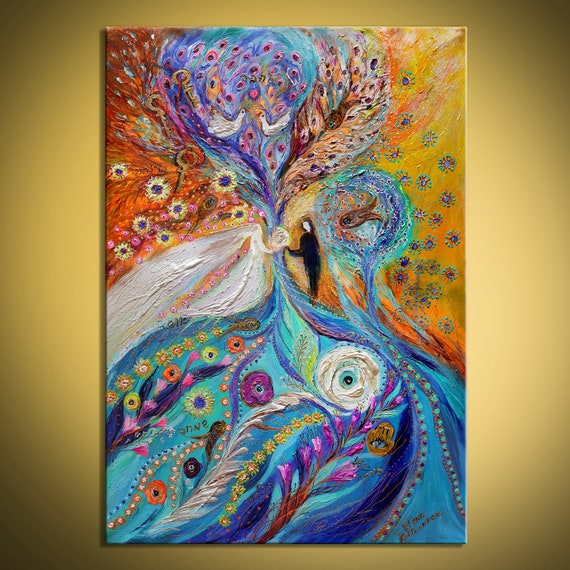
Empty walls can honestly feel a bit cold sometimes, right. You stare at that big blank space above your couch and just wonder what on earth to put there. Paint feels like too much of a commitment and heavy framed art can cost a fortune. Enter the trusty wall tapestry. Specifically, that perfectly symmetrical 32 by 32 inch square size that sits in the sweet spot of being noticeable without totally overwhelming your room.
Blank walls have a way of making a cozy room feel a little unfinished. We have all been there. You buy a nice piece of fabric art online because the colors spoke to you, and then it arrives. You hold it up against the drywall and think, now what. Styling a square piece requires a bit of thoughtful placement because symmetry can either look incredibly chic or a tiny bit awkward if you miss the mark. Let us dive into how you can make that fabric pop.
Finding the Sweet Spot on Your Wall
Placement is everything when you are dealing with a medium sized square piece. If you hang it way too high, it floats off into space like a stray balloon. Hang it too low and your sofa or desk completely hides it.
Aim to get the center of your 32×32 piece right at eye level, which is roughly 57 to 60 inches from the floor. This simple trick draws the eye naturally without making people strain their necks. Try holding it up with painter tape before putting any holes in the wall.
Choosing the Right Hardware for the Look
How you mount your tapestry changes the whole vibe of the room. You do not just have to use pushpins. In fact, please avoid cheap tacks if you want it to look polished.
Consider using a sleek wooden dowel or a decorative brass curtain rod that extends just a few inches past the edges of the square. This gives the fabric structure and keeps it from sagging in the middle. Alternatively, simple wooden clip hangers add a cool, modern coffee shop feel to your bedroom.
Layering with Other Wall Decor
A single square hanging can sometimes look a bit lonely all by itself on a massive wall. Do not be afraid to mix things up by building a mini gallery wall around it.
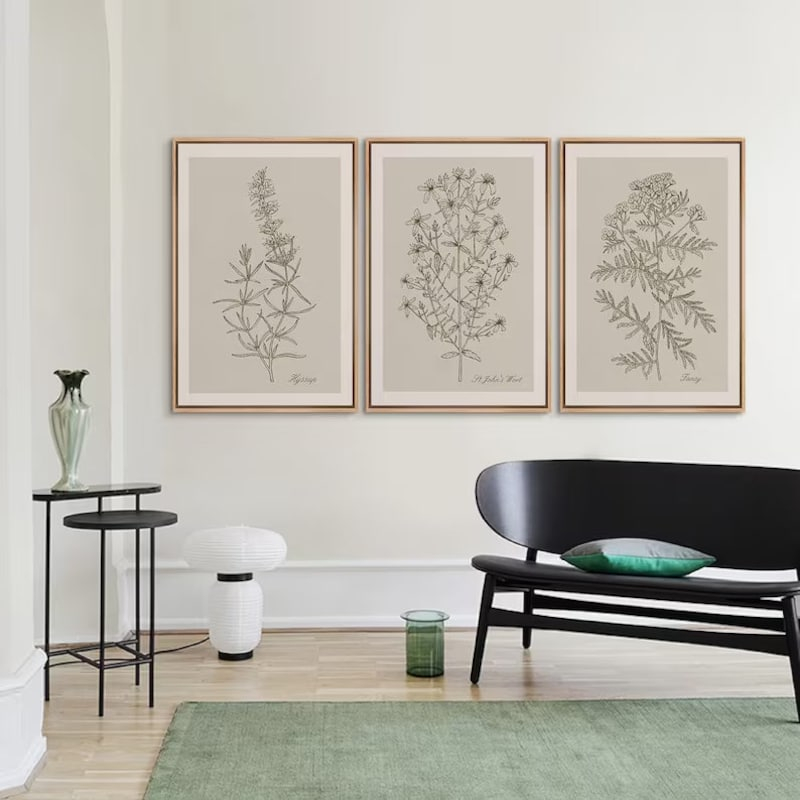
Try flanking your tapestry with two slim vertical framed prints or a pair of hanging brass sconces. The secret is keeping some breathing room around the edges so the square shape remains the main star of the show. Textures matter too, so mixing woven fabric with smooth metal creates a great balance.
Playing with Lighting and Shadows
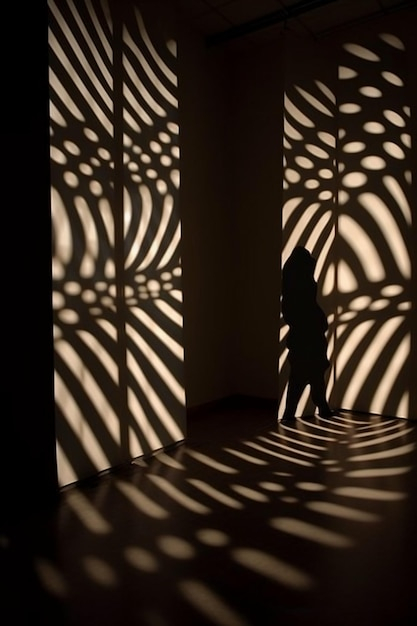
Good lighting transforms flat fabric into a living, breathing piece of art. Natural sunlight is amazing, but direct harsh rays can fade your favorite colors over time.
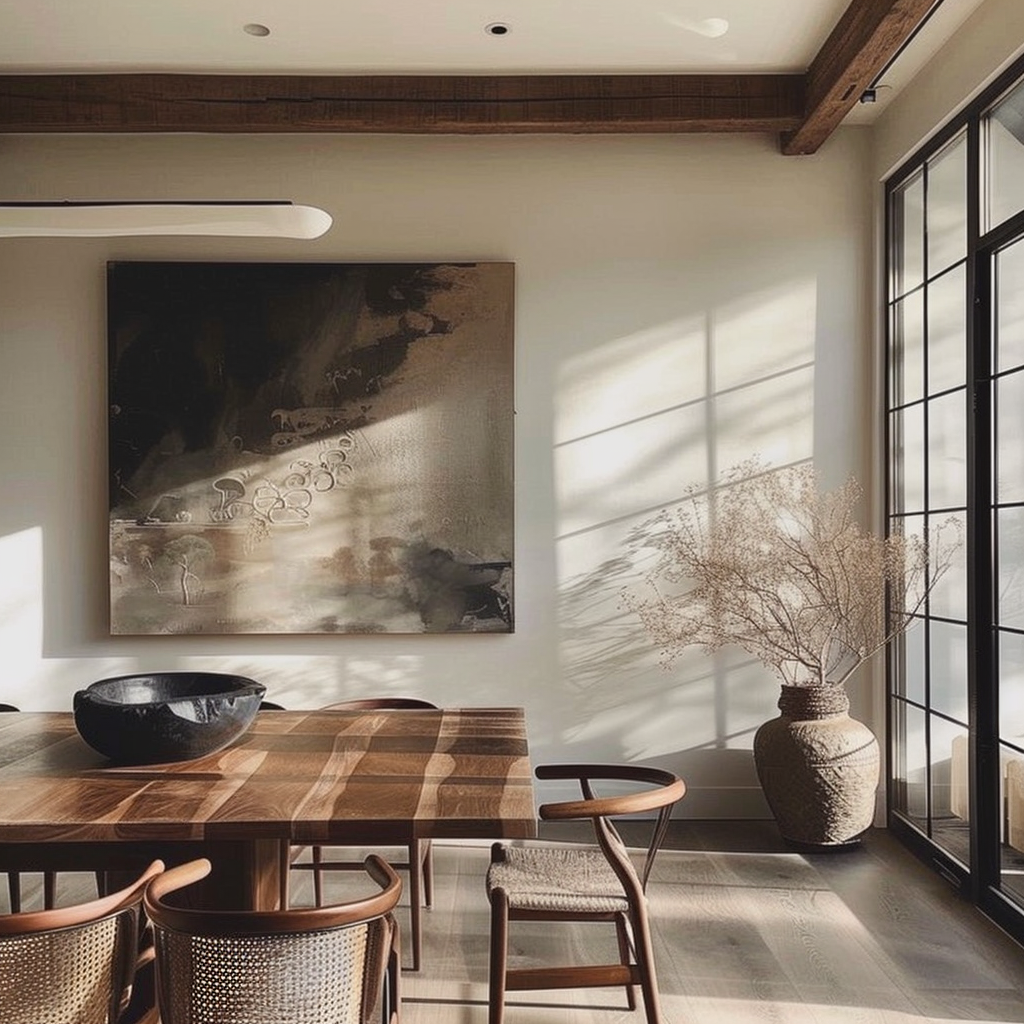
Instead, think about positioning a warm directional spotlight or an overhead picture light to cast soft shadows. If your tapestry has heavy embroidery or textured weaving, the side lighting will catch those little details and give the whole display incredible depth after dark.
Selecting the Ideal Room and Backdrop
Not every room handles a fabric hanging the same way. A bedroom loves the soft acoustic dampening qualities of cloth, making the space feel instantly warmer and quieter.
Think about your wall color too. If your paint is a moody dark navy or forest green, a vibrant tapestry with light tones will pop right off the surface. For stark white walls, a heavily patterned piece adds much needed warmth and personality without needing extra paint.
Fabrics tend to collect dust over time, especially when they hang flat against a wall or near an open window. Taking care of your piece ensures it stays vibrant for years.
Check the care label before doing anything wild. Many cotton or polyester blends can handle a gentle hand wash or a low heat iron to smooth out stubborn folds from shipping. A quick steam once every few months keeps it looking crisp and intentionally styled rather than forgotten.
Styling a square tapestry does not have to feel like an impossible design puzzle. By paying attention to height, hardware, and surrounding light, you can turn a simple piece of cloth into the coolest focal point in your home.
Take your time experimenting with different spots around the house. Design is all about trial and error, so have fun with it and let your space reflect what you actually love.