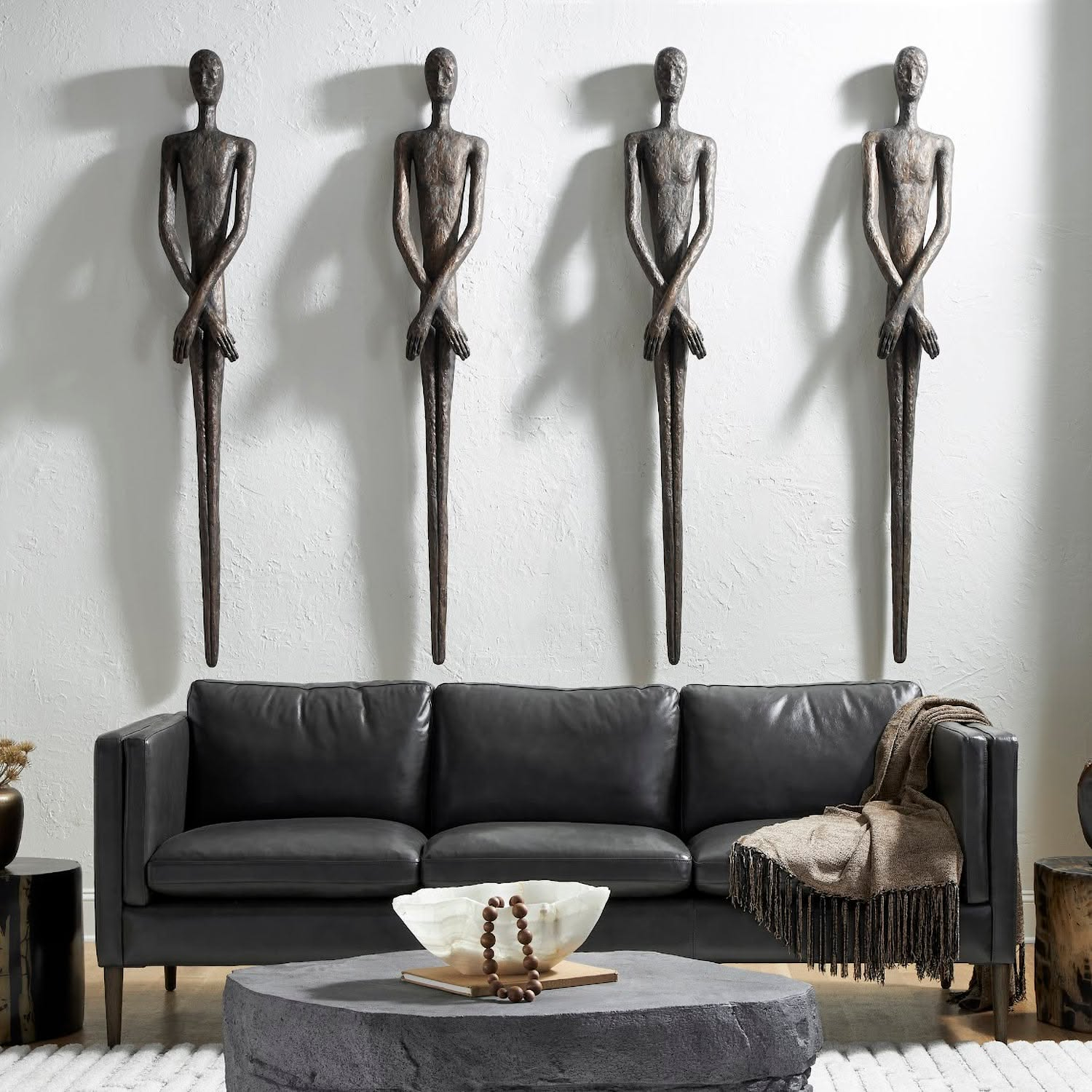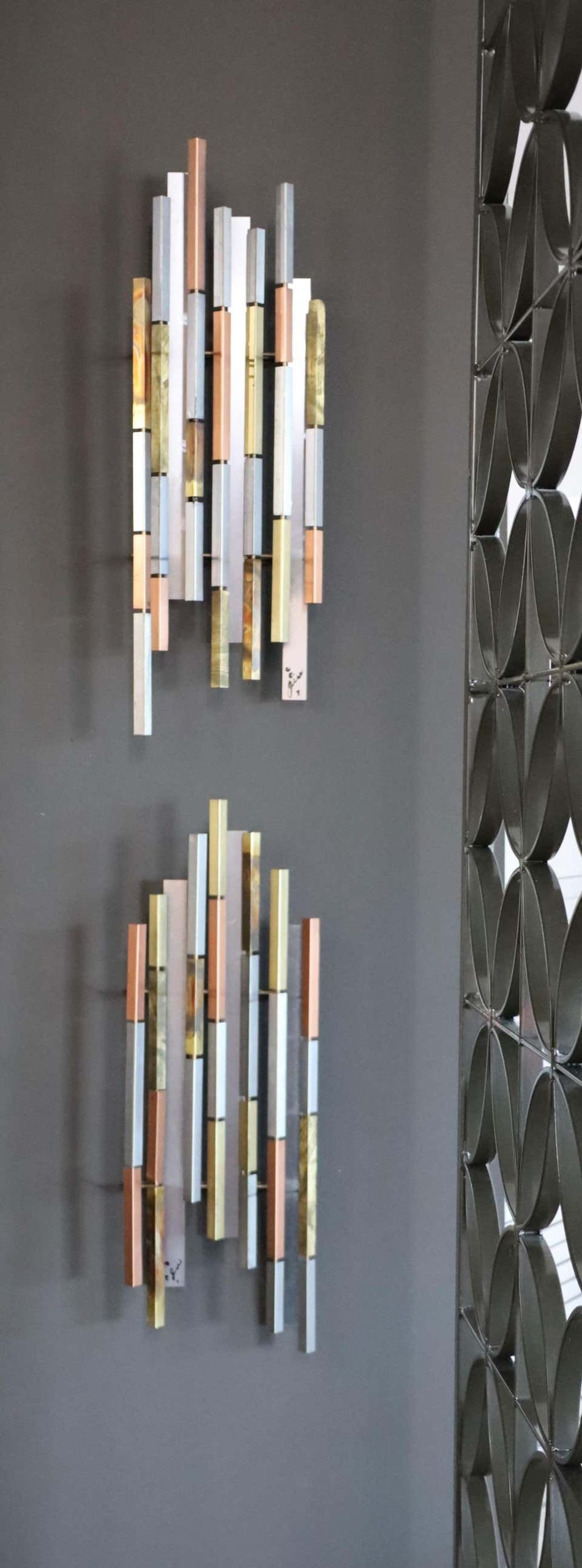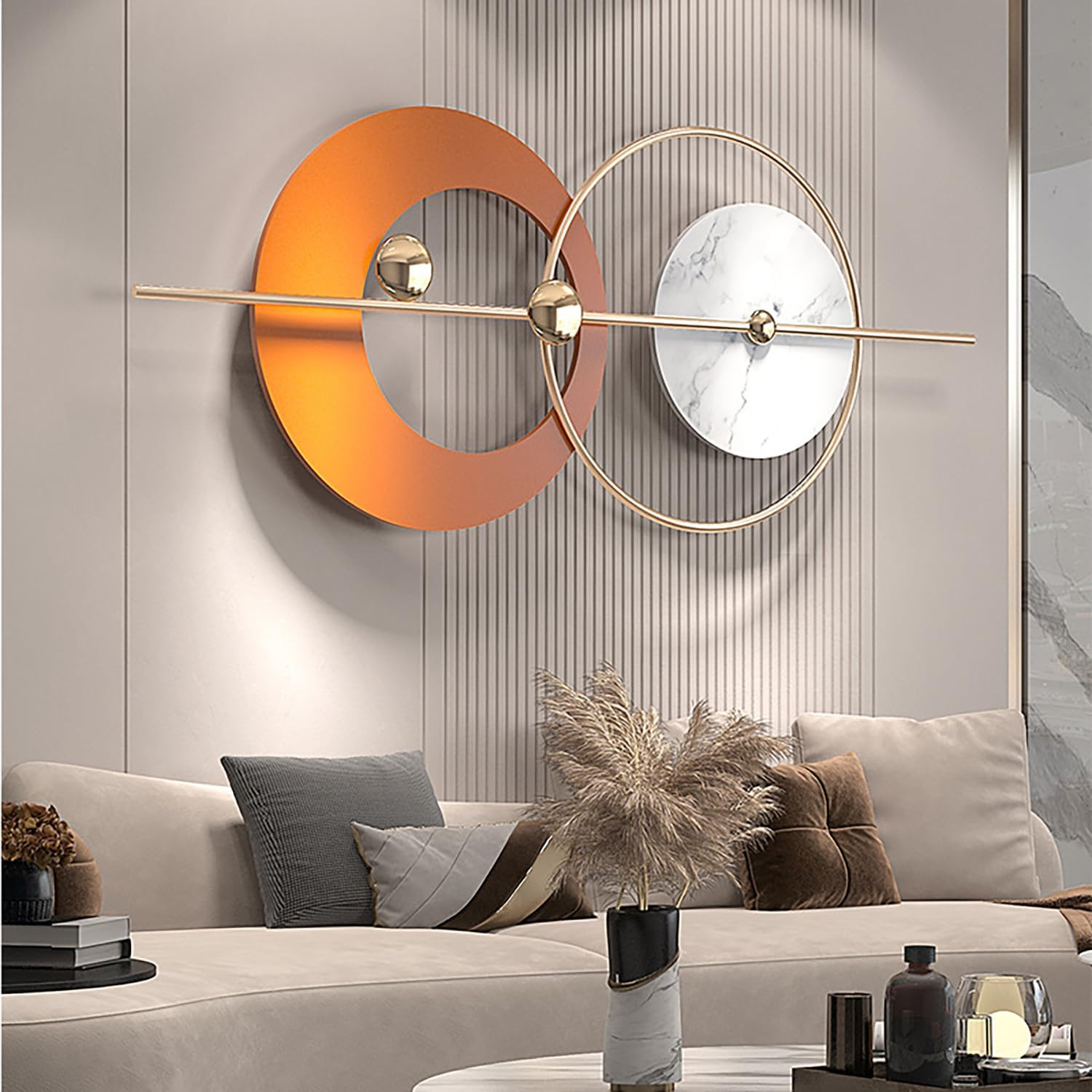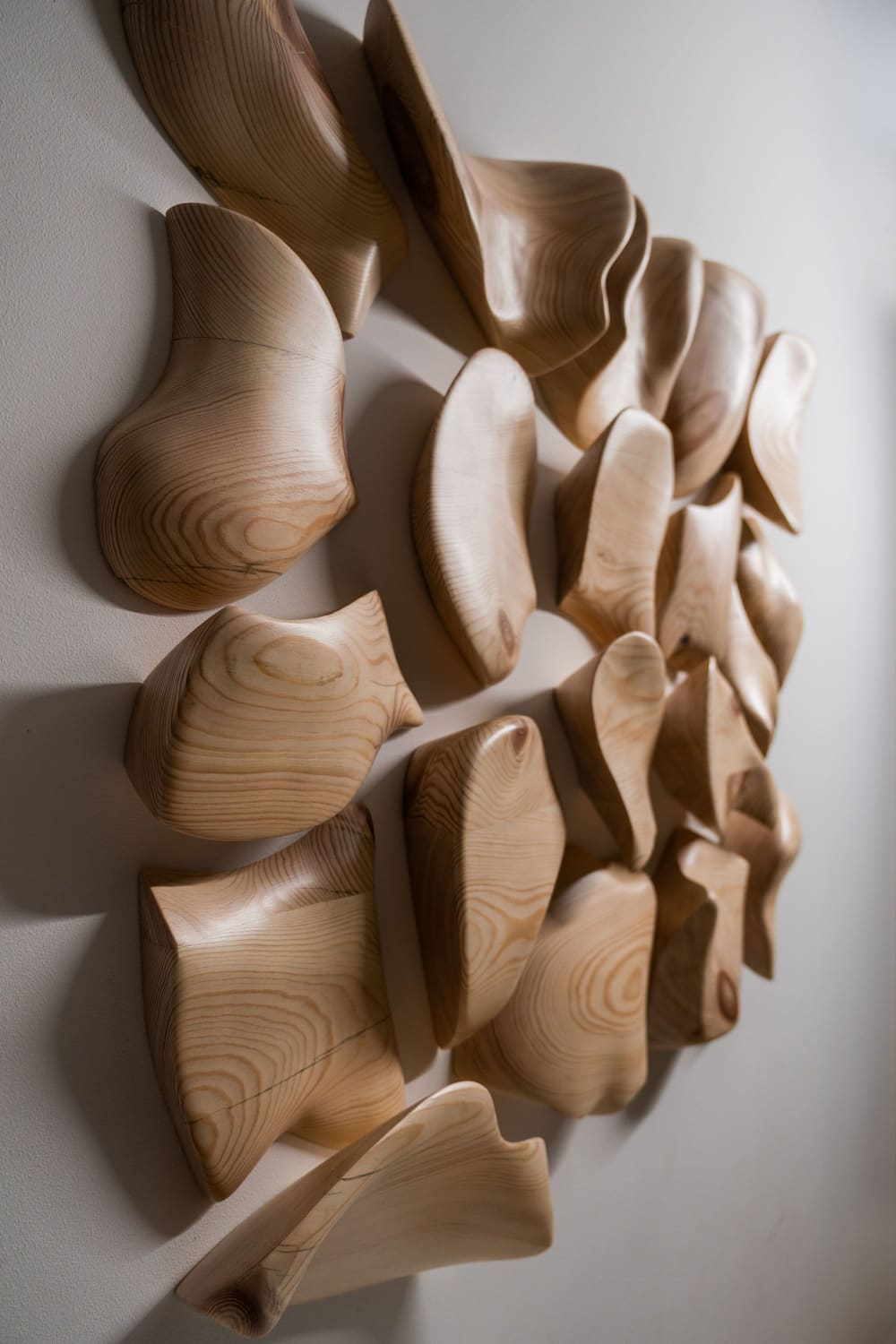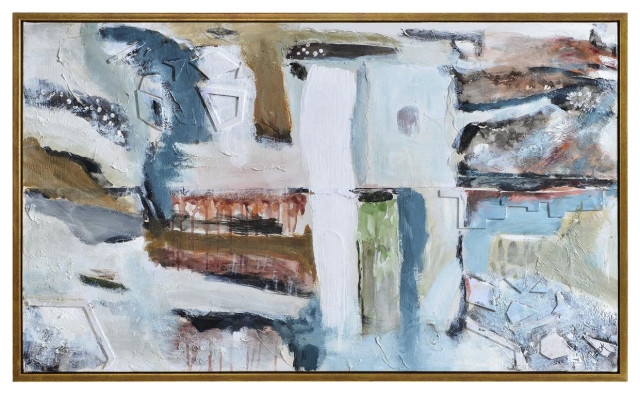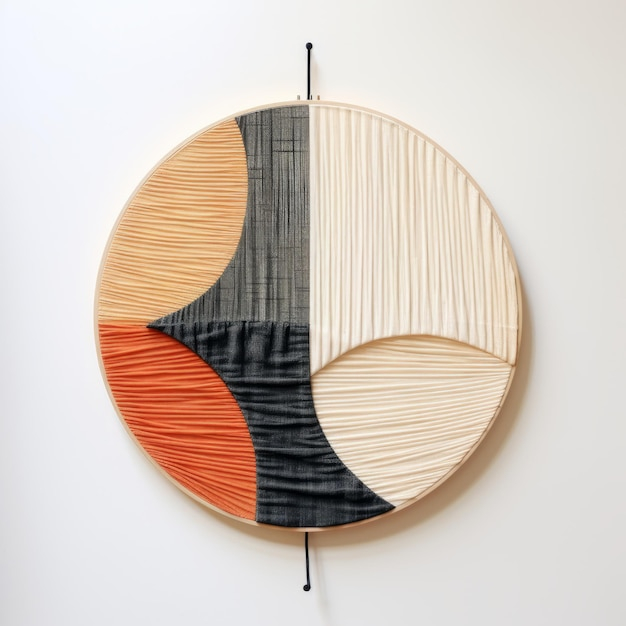
Have you ever stood in front of a giant painting and felt your chest tighten just a little? Not because you were confused or trying to figure out some secret code, but simply because the sheer presence of the artwork seemed to push against you? That instant reaction is not an accident.
When an artist works on a massive scale, they aren’t just trying to fill space on a wall. They are building a physical environment that forces us to stop, take a breath, and actually feel something in an increasingly virtual world.
+-----------------------------------------------------------------------+
|                       THE DUALITY OF SCALE                            |
+------------------------------------+----------------------------------+
|          DISTANCE VIEW             |            CLOSE VIEW            |
|   • Structural presence            |   • Raw material imperfections   |
|   • Environmental atmosphere       |   • Traces of artist's labor     |
|   • Spatial balance & mood         |   • Intimate tactile energy      |
+------------------------------------+----------------------------------+
The Human Need for Something You Can Almost Touch
We spend our days scrolling through perfectly flat glass screens. Every image looks smooth, polished, and entirely weightless. By the time 2026 rolled around, people naturally got tired of that sterile, friction-less world. We started craving sensory depth and physical weight—things that feel raw, authentic, and unmistakably real.
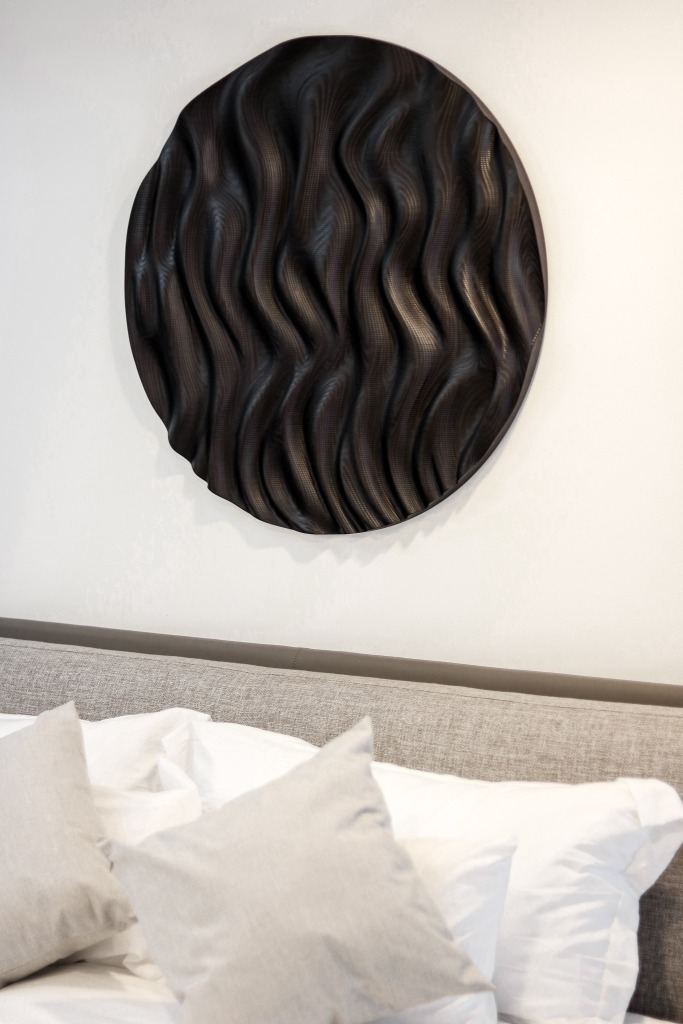
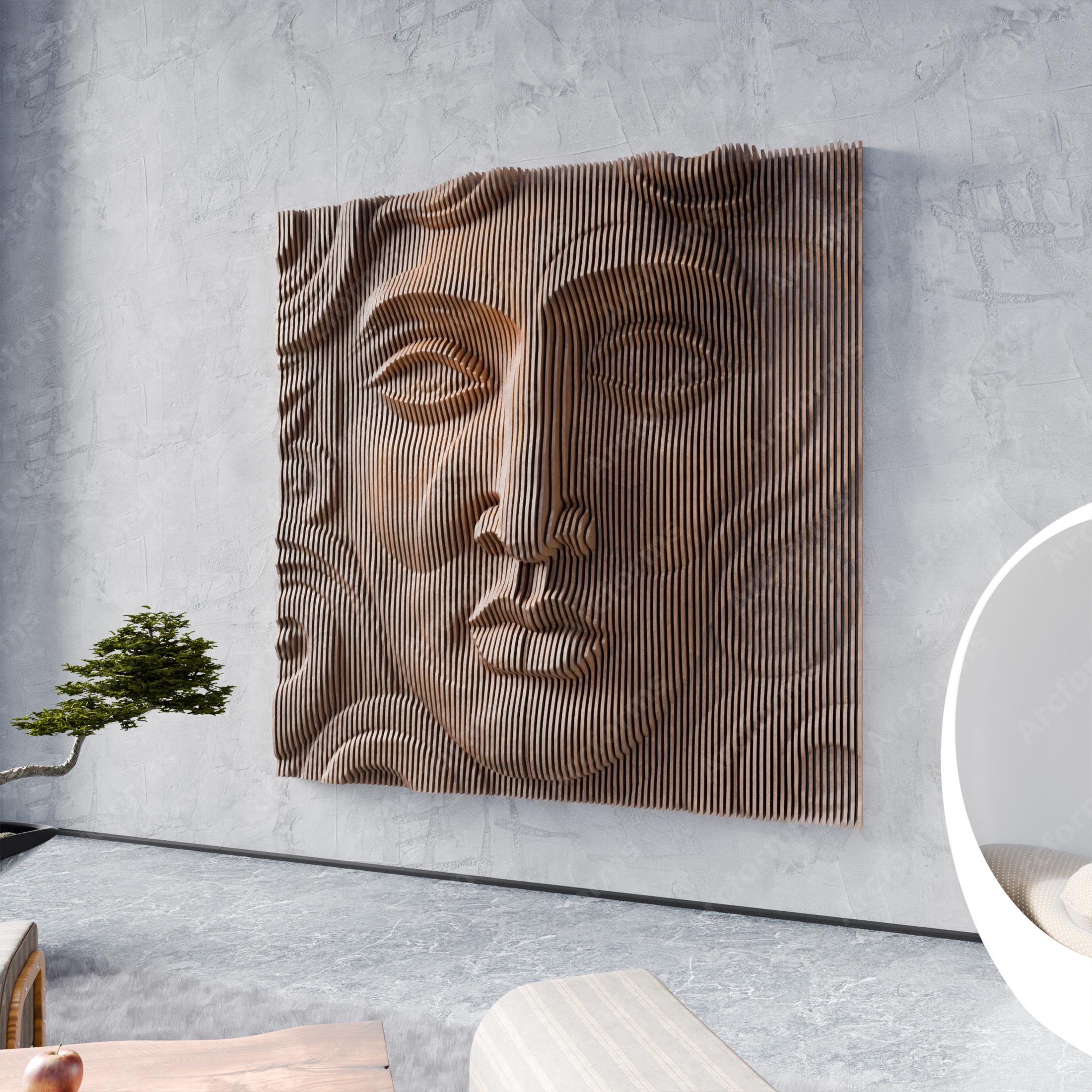
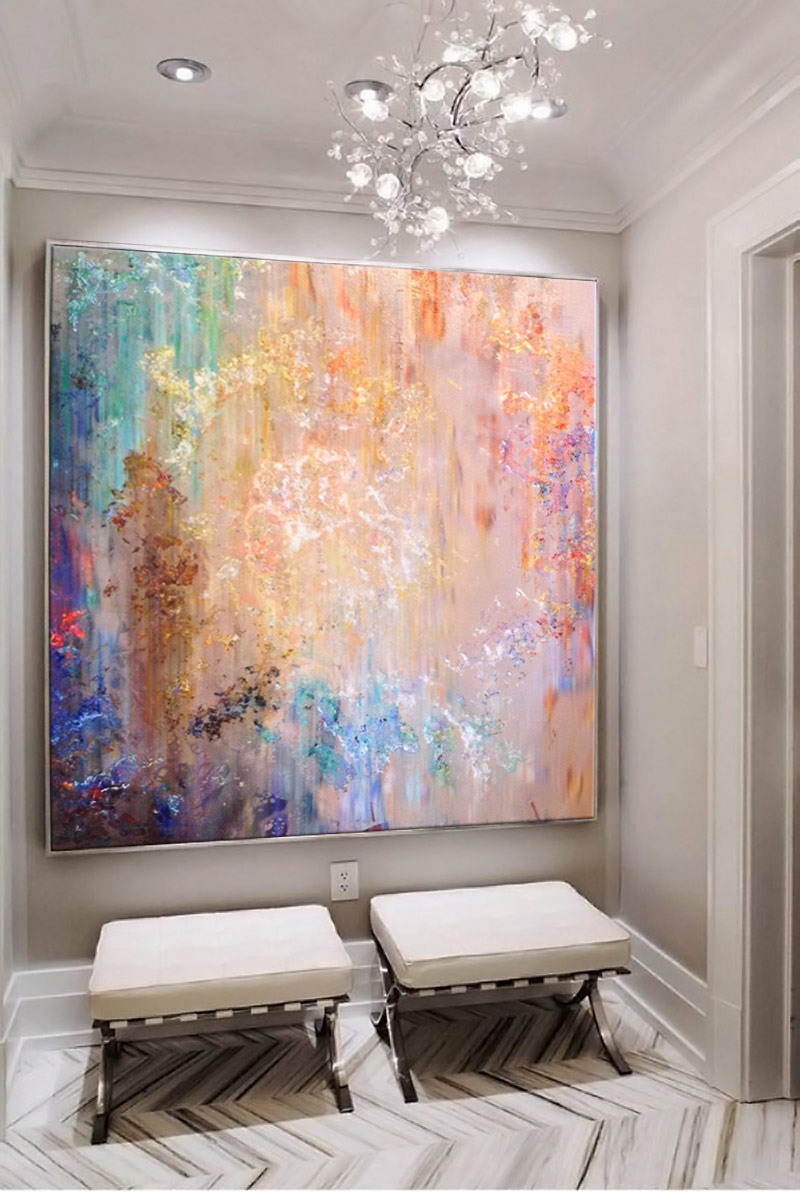
That is where textured, large-format contemporary art steps in. When a canvas stretches six feet across and carries heavy, sculptural layers of paint, it demands your physical presence. You can’t just swipe past it in half a second. You have to stand there, move your head, and let your eyes follow the dips, ridges, and shadow play carved across its surface.
LIGHT SOURCE ☀

_____v_____
/  Impasto    <-- Casts dynamic shadows
/   Ridge
/____________________
Canvas Base Surface
It shifts the experience from passive viewing to something almost physical. You aren’t just looking at color anymore; you are reacting to topography.
How Paint Thick as Mud Creates Pure Emotion
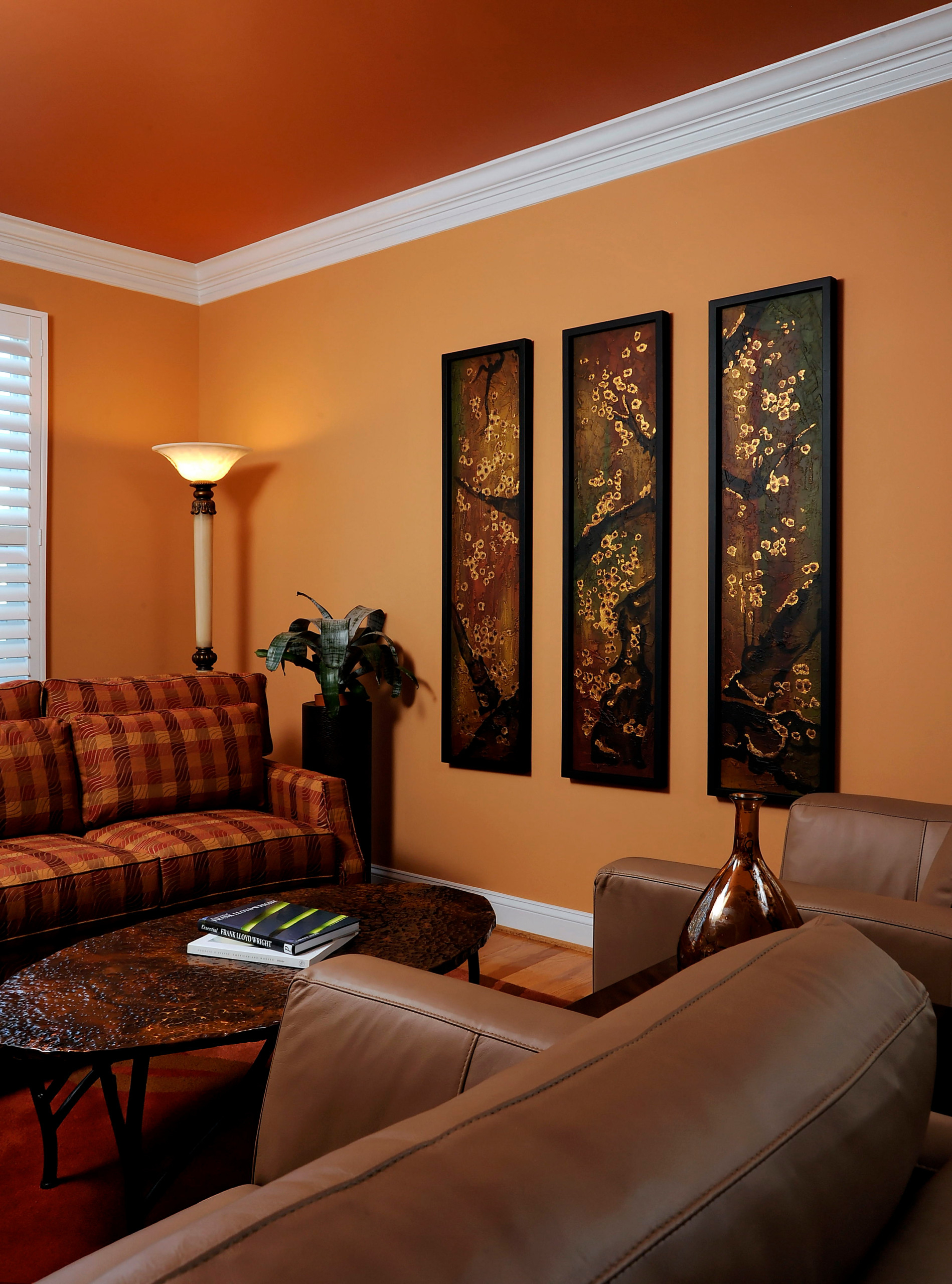
Texture in painting—what art lovers often call impasto—is basically energy caught in slow motion. When an artist slaps a thick slab of oil or acrylic onto a canvas using a wide palette knife, they leave a record of their exact body movement.
- Aggressive, chopped strokes signal urgency, frustration, or wild passion.
- Smooth, sweeping waves carry a sense of calm, breathing room, and quiet reflection.
- Rough, distressed surfaces evoke memory, aging, and weathered resilience.
STROKE VARIATION & EMOTIONAL IMPULSE
-----------------------------------------------------------------
[///////] Aggressive, jagged knife work  --> Urgency & Conflict
( ~~~~~ ) Broad, flowing sweeps          --> Serenity & Release
[.....] Heavy, dragged grit             --> Memory & Time
When you step up close to these raised surfaces, you see the strain of the tool and the thickness of the medium. The paint isn’t hiding what it is. That honesty creates an instant bridge between the person who made the mark and the person looking at it.
The Physical Gravity of Massive Canvases
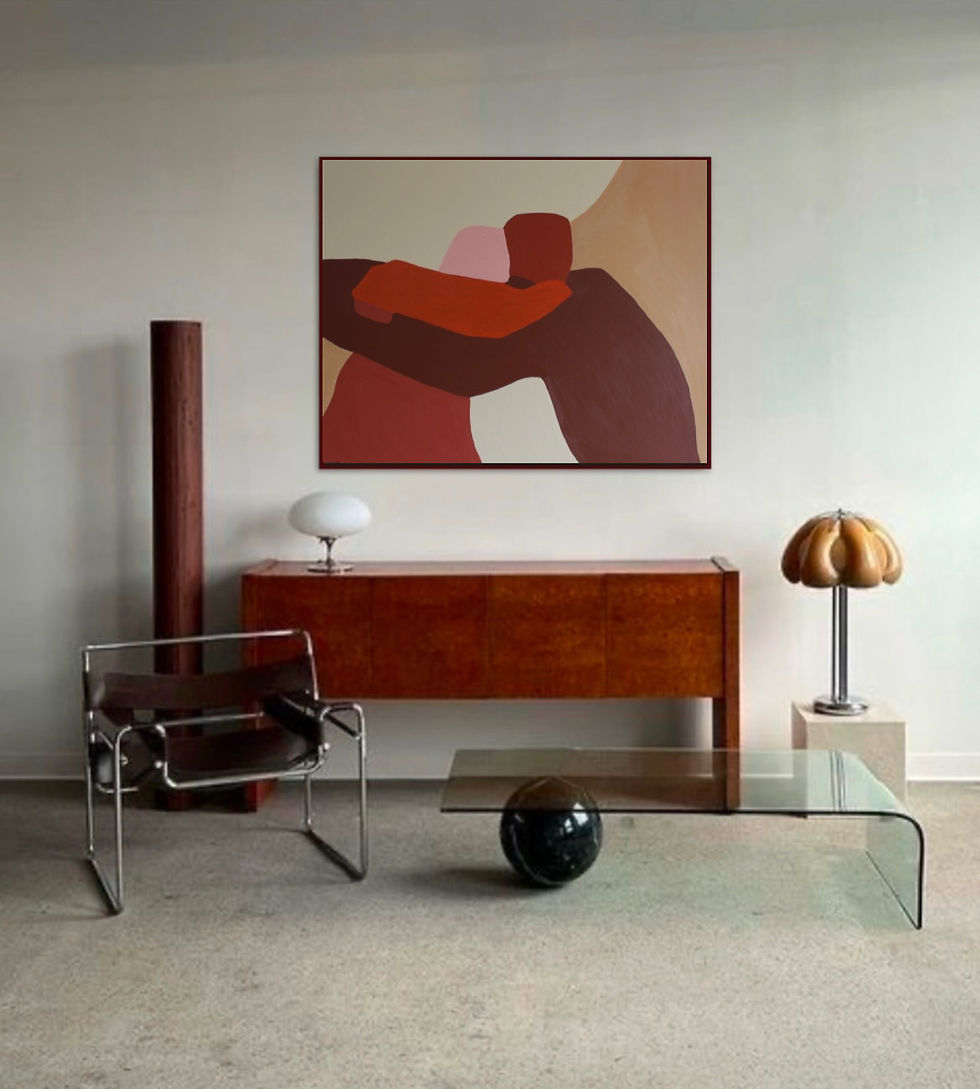
Size changes everything. A small square painting on a wall is like a quiet whisper from across the room. A massive canvas, though? That’s someone stepping right up to you and speaking directly into your space.
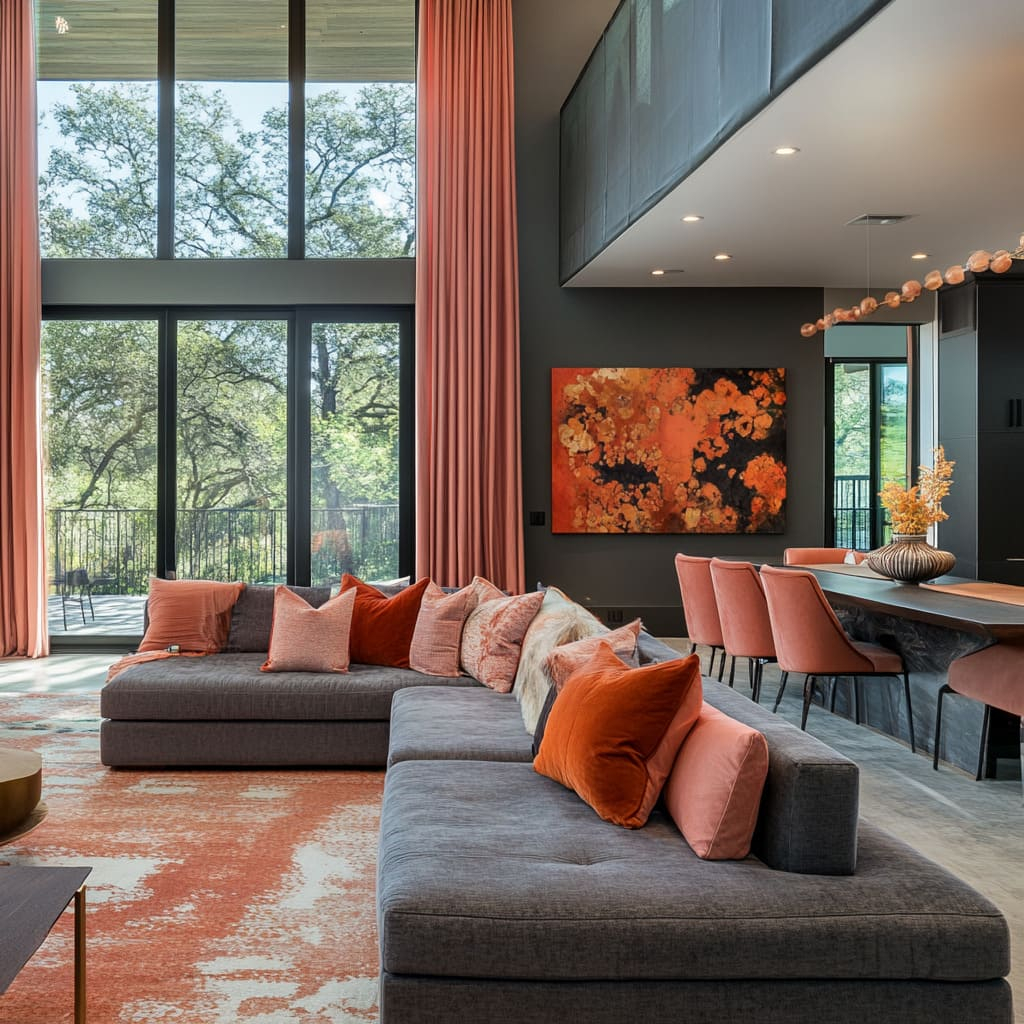
When art spans past your peripheral vision, your brain stops treating it like a framed picture and starts treating it like an environment. You feel swallowed up by it. The room’s acoustics change, light bounces off the raised paint differently as the sun moves, and your body naturally responds to the scale.
"An oversized canvas doesn’t ask for your attention; it gently reconfigures the energy of the entire space around it."
This physical gravity can evoke feelings of awe or intense calm. It reminds us of looking up at a storm sky or staring down into deep ocean water, making us feel pleasantly small in a world where we usually try to control everything.
Unlocking Meaning Without Reading the Wall Label
A lot of folks feel intimidated when walking into modern art galleries. They feel like they need a master’s degree in art history just to understand what they are looking at. But here is the secret: textured abstract art doesn’t require homework.
THE DIALOGUE OF PERCEPTION
+----------------------+        +-----------------------+
|  ARTIST'S PROCESS    |        |   VIEWER'S RESPONSE   |
| Physical Labor       | -----> | Visceral Sensing      |
| Layering & Scrapes   |        | Emotional Memory      |
| Raw Texture Choice   |        | Personal Connection   |
+----------------------+        +-----------------------+
Instead of asking, "What is this supposed to be?" try asking yourself a few simple questions:
- How does the weight of this color make my body feel?
- Does this surface look like it was built up with patience or torn down in a rush?
- If I could run my hand over this canvas, would it feel reassuring or abrasive?
By focusing on the physical reality of the paint—its cracks, layers, and uneven ridges—you skip the intellectual overthinking and go straight to emotional resonance. The artwork becomes a mirror for whatever mood you brought with you that day.
The Dance Between Light and Shadow Throughout the Day
One of the coolest things about heavily textured art is that it never stays the same. Unlike flat digital prints that look identical at noon and midnight, a dimensional canvas reacts to its environment continuously.
In the morning, low sunlight hits the canvas sideways, casting long shadows across every peak and valley of paint. The artwork looks dramatic, sharp, and full of contrast. By afternoon, under soft, overhead light, those same ridges smooth out, making the piece feel quieter and more relaxed.
LIGHT DIRECTION & CANVAS ATMOSPHERE
-----------------------------------------------------------------
Morning (Low Light)   --> Long shadows, high drama, sharp contrast
Midday (Overhead)     --> Diffused depth, quiet tones, subtle layers
Evening (Warm Lamps)  --> Deep pockets of shade, cozy glow, intimacy
This dynamic shift means the art grows and changes alongside you. It becomes a living part of your daily routine rather than static decoration on a wall.
Living with Art That Breathes
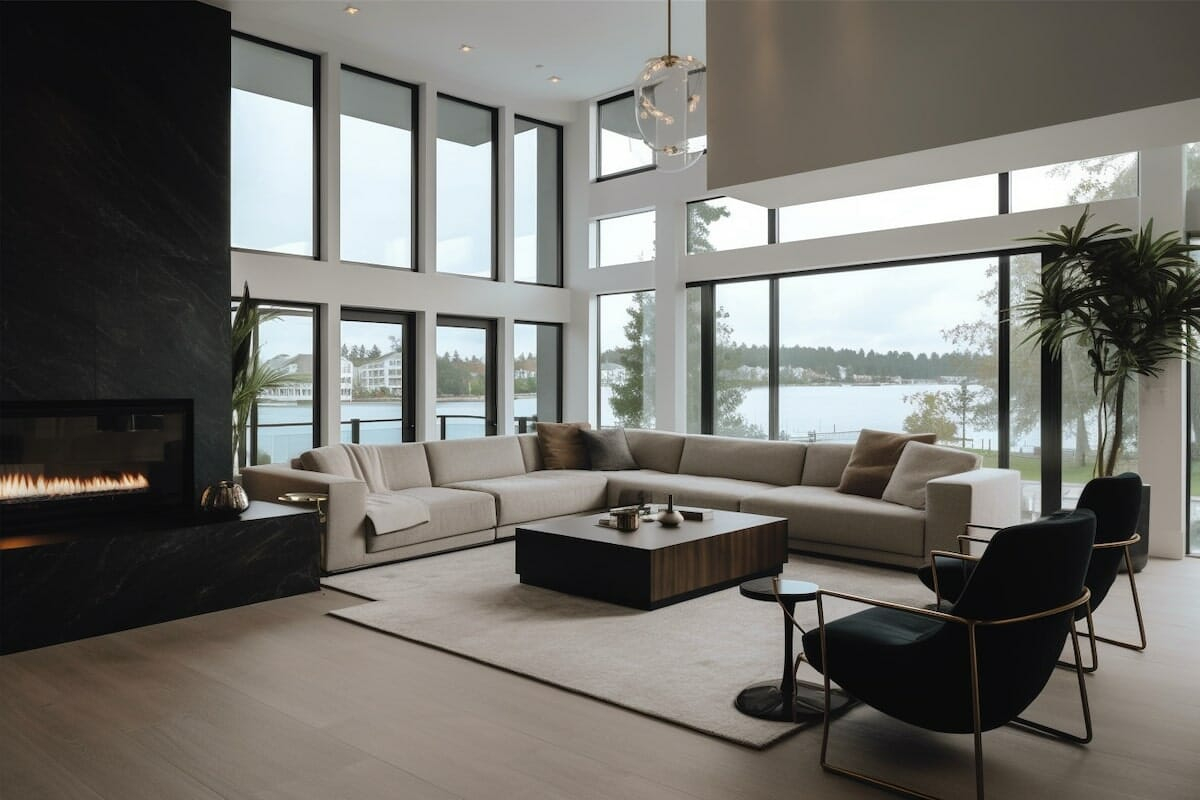
Bringing large-format art into a living space or studio changes the emotional pulse of the home. In modern architecture, where glass, polished concrete, and smooth drywalls dominate, a raw, heavily worked canvas brings much-needed warmth and human imperfection.
It anchors a room. It gives your eyes a place to rest when you need a break from work or screens. You don’t need to stare at it constantly to benefit from it; its presence sits softly in the background, subtly grounding the atmosphere and making the space feel whole.
+-----------------------------------------------------------------------+
|                       WHY TEXTURE MATTERS                             |
|                                                                       |
|   1. ANCHORS THE SPACE: Adds weight to open, modern rooms.            |
|   2. EASES MENTAL FATIGUE: Offers a screen-free tactile focal point.  |
|   3. CREATES ATMOSPHERE: Evolves naturally with changing ambient light|
+-----------------------------------------------------------------------+
Ultimately, our attraction to large, textured artwork comes down to a desire for real connection. We live in a world that constantly pushes us toward polished, filtered perfection. But large-format canvas art shows us the beauty of visible labor, accidental drips, rough edges, and layered history.
Next time you encounter a massive piece of art, don’t rush past it. Step close enough to see the individual threads of canvas under the paint. Lean back to feel its full weight. Allow yourself to experience the work not as a puzzle to solve, but as a living, breathing object that shares the room with you.
What kind of textures or colors are you naturally drawn to when you need to feel grounded?