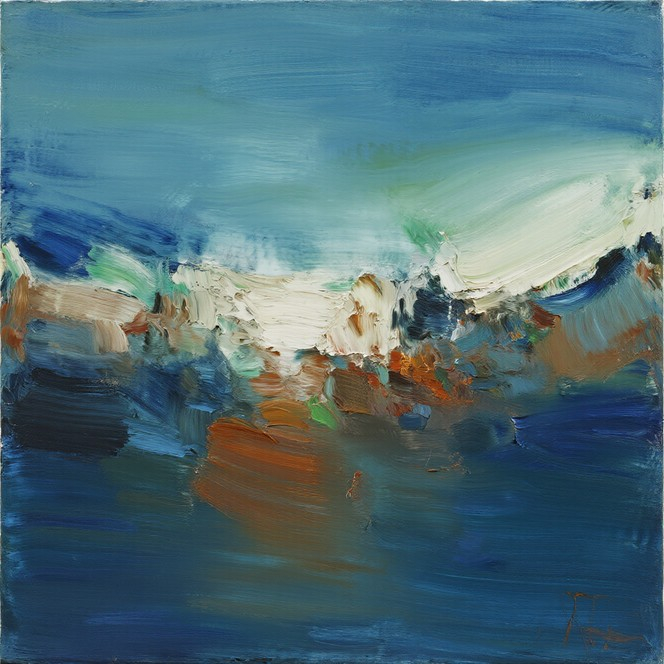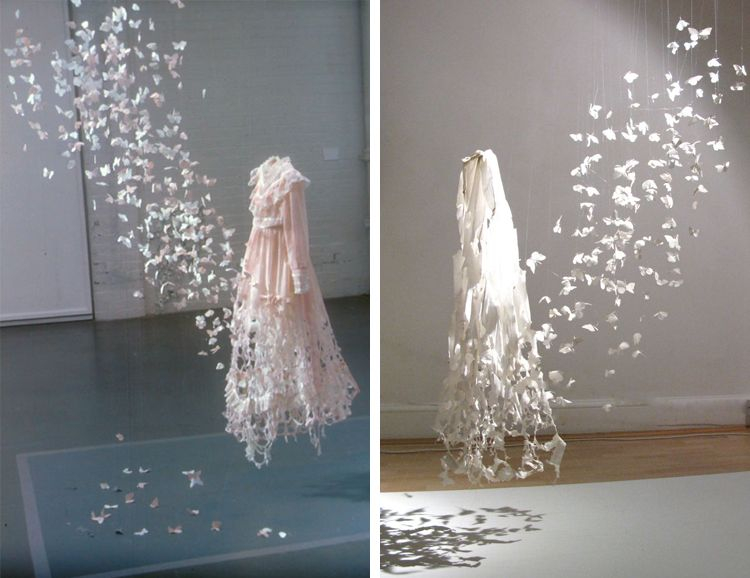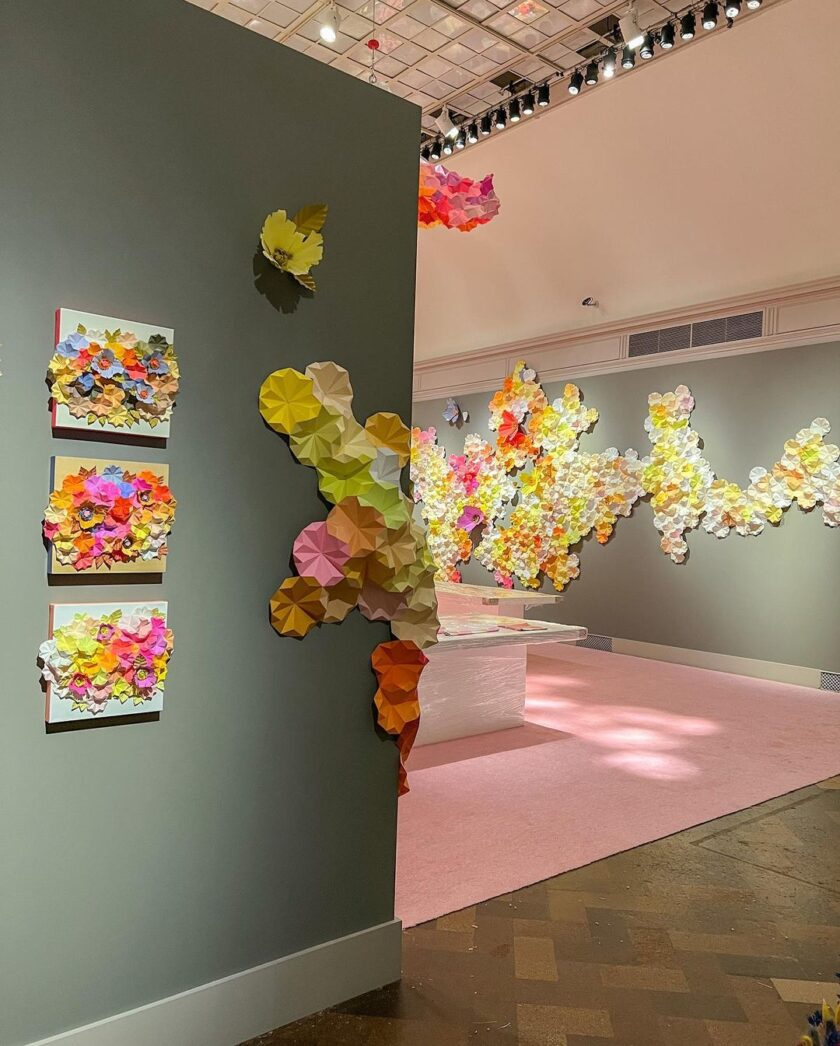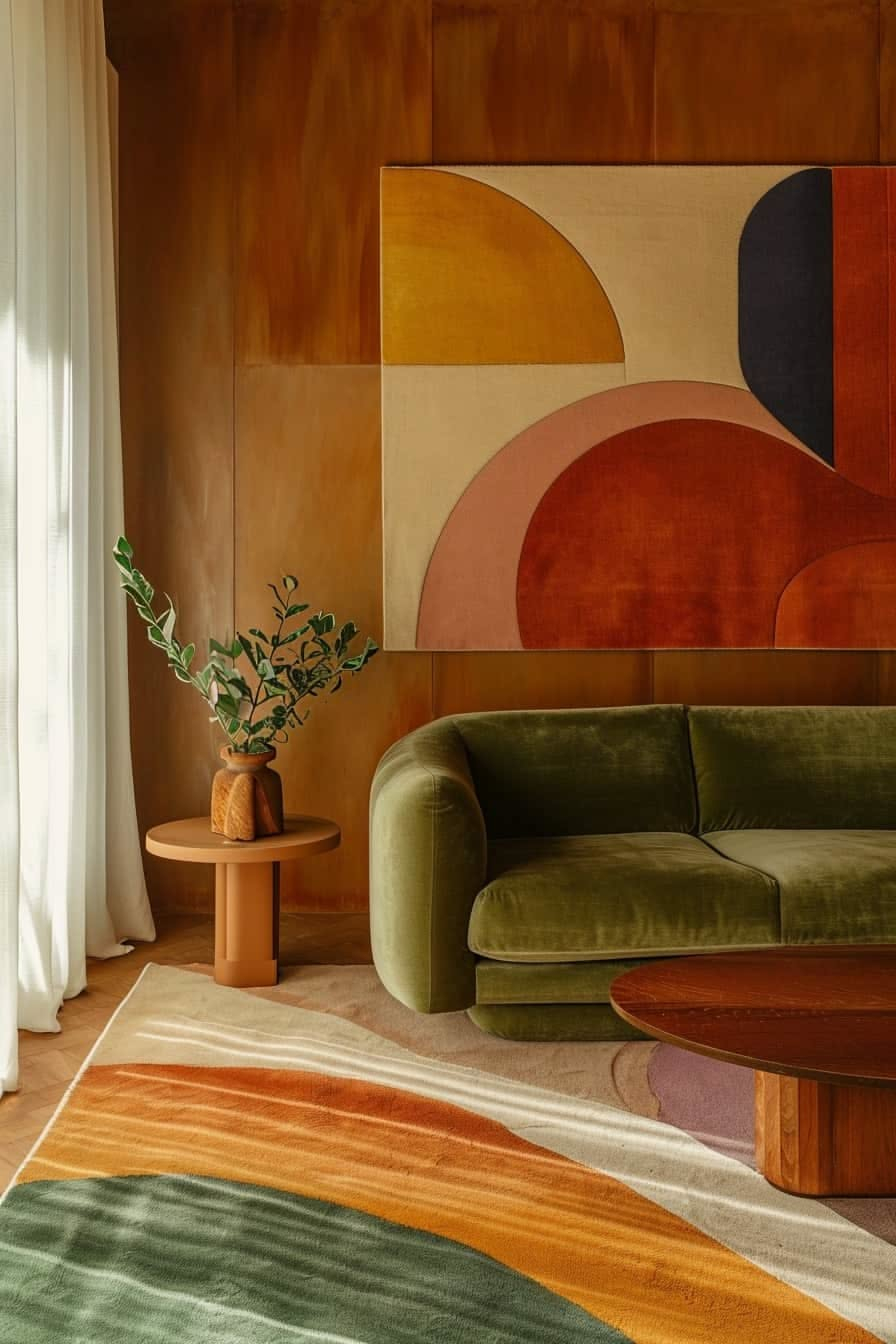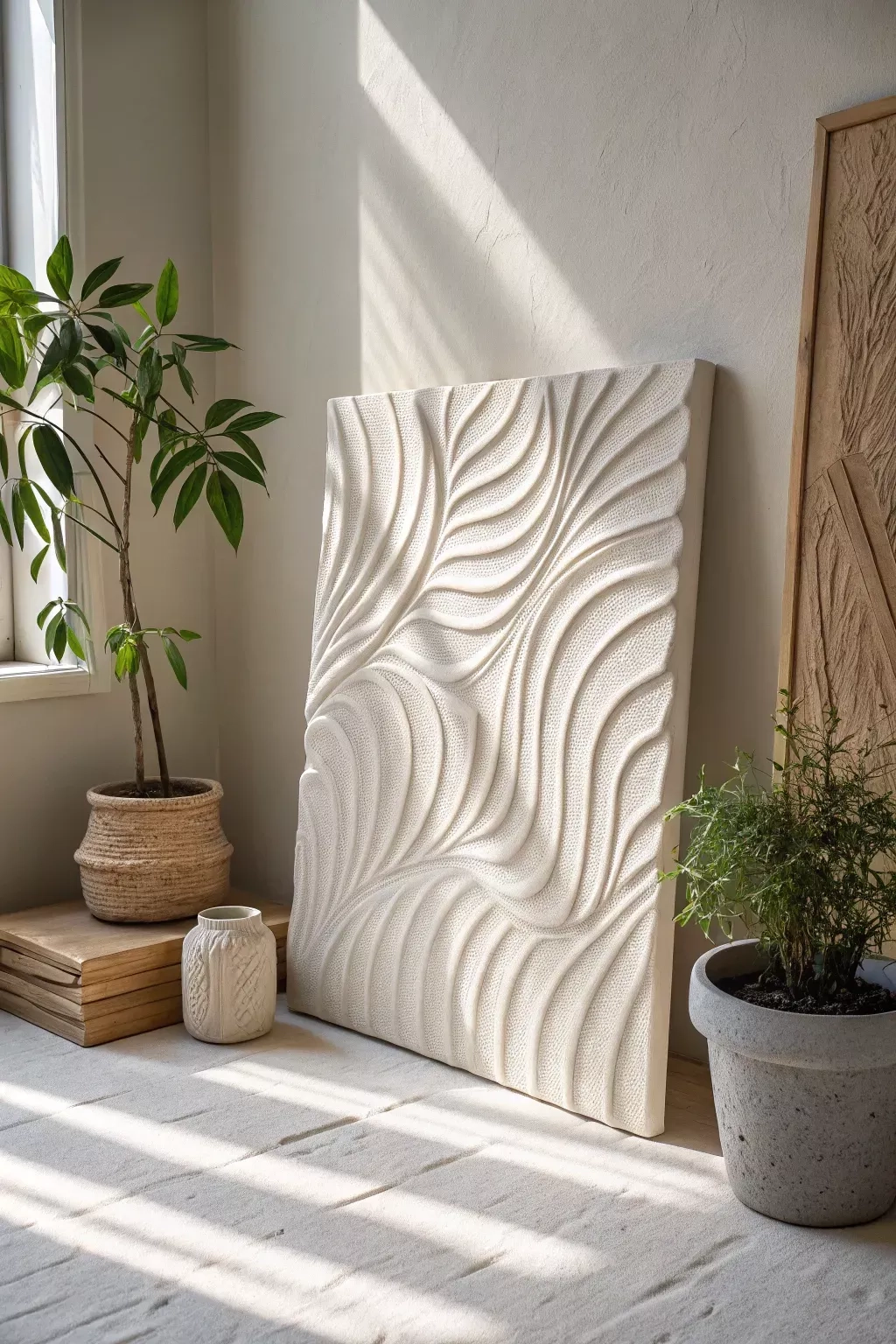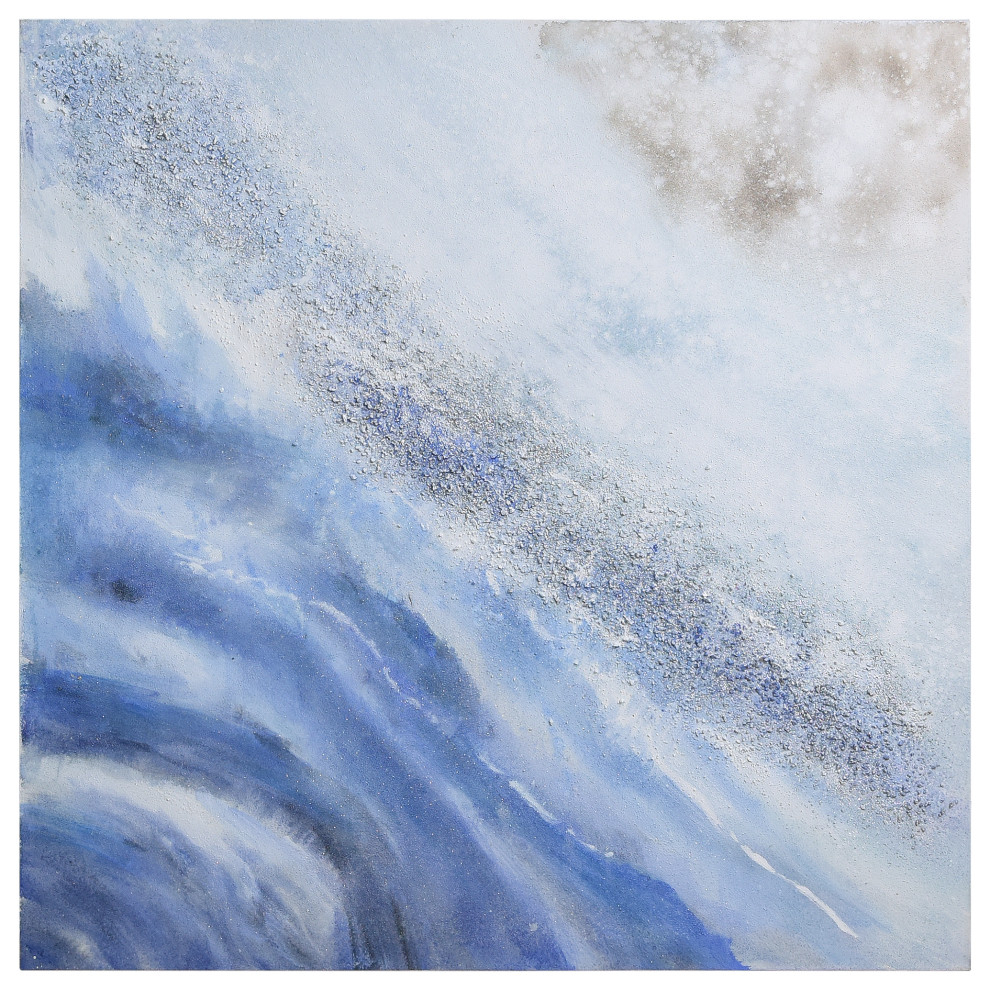
The afternoon sun cuts across a high-ceilinged living room, landing hard against a vacant twelve-foot drywall expanse. It is an architectural vacuum. In real estate and interior design, that much uninterrupted vertical real estate creates a psychological friction point—an echoing void that swallows sound and drains warmth from an otherwise curated space. Most people rush to fill these spaces with generic retail canvases or predictable mass-produced prints, completely missing an opportunity to anchor a room with something visceral, grounding, and deeply connected to the natural world.
Enter the ocean. Not as a kitschy coastal motif dotted with lighthouses and rope knots, but as an elemental, shifting, and deeply emotional force. Water—whether captured in monumental photography, sculptural resin, reclaimed driftwood assemblages, or topographical bathymetric maps—brings a living rhythm into static architectural environments. Transforming a massive, intimidating wall requires more than simply hanging a large object; it demands a deliberate marriage of scale, physical weight, structural engineering, and narrative resonance.
For decades, interior design trend cycles treated marine themes as seasonal, disposable aesthetics relegated to beach houses and vacation rentals. Today, the conversation has fundamentally shifted. Driven by a collective longing for biophilic connection and an urgent cultural consciousness around marine conservation, homeowners and architects are utilizing large-scale ocean art to completely redefine interior spaces. This comprehensive guide breaks down the engineering, artistic curation, material science, and spatial strategies required to turn an empty wall into a breathtaking marine statement piece.
The Architecture of Scale and Biophilic Resonance
A massive wall fails when the artwork hung upon it lacks the physical presence or visual weight to hold the space. When dealing with walls that exceed eight feet in height or span wider than ten feet, standard framing conventions break down completely. The human eye craves proportion. An undersized canvas floating in the center of a cavernous wall triggers a subtle visual distress, making the room feel awkward and unbalanced. Scaling up requires an understanding of negative space, architectural sightlines, and how human biology responds to natural environments.
Biophilia—our innate evolutionary affinity for the natural world—explains why large-format ocean imagery exerts such a profound neurological impact indoors. Studies in environmental psychology consistently demonstrate that viewing expansive bodies of water reduces cortisol levels, lowers blood pressure, and induces a meditative mental state. When an ocean statement piece occupies a significant portion of a room’s primary field of view, it acts as a visual anchor. The brain registers the fluid gradients, the chaotic geometry of breaking waves, or the infinite depth of a deep-blue horizon line as safety and expansion, effectively softening the hard, rigid edges of modern drywall and steel framing.
Achieving this psychological shift, however, requires abandoning timid design choices. A statement piece on a large wall should ideally occupy roughly sixty to seventy-five percent of the total available horizontal span, creating a commanding focal point without choking the surrounding architecture. This scale demands rigorous planning regarding weight distribution and wall reinforcement. You are no longer dealing with a simple picture hook and a drywall anchor; you are engineering a permanent architectural feature that interacts directly with the room’s lighting, acoustic properties, and traffic flow.
Navigating Mediums: From Fluid Resins to Reclaimed Marine Materials
Choosing the right artistic medium dictates how the piece interacts with light, shadow, and touch throughout the day. The contemporary market for ocean-inspired art has evolved far beyond traditional oil paintings on stretched canvas. Today, artists and craftspeople utilize cutting-edge materials to capture the literal depth, texture, and movement of marine ecosystems, offering an array of distinct textures that completely alter the mood of a space.
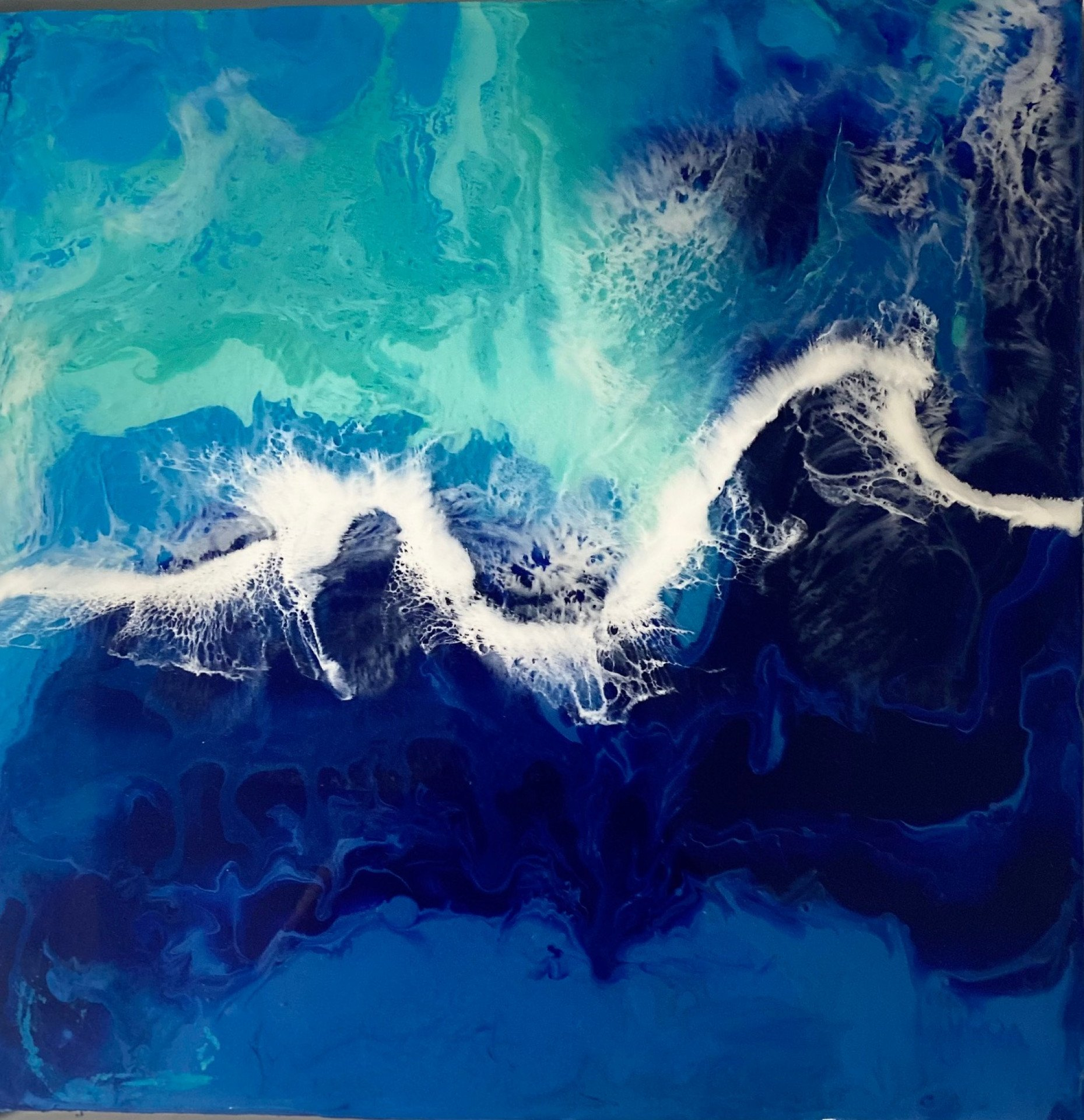
Epoxy resin art has emerged as a dominant force in large-scale wall design, and for good reason. By pouring multiple translucent layers of tinted resin over wooden panels, artists achieve a hyper-realistic sense of depth. Light penetrates the surface layers, bouncing off embedded pigments, crushed glass, or metallic powders to create a luminous, three-dimensional effect that mimics sunlight filtering through shallow tropical water or deep oceanic trenches. These pieces shift dramatically as the sun moves across the sky, casting undulating highlights that mimic real water motion across your living room floor.
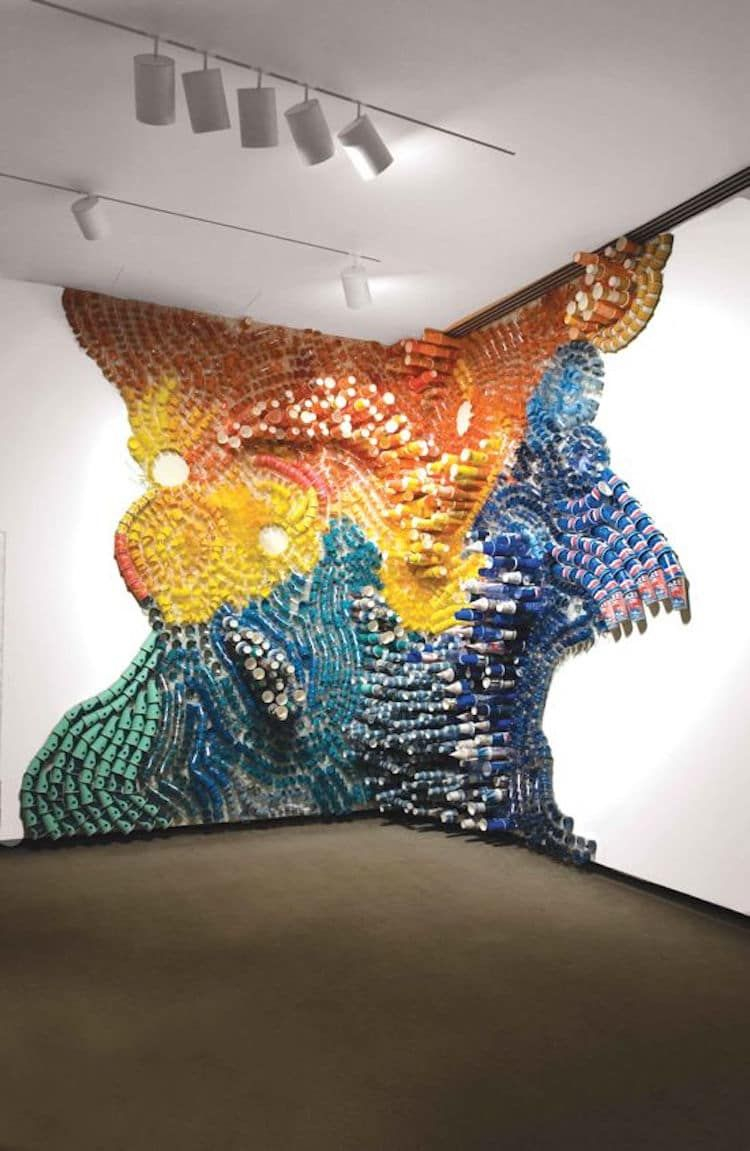
Alternatively, tactile and sculptural mediums introduce an entirely different dimension of meaning. Assemblages crafted from reclaimed ocean plastics, weathered driftwood, and oxidized metals transform marine debris into high-concept commentary. These pieces carry heavy narrative weight, serving as daily reminders of the fragility of aquatic ecosystems. Meanwhile, large-scale bathymetric wood carvings—meticulously layered contour maps of underwater trenches, continental shelves, and coral atolls—appeal to those who appreciate cartography, topography, and scientific precision. Each medium imposes specific structural demands, requiring a thorough understanding of substrate weight, warping prevention, and specialized hanging hardware.
The Engineering and Installation Blueprint
Hanging a heavy, large-format ocean statement piece is a structural project disguised as interior decorating. A four-foot-by-eight-foot resin panel or a massive multi-panel wood carving can easily weigh upwards of one hundred pounds. Securing such an installation demands methodical execution, precise measurements, and zero room for error. Ignoring wall construction realities leads to damaged drywall, ruined artwork, and dangerous safety hazards.
- Step 1 (Wall Assessment and Stud Location): Locate and map every wall stud within your target installation zone using an electronic stud finder. Mark the exact center points and verify whether your walls are framed with standard wood studs or cold-formed steel framing, as this dictates the type of fasteners required.
- Step 2 (Weight Distribution and Cleat Selection): Calculate the total weight of the artwork. For heavy pieces exceeding fifty pounds, discard standard wire hangers and invest in a heavy-duty aluminum French cleat system. French cleats distribute the load evenly across multiple studs, locking the top of the artwork flush against the wall.
- Step 3 (Lighting and Environmental Mapping): Evaluate the room’s lighting before lifting the piece into place. Position track lighting or recessed gimbal fixtures at an angle of thirty to forty-five degrees relative to the wall. This grazing angle accentuates the surface texture of resin waves or carved wood without creating blinding glare on glass or glossy surfaces.
- Step 4 (Dry-Fit and Height Calibration): Hang the center point of the artwork at standard eye level—roughly fifty-seven to sixty inches from the finished floor to the vertical center of the piece. Use a laser level to project a horizontal line across the wall and perform a rigorous dry-fit with painters tape representing the exact outer boundaries of the art.
- Step 5 (Final Anchoring and Level Check): Secure the French cleat or heavy-duty mounting brackets into the structural framing using structural screws rated for the specific weight load. Hang the artwork, verify its level using a spirit level, and install bottom stabilization anchors if the piece is prone to shifting during seismic activity or heavy foot traffic.
Avoiding Structural and Aesthetic Missteps
Transforming a massive wall with ocean art is an ambitious undertaking, and even seasoned designers occasionally stumble into common execution traps. Recognizing these pitfalls before picking up a hammer saves time, money, and structural integrity.
- Pitfall 1 (Undersizing the Statement Piece): Choosing a canvas that looks large in a small gallery or online showroom, only to watch it vanish into insignificance on a twelve-foot expanse. Workaround: Always use painter’s tape to map out the exact dimensions of the prospective artwork directly on your wall, leaving it up for forty-eight hours to judge its true visual weight relative to the room.
- Pitfall 2 (Ignoring Lighting Dynamics): Hanging a high-gloss resin or glass-covered ocean piece directly opposite a bright window, resulting in severe glare that completely obliterates the imagery during peak daylight hours. Workaround: Position high-gloss or reflective pieces on walls perpendicular to natural light sources, and rely on dedicated directional overhead track lighting to control illumination angles.
- Pitfall 3 (Mounting to Drywall Without Anchors): Relying on plastic drywall anchors or toggles to support a heavy, multi-panel wooden sculpture, risking catastrophic structural failure. Workaround: Always anchor heavy statement pieces directly into wooden or metal wall studs, or install a concealed plywood backing board behind the drywall during initial room construction if studs do not align with desired hanging points.
- Pitfall 4 (Clashing Color Palettes): Selecting an ocean art piece whose specific turquoise, cobalt, or aqua tones clash violently with the existing undertones of flooring, upholstery, and wall paint. Workaround: Pull actual physical material swatches of your flooring, textiles, and paint chips, placing them side-by-side with the artist’s color proofs to ensure harmonious undertones—whether warm sand gradients or cool abyssal blues.
- Pitfall 5 (Over-Accessorizing the Surrounding Wall): Surrounding a powerful, large-format ocean statement piece with small sconces, floating shelves, and gallery frames, creating visual clutter that ruins the impact. Workaround: Treat the statement piece as a solitary architectural monument. Give it ample negative breathing room on all sides so the eye can rest and absorb the full expanse of the composition.
Sustainability, Provenance, and the Evolution of Marine Art
The narrative behind your statement piece carries as much weight as its physical dimensions. In contemporary interior design, authenticity matters. Consumers are increasingly rejecting mass-produced, factory-printed canvas wraps shipped from overseas distribution centers, favoring instead bespoke works commissioned from independent artists, marine conservationists, and master craftspeople.
This shift toward ethical provenance transforms a piece of wall decor into an active participant in global ecological stewardship. Many contemporary ocean artists source their raw materials directly from shoreline cleanups, utilizing reclaimed ghost nets, marine debris, and salvaged timber from storm-damaged coastal forests. When you hang a piece made from repurposed ocean plastics, you are introducing a conversation piece that honors the beauty of the sea while confronting the harsh realities of human impact. This adds layers of philosophical depth to your interior, turning your living space into a gallery of conscious living.
Furthermore, commissioning custom work allows you to dictate the exact emotional tone of the space. Whether you prefer the serene, muted slate grays of a stormy North Atlantic coastline or the vibrant, high-saturation turquoises of a shallow Polynesian reef, a custom commission ensures the piece integrates seamlessly with your home’s unique architectural geometry. Investing in authentic, sustainably produced marine art supports independent creators who spend their lives studying, surfing, and protecting the environments they depict, injecting genuine soul into the built environment.
Curating Your Space for Maximum Emotional Impact
Integrating a monumental ocean statement piece requires a holistic approach to the surrounding interior architecture. The art should not exist in a vacuum; it must converse with the textiles, furniture silhouettes, and tactile surfaces of the room. To maximize the emotional and visual impact of your new marine focal point, consider how the entire room supports the narrative of the sea.
Pair the artwork with organic, tactile textures that echo the natural coastal environment without sliding into theme-park territory. Incorporate brushed brass or matte black hardware to mimic nautical metals without relying on dated brass fixtures. Introduce seating upholstered in heavy, tactile linens, boucle, or weathered leather that mirrors the organic grain of driftwood or smooth pebbles. Keep surrounding walls in neutral, desaturated earth tones—warm ivories, soft stone grays, or chalky whites—allowing the rich chromatic intensity of the ocean art to command absolute attention.
Acoustics represent another critical consideration often overlooked in large rooms with expansive blank walls. Large, flat drywall surfaces bounce sound waves indiscriminately, creating an echoey, cavernous atmosphere. Heavy canvas wraps, thick wooden carvings, or textured resin panels act as natural acoustic dampeners, absorbing ambient sound and softening the room’s auditory profile. By thoughtfully positioning your statement piece, you simultaneously solve a visual void and enhance the acoustic comfort of your living space.
Empty walls are not merely design challenges to be checked off a contractor’s list; they are blank slates that shape the emotional climate of our daily lives. When we choose to fill those expansive voids with meaningful, large-scale ocean art, we are doing something far more profound than decorating a room. We are importing the vastness, the mystery, and the restorative power of the natural world directly into our urban and suburban sanctuaries.
As architecture continues to embrace biophilic principles and sustainable material sourcing, the role of monumental art in interior spaces will only grow in importance. By prioritizing authentic craftsmanship, meticulous structural engineering, and deep narrative resonance, you elevate your home from a static shelter to a living, breathing ecosystem. Step back, look at that massive wall, and let the ocean in.