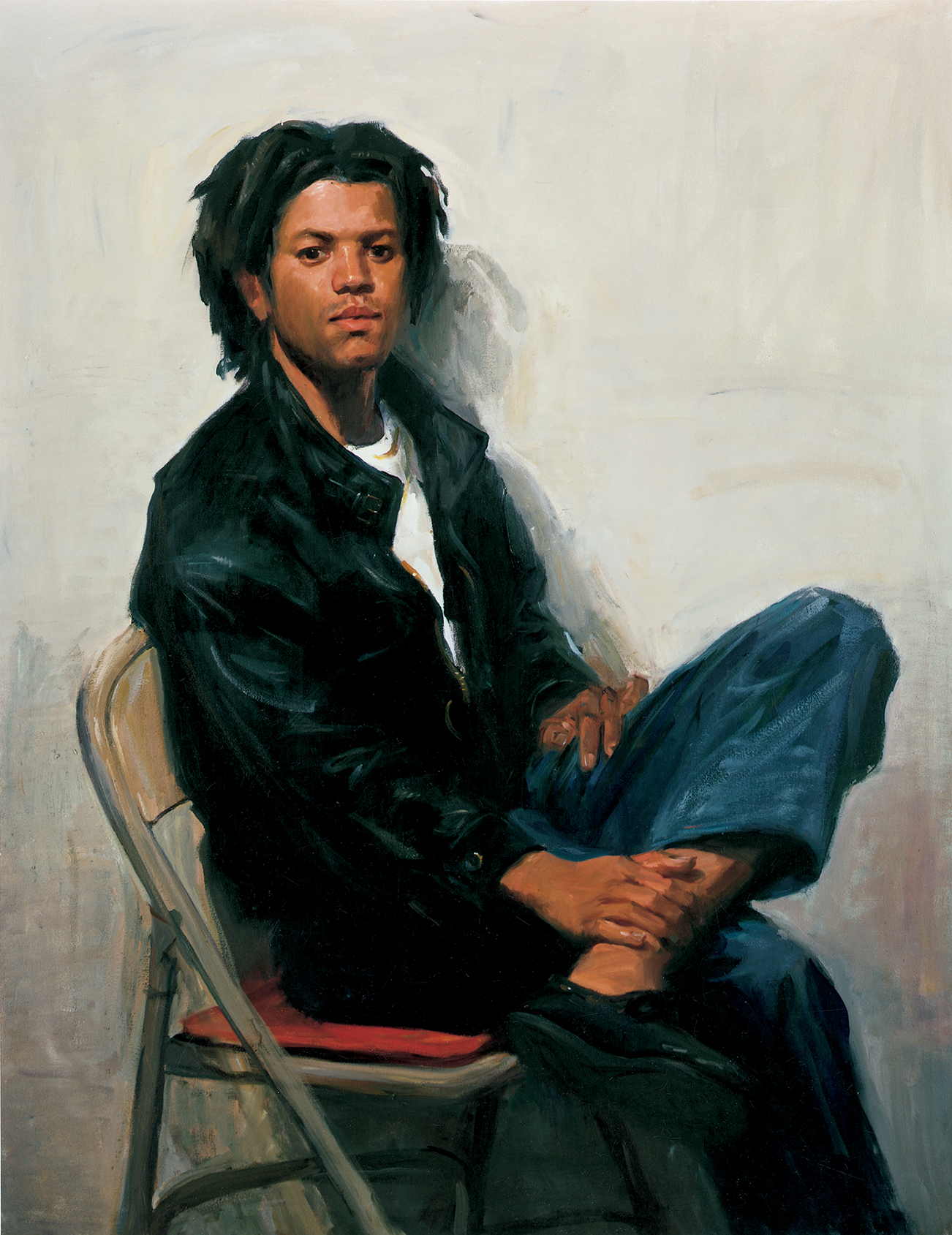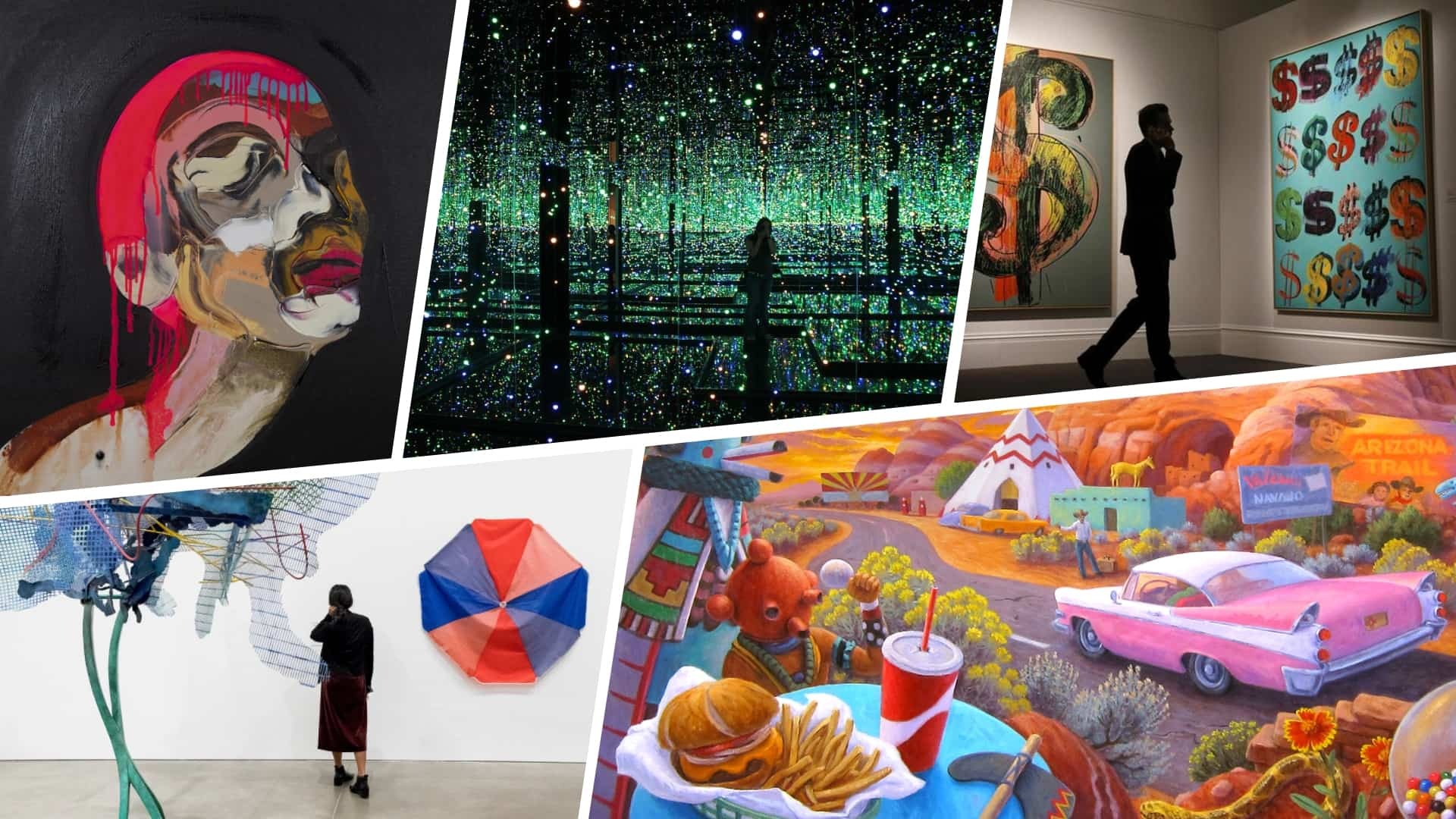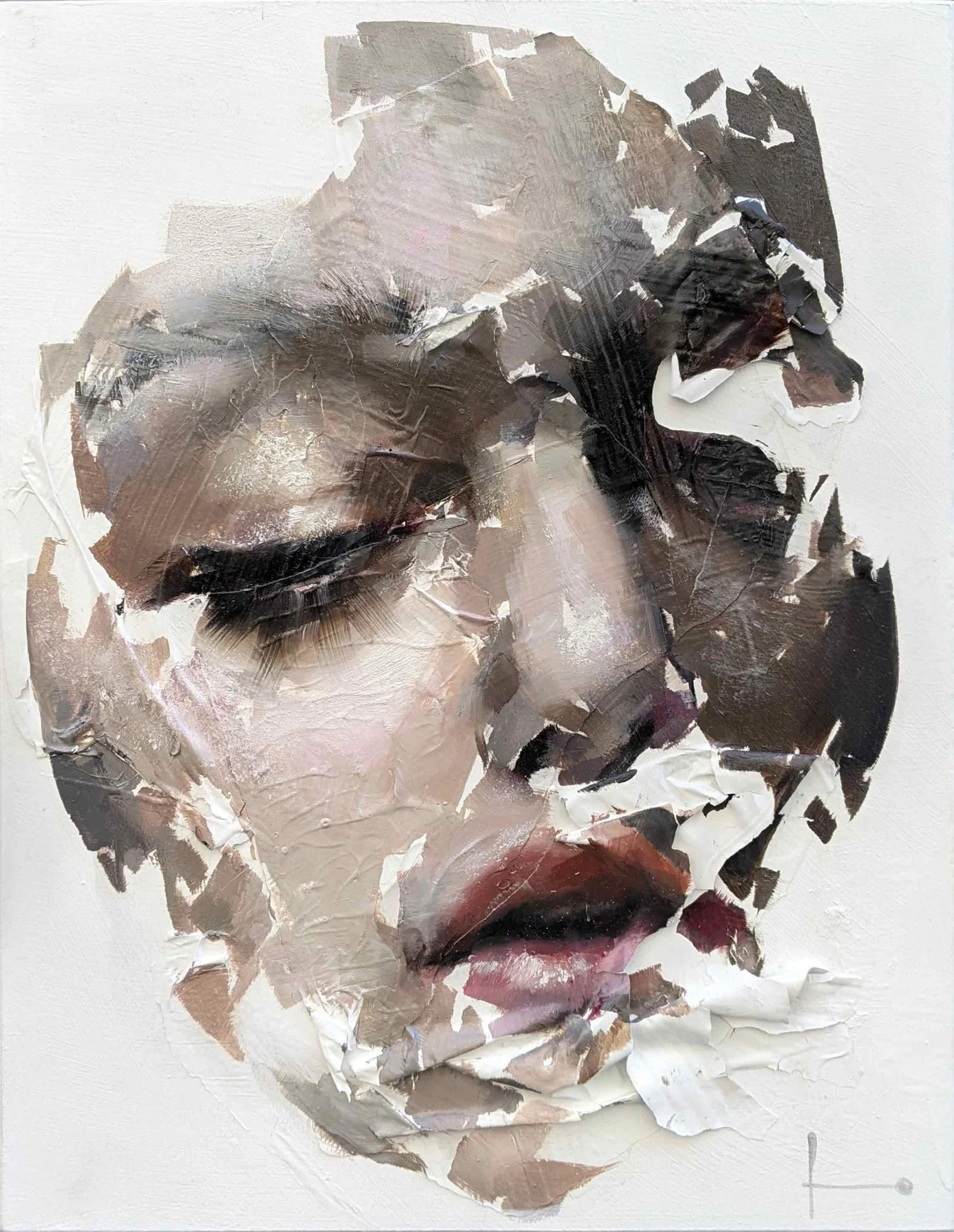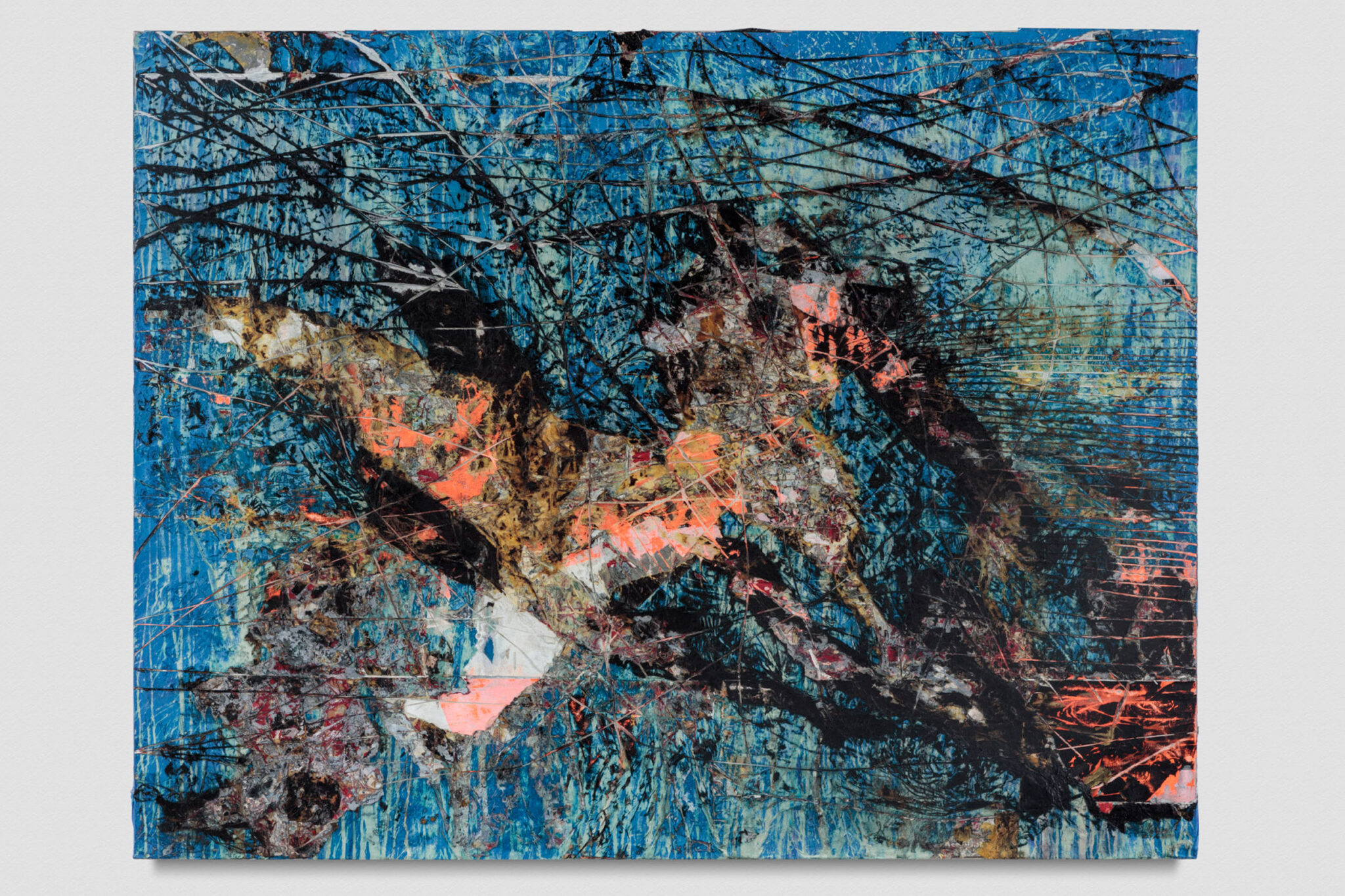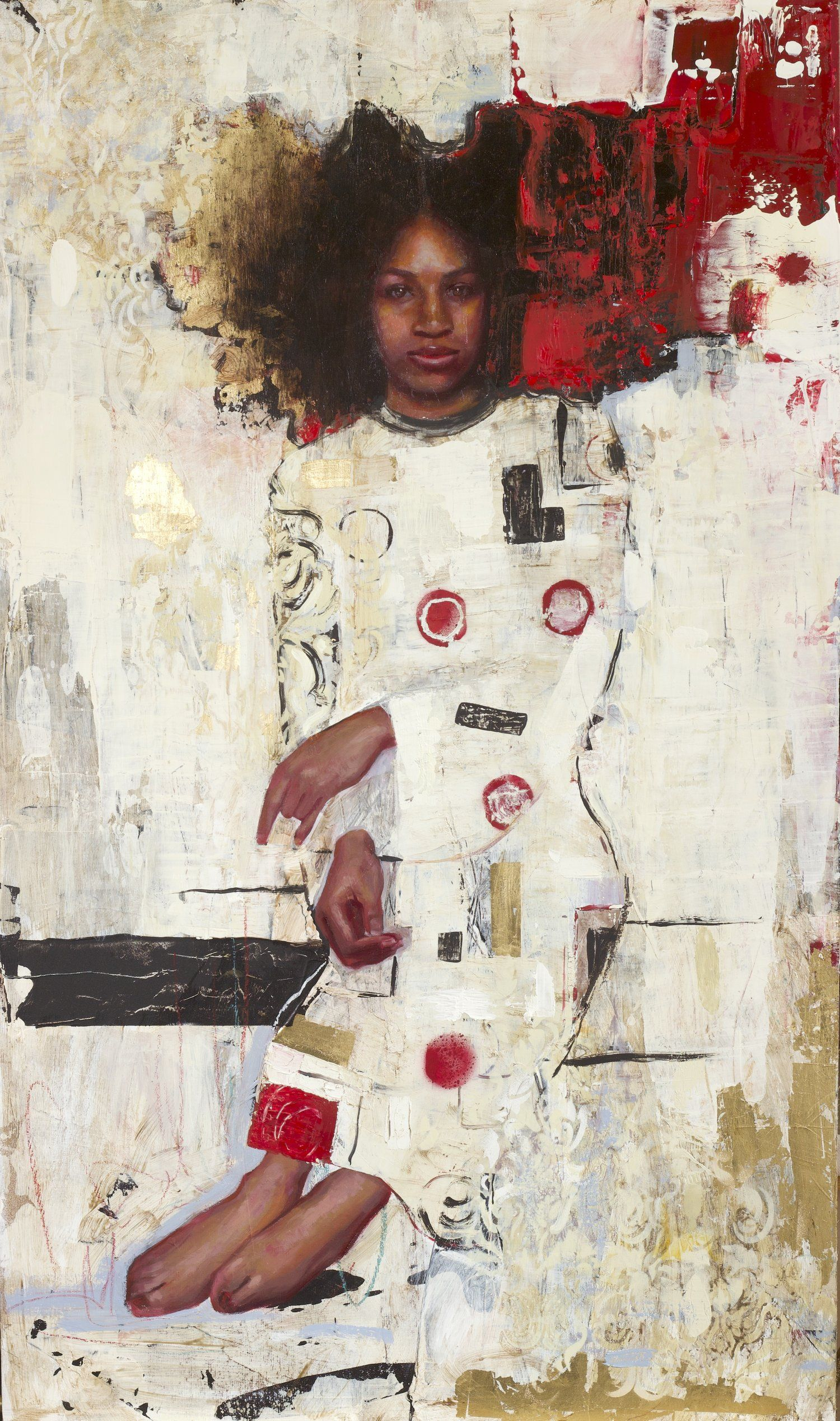
Step into a white-walled gallery in Chelsea or wander through the industrial spray-painted corridors of a converted warehouse in Berlin, and you will notice a persistent ghost lingering in the visual static. It is not just the silhouette of a Fender Stratocaster held upside down for a left-handed player, nor is it merely the unmistakable halo of a wild, electrical-storm afro framed by a feathered military jacket. It is the raw, vibrating energy of Jimi Hendrix—an archetype that refuses to stay buried in the archives of mid-century rock history. Painters, mixed-media sculptors, and urban muralists keep dragging this mid-century icon back into the light of the present day, slicing through the algorithmic monotony of digital art feeds with analog grit and psychedelic fury.
This gravitational pull is not born out of cheap nostalgia or a lack of fresh ideas. In an era dominated by hyper-polished digital rendering engines and sterile AI-generated aesthetics, artists crave human imperfection, visceral distortion, and radical authenticity. Hendrix represents all of those variables wrapped into a single, highly recognizable visual shorthand. When contemporary figurative painters like Cecily Brown deconstruct the tactile chaos of 1960s album art, or when street artists throw up towering stencils of the Monterey Pop burning-guitar incident, they are interrogating the very nature of performance, identity, and visual liberation. The imagery acts as a blank canvas onto which modern anxieties about conformity, technological alienation, and social upheaval can be projected.
Fifty-six years after his quiet departure from the physical plane, the visual lexicon surrounding his life and art continues to crackle with an urgent, dangerous pulse. Creators look at his image and see a masterclass in myth-making—a rare intersection of raw African American identity, transnational bohemianism, and avant-garde fashion that tore down the rigid barriers of its time. To unpack why painters and printmakers keep returning to this well is to examine the mechanics of cultural endurance, the psychology of visual repetition, and the eternal search for artistic freedom in a world that constantly tries to file down our edges.
The Visual Grammar of Psychedelia and the Modern Rejection of Clinical Perfection
The aesthetic revolution of the late 1960s was built on sensory overload, saturated color palettes, and optical distortion, and Hendrix stood dead center in that swirling vortex. Long before vector graphics and digital filter plugins existed, poster artists like Rick Griffin and Victor Moscoso were bending typography and melting color gradients to mirror the synesthetic experiences provoked by his music. Contemporary visual artists inherit this messy, tactile vocabulary as a direct antidote to the clinical, sanitized perfection of modern computer screens. When a painter slather thick oil or acrylic onto a canvas to recreate the cascading fringe of his suede jacket, they are engaging in a deliberate rebellion against the flat, frictionless surface of the glass smartphone display.
This return to the visual grammar of the electric poster art movement is rooted in a tactile hunger. Modern creators realize that digital perfection breeds emotional detachment. By contrast, the ink-bleed aesthetics, hand-lettered psychedelic fonts, and high-contrast photographic grain associated with Hendrix’s promotional materials offer a direct line to human vulnerability. Artists manipulate these historic visual cues not to copy the past, but to weaponize its warmth against modern digital coldness. The materials themselves—whether it is screen-printing ink on coarse archival paper or raw aerosol on brick—become a physical manifestation of resistance.
Furthermore, the palette associated with this era defies contemporary corporate design standards. Today’s commercial visual culture is dominated by safe, accessible gradients and muted corporate pastels designed not to offend the eye. The Hendrix visual archive explodes with violent magentas, radioactive limes, and deep, velvety indigos that demand an emotional response. When contemporary urban muralists integrate these electric color schemes into inner-city landscapes, they are reclaiming public space from corporate advertising, turning grey concrete back into a theater of unbridled imagination.
Decoding the Iconography of the Rebel: Fashion, Posture, and Post-Colonial Identity
Beyond the swirling colors and light-show liquid projections, the physical form of Jimi Hendrix offers an extraordinarily rich study in semiotics and identity. He weaponized fashion and posture to subvert the rigid racial and social expectations of the American and British establishment. The ruffled Victorian shirts, the military surplus jackets adorned with vintage medals, the dangling turquoise jewelry—every element was a deliberate pastiche that crossed boundaries of gender, class, and ethnicity. Contemporary portraitists and figurative painters repeatedly return to these visual markers because they represent the ultimate synthesis of high art, street style, and self-fashioning.
For modern artists of color, deconstructing and reimagining the Hendrix visual template is an act of reclaiming historical agency. He was one of the very first Black artists to completely dominate a white-dominated counterculture without diluting his cultural roots or assimilating into respectable pop formats. When contemporary street artists paste large-scale wheatpastes of his silhouette onto urban walls, they are invoking a lineage of unapologetic Black avant-garde expression. It is a visual affirmation that radical creativity and futuristic vision are not exclusive to dominant historical narratives.
Moreover, his physical posture—whether arched backward in a trance-like state while teeth-playing a Stratocaster, or gazing downward through the brim of a wide-hat with quiet intensity—provides a masterclass in dynamic composition. Art students and seasoned professionals alike study these archival photographs to understand weight distribution, tension, and release within a static frame. The body language is never passive; it is kinetic energy frozen in silver gelatin, challenging the viewer to complete the circuit through their own imagination.
A Step-by-Step Methodology for Translating Musical Energy into Visual Art
Channeling the spirit of a legendary musician into a static visual medium requires more than just tracing an iconic photograph. It demands a rigorous, multi-layered translation process that converts auditory intensity and cultural mythology into tangible lines, textures, and compositions. Artists who successfully engage with this legacy without sliding into cheap pastiche follow a deliberate, methodical framework that bridges research, material experimentation, and psychological depth.
- Step 1 (Archival Deconstruction): Begin by diving deep into primary visual sources—unfiltered contact sheets, blurred backstage polaroids, and gritty 16mm performance footage rather than just famous album covers. Isolate micro-details, such as the wear and tear on a guitar fretboard or the frayed embroidery of a vest, to build a unique visual vocabulary.
- Step 2 (Translating Sound to Mark-Making): Establish a physical translation exercise where you listen to complex, multi-tracked tracks like "Voodoo Child" or "Third Stone from the Sun" while sketching blindfolded. Let the tempo changes, feedback loops, and sudden dynamic shifts dictate your brushstroke velocity and line weight.
- Step 3 (Layering Historical and Modern Context): Avoid literal, photorealistic duplication. Superimpose historical imagery over contemporary textures, such as digital glitch artifacts, modern graffiti tags, or urban decay patterns, to ground the iconic figure in a relevant 2026 dialogue.
- Step 4 (Material and Palette Selection): Choose materials that contradict flat digital aesthetics. Utilize heavy-body acrylics, oil sticks, raw canvas, metallic leaf, or screen-printing techniques that introduce tactile imperfections, organic bleeding, and physical depth into the composition.
- Step 5 (Critical Subversion and Recontextualization): Finalize the piece by asking what the imagery challenges in the current cultural landscape. Ensure the artwork speaks not just to past glory, but to modern issues of artistic freedom, sensory overload, and the fight against cultural homogenization.
Navigating the Traps: Common Pitfalls in Pop-Iconography and How to Avoid Them
The biggest danger when working with heavily mythologized cultural touchstones is falling into the trap of hollow pastiche. Because the imagery is so deeply embedded in collective memory, lazy execution instantly reduces a piece of fine art into a souvenir t-shirt design or a generic tourist poster. Artists who fail to interrogate their own motivations often produce work that feels derivative, nostalgic, and artistically stagnant. Understanding these professional landmines is essential for any creator attempting to engage with the Hendrix visual legacy in a meaningful, gallery-worthy manner.
- Pitfall 1 (Literal Photorealism without Interpretation): Simply rendering a high-resolution painting of a famous photograph adds zero new value to the conversation. Workaround: Treat the source photograph as raw data; distort, fragment, or abstract the form to force the viewer to see the familiar subject with fresh eyes.
- Pitfall 2 (Over-Reliance on Lazy Clichés): Leaning exclusively on rainbow gradients, melting peace signs, and floating eyeballs turns the artwork into a cartoonish caricature of the 1960s. Workaround: Focus on psychological intensity, stark monochromatic tension, or raw structural lines instead of leaning on lazy, default psychedelic tropes.
- Pitfall 3 (Ignoring Material Authenticity): Creating sleek, vector-based digital prints that lack any physical texture or human touch undermines the visceral nature of the subject matter. Workaround: Introduce tactile elements such as mixed-media collage, hand-pulled screen printing, or aggressive impasto brushwork to anchor the piece in physical reality.
- Pitfall 4 (Nostalgia Trap): Using the imagery purely as a vehicle for longing for a "simpler" or "better" past era, ignoring current social contexts. Workaround: Connect the rebellious, anti-authoritarian spirit of the icon to modern sociopolitical struggles, ensuring the work crackles with contemporary urgency.
- Pitfall 5 (Compositional Static Equilibrium): Placing the subject dead-center with symmetrical framing, draining all kinetic energy and visual tension from the canvas. Workaround: Utilize asymmetrical framing, dynamic diagonal lines, and off-balance focal points to mimic the unpredictable, explosive nature of live improvisational performance.
The Long-Term Economic and Cultural Resonance of Eternal Icons in the Art Market
The persistent return to the visual aura of Jimi Hendrix is also driven by deep economic and institutional forces within the global art market. Collectors and curators are increasingly fascinated by works that bridge the gap between high modern art and popular countercultural history. As original 1960s psychedelic posters command massive figures at auction houses like Sotheby’s and Christie’s, contemporary painters who successfully synthesize these pop-culture touchstones into high-end fine art find a ready and lucrative audience. The imagery acts as an emotional anchor, instantly communicating cultural capital and historical awareness to collectors.
At the same time, this ongoing fascination speaks to the shifting nature of how we build cultural permanence. In an age of ephemeral social media content where artistic trends vanish in a matter of weeks, creators look for figures who have survived the great sorting machine of time. Hendrix functions as an immutable cultural benchmark—a touchstone that has weathered multiple generational shifts without losing its electric charge. When a contemporary gallery showcases a series inspired by his iconic 1968 Electric Ladyland era, they are tapping into a transgenerational lineage of cool that stretches from baby boomers to Gen Z art students.
Furthermore, this cyclical return highlights a sustainable model for contemporary artistic evolution. Rather than constantly chasing fleeting micro-trends generated by algorithmic feeds, artists who root their practice in deep historical research and iconic archetypes build more resilient, long-lasting careers. They understand that true originality is not about inventing something out of a vacuum, but about finding a personal, urgent way to converse with the ghosts that came before them. The Hendrix archive provides an inexhaustible quarry of visual data because his life and art were fundamentally about breaking boundaries—a mission that remains eternally unfinished.
Strategic Frameworks for Modern Creators Engaging with Countercultural Legacies
For artists, designers, and curators looking to integrate historical countercultural iconography into their modern practices, developing a structured approach is crucial for achieving critical acclaim and emotional resonance. Relying on intuition alone is no longer enough in a saturated creative economy where every visual reference has been endlessly recycled. Practitioners must build rigorous, systematic frameworks that elevate their work from mere homage to profound artistic commentary.
- Actionable Framework 1 (The Conceptual Audit): Before touching a brush or opening design software, write a one-page manifesto outlining why you are invoking this specific icon. If your answer relies solely on liking their music or aesthetics, dig deeper until you uncover a specific thematic parallel to your own contemporary lived experience.
- Actionable Framework 2 (Cross-Disciplinary Translation): Force yourself to translate audio into visual data and vice versa. Create visual rhythm maps based on song structures, using tempo changes to dictate compositional shifts and color transitions within your artworks.
- Actionable Framework 3 (Subversive Juxtaposition): Pair archival countercultural imagery with starkly contrasting modern elements—such as algorithmic glitch art, corporate logos, or minimalist industrial architecture—to create productive visual friction and tension.
- Actionable Framework 4 (Tactile Experimentation Mandate): Commit to a minimum percentage of analog, hands-on media in your final pieces. Even in digital-first projects, incorporate scanned textures, hand-drawn vector lines, or physical paint splatters to preserve human warmth and imperfection.
- Actionable Framework 5 (Audience Engagement Strategy): Design your exhibitions or digital releases to include educational components that contextualize why these historical visual languages matter in 2026, transforming passive viewers into active, engaged participants in the cultural dialogue.
The enduring obsession with the visual legacy of Jimi Hendrix is ultimately a testament to the human hunger for transcendence. We do not keep returning to his wild afro, his Fender Stratocaster, and his kaleidoscopic color palettes because we are trapped in the past. We return to them because they represent a rare, uncompromised moment when art, fashion, and social rebellion fused into a single, breathtaking flash of lightning. In an age dominated by sterile algorithms and hyper-cautious commercial design, that flash looks brighter and more necessary than ever.
As we navigate the complexities of the mid-2020s, contemporary artists will continue to pick up these historic visual tools, bending them to serve new struggles and fresh aesthetic truths. The true power of an icon lies not in its ability to be preserved under glass in a museum, but in its capacity to be continually smashed, rebuilt, and re-imagined by each new generation of rebels. When creators pick up their brushes to trace those familiar, electric lines, they are not just looking backward at a dead rock star—they are looking straight into the mirror of what it means to be fearlessly, radically alive.