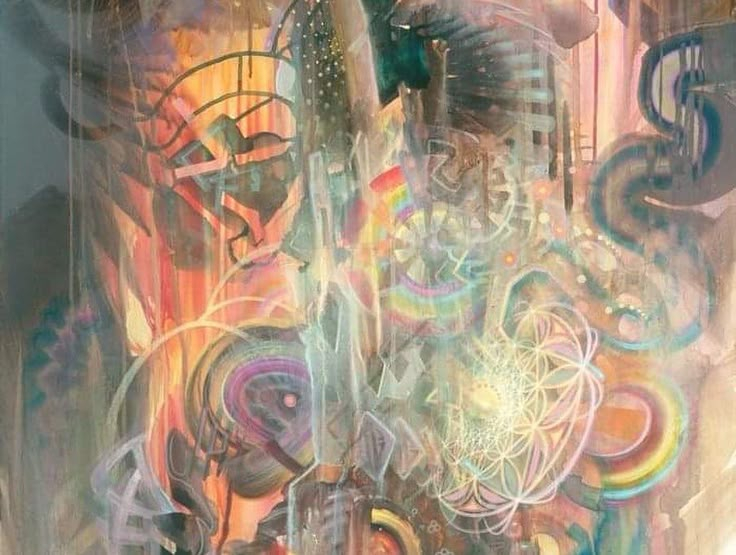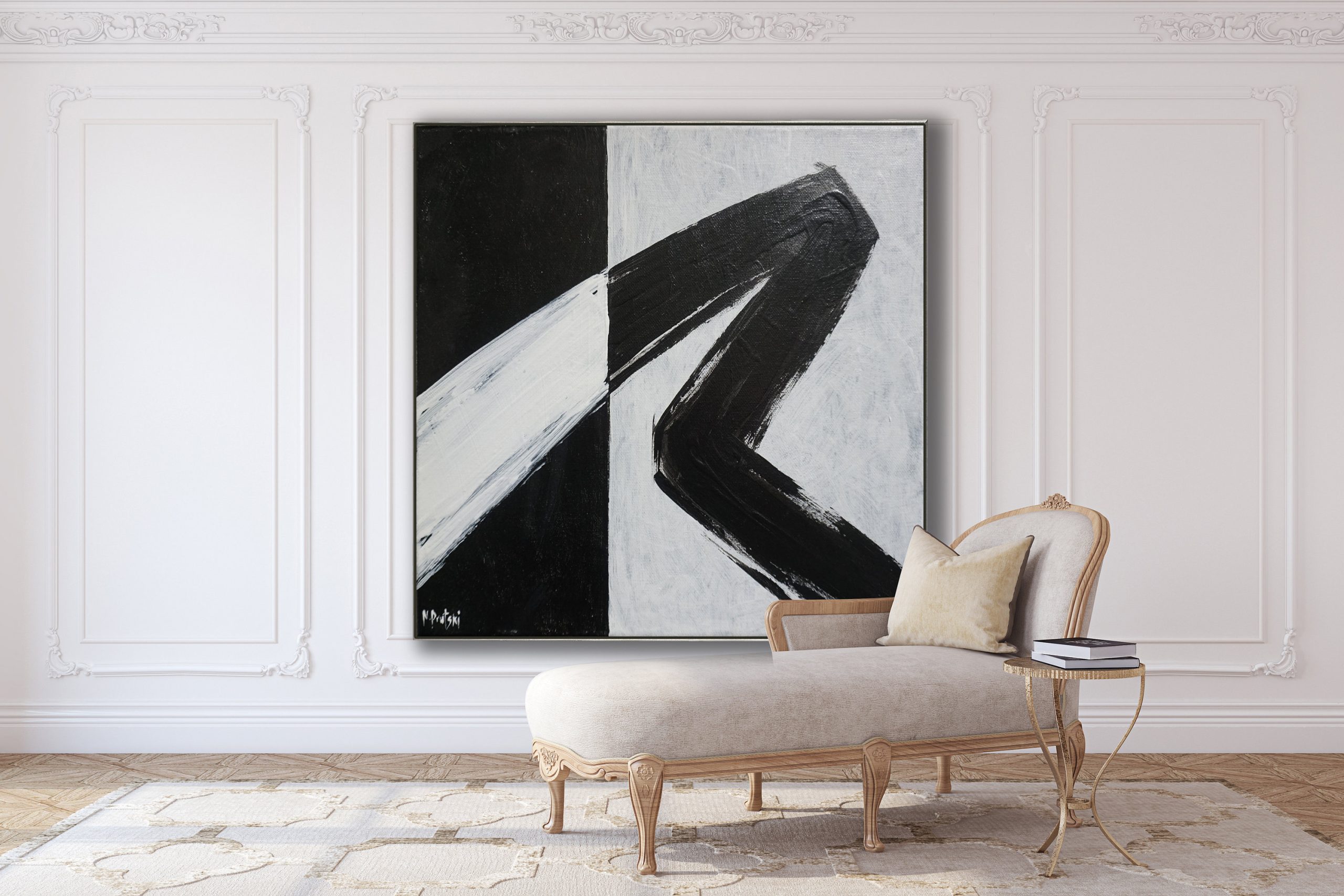
When you stand before a truly captivating painting, your eyes naturally wander across the surface, searching for clues about how the creator brought it to life. Every stroke and line tells a silent story of intention, hesitation, and final triumph.
Art has always been about more than just looking at a pretty picture on a wall. It is a portal into another person’s mind, a physical record of time spent shaping raw materials into emotional resonance. Today we turn our gaze toward a masterwork that continues to puzzle and inspire art lovers in 2026.
The Foundation Beneath the Paint
Long before a single drop of color touches the canvas, the underlying structure begins to take shape. Henry Brown builds his compositions using precise geometric planning, relying heavily on tools like rulers and compasses. This careful layout serves as the invisible skeleton for the entire piece.
You might think mechanical tools would make a work feel cold or sterile, but something magical happens during the execution. The planning phase leaves subtle physical traces behind, reminding us that a human hand guided every choice.
Unconcealed History and Visible Layers
One of the most fascinating aspects of examining this piece up close is finding the ghost traces of the initial drawing. Instead of hiding every pencil mark under thick layers of pigment, the artist leaves portions of the underdrawing completely exposed. This creates a rich dialogue between what was planned and what was finally painted.
These visible layers act as a visual timeline of the creative journey. Viewers get to peek behind the curtain, seeing the exact steps the creator took to construct the final image.
Texture and the Handmade Touch
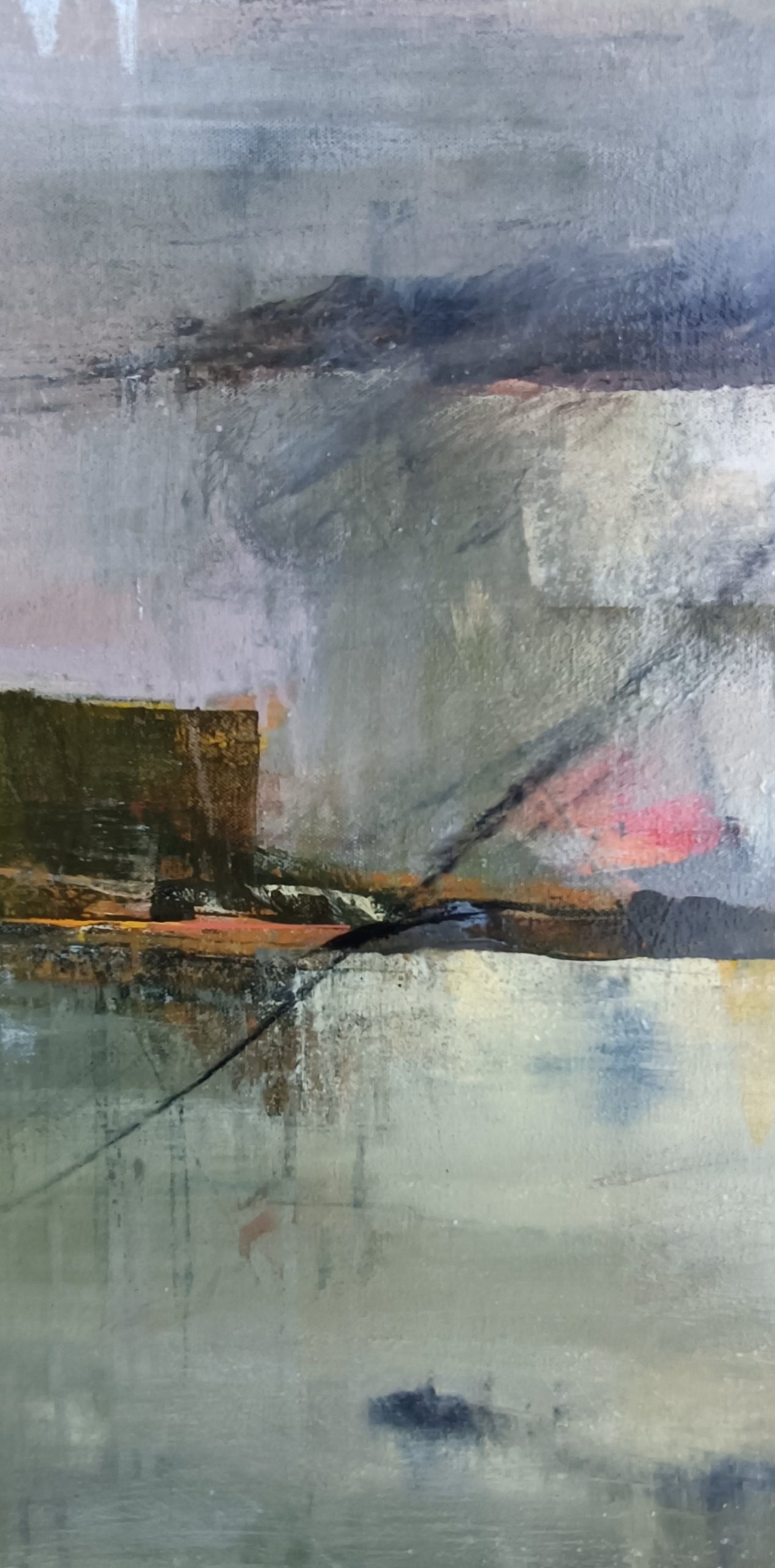
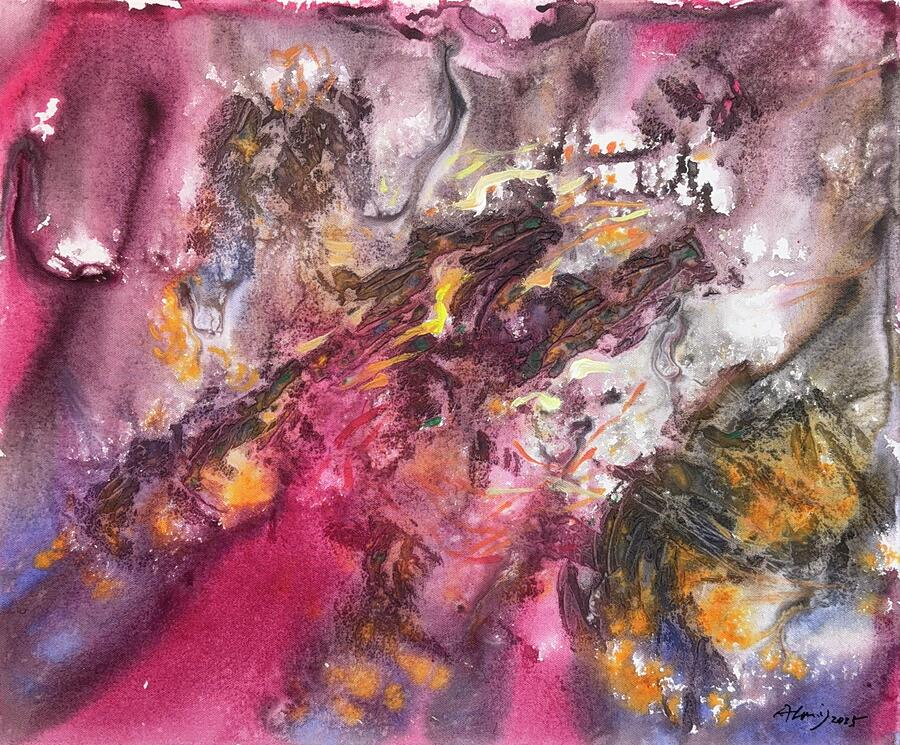
At a distance, the piece can trick the eye into seeing flat, flawless fields of color. Step closer, however, and a whole new world of physical texture emerges. The gesso ground carries the faint marks of a knife, showing tangible evidence of physical labor.
Even the edges where colors meet display charming minor eccentricities. These tiny imperfections are what ground the abstraction in reality, proving that perfection is far less interesting than authentic human touch.
Playing with Space and Motion
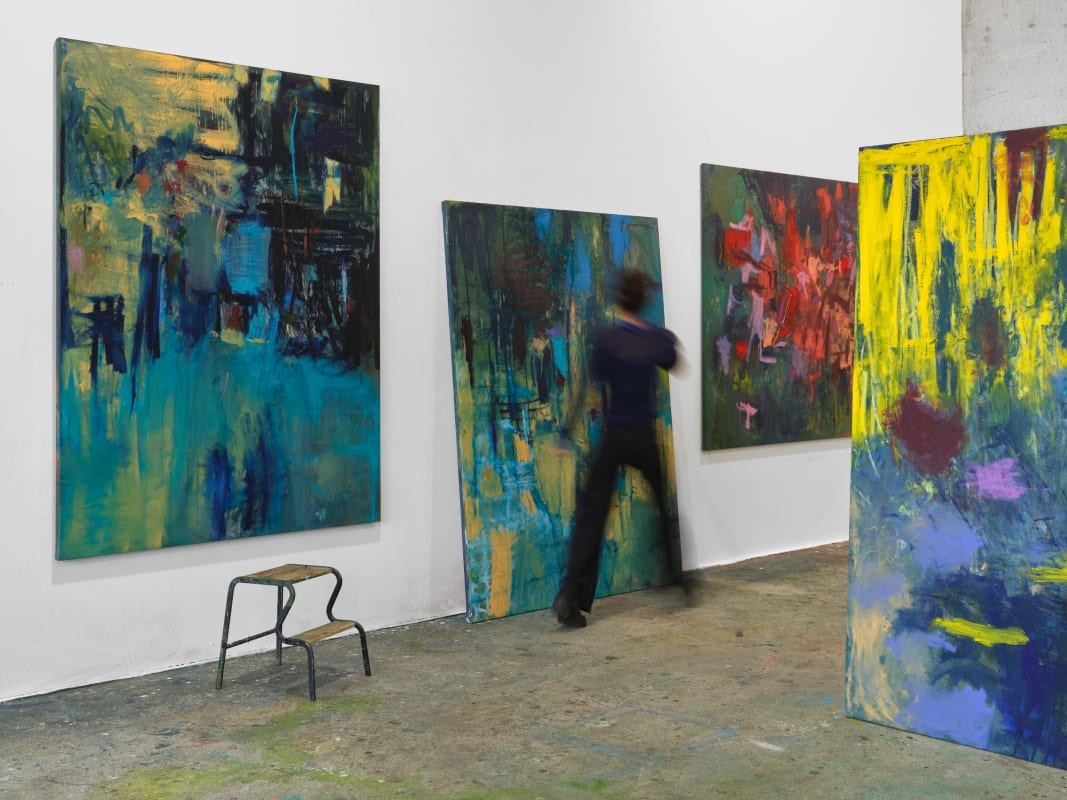
The way paint is applied creates a powerful optical illusion that shifts depending on where you stand. Flat areas of color somehow manage to advance and recede, tricking the brain into perceiving three-dimensional depth on a two-dimensional plane.
This constant movement keeps the viewer’s eyes actively engaged. You cannot simply glance at the canvas and walk away because the geometric patterns seem to breathe and shift over time.
The Paradox of Rigid Systems
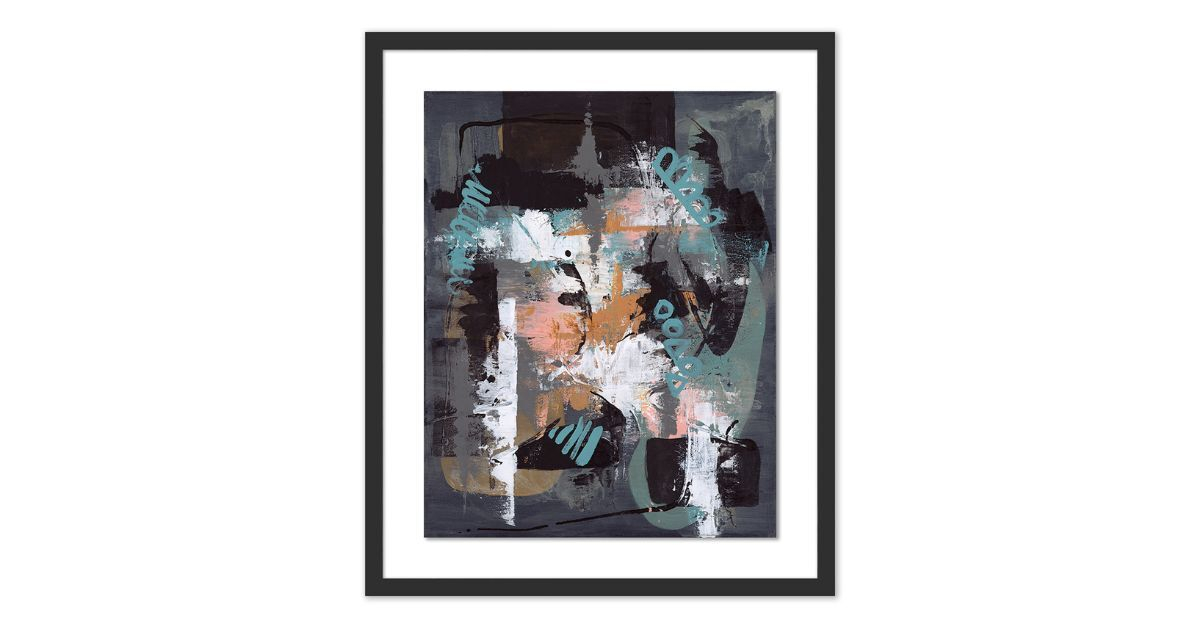
Working within strict structural rules sounds limiting, yet it actually unlocks incredible creative freedom. By relying on repeating patterns and symmetry, the maker establishes a rigid framework that allows subtle variations to stand out boldly.
This wonderful paradox transforms a static image into a dynamic event. Every angle and line works together to question our normal habits of visual perception.
Initial glances can be deceiving because our brains prefer simple answers. Yet taking the time to inspect the fine details reveals layers of unexpected complexity. What initially looks like a static layout slowly dissolves into a shifting landscape of color and line.
This depth of experience is precisely why people keep returning to study this remarkable piece. It challenges us to slow down and truly look at the world around us.
Art appreciation is ultimately a journey of patience and curiosity. By examining how physical materials come together on canvas, we learn to appreciate the hidden thoughts behind every creative endeavor. Take a moment today to look closer at the art in your own life, because you never know what hidden stories are waiting to be discovered just beneath the surface.