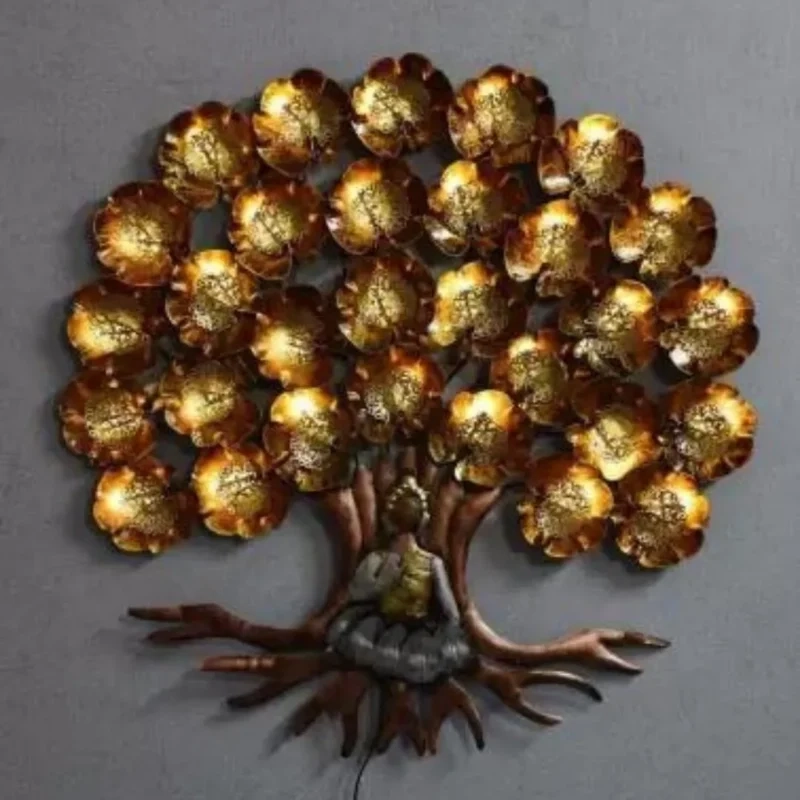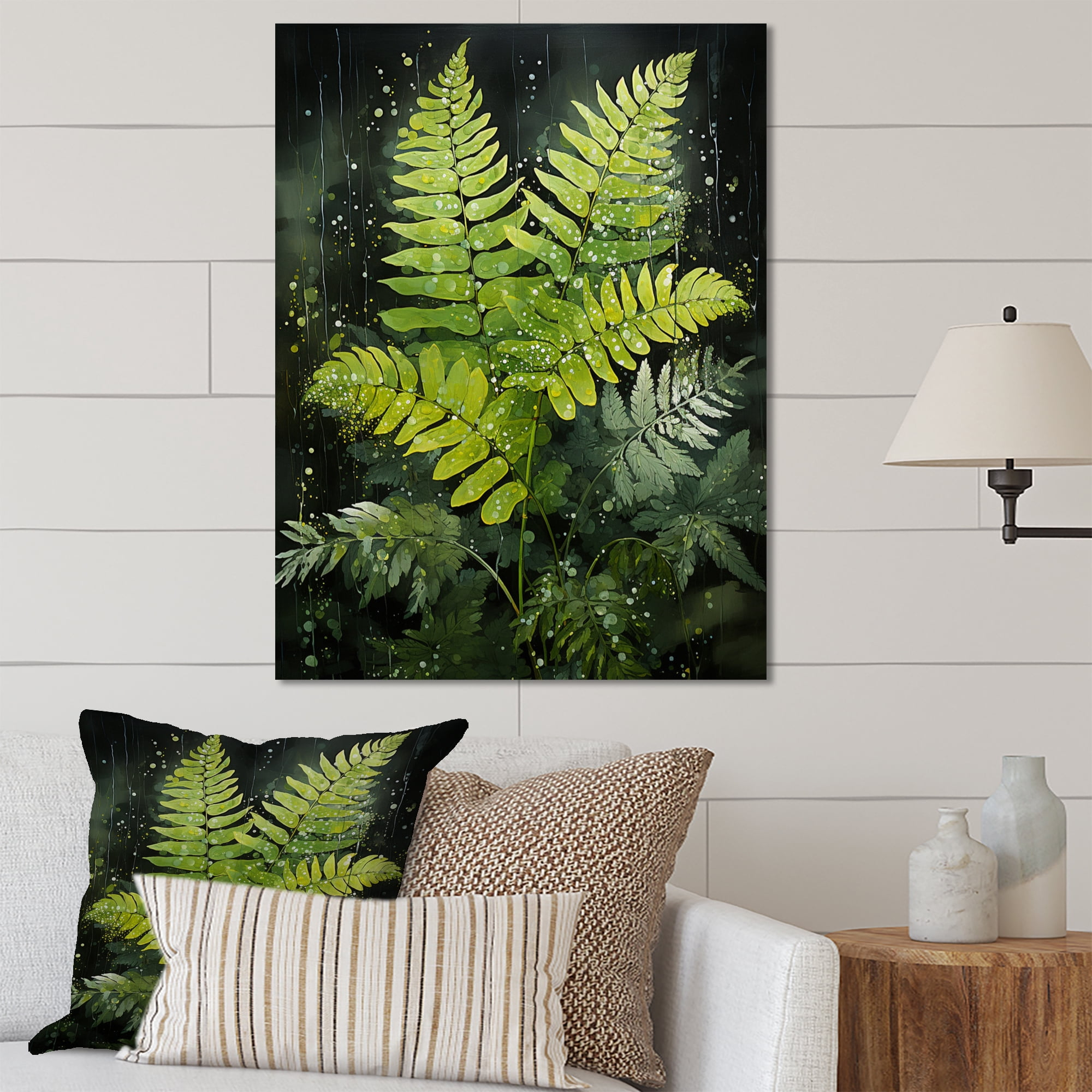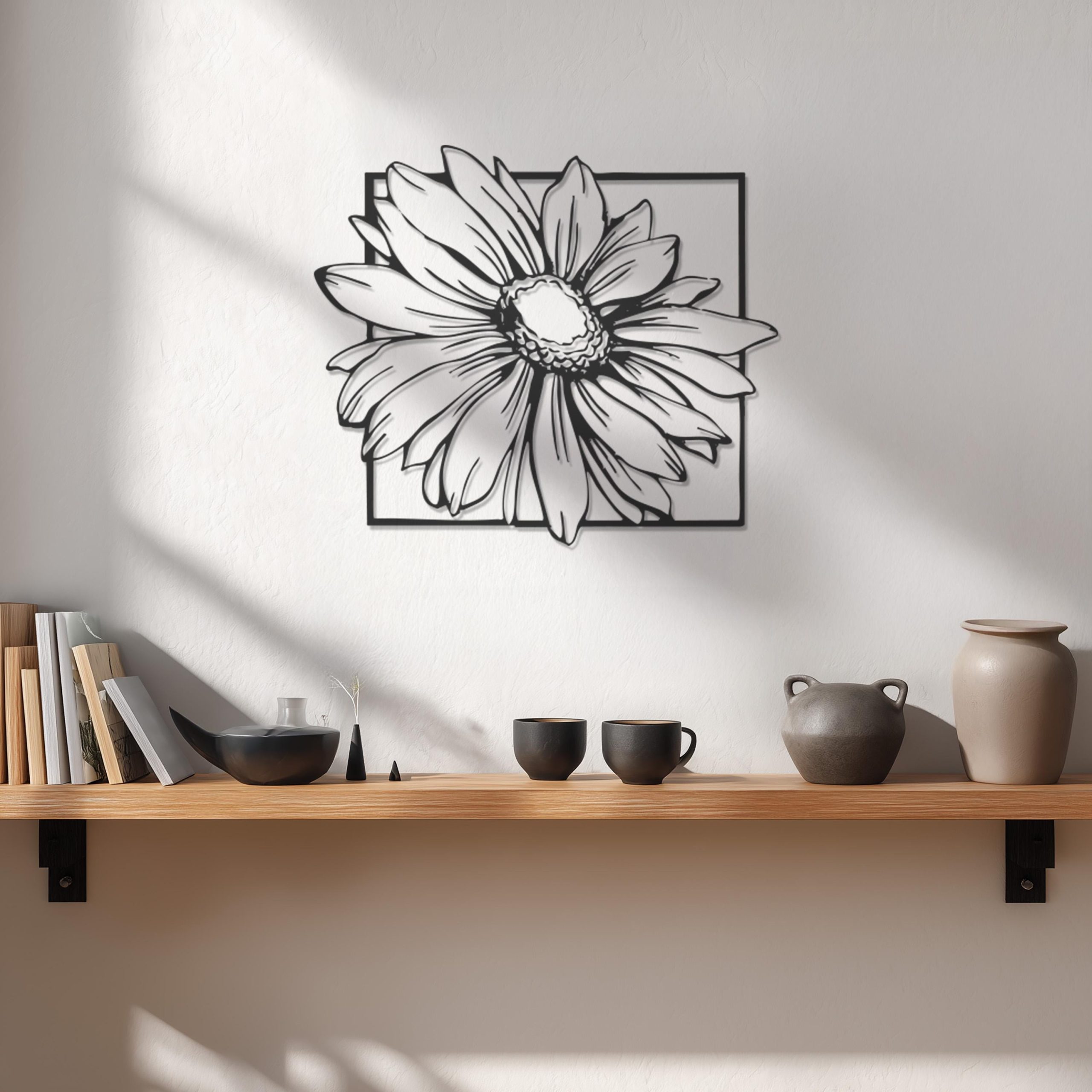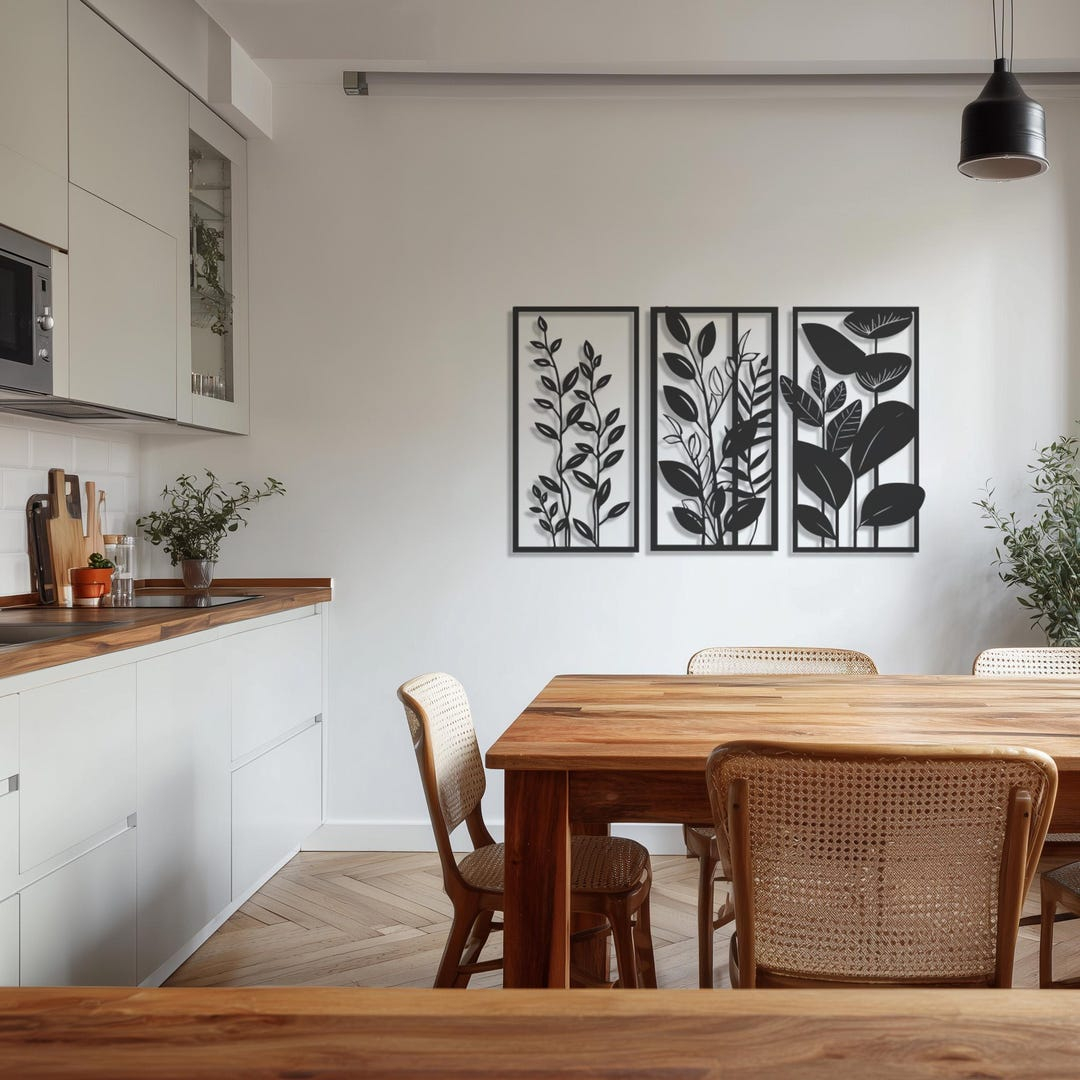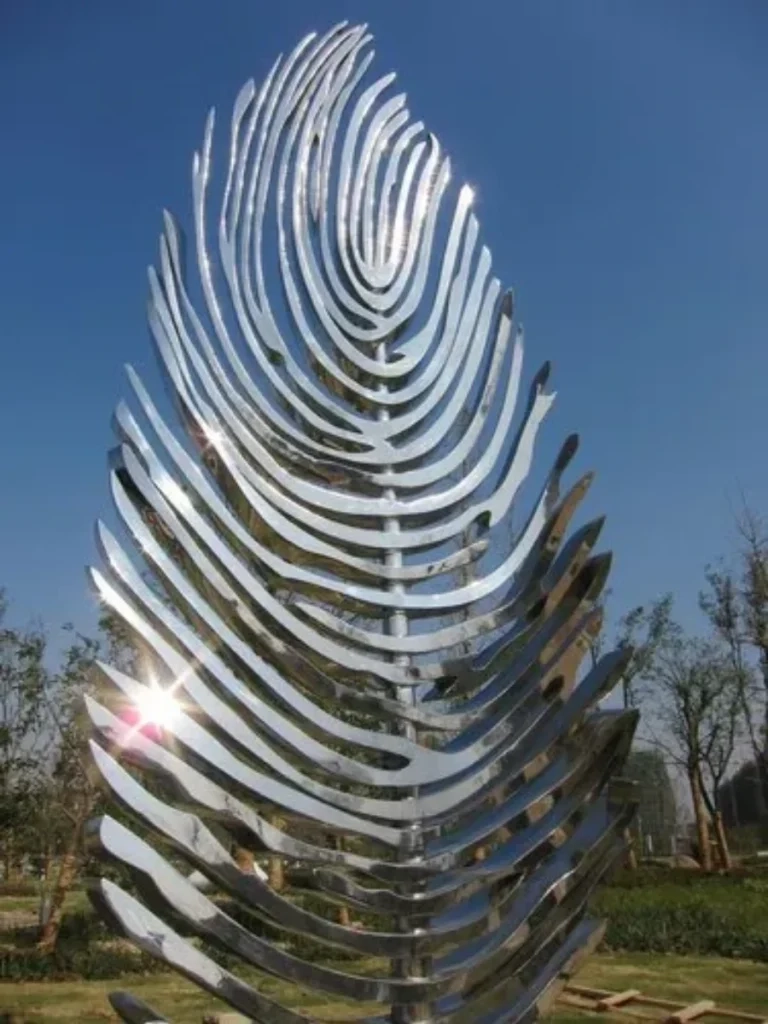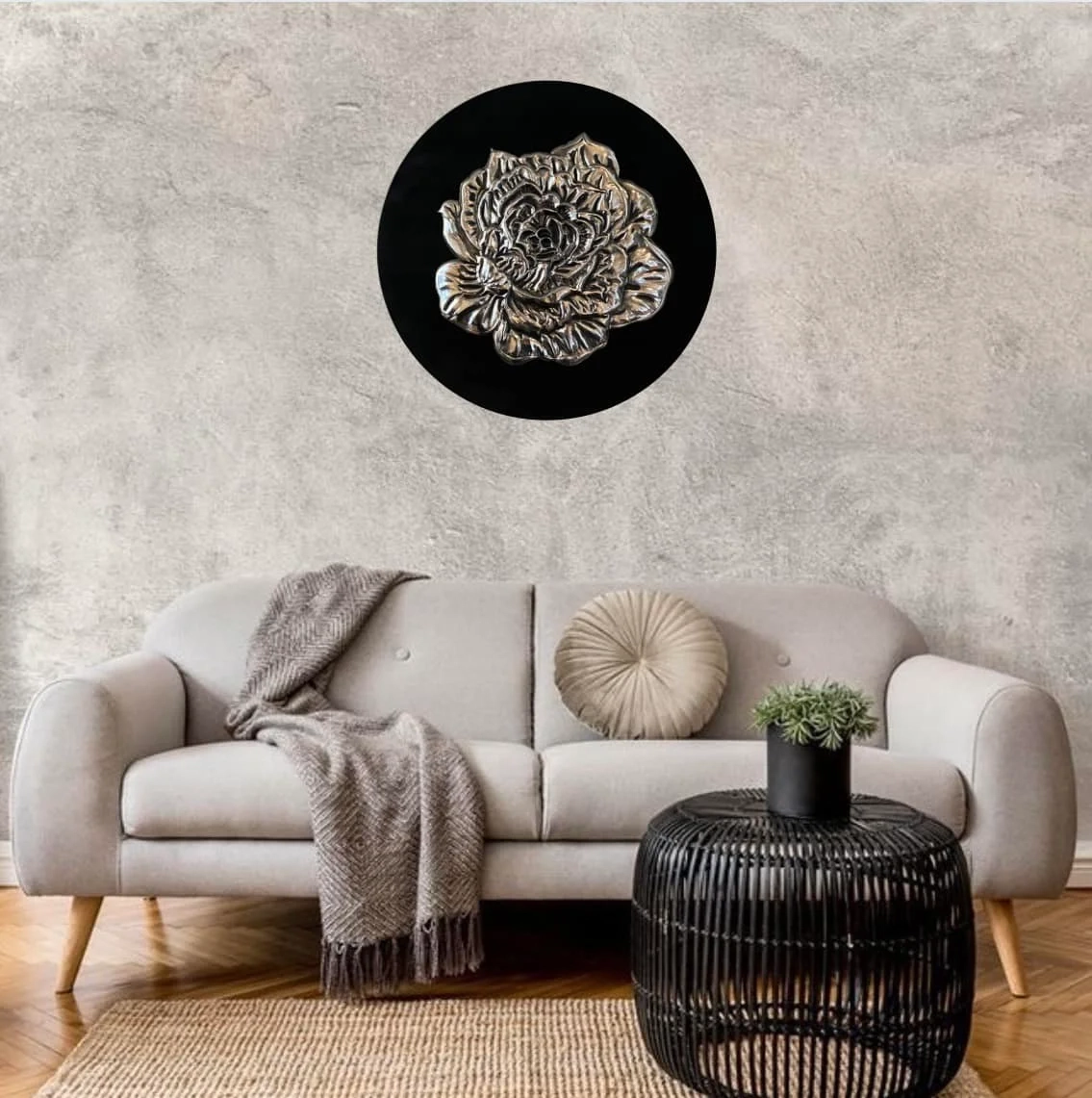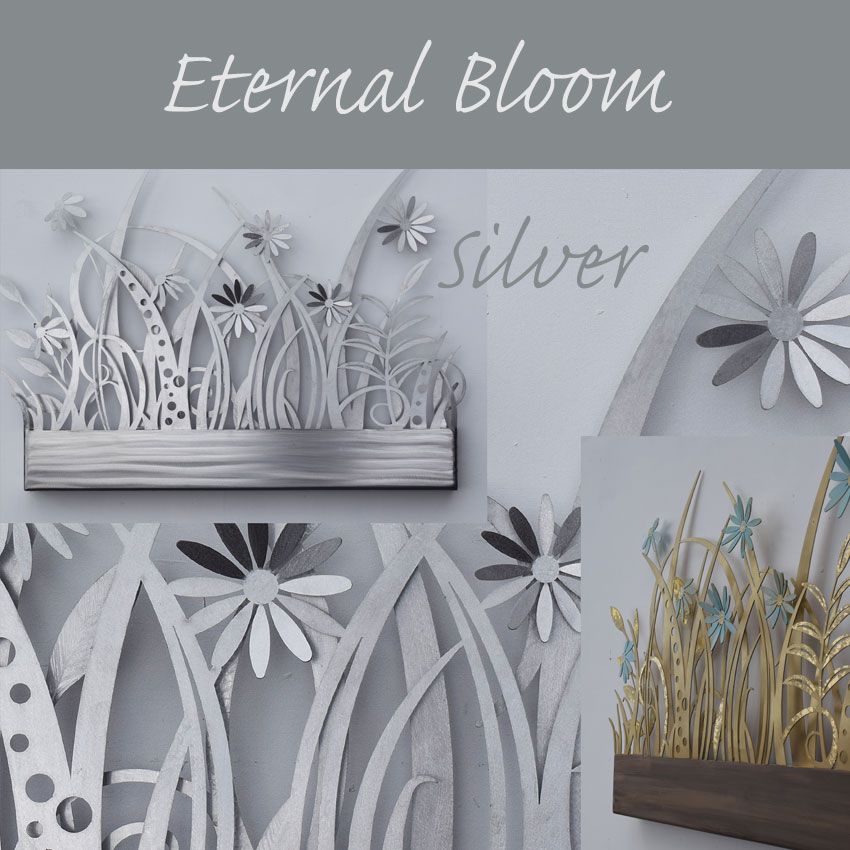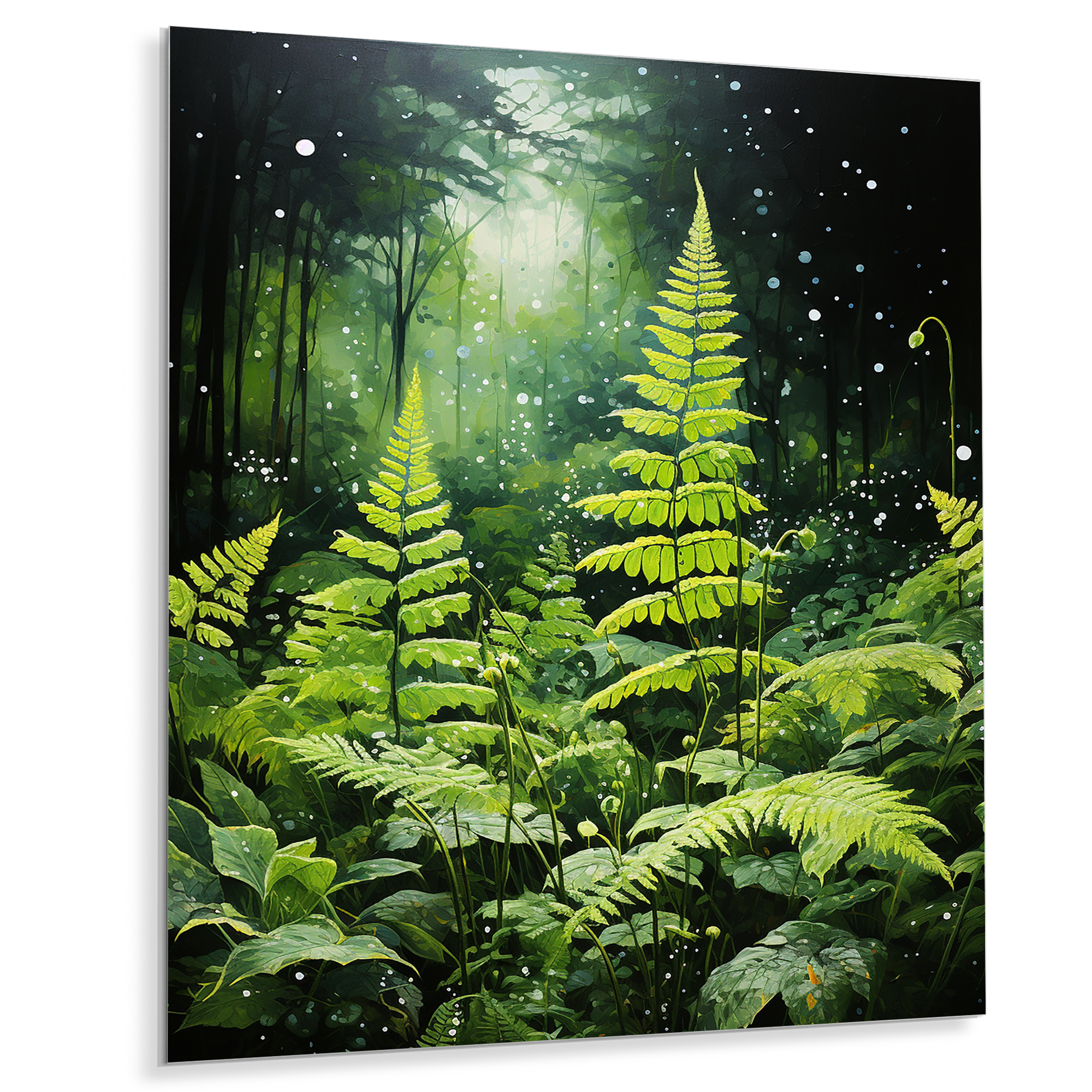
The afternoon sun cuts diagonally across a whitewashed gallery wall, striking an oversized, hammered brass fern frond. Light doesn’t just hit the object; it scatters, pooling in the micro-crevasses of hand-tooled metal and casting elongated, soft-edged shadows that mimic a sunlit forest canopy. This is the sensory signature of Grace Feyock’s design work. Long before a piece reaches a designer showroom or a curated residential interior, it exists as an exercise in material translation—taking the soft, ephemeral geometry of a leaf and forcing it to endure in cold-rolled steel, brass, and verdigris-treated copper.
To understand these sculptures is to strip away the superficial label of "wall decor" and examine a rigorous, intentional philosophy of domestic space. Feyock’s work sits at a peculiar intersection where industrial fabrication meets botanical mimicry. In an era dominated by mass-produced plastic botanicals and flat digital prints, her pieces demand physical space, weight, and light. They ask the viewer to consider how raw minerals can be manipulated to evoke the fragile biology of a tropical fern or a wind-swept ginkgo branch without falling into tacky literalism or synthetic sterility.
The trajectory of decorative metalwork over the past few decades has undergone a quiet revolution. For years, domestic metal wall art was categorized by rigid, laser-cut silhouettes of trees or generic geometric flourishes sold in big-box retail chains. Feyock’s approach disrupted this monotony by introducing artisanal depth—welding, hand-beating, multi-layer patination, and intentional asymmetry. Her sculptures do not try to fool the eye into thinking a piece of iron is actually a leaf; instead, they celebrate the tension between what the material is (heavy, rigid, industrial) and what it represents (light, flexible, organic).
The Anatomy of Material Translation and Organic Geometry
At the heart of Feyock’s methodology lies a relentless interrogation of physical materials. Translating organic foliage into structural metal requires an intimate understanding of metallurgy, heat response, and tensile strength. A real leaf relies on turgor pressure—water pushing against cell walls—to maintain its shape. When a designer attempts to replicate this in brass or iron, that biological mechanics must be translated into physical architecture. Edges must be beveled so they catch light as a thin leaf blade would; stems must be forged with enough spring to suggest natural movement without compromising structural integrity.
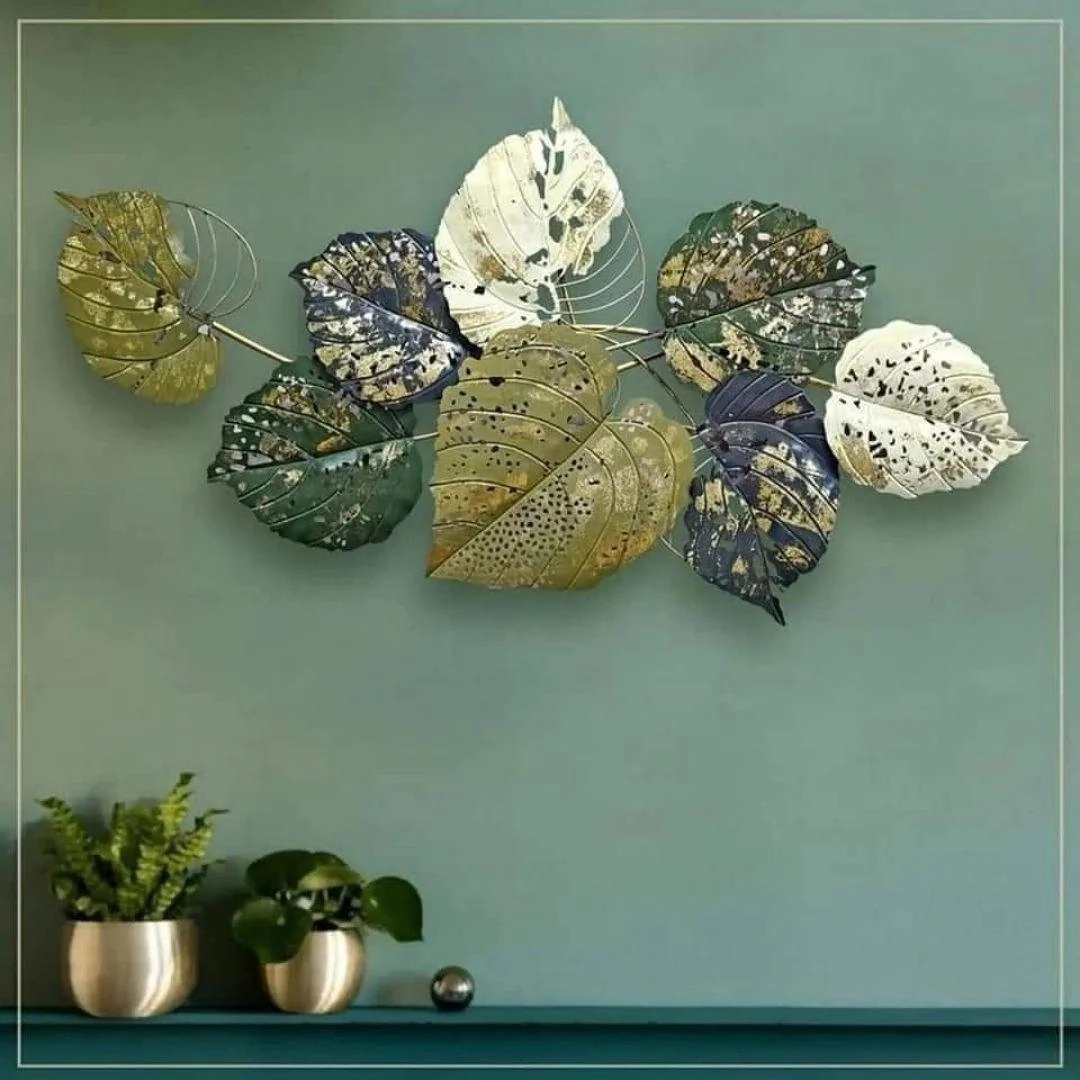
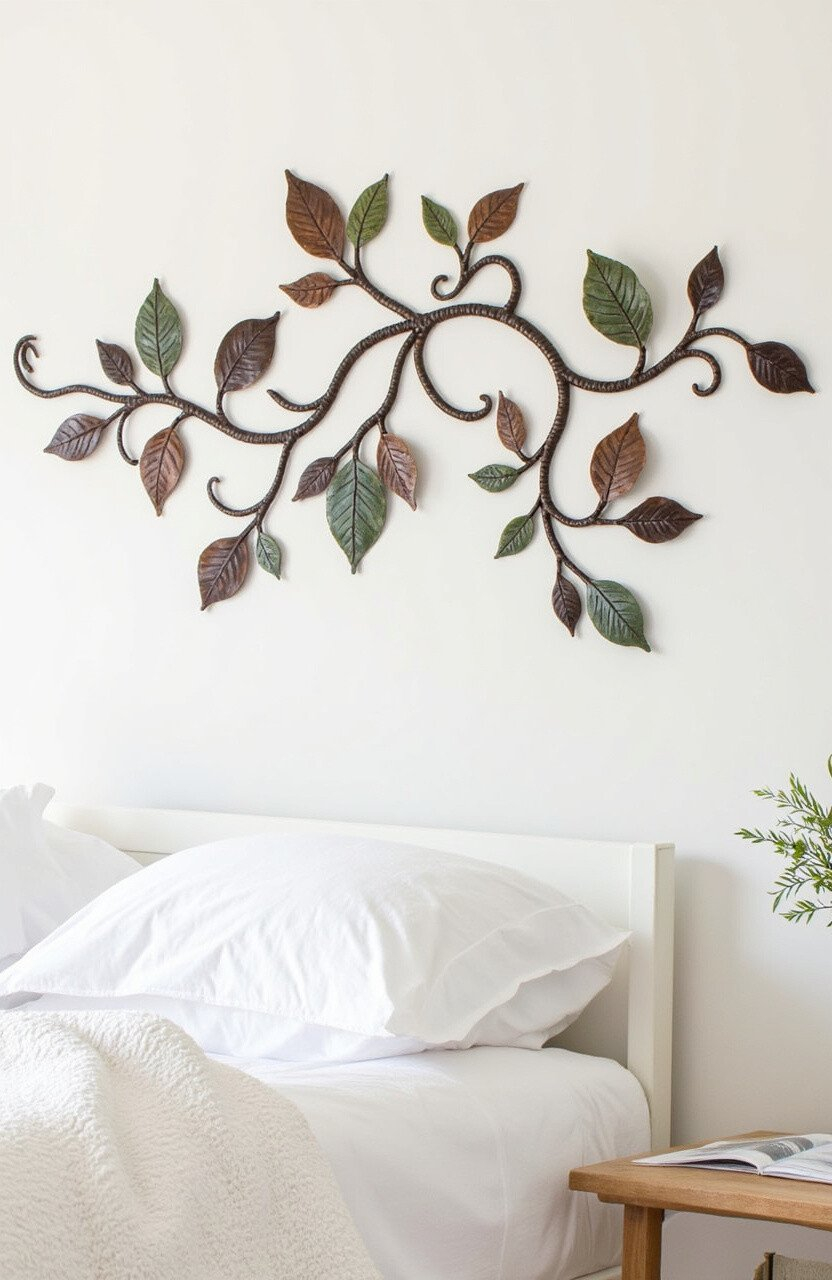
The choice of metals is never accidental. Brass is deployed when a project calls for warmth, subtle reflection, and a living patina that darkens gracefully with environmental oxidation. Iron and blackened steel provide gravity, anchoring a composition with stark, graphic contrast. Copper acts as an experimental bridge, allowing for chemical interventions like acid-washes that yield seafoam greens and bruised indigos. This material honesty ensures that the sculptures age gracefully over decades, accumulating a personal history alongside the home they inhabit.
Furthermore, the geometry of these sculptures rejects the sterile symmetry found in industrial stamping. Feyock’s compositions borrow from the principles of wabi-sabi and botanical irregularity. No two leaves on a forged branch are identical; some show simulated insect bites, others curl slightly at the tips as if responding to a drought, and stems curve with the erratic grace of a plant reaching toward a distant window. This hyper-focus on asymmetrical balance creates visual friction, stopping the viewer’s eye and forcing a prolonged engagement with the object’s surface details.
Achieving this level of biological fidelity in hard metal demands specialized tooling and a deep-seated respect for the medium’s resistance. Artisans working within this design framework must master the art of annealing—heating metal to relieve internal stresses—so it can be beaten paper-thin without fracturing. The veins of the leaves are not simply stamped with a die; they are individually chased using manual punches and hammers, ensuring that every ridge and depression captures and refracts ambient light differently depending on the time of day.
Spatial Dialogues and the Architecture of Modern Interiors
Placing a metallic foliage sculpture within an architectural space is an exercise in scale, contrast, and negative space. Unlike a painting, which remains flat against the wall, a three-dimensional metal sculpture projects outward, casting real shadows that shift as the sun moves across the room. This dynamic interaction with architecture means the artwork is never truly static. It breathes with the ambient light of the home, changing character from the sharp, high-contrast glare of noon to the warm, amber glow of evening table lamps.
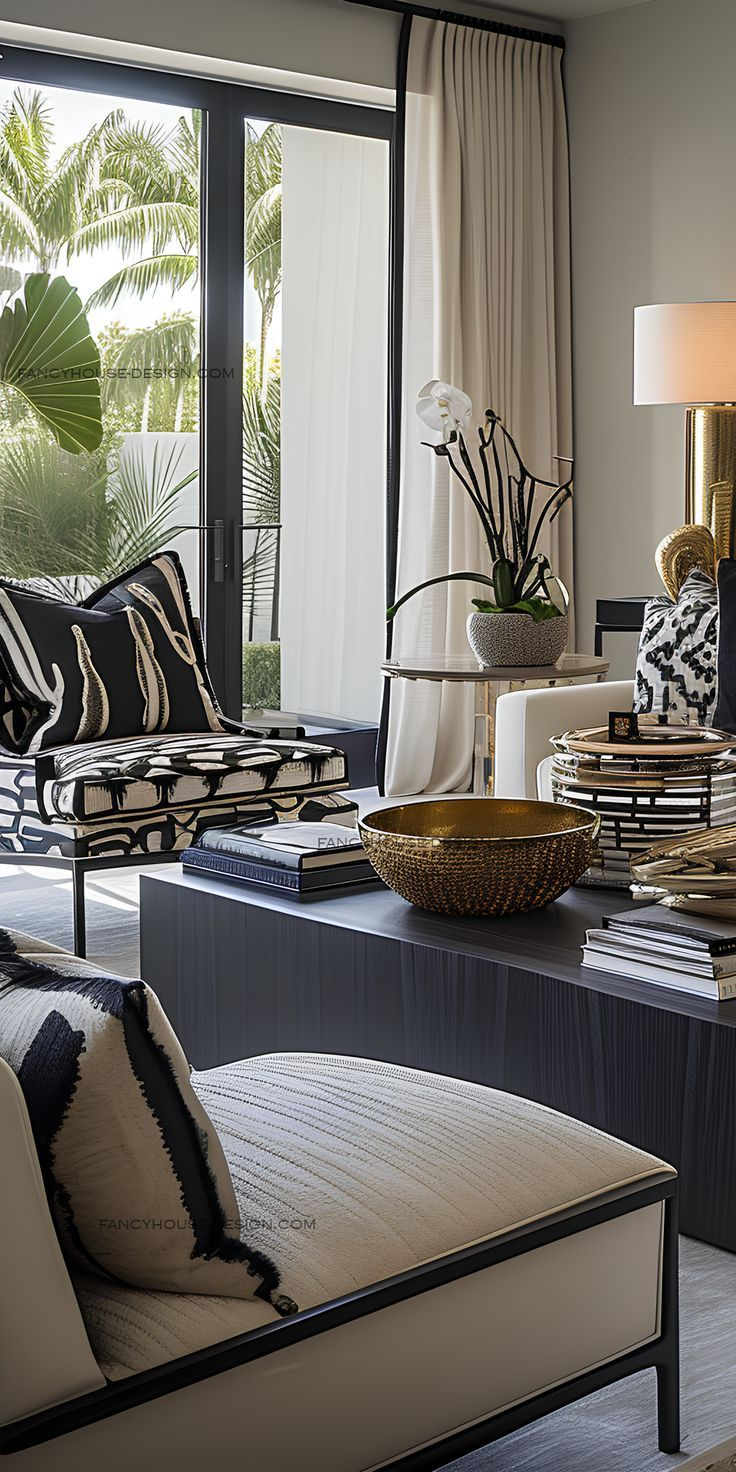
Interior designers frequently utilize these pieces as focal points to break up large expanses of drywall or soften minimalist, industrial spaces. A massive iron and brass ginkgo branch placed above a limestone fireplace or along a double-height staircase introduces an immediate counter-rhythm to straight architectural lines. The rigid geometry of drywall, baseboards, and flooring finds its antidote in the sweeping, erratic curves of the metal stems. This contrast prevents a modern room from feeling cold or clinical, grounding the human scale within a larger natural narrative.
Moreover, the reflective qualities of metallic sculptures play a critical functional role in interior lighting design. In rooms with limited natural exposure, a strategically placed brass or gold-leafed foliage piece can bounce ambient light into dark corners, acting as a passive secondary light source. Conversely, in sun-drenched coastal homes, blackened iron finishes absorb excessive glare, providing visual weight and a grounding anchor that balances expansive glass windows and white-painted surfaces.
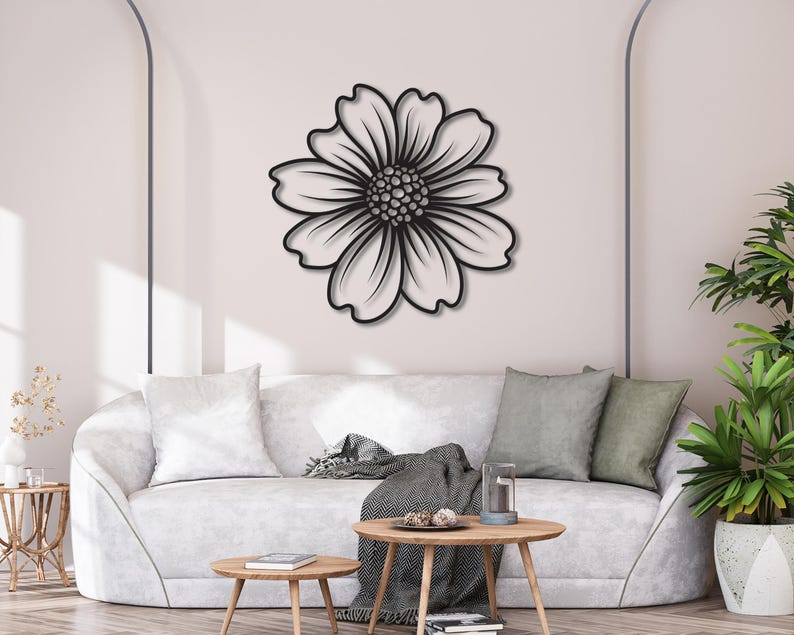
The integration of these sculptures also requires careful consideration of mounting and floating techniques. Many of Feyock’s signature pieces are engineered with offset hanging brackets that suspend the sculpture an inch or two away from the wall. This shadow-gap is not merely cosmetic; it creates a halo effect. The wall behind the sculpture becomes part of the composition, catching crisp, dark silhouettes that amplify the perceived depth of the artwork and trick the eye into seeing a multi-layered thicket rather than a single flat object.
The Fabrication Workflow from Sketch to Patina
Translating a fleeting botanical observation into a permanent bronze or iron installation is a methodical, multi-stage industrial art form. The process begins not in the metal shop, but out in the field—observing how a particular species of bamboo clusters, or how oak leaves layer themselves against a branch under the weight of autumn rain. These field sketches and pressed leaf samples form the raw blueprint for structural armatures and dimensional cutting templates.
To master the creation and styling of these botanical metalworks in professional interior spaces, practitioners follow a rigorous production and curation framework:
- Step 1 (Botanical Study and Template Vectoring): Catalog real plant specimens to map natural vein structures, leaf-to-stem ratios, and growth angles, translating these organic proportions into scaled vector templates for metal cutting.
- Step 2 (Raw Material Slicing and Forging): Shear sheet brass, copper, and mild steel using plasma cutters or heavy snips, followed by hot and cold forging to taper edges and establish primary curvature.
- Step 3 (Manual Chasing and Texturing): Utilize handheld pneumatic chisels, ball-peen hammers, and custom punches to hand-chase intricate vein systems and surface graining into every individual leaf blade.
- Step 4 (Armature Assembly and Welding): TIG weld or silver-solder individual leaves to multi-strand wire stems and structural back-frames, ensuring weight distribution remains balanced for wall mounting.
- Step 5 (Chemical Patination and Sealing): Apply specialized acid solutions, heat torches, and wax sealants to induce natural-looking oxidations, verdigris highlights, or polished golden sheens that resist environmental tarnishing.
This workflow highlights the sheer labor intensity required to bypass the sterile perfection of automated manufacturing. Every weld must be meticulously ground down and textured to blend seamlessly into the organic flow of the stem, and every chemical treatment must be monitored in real-time, as atmospheric humidity and metal temperature drastically alter how an acid wash bites into the raw alloy.
The final sealing stage is particularly critical for longevity. Without a micro-crystalline wax or polyurethane barrier, exposed brass and copper will react aggressively to household humidity and touch oils, developing uneven blotches rather than a desirable, uniform patina. Craftsmen must balance protection with tactile authenticity, ensuring the sealed surface still feels like raw, warm metal rather than a plastic-coated artifact.
Navigating Structural Pitfalls and Curation Missteps
Integrating heavy metal sculptures into residential or commercial interiors is fraught with technical challenges. One of the most common errors made by inexperienced installers is treating a metallic foliage sculpture like a standard canvas painting. A large iron and brass wall sculpture can easily weigh anywhere from thirty to seventy pounds, concentrated across an asymmetrical footprint. Hanging such a piece on standard drywall using plastic anchors is a recipe for structural failure and ruined plaster.
Another frequent pitfall is ignoring the color temperature of surrounding interior lighting. Brass and gold-toned metals look stunning under warm-spectrum illumination (2700K to 3000K), but placing them under harsh commercial LED spotlights (4000K and above) strips away their organic warmth, making them look metallic, harsh, and cheap. Conversely, cool-toned black iron requires adequate directional spotlighting to reveal its subtle surface textures; otherwise, it disappears into a dark wall as an indistinct silhouette.
To ensure long-term structural integrity and optimal visual presentation, interior stylists and collectors must adhere to proven preventative practices:
- Pitfall 1 (Inadequate Wall Anchoring): Hanging heavy multi-leaf iron sculptures directly on drywall without locating wood studs or utilizing heavy-duty toggle bolts, leading to wall pull-out. Workaround: Always map stud locations first, or install a concealed french cleat system tied directly into structural framing.
- Pitfall 2 (Poor Lighting Contrast): Placing dark blackened-steel foliage against dark accent walls, rendering the sculpture invisible. Workaround: Ensure a minimum of three to four stops of luminance contrast between the background wall finish and the metal patina.
- Pitfall 3 (Overcrowding Compositional Space): Pairing large, sweeping botanical wall sculptures with busy patterned wallpaper or heavy crown molding. Workaround: Mount these statement pieces on clean, matte, solid-color surfaces to let the complex shadows breathe and register clearly.
- Pitfall 4 (Neglecting Maintenance and Dusting): Allowing dust to cake into the hammered crevices and undercuts of textured leaves, dulling the metallic sheen. Workaround: Use a soft-bristled horsehair vacuum attachment or canned air annually to clear debris without scratching delicate wax seals.
- Pitfall 5 (Ignoring Scale and Proportion): Selecting a sculpture that is too small for a grand architectural wall, making the artwork look like an afterthought. Workaround: Ensure the sculpture occupies roughly 60 to 75 percent of the available negative wall space above a console table or sofa.
Mastering these technical nuances separates amateur decorating from professional spatial design. Respecting the weight, lighting requirements, and visual breathing room of metal art ensures that the piece retains its intended commanding presence without overwhelming the human scale of the room.
The Broader Cultural Shift Toward Handcrafted permanence
The enduring appeal of Grace Feyock’s metallic foliage sculptures points to a much wider cultural pivot away from fast-decor culture and disposable interior styling. In a world where digital screens dominate our working and resting hours, physical spaces are increasingly tasked with providing sensory grounding and tactile anchors. We crave objects that bear the scars of human labor—the hammer mark, the weld bead, the uneven patina. We want our homes to feel lived-in, permanent, and connected to the natural world.
This desire for permanence explains why metal botanicals have evolved from quirky novelty items into staples of high-end interior architecture. Metal is inherently anti-fragile. While a real dried fern frond crumbles to dust under a stray touch, and a synthetic plastic leaf degrades under UV exposure, a forged brass branch outlives its owners, carrying forward a physical record of the natural world frozen in an unyielding alloy. This emotional durability is precisely what affluent collectors and discerning designers are paying for.
Furthermore, the economic and environmental realities of the 2026 design landscape place a premium on longevity and sustainable craftsmanship. Consumers are increasingly auditing where their home goods come from, rejecting petroleum-based plastics and exploitative mass-manufacturing lines in favor of heirloom-quality pieces crafted by skilled artisans. When a single metal sculpture takes dozens of hours of manual labor to shape, weld, and patina, it commands a level of respect and stewardship that fundamentally changes how we inhabit our living spaces.
This philosophical shift also influences how contemporary designers view biophilic design. True biophilia is not merely about painting a wall sage green or filling a room with potted monsteras that require constant watering and sunlight management. It is about capturing the essence of natural systems—growth, resilience, imperfection, and light filtration—and weaving them into the structural fabric of our built environment. Metallic foliage sculptures achieve this by offering all the psychological benefits of natural forms without the biological maintenance.
Strategic Frameworks for Collecting and Styling Metal Art
Curating and displaying heirloom-tier metal sculptures requires a disciplined, strategic approach that balances aesthetic intuition with spatial mechanics. Whether you are outfitting a high-rise urban loft or a sprawling country estate, treating metal foliage art as a foundational design pillar rather than an accessory changes the entire composition of a room.
To maximize the impact of these sculptural installations in residential or commercial projects, consider implementing the following core frameworks:
- Rule of Scale and Negative Space: Always leave generous breathing room around large statement sculptures. The wall is as much a part of the artwork as the metal itself.
- Layered Textures: Pair cold, hard metals with soft, tactile textiles like bouclé upholstery, raw linen drapery, and warm-toned hardwoods to create a balanced sensory environment.
- Dynamic Lighting Integration: Position picture lights or adjustable track heads at a 30-degree angle to the wall to maximize shadow-casting depth and highlight hand-chased leaf veins.
- Cohesive Metal Storytelling: If featuring a prominent brass foliage sculpture, echo the alloy subtly through smaller hardware details like cabinet pulls or lamp bases without making the room look overly matchy-matchy.
Adhering to these practical parameters ensures that your investment in artisanal metalwork pays aesthetic dividends for decades. These pieces are not meant to blend quietly into the background; they are designed to anchor a room, start conversations, and bring the untamed geometry of the natural world safely indoors.
The enduring fascination with Grace Feyock’s design philosophy reminds us that the best interior objects do not merely fill empty wall space—they tell a story about how we relate to the natural world and the materials we shape. By transforming raw, industrial metals into delicate, wind-swept botanical sculptures, this work bridges the gap between the unyielding permanence of metallurgy and the fragile, ephemeral beauty of plant life.
As we look toward the future of domestic design, the demand for authentic, handcrafted objects that resist obsolescence will only accelerate. Investing in pieces that require human touch, technical mastery, and thoughtful spatial curation is an act of reclaiming our physical environment from the digital ether.
Take a close look at the blank walls in your own living space. Consider how introducing an element of heavy, light-catching, hand-forged nature could shift the energy of the room. Whether you are commissioning a custom brass branch or styling an existing iron fern installation, remember that the true magic lies in the shadows cast, the light captured, and the timeless dialogue between metal and leaf.