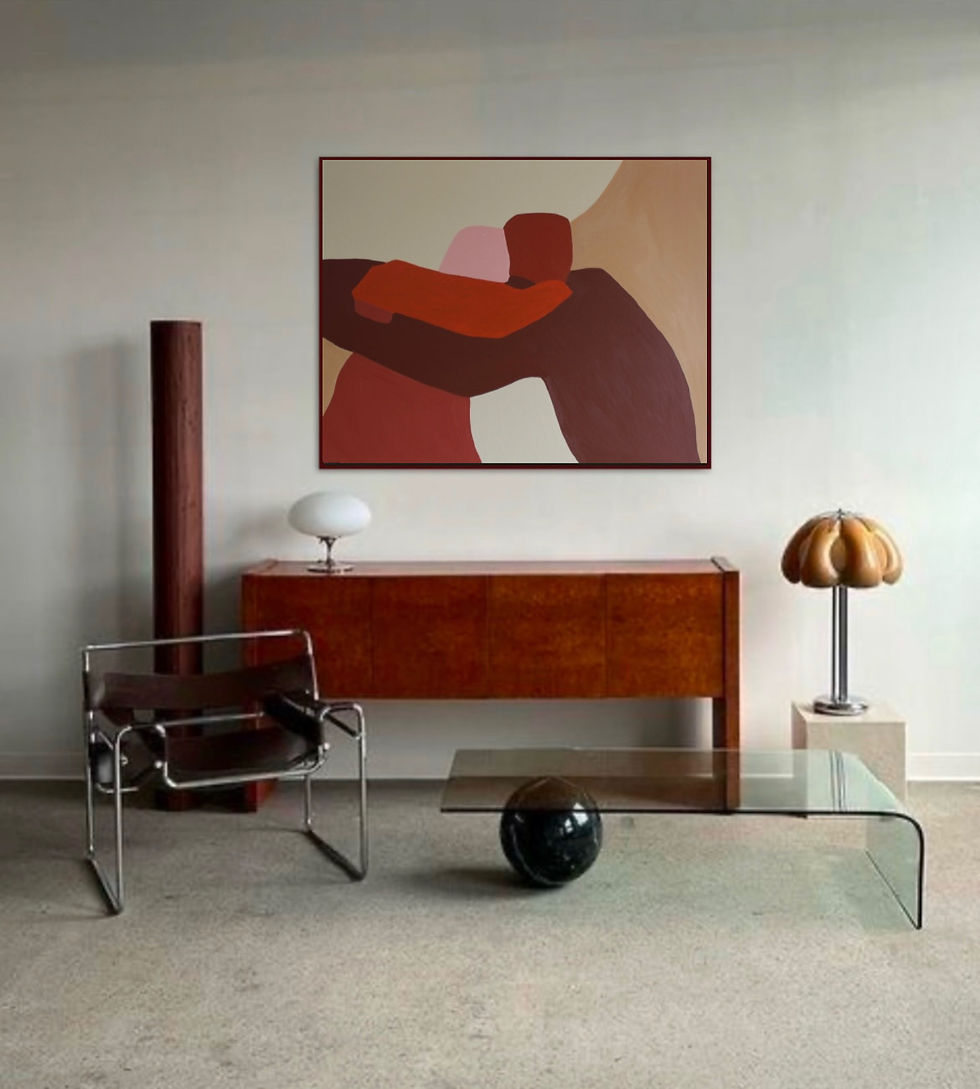
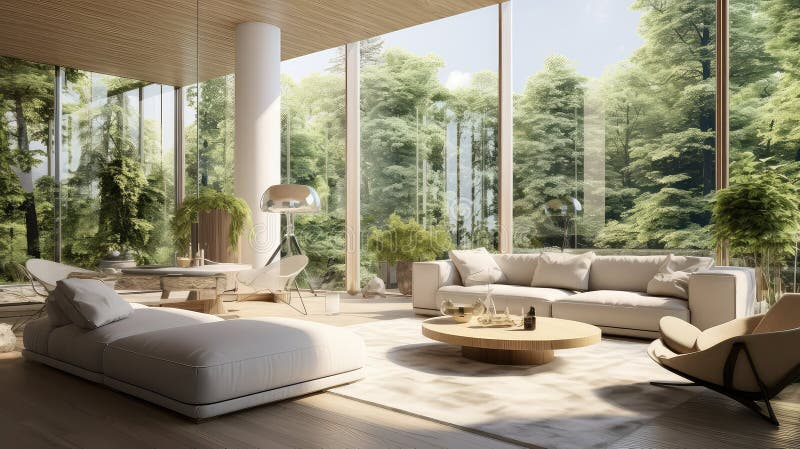
The morning light cuts horizontally across a wide-plank white oak floor in a 1840s Tennessee homestead, catching the subtle, undulating texture of a lime-washed wall. There is no framed print here, no stretched cotton canvas bought from an online decor mill. Instead, the wall itself holds the room. It breathes, catching shadows and shifting hues as the sun tracks across the valley outside. For decades, suburban aesthetic standards dictated a rigid formula for country living: whitewashed shiplap as a backdrop, topped with mass-produced botanical prints stretched over wooden stretcher bars. If it didn’t hang from a sawtooth picture hanger, it didn’t count as wall decor.
That formula is quietly dying. Owners of genuine country properties, historic farmhouses, and modern rural architecture are stripping away generic canvas art and cheap decorative panels. They are returning to architectural finishes that engage multiple senses. They want surfaces that respond to humidity, absorb sound without acoustic foam, and age gracefully alongside the timber framing of the house. This shift is not merely about chasing interior design fads; it is a fundamental re-evaluation of how walls should behave in a domestic space.
Real country homes require materials that tolerate fluctuating temperatures, seasonal shifts in humidity, and the unavoidable knocks of daily rural life. Canvas is fragile. It warps in damp mudrooms, fades under unshaded southern exposures, and feels entirely out of place against heavy masonry fireplaces or hand-hewn oak beams. What is taking its place is a deliberate embrace of tactile history, structural integrity, and local craftsmanship. The wall is no longer a blank support system for secondary art objects. The wall has become the art, the insulation, and the soul of the room.
The Death of Mass-Produced Wall Art and the Rise of Architectural Integrity
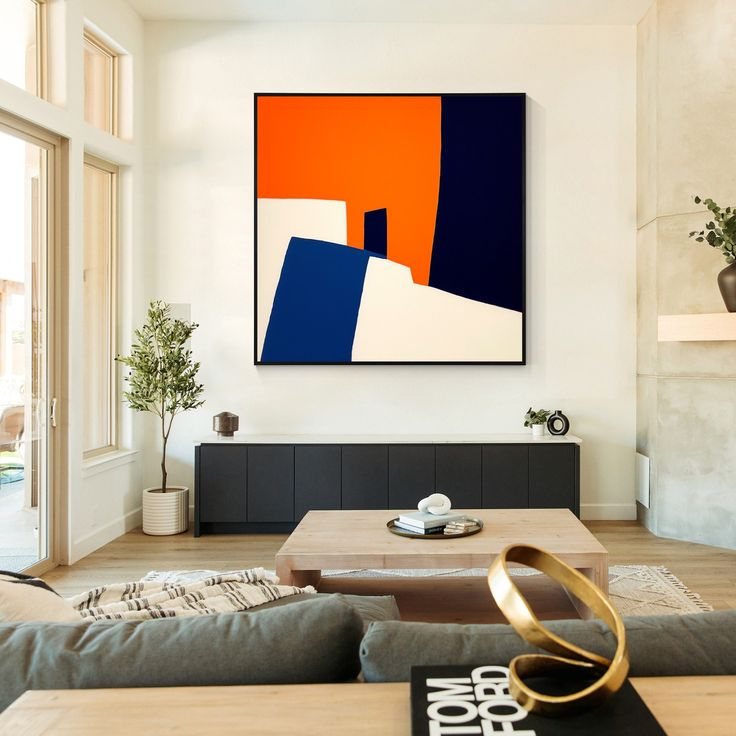
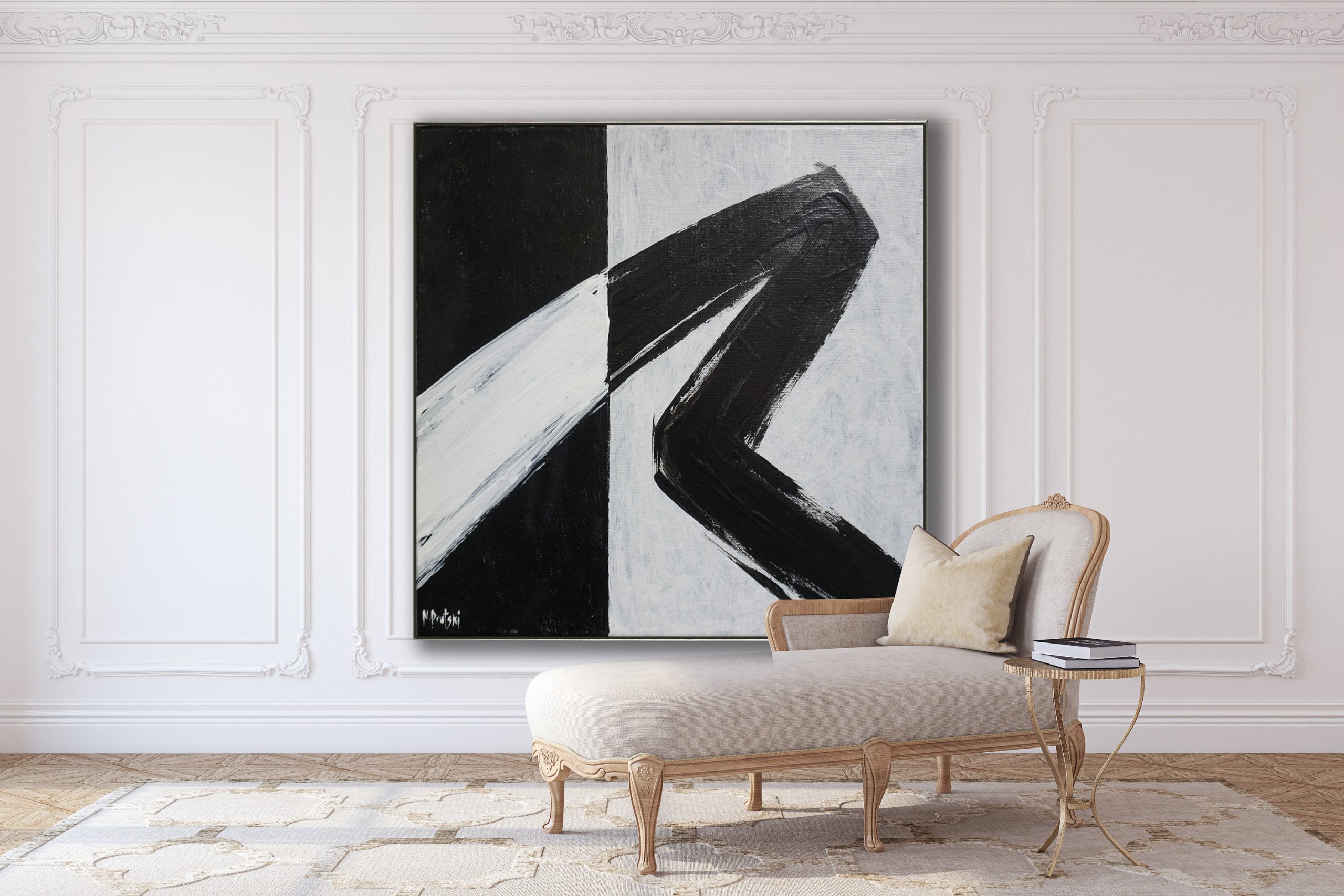
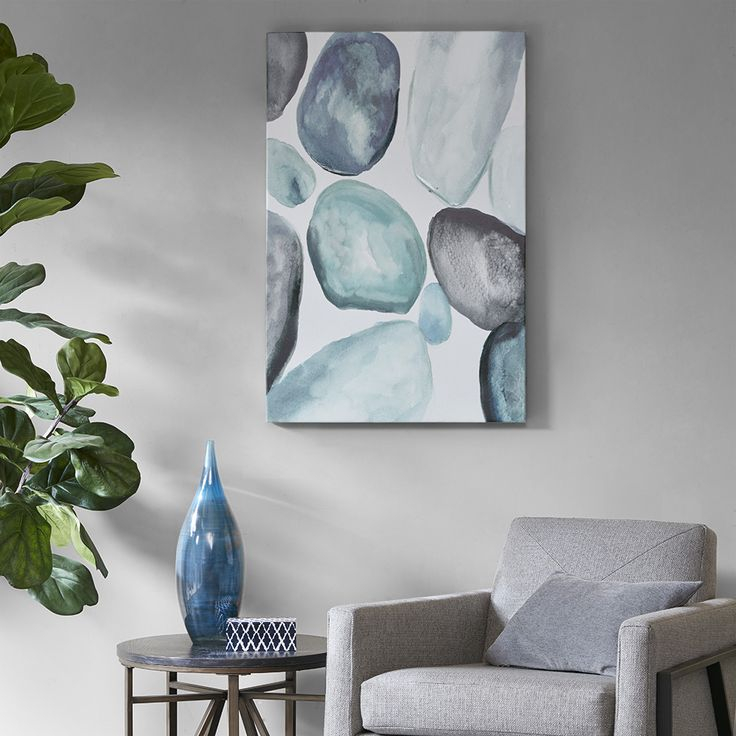
For years, the interior design industry pushed a standardized version of rustic life. Large-scale canvases featuring painted cattle, abstract brushstrokes in muted beige, or stencilled farm quotes dominated home catalogs. These pieces were lightweight, cheap to ship, and easy to hang. Yet, they lacked weight, literally and figuratively. They created a superficial layer of country styling that sat on top of the drywall rather than integrating with the building’s bones. As homeowners began looking closer at how historical structures were actually finished, a realization took hold: true country homes were never decorated with hanging factory art. They were built with layers of plaster, stone, wood, and lime that protected the structure while adding organic beauty.
This architectural shift treats the wall plane as an integral system rather than a blank canvas. When you remove a stretch of drywall and replace it with lime plaster or vertical-grain board-and-batten, you change the acoustic profile of the room. The hollow thud of standard gypsum board disappears, replaced by a solid, muted resonance. Historic builders used what was locally available, creating an inherent regional authenticity that modern plastic-wrapped canvas art can never replicate. By turning away from the art market and looking toward traditional building trades, modern renovators are finding materials that tell a genuine story of craftsmanship.
Furthermore, standard canvas art introduces dead zones of maintenance. Dust collects on the top edges of stretcher bars, and the canvas itself can sag when indoor humidity drops during heating season. Architectural wall finishes eliminate these maintenance headaches entirely. A wall finished in polished tadelakt or hand-trowelled clay requires no dusting behind frames and no retensioning. It becomes a permanent, monolithic feature that integrates electrical outlets, baseboards, and window casings into a unified whole. The wall becomes resilient, durable, and completely immune to the fleeting trends of seasonal art collections.
Tactile Textures: Roman Clay, Lime Wash, and Historic Plasters
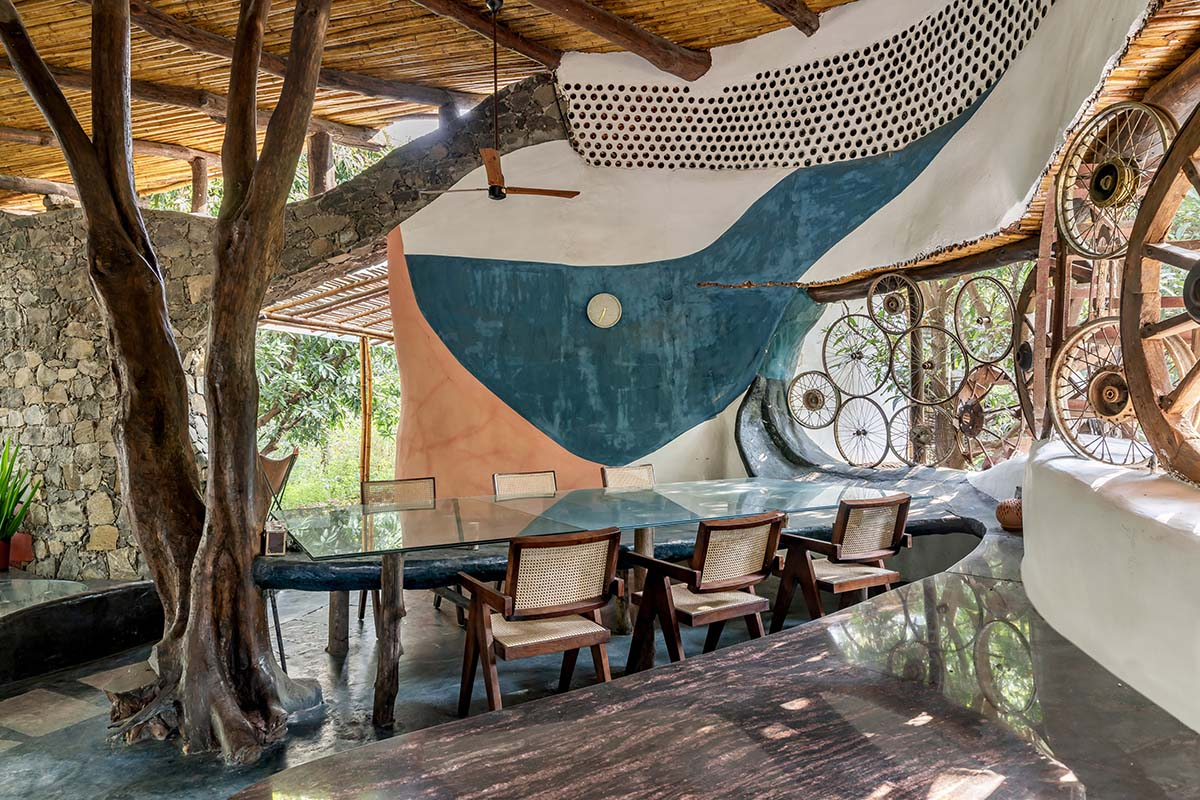
The most significant movement in rural interior architecture is the widespread adoption of mineral-based wall treatments. Lime wash, Roman clay, and tadelakt are replacing flat latex paint and canvas groupings. Lime wash, made from limestone that has been crushed, burned, and slaked with water, cures through a chemical process called carbonation. As it absorbs carbon dioxide from the air, it hardens back into stone. This creates a matte, chalky finish that reflects light with unmatched depth, casting a soft halo effect across a room rather than the harsh glare of modern acrylics.
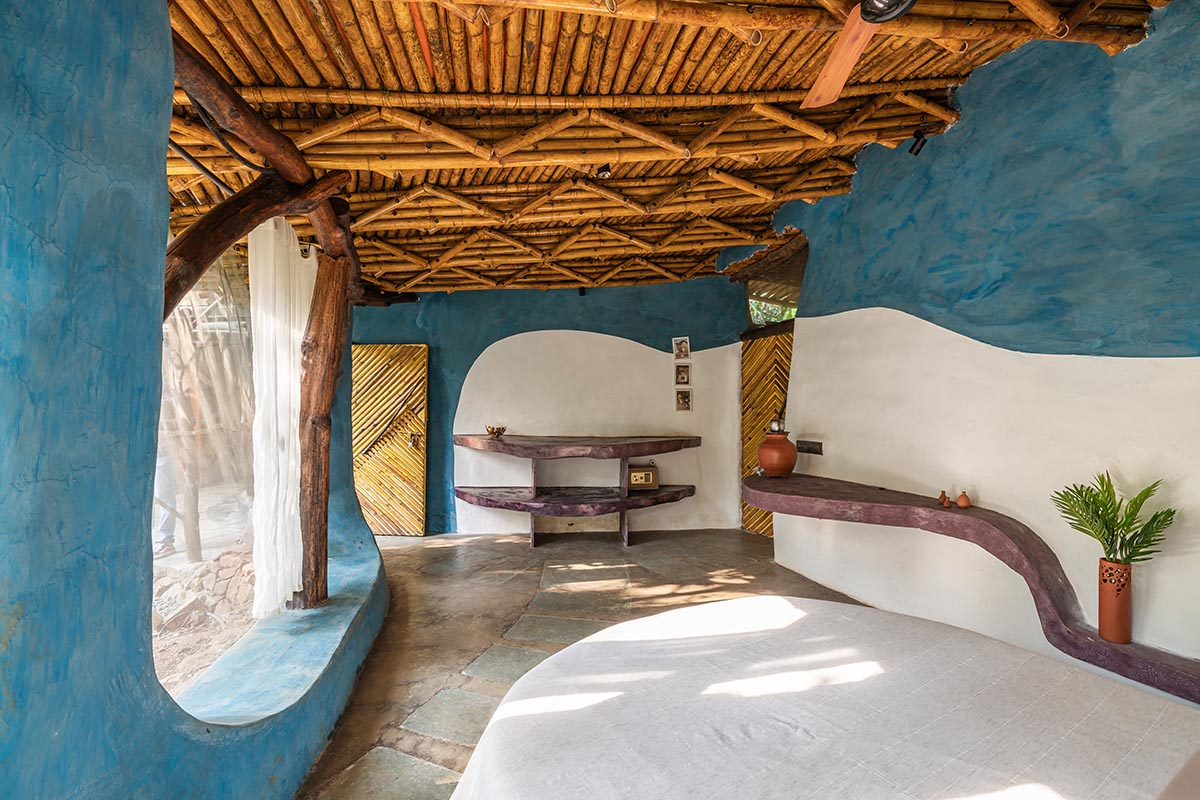
Roman clay, a pre-mixed interior plaster, offers a smoother, suede-like touch that brings an understated elegance to spaces like primary bedrooms and reading nooks. Applied with a Japanese steel trowel in sweeping, overlapping arcs, it creates subtle tonal variations that look organic and unforced. Unlike wallpaper, which can peel at the seams, or canvas, which can tear, clay and lime finishes become harder and more stable with age. They are naturally breathable, allowing moisture vapor to pass freely through the wall assembly without trapping dampness behind vapor barriers—a critical factor in historic homes with stone or brick foundations.
Working with these materials requires a fundamental shift in how installers approach a room. There is no hiding behind a picture frame if a trowel mark is out of place; the entire surface is exposed to the eye and hand. Artisans working with lime and clay must understand the moisture content of the substrate, the ambient temperature of the room, and the exact angle of the blade. This level of craftsmanship elevates the interior envelope of the house, turning a simple corridor or mudroom into a masterclass in texture. The result is a space that feels deeply grounded, quiet, and intimately connected to the earth outside the window.
Reclaimed Timber, Board-and-Batten, and Structural Wood Paneling
While plaster and lime provide mineral softness, wood provides structural warmth. Real country homes are moving away from thin, decorative shiplap panels sourced from big-box stores in favor of heavy, structural or reclaimed timber paneling. Homeowners are salvaging old barn boards, granary floor joists, and structural pine beams to clad entire accent walls or library nooks. This wood carries the scars of its previous life: circular saw marks, iron stains from old fasteners, and the deep, rich patina of a century’s exposure to wood smoke and sunlight.
Board-and-batten installations have also evolved. Instead of uniform MDF boards nailed hastily to drywall, modern rural carpenters are using thick, dimensional lumber with varied board widths to create rhythmic, dynamic wall planes. These installations serve a dual purpose: they conceal uneven historic plaster substrates while providing rugged durability in high-traffic zones like entryways and mudrooms. When finished with a hard-wax oil rather than a plastic polyurethane, the wood retains its natural scent and texture, aging gracefully as hands brush against it day after day.
The secret to executing authentic wood paneling lies in restraint and proportion. Rather than covering every square foot of every room in wood—which can quickly make a home feel like a dark cabin—designers are using floor-to-ceiling paneling selectively. A single library wall, a mudroom drop zone, or a kitchen banquette area wrapped in vertical-grain white oak or reclaimed hemlock anchors the space. It provides a visual and physical anchor that makes the surrounding lime-washed or plastered walls pop with greater contrast and clarity.
Step-by-Step Implementation Guide for Transitioning Your Walls
Shifting away from canvas art and standard drywall requires a structured, methodical approach to surface preparation and material selection. Rushing into a lime wash or timber installation without proper prep work will result in cracking, peeling, or uneven absorption.
- Step 1 (Surface Assessment and Substrate Preparation): Inspect your existing walls for structural stability, moisture issues, and previous paint types. Mineral paints and clay plasters require porous, stable substrates; scrape away old glossy acrylic paints and apply a specialized mineral primer to ensure proper chemical bonding.
- Step 2 (Material Sourcing and Sample Testing): Source authentic mineral paints, authentic Roman clay, or certified reclaimed lumber from reputable suppliers. Always paint or trowel a 2-foot by 2-foot sample patch directly on your wall, observing how morning, midday, and artificial light interact with the texture over 48 hours.
- Step 3 (Substrate Leveling or Profiling): Depending on your chosen finish, either level the drywall for a smooth clay application or install furring strips and solid blocking if you are mounting heavy reclaimed timber paneling directly over uneven historic plaster.
- Step 4 (Application by Skilled Execution): Apply your chosen finish using traditional methodologies—cross-hatch brush strokes for lime wash, multi-directional trowel passes for Roman clay, or blind-nailing techniques for tongue-and-groove wood paneling to keep hardware hidden.
- Step 5 (Curing, Sealing, and Final Protection): Allow mineral finishes to carbonate fully by lightly misting with water if required by the manufacturer, or apply a breathable, matte hard-wax oil sealer to wood and plaster surfaces in wet areas like kitchens and mudrooms.
Common Pitfalls and Field-Tested Workarounds
Transforming interior walls from flat painted drywall into rich, tactile architectural planes is a rewarding endeavor, but it is fraught with technical traps for the uninitiated. Avoiding these common mistakes will save both time and budget.
- Pitfall 1 (Skipping the Mineral Primer): Applying lime wash or clay directly over old glossy latex paint will cause the finish to bead up or delaminate entirely. Workaround: Always sand glossy surfaces to create a mechanical key, and apply a high-solids, silicate-based mineral primer that creates a compatible bonding bridge for natural plasters.
- Pitfall 2 (Overworking the Trowel in Clay Finishes): Beginners often try to make Roman clay perfectly smooth like drywall compound, resulting in overworked, muddy patches. Workaround: Embrace the natural variation of the tool; let the high points and low points show, as these tonal shifts create the signature depth of the material.
- Pitfall 3 (Ignoring Seasonal Wood Movement): Installing green or unacclimatized reclaimed lumber directly against a wall without expansion gaps will cause the wood to buckle or split as indoor humidity drops in winter. Workaround: Let all reclaimed wood sit inside the home for at least two weeks to match the interior moisture equilibrium before installation.
- Pitfall 4 (Using Plastic-Based Sealers on Breathable Walls): Sealing lime wash or clay with a polyurethane or acrylic topcoat traps moisture in the wall and ruins the authentic chalky matte aesthetic. Workaround: Use potassium water glass (silicate fixative) or breathable soap-based sealers if protection is necessary in high-moisture zones.
- Pitfall 5 (Overcrowding with Architectural Textures): Applying heavy timber paneling, lime wash, and stone veneer all in the same small room creates visual chaos rather than rustic harmony. Workaround: Balance one dominant tactile wall finish with simpler, calm mineral plaster surfaces elsewhere in the same sightline.
The Economics, Sustainability, and Long-Term Value of Living Walls
Investing in authentic architectural wall finishes represents a departure from disposable interior design. While hanging a canvas from a big-box retailer is cheap upfront, it holds zero residual value and often ends up in a landfill within five years. In contrast, lime wash, traditional lime plaster, and solid timber paneling are capital investments in the physical structure of the home. They increase the appraised value of a property by elevating the perceived quality of craftsmanship and materials. Historic preservation boards and discerning buyers actively seek out homes that maintain genuine plaster and wood-working traditions rather than relying on superficial cosmetic fixes.
From an environmental standpoint, mineral finishes and reclaimed materials align perfectly with sustainable building principles. Lime-based paints and plasters have a low carbon footprint compared to petroleum-derived acrylic paints; as lime cures, it actually re-absorbs a portion of the carbon dioxide emitted during its initial manufacturing process. Reclaimed timber diverts old growth lumber from demolition sites, keeping history intact while sparing modern forests from over-harvesting. These materials emit zero volatile organic compounds (VOCs) once cured, drastically improving indoor air quality for the families living within these walls.
Furthermore, these finishes possess a unique durability that simplifies long-term maintenance. A standard drywall and latex paint wall requires patching, sanding, and complete repainting every few years to hide scuffs and stains. A lime-washed or clay-plastered wall can often be touched up locally with a damp sponge or a fresh dab of mineral wash that blends invisibly into the existing patina. When minor dings happen to reclaimed wood paneling, they simply add to the narrative history of the room. The home becomes an organism that absorbs its history rather than hiding behind a pristine, fragile veneer.
Actionable Recommendations for Curating Your Country Interior
Transitioning away from canvas art requires a new framework for how you furnish and accessorize your rooms. When the walls themselves carry texture, color, and historical weight, the role of interior styling shifts dramatically. You no longer need heavy wall decor to fill empty spaces because the wall is already doing the heavy lifting.
- Embrace Negative Space: Allow large sections of lime wash or plaster to remain completely bare. Let the play of natural daylight across the trowel marks be the primary visual feature of the room.
- Incorporate Functional Wall Elements: Replace decorative art with functional fixtures forged from iron, brass, or ceramic—such as swing-arm reading sconces, hand-forged pot racks, or recessed wooden shelving that blends seamlessly into the wall plane.
- Layer Soft Textiles for Contrast: Balance hard mineral walls and heavy wood paneling with tactile, organic textiles like heavy linen drapery, hand-knotted wool rugs, and vintage woven throws to soften the acoustics and add warmth.
- Display Functional Objects: If you do choose to hang items on textured walls, select utilitarian objects with history—such as antique copper cookware, heirloom wooden bread peels, or framed botanical pressed sheets that honor the heritage of the property.
The movement away from canvas art and toward architectural wall finishes in country homes signals a deeper cultural craving for authenticity. We are tired of environments that feel staged, temporary, and disconnected from the physical realities of the materials around us. When you walk into a room finished with hand-trowelled Roman clay, breathing walls of lime wash, and heavy timber accents, you feel an immediate sense of calm. The space is honest. It does not pretend to be something it is not.
As we look toward the future of residential design, the homes that endure will be those built on a foundation of true material honesty. By letting go of mass-produced decor and investing in finishes that honor traditional craftsmanship, we create spaces that not only shelter us but ground us. The walls of a real country home should tell a story—not of a factory line three thousand miles away, but of the earth beneath the foundation, the hands that shaped the plaster, and the timeless rhythm of rural life.