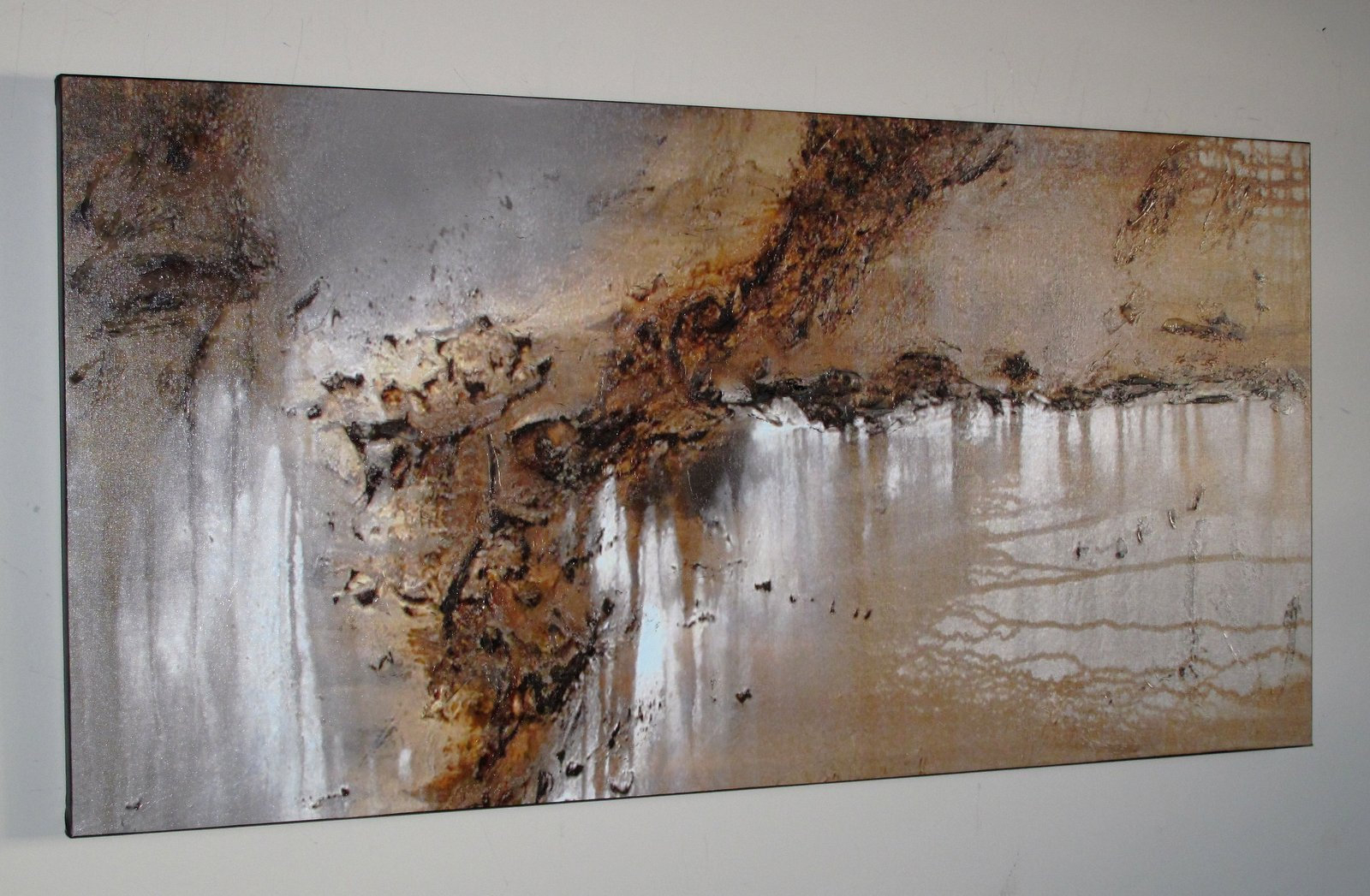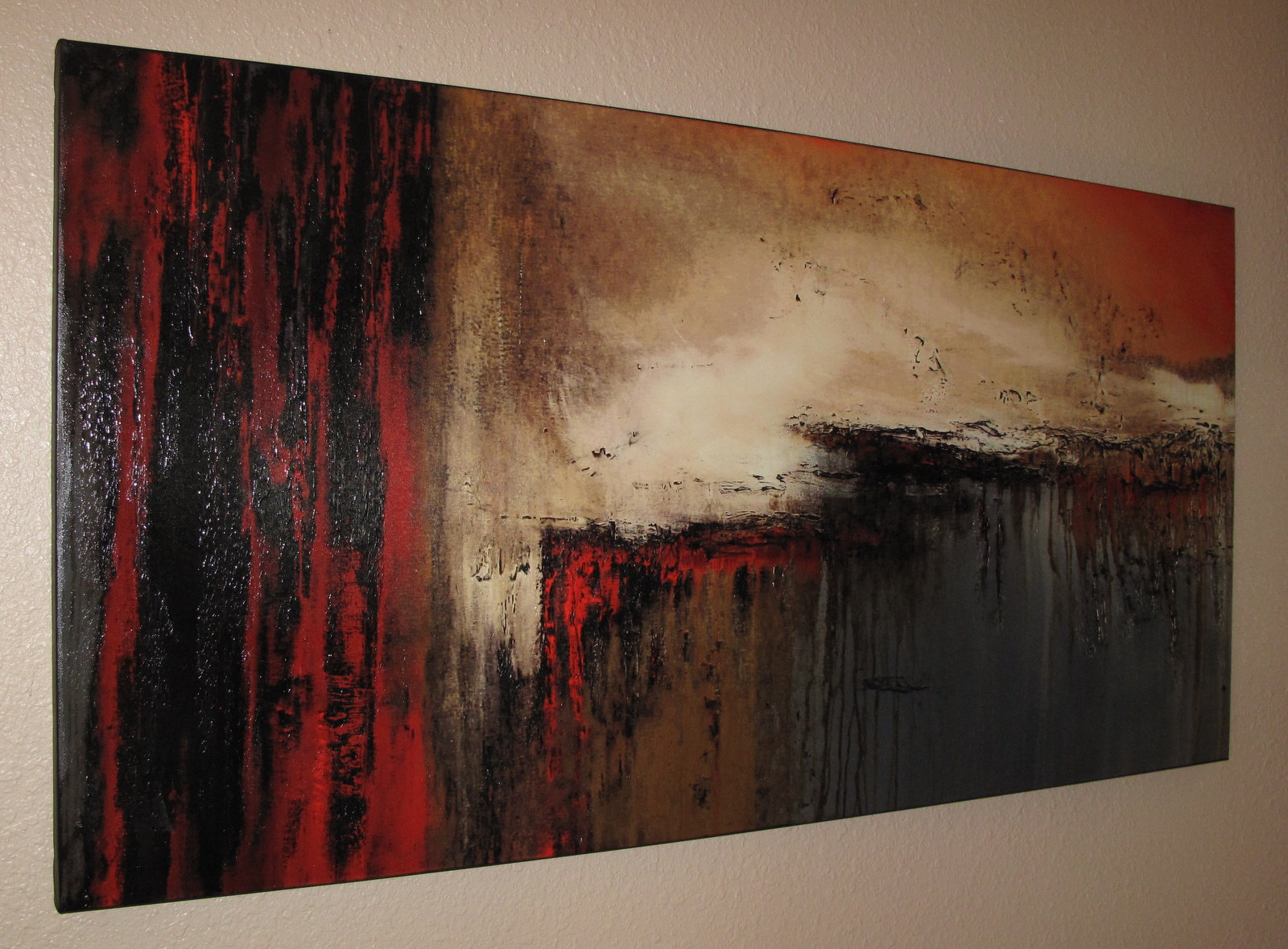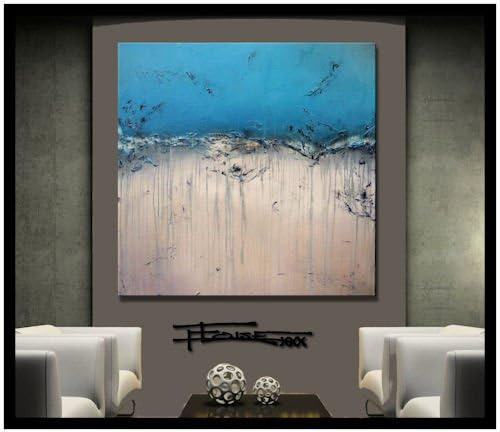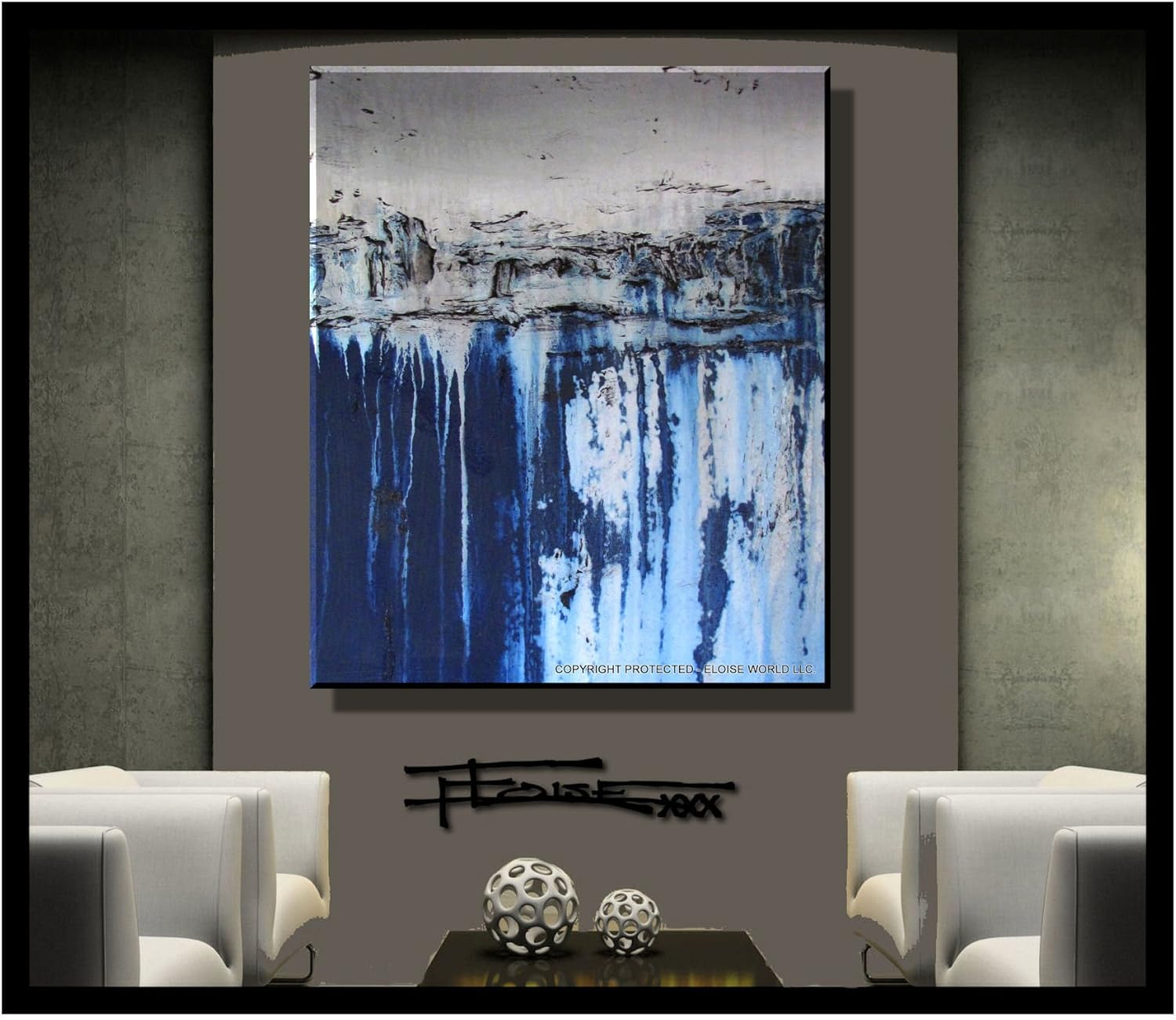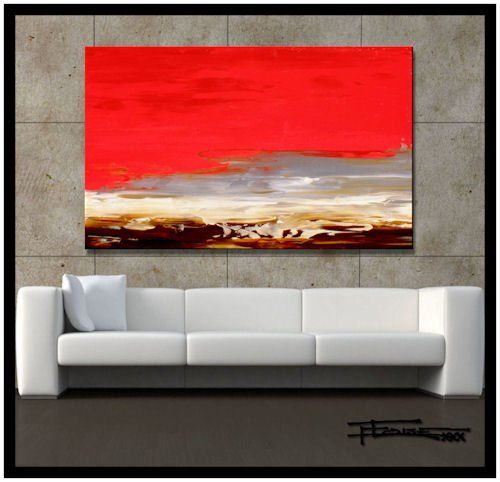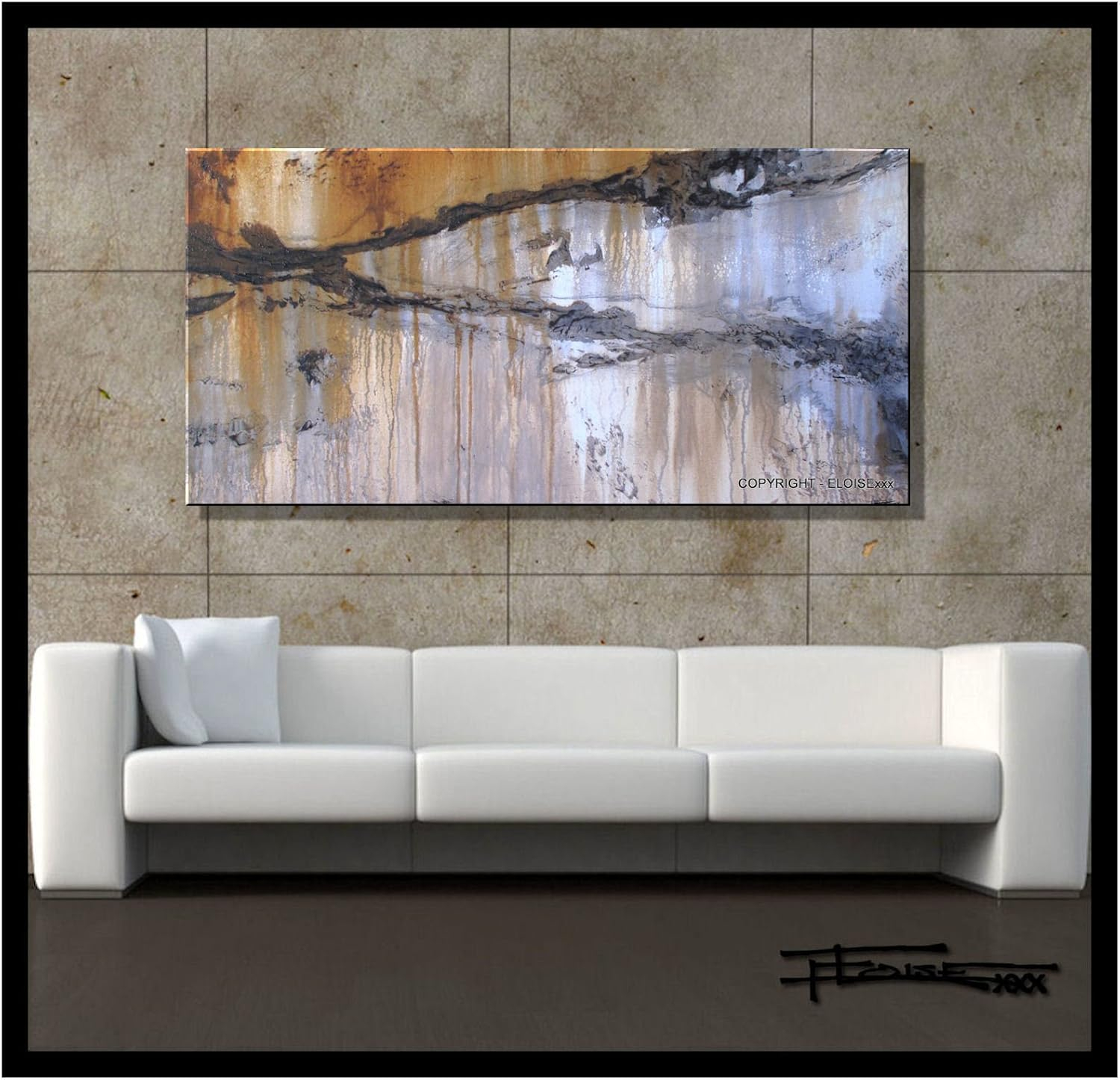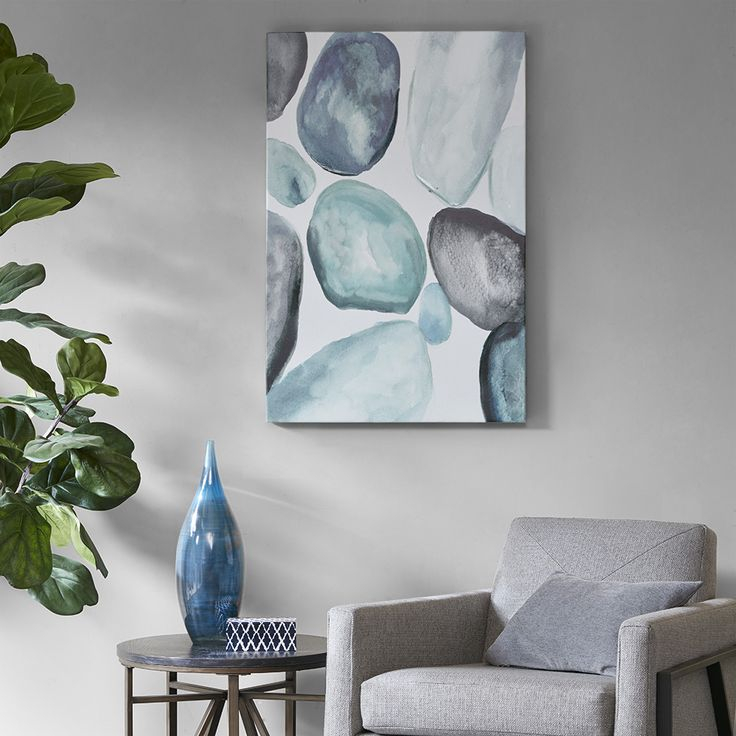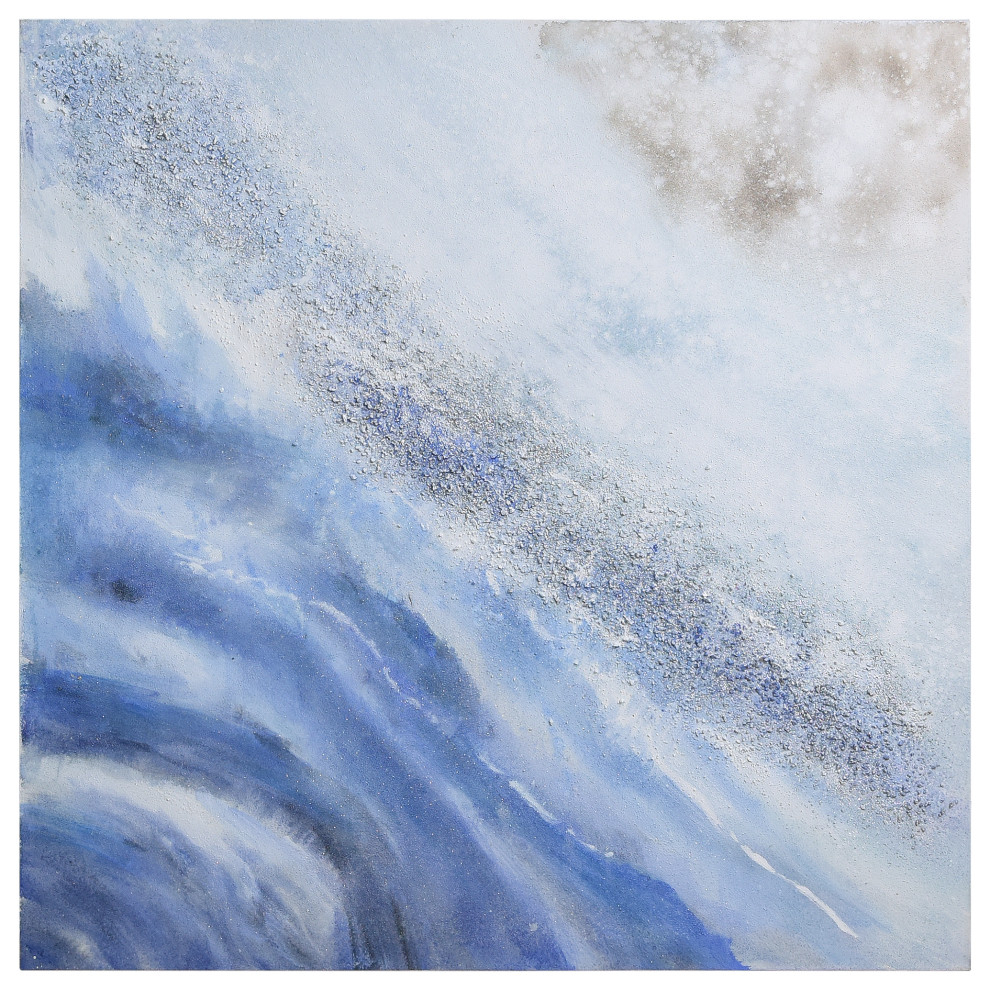
Have you ever stood in front of a painting so massive it felt like it could swallow you whole. That is the exact feeling people get when they walk up to one of Eloise Holbrook’s oversized pieces. It is not just about the raw size, though a canvas stretching six feet across definitely grabs your attention. It is about how these big spaces talk to us.
Art can sometimes feel like a secret club where you do not know the password. But Holbrook’s recent creations, especially her standout collections from 2025 and moving into 2026, do something different. They use everyday textures and city shapes to tell deeply human stories. Let us break down how this visual language actually works so you can see it too.
The Power of Massive Scale
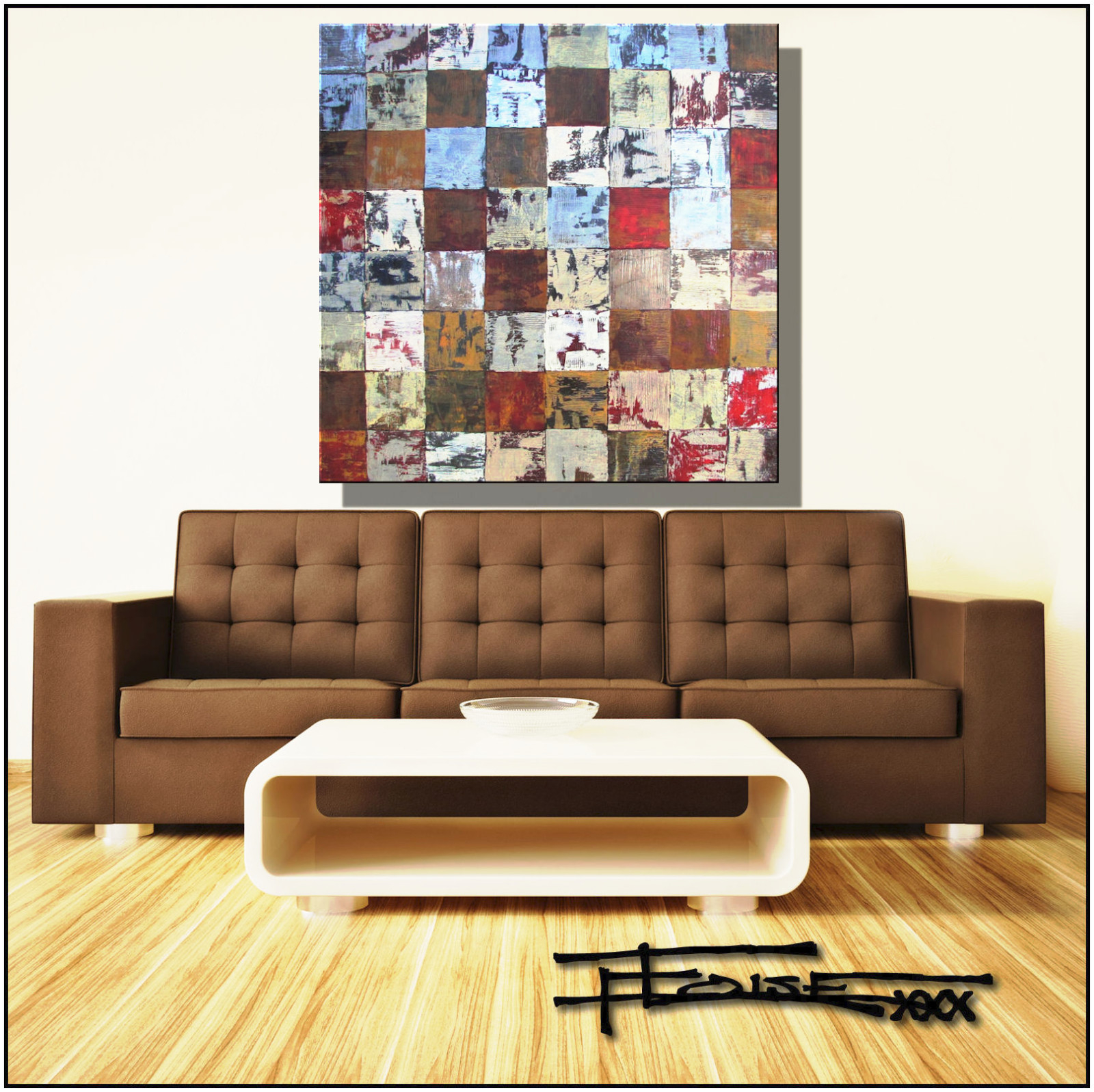
When an artist decides to paint on a giant canvas, it changes everything about how we look at the art. With Holbrook’s mixed media work, the sheer size forces you to move your whole body just to see the entire thing. You cannot take it all in with just one quick glance, and that is completely by design.
Standing close to these pieces feels like standing right next to a huge building in a busy downtown area. The art surrounds your vision. It stops being just a picture hanging on a wall and becomes an environment you are actively stepping into.
Finding the Hidden City Shapes
Look closely at pieces like Underground or Bridge Systems. At first, they might just look like beautiful explosions of messy paint. But if you let your eyes settle, secrets start to pop out from the background.
You will start to notice the faint, ghostly outline of a distant bridge or the sharp angle of a skyscraper. Holbrook loves to hide these industrial structures under heavy layers of paint. It feels a lot like looking through thick fog on a rainy morning, trying to find your way home.
The Secret Story Told by Colors
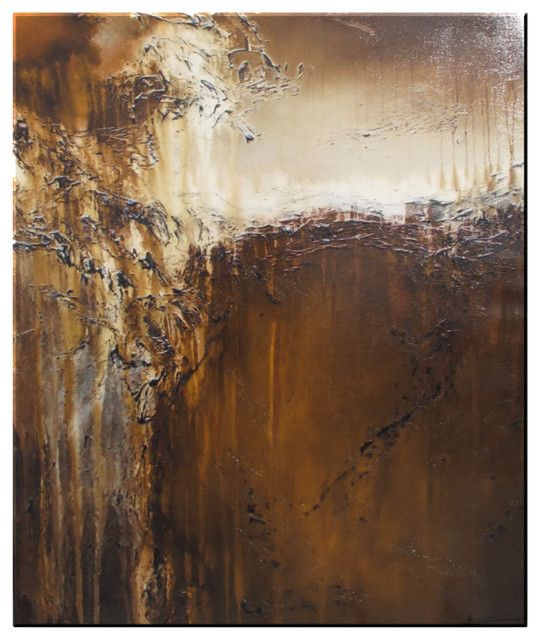
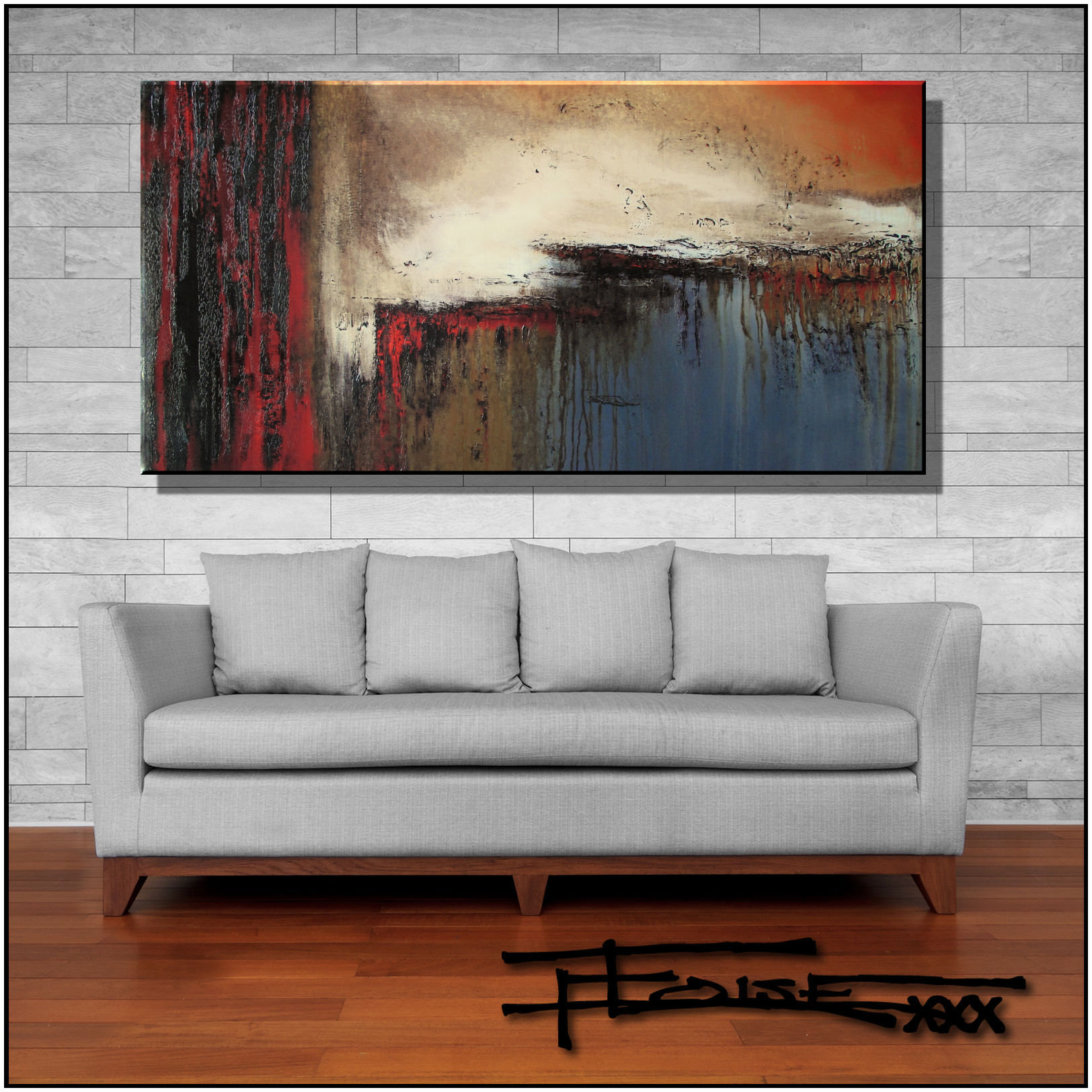
The colors chosen in these paintings tell their own heavy emotional story. Instead of bright, happy rainbows, Holbrook sticks to a very specific palette. Think of rich charcoal, dark rust, ember red, and warm burnt sienna.
- Charcoal and Gray: These tones bring the cold, hard reality of modern city streets.
- Rust and Ember Red: These shades add unexpected warmth and a sense of burning life.
- White and Beige: These lighter patches give your eyes a place to rest amid the chaos.
These choices are not random. They perfectly mimic the aging materials of our modern world, blending urban grime with deep emotional drama.
Touching with Your Eyes
One of the coolest things about Holbrook’s style is the physical texture. In her popular triptych Urban Oasis, the surface of the print is hand-textured and heavily embellished.
This means the paint physically sticks out from the canvas. When light hits the artwork from different angles throughout the day, the shadows change. The piece looks entirely different at noon than it does at sunset, making the art feel alive and constantly moving.
The Magic of Vivid Silence
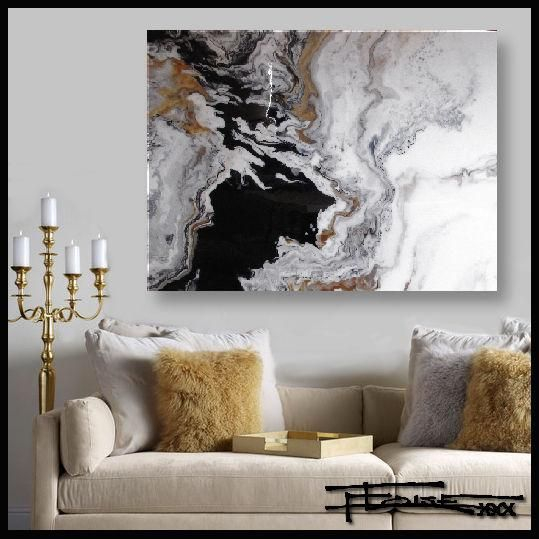
How can silence feel loud. Holbrook answers this question perfectly in her piece titled Echoes in Vivid Silence. It is a massive acrylic painting that uses empty space just as much as busy lines.
By leaving parts of the canvas relatively calm while others are packed with action, she creates a beautiful balance. It feels exactly like that peaceful moment you find in a quiet park right in the middle of a noisy, chaotic metropolis.
How to Analyze These Pieces on Your Own
You do not need a fancy degree to understand this stuff. The next time you look at a massive abstract piece, just try a few simple steps. First, note what you see immediately. Next, look at how the lines and shapes connect with each other.
Finally, think about how the colors make you feel inside. Art is all about your own personal interpretation. There are no wrong answers when a painting speaks to you.
Ultimately, deciphering Holbrook’s visual language shows us that modern cities are full of hidden beauty. The rust, the steel, and the quiet moments are all parts of our shared human experience.
By bringing these oversized bridgescapes and city outlines into a living room, we invite that electric energy inside. It reminds us that even in the middle of concrete and steel, there is always room for human emotion and art.