The studio is quiet save for the rhythmic scraping of a palette knife against gesso and the distant hum of traffic three stories below. Before you sits a blank, triple-primed cotton duck canvas stretched taut over kiln-dried pine. Your mind is cluttered with the residue of a week heavy with unspoken grievances, phantom anxieties, and fleeting moments of unexpected joy. Logic tells you to sketch out a structured grid, to map vanishing points and balance values with architectural precision. But logic has no currency here. You dip a wide, hog-bristle brush into raw umber and ultramarine, bypassing the brain entirely to let the physical weight of the arm record what words failed to capture at two in the morning.
This visceral transfer of internal psychological states into tangible pigments sits at the very heart of what defines expressive art. For decades, creators have utilized the canvas not merely as a surface for mimicry, but as a mirror for the subconscious. Research in behavioral psychology shows that just forty-five minutes of free-form, expressive mark-making measurably lowers cortisol levels in the human body, operating independently of artistic skill or technical training. When you strip away the pressure to produce a photorealistic record of the physical world, the studio transforms into a laboratory for emotional excavation.
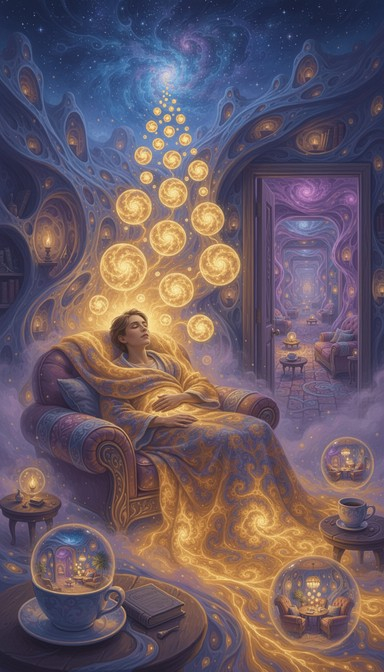
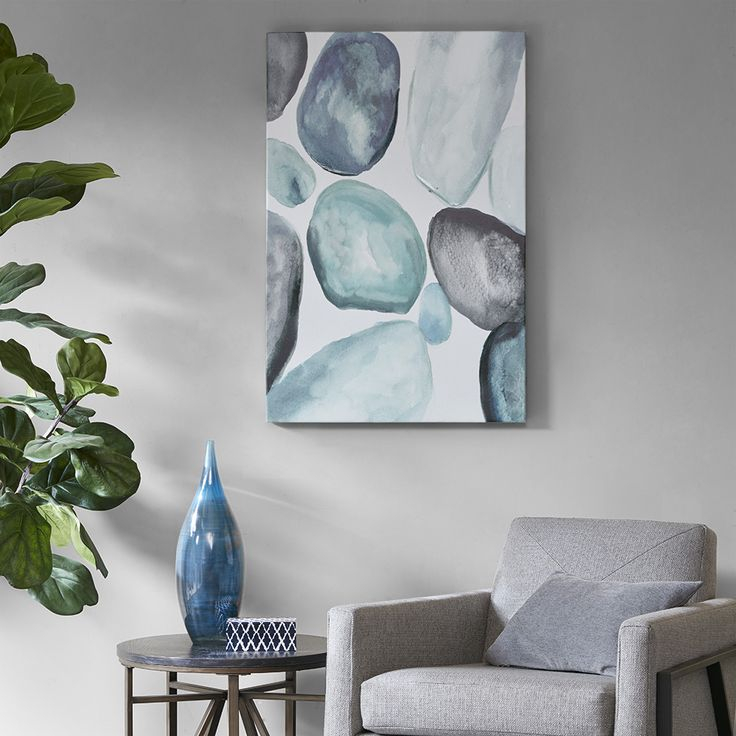
The Dreamscape I painting series emerged from this exact intersection of clinical stress relief and untamed imagination. Think of works like Rebecca Moy’s rhythmic columns of cool blues punctuated by jagged streaks of maroon and gold, or the deep psychological explorations found in Bernice Bing’s abstract interpretations of the subconscious. These aren’t just decorative wall hangings; they are visual maps of human interiority. They bypass cognitive filters, speaking directly to the viewer’s nervous system through color temperature, spatial ambiguity, and tactile texture. Mastering this methodology requires shifting your entire perspective on how an artwork is conceived, executed, and resolved.
The Psychology of Subconscious Aesthetics and Emotional Mapping
Every successful painting begins long before the first stroke hits the linen—it starts in the architecture of the artist’s current psychological state. When we talk about translating raw emotion into visual data, we are engaging in a process of visual semiotics where feelings are assigned physical properties. Grief is heavy, dense, and desaturated; anxiety is jagged, high-contrast, and hyper-focal; euphoria is luminous, fluid, and expansive. Understanding this internal lexicon is the first step toward mastering the Dreamscape series approach. You cannot paint what you have not identified, yet the paradox of emotional art is that the painting itself often helps you discover what you were feeling all along.
Carl Jung’s theories on the collective unconscious and active imagination heavily influenced generations of abstract expressionists who sought to bypass the conscious ego. In the context of contemporary creative practices, this means abandoning reference photos and instead closing your eyes to map the visual patterns of your current mood. Are your thoughts moving in tight, claustrophobic circles or drifting like low fog across an open field? By translating these kinetic qualities into paint consistency—heavy impasto versus fluid washes—you establish a direct neural link between hand and mind. The canvas ceases to be an external object and becomes an extension of the central nervous system.
Furthermore, the mechanics of color psychology play a massive role in this emotional translation. Cool blues and muted violets can induce a sense of contemplative detachment or melancholy, while sudden intrusions of cadmium red or metallic gold act as psychological disruptors, signaling trauma, breakthrough, or unexpected clarity. In the Dreamscape I framework, the interplay between these contrasting elements creates a tension that mirrors the complexity of human experience. You are not trying to paint a pretty picture; you are trying to capture the authentic friction of being alive. This requires a profound vulnerability, forcing the creator to confront their internal weather and render it visible without editorializing or sanitizing the messiness of the human condition.
Materiality, Texture, and the Mechanics of the Surface
An emotional landscape cannot live on a flat, lifeless surface. The physical structure of your canvas and the mediums you choose must participate in the storytelling. Working within the Dreamscape methodology demands a tactical approach to materiality, where every layer of gesso, sand, pumice, or heavy-bodied acrylic gel serves as a geological record of your emotional state. If a particular day was marked by frustration, building up thick ridges of molding paste with a metal spatula provides the necessary physical catharsis. Conversely, periods of vulnerability call for thinned-down oil glazes and watercolor-like acrylic washes that pool and bleed organically across the grain.
Consider the physical interaction between the tools and the substrate. Standard nylon brushes often create uniform, predictable marks that can sterilize expressive intent. To counter this, practitioners of emotional abstract art frequently incorporate unorthodox instruments: silicone wedge shapers, coarse sea sponges, credit cards, palette knives, and even bare hands. These tools remove the muscle memory of traditional drawing, forcing a level of raw, unpolished engagement with the medium. When you drag a heavily loaded palette knife across a bed of wet gel medium, the resulting ridges and valleys trap light and shadow, giving the painting a shifting, three-dimensional quality that changes depending on the angle of the room’s illumination.
The choice of substrate also dictates how emotion is received and retained. While standard stretched cotton canvas is accessible, heavy-duty linen provides a tighter weave and superior tensile strength, allowing you-the-artist to aggressively beat, scrape, and layer paint without sagging. Preparing this surface is a ritualistic act in itself. Applying multiple coats of acrylic gesso, sometimes sanding sections back down to reveal raw canvas underneath, sets up a dialogue between control and surrender. Every physical choice—from the tooth of the paper or linen to the viscosity of the paint—acts as a conduit for the specific emotional frequency you are attempting to immortalize on the surface.
A Step-by-Step Blueprint for Executing Your Dreamscape Canvas
Moving from abstract internal feelings to a resolved, cohesive painting requires a structured methodology that still leaves room for intuitive accidents. The following field-tested framework guides you through the creation of a powerful emotional artwork without suffocating its spontaneity.
- Step 1 (The Emotional Audit and Ground Layer): Spend ten minutes in complete silence before touching a brush, identifying the dominant physical sensation of your current mood. Mix a monolithic ground color—such as a deep indigo or burnt sienna mixed with black—and cover the entire canvas rapidly, using broad, sweeping motions to eliminate the intimidation of the white space.
- Step 2 (Establishing Spatial Ambiguity and Depth): While the base layer is still wet, introduce contrasting atmospheric values using rags or large mops. Create soft-edged horizons or nebulous clouds of color that suggest vastness or enclosure, depending on whether your emotion requires breathing room or containment.
- Step 3 (Introducing Kinetic Friction and Texture): Apply structural mediums like pumice gel or coarse molding paste in areas where you feel emotional blockages or friction. Scratch, gouge, or press found objects into the wet paste to create scars and tactile landmarks that anchor the composition.
- Step 4 (The Intuitive Mark-Making Phase): Switch to smaller brushes, oil sticks, or graphite pencils to add rapid, instinctual gestures. Allow your hand to move quickly without second-guessing; let these marks represent sudden thoughts, memories, or energetic surges that disrupt the calm of the background.
- Step 5 (Balancing, Glazing, and Resolution): Step back across the room to assess the compositional weight and emotional resonance. Apply translucent glazes of complementary colors to push chaotic elements back into the atmosphere, establishing a focal point where the viewer’s eye can finally rest and process the visual narrative.
Navigating Common Pitfalls and Practitioner Workarounds
Translating complex psychological states into visual art is fraught with traps that can easily derail a piece or leave you feeling frustrated with the result. Recognizing these common missteps early saves valuable time and prevents the destruction of otherwise promising canvases.
- Pitfall 1 (Overworking and Murdering the Canvas): Staring at a painting for too long often triggers an obsessive urge to fix every perceived flaw, resulting in a muddy, overworked surface. Workaround: Set a strict kitchen timer for thirty-minute working blocks, and physically leave the room when it goes off to let layers dry and force fresh eyes upon return.
- Pitfall 2 (Literal Illustration of Feelings): Trying to paint a literal representation of "sadness" using clichés like a lone teardrop or a drooping flower kills the ambiguity that makes dreamscape art powerful. Workaround: Force yourself to rely entirely on color relationships, texture, and abstract geometry to convey the weight of the feeling rather than relying on recognizable symbols.
- Pitfall 3 (Fear of Negative Space): Filling every square inch of the canvas out of anxiety that the composition will look "unfinished" or empty. Workaround: Treat negative space as an active character in the emotional narrative; stillness and breathing room are often where the deepest psychological impact occurs.
- Pitfall 4 (Using Weak, Incompatible Materials): Mixing cheap, student-grade paints with heavy structural gels often leads to cracking, flaking, or dull, chalky drying states. Workaround: Invest in professional-grade heavy-body acrylics and archival mediums that maintain their structural integrity and color vibrancy over decades.
- Pitfall 5 (Emotional Exhaustion and Burnout): Pushing through deep trauma or severe emotional distress in the studio until the process becomes re-traumatizing rather than healing. Workaround: Treat the canvas as a conversational partner, not a therapist; if the work becomes too heavy, step away and return when you have regained emotional distance.
The Broader Impact and Economic Value of Authentic Emotional Art
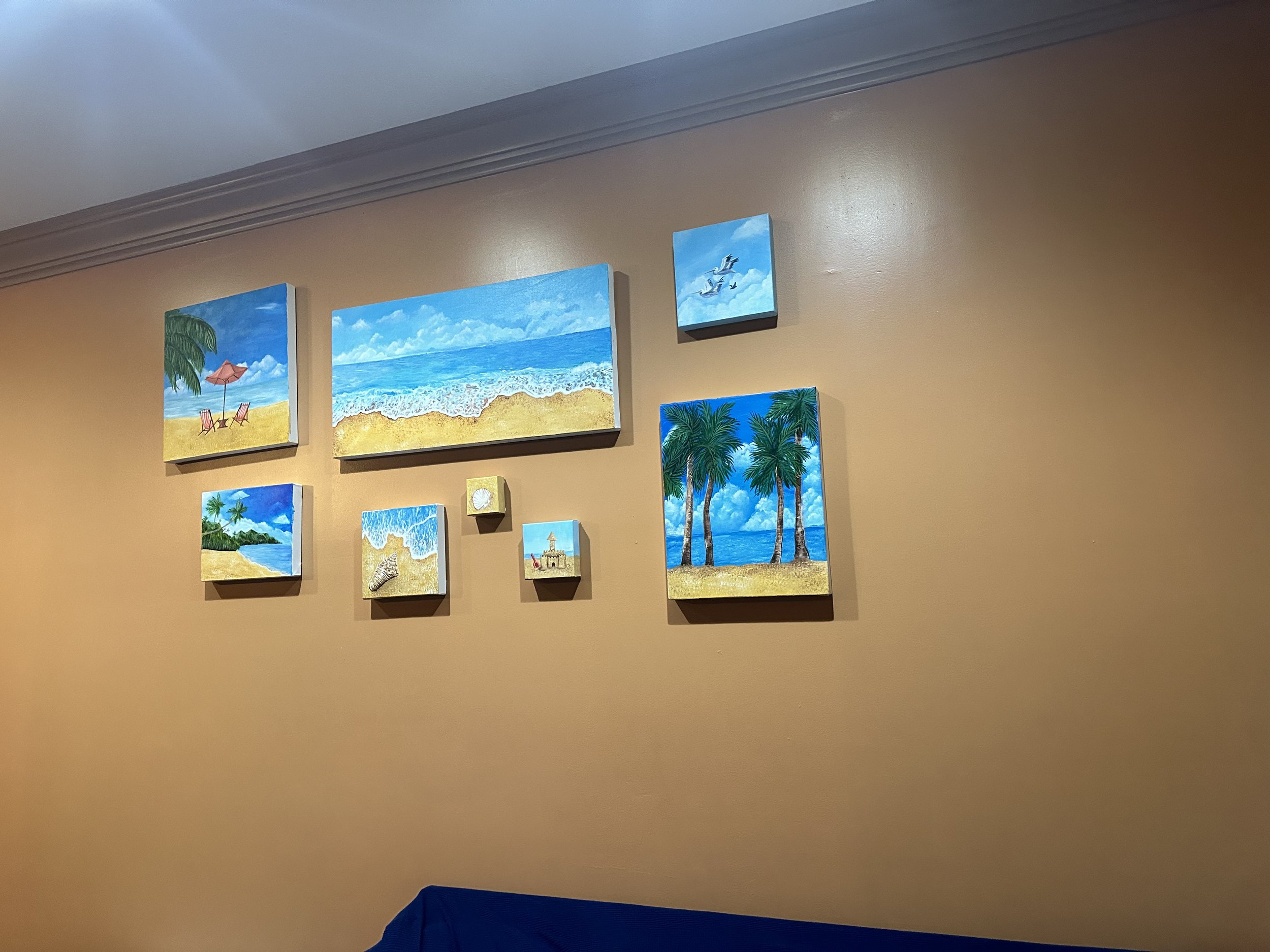
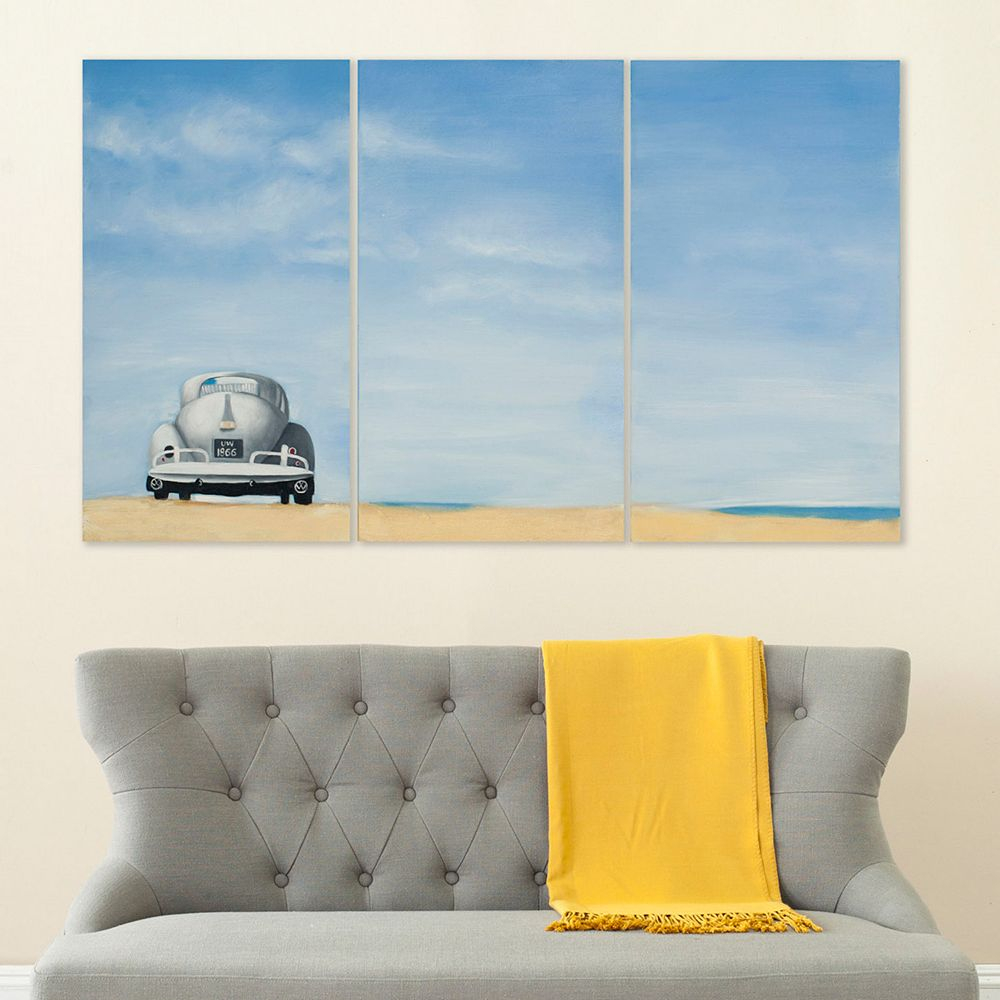
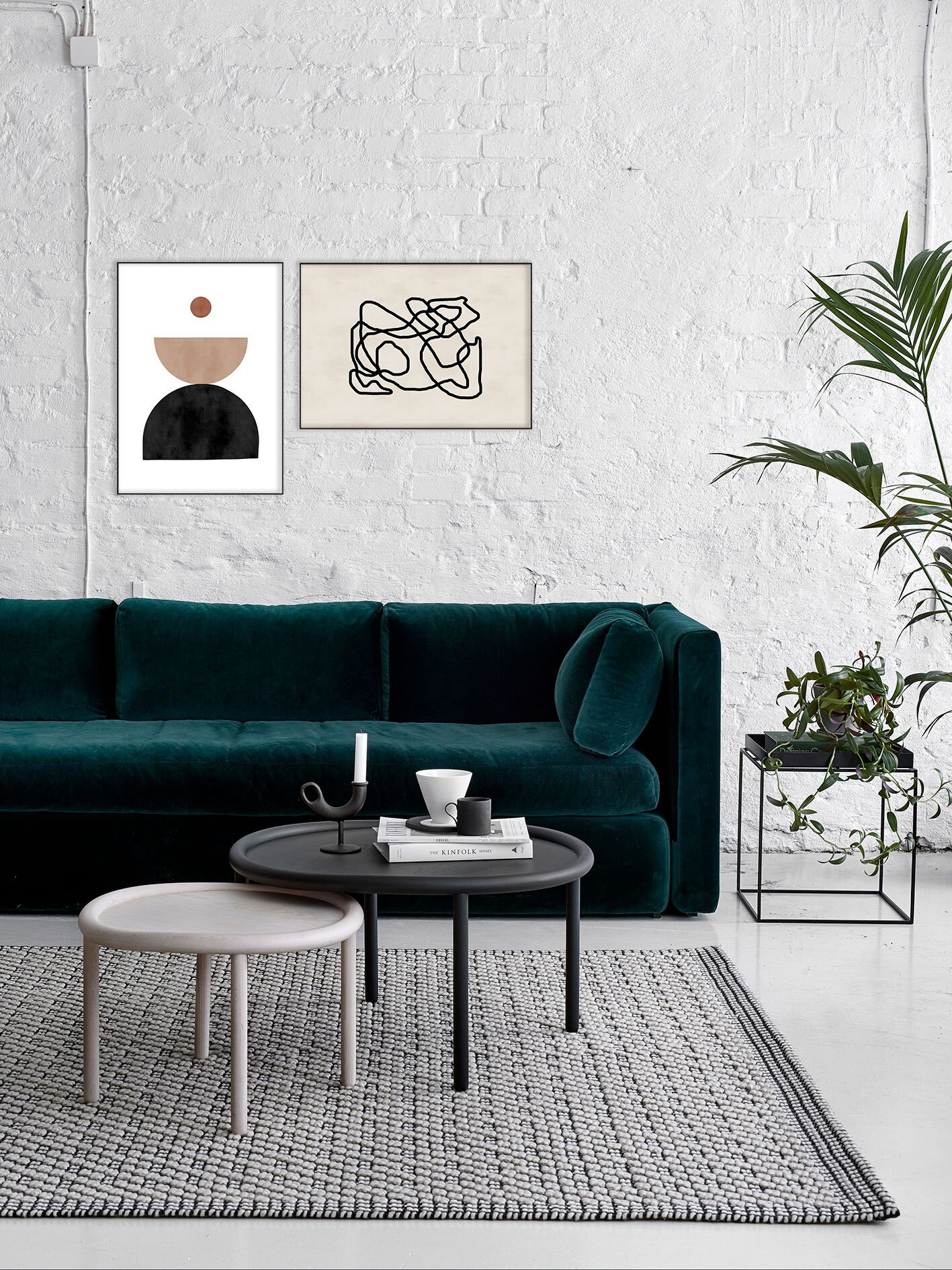
In an era dominated by hyper-processed digital media and algorithmic perfection, authentic, deeply emotional hand-painted works carry an unprecedented cultural and economic value. Collectors and art enthusiasts are increasingly drawn to pieces that offer a glimpse into genuine human vulnerability. A well-executed dreamscape painting does not just match a living room couch; it acts as a psychological anchor for the space it inhabits. When a buyer hangs a piece born from authentic emotional translation, they are inviting a living, breathing dialogue about the human condition into their daily environment.
This demand has transformed emotional abstract series into powerful vehicles for personal branding and artistic longevity. Creators who master the ability to articulate complex internal states develop a signature visual language that stands out in crowded digital marketplaces and physical galleries alike. The economic viability of these collections relies on the artist’s ability to communicate the narrative behind the brushstrokes—transforming the physical canvas into an immersive experience for the collector. Patrons are no longer just buying pigment on linen; they are investing in a shared emotional vocabulary that validates their own internal experiences.
Furthermore, the practice of creating these series ripples outward, influencing broader cultural conversations around mental health, mindfulness, and creative expression. As art therapy gains widespread recognition as a legitimate psychological intervention, the boundary between fine art and emotional processing continues to blur. Artists working within these specialized frameworks find themselves positioned at the forefront of a cultural movement that values authenticity, emotional literacy, and tactile creation over sterile digital output. The canvas becomes a public monument to private resilience, proving that our deepest struggles can be alchemized into enduring beauty.
Strategic Recommendations for Developing Your Own Series
Building a cohesive painting series requires more than just producing random emotional outbursts on canvas; it demands a disciplined framework that unites disparate pieces under a singular conceptual umbrella. If you are embarking on your own version of a dreamscape collection, adopting a strategic approach ensures your work maintains professional integrity and visual impact.
- Recommendation 1 (Establish a Unified Palette Constraint): Limit your primary color palette to three or four core hues for an entire series to create visual cohesion across multiple canvases, allowing subtle variations in shade and texture to carry the emotional weight.
- Recommendation 2 (Maintain Consistent Scale and Format): Work on standardized canvas sizes—such as square formats or large vertical rectangles—to establish a rhythmic continuity when the pieces are eventually exhibited together in a gallery or collector’s home.
- Recommendation 3 (Document the Creative Process): Keep a detailed studio journal recording the psychological catalysts, material combinations, and emotional milestones behind each piece, providing valuable narrative context for future collectors and curators.
- Recommendation 4 (Embrace Serendipity and Happy Accidents): Allow paint runs, accidental drips, and unexpected color mixing to remain visible in the final piece rather than aggressively painting over them, as these unplanned moments often capture the truest essence of the subconscious.
- Recommendation 5 (Curate and Edit Ruthlessly): Not every canvas deserves to be finished or shown; be willing to paint over unsuccessful pieces or cut down damaged linen to repurpose the materials for future breakthroughs.
The journey from a cluttered mind to a resolved, resonant canvas is rarely straightforward, and that is precisely where its true value lies. When you commit to translating your raw emotional landscape into physical materials, you abandon the safe harbor of perfectionism and step into the unpredictable territory of authentic creation. The Dreamscape I series serves as a reminder that our heaviest feelings—fear, grief, wonder, and longing—do not need to be hidden away or intellectualized out of existence. They can be mixed with pigment, scraped across linen, and transformed into something that not only heals the maker, but deeply moves everyone who stands before it.
As you return to your own studio table or easel, leave behind the urge to please an imaginary critic or conform to rigid aesthetic rules. Pick up a tool that feels slightly too large for your comfort, choose a color that matches the pulse of your current mood, and let the canvas bear witness to what words cannot hold. The work is waiting, and the space between your internal world and the physical surface is entirely yours to bridge.