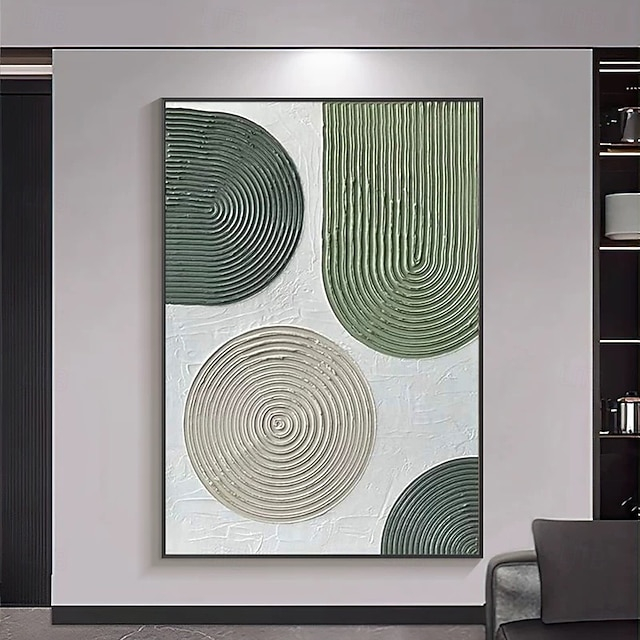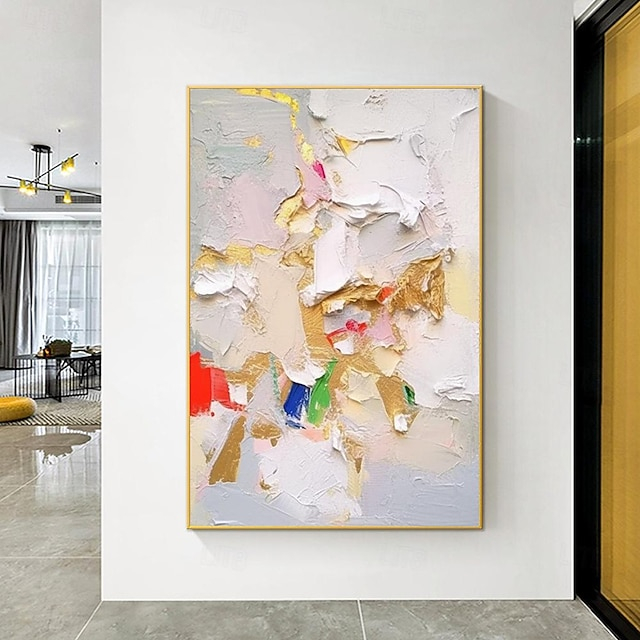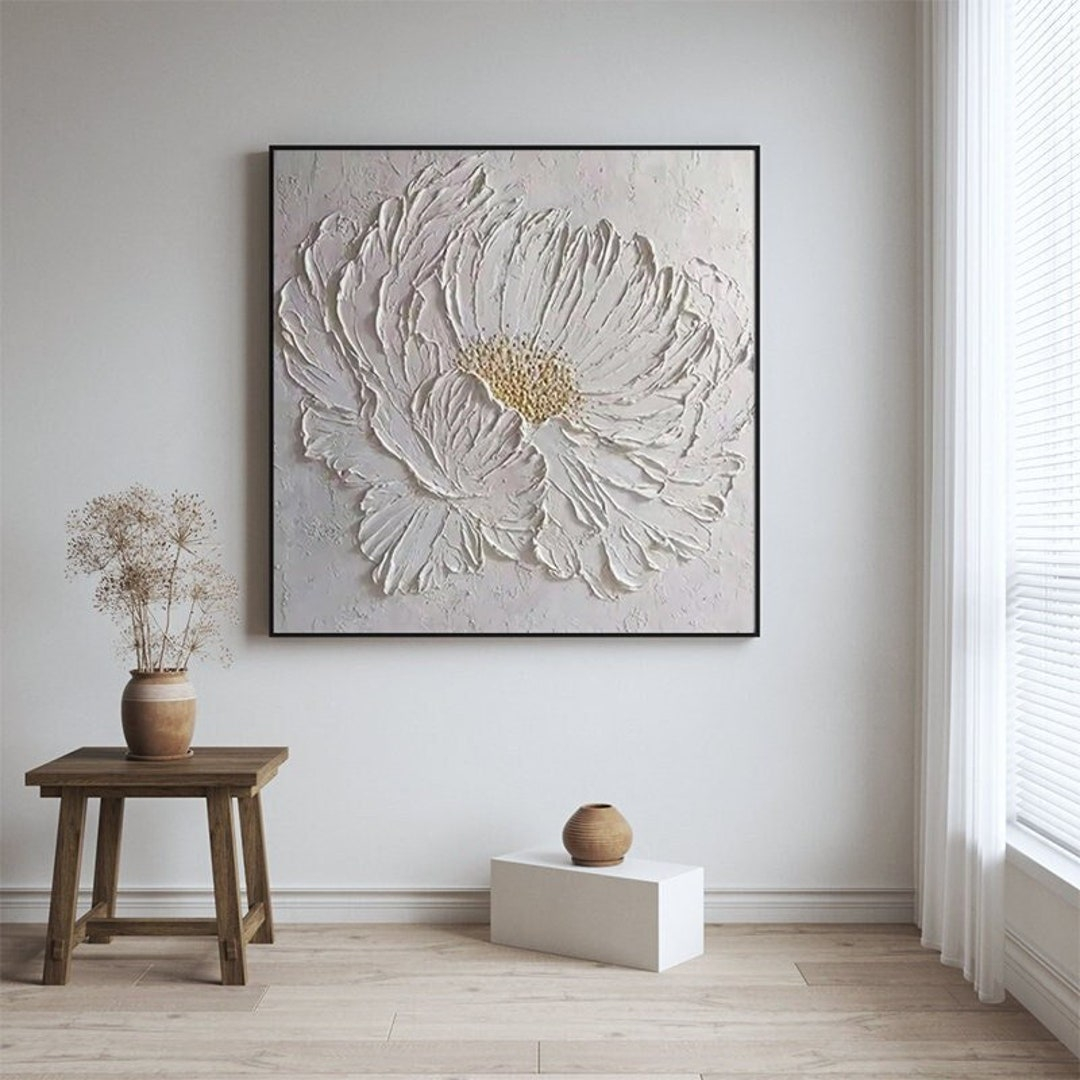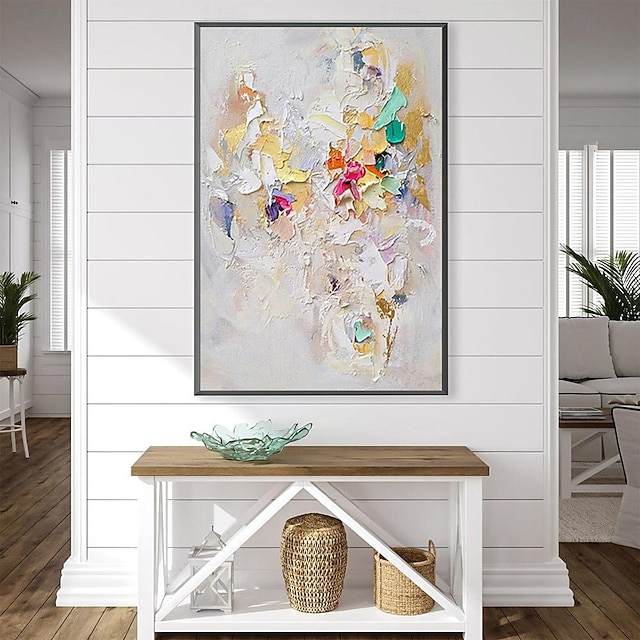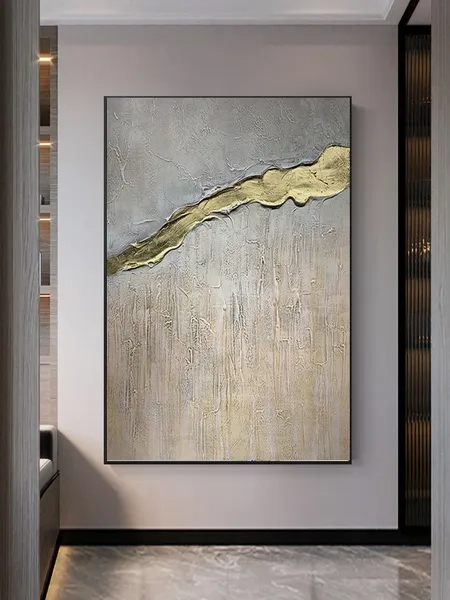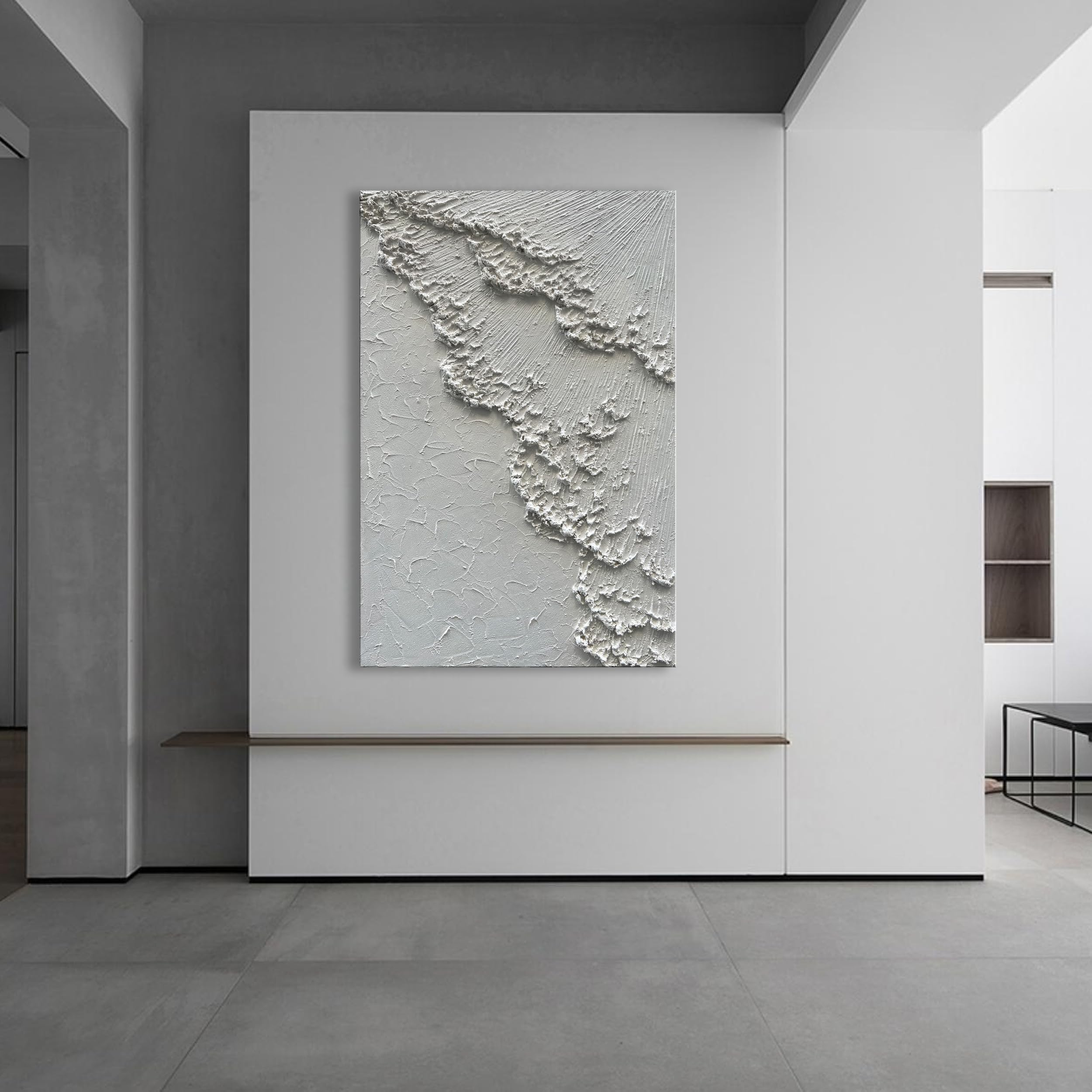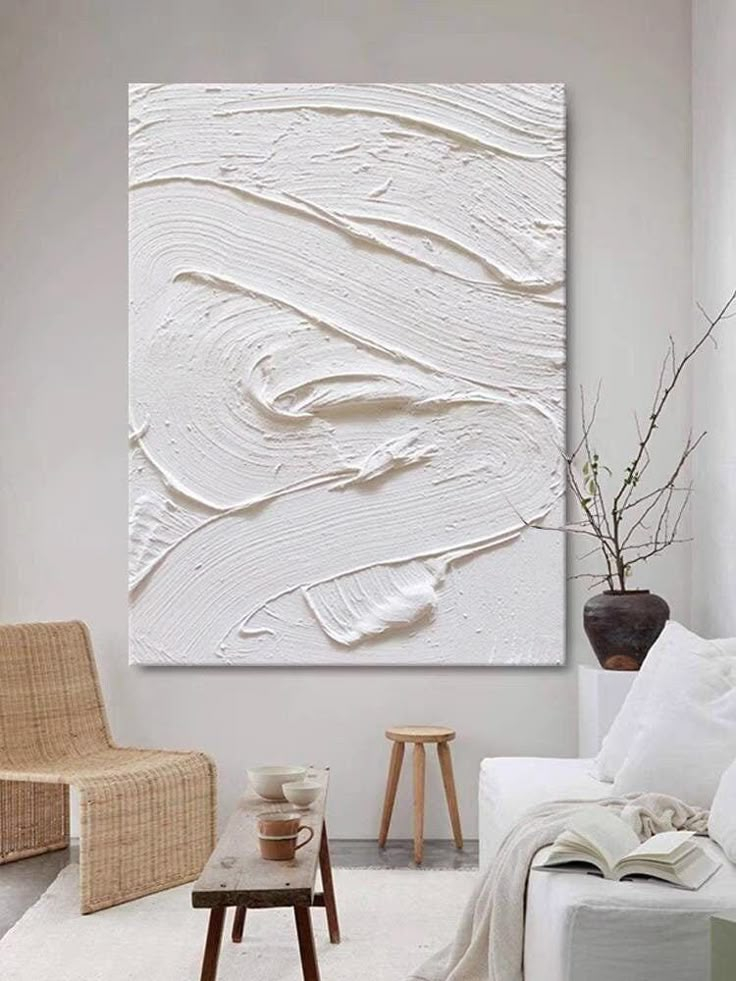
Have you ever brought home a massive canvas, propped it against the living room wall, and immediately felt like the entire room just shrunk by half? It is a startling moment. Suddenly, your cozy sitting area feels less like a sanctuary and more like a storage unit for a museum exhibit.
Large art has a magnetic pull. It draws every ounce of attention the second anyone walks through the door. But when you are dealing with wide format pieces, the sheer scale can easily bully the surrounding furniture and swallow your natural light. You want a statement, not a claustrophobic trap.
Let Your Walls Breathe
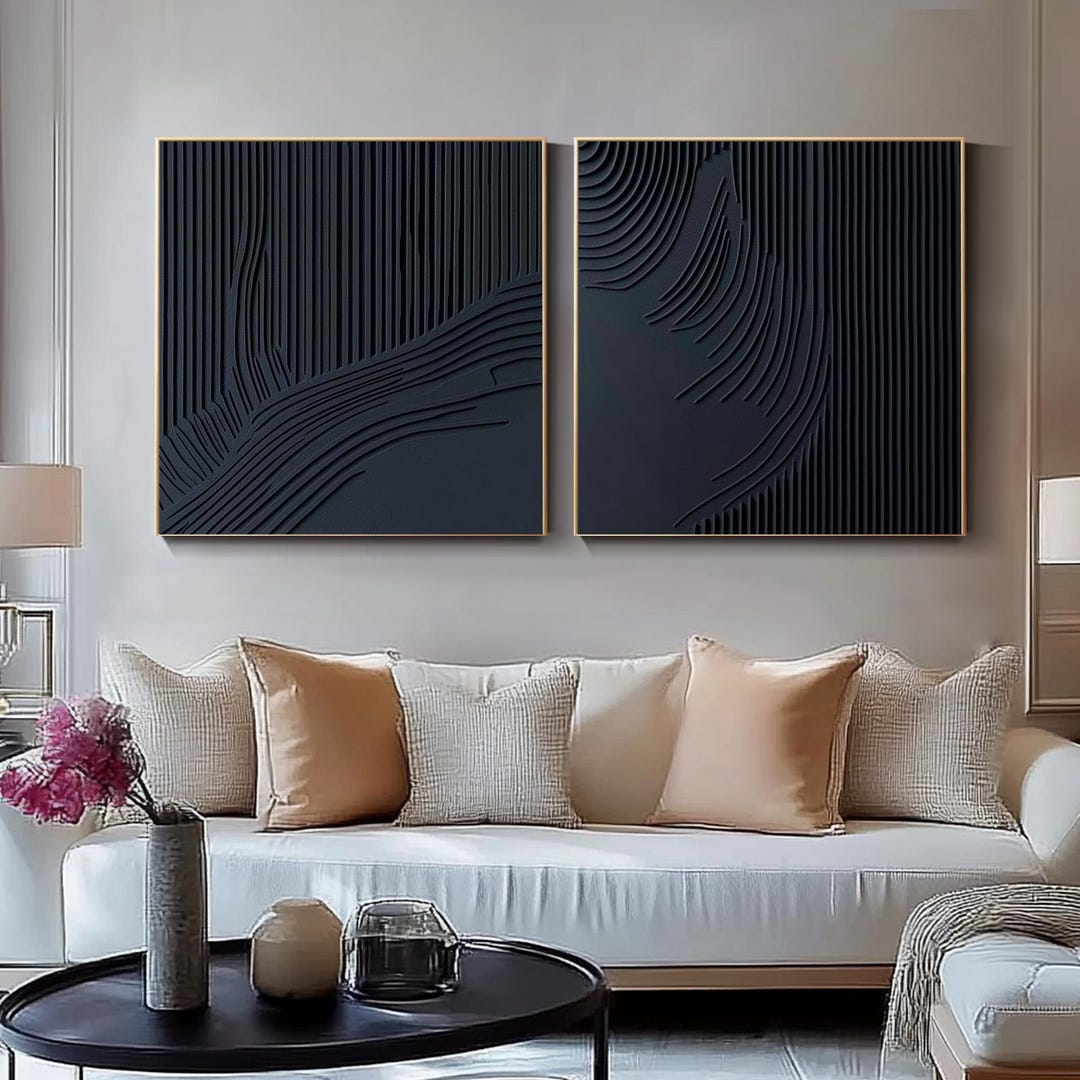
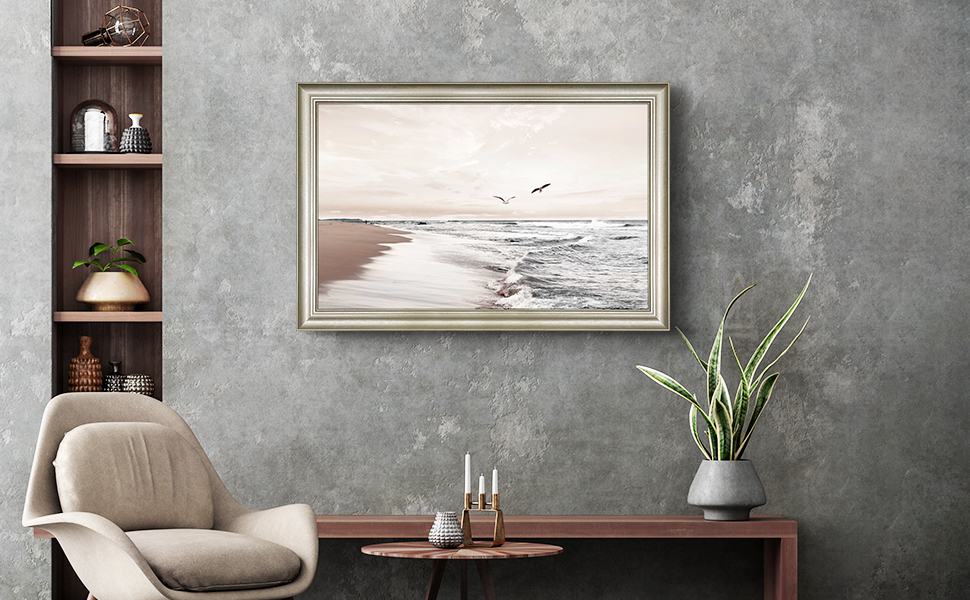
Negative space is your best friend when hanging a wide horizontal piece. If a canvas stretches nearly the entire length of your sofa, you need to leave generous breathing room on both the left and right sides. Cramming a frame into a tight corner makes the whole layout feel trapped.
Try to center the artwork with plenty of blank plaster framing the edges. This empty buffer zone tells the brain that the room is expansive, even if the actual square footage is modest. Think of the wall space as a deep breath in and a long exhale out.
Anchor the Art with the Right Furniture
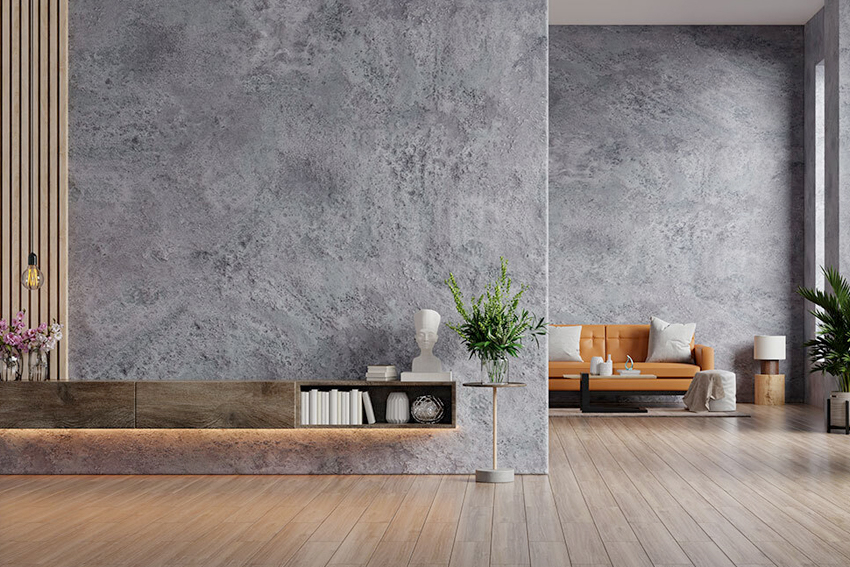
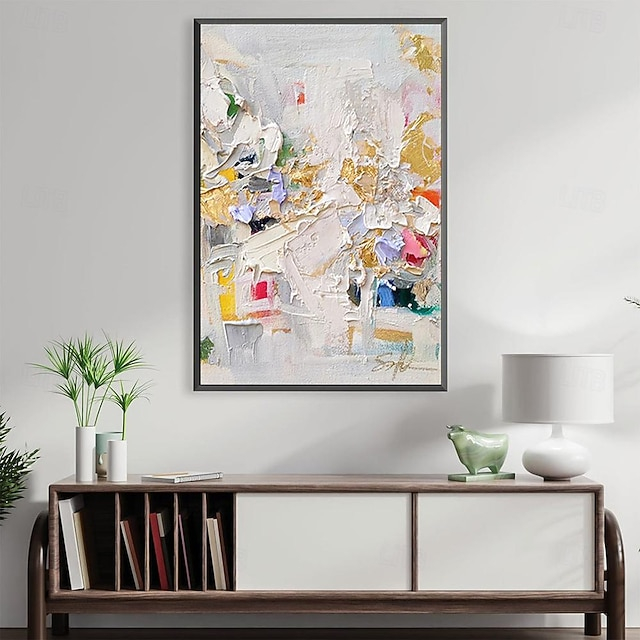
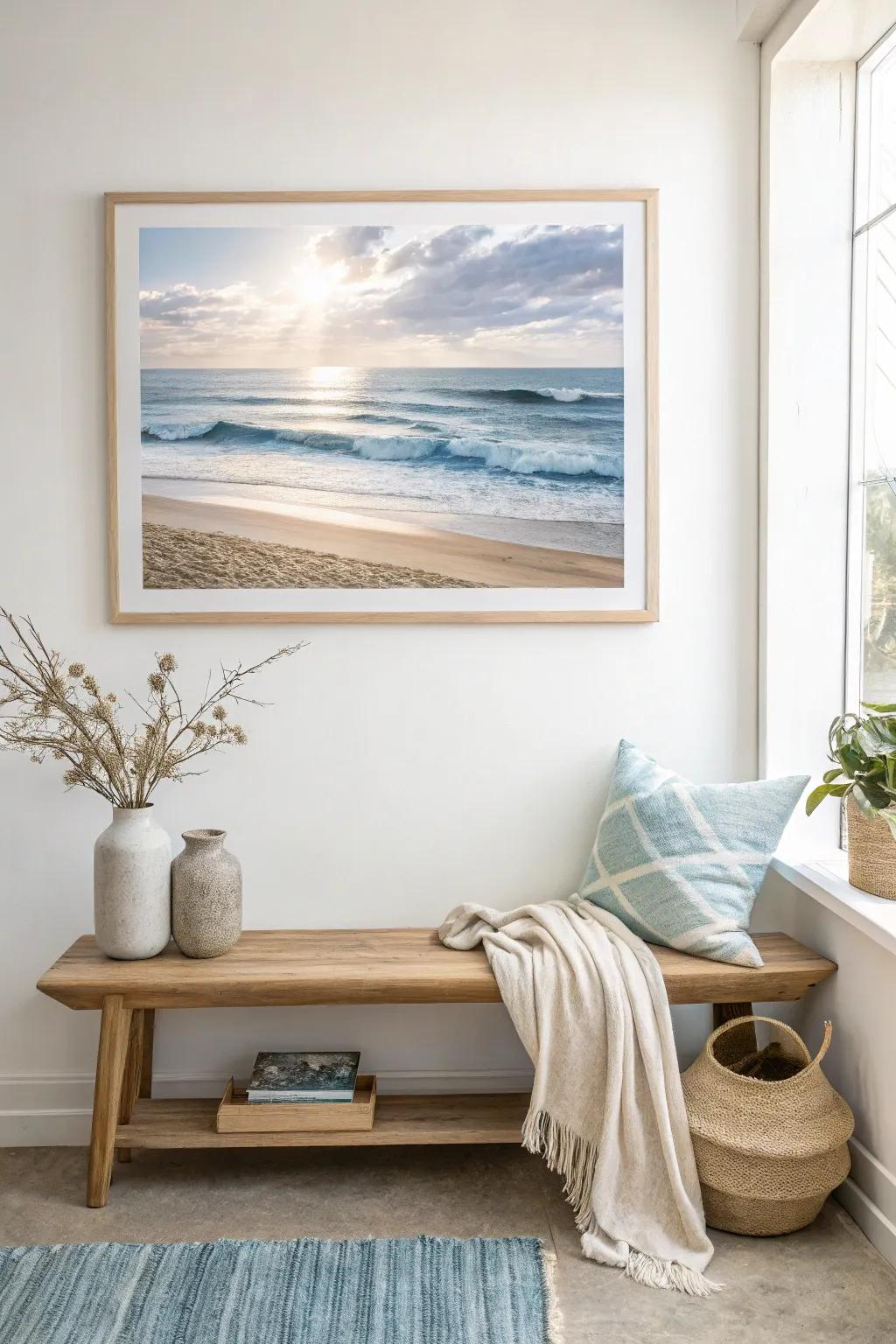
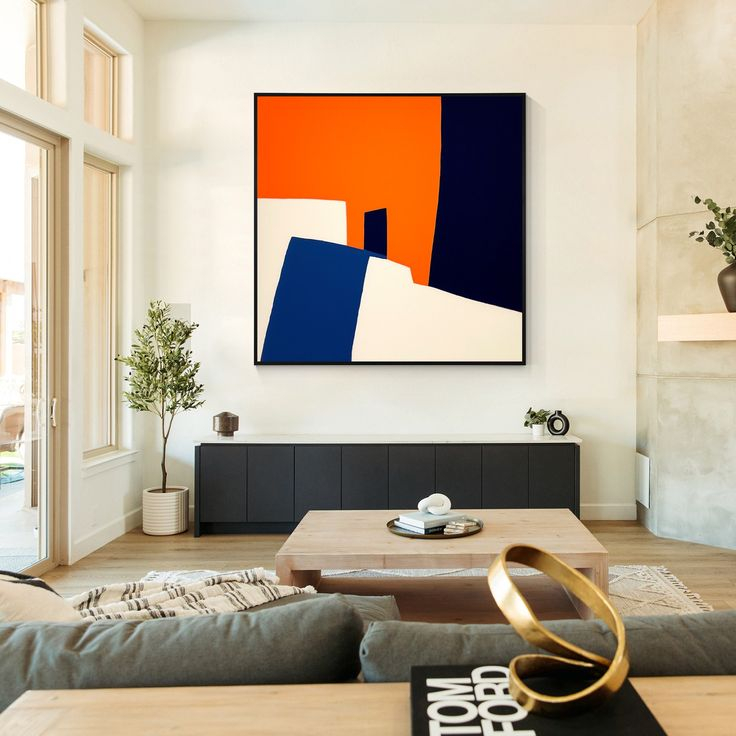
Hanging a gigantic print high up on an empty wall without anything underneath it usually looks floating and disconnected. Instead, tie the artwork down by placing a low-profile piece of furniture directly beneath it. A long credenza, a simple wooden bench, or a sleek console table works wonders.
The key is keeping that furniture lower to the floor. If your credenza is too tall, it will compete with the bottom edge of the art. By keeping the base furniture low, you create a stable visual foundation that grounds the wide canvas effortlessly.
Play with Muted Tones and Soft Textures
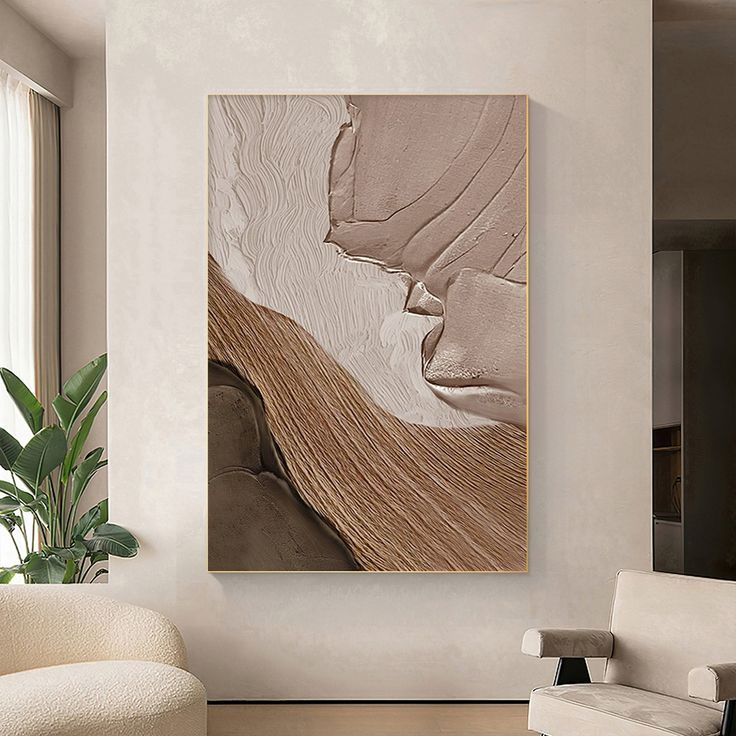
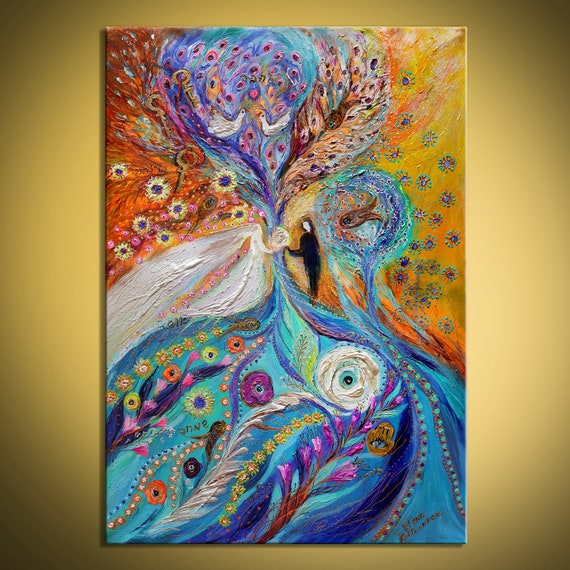
Color choice plays a massive role in how heavy a large piece feels. A wide abstract painting packed with neon reds and dark blacks will shout at you from across the room. If you want to keep your walls feeling light, lean toward soft earth tones, muted watercolors, or minimalist line drawings.
Texture also tricks the eye. Instead of a thick, heavy layer of shiny acrylic paint, consider a stretched linen canvas or a framed textile piece. These softer materials absorb light rather than reflecting it loudly, keeping the overall vibe calm and open.
Use Lighting to Expand the Horizon
Shadows and glare can make a massive frame look bulky and aggressive. Instead of blasting a single harsh spotlight right onto the center of the canvas, try using subtle picture lights or washing the entire wall with soft, indirect ambient illumination.
Positioning slim sconces on either side of the wide format art can also trick the eye into seeing a broader perspective. When the light stretches outward, the wall naturally feels wider and less confined by the physical edges of the frame.
Ditch the Heavy Frames
A thick, ornate wooden border can add ten visual pounds to an already massive artwork. When styling wide formats in smaller or medium-sized rooms, go for a minimalist frame or a simple gallery wrap. Floating frames with a very thin profile create a sense of depth without adding extra bulk.
If you really want to keep things airy, leave the canvas unframed entirely if the style permits. This modern look lets the artwork blend seamlessly into the painted drywall, removing any harsh physical boundaries that might box the room in.
When one wall holds a giant visual anchor, the rest of the space needs to quiet down. Resist the urge to clutter the opposite walls with busy photo collages or crowded shelves. Let the wide format piece hold the spotlight while the surrounding decor steps back.
You can balance the heavy visual weight by keeping surrounding surfaces relatively clean. A simple plant in the corner or a single lamp on a side table is often more than enough to complete the room without causing sensory overload.
Big art does not have to mean a cramped room. By giving your wide format pieces room to stretch, anchoring them properly, and keeping frames light, you can completely transform your space without losing an inch of visual airiness.
Take a step back, look at your walls with fresh eyes, and remember that sometimes the best way to make a statement is to let the room speak softly around it.