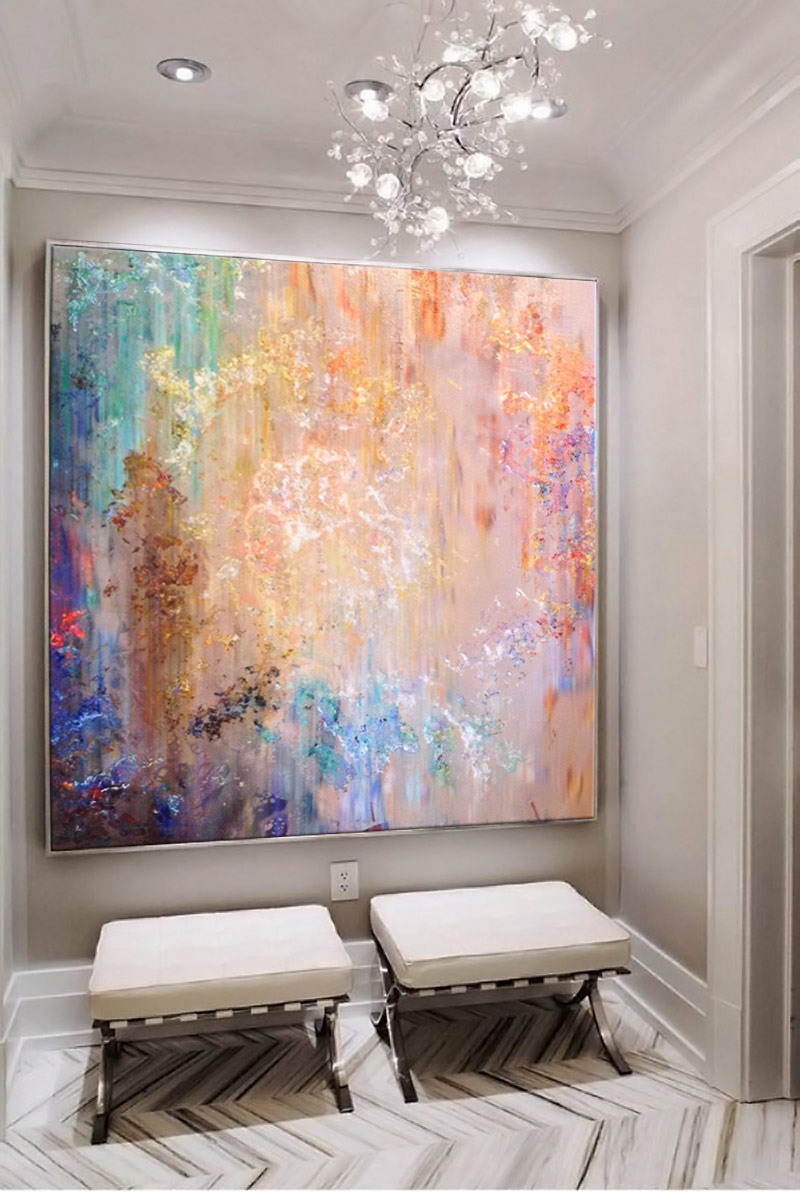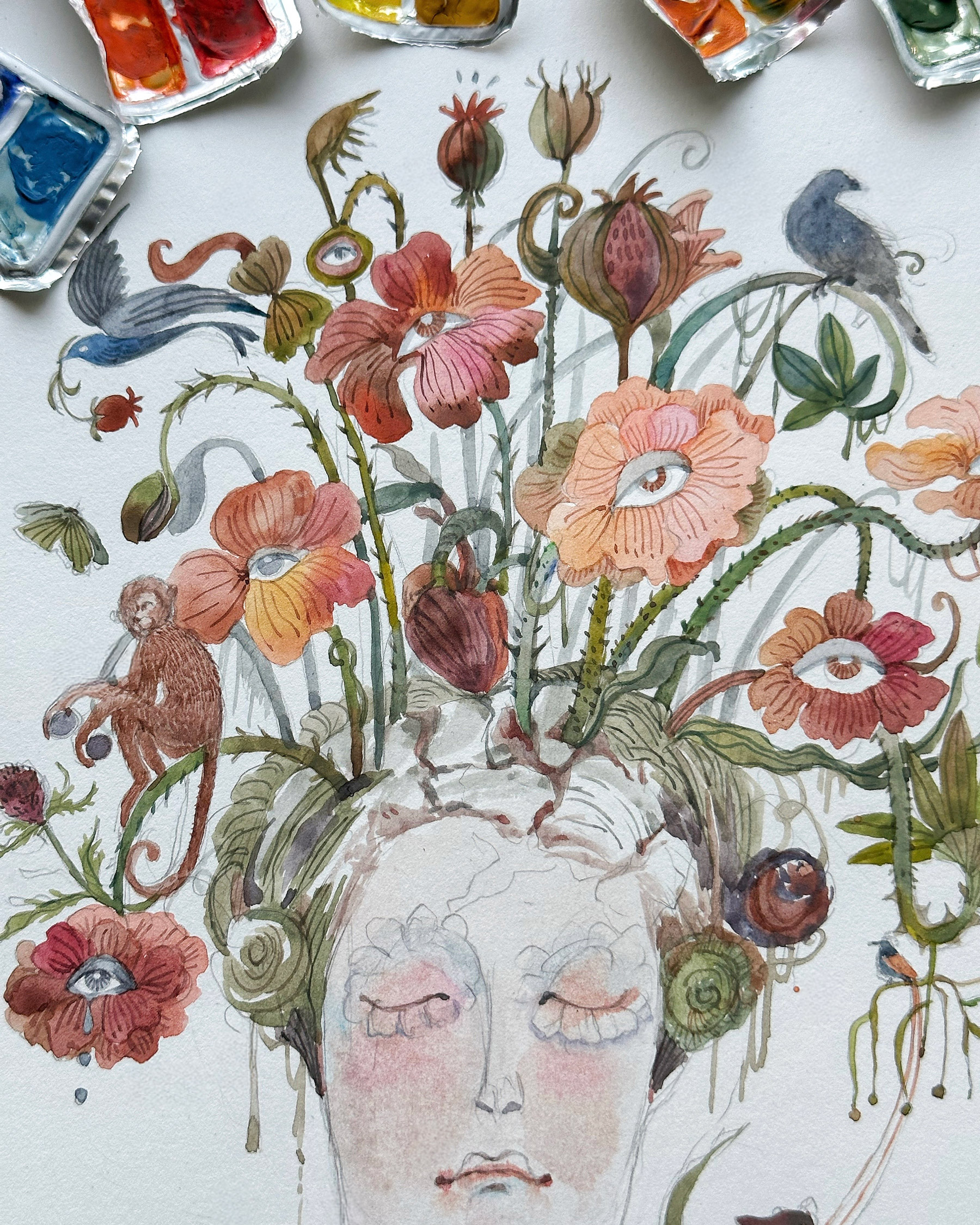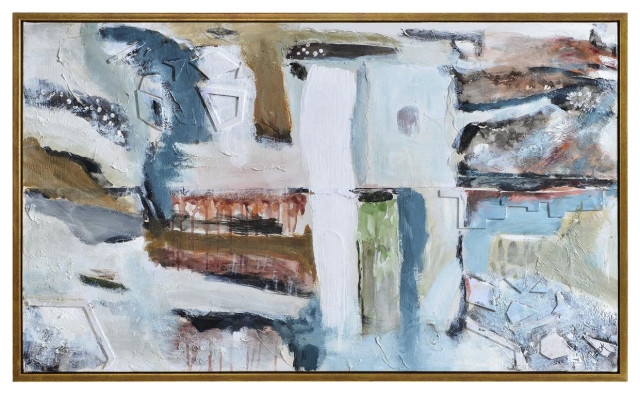
You know that feeling when you walk into a room and a piece of art just grabs you by the collar. Well, lately, it’s not just the colors doing the grabbing. It is the edges. For the longest time, we trapped our paintings inside stiff wooden boxes or thin metal lips. But here we are in 2026, and the brush framed painting trend has totally flipped the script on how we interact with visual culture. I was just chatting with a curator in London last week over some rather lukewarm tea, and she pointed out that people don’t just look at art anymore, they sort of inhabit it.
When the literal strokes of the artist’s brush escape the canvas and crawl onto the wall or the backing board, the whole dynamic shifts. It breaks down that invisible barrier between the creator’s mind and your actual living room. It makes the experience feel a bit more raw and occasionaly a lot more intimate. We are finally moving past the idea that art needs to be contained to be valuable.
The Death of the Wooden Border
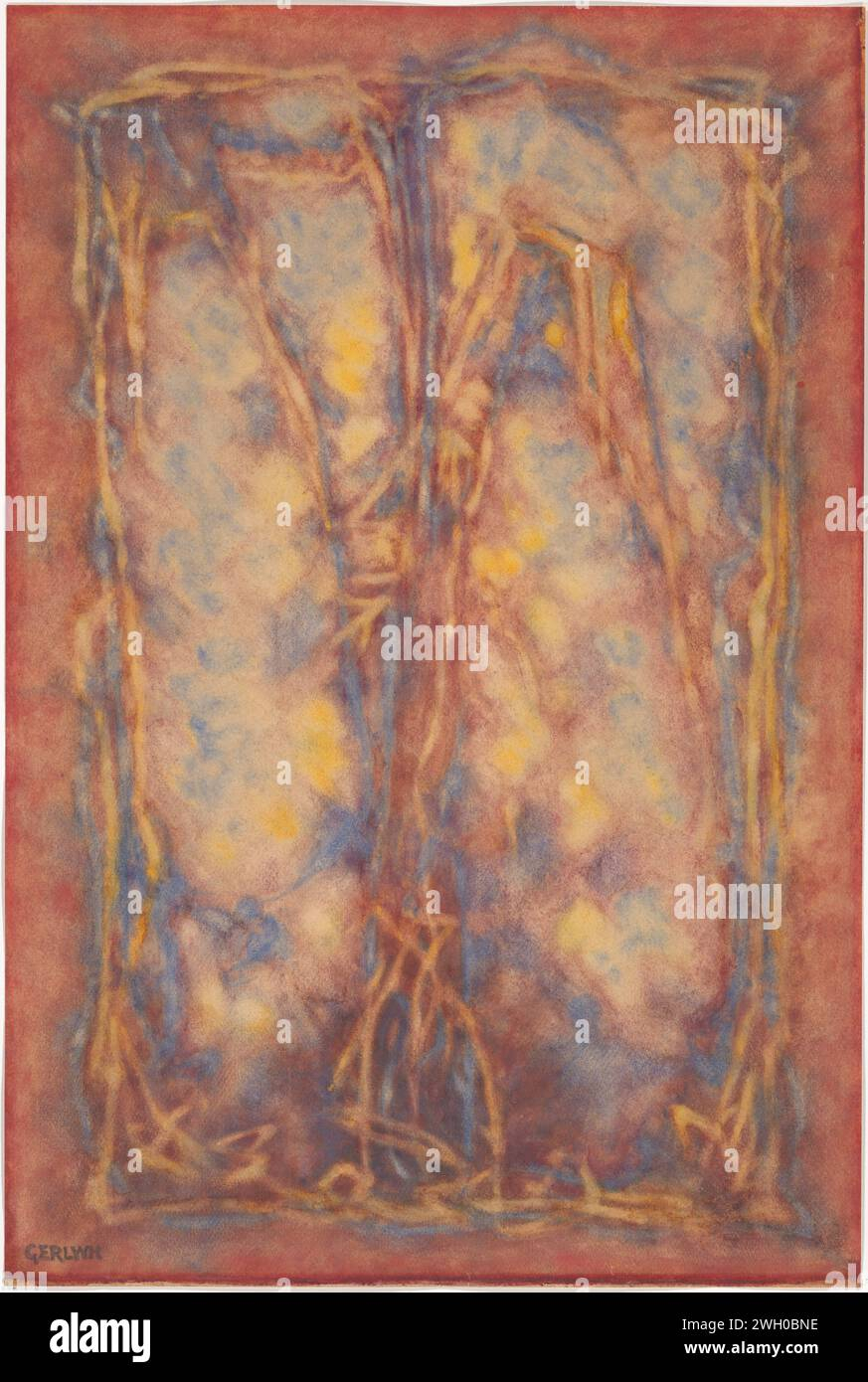
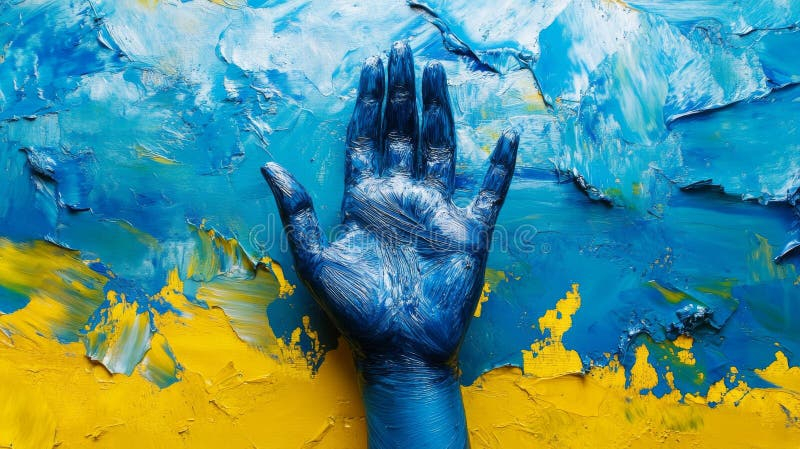
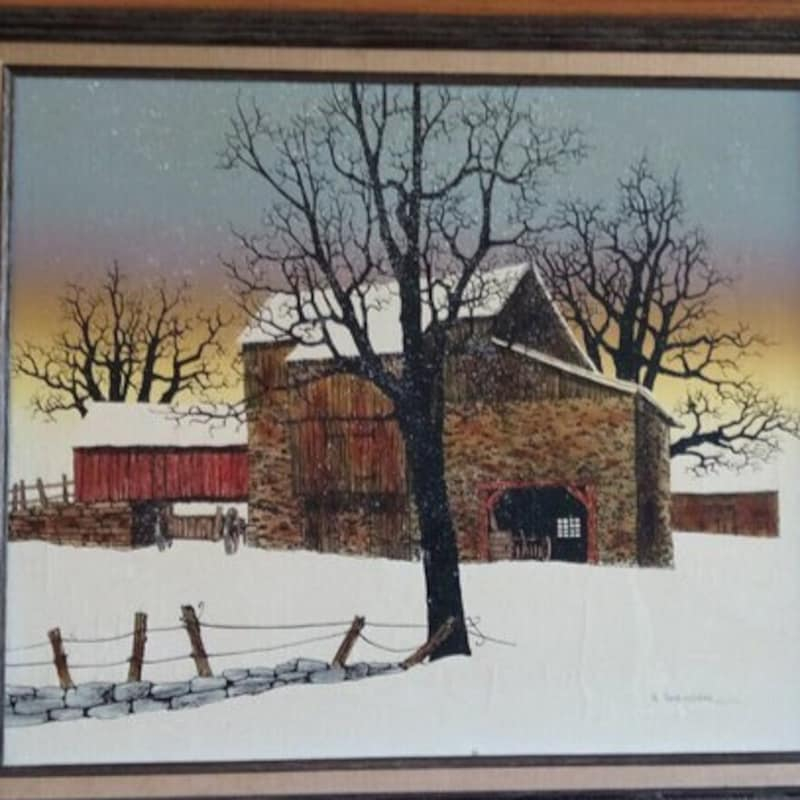
Think about the classic gold or black frame you see in traditional galleries. It acts like a fence. It tells your brain, "the art stops here, and the real world begins out there." But when an artist uses a brush framed approach, the paint literally spills over the edge. It bleeds onto the matting, the plaster, or the specialized display board.
This isn’t just a neat visual trick for Instagram. It completely changes the power dynamic of the room. You aren’t looking through a window into another world; you are standing in the exact same space as a living, breathing moment. My neighbor tried this in his narrow hallway last spring, and honestly, it makes the whole cramped space feel twice as big because the energy of the painting doesn’t hit a hard stop.
Tactile Engagement in a Screen-Heavy World
We stare at flat, smooth glass all day long. Phones, tablets, smart mirrors, you name it. So when we finally stand in front of a physical object in our homes, our brains are absolutely starving for texture. The brush framing movement gives us that rough, bumpy, imperfect reality that we crave on a subconscious level.
You can actually see the deep ridges where the bristles dragged through thick oil or heavy acrylics. It forces you to slow down and really look. I read a behavioral study from earlier this year that showed people spend nearly three times longer looking at textured, borderless pieces than they do at traditionally framed ones. You recieve a much deeper emotional hit just by letting your eyes trace those messy, uncontained edges.
Spatial Bleed and Room Integration
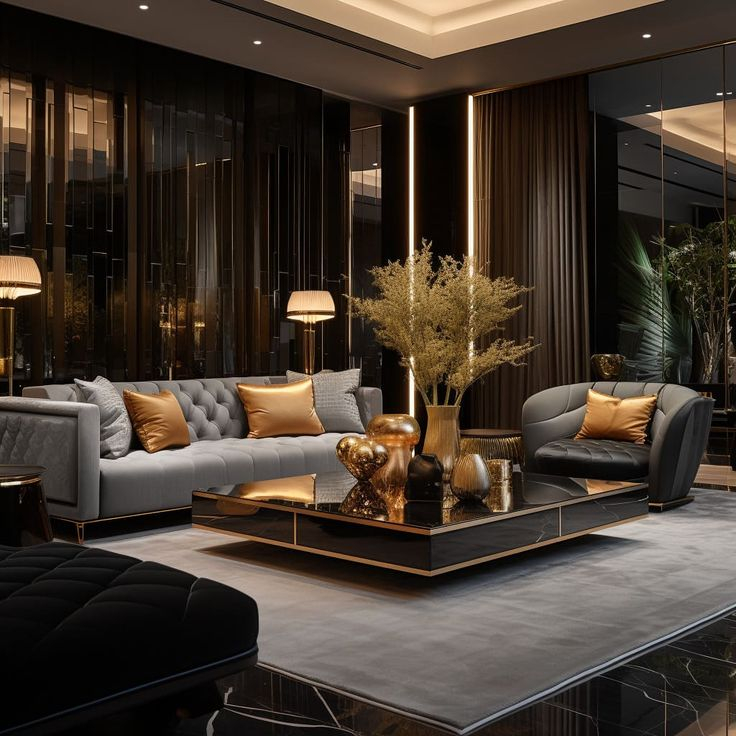
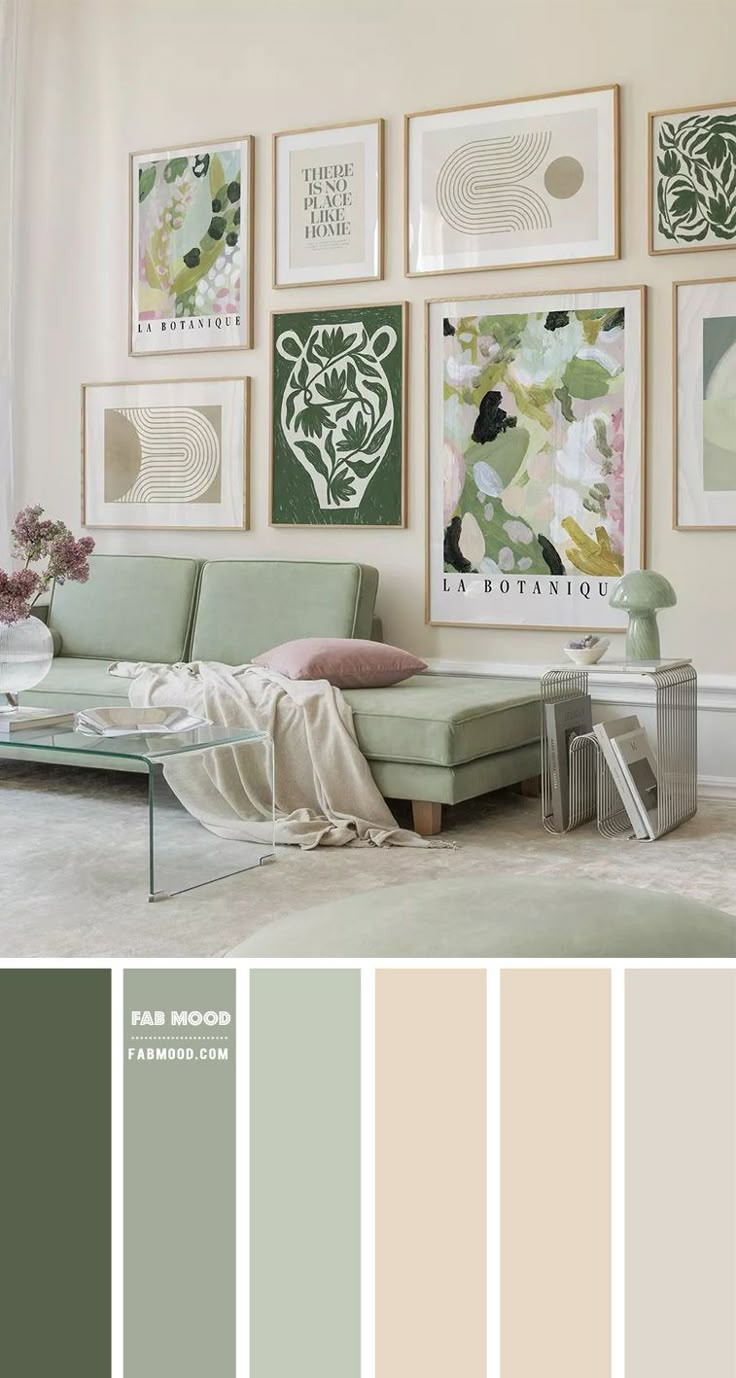
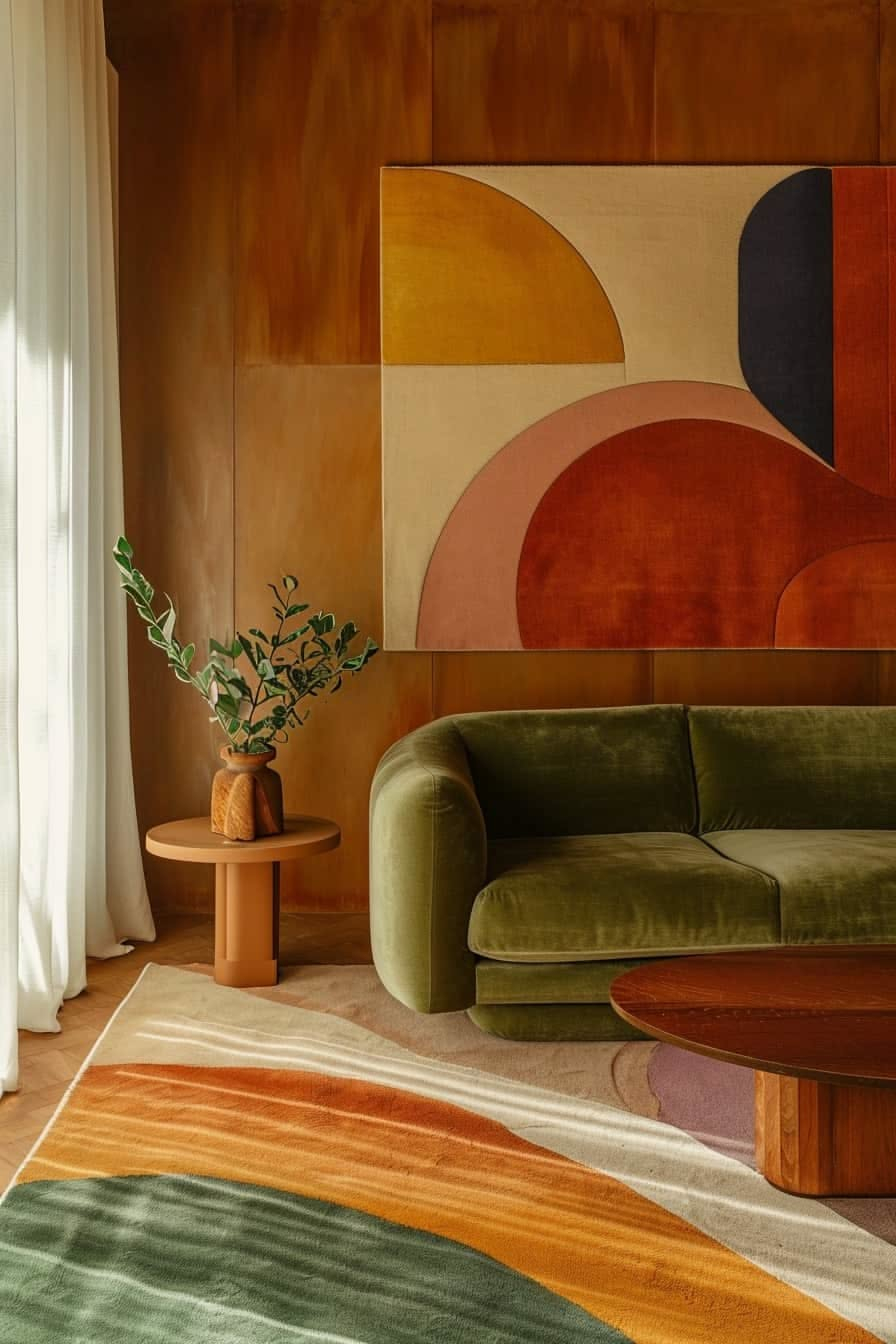
Let’s get a bit practical about how this messes with our interior design. When the brush strokes extend outward, the artwork stops being a mere decoration you hang on a nail. It becomes an architectural feature. The paint claims the wall, forcing the artwork to integrate directly into the room’s actual enviroment rather than just sitting on top of it.
I remember visiting a small independent cafe in Portland where the artist painted the frame right onto the exposed brick behind the espresso machine. It was a bit chaotic, sure. Someone had even pinned a faded grocery list near the corner of it. But that’s the beauty of it. It invites daily life to happen around it, rather than demanding quiet, museum-style reverence.
The Psychology of Unfinished Edges
Our brains are funny things. They naturally hate loose ends and unresolved patterns. When a painting doesn’t have a hard, manufactured stop, your mind actively tries to finish the picture for you. Psychologists have talked about this for decades, but you don’t need a fancy degree to feel the tension it creates in your chest.
It keeps you engaged on a loop. You find yourself wondering what the brush stroke was doing right before it hit the wall, or where it was going next. It creates a persistent sense of curiosity. And honestly, isn’t that what good art is supposed to do. It asks lingering questions instead of just handing you all the answers on a silver platter.
New Materials and the 2026 Palette
You might be wondering how people actually pull this off without ruining their drywall or angering their landlords. Well, the materials have gotten way better over the last few years. Back in the early 2020s, folks were just slapping raw paint on bare plaster, which was a total nightmare to clean or move.
Now, we have these incredibly cool peel-and-stick plaster boards and magnetic canvas extenders. Artists can lay down their wild, thick brush frames on these portable backers. If you want to move the piece to a new house, the whole textured border comes with it safely. It is definately a game changer for renters who want to jump on the trend without losing their security deposit.
So, you want to bring one of these boundary-pushing pieces into your own home. The very first thing you need to figure out is your lighting setup. Because the frame is painted and heavily textured, harsh overhead lights will cast weird, muddy shadows that hide the actual brushwork.
You want to use soft, directional track lighting to highlight the physical ridges of the paint. Also, try to keep it away from high-traffic areas where people carry laundry baskets or swing backpacks. I learned that the hard way when my sleeve caught a dried glob of cerulean blue near the entryway. Just give the piece some breathing room and let the seperate elements of your room work together to support it.
Art has always been a mirror for the times we live in. Right now, we are collectively tired of rigid boundaries, strict boxes, and perfectly curated digital feeds. We want things to flow, to connect, and to spill over into our messy daily routines.
The brush framed painting style is exactly that reflection. It is a little messy, highly personal, and completely refreshing. Next time you are out looking for something to hang on your wall, maybe look for the one that refuses to stay inside the lines.