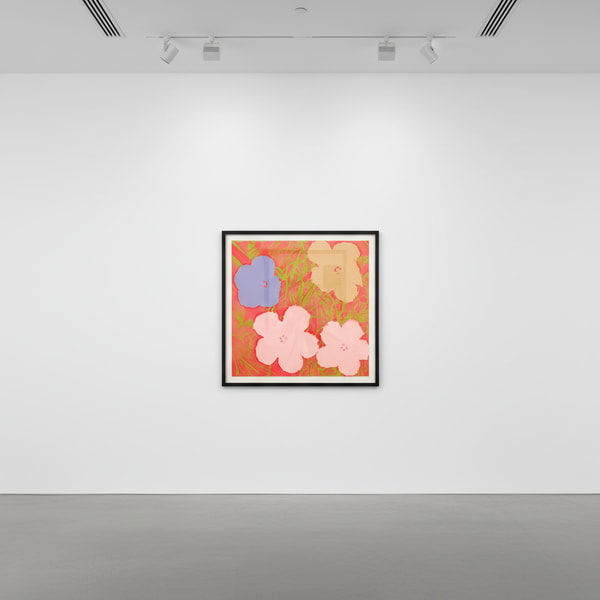
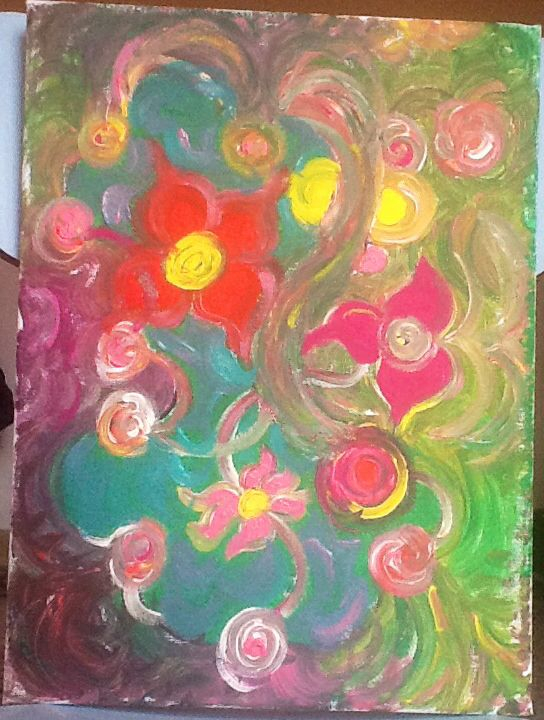
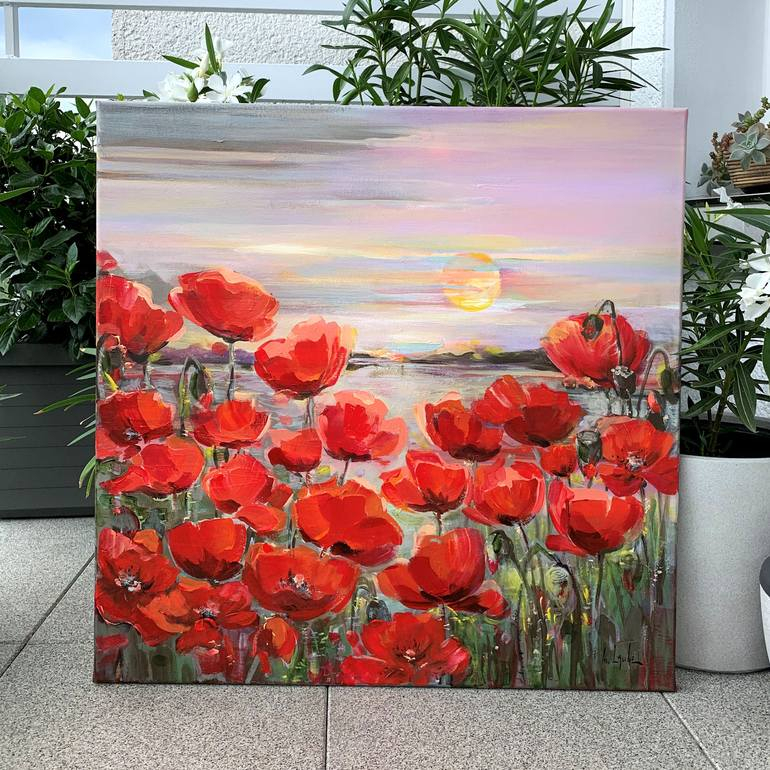
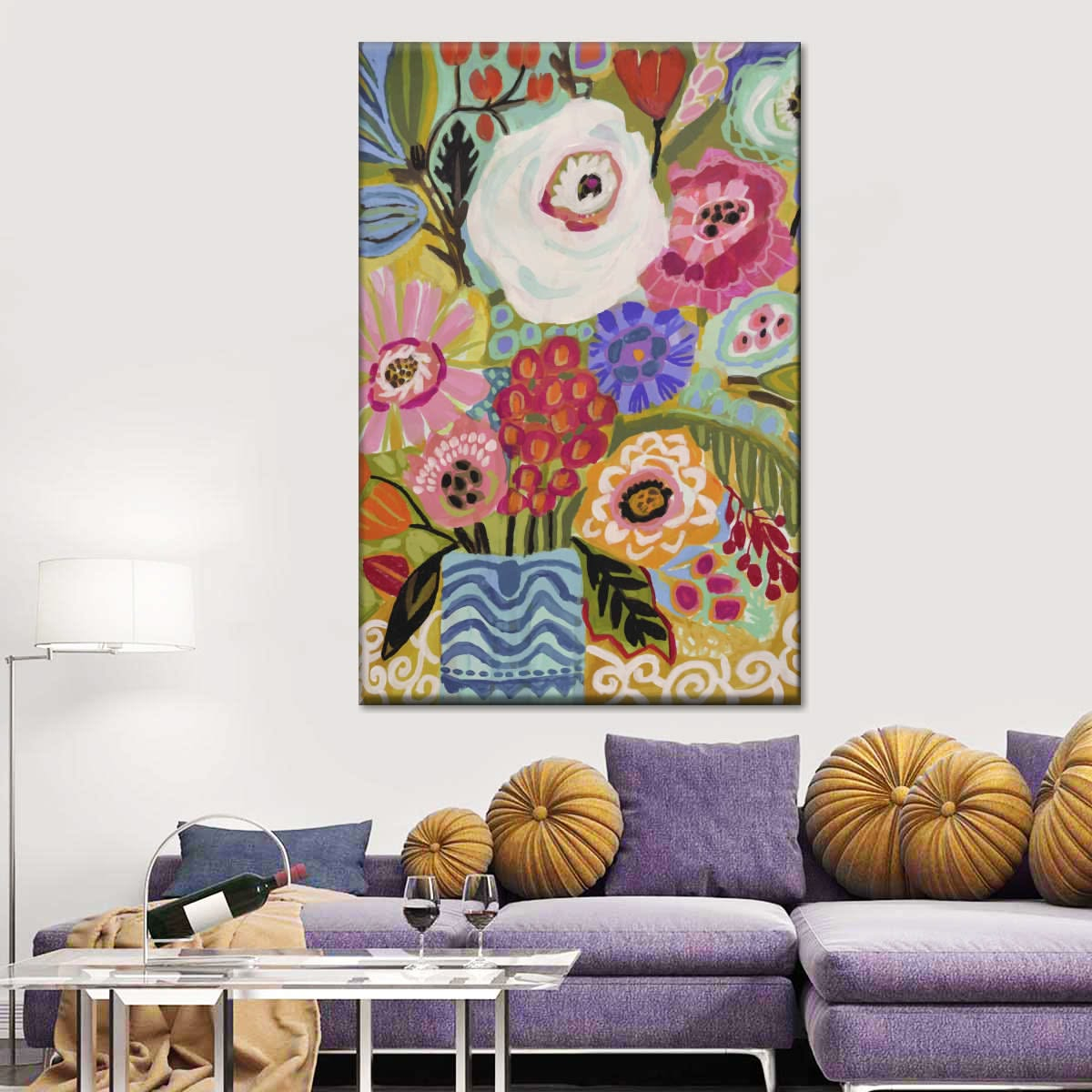
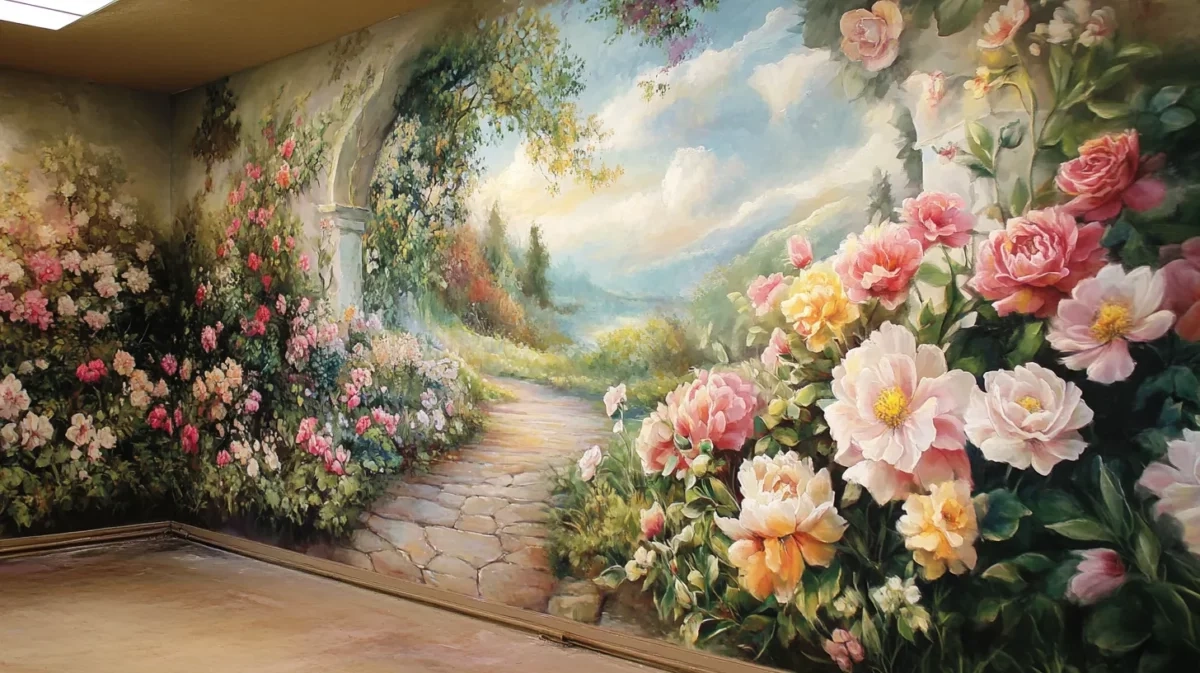
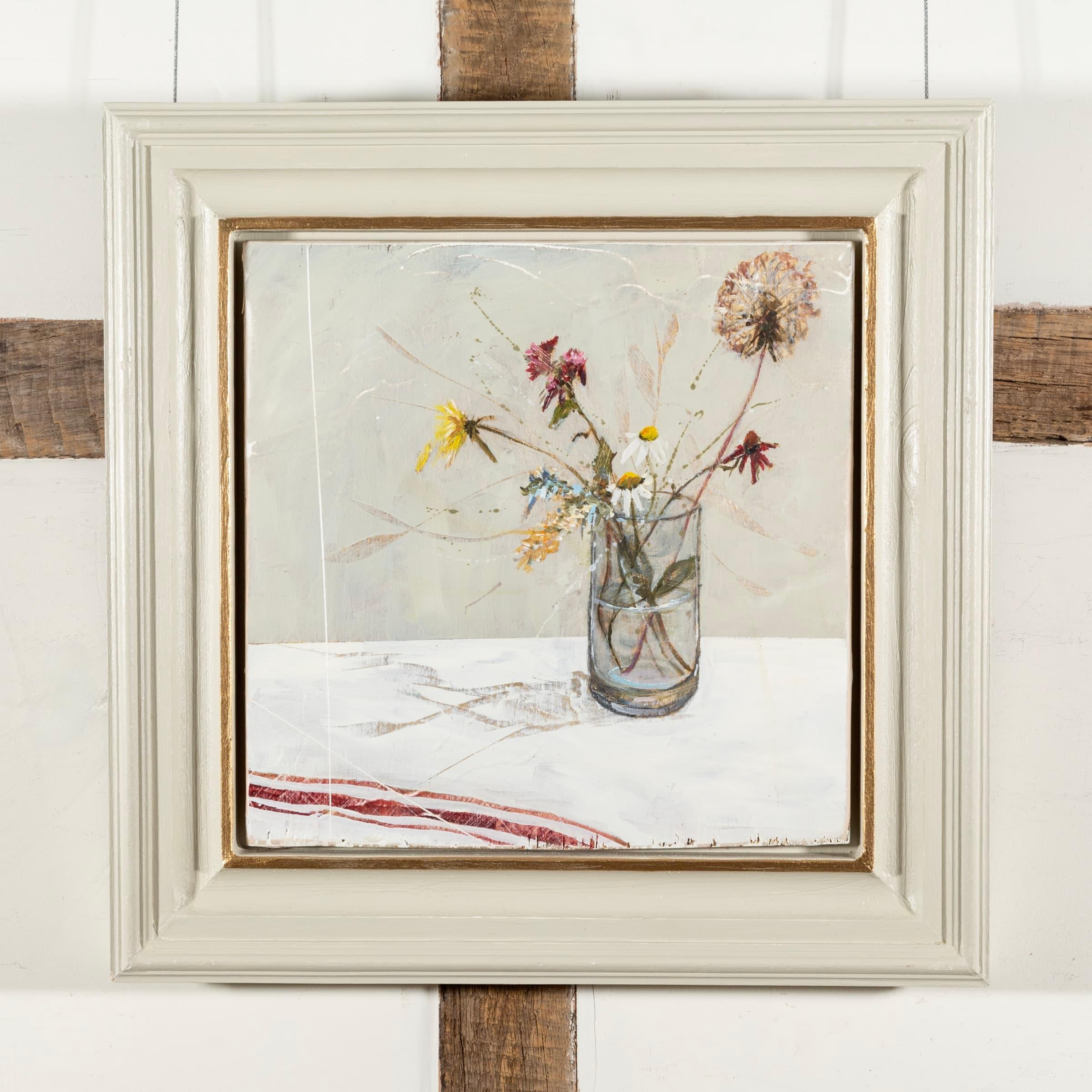
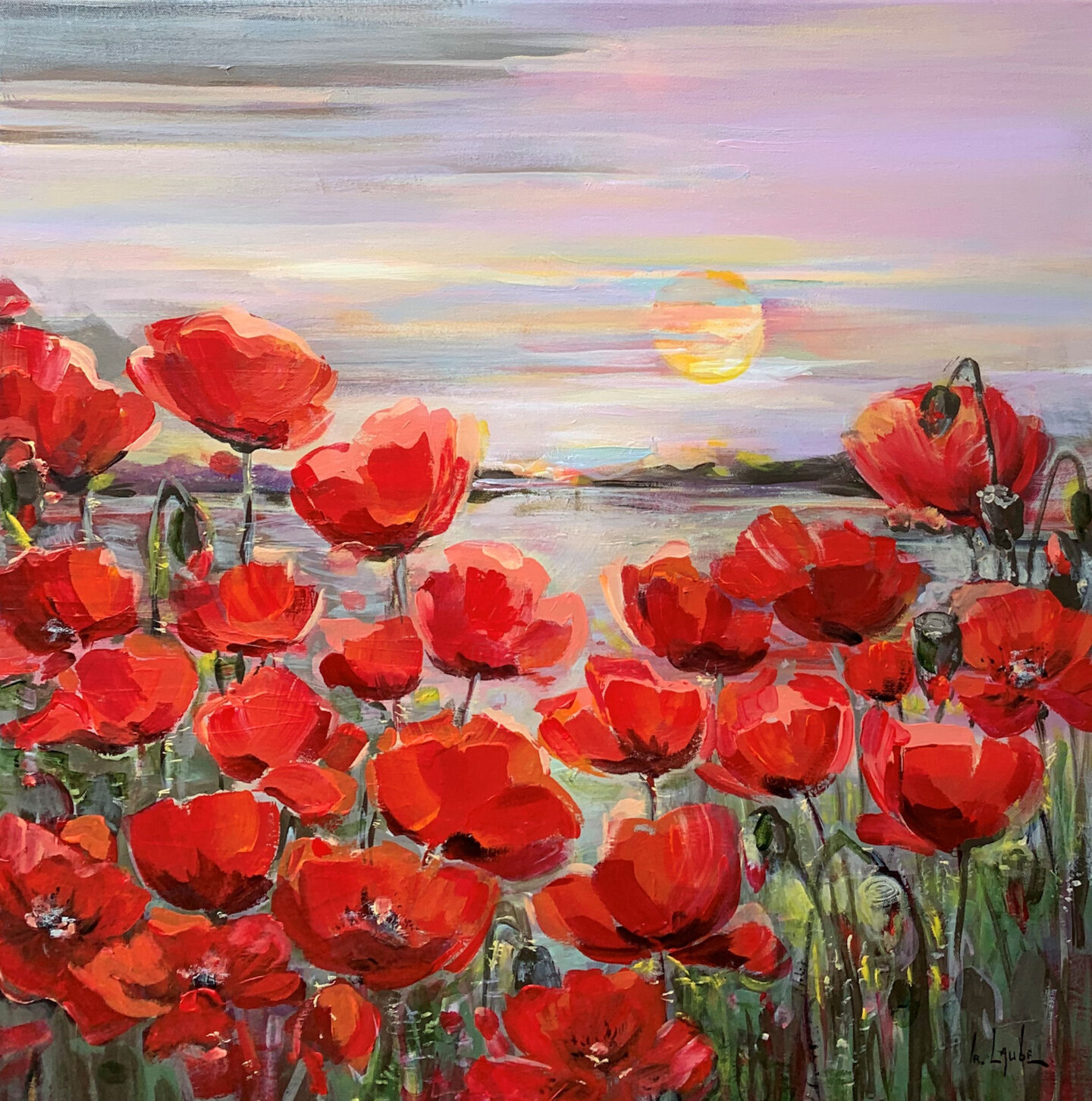
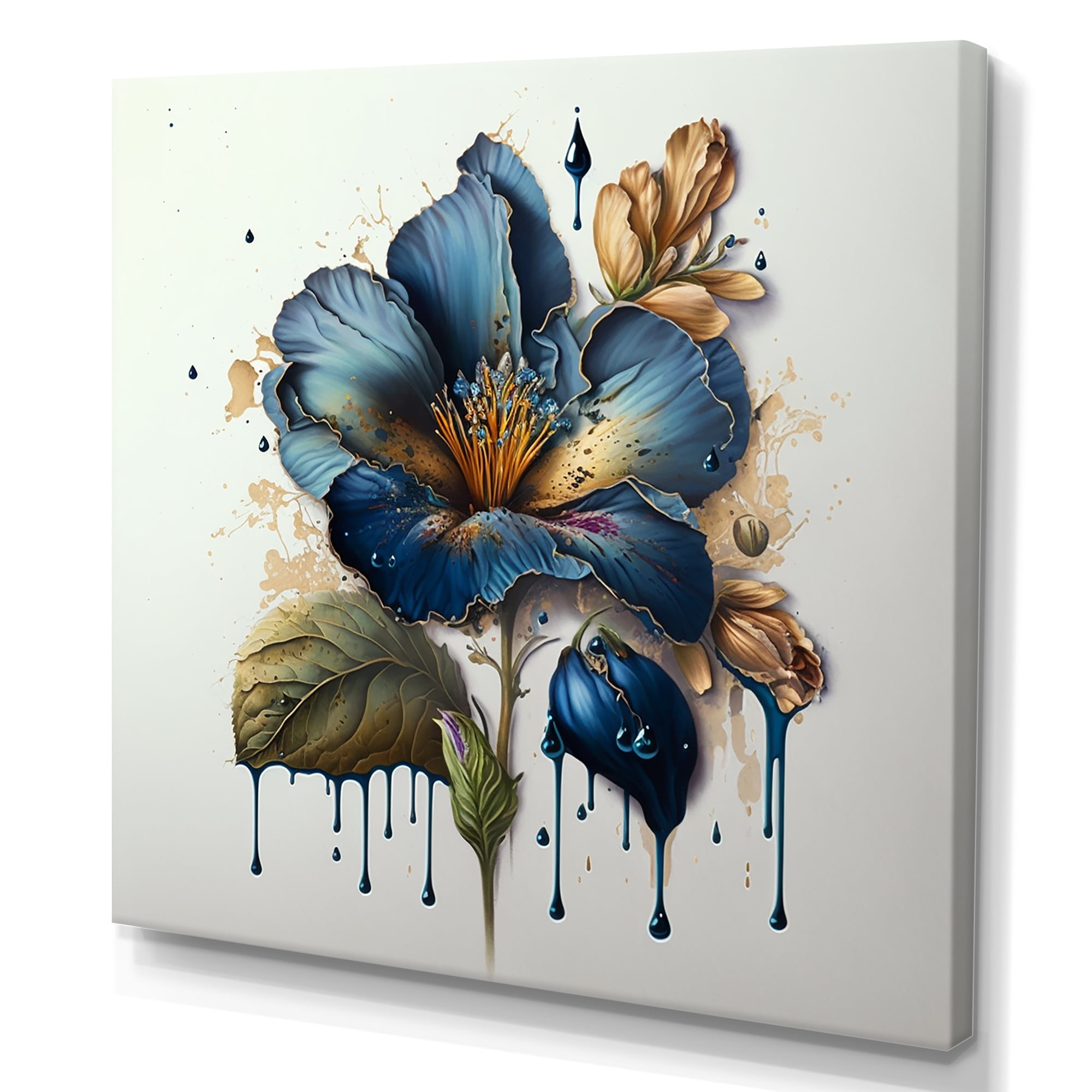
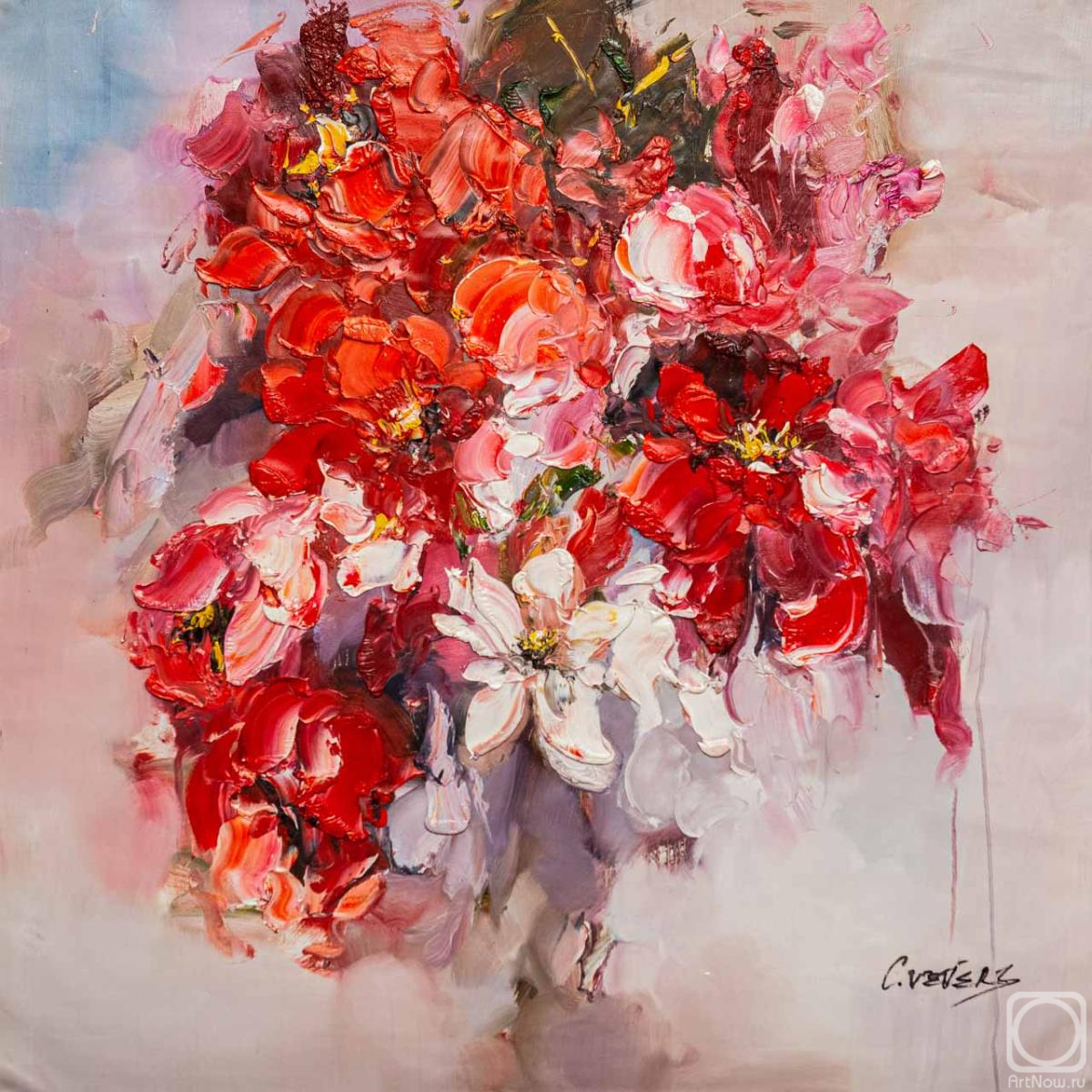
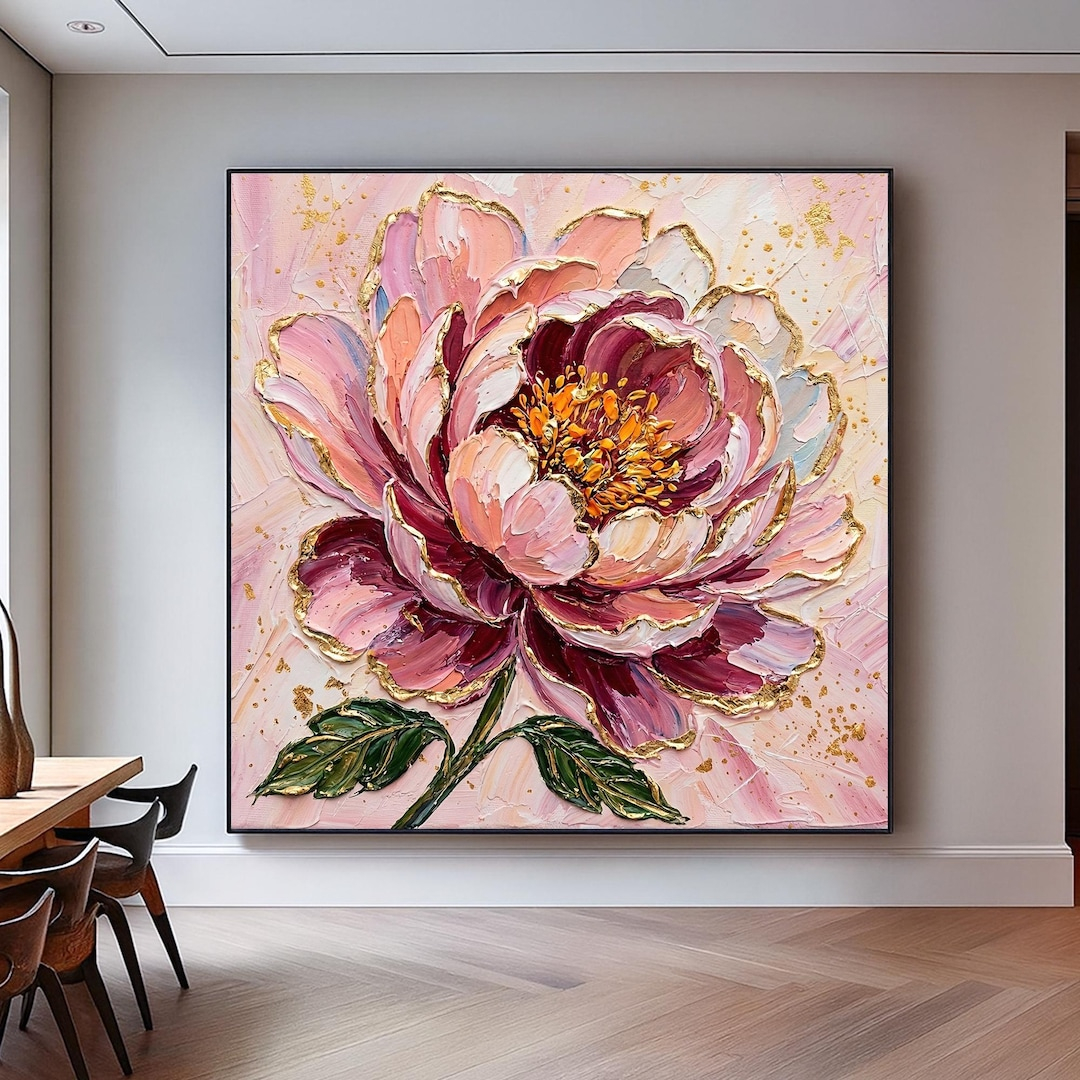
The autumn rain lashed against the apartment window, turning the afternoon gray and heavy. Inside, the space felt compressed, shadowed by the relentless demands of the modern workday. Yet, resting on the primary wall opposite the sofa, a canvas captured the fading light, radiating a silent, persistent warmth. It was a botanical composition, an intricate play of pigments capturing nature’s quiet resilience. Without uttering a single word, the artwork shifted the air in the room. The ambient gloom receded, replaced by the subconscious breath of a sunlit garden in full bloom. This is the quiet alchemy of intentional wall decor—an object that ceases to be mere decoration and becomes an emotional anchor.
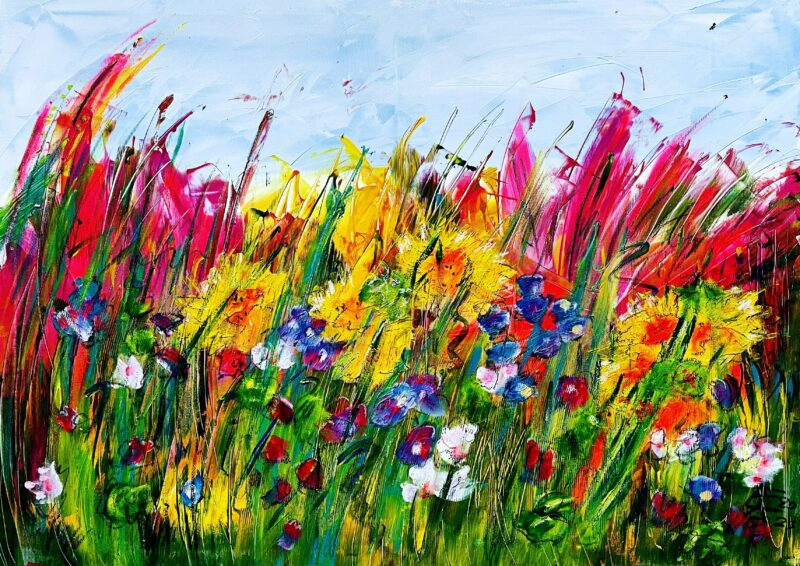
Objects in our living spaces do not simply occupy physical geometry; they actively converse with our nervous systems. When we select a specific piece of visual art, we are curating the emotional climate of our daily lives. Floral motifs, spanning centuries of artistic expression, carry a unique psychological weight. They bridge the gap between our innate biophilic drive—the evolutionary need to connect with nature—and the built environment. A piece named A Beautiful Day with Flowers II invites viewers into a shared narrative of optimism, renewal, and sensory groundedness. It operates as a visual exhale, transforming bare plaster into a window toward emotional restoration.
Understanding why certain visual expressions hold such profound sway over our moods requires looking past simple aesthetic preferences. Interior design in residential architecture has shifted decisively toward wellness-centric curation. Homeowners are no longer satisfied with matching cushions to curtains; they seek spaces that actively regulate stress and foster psychological safety. Artworks that focus on organic forms, gentle color harmonies, and tactile brushwork act as non-verbal therapists within the home. They set the emotional cadence of a room before a single conversation takes place, turning domestic spaces into deeply personal sanctuaries.
The Psychology of Botanical Artistry and Biophilic Design
Human beings possess an ancient, hardwired affinity for the natural world. Evolutionary psychology suggests that our ancestors read natural patterns—such as the fractal geometry of flower petals, the branching of stems, and the interplay of sunlight through foliage—as signs of safety, abundant resources, and water availability. When these patterns are translated onto canvas, our brains register them through a similar evolutionary lens. A painting featuring vibrant botanical elements triggers a subconscious relaxation response, lowering cortisol levels and stabilizing heart rates in ways that geometric or industrial prints simply cannot replicate.
The deliberate choice of color within floral compositions serves as a primary driver of this psychological shift. Cool greens and soft blues evoke the tranquility of a shaded garden, while warm yellows, blush pinks, and creamy whites stimulate gentle optimism and social warmth. In works that echo the spirit of A Beautiful Day with Flowers II, the palette is rarely aggressive. Instead, it balances high-chroma highlights with desaturated, earthy undertones, ensuring the piece commands attention without overwhelming the viewer’s visual field. This careful calibration prevents sensory fatigue, allowing the artwork to remain a comforting presence over years of daily exposure.
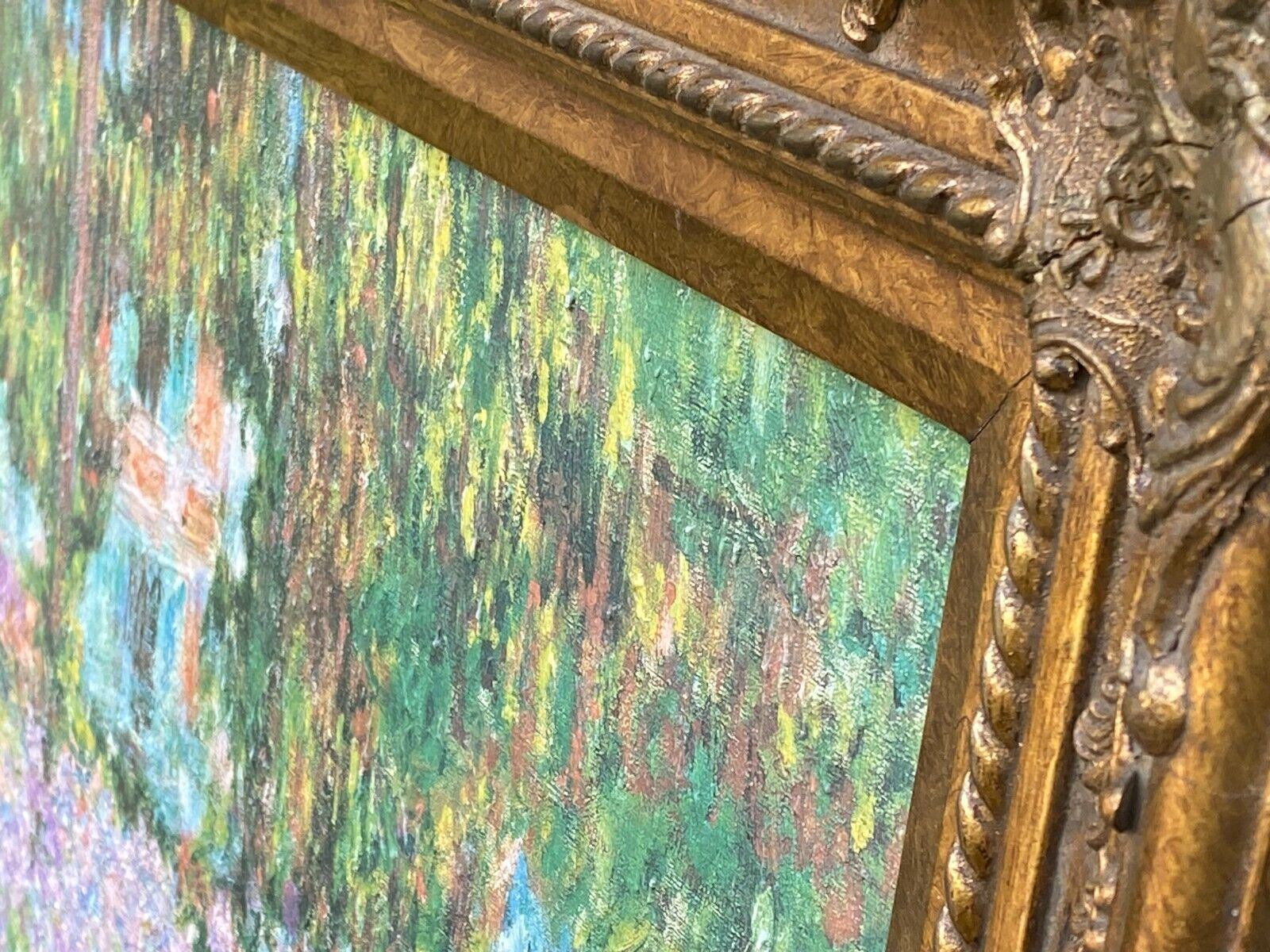
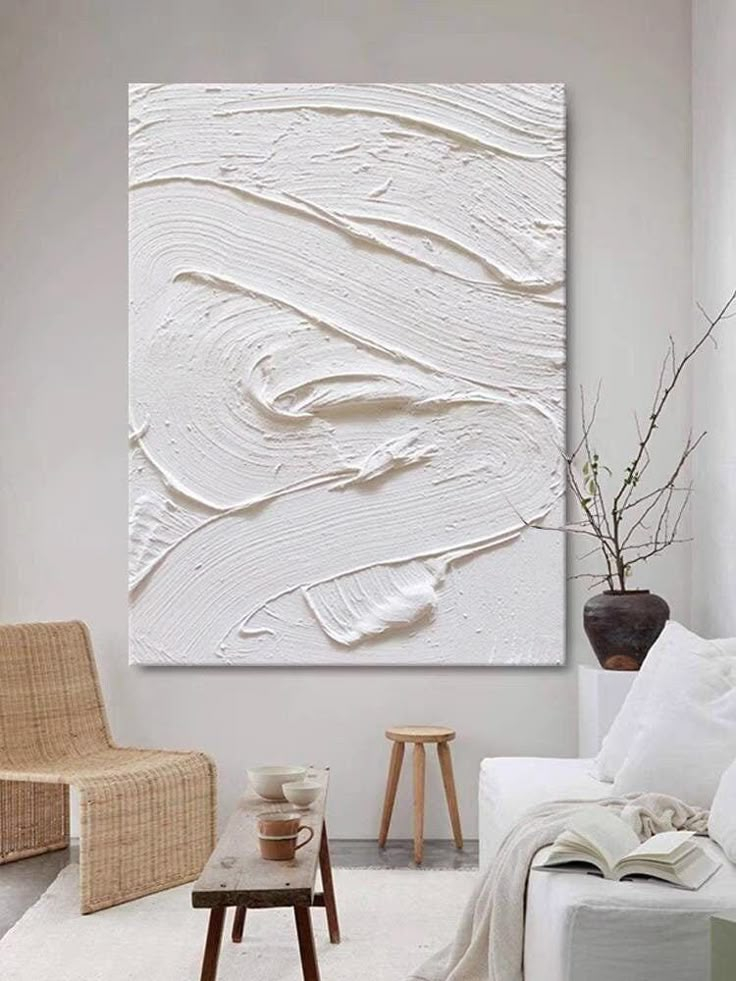
Furthermore, the physical texture of the paint matters immensely. Smooth, digital reproductions often feel sterile because they lack the physical topography of hand-applied mediums. Impasto techniques, visible brushstrokes, and layered glazes invite the human eye to wander across the surface, tracking the artist’s physical movements. This micro-engagement forces the observer out of frantic, task-oriented thinking and into a state of aesthetic contemplation. It transforms a blank wall into an active participant in the room’s emotional ecosystem, grounding transient mental states in tangible, artistic reality.
Decoding Composition, Light, and Emotional Resonance in Floral Canvases
Compositional structure dictates how an artwork guides the human eye and, by extension, how it commands emotional energy. In sophisticated floral wall decor, the arrangement of blossoms is rarely accidental. Dynamic triangular groupings create stability and a sense of architectural permanence, while cascading or asymmetrical lines introduce a feeling of organic spontaneity and freedom. This balance between structure and chaos mirrors the natural world, offering the human mind a satisfying visual puzzle that resolves effortlessly upon viewing.
Light is the invisible brush that brings botanical paintings to life. The simulation of chiaroscuro—the dramatic contrast between light and shadow—creates depth, making the flowers appear as though they are lifting away from the flat plane of the wall. When natural sunlight shifts across a room throughout the day, a well-crafted painting catches these changes, altering its mood from the crisp clarity of morning to the amber intimacy of dusk. This temporal adaptability ensures the artwork never feels static. It ages with the room, reflecting the changing seasons and the evolving life cycles of the inhabitants within the home.
Art critics and interior stylists often emphasize that the emotional weight of a painting resides in its negative space just as much as its focal subjects. The breathing room surrounding a cluster of blossoms allows the viewer’s imagination to expand. It prevents visual claustrophobia, a common pitfall in modern urban apartments where rooms are compact and wall space is at a premium. By leaving strategic areas of canvas or panel unburdened by dense detail, the artist grants permission for the room to feel expansive, airy, and mentally uncluttered.
A Practical Methodology for Curating and Positioning Floral Wall Art
Integrating a statement art piece into an existing interior requires a thoughtful, methodical approach to scale, lighting, and spatial context. Merely hanging a painting at eye level is no longer sufficient; true curation involves creating an immersive dialogue between the artwork and its surrounding architecture.
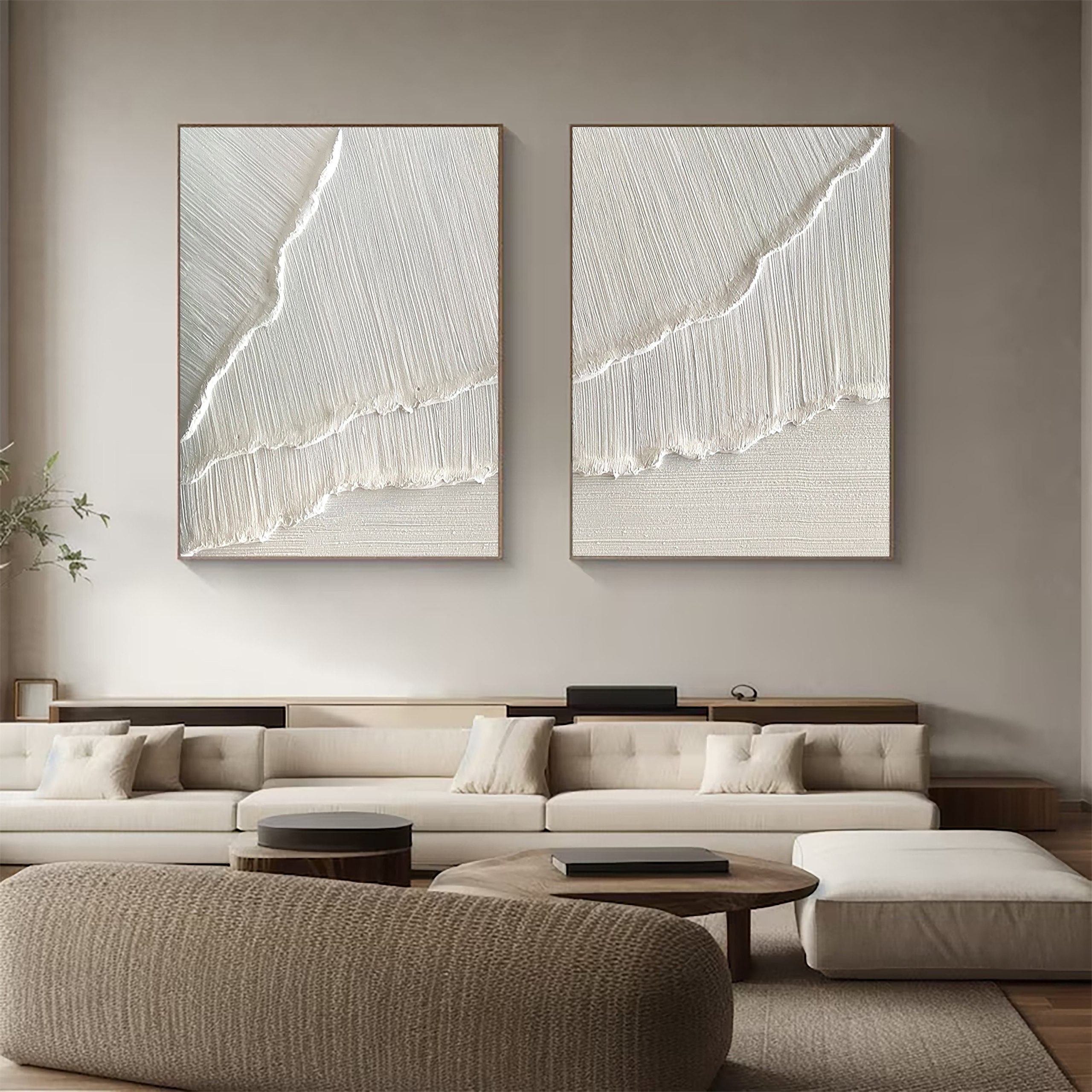
- Step 1 (Spatial Assessment and Scale Determination): Measure the wall area and the furniture anchor—such as a sofa, headboard, or credenza—below where the art will hang. Ensure the painting spans approximately 60% to 75% of the furniture’s width to maintain visual equilibrium and prevent the piece from looking dwarfed or disproportionate.
- Step 2 (Height Calibration and Eye-Level Alignment): Establish the vertical center of the artwork at roughly 57 to 60 inches from the finished floor, matching museum and gallery standards. If hanging above furniture, ensure the bottom edge of the frame sits between 6 to 10 inches above the top of the piece to create a cohesive vignette.
- Step 3 (Lighting Integration and Color Temperature): Install dedicated picture lighting or directional track fixtures with a Color Rendering Index (CRI) of 95 or higher. Utilize warm LED bulbs ranging from 2700K to 3000K to accentuate the natural warmth and undertones of the floral pigments without washing out delicate highlights.
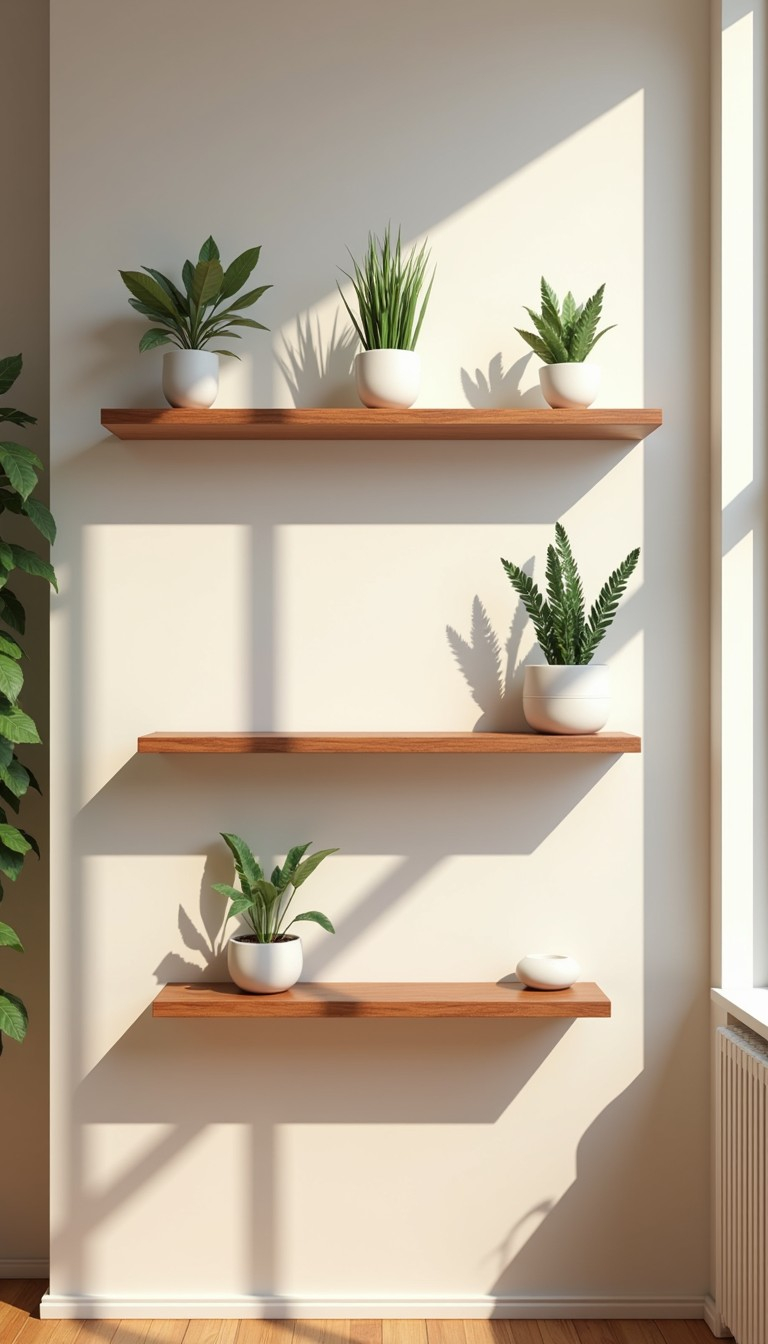
- Step 4 (Contextual Styling and Companion Decor): Anchor the surrounding space with tactile, organic materials that echo the themes within the painting. Pair the wall decor with unglazed ceramics, raw wood accents, or living houseplants that bridge the three-dimensional room with the two-dimensional canvas.
- Step 5 (Acoustic and Environmental Placement): Position the artwork away from direct, harsh solar glare that could compromise archival integrity over time, while ensuring it is placed in a high-dwell zone—such as a living area or entryway—where its emotional benefits can be experienced most frequently.
Navigating Common Pitfalls in Art Placement and Interior Styling
Even the most striking floral artwork can fail to deliver its intended emotional impact if basic design rules are overlooked. Avoid these frequent mistakes to ensure your investment elevates the space rather than cluttering it.
- Pitfall 1 (Ignoring Scale Discrepancies): Hanging a small canvas on an expansive, double-height wall creates visual anxiety and makes the room feel unanchored. Practitioner Workaround: Group smaller botanical pieces into a curated gallery wall or opt for a single, oversized statement canvas that commands the architectural proportions of the room.
- Pitfall 2 (Harsh Direct Sunlight Exposure): Placing organic oil or acrylic paintings in direct, unmitigated UV rays leads to pigment fading and canvas degradation over time. Practitioner Workaround: Install UV-filtering window films or position the artwork on a perpendicular wall where it receives indirect, ambient illumination.
- Pitfall 3 (Clashing Palette Saturation): Introducing a vibrant, high-contrast floral painting into a room already saturated with competing patterns creates visual noise and mental fatigue. Practitioner Workaround: Pull neutral baseline tones from the painting’s background to dictate throw pillows, rugs, and upholstery, allowing the art to act as the sole focal point.
- Pitfall 4 (Improper Hardware and Security): Using standard picture wire and single nails for heavy or wide framed canvases risks structural failure and wall damage. Practitioner Workaround: Utilize heavy-duty French cleats or dual-stud anchor systems designed to support twice the dead weight of the framed artwork securely.
- Pitfall 5 (Over-Styling the Surrounding Wall): Placing floating shelves, wall sconces, and trinkets too close to a major painting dilutes its emotional power. Practitioner Workaround: Maintain a clear perimeter of negative space—at least 12 to 18 inches—around the artwork to let the piece breathe and command the eye without distraction.
The Broader Cultural and Economic Value of Meaningful Domestic Spaces
The rising emphasis on emotional wall decor reflects a profound cultural shift in how modern society defines luxury and comfort. In an era dominated by screens, digital saturation, and relentless information streams, the physical home has transformed into a psychological fortress. Consumers are increasingly willing to invest in artisanal, hand-painted, or emotionally resonant pieces because they offer an authentic antidote to mass-produced uniformity. Art that captures the enduring beauty of nature acts as a tangible tether to the physical world, reminding inhabitants of slower, more grounded rhythms of life.
From an interior architecture perspective, curating art with emotional depth enhances the perceived value and livability of residential properties. Real estate stylists and luxury designers recognize that a home finished with thoughtful, narrative-driven art commands an immediate psychological response from prospective buyers or guests. It shifts a house from a generic commodity into a resonant, story-filled environment. The economic investment in a quality floral painting pays dividends not in financial yield, but in daily psychological well-being, stress mitigation, and a profound sense of place.
Furthermore, sustainable craftsmanship plays a vital role in this artistic renaissance. Choosing original or high-grade reproductions crafted with archival inks, non-toxic mediums, and sustainable timber framing aligns domestic design with ecological consciousness. When we bring representations of nature into our homes, we implicitly acknowledge our responsibility to protect the actual environments that inspire such creativity. This circular relationship between ecological appreciation, artistic expression, and interior design creates a deeply satisfying, holistic lifestyle framework.
Synthesizing Art, Environment, and Emotional Well-Being
Transforming a house into a home is an exercise in intentional curation. Every object chosen tells a story about who we are and who we aspire to become on our quietest, most vulnerable days. Wall art acts as the emotional punctuation of interior architecture, setting the tone for moments of solitude, celebration, and reflection. When a composition like A Beautiful Day with Flowers II finds its rightful place on a living room wall, it does more than fill an empty void—it introduces a pulse of life, color, and timeless grace into the domestic sphere.
The journey of selecting and styling meaningful wall decor requires patience, self-awareness, and an eye for quality. By prioritizing pieces that speak to our biophilic instincts and emotional needs, we construct environments that actively nurture our mental health. Art is not merely an accessory added at the very end of an interior design project; it is the emotional core around which the entire room revolves. By respecting scale, lighting, and psychological impact, we unlock the full therapeutic potential of our living spaces.
Ultimately, the goal is to curate an environment where one can step away from the noise of the outside world, cross the threshold, and instantly feel the nervous system decompress. A well-placed botanical painting serves as a silent guardian of peace, offering a perennial reminder that beauty, renewal, and clarity are always within reach. Let your walls speak of life, color, and emotional sanctuary, turning every room into a testament to mindful, intentional living.
The walls we build around ourselves ultimately shape the internal landscapes of our minds. As interior design continues to prioritize wellness, mental clarity, and emotional resonance, the art we choose to live with assumes an extraordinary level of importance. It is no longer enough for a home to look photogenic; it must feel restorative, grounding, and deeply human.
Looking forward, the integration of art, psychology, and architecture will only deepen as homeowners seek refuge from an increasingly digital existence. Investing in meaningful wall decor is an investment in your own daily peace of mind. Take the time to audit your spaces, evaluate the emotional tone of your rooms, and introduce pieces that invite you to pause, breathe, and reconnect with the quiet beauty of the natural world.