If you have ever spent time on a boat or stared into the ocean, you know the sea is anything but quiet. Beneath the waves, there is a constant symphony of clicks, groans, and mechanical hums. Building equipment to transmit or survive these underwater sounds is a massive challenge.
Among the materials used in marine engineering, nickel-plated brass occupies a unique, often overlooked niche. But why do we coat brass in nickel, and how does this affect how sound travels through it underwater? Let’s dive in and explore how this classic metal alloy behaves when submerged.
The Core Material: Why Brass?
Before we look at the plating, we have to look at the heart of the metal itself. Brass is an alloy made mostly of copper and zinc. It is naturally heavy, dense, and highly machinable, which is why people have used it for centuries to make musical instruments and precise tools.
In terms of acoustics, brass has a very high acoustic impedance compared to water. Acoustic impedance is basically a measure of how much a material resists the flow of sound waves. Because brass is dense, sound waves travel through it at a speed of about 3,500 to 4,700 meters per second, depending on the exact alloy. When you place it in water, where sound travels at roughly 1,500 meters per second, you get a significant mismatch. This mismatch is crucial for reflecting sound waves or channeling them in specific directions.
Enter the Nickel: The Protective Armor
If brass is so great, why do we need to plate it? The ocean is incredibly hostile. Saltwater eats away at bare brass through dezincification, a nasty process where the zinc is leached out, leaving a weak, porous copper sponge.
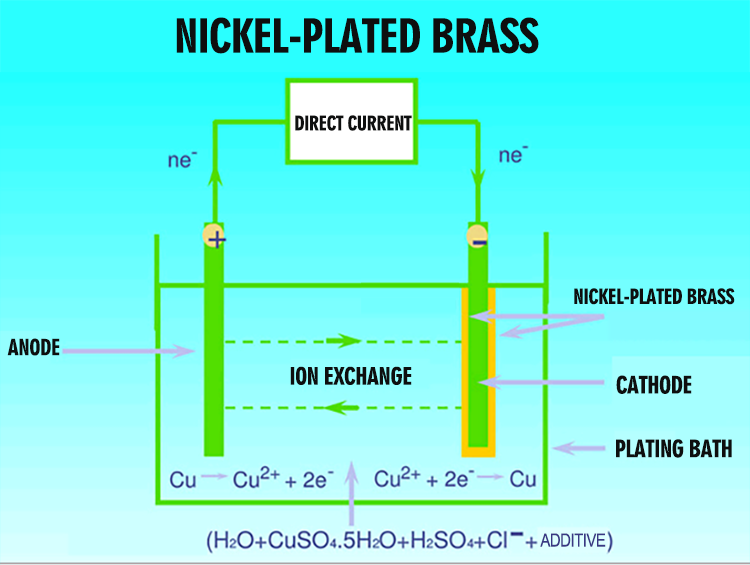
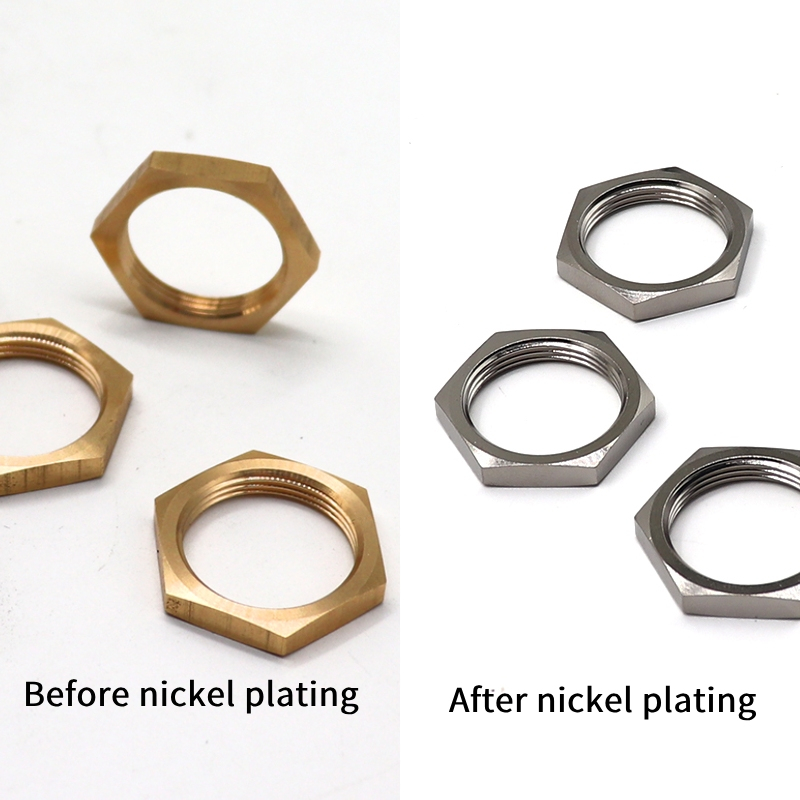
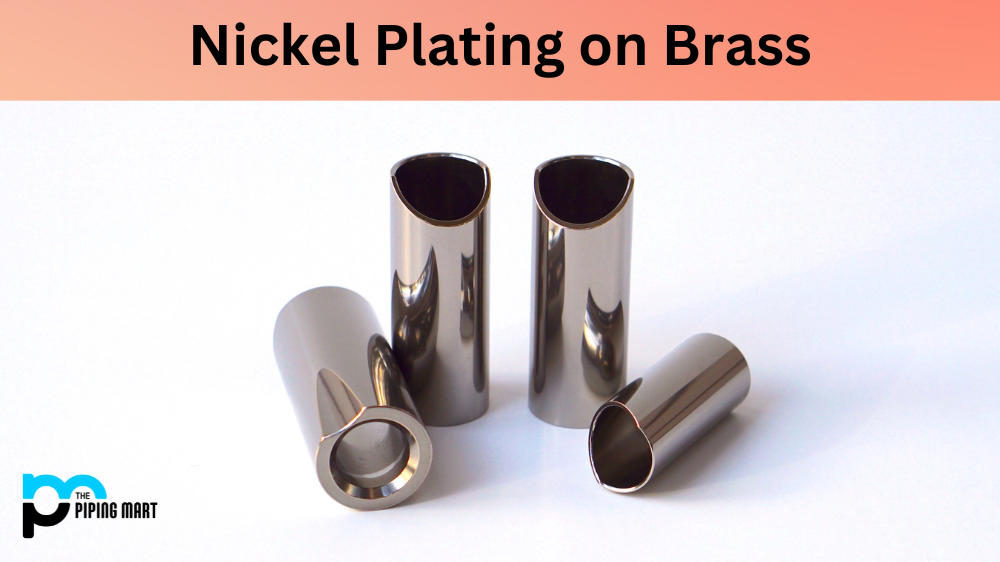
To prevent this, engineers apply a thin layer of nickel, often using an electroless nickel plating process. This chemical bath creates a super smooth, non-porous barrier. But does this micro-thin layer of nickel ruin the acoustic properties of the brass. Surprisingly, no. In fact, it often sharpens the acoustic performance by maintaining the structural integrity of the outer surface, ensuring that high-frequency sound waves reflect cleanly rather than scattering off a corroded, pitted surface.
Sound Speed and Wave Propagation
When a sound wave hits a submerged piece of nickel-plated brass, it encounters a multi-layered boundary. Thankfully, because the nickel plating is incredibly thin—typically measured in microns—it does not significantly alter the bulk speed of sound through the brass.
Instead, the plating acts as an acoustic interface. The hardness of the nickel layer (which is much harder than the base brass) actually helps to reduce energy loss at the boundary. This means acoustic signals, like those from a sonar transducer housing or an underwater hydrophone, can pass through or reflect off the component with minimal distortion.
Dampening and Resonance
Every object has a natural frequency at which it likes to vibrate. For underwater acoustic sensors, managing this resonance is key. You do not want the housing of your sensor ringing like a bell and drowning out the actual signals you are trying to measure.
[Acoustic Wave] ---> | Nickel Layer (Hard/Reflective) | ---> | Brass Core (Dense/Dampening) |Brass has decent internal dampening properties, meaning it naturally absorbs some of the unwanted high-frequency vibrations. The addition of the nickel plating slightly stiffens the outer skin. This subtle change can help shift the natural resonance of small fittings or sensor housings away from the sensitive operating frequencies of marine sonar systems, keeping your underwater readings clean.
You can find nickel-plated brass components scattered all across modern marine technology. It is not just about heavy military submarines; it is about everyday marine gear too.
- Sonar and Transducers: The housings for underwater acoustic sensors often use plated brass to protect delicate piezo-crystals while ensuring clear sound transmission.
- Marine Signaling: Traditional items like boatswain pipes use nickel-plated brass to produce loud, piercing tones that can cut through the roar of the wind and waves.
- Scientific Monitoring: Hydrophones used to track whale calls or tectonic activity rely on these components to survive years of deep-sea pressure without