Have you ever walked into a modern building and found your gaze locked onto a stunning, mirror-like wall surface that looks too sleek to be real? We often admire these polished interiors without thinking about the massive amount of engineering required to make them survive everyday wear and tear. It turns out that getting that brilliant, reflective sheen while keeping the material tough enough to handle bumps and scrapes is an incredible feat of modern manufacturing.
Metal wall surfaces have come a long way from the dull, industrial sheets of the past. Today, architects and interior designers rely on glossy aluminum panels to transform ordinary spaces into breathtaking environments. But what actually goes into making these panels so durable? Let us pull back the curtain on the craft, science, and meticulous artistry that turns raw metal into a masterpiece of interior design.
Selecting the Right Metal Foundation
Everything starts with picking the proper grade of raw aluminum. Makers typically choose specific metal alloys because they offer the best balance of strength and flexibility. If the base material is too soft, the finished panel might dent easily when someone bumps into it with a heavy cart or furniture.
Workers inspect every single sheet before production begins to ensure there are no hidden flaws. Even a tiny scratch or microscopic air bubble in the raw metal can ruin the final glossy finish down the road. By investing time in this initial selection phase, craftspeople set the stage for a product that will last for decades.
The Magic of Surface Preparation
Before any color or shine can be added, the raw aluminum has to undergo a thorough cleaning process. Any leftover oils from the rolling mill or tiny dust particles will ruin the coating adhesion. Workers wash the metal using specialized solutions that strip away grease and create a microscopic texture on the surface.
This textured layer acts like microscopic velcro for the upcoming protective coatings. Without this crucial step, the brilliant finish might peel or flake off after just a few years of temperature changes and humidity shifts. It is a messy, highly regulated step, but absolutely vital for long-term durability.
Anodizing and Protective Treatments
Once the metal is spotless, it often goes through an electro-chemical bath known as anodizing. This process thickens the natural oxide layer on the aluminum, making it remarkably resistant to corrosion and daily wear. Think of it as giving the metal a permanent suit of invisible armor.
In 2026, advanced sealing techniques ensure that this protective barrier locks out moisture and pollutants completely. This means the panels can be used in humid bathrooms or busy commercial lobbies without losing their structural integrity. The science here ensures that beauty never has to compromise on toughness.
Applying the High-Gloss Finish
Here is where the real visual transformation happens. Technicians apply specialized liquid or powder coatings designed to create that signature mirror-like shine. These coatings are sprayed on with extreme precision to avoid any drips or uneven spots.
After spraying, the panels move into massive curing ovens where heat bakes the finish into a hard, glossy shell. This baking process cross-links the polymer molecules, creating a surface that resists fading from sunlight and harsh cleaning chemicals. It is a delicate dance between temperature control and timing.
Rigorous Quality Testing Standards
You cannot just assume a panel is tough; you have to prove it. Before leaving the factory, these glossy panels face a battery of intense stress tests. Machines bend them, scratch them with diamond tips, and expose them to simulated UV light to check for durability.
If a batch shows even the slightest sign of fading or cracking under pressure, it gets sent back. This strict quality control guarantees that only the best products reach actual construction sites. Builders and homeowners can trust that their walls will stay gorgeous for years to come.
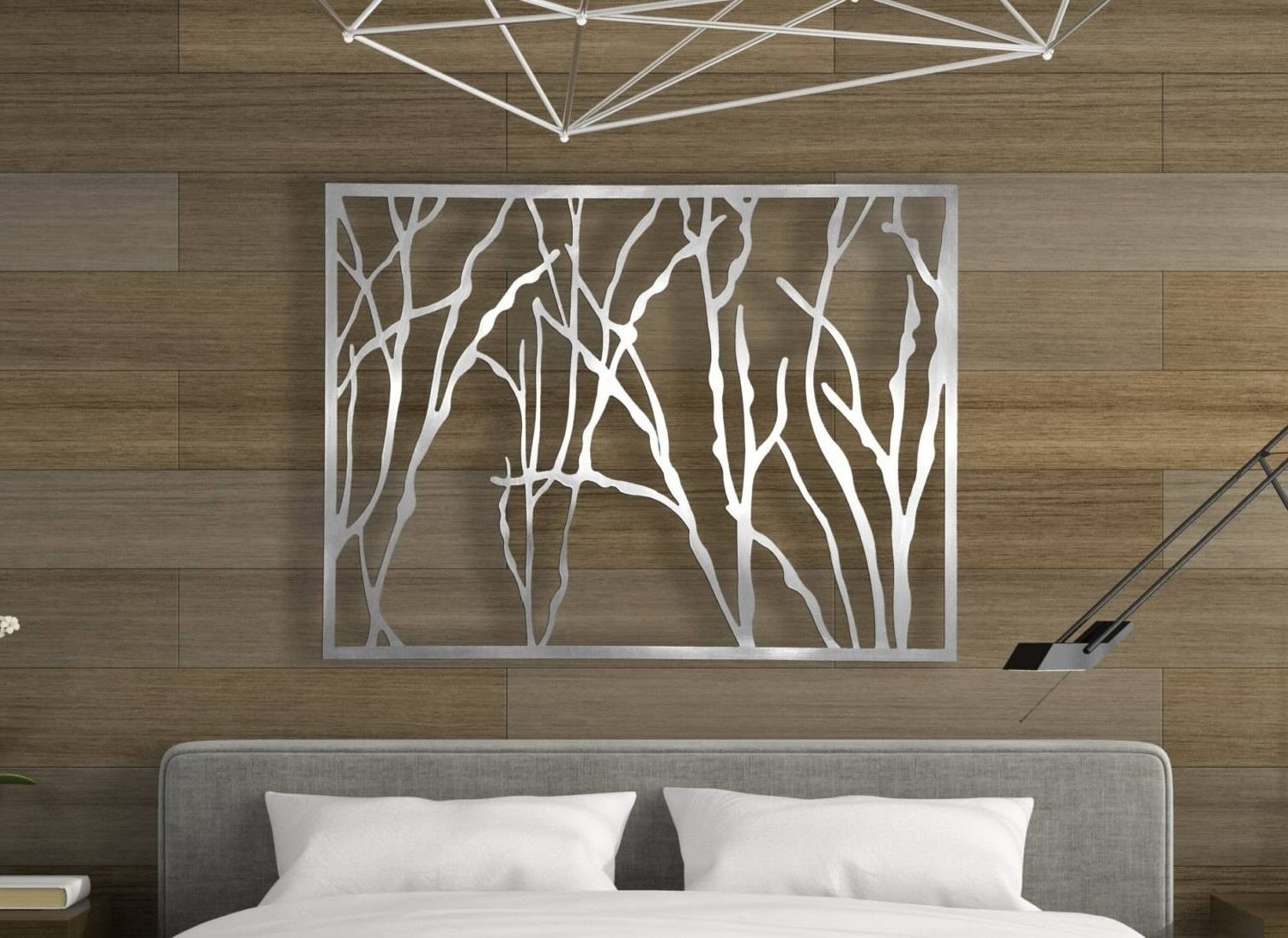
Now that you know how much work goes into these panels, where do people actually use them? You will find them lining the walls of high-end hotels, corporate offices, and even modern residential kitchens. Their reflective surfaces bounce light around, making small rooms feel much larger and brighter.
Taking care of them is surprisingly simple, too. A soft microfiber cloth and mild soap are usually all it takes to keep them looking brand new. Just avoid abrasive scrubbers that might dull that hard-earned glossy shine over time.
Crafting durable glossy aluminum wall panels is truly a blend of art and rigorous science. From the initial selection of the raw metal to the final bake in the curing oven, every single step requires patience, skill, and advanced technology. Next time you run your hand across a gleaming metal wall, you will know just how much dedication went into making it shine.