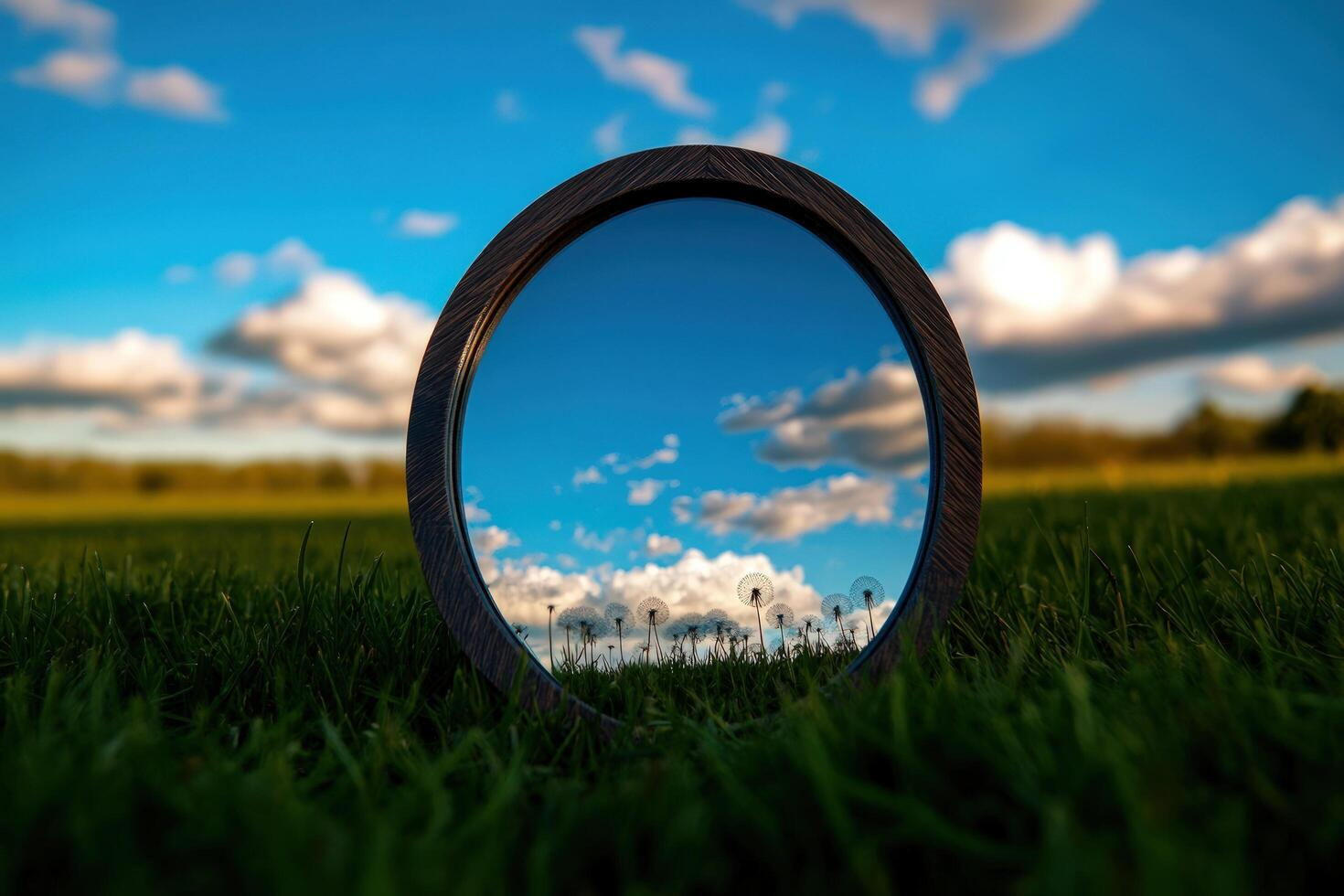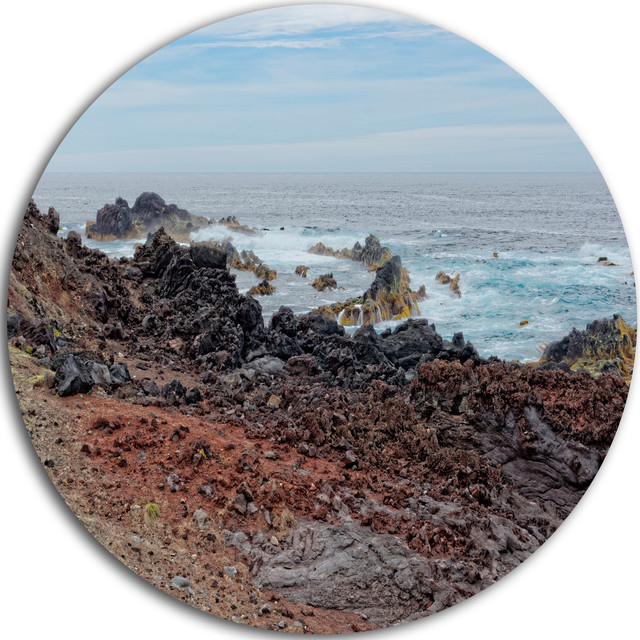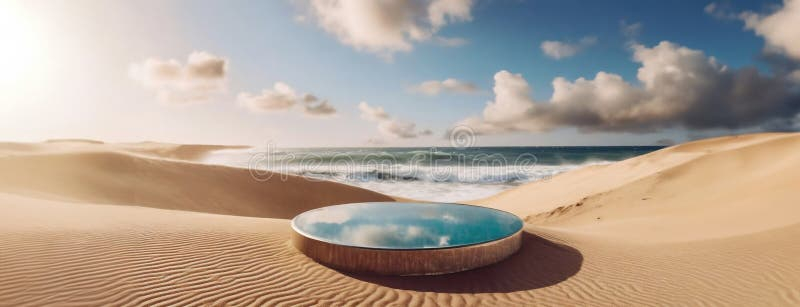
Have you ever stood on a beach and felt like the light was doing something… different? Like it was dancing just for you? It is not just your imagination. Coastal environments are wild places where the air, water, and sky constantly play tag. When artists place circular installations along the shoreline, they are not just adding a pretty object to the sand. They are inviting the sun to play a new game.
It is honestly pretty magical how a simple circle can mess with our eyes and the sunshine. These pieces of work—often made from stone, glass, or recycled stuff—act like anchors for the atmosphere. They don’t just stand there; they talk to the light. And today, we are going to dive into how these shapes actually bend and shift the natural glow of the world around us.
Why Circles Change the Game
The thing about a circle is that it has no sharp edges. Everything else on the coast, like jagged rocks or square piers, fights with the horizon. A circle, however, flows with it. When the sun hits these rounded shapes, it does not just bounce off. It curves. This gentle interaction is how they start to pull the atmosphere in.
Think about it like this. When light touches a flat surface, it reflects in a predictable line. When it hits a curve, it wraps around. It softens. This helps to make the light feel more like it is part of the space rather than just hitting it from above. By 2026, many creators are using these shapes specifically to keep the beach feeling soft and dreamy.
Softening the Harsh Edges
Coastal sunlight is usually pretty intense. Between the glare on the water and the open sky, it can be a bit much for our eyes. Circular artwork works like a filter. Because they are round, they break up those sharp beams. They take that harsh, bright energy and spread it out.
It is like the difference between a spotlight and a lantern. The sculpture catches the light and lets it bleed out into the surrounding air. This process makes the whole scene feel a bit more relaxed. You might notice that the shadows near these pieces feel less like dark holes and more like soft, grey smudges. It is a subtle shift, but it feels huge when you are standing there.
The Dance of Water and Reflection
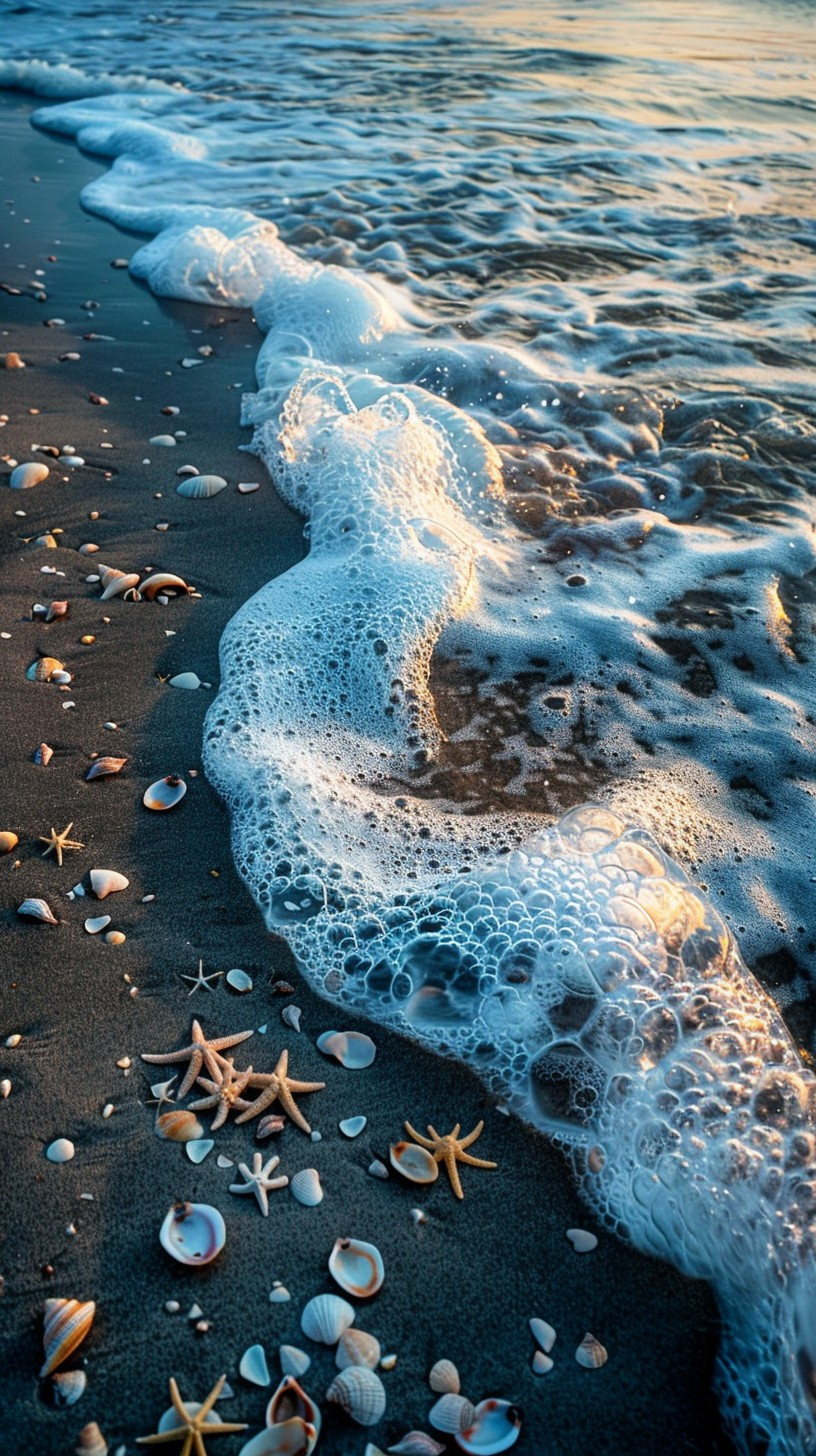
The water is already doing a lot of work reflecting the sky, but a circular sculpture adds another layer to that performance. As the tide comes in and out, the water levels change around these objects. This means the way light hits the sculpture is always in motion. It is a bit of a moving target.
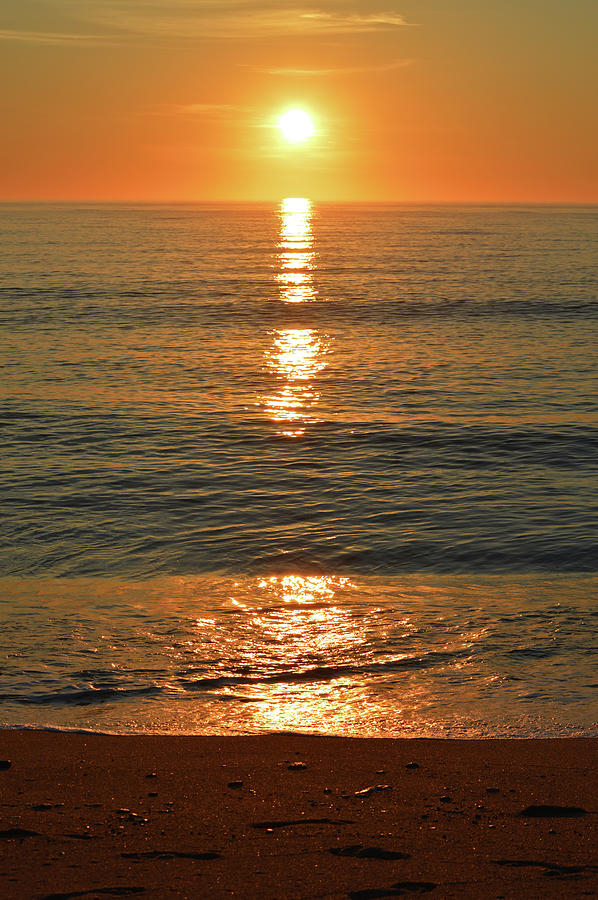
When the sun is low, like at sunset, these circles catch the light and cast it back onto the wet sand. You end up with these glowing, circular patterns that move as the waves shift. It is not just about the object; it is about the ripple effect it creates.
Creating Focus in a Vaster Space
The beach is an incredibly big, wide-open place. Sometimes that can feel a little overwhelming. A circular installation provides a place for your eyes to rest. It acts like a frame for the light, drawing your attention to a specific spot where the sun is doing something interesting.
By grouping light around these shapes, artists make the vastness feel more intimate. It turns a giant, scary beach into a small, personal room. You might find yourself staring at the sculpture for a long time, just watching how the light travels across its surface. It gives the brain something to hold onto while the rest of the world just fades away.
The Role of Materials Matters
Not every circle plays with light the same way. A circle made of rough, dark stone is going to drink up the light, creating a deep silhouette against the bright sea. A circle made of smooth glass or polished metal is going to grab the light and shoot it out in all directions.
In 2026, more artists are choosing materials that react to the humidity of the air. When the air is thick with mist, these materials can make the light look like it is glowing from the inside. It turns the sculpture into a literal source of light, even when the sun is hidden behind some clouds. It’s a pretty cool way to keep the beach feeling bright even on the gloomier days.
Why We Find This So Calming
We are hard-wired to like circles. They feel whole. They feel complete. When we see a circle interacting with the natural rhythm of the ocean, it feels right to us. It matches the cycles we see in the tide, the moon, and the sun. It is a little reminder that everything is connected.
When the light flows around these shapes, it feels like a slow, deep breath. It stops us from rushing. It asks us to just slow down and look. And honestly, isn’t that why we go to the beach in the first place? To escape the chaos and find a little bit of quiet wonder.
At the end of the day, these circular installations are much more than just art. They are tools that help us see the light in a different way. They teach us that even a little bit of design can change the way we feel about our natural world. By rounding out the edges and inviting the sun to play, they turn a simple day at the beach into something a bit more meaningful.
So, next time you see a ring or a curved shape on the shore, take a moment to look at the light around it. See how it curves, how it catches the sand, and how it changes as the sun moves. It is a quiet, beautiful thing to watch. And it might just change the way you look at the beach forever.