Have you ever looked at something and thought, how on earth did anyone even dream that up. Art is always changing, and right now in 2026, we are seeing some of the most wild and wonderful combinations imaginable.
Think about the soft, bleeding edges of a watercolor painting. Now picture cold, hard steel or gleaming brass. They sound like complete opposites, right. One is fluid and dreamy, while the other is industrial and tough. Yet, creators everywhere are bringing these two totally different worlds together into a brand new kind of visual language.
The Surprising Marriage of Fluidity and Industry
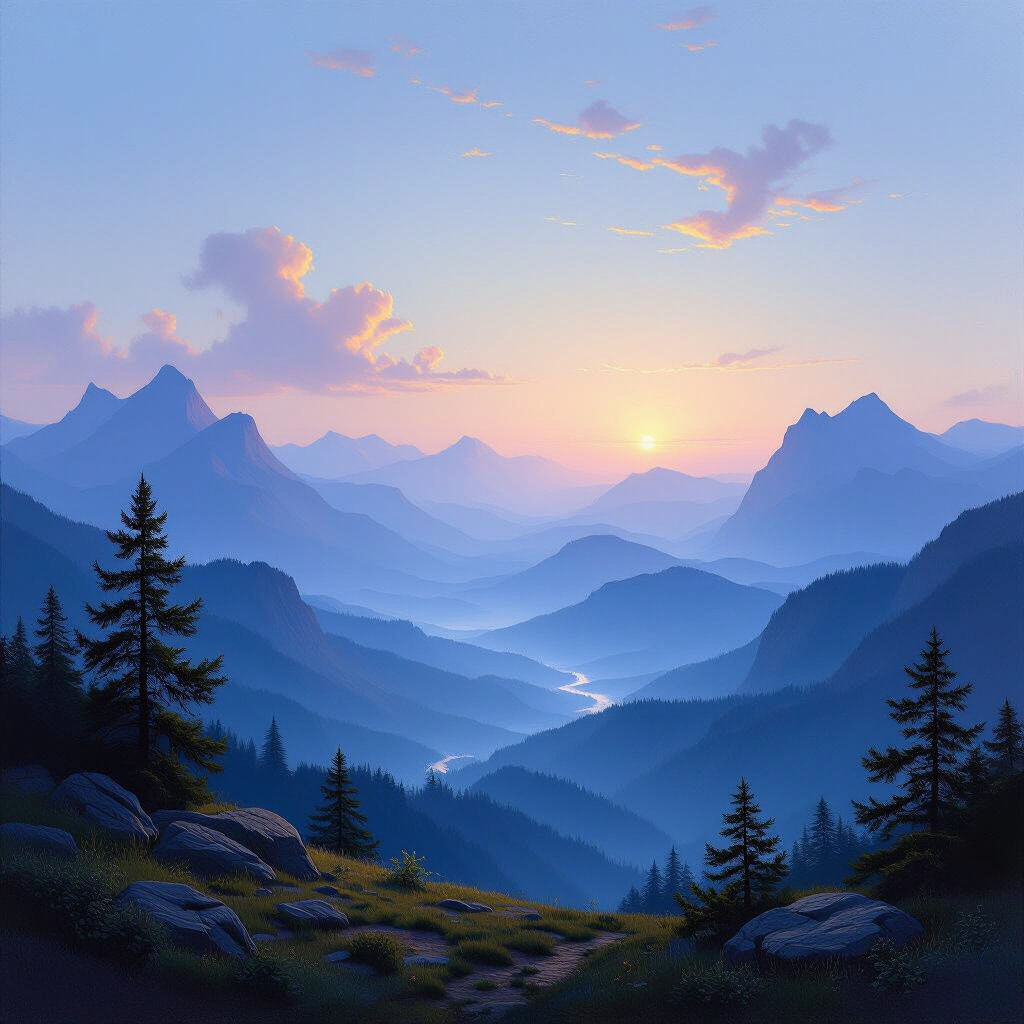
When people first hear about mixing digital painting tools with physical metal work, they usually scratch their heads. Traditional artists love the tooth of cold-press paper, while metalsmiths are busy hammering, etching, and welding. But modern tech has changed the game completely. Software lets artists simulate wet pigments on a screen with stunning accuracy, capturing every subtle granulation and water bloom.
By taking these digital watercolor creations and transferring them onto or alongside actual metal surfaces, makers are creating hybrid art pieces that defy expectations. An artist might print a delicate, fluid wash onto brushed aluminum, or laser-etch a metallic plate to serve as the structural backbone for a layered digital projection. It is all about contrast. The soft washes tame the harshness of the metal, and the rigid metal gives the digital paint a sense of real-world weight.
Stepping Into the Digital Studio
Creating these mixed-media pieces requires a pretty unique workspace. You need both a powerful computer setup and a workbench full of saws, files, and polishing compounds. Programs like Adobe Fresco provide incredible brush options that mimic real-world watercolor washes, letting artists iterate rapidly without wasting expensive paper.
Once the digital painting is just right, the physical translation begins. Some makers use UV printing to lay high-res watercolor textures directly onto sheet copper or steel. Others experiment with projection mapping, casting shifting digital water colors across sculptural metal forms in real time. This back-and-forth between pixels and physical elements opens up endless possibilities for experimentation.
Overcoming Creative Hurdles and Common Pitfalls
Of course, mixing digital painting with heavy metal work is not without its challenges. One big hurdle is color calibration. What looks like a vibrant, saturated turquoise on a glowing computer monitor might look totally dull and muddy when printed onto a dark, reflective sheet of brushed iron.
Artists have to learn how different metals absorb or reflect light underneath translucent inks. If you are not careful, the metallic sheen completely washes out the delicate details of your digital brushwork. Overcoming this takes patience and plenty of test runs. You learn to embrace the unpredictable nature of how light hits metal, turning potential mistakes into happy accidents.
Crafting Stories Through Texture and Contrast
Every piece of art tells a story, and this hybrid approach has a very distinct voice. The juxtaposition of a soft, organic watercolor splash against a cold, industrial bolt creates an instant narrative about nature versus technology. It makes you want to reach out and touch the surface just to see how it feels.
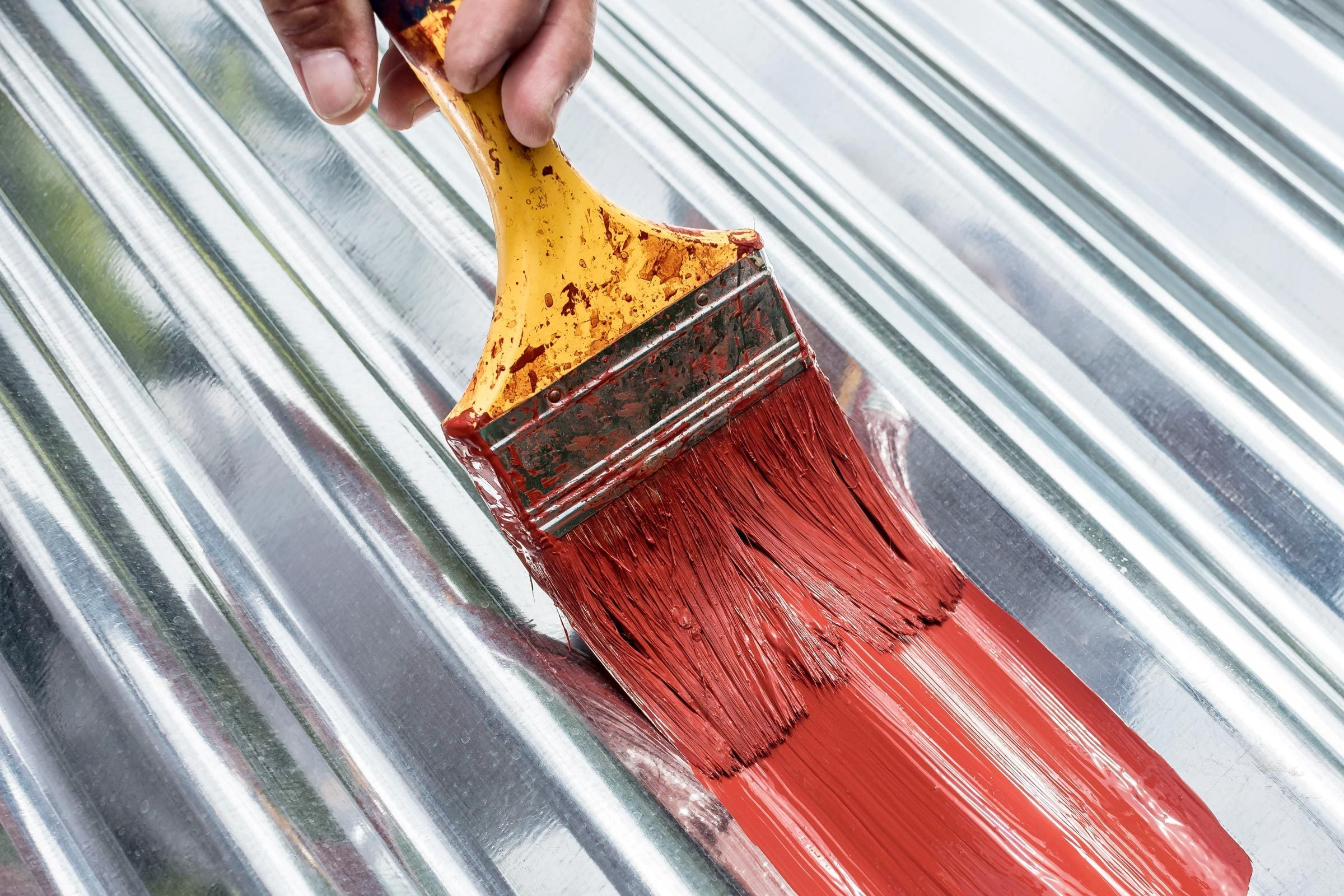
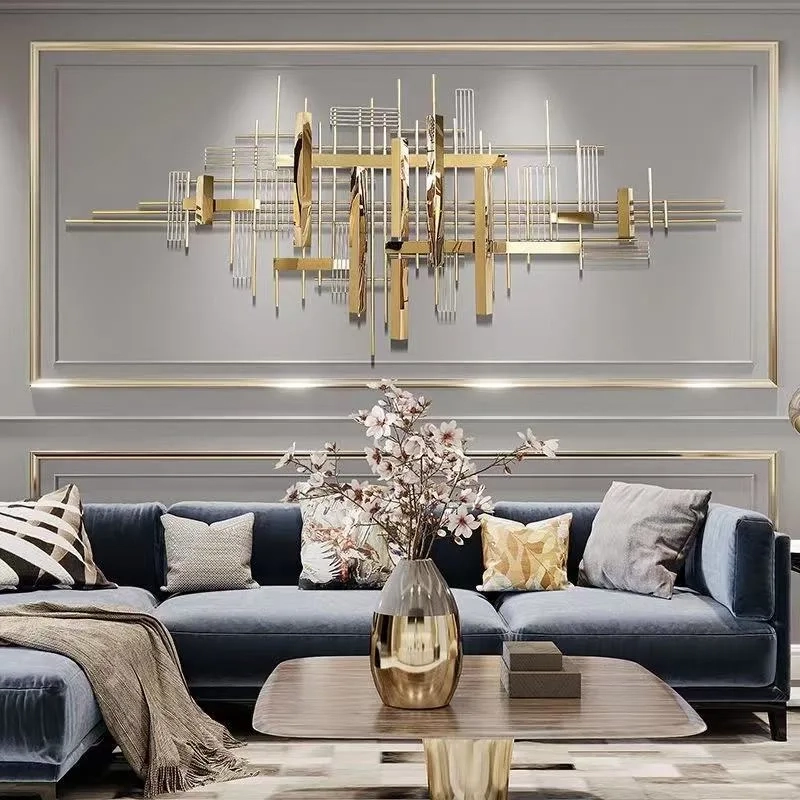
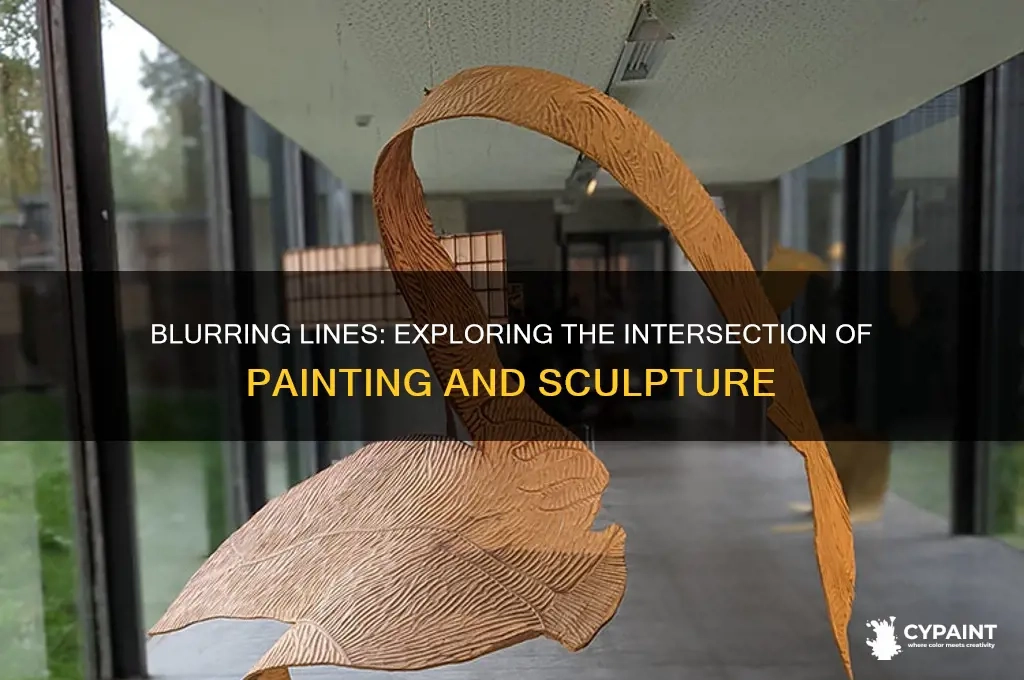
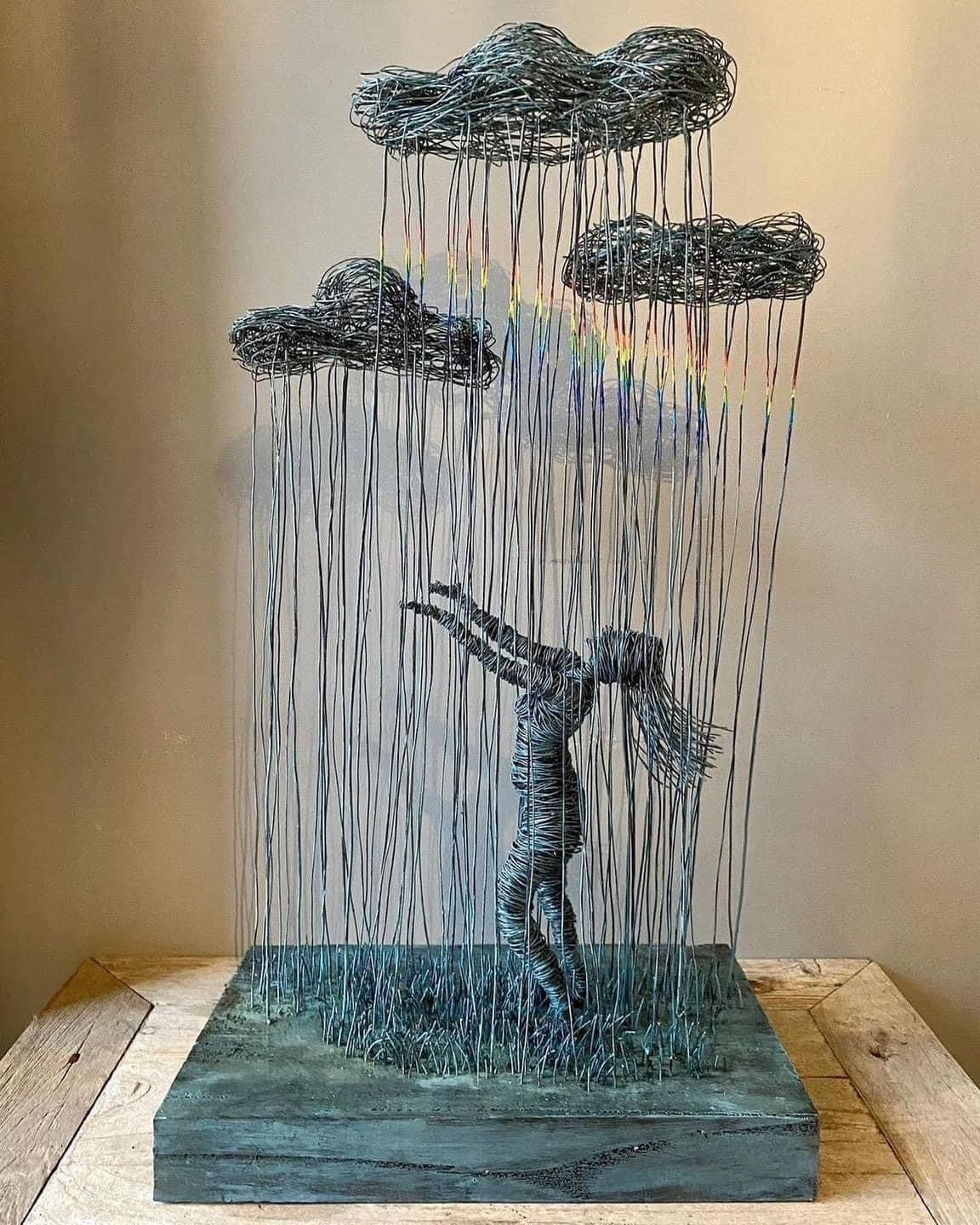
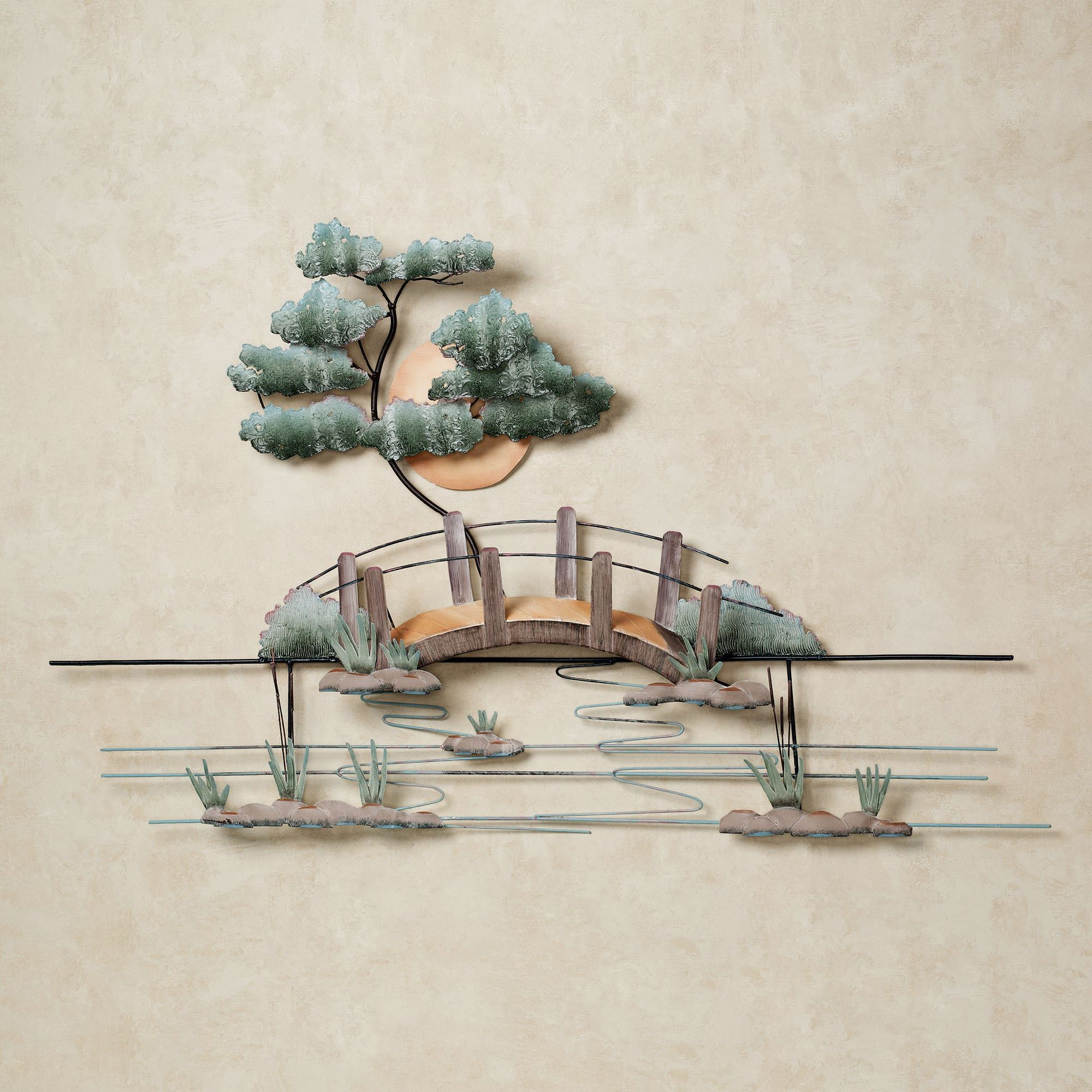
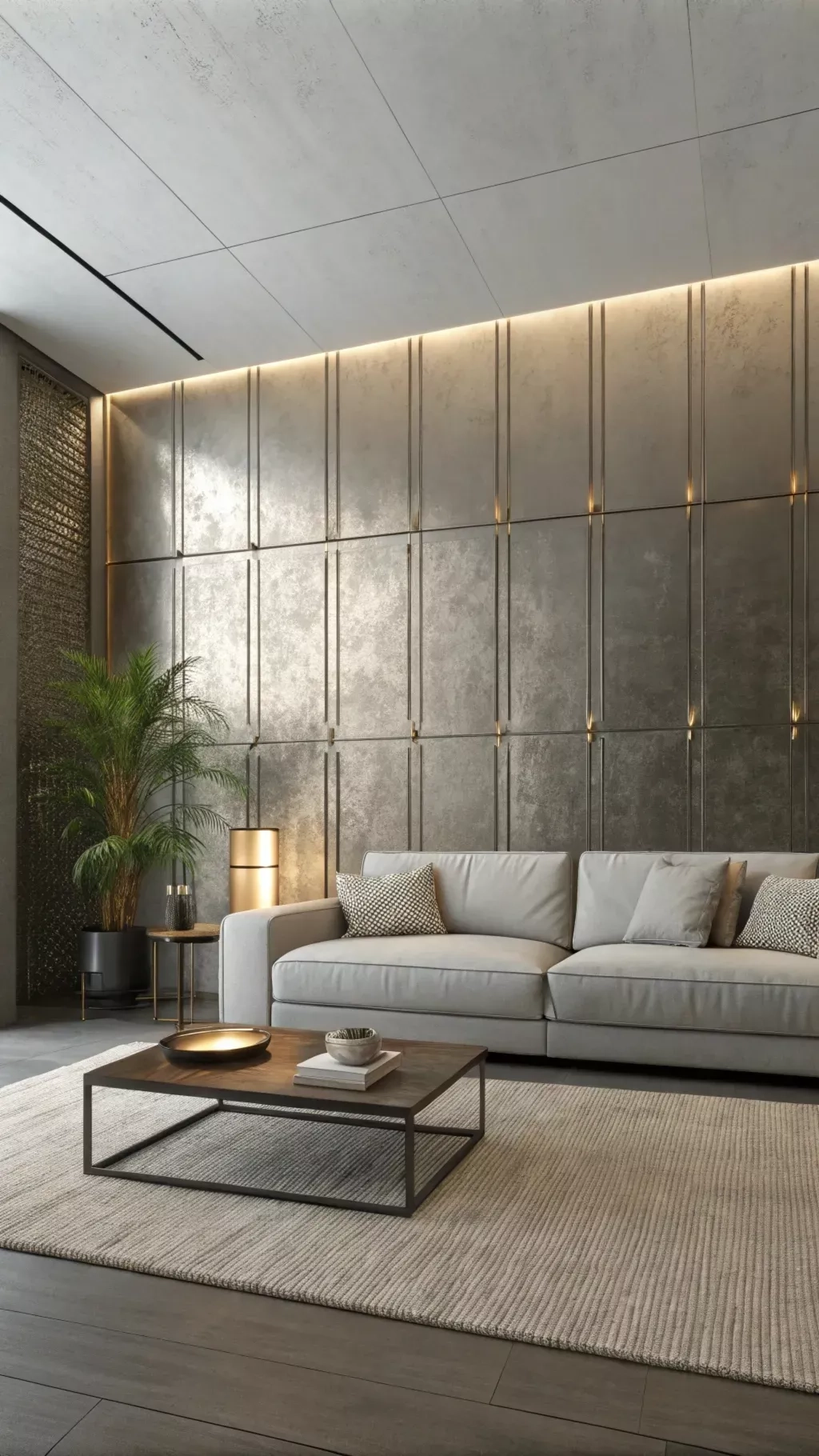
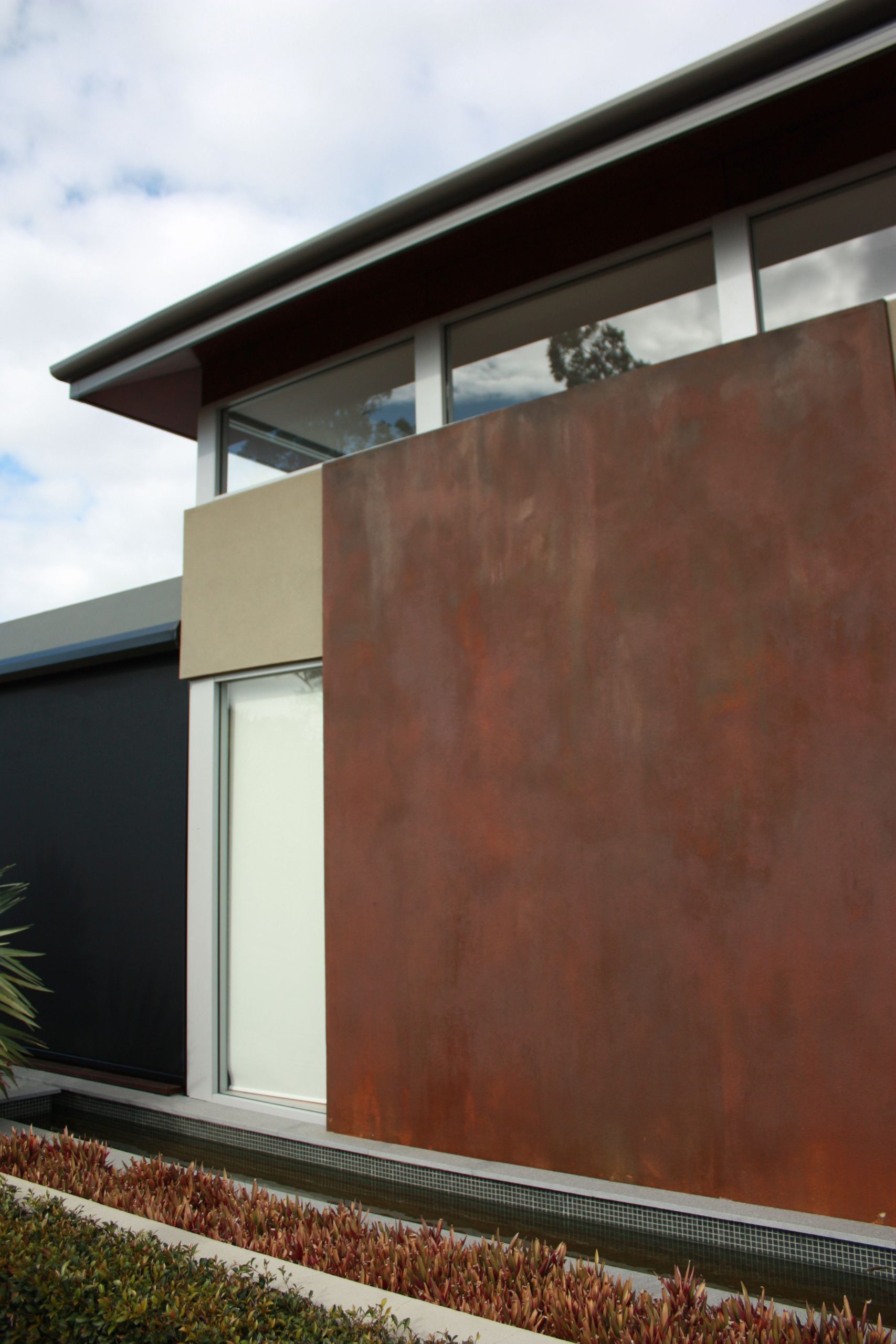
Think about sculptural wall hangings where overlapping sheets of rusted steel frame a luminous, digitally painted landscape. The rough, textured edges of the metal contrast sharply with the smooth, ethereal gradients of the water color washes. This tension grabs the viewer’s attention and refuses to let go. It bridges the gap between old-school craft and futuristic design.
Finding Authenticity in a Digital Age
In our modern era, where so much of what we see lives only on screens, people are craving tactile authenticity. They want to know that human hands and creative thought went into making an object. This is why hybrid crafts are having such a massive moment right now.
When you combine a digital creation with a heavy, forged piece of metal, you bridge the virtual and the physical worlds. It sparks important conversations about originality and what it means to be an artist today. Is it still a painting if it lives partly in software and partly on a steel plate. Absolutely. And that blurring of boundaries is precisely what makes it so exciting to watch unfold.
As we move deeper through 2026, the tools available to hybrid artists are only getting better and more accessible. We are seeing portable laser cutters, better UV printers, and even more responsive digital painting apps hitting the market every single month. Creators are pushing the envelope further, incorporating kinetic elements and lighting to make their metal-and-pixel creations dynamic.
The line between traditional craftsmanship and digital innovation continues to blur. For anyone willing to experiment, this intersection offers a massive playground of uncharted creative territory. You do not need to follow strict rules anymore. You just need curiosity, a willingness to make mistakes, and a passion for bringing unlikely materials together.
Bringing digital painting techniques into conversation with heavy metal craftsmanship might sound a bit unconventional at first, but that is exactly where the magic happens. By letting soft, fluid pixels interact with hard, industrial surfaces, artists are inventing a fresh visual language for our time.
Art is about breaking down walls and seeing what happens when two totally different worlds collide. Whether you are a painter, a metalsmith, or just someone who loves cool design, there is never been a more exciting time to dive into the world of hybrid craft. So go ahead and explore a little outside your comfort zone, because the results might just surprise you.