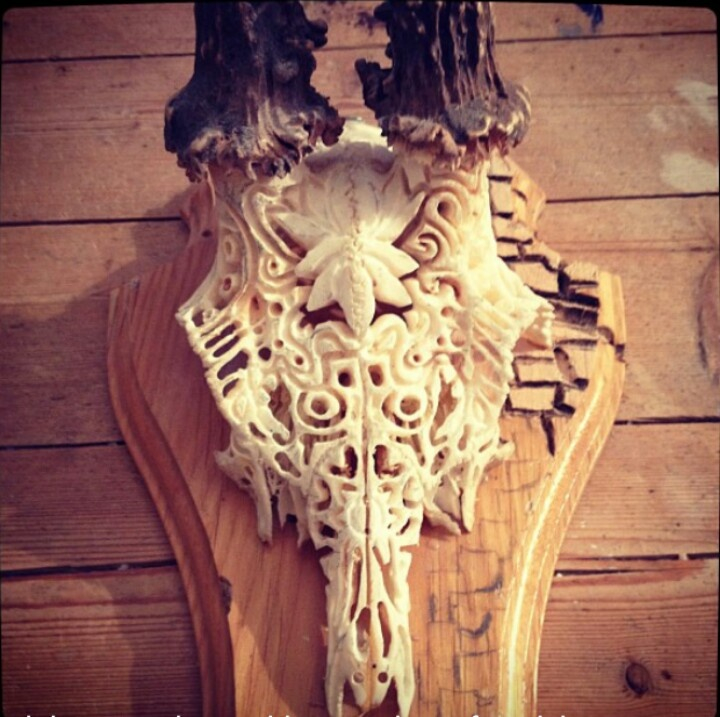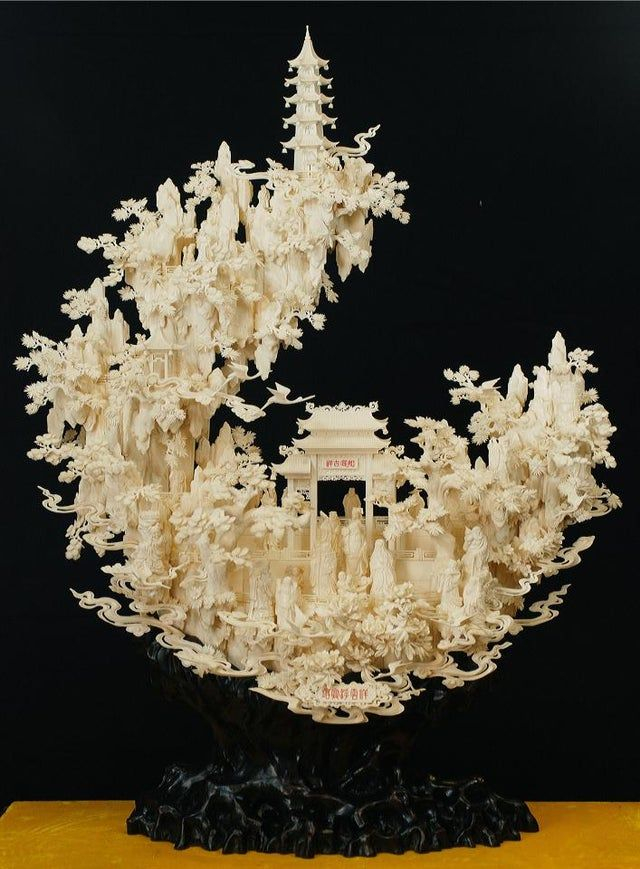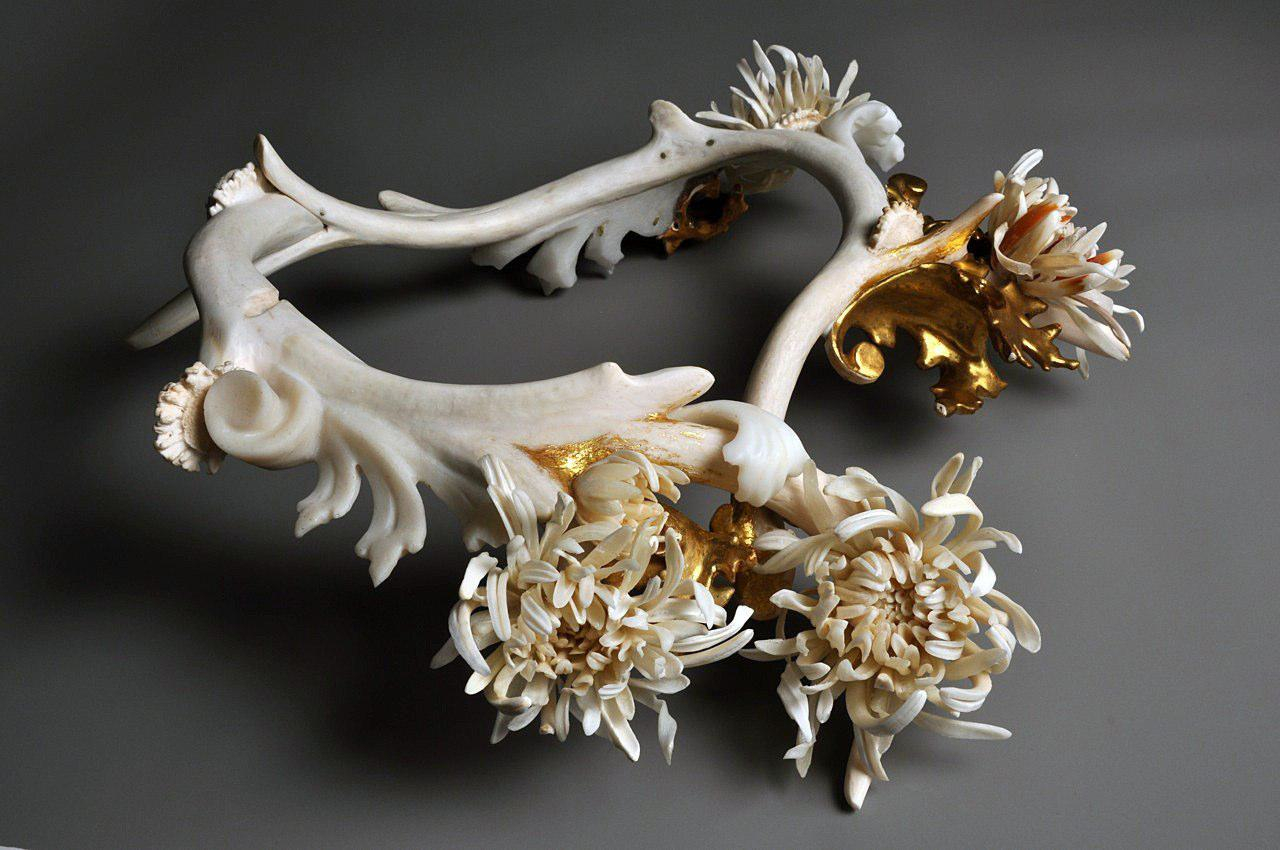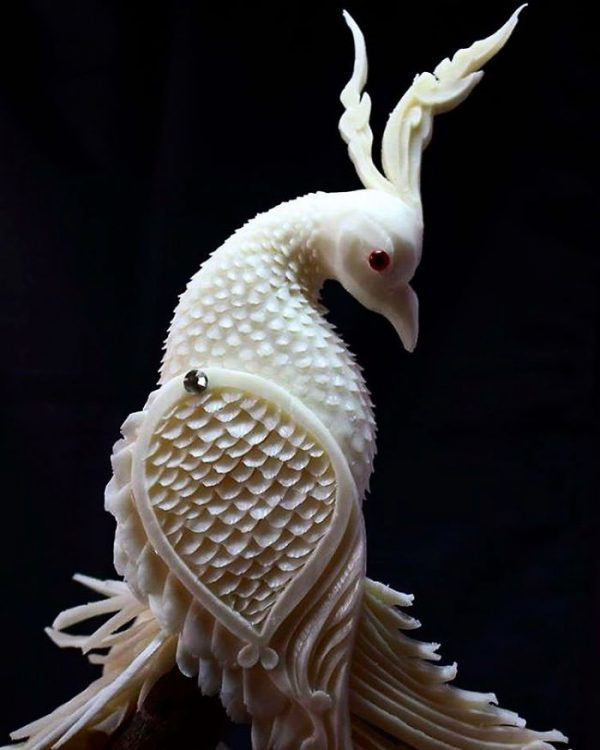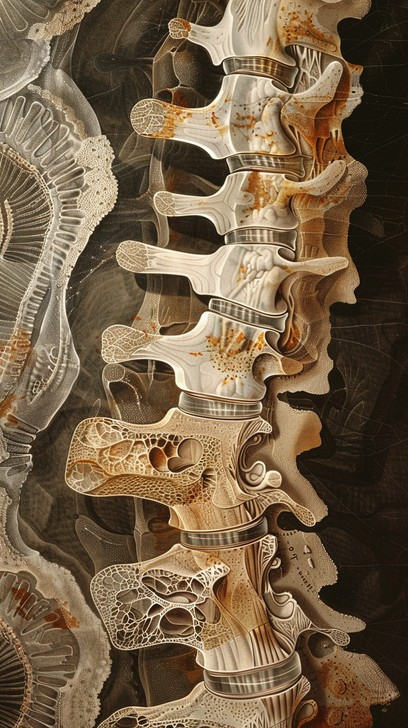
Have you ever looked at a simple piece of bone and seen a whole world waiting to jump out. The wide open plains of North America hold stories that go back thousands of years. Today, skilled artists are keeping those deep roots alive by carving gorgeous designs into bison bone.
Long before modern tools existed, the people of the plains relied on every single part of the great beasts that roamed the grass. Bone was never just trash, but a blank canvas for history. Now in 2026, modern creators and traditional keepers are picking up this old craft to honor their ancestors and share powerful cultural lessons with the world.
The Deep Connection Between People and Bison
The relationship between native tribes and the bison runs deeper than most folks realize. For generations, these animals provided food, shelter, and tools. Nothing ever went to waste. When a hunter used a rib bone to shape a hide or craft a needle, they formed a physical bond with the animal.
Art grew naturally from this survival instinct. Carvers would scratch symbols and pictures into fragments of bone to record important hunts or spiritual visions. These small engraved items became sacred keepsakes passed down through families. They tell a story of resilience that still echoes across the grasslands today.
Transforming Rough Materials Into Fine Art
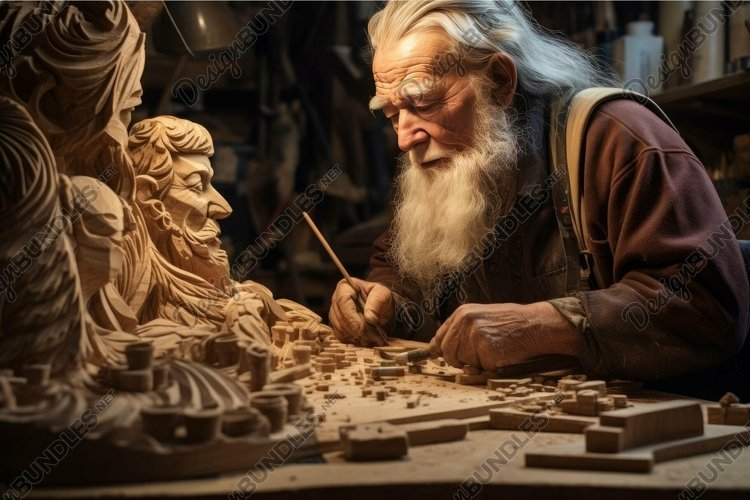
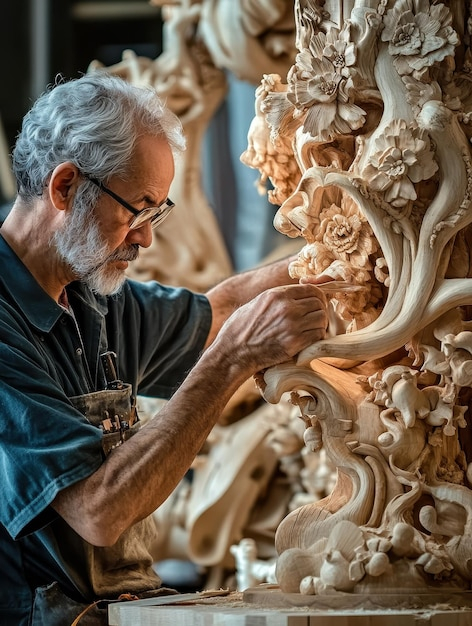
Working with bone takes incredible patience and steady hands. A raw bison bone is tough, dense, and irregular. An artist has to study the natural curve of the material before making a single cut. They use tiny saws, files, and sharp blades to shape the surface.
Smoothing out the rough edges requires hours of careful sanding. Once the base shape is ready, the real magic starts. Fine lines are etched into the bone to reveal geometric patterns or pictures of wildlife. Every slip of the hand can ruin days of work, making each completed piece a true test of focus.
Symbols That Tell Ancient Stories
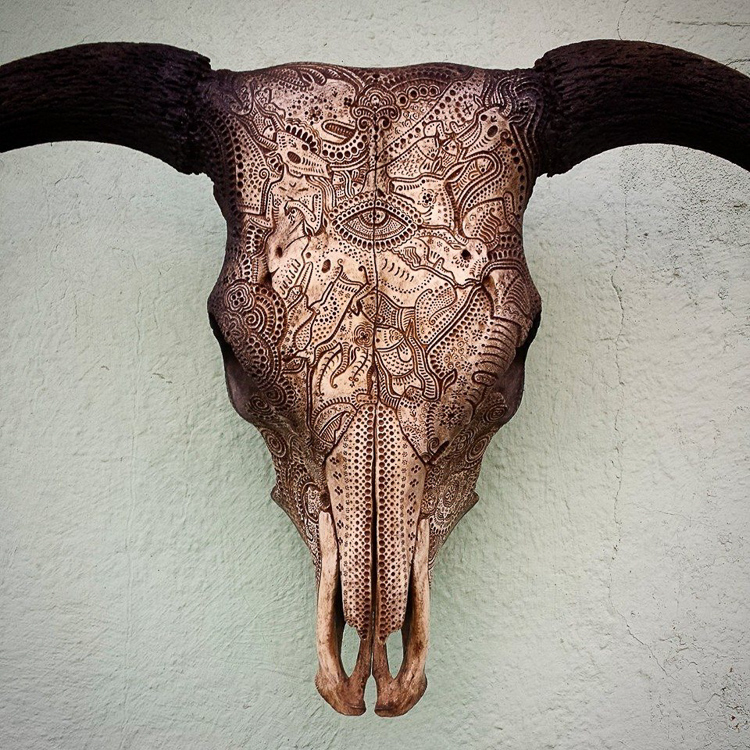
If you look closely at these carved pieces, you will notice repeating shapes and motifs. Triangles, zig-zags, and animal figures are very common. Each symbol carries a specific meaning tied to the earth, the sky, or tribal history. A wavy line might represent a flowing river, while a thunderbird stands for protection.
Carvers act as historians and keepers of memory. They do not just make pretty decorations. They preserve a visual language that colonization tried to erase. By teaching these techniques to younger generations, elders make sure the old stories do not fade away.
Modern Revival and Creative Evolution
The art of bone carving is not stuck in the past. In recent years, contemporary creators have started mixing ancient methods with fresh ideas. Some artists combine carved bone with modern metals or vibrant beads. This blend of old and new creates a unique style that appeals to modern art collectors.
At cultural centers and local workshops across the plains, people gather to learn these forgotten skills. Mentors guide students through the basics of preparing the bone and planning a design. This hands-on sharing of knowledge keeps the community strong and creative.
Challenges Faced by Traditional Carvers
Keeping this tradition alive is not always easy. Finding authentic, ethically sourced bison bone can sometimes prove difficult for independent artists. Commercial materials often take over the market, pushing natural traditional mediums to the side.
Furthermore, mass-produced fake crafts often flood souvenir shops. These cheap knockoffs disrespect the true cultural weight behind genuine native artwork. Supporting authentic makers ensures that the craft survives and that the profits go back into the right communities.
If you want to support this amazing heritage, start by learning how to spot genuine hand-carved pieces. Look for natural variations in the bone texture and subtle imperfections that prove a human hand shaped it. Mass-cast resin pieces always look too uniform.
Always buy directly from Indigenous artists or trusted cultural galleries whenever possible. Ask questions about the meaning behind the symbols on the piece. Taking the time to understand the story transforms a simple purchase into a meaningful connection with plains history.
The art of carving bison bone is a testament to human creativity and endurance. These small sculptures carry the weight of a rich history and the spirit of the open plains. By keeping these traditions visible, we honor the past while helping a beautiful culture thrive today.
Supporting these artists means keeping a vital piece of history breathing. Whether you collect art or simply love learning about different cultures, taking an interest in bone carving makes a real difference.