The silence in a newly furnished room can feel heavy, clinical, and entirely devoid of life. Picture walking into a living space featuring perfectly color-matched beige upholstery, immaculate neutral walls, and predictable landscape prints ordered in bulk from a big-box catalog. It looks expensive, yet it leaves guests awkwardly clutching their wine glasses, staring at their phones, searching for a spark of human warmth. We have all stood in rooms designed for visual tranquility that ended up inducing social paralysis.
Interior design often treats walls as neutral backdrops meant to disappear behind furniture arrangements and lighting fixtures. Yet, the psychology of spatial design reveals that walls are primary canvases for human expression, acting as the silent hosts of our gatherings. When a room lacks a focal point that challenges perception or provokes a smile, social interaction stalls. People need anchors for their curiosity. Without them, even the most meticulously decorated room remains nothing more than a showroom.
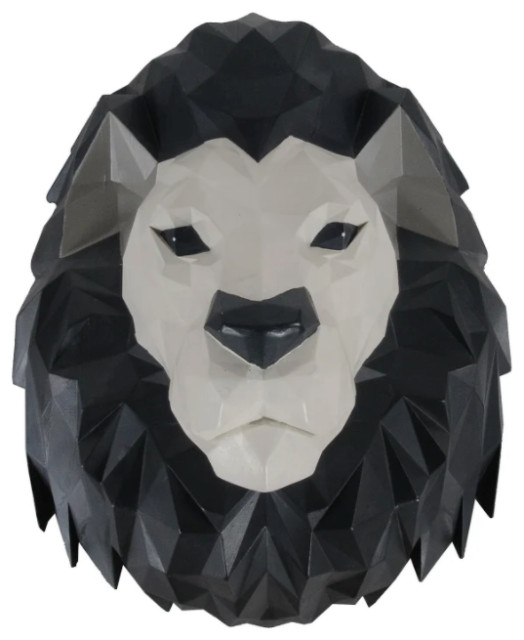
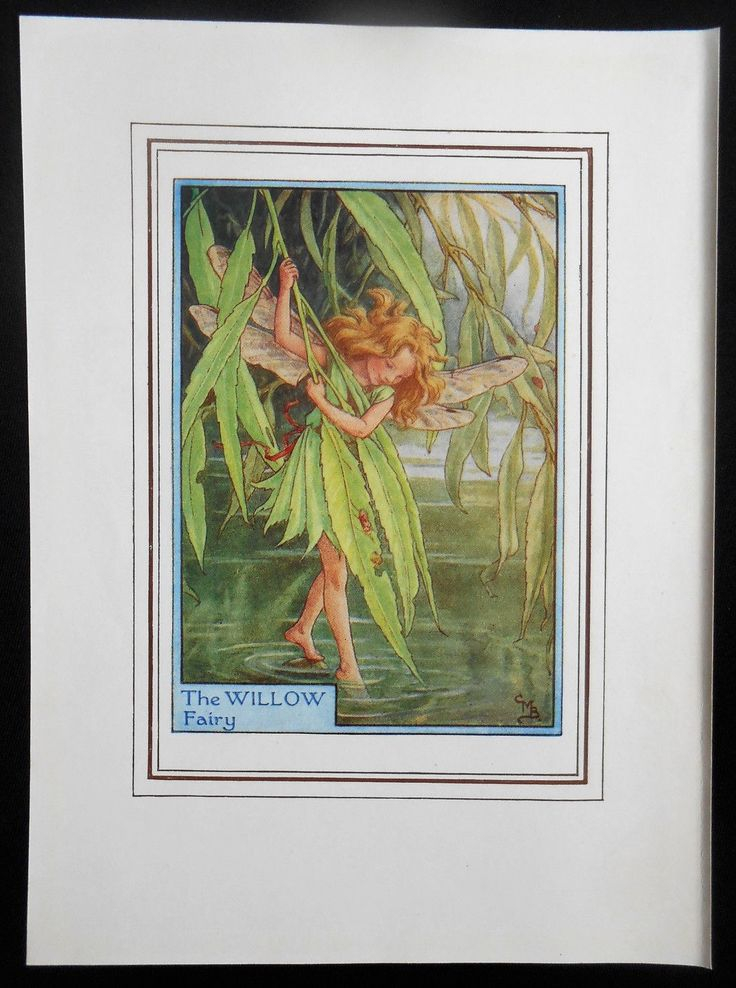
The antidote to this architectural sterility is not another safe, mass-produced canvas. It is the calculated introduction of quirky, unexpected, and rule-breaking wall art. Whether it is a hand-painted mural of classical figures enjoying modern fast food, a brutalist concrete frame holding an absurdly mundane photograph, or a three-dimensional brass insect crawling up the drywall, unconventional art shatters the polite monotony of conventional interiors. It acts as an icebreaker before a single word is spoken, changing the entire cadence of a room.
For decades, domestic spaces prioritized formal aesthetics and strict historical provenance. Art was something to be admired from a respectful, silent distance, framed in heavy gilded wood and lit with directional picture lights. This traditional mindset treated the home as a museum rather than a living, breathing stage for human connection. However, contemporary interior culture has undergone a seismic shift. Homeowners increasingly reject sterile perfection in favor of spaces that broadcast their genuine eccentricities, humor, and lived experiences.
Wall art is no longer just decoration; it is social architecture. Pieces that evoke emotion, tell idiosyncratic stories, or playfully subvert expectations alter interpersonal dynamics. When a guest walks down a hallway and encounters a hyper-realistic oil painting of a toaster floating in deep space, an immediate psychological switch occurs. The rigid social guard drops. Questions bubble up naturally: Where did you find that? What does it mean to you? The artwork bridges the gap between strangers and acquaintances, turning an ordinary dinner party into an unforgettable evening of storytelling.
This transition from passive backdrop to active conversational catalyst represents a broader cultural reclamation of our living spaces. As digital lives become increasingly homogenized, physical homes serve as the ultimate refuge for radical self-expression. Quirky art signals safety, wit, and intellectual curiosity. It tells visitors that perfection is not expected here, but personality certainly is.
The Psychology of Social Architecture and Visual Disruption
When examining how physical spaces dictate human behavior, environmental psychologists frequently point to the concept of cognitive friction. Safe, predictable environments encourage passive observation, whereas visual disruption forces the brain to pause, process, and seek context. Quirky wall art weaponizes this cognitive pause. When someone encounters an object that does not immediately fit their mental database of how a room should look, their natural instinct is to resolve the dissonance by talking about it.
This phenomenon explains why certain pieces consistently draw crowds at parties while others fade into the background. A minimalist pastel gradient print evokes a pleasant sigh, but a sarcastic pop culture mashup or an asymmetrical 3D wall sculpture demands engagement. It triggers a micro-puzzle in the viewer’s mind. The brain attempts to reconcile the familiar with the absurd, creating an immediate psychological itch that can only be scratched through dialogue. This is the exact mechanism that turns an awkward silence into a lively debate.
Furthermore, authentic self-expression through unconventional decor fosters psychological safety. When hosts display art that highlights their weird hobbies, niche obsessions, or dark humor, they signal vulnerability. They are essentially telling their guests that authenticity trumps corporate polish. This openness ripples through the room, encouraging guests to let down their guard, share their own eccentricities, and engage in deeper, more meaningful conversations.
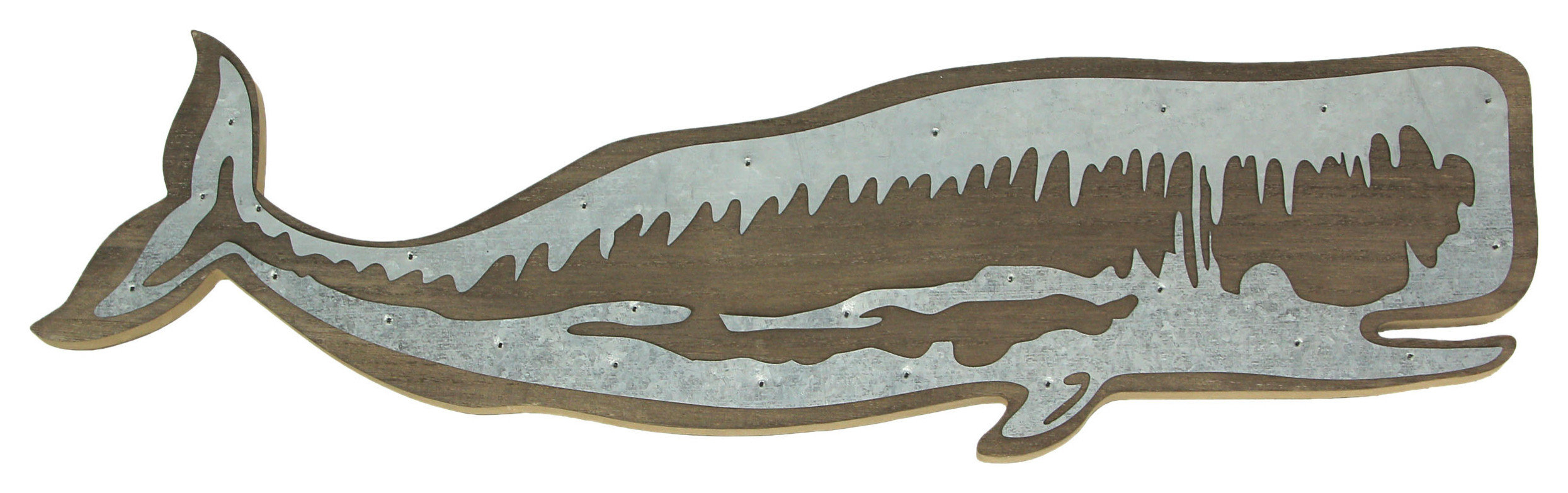
The materials and mediums chosen for quirky wall art further amplify this psychological impact. Traditional framed canvases on paper are comforting, but breaking the plane of the wall using mixed media introduces tactile intrigue. Think of heavy concrete frames, neon tubing, reclaimed industrial metals, or textile wall hangings that jut outward into the room. These elements invite physical interaction—people want to lean in, trace edges with their eyes, and understand how the piece was constructed.
Integrating these unconventional elements requires an understanding of visual hierarchy. A room littered entirely with bizarre, clashing conversation pieces quickly transforms from charmingly eclectic into chaotic and exhausting. The art of spatial disruption relies on contrast. By anchoring eccentric, weird pieces against otherwise calm or grounding architectural features, the quirky art receives the spotlight it deserves without overwhelming the psychological well-being of the inhabitants.
Sourcing and Curating Unconventional Conversation Pieces
Finding art that bridges the gap between high-end design and absolute weirdness requires looking far beyond conventional retail channels. Mass-market home goods stores optimize for the lowest common denominator, ensuring their art offends no one and excites no one. To build a collection of true conversation starters, you must venture into independent maker marketplaces, vintage warehouses, estate sales, and local artist cooperatives where creators break conventions without market research committees holding them back.
One fertile ground for unusual art is the intersection of high art parody and pop culture. Pieces that place historical icons into utterly ridiculous modern scenarios—such as Renaissance portrait subjects sipping boba tea or historical generals wearing neon headphones—work brilliantly because they rely on shared cultural literacy. The humor is instantly accessible, yet the execution feels subversive. These pieces invite both art history buffs and casual pop culture fans into the same shared laugh.
Another strategy involves elevating ordinary, utilitarian objects into sculptural wall installations. Consider vintage pressed glass plates arranged in dynamic, fluid constellations across a dining room wall, or mismatched antique clock faces frozen at random hours. When mundane objects are curated with intention and mounted with museum-grade hardware, they shed their domestic context and take on an avant-garde quality. Guests stop looking at them as plates or clocks and start viewing them as conceptual commentary on time or domesticity.
Do not overlook the power of scale and medium manipulation. A tiny, exquisitely detailed oil painting of a common housefly framed in an oversized, ornate Victorian gold frame creates instant comedic tension. Conversely, a massive abstract canvas featuring a chaotic splatter of industrial epoxy resin and neon spray paint dominates an entire room, demanding an immediate reaction. The key is intentionality; even the strangest piece of art needs a frame, a mounting height, and a lighting scheme that signals to the viewer, this was placed here on purpose.
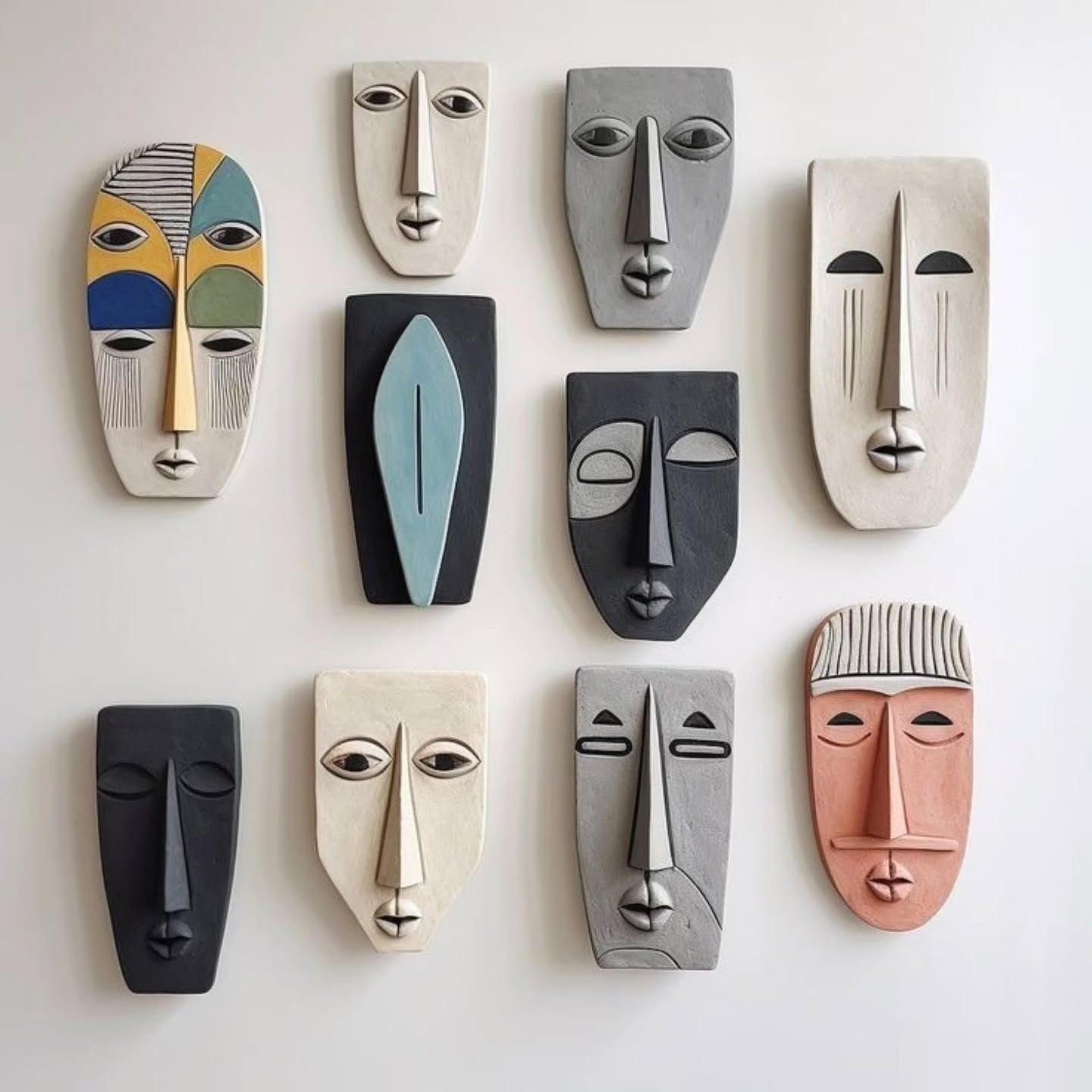
Finally, the most potent conversation starters are often deeply personal commissions or finds collected during travel. A weathered, hand-painted sign from a remote coastal market or an abstract ceramic face sculpted by a local artisan carries a genuine narrative. When guests ask about the piece, you are not just reciting a brand name or an interior design trend; you are sharing a memory, a journey, or a human connection. That authentic provenance is impossible to replicate with factory-made decor.
Step-by-Step Methodology for Curating and Styling Quirky Art
Transforming a room from an ordinary box into an engaging gallery of conversation pieces requires a deliberate, methodical approach. Randomly hammering nails into drywall will only result in visual clutter. Use this step-by-step framework to curate, balance, and install your eccentric art collection effectively:
- Step 1 (Audit the Social Flow): Identify the primary gathering zones in your room—such as the seating cluster, the hallway intersection, or the dining area—and map out natural sightlines where guests naturally pause or sit.
- Step 2 (Establish the Anchor and the Disruptor): Select one major anchor piece that embodies your personality and serves as the primary visual shock factor, then pair it with smaller, complementary oddities that support the theme without competing for dominance.
- Step 3 (Play with Mixed Media and Frames): Avoid uniformity by combining flat prints with 3D wall sculptures, textile pieces, and unconventional framing, such as brutalist concrete borders, raw steel channels, or ornate vintage gold frames on modern prints.
- Step 4 (Master the Installation Height): Hang your primary conversation pieces at eye level (center mass approximately 57 to 60 inches from the floor) so guests encounter them naturally without straining their necks or missing them entirely.
- Step 5 (Illuminate with Intention): Install directional picture lights or adjustable track lighting to cast warm pools of illumination on your quirky art, signaling to every visitor that these pieces are focal points worthy of contemplation.
Executing this methodology transforms the wall from a passive boundary into a dynamic storytelling surface. By treating each installation as an intentional stage set, you guide the visitor’s eye and curate their emotional journey through your home. The result is a space that feels curated by a human life rather than assembled by an algorithm.
Common Pitfalls and Field-Tested Workarounds
Even the most enthusiastic decorators stumble when diving into the world of quirky art. Without a clear strategy, eccentricity can easily curdle into visual chaos, leaving your living room looking less like a chic salon and more like a chaotic thrift store storage unit. Recognizing these common traps before you pick up a hammer saves your walls and your sanity.
- Pitfall 1 (Visual Clutter and Over-Curation): Filling every square inch of wall space with bizarre objects exhausts the human eye and eliminates the breathing room needed for art to pop.
- Practitioner Workaround: Apply the 60-30-10 rule for wall curation: keep 60% of your walls neutral or breathing space, 30% moderately decorated with standard art, and reserve the final 10% for your high-impact, conversation-starting statement pieces.
- Pitfall 2 (Mismatched Hardware and Poor Engineering): Hanging heavy 3D sculptures or concrete-framed pieces using standard picture wire or lightweight drywall anchors, risking catastrophic failure.
- Practitioner Workaround: Always weigh your unconventional art pieces and use heavy-duty toggle bolts, wood-stud anchoring, or French cleat systems rated for twice the actual weight of the object.
- Pitfall 3 (Trying Too Hard to Shock): Selecting art purely for its shock value or edginess without any genuine personal connection, resulting in a cold, performative atmosphere.
- Practitioner Workaround: Filter every potential purchase through a simple test: Does this make me smile, laugh, or genuinely think every time I walk past it? If the answer is no, leave it on the shelf.
- Practitioner Workaround (Balancing Scale): Placing tiny, quirky prints on massive, empty living room walls where they get swallowed up by negative space.
- Practitioner Workaround: Group small, weird artifacts into a tight gallery grid or place them inside oversized mats and dramatic frames to artificially inflate their visual weight and presence.
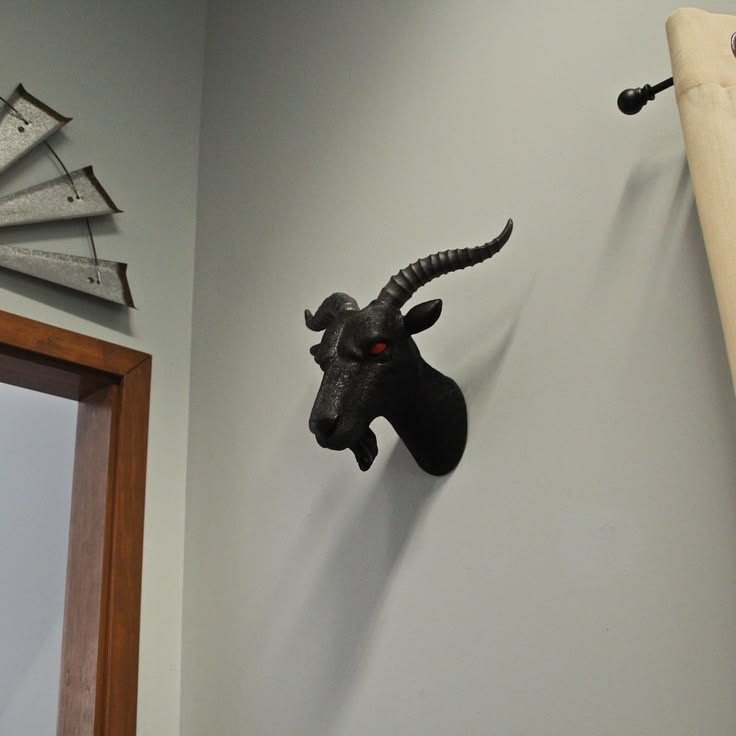
- Pitfall 5 (Ignoring Room Lighting Dynamics): Hanging dark, textured, or mixed-media art in shadowed corners where details, brushstrokes, and materials are completely obscured.
- Practitioner Workaround: Position quirky art directly opposite primary light sources or supplement with battery-operated, dimmable art lights that highlight textures and casting shadows.
Navigating these pitfalls ensures that your home remains sophisticated while maintaining its playful edge. Quirky art works best when it feels effortless, confident, and securely anchored to the architecture of the room.
The Long-Term Impact of Evolving Domestic Spaces
As we look deeper into the 2020s, the motivation behind home decor continues to shift away from performative minimalism and toward hyper-personalized sanctuaries. The houses and apartments we inhabit are no longer judged by how closely they mimic glossy shelter magazine spreads. Instead, they are evaluated by how effectively they support our mental health, spark joy, and facilitate authentic human connection in an increasingly digital world.
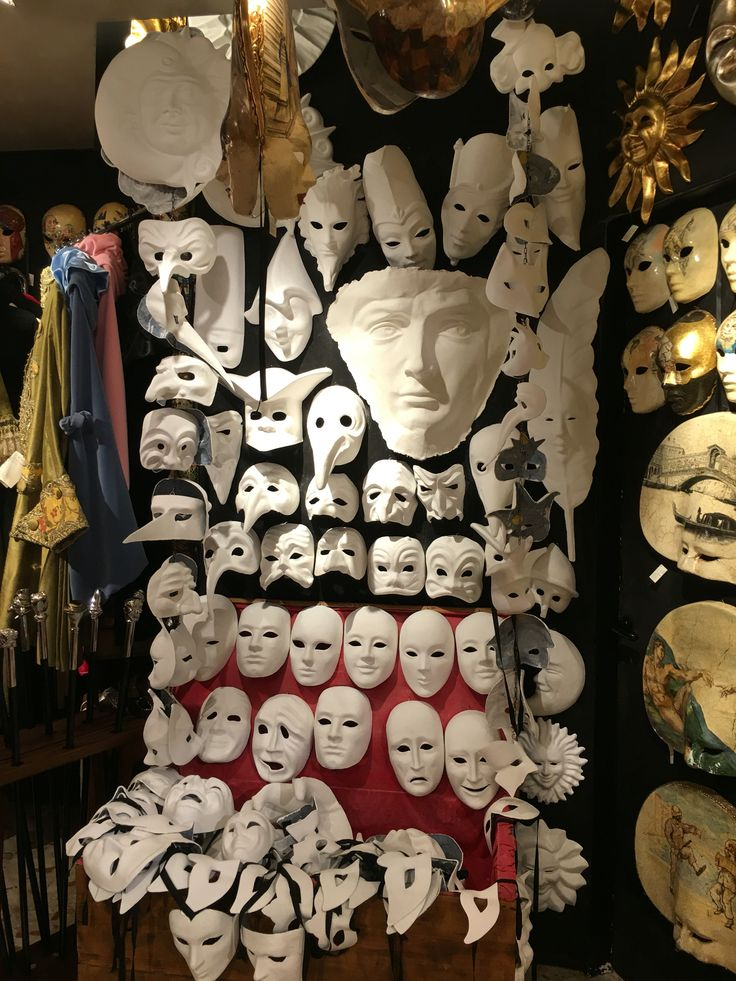
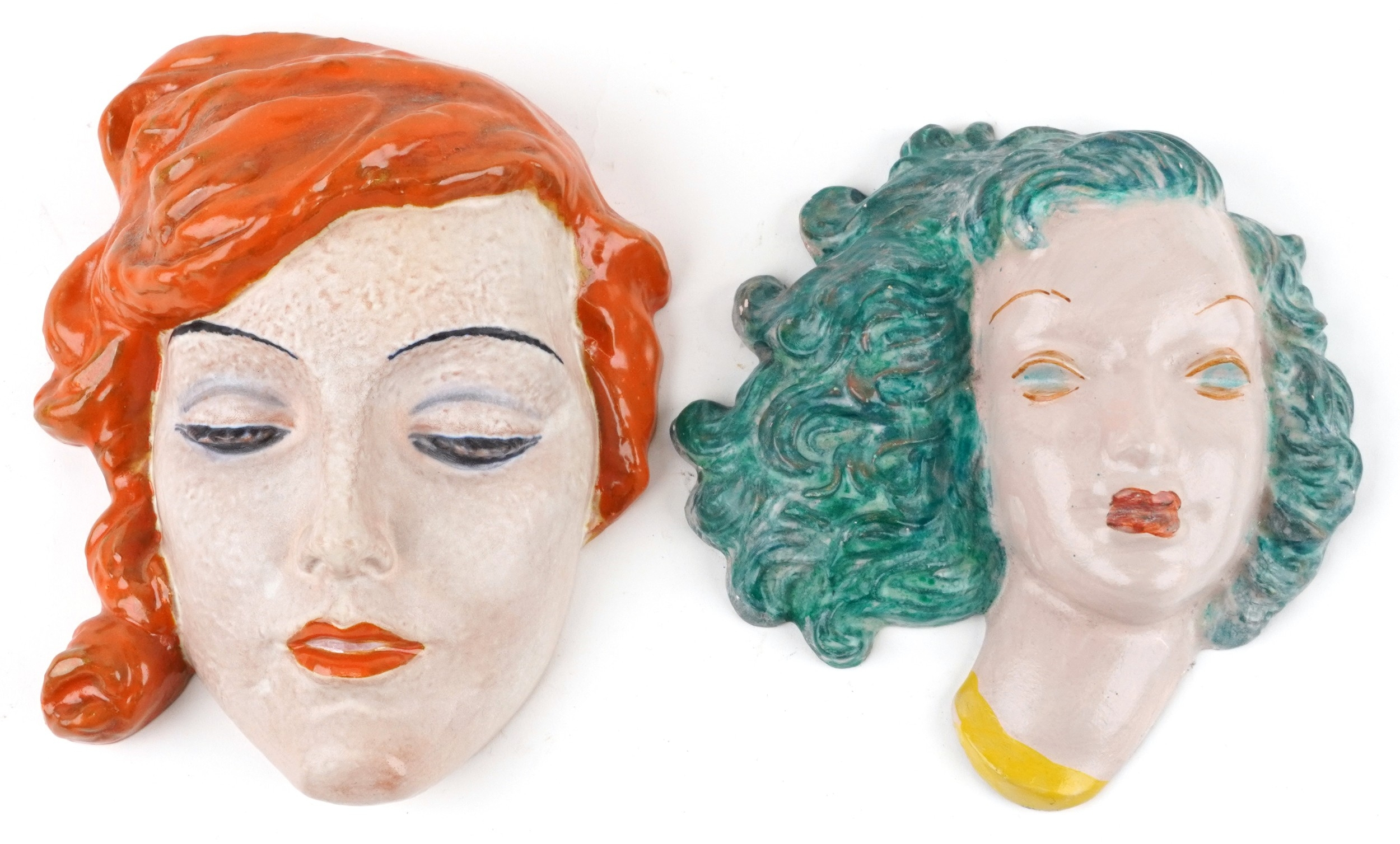
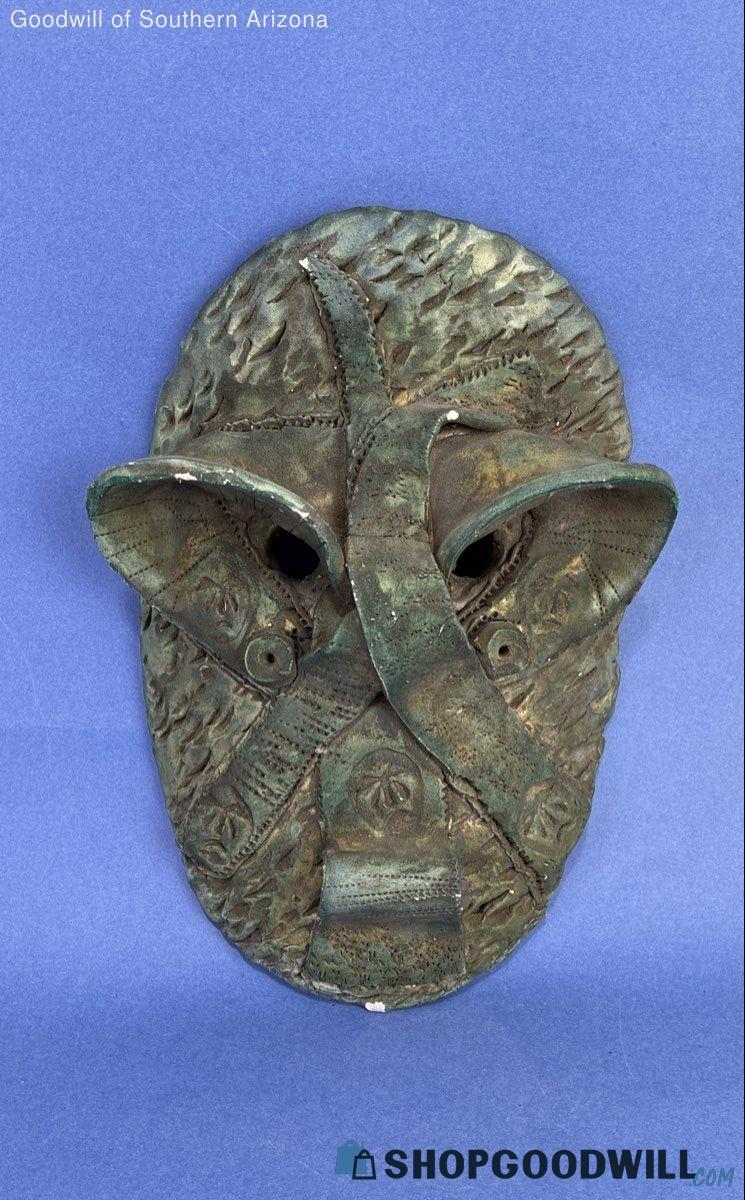
Quirky wall art plays a vital economic and cultural role in this evolution. It fuels independent artists, printmakers, ceramicists, and vintage curators who reject mass-produced uniformity in favor of bold, idiosyncratic expression. When you buy a hand-carved wooden mask from a local maker or a bizarre satirical print from an independent studio, you are investing in human creativity rather than automated factory output. This economic choice ripples outward, sustaining local creative communities and ensuring our physical environments remain rich with diverse perspectives.
Furthermore, the environmental footprint of sustainable curation cannot be overstated. Collecting vintage conversation pieces, repurposing everyday objects into wall sculptures, and investing in high-quality, durable art pieces rather than disposable decor directly combats fast-furnishing culture. Art that lasts a lifetime—and gets passed down through generations laden with stories and memories—represents the ultimate form of sustainable interior design.
Ultimately, the spaces we curate shape the people we become within them. A home filled with unexpected art, playful humor, and thought-provoking imagery encourages us to take intellectual risks, laugh at ourselves, and remain endlessly curious about the world. It turns the domestic sphere from a quiet shelter into a vibrant theater of everyday life.
Recommendations and Actionable Frameworks for Lasting Impact
To ensure your journey into quirky wall art yields a home that feels cohesive, engaging, and deeply personal, apply these final structural recommendations. Building a conversation-starting interior is an ongoing curation process, not a one-time shopping trip.
- Start with a Narrative Audit: Write down three adjectives that describe your personality or your household’s collective vibe (e.g., irreverent, botanical, vintage-obsessed), and use this as your filtering compass when evaluating new art pieces.
- Embrace the High-Low Mix: Pair eccentric, low-cost thrift store finds or DIY projects with one or two investment-grade statement pieces to elevate the entire collection and prevent the room from feeling gimmicky.
- Rotate and Evolve: Do not treat wall art as permanent architecture; allow your collection to breathe and evolve by seasonally rotating pieces in and out of storage as your interests and friendships change.
- Prioritize the Guest Experience: Sit on your own living room sofa or stand in your entryway and evaluate what your walls are communicating to an arriving guest—does the space invite curiosity, or does it demand silence?
By following these frameworks, you master the art of domestic storytelling. Your walls cease to be mere boundaries holding up your roof; they become active participants in your social life, turning every visit into a memorable experience rooted in genuine connection.
The walls we build around ourselves ultimately define the boundaries of our social worlds. When we choose to fill those walls with safe, sanitized, and predictable decor, we inadvertently construct social barriers that keep genuine human interaction at a distance. We signal that our homes are exhibits to be admired, not living rooms meant to be experienced.
Embracing quirky wall art is an act of quiet rebellion against this domestic conformity. It is an invitation to lean into humor, display your weirdest passions without apology, and turn awkward silences into moments of shared laughter and discovery. When a guest points to an absurd painting or an unconventional sculpture and asks, "What on earth is that?", you have already won.
Look around your own rooms today. Identify the blank spots, the quiet corners, and the overly polite walls waiting for a voice. Step outside the big-box catalog, seek out the strange and the beautiful, and let your walls start talking.